Buyer Fit Snapshot
| Best fit | Custom Paper Board Boxes Wholesale Pricing projects where brand print, material claims, artwork control, MOQ, and repeat-order consistency need to be specified before quoting. |
|---|---|
| Quote inputs | Share finished size, material target, print colors, finish, packing count, annual reorder estimate, ship-to region, and any compliance wording. |
| Proofing check | Approve dieline scale, logo placement, barcode or warning zones, color tolerance, closure strength, and carton packing before bulk production. |
| Main risk | Vague material claims, crowded artwork, missing packing details, or unclear freight terms can make a low unit price expensive after revisions. |
Fast answer: Custom Paper Board Boxes Wholesale Pricing: Board, Finish, Dieline, and Unit Cost should be specified like a repeatable production item. The safest quote records material, print method, finish, artwork proof, packing count, and reorder notes in one written spec.
Production checks before approval
Compare the actual filled-product size with the drawing, then confirm tolerance on folds, seals, hang holes, label areas, and retail display edges. Reserve space for logos, QR codes, warning copy, and material claims before decorative graphics fill the panel.
Quote comparison points
Review material grade, print process, finish, sampling route, tooling charges, carton quantity, and freight assumptions side by side. A quote is only useful when the supplier can repeat the same color, closure quality, and packing count on the next order.
If you want custom paper board boxes wholesale pricing that actually fits your budget, start with the ugly truth: the first quote usually isn’t the final quote. I’ve stood on factory floors in Shenzhen, Dongguan, and Longhua while a buyer insisted they needed “one simple box,” then watched the price change three times after we clarified board grade, print coverage, and finish. That’s normal. It also keeps everyone from wasting money on samples that never had a chance of working. Honestly, I’ve learned to trust the second conversation more than the first one; sometimes the third too, which is annoying, but there it is.
Custom paper board boxes wholesale pricing comes down to structure, material, decoration, and order size. Not just dimensions. Not just “it’s a small box.” I’ve seen brands fall for a low number from a supplier who left out tooling, inserts, coating, and freight from Yantian Port to Los Angeles. Then the landed cost shows up and everybody acts offended, like packaging has personally betrayed them. It hasn’t. The quote was incomplete. I remember one buyer in a Guangzhou meeting room slapping a printout on the table and saying, “This must be a typo.” Nope. It was just missing half the job.
My aim is simple: help you get accurate custom paper board boxes wholesale pricing before you burn time on sample runs, artwork revisions, and email chains that could have been avoided with five clean specs and a realistic quantity. Know what affects pricing, compare quotes properly, and stop shopping by fantasy. Fantasy is cute for novels. It is terrible for procurement, especially when the order is 5,000 pieces and the launch date is already fixed for March 18.
Why Custom Paper Board Boxes Wholesale Pricing Can Surprise You
The biggest misconception I hear is that boxes with similar dimensions should have similar quotes. Wrong. I had a skincare client in Los Angeles show me two bids for what looked like the same carton: one at $0.31 per unit and another at $0.54 for 5,000 pieces. Same footprint. Same logo. Different board stock, different print process, different coating, different story. Custom paper board boxes wholesale pricing is a stack of decisions, and each one moves the number. The box is basically a little financial spreadsheet with glue.
Board grade is where a lot of buyers get blindsided. A 300gsm C1S artboard, a 350gsm SBS, and a rigid chipboard sleeve are not interchangeable, even if the outside size matches. A supplier can quote a low per-unit number using thinner stock, then come back later and say the box needs more strength because your product weighs 280 grams and the carton starts bowing. I’ve seen that happen with candle brands more than once. The box looked cheap because it was cheap. And yes, the candle fell through one day. Not great for the brand story.
Finishing causes another round of surprises. Matte lamination, soft-touch, spot UV, foil stamping, and embossing all look nice on a render. They also cost money. Real money. A simple matte aqueous coat might add only $0.02 to $0.05 per unit at 3,000 pieces, while a multi-step finish with foil and embossing can increase custom paper board boxes wholesale pricing by 20% to 40% depending on quantity and setup. That’s not supplier greed. That’s labor, plates, and machine time. The machine does not care that your Pinterest board was inspiring.
“The cheapest quote usually forgot something.”
That came from a supplement buyer in Texas after we compared three vendor bids. He’d received a price that excluded inserts and shipping cartons. By the time he corrected it, the quote was no longer the cheapest. It was just the most incomplete. I hear this kind of thing constantly. The market rewards buyers who ask sharper questions. The market also punishes anyone who assumes “per box” means “everything included.” It usually doesn’t.
Custom paper board boxes wholesale pricing also changes with order size. Five hundred boxes and five thousand boxes are not cousins. They are different species. Setup costs spread across volume, and that’s where the real savings show up. If you’re only ordering a small batch, the unit cost climbs fast because plates, cutting, proofing, and machine setup don’t care about your optimism. They charge the same either way. I’ve seen a buyer stare at a quote like it offended them personally. It didn’t. The math just showed up on time.
Think about the final use before you request a quote. Is this retail packaging sitting on a shelf at Target, or a shipping-friendly mailer going into a subscription kit? Different use case, different structure, different pricing logic. That’s how you avoid paying for features you don’t need, or skipping features you do need. I’d rather save a client $0.08 on a structure decision than watch them overspend on a fancy finish nobody will see after the box gets crammed into a shipper.
Custom Paper Board Box Types, Uses, and Print Options
Custom paper board boxes wholesale pricing depends heavily on box type. A folding carton for a serum bottle costs very differently from a two-piece rigid box for a gift set. Buyers often lump them together because both are “paper boxes.” The factory doesn’t. Die-cutting, gluing, and assembly requirements are different, and so are the labor hours. One is a quick build. The other is a small army of hands and machines in Shenzhen or Dongguan.
Here’s the practical breakdown I use when talking with clients:
- Folding cartons — Best for cosmetics, supplements, tea, small electronics, and retail add-ons. Usually the most cost-efficient format for branded packaging, especially at 3,000 to 10,000 pieces.
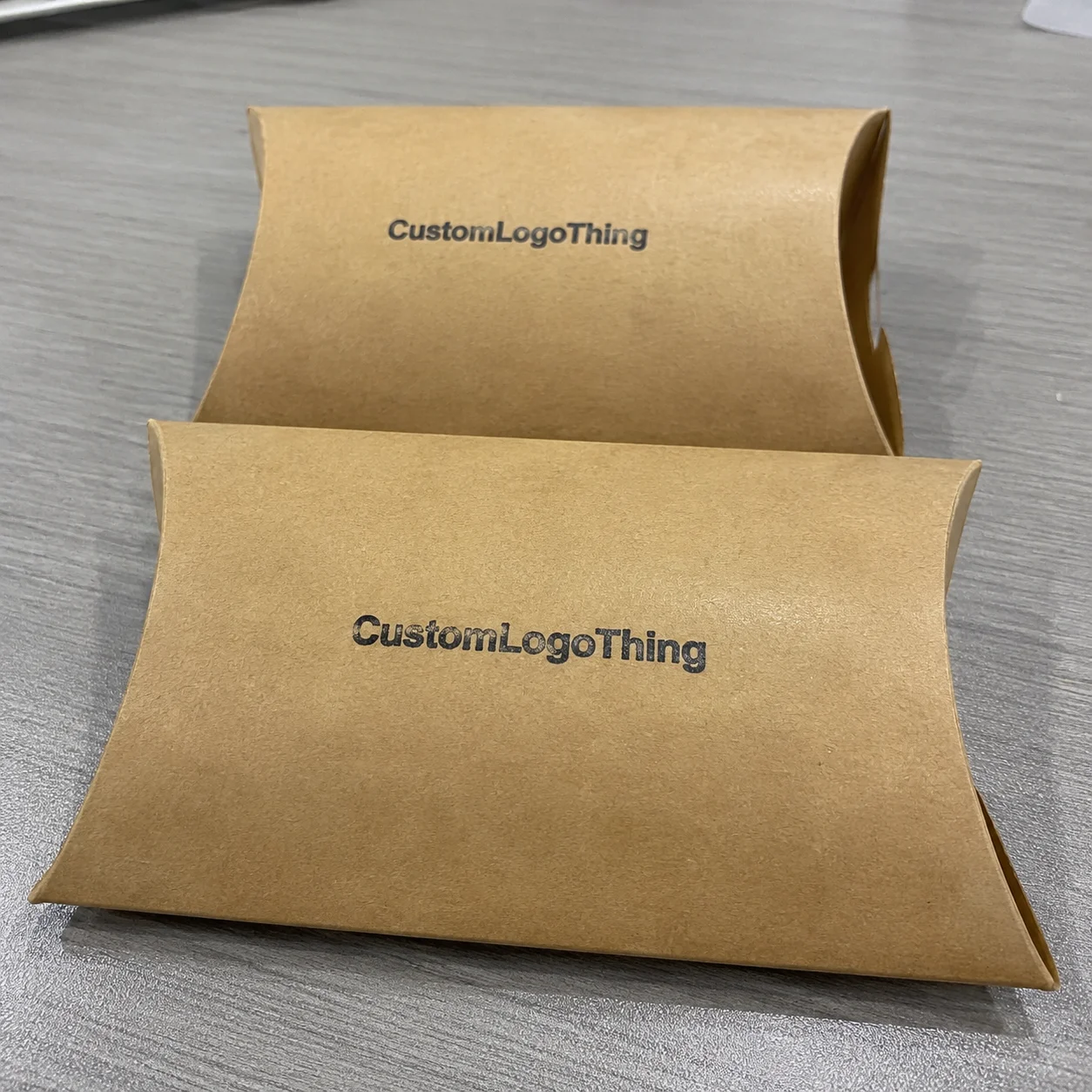
- Tuck-end boxes — Good for lightweight products and high-volume retail packaging. Simple structure, lower tooling cost, and often built from 300gsm to 350gsm C1S artboard.
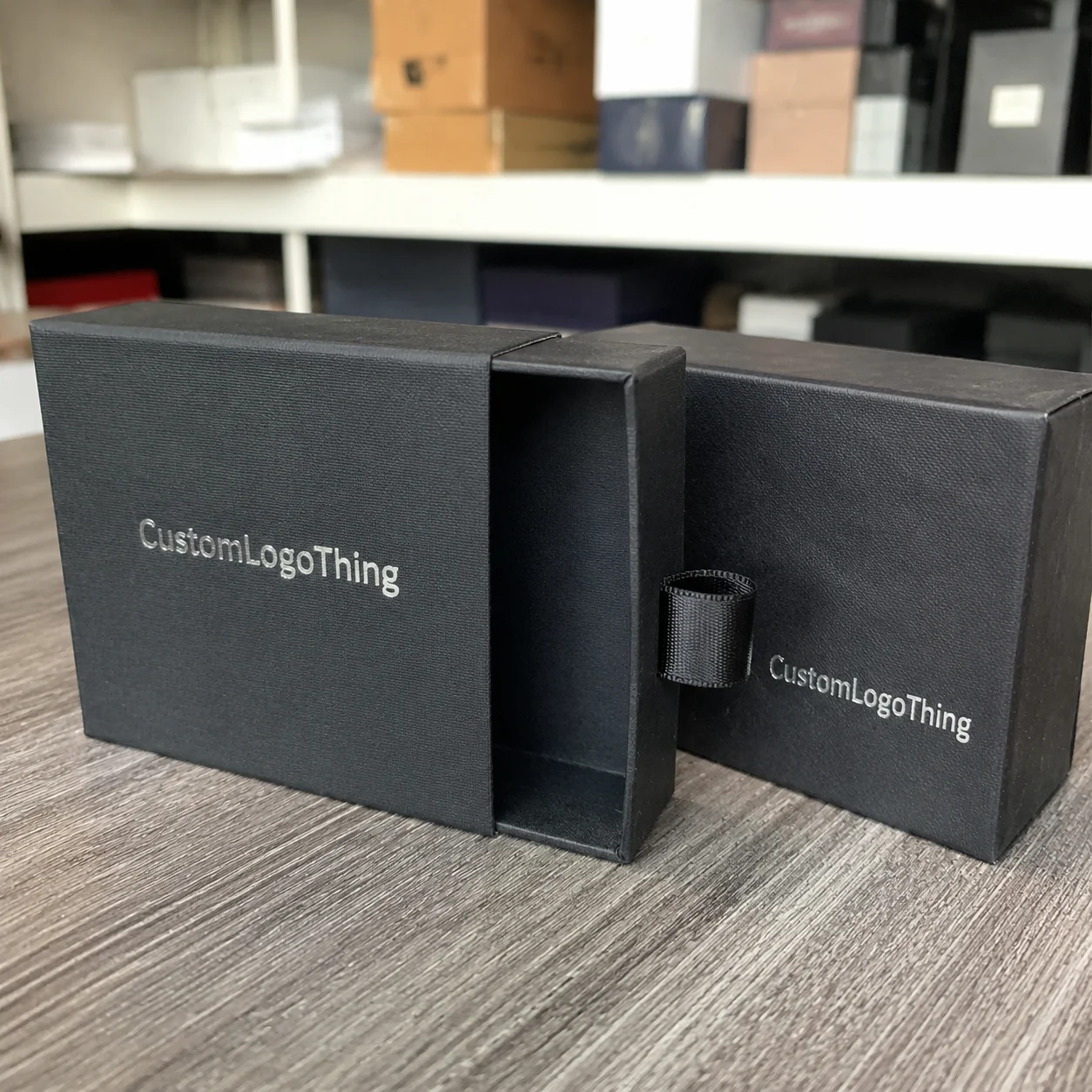
- Sleeve boxes — Useful for premium presentation or layered product packaging. The sleeve adds brand impact, but it also adds material and labor.
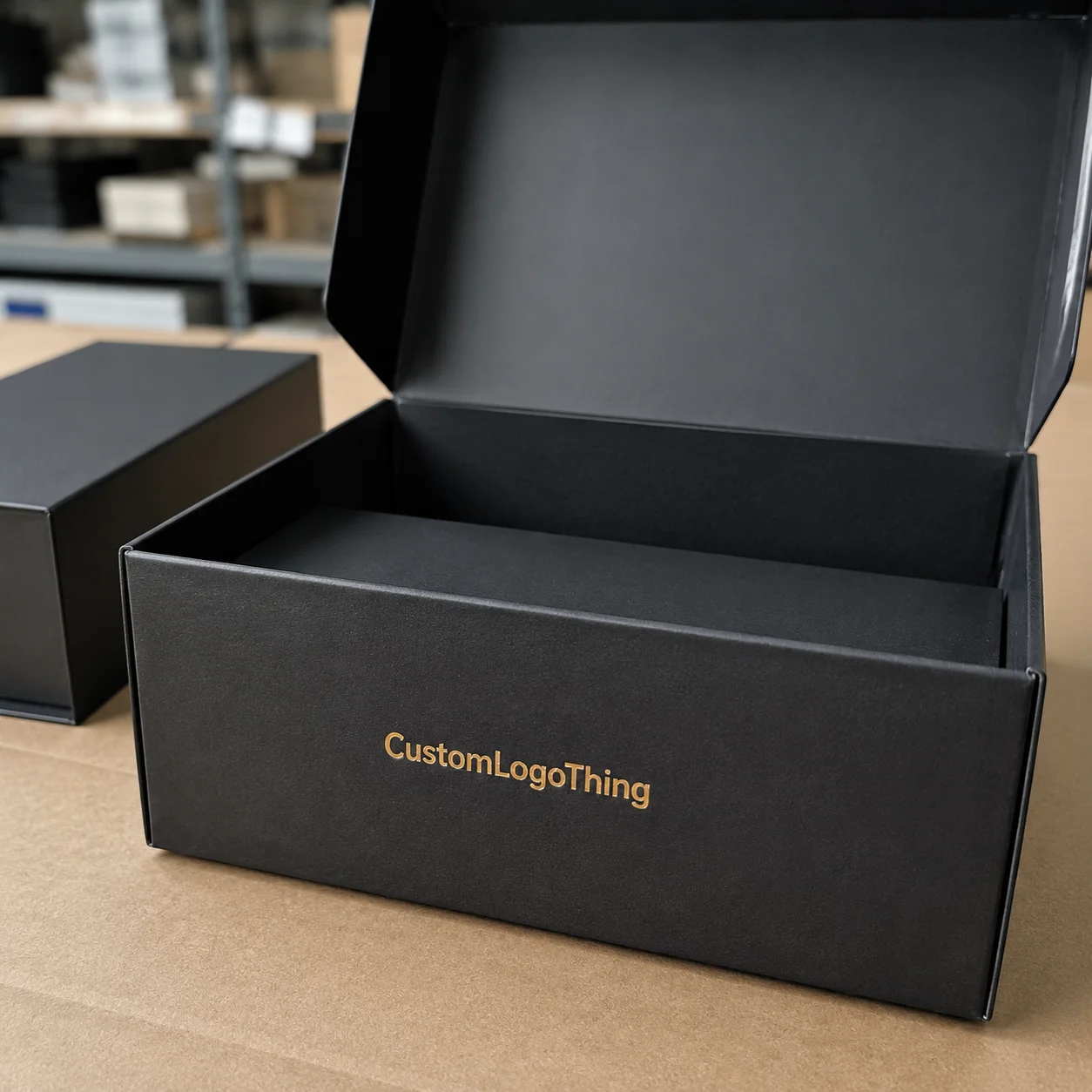
- Rigid paper board boxes — Better for luxury sets, fragrance, jewelry, and high-value bundles. Stronger impression, stronger price, often built with 1200gsm to 1500gsm chipboard wrapped in printed paper.
- Mailer-style paper board packaging — Common for subscription kits and e-commerce, especially when the unboxing experience matters. These are often specified in corrugated E-flute or reinforced paper board structures.
I visited a mailer line in Guangdong where a cosmetics client wanted a rigid feel without the rigid-box budget. We tested a reinforced folding carton with a better board caliper and a smart insert. Result? They saved roughly $0.18 per unit at 8,000 pieces compared with a full rigid structure. That’s the kind of tradeoff that matters. Custom paper board boxes wholesale pricing improves when you choose structure intelligently, not when you slash features blindly. I still remember the buyer saying, “Wait, it can look premium without being ridiculous?” Yes. Welcome to packaging.
Use matters, too. Cosmetics brands usually want high shelf impact and tight print registration because the box is part of the package branding. Supplement brands care about label readability and compliance language. Candle brands care about crush resistance and scent storytelling. Apparel accessory boxes often need more style than strength, while subscription kits need durability plus a clean opening experience. That mix changes materials, ink coverage, and finish choices. If you’ve ever had a fragrance box arrive dented because the spec was “basically fine,” you know exactly why this matters.
Print options are another major driver. CMYK is the standard for full-color artwork. PMS spot colors help when brand consistency matters more than photo realism. Foil stamping adds shine, embossing adds texture, and matte or gloss lamination changes both feel and durability. A product manager once asked me why their “simple” foil logo pushed the quote up. Because foil requires tooling and registration discipline. Physics is rude like that. It also has zero patience for “can you just make it pop?”
Some finishes earn their keep. Some are expensive decoration. If the box sits in a retail setting and competes against six similar products, foil or embossing can lift perceived value. If the box mostly disappears inside shipping cartons, skip the extras and put the money into structural performance. That keeps custom paper board boxes wholesale pricing tied to actual business value, not just mood-board ego.
Inserts and windows deserve their own caution. A PET window can help a product show through the carton, which is useful for retail packaging and premium food presentation. But windows also create extra die-cut steps and, in some cases, extra material compliance concerns. Inserts are smart when the product is fragile or has multiple components. They are wasteful when the product already fits snugly. I’ve seen brands add foam, then remove it six weeks later after realizing the box itself had been sized wrong. That’s not a fun way to spend money. It’s also a spectacular way to annoy everyone in the room.
| Box Type | Common Use | Typical Price Impact | Best For |
|---|---|---|---|
| Folding carton | Cosmetics, supplements, small retail items | Lowest to moderate | High-volume custom printed boxes |
| Tuck-end box | Light products, retail displays | Low | Simple branded packaging |
| Sleeve box | Gift sets, premium kits | Moderate | Layered presentation |
| Rigid box | Luxury sets, fragrance, jewelry | High | Premium retail impact |
| Mailer-style board box | Subscription and e-commerce kits | Moderate | Product protection plus branding |
If you need a broader mix of custom printed boxes, I’d also look at our Custom Packaging Products and compare the styles against your product weight and shipping route. If you’re buying across multiple SKUs, our Wholesale Programs can help you standardize specs without turning your box line into a mess. Standardizing sounds boring because it is boring. It also saves money and prevents your team from chasing twelve slightly different box specs like they’re collecting stamps.
Custom Paper Board Boxes Wholesale Pricing Factors
Now for the part buyers really need: the price drivers. Custom paper board boxes wholesale pricing usually comes down to six core variables: board thickness, print coverage, finish complexity, structural style, quantity, and shipping. Ignore any one of those, and your estimate will drift. Drift is polite. I’d call it “quiet budget sabotage.”
Board thickness is the first big lever. A 250gsm board costs less than a 350gsm board, and rigid chipboard costs more than either. Thicker material improves feel and strength, but it also increases raw material cost and may reduce folding efficiency. If your product weighs 40 grams, you do not need a board that could survive a minor earthquake. I mean, unless your warehouse is also a survival shelter.
Print coverage matters more than people think. A clean one-color logo on natural kraft is usually cheaper than full-surface CMYK with rich blacks and dense photo imagery. More ink coverage means more press time, more color management, and more waste during setup. In one client negotiation with a printer near Dongguan, we shaved about 9% off the quote by simplifying the inner print and reducing ink density on non-customer-facing panels. That was real savings, not theoretical. And yes, the buyer felt very smug for about eleven minutes.
Finish complexity is where budgets often wander off the cliff. A matte coat is one line item. Soft-touch with foil and embossing is several. Spot UV adds a separate pass. And if you want all of them at once, fine, but don’t act shocked when custom paper board boxes wholesale pricing climbs. You’re not buying cardboard. You’re buying time on a machine, plus setup, plus skilled labor.
Structural style also shifts price. Tuck-end cartons are usually simpler. Sleeve and drawer styles need more assembly. Rigid boxes often involve manual wrapping and tighter inspection standards. The more handling required, the more expensive the unit cost becomes. That’s why some luxury boxes look expensive before they even hit the shelf. They are. There’s no secret fairy dust in the factory. Just paper, glue, and a lot of human hands.
Quantity changes everything. This is the part most buyers underestimate. A 500-unit order can land at a much higher unit price than a 5,000-unit order because the fixed costs are divided across fewer pieces. I’ve quoted jobs where the difference between 1,000 units and 3,000 units was nearly $0.12 per box. Same spec. Same supplier. Better spread on setup. If the volume math looks boring, good. Boring is where the savings live.
Here’s a simple pricing framework I use when discussing custom paper board boxes wholesale pricing with buyers. These are broad working ranges, not promises. Exact numbers depend on the spec sheet, artwork, and freight lane:
- Small runs — 500 to 1,000 units: often around $0.45 to $1.20 per box for basic folding cartons, depending on size and finish.
- Mid-size wholesale orders — 3,000 to 5,000 units: often around $0.18 to $0.55 per box for standard cartons.
- Large wholesale runs — 10,000+ units: often around $0.10 to $0.35 per box for simplified structures.
Those are rough market ranges. Not gospel. A foil-stamped rigid set can blow right past them, while a plain kraft tuck box may sit below them. If a supplier quotes far outside those bands without a clear reason, ask why. That’s not being difficult. That’s being sane. I’d rather have a buyer ask ten questions than sign one bad approval and spend the next month undoing it.
There are also hidden costs buyers need to ask about, because they show up later if they’re not discussed early. Tooling for die lines, plates for offset printing, digital proofing, physical samples, freight, outer cartons for shipping, and palletization can all affect the final landed cost. The landed cost is the real number. Not the unit price floating in a spreadsheet like it pays your warehouse. Spreadsheet numbers are cheap; pallets are not.
I’d compare every quote with the same checklist:
- Same dimensions and product fit.
- Same board stock and caliper.
- Same print method and ink coverage.
- Same finish and lamination.
- Same insert or no insert.
- Same packing method for shipment.
- Same freight terms.
Do that, and custom paper board boxes wholesale pricing gets much easier to compare. Skip it, and you’ll spend half a day comparing apples to very expensive oranges. I’ve watched teams do it with a straight face in a conference room in Los Angeles. Nobody enjoyed that meeting.
For standards and testing references, I also point buyers toward the industry groups that actually document performance and compliance. If your order is shipping-heavy, the testing language at ISTA is worth a look. If you’re making sustainability claims, FSC certification matters more than a pretty leaf icon on the mockup.
Specifications Buyers Should Lock Before Requesting a Quote
If you want accurate custom paper board boxes wholesale pricing, give the supplier enough information to stop guessing. I can usually tell within three emails whether a buyer has done their homework or is hoping the factory can read minds. Spoiler: we can’t. Not even the good ones. Especially not the good ones at 2 a.m. during peak season in Dongguan.
Start with dimensions. Not “small box.” Actual length, width, and height in millimeters or inches. Then add product weight, because a 50-gram serum bottle and a 280-gram candle jar do not belong in the same carton spec. If the box is for a set, include every component and their combined weight. A bad fit is expensive. It creates returns, damage, and new artwork revisions.
Dieline accuracy matters more than buyers realize. A measurement error of 2 mm can sound tiny, but on a tight-fitting carton it can cause a product to rattle or refuse to slide in at all. I watched a beauty startup burn through two sample rounds because their tube height was copied from a vendor sheet that rounded up. The box looked great. The product did not fit. That is a lovely way to destroy lead time. It also gets very quiet in the room after that happens.
Next, decide on board type. Here are the common options and where they work best:
- SBS — Smooth, bright, excellent for premium retail packaging, cosmetics, and print-heavy boxes.
- CCNB — Coated recycled board, often cost-efficient for less premium or high-volume applications.
- Kraft paper board — Natural look, good for eco positioning and simple branding.
- Rigid chipboard — Best for luxury presentation and heavier products that need structure.
Then lock down print sides. Outside-only print is cheaper. Inside and outside print adds cost, but it can strengthen brand presentation for unboxing. If the interior is just plain white, fine. If you want a full branded experience, say so early. A lot of product packaging quotes go sideways because the buyer forgot to mention the inside print until after the proof was approved. That’s a costly little surprise, and somehow it always appears right when everyone thought the work was done.
Finish requirements need to be explicit too. Matte, gloss, soft-touch, spot UV, foil, embossing, debossing, aqueous coat, or no lamination at all. “Make it premium” is not a spec. It’s a mood. And moods do not calculate into custom paper board boxes wholesale pricing. If they did, I’d be rich from all the times I’ve heard, “Can you make it feel more expensive?” Yes. For money.
For food, beauty, and shipping-heavy products, ask about compliance and performance requirements. Some food packaging applications need grease resistance or food-safe inks. Beauty cartons may require better print fidelity for small type. Shipping-heavy boxes may need stronger board, tighter insert tolerances, or packaging tests aligned with ASTM or ISTA methods. I’m not saying every order needs a lab report. I am saying the supplier should know the end use before they quote. Otherwise, you end up with a box that looks beautiful and fails the only job it had.
If you want to reduce back-and-forth, send product samples or exact product dimensions. Even better, send both. When I worked with a supplement brand that moved from three-piece bottle kits to a single retail sleeve, the quote tightened immediately after we received physical samples. Numbers on paper are useful. Plastic and glass don’t lie. They also don’t forgive bad measurements.
Specification checklist before quoting:
- Exact dimensions.
- Product weight.
- Board type and thickness.
- Print method and colors.
- Coating or lamination.
- Insert or window requirements.
- Quantity target.
- Shipping destination.
Get those eight items right and custom paper board boxes wholesale pricing gets a lot cleaner, faster, and less annoying.
Ordering Process, Proofing, and Production Timeline
The ordering process should be straightforward. If it feels mysterious, somebody is hiding information. A clean custom paper board boxes wholesale pricing project usually follows the same sequence: quote request, dieline confirmation, artwork setup, proof approval, sample production, bulk production, packing, and freight. That’s the pipeline. Skip a step and the whole thing slows down. I’ve seen a “quick” project turn into a five-week scavenger hunt because three people assumed someone else approved the proof.
Step one is the quote request. This is where you submit dimensions, quantity, board type, print details, finish, and shipping city. Good suppliers can give a rough estimate fast. Better suppliers will also point out where your spec may be overbuilt or underbuilt. I like that kind of honesty because it keeps the final quote from wandering. It also tells me the factory is thinking like a partner, not a vending machine.
Step two is dieline confirmation. If the supplier provides a template, have your designer place artwork onto it exactly. If you already have a dieline, have the factory check it against the product sample. I’ve watched brands lose a week because their graphic designer put the barcode on the wrong panel. That’s not a packaging problem. That’s a communication problem dressed up as a packaging problem. A very expensive costume, too.
Step three is artwork setup and proofing. Digital proofs are useful for layout and text checks, but they do not replace a physical sample when color accuracy or structural fit matter. If your artwork has small legal copy, batch codes, or precise skin-tone photography, ask for a printed proof. It costs more than a PDF, but it can save a much bigger mistake.
Samples usually move faster than bulk production, but the timing depends on complexity. A plain folding carton sample can be ready in 3 to 5 business days. A rigid box with multiple finishes takes longer, often 7 to 10 business days. Bulk production for standard jobs typically takes 12 to 15 business days after proof approval, while complicated finishing can push it to 18 to 25 business days. If a supplier promises every order in a magical number of days, I’d ask what gets sacrificed to hit it. Usually something. Usually quality, sleep, or both.
Here’s where delays usually happen:
- Artwork delivered with missing fonts or low-resolution images.
- Late proof approvals from internal stakeholders.
- Unclear dimensions or product samples that don’t match the specs.
- Last-minute finish changes after production has started.
- Freight bookings made too late for the launch date.
Revisions affect schedule and cost. If you change board stock after proofing, that can require a new die adjustment. If you change print coverage, expect new color balancing. If you add an insert after the sample is approved, yes, the price changes. Manufacturing does not enjoy moving goalposts. In fact, it hates them with surprising consistency.
My planning rule is simple: set your launch date back at least 30 to 45 days from the final approved design if the order is standard, and longer if you’re ordering a premium build or international freight from Shenzhen to Chicago or from Ningbo to Rotterdam. Reorders are easier, but first runs need room for correction. That margin is the difference between calm and a warehouse fire drill. I’ve been in both situations. Calm is better. Obviously.
For brands that need recurring replenishment, I always encourage a reorder calendar. If you know the sell-through rate and your incoming lead time, you can plan custom paper board boxes wholesale pricing around quantity breaks instead of panic ordering 800 units because inventory went sideways. Panic always costs more. It also always shows up right before a holiday, which is deeply rude.
Why Custom Logo Things for Wholesale Paper Board Boxes
Some packaging suppliers talk like they’re selling mystery. I hate that. At Custom Logo Things, the point is to keep custom paper board boxes wholesale pricing transparent enough that you can make a business decision, not a guess. That means direct factory communication, clear quotes, and practical advice on where to save money without wrecking the box. No theatrics. No “special pricing” nonsense that evaporates the second you ask a follow-up question.
I’ve negotiated with board mills and print shops long enough to know where pricing really moves. Sometimes the answer is a better raw board source from Guangzhou. Sometimes it’s changing a coating spec that doesn’t affect shelf impact. Sometimes it’s reducing waste by optimizing the dieline. Those gains are not glamorous, but they matter. A $0.03 reduction per box on 20,000 units is $600. That’s not pocket lint. That’s budget. Real budget. The kind finance actually notices.
When I visited a production line for a client’s fragrance cartons in Dongguan, the supplier had quoted based on a premium imported board that was frankly overkill for the product weight. We shifted to a more appropriate local stock, kept the same print quality, and held the visual standard. The quote dropped enough to improve margin without changing the design. That’s the kind of real-world packaging design decision buyers need. Pretty boxes are nice. Healthy margins are nicer.
We also support dieline work, quality control, and reorder consistency. Those three things save brands from a lot of embarrassment. If your first run fits perfectly and your second run fits like a bad joke, you’ve got a supplier problem. I’ve seen that happen when buyers were chasing the lowest quote from a vendor who couldn’t repeat tolerances. Cheap is expensive when you have to fix it twice.
For repeat buyers, the biggest value is usually clarity. A quote that separates unit cost, setup cost, and freight gives you a real landed number. That matters for budget planning and for comparing one supplier against another. I’ve sat in meetings where two “identical” quotes differed by 17% because one included shipping cartons and one didn’t. Same headline. Different truth. That kind of thing makes me want to put the spreadsheet in time-out.
If your brand needs retail packaging, custom printed boxes, or broader branded packaging support across multiple SKUs, Custom Packaging Products and Wholesale Programs can make it easier to standardize specs. That usually improves both consistency and custom paper board boxes wholesale pricing across the board.
Also, I like suppliers who can tell you when your spec is overbuilt. A factory that just says yes to everything is not helping you. They are collecting your money. There’s a difference. One helps your margin. The other helps their invoice.
How to Get the Best Custom Paper Board Boxes Wholesale Pricing
If your goal is better custom paper board boxes wholesale pricing, don’t start with “how cheap can this be?” Start with “what do I actually need the box to do?” That’s the smarter question. Once the function is clear, pricing gets easier to control. It also keeps you from buying a gorgeous box that fails in the warehouse and makes everyone grumpy.
First, gather your dimensions and product details. Don’t estimate if you can avoid it. Use a physical sample, a finished product, or a scale drawing. Then choose the box style based on weight, shelf presentation, and shipping method. If the product is light and retail-facing, a folding carton may be enough. If it’s premium or fragile, a rigid or reinforced structure may make more sense. Matching the structure to the product is one of the fastest ways to manage cost.
Second, decide how much finish you really need. A single-color kraft box with a sharp logo can look excellent if the design is thoughtful. You do not need foil on every box to look credible. I’ve seen brands spend an extra $0.22 per unit on finish effects and then hide the box in a shipper. That’s not branding. That’s decorative waste. It makes the accounting team squint, which is never a good sign.
Third, compare at least three quotes using the exact same spec sheet. If one supplier quotes on 350gsm SBS and another quotes on 300gsm CCNB, those are not equivalent bids. Ask for the same board, same finish, same insert, same freight destination. Apples-to-apples or don’t bother. If someone gives you a quote without clarifying the material, I’d already be suspicious.
Fourth, ask for both sample pricing and bulk pricing. A sample may cost more per unit, but that’s not the same as production pricing. You need both numbers to plan correctly. Ask for reorder pricing too. Some suppliers will improve the unit rate once the die and plates are already on file. That’s useful if you know you’ll reorder.
Fifth, request freight estimates before you approve the order. Shipping can materially change the landed cost, especially if the boxes are shipped flat-packed in large volumes. If you’re importing, ask whether the quote is EXW, FOB, or DDP. Those terms matter. A quote that looks cheap can become expensive the moment it reaches a port. Customs has a talent for ruining optimistic math.
Here’s a practical way to reduce cost without making the box look weak:
- Use a simpler finish like matte coat instead of multiple special effects.
- Reduce heavy ink coverage on hidden panels.
- Choose a box structure that fits the product without extra inserts.
- Increase quantity to cross a better price break if demand supports it.
- Standardize artwork across SKUs where possible.
That last one matters. Standardization is boring. It also saves money. If three product sizes can share one print approach or one board family, you’ll usually get more stable custom paper board boxes wholesale pricing over time. Buyers love variety until the invoice shows up. Then suddenly simplicity looks very attractive.
If you’re ready to move from research to order, here’s the quick checklist I’d use before sending a request for quote:
- Exact product dimensions and weight.
- Desired box style and opening method.
- Board type and thickness.
- Print colors, logo placement, and inside print needs.
- Finish level, including lamination or foil.
- Insert or window requirements.
- Target quantity and reorder forecast.
- Shipping destination and timeline.
Send those eight items in one message, and you’ll get better answers. More accurate answers. Faster answers. That’s the difference between a quote that helps and a quote that wastes your afternoon. And yes, your inbox will thank you.
If you want to make the final decision easier, ask the supplier to separate setup cost from unit cost and freight. That simple breakdown gives you a clean view of where the money goes and makes custom paper board boxes wholesale pricing much easier to manage across procurement, design, and operations.
And if you’re still tempted to buy the lowest quote without checking the details, remember the buyer I mentioned earlier. He saved $0.04 per unit on paper, then spent three times that on revisions, extra inserts, and rebooking freight. That is not a deal. That is a lesson. An expensive one, with a very unhelpful invoice attached.
What affects custom paper board boxes wholesale pricing the most?
Board grade, box style, print coverage, finish, and order quantity usually move price more than anything else. Tooling, inserts, and freight can also change the final landed cost, especially on smaller orders of 500 to 1,000 units. A 350gsm C1S artboard carton with foil and embossing will almost always cost more than a plain 300gsm tuck box.
What is a typical MOQ for custom paper board boxes wholesale pricing?
MOQs vary by style, but many custom paper board box orders start around 500 to 1,000 units. Higher quantities usually reduce the per-box price significantly because setup costs spread across more units. For example, a quote might be $0.52 per unit at 1,000 pieces and $0.24 per unit at 5,000 pieces for the same structure.
How long does production usually take for custom paper board boxes?
Samples are often faster than bulk production, but timelines depend on artwork approval and finishing. Standard runs may take 12 to 15 business days after proof approval, while complex print effects or special inserts can add time and push production to 18 to 25 business days. If shipping comes from Shenzhen, add a few more days for export booking and port handling.
Can I get an accurate quote without a dieline?
You can get a rough estimate, but an exact quote needs dimensions, structure, and print details. A dieline or product sample helps avoid sizing mistakes and pricing changes, which is why I always ask for one before locking a final number. A 2 mm error on a carton can mean a reprint or a new die.
How do I lower custom paper board boxes wholesale pricing without making the box look cheap?
Use simpler finishes, reduce print coverage, and choose a box style that fits the product without extra inserts. Ordering a larger quantity can also lower unit cost without changing the design, which is the cleanest way to improve pricing. A plain matte finish on 5,000 pieces often looks better than a messy premium spec nobody can afford.
If you’re buying custom printed Boxes for Retail packaging, subscription kits, cosmetics, or supplements, the smartest move is to treat custom paper board boxes wholesale pricing like a spec problem, not a guessing game. Get the dimensions right, choose the structure that fits the product, ask for separate setup and freight costs, and compare quotes on the same terms. Do that, and you’ll know exactly where the money is going before you approve the run.