Good custom party favor boxes do more than hold candy, keepsakes, or a folded note. They frame the gift before anyone opens it, and that makes structure, board strength, and print quality part of the experience, not just the mechanics. A box can be small and still feel premium if the folds are crisp, the color is accurate, and the closure sits flat.
That matters across weddings, baby showers, birthdays, corporate events, and branded launches. A favor box on a reception table is doing several jobs at once: it has to protect the contents, match the theme, photograph well, and survive handling by guests who are usually not gentle. If any one of those pieces is off, the whole presentation feels less considered.
There is also a practical side that buyers sometimes underestimate. Favor packaging sits between gift wrap and product packaging, which means it has to look polished without becoming fragile or expensive to produce. That balance is where the real buying decisions happen.
Custom Party Favor Boxes: What Buyers Should Know First
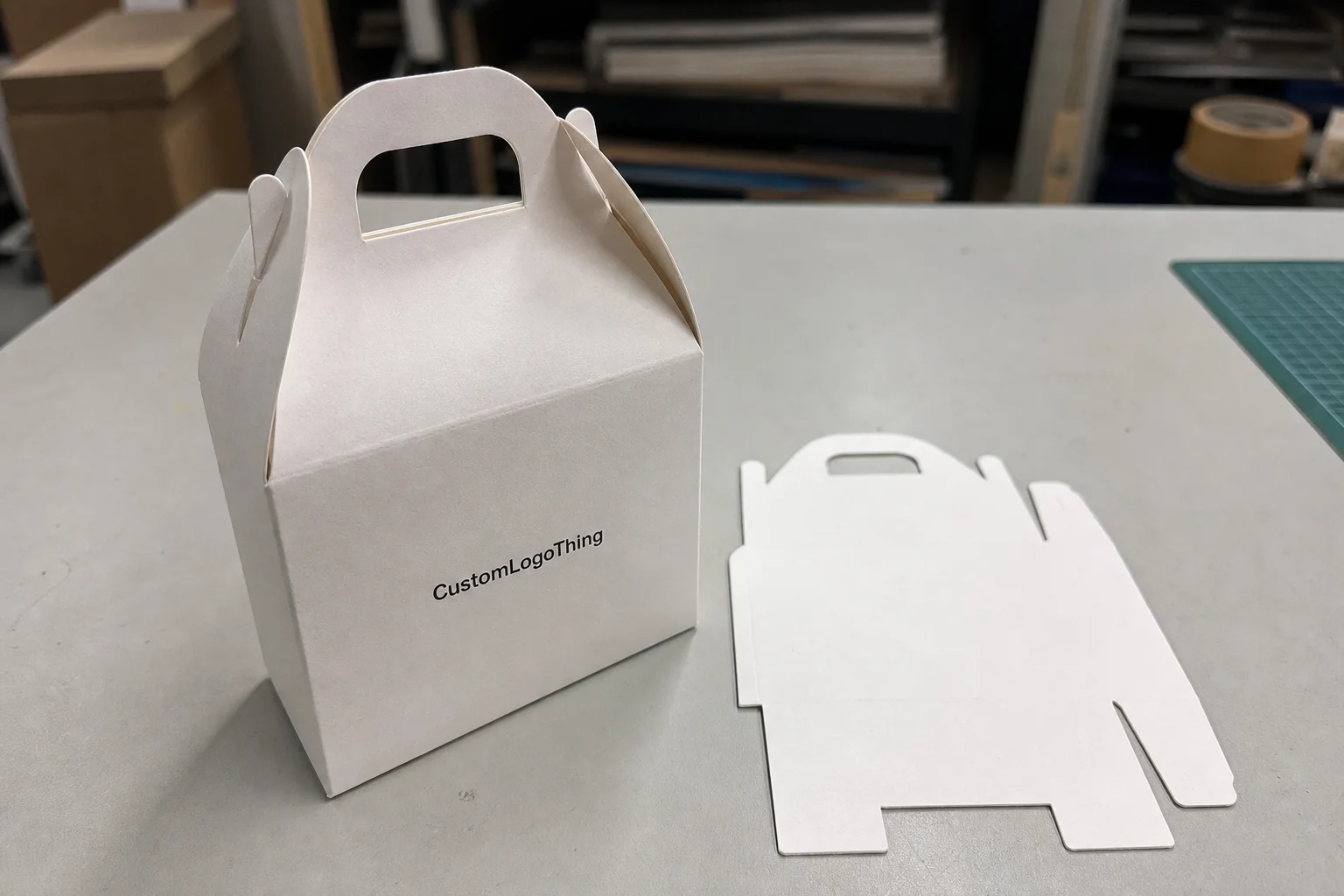
Most buyers use the phrase custom party favor boxes to describe a group of structures, not a single carton style. Folding cartons, tuck-top boxes, sleeve packs, window boxes, and rigid gift boxes all serve the same basic purpose, but they behave differently once they are printed, folded, packed, and handed out. The right choice depends on the item inside and the way it will be distributed.
A tuck-top carton is often the most economical choice for lightweight items like candy, small toys, or tokens. A window box helps when the contents are part of the appeal, such as baked goods, candles, or colorful trinkets. Sleeve packaging feels more curated because the reveal is staged, while a rigid box makes sense for heavier keepsakes or premium event settings where the box itself needs more presence.
The occasion changes the spec more than many first-time buyers expect. Wedding favors usually ask for subtle color, careful typography, and a softer surface finish. Corporate giveaways typically need clearer logo placement and better consistency across a larger run. Children’s event packaging often needs stronger color saturation and simpler assembly, because nobody wants to fold two hundred small cartons under deadline pressure.
A smaller box with clean construction often reads as more premium than a larger one with soft board and uneven folds. Presentation is structure first, decoration second.
One detail that affects perceived quality is closure behavior. If the tuck flaps meet cleanly and the panels stay square, the box feels deliberate. If the flaps resist, crack, or open loosely, even a strong design can look unfinished. That is why production buyers pay attention to scoring, board choice, and tolerances, not only artwork.
For a quick comparison, the main styles usually break down like this:
| Box style | Best for | Typical strength | Notes |
|---|---|---|---|
| Tuck-top folding carton | Light favors, candy, small giveaways | Light to medium | Flat shipping, efficient print area, fast to assemble |
| Window box | Items that should be seen before opening | Light to medium | Often requires film, precise die cutting, and careful window placement |
| Sleeve-style pack | Premium presentation, branded reveals | Medium | Good for layered branding and a more tactile opening sequence |
| Rigid gift box | Heavier keepsakes, upscale events | High | Higher cost, stronger structure, better shelf and table presence |
Placement also matters. A box designed for a place setting has different constraints than one displayed at a dessert bar, handed out in a retail environment, or packed into a gift bag. Height, width, and stacking behavior all matter in real use, not just in the proof.
For buyers building an order, the first useful question is simple: what should the box do besides hold the item? If the answer is “look polished, protect the contents, and fit the event,” the structure choice gets much easier.
Process and Timeline: From Proof to Packed Boxes
The production path is usually straightforward, but delays tend to appear when size, artwork, or assembly format are still under discussion. The smoothest projects start with exact dimensions, final artwork, and a clear decision on whether the boxes will ship flat or pre-assembled.
The typical sequence looks like this:
- Request specs and quantity.
- Confirm dimensions, contents, and structure.
- Map artwork to the dieline.
- Review the proof or mockup.
- Approve print and construction details.
- Run production, finishing, and converting.
- Pack, inspect, and ship.
Time is usually lost during proofing. If the size is still flexible, the logo file is not final, or three people need to approve the color, the schedule moves. That does not mean custom printed boxes are hard to produce. It means the process depends on decisions that must be settled before cutting and printing begin.
For simple folding cartons, a practical lead time is often 10 to 15 business days after proof approval. Rigid boxes, foil stamping, embossing, inserts, or hand assembly can extend that. A more realistic window for those projects is often 15 to 25 business days, especially if the run is large or the finish requires extra setup.
Seasonality can compress everything. Holiday gifting, wedding season, and promotional launches tend to hit the same production queues. If the boxes are tied to a fixed date, the schedule should be built backward from the event, not forward from the day the artwork is finally approved. Shipping and proof changes need a buffer.
Another decision that affects cost and logistics is whether the boxes ship flat or assembled. Flat shipping lowers freight and storage volume. Assembled packaging saves labor at the receiving end, which can matter if the event team is short on setup time or the venue has limited prep space.
For buyers who want a reference point on shipping performance and responsible material choices, the Sustainable Packaging Coalition, FSC certification standards at fsc.org, and transit guidance from ista.org are useful places to start. They do not replace a real spec, but they help frame the tradeoffs between appearance, durability, and shipping risk.
Cost, Pricing, and What Shapes the Quote
Pricing for custom party favor boxes usually comes down to size, board thickness, print coverage, finish, and quantity. Buyers often want one simple number, but the quote is really a bundle of material and labor decisions. The same box can move from inexpensive to expensive quickly depending on how it is built.
Quantity is the biggest swing factor. Setup costs, die cutting, press preparation, and finishing get spread across the run, so a small order carries a higher unit price than a larger one even if the box looks almost identical. In moderate volumes, a simple folding carton may land around $0.55 to $1.20 per unit. Smaller runs, rigid structures, or premium finishes can push the unit price higher.
Special features change the math fast. Foil stamping, embossing, debossing, soft-touch lamination, custom inserts, and window film all add cost. So does hand assembly. So does a box with heavy ink coverage and tight registration. Freight matters too, because boxes are light but bulky, which means they occupy truck space faster than their weight suggests.
Labor is often the hidden cost driver. If the design needs glue, a fitted insert, a window patch, or bundle packing by quantity, the quote rises. If the artwork is built from many small panels with exact alignment, press time increases. That is why a “simple” box can still be operationally complex.
Here is a practical view of what tends to move the price:
| Feature | Cost effect | Why it changes the quote |
|---|---|---|
| Larger box size | Higher | Uses more board and more freight space |
| Higher quantity | Lower unit cost | Setup cost is spread across more pieces |
| Four-color print with full coverage | Higher | More ink, press handling, and color control |
| Foil or embossing | Higher | Extra tooling and finishing steps |
| Simple one-color logo | Lower | Faster setup and fewer press variables |
The cheapest quote is not always the best value. Weak seams, poor color matching, or soft corners create problems later, and those problems usually show up at the event, not in the quotation stage. Buyers who handle packaging often care less about the lowest line item and more about whether the boxes arrive square, print cleanly, and are ready to use.
If sustainability is part of the brief, ask whether the board can be sourced with FSC certification where appropriate and whether the finish choices support recycling or complicate it. High-gloss lamination and heavy composite structures can be visually strong, but they may not fit every sustainability target. The right answer depends on the event, the contents, and what the buyer needs the packaging to communicate.
Choosing the Right Size, Material, and Finish
The best box starts with the contents. Measure the item, then add room for tissue, filler, inserts, or protective wrap. A favor that looks compact on a desk may need more space once it includes a tray, a liner, or a protective sleeve for glass, chocolate, or a candle jar.
Material choice should match the load. For lighter gifts and standard event favors, paperboard is usually the right starting point. SBS and CCNB boards are common because they print well and hold color consistently. For a more rigid feel, heavier paperboard or a rigid setup box is better, especially if the contents are heavier or the presentation needs more structure.
Thickness matters more than many buyers realize. Common folding-carton stocks often sit in the 14pt to 18pt range, depending on the application and the print surface. Rigid boxes are built from much thicker chipboard, usually wrapped with printed or decorative paper. That difference affects not just strength, but the way the box closes and how it holds up during transport.
Finish changes the tone immediately. Matte gives a softer, quieter look. Gloss boosts color and works well for bright themes. Soft-touch creates a more tactile feel, which is why it is often used for upscale packaging. Window patches are useful when the contents should help sell the reveal, especially for bakery items, candy, or colorful favors.
Structural details matter just as much as decoration. Tuck closures are efficient and easy to use. Auto-lock bottoms add strength for heavier contents. Handles help when guests need to carry the box away from the event. Good scoring reduces corner cracking, which is one of those production details that is easy to miss and annoying to discover later.
If the favor includes something fragile, the inside has to be part of the spec. Candles, glass jars, ornaments, and small bottles may need inserts or partitions so they do not rattle or shift in transit. Food items may need grease resistance or a structure that keeps the surface clean after contact. A box is only finished when the inside and outside work together.
For many buyers, custom party favor boxes are really a full presentation system. Size, board, finish, and insert need to align. If one piece is off, the box feels off even if the artwork looks good.
Step-by-Step Planning for a Smooth Order
Start with the contents. That sounds basic, but rushed orders often begin with a theme board and only later ask whether the item actually fits. Measure the product carefully, then account for tissue, inserts, and any protective wrapping. If the favor is irregular, plan around the full pack-out, not the item alone.
Then lock the branding. Decide on colors, logo placement, and any message tied to the event. Keep the design readable at a glance. Small cartons do not reward crowded copy. Too much text makes the box feel busy, and busy usually reads as cheap.
After that, review the dieline early. Fold lines, bleed areas, and safe zones determine where artwork can live after the carton is cut and folded. A design that looks clean on a screen can shift a few millimeters in converting, which is enough to clip a logo or push small text too close to the edge.
Ask for a sample, digital proof, or physical mockup if the order has any risk. That matters when the structure is unusual, the finish is premium, the contents are fragile, or the delivery window is tight. Small dimensional errors can change how the box closes, how it stacks, and how it reads on the table.
Finally, decide how fulfillment will work. Who assembles the boxes? Where are they stored? Are they going out empty, pre-filled, or packed in sets? If the event team has a short setup window, the packaging should be simple to open and quick to fill. If the boxes are being packed off-site, pack-out and freight protection become more important.
- Measure first, then design.
- Approve the dieline before final artwork lock.
- Choose the finish based on handling and display.
- Confirm assembly and delivery timing early.
That sequence keeps the order practical and cuts down on the kind of corrections that burn time late in the process.
Common Mistakes That Cause Delays or Extra Cost
The most common mistake is guessing the size from a photo or a general description. A few millimeters can decide whether the favor slides around inside the box or refuses to close. Serious packaging buyers measure the actual item and build in room for the real pack-out, not the idealized version.
Artwork issues are another frequent delay. Low-resolution logos, unapproved color values, and tiny copy on small panels all create problems. If a file looks muddy before production starts, it will not improve on press. Good files make proofing faster and reduce the chance of color surprises.
Assembly is often underestimated. Even a flat-packed carton has to be folded, filled, and closed. On large event orders, that becomes a labor task with its own schedule. If the team only has a short window to prep favors, the decision between flat and assembled packaging should be made early, not after the quote is approved.
Late quantity changes can also change the economics. A jump from 500 units to 650 units sounds small, but it affects imposition, material planning, setup balance, and turnaround. It is usually better to lock the count before production starts unless the event plan truly changes.
Freight damage is another avoidable issue. Boxes packed too loosely can scuff and shift. Packed too tightly, they can crush corners or deform the stack. Good transit packaging protects the outer cartons so the event team does not open a shipment full of dented edges and damaged print. For shipping durability, ASTM and ISTA references are worth checking if the order is traveling a long distance or going through multiple handling points.
The most expensive problem is often not the box itself. It is the waste created when the order arrives late, fits poorly, or looks off-brand on the table. That is where custom printed boxes either earn their place or become a problem the buyer has to fix under pressure.
Next Steps for an Event-Ready Box Order
Before asking for a quote, gather the basics: contents, dimensions, quantity, artwork files, finish preference, and whether inserts or windows are needed. That shortens the back-and-forth and makes the first estimate much more useful.
Then rank the details. Decide which features are required and which are optional. If budget is tight, protect the things guests will notice first: fit, print clarity, and closure quality. Foil and embossing can work well, but only if they support the rest of the design.
Work backward from the delivery date. Leave room for proof approval, production, shipping, and any on-site assembly. If several people need to sign off, assign one decision-maker so the project does not move from inbox to inbox while the deadline approaches.
A final check is simple: will the box arrive ready to fill, fold, or hand out? If yes, the order is probably on track. If not, the spec still needs work before production begins.
For buyers building a larger coordinated set, it can help to review Custom Packaging Products alongside the favor box itself, especially if the event includes matching mailers, inserts, or gift packaging. Consistency across the pack often matters more than one flashy detail.
Done well, custom party favor boxes turn a small gift into a more memorable part of the event. That is usually what the buyer is paying for: not just a carton, but a cleaner moment when the guest picks it up, opens it, and understands the care behind it.
Frequently Asked Questions
What size custom party favor boxes should I order for my items?
Measure the item itself, then add room for tissue, inserts, or protective filler so the box closes cleanly without bulging. If the favor is fragile or irregularly shaped, plan the box around the full pack-out rather than the item alone.
How long do custom party favor boxes usually take to produce?
Timeline depends on proof approval, quantity, print complexity, and whether the boxes ship flat or assembled. Simple folding cartons are often finished in about 10 to 15 business days after approval, while rigid boxes or special finishes may take 15 to 25 business days.
What affects the price of custom party favor boxes the most?
Quantity, box size, board choice, print coverage, and finish details are usually the biggest pricing drivers. Small runs and specialty features like foil, embossing, windows, or inserts tend to raise the unit cost.
Can I order a small quantity of custom party favor boxes?
Yes, but smaller quantities usually cost more per box because setup costs are spread across fewer units. If the run is limited, keep the design simpler and avoid optional finishes that add setup time and labor.
Should custom party favor boxes ship flat or assembled?
Flat shipping usually saves space and freight cost, while assembled boxes save labor when the event team is short on setup time. Choose the format based on timeline, storage space, and whether the boxes need to be packed quickly on site.