If you need a Custom PE Bags Factory low moq, the real question is usually not whether a factory can make the bags, but whether it can do so without forcing you into oversupply, vague specs, or a quote that changes after artwork is approved. For launch programs, seasonal packaging, and controlled test runs, low-MOQ PE bags often give buyers the cleanest balance of flexibility, protection, and unit cost.
PE bags also make practical sense because they are simple materials with a lot of useful range. They can be soft and clear, firmer and more economical, printed or plain, retail-ready or purely functional. That makes them a strong fit for product packaging, branded packaging, and even internal pilot runs where you want the look of a finished pack without committing to huge volumes.
Why low-MOQ PE bags make sense for tighter inventory runs
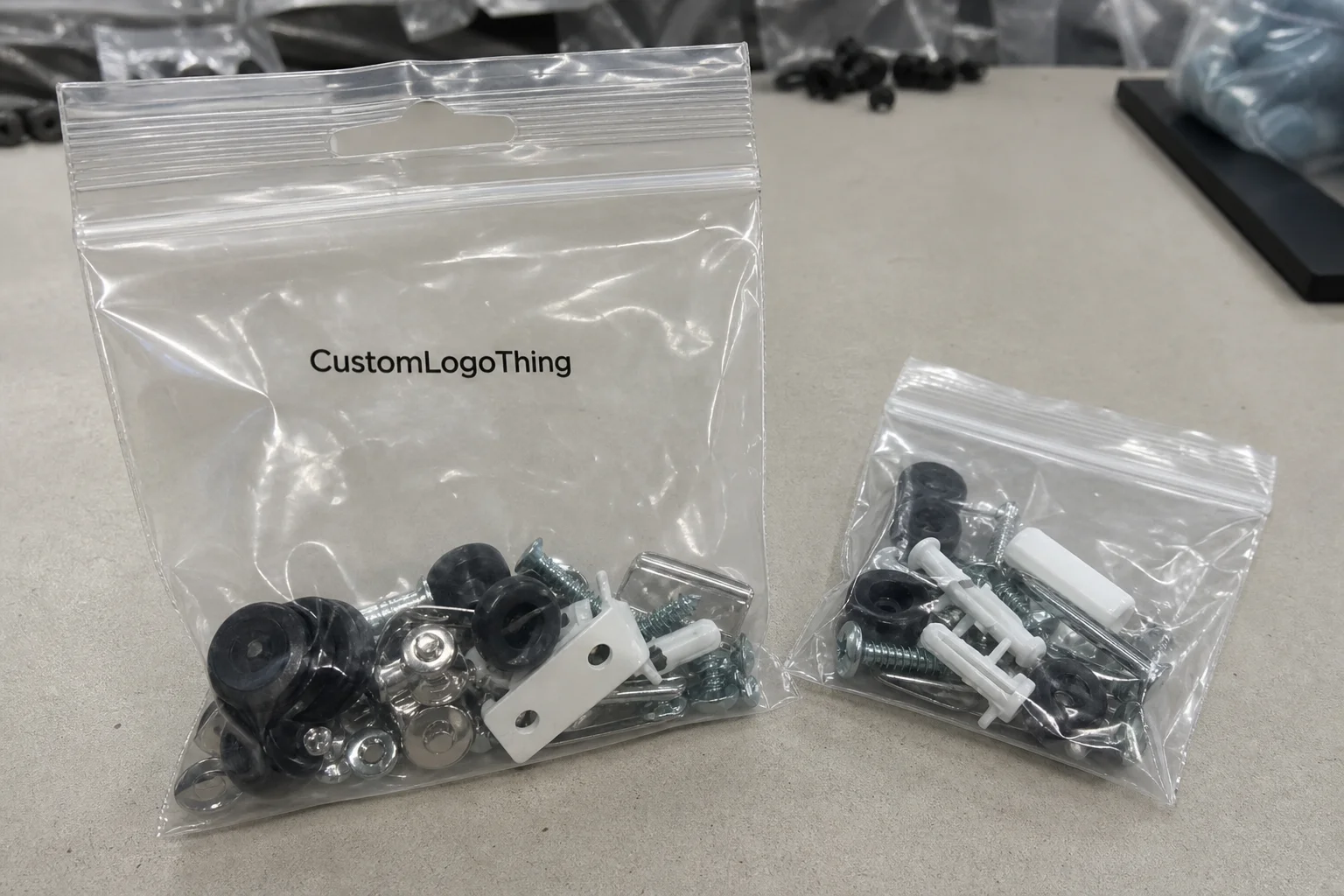
Low MOQ is not just for small brands with cautious budgets. Larger companies use it all the time for regional launches, limited-time promotions, replacement packaging, and internal testing before they roll a design into full production. From a packaging buyer’s point of view, that matters because demand can shift faster than old inventory can move, especially when the SKU is still proving itself.
Here is the practical advantage: if your artwork, size, or product bundle is still being refined, ordering 5,000 or 10,000 bags instead of 50,000 keeps the risk manageable. You can make a decision on the real product, not on a spreadsheet assumption. That is one reason a Custom PE Bags Factory low moq can be a smart partner for both new launches and experienced procurement teams.
PE bags are also a strong choice when you need moisture resistance, light dust protection, and a neat presentation without moving into rigid cartons or higher-cost formats such as custom printed boxes. They are light to ship, easy to store, and flexible enough for retail packaging or fulfillment work.
“The best low-MOQ run is the one that matches actual usage, not optimistic forecasts.”
One detail buyers sometimes miss: lower minimums are usually tied to real production variables. Bag size, film thickness, printing method, and whether the bag is plain, custom printed, or finished with a zipper all affect the factory’s setup time and waste rate. So yes, low MOQ is available, but the exact minimum should always be quoted against your exact spec, not a generic category.
PE bag formats, film types, and print options buyers should compare
PE bags are not one-size-fits-all, and the wrong format can make a simple pack feel awkward or underspecified. LDPE, HDPE, and co-extruded films each have a different hand feel and performance profile, so a buyer should compare them with the product in mind rather than choosing by price alone.
Common film types
- LDPE is softer, clearer, and often preferred when the bag needs a smoother feel or better presentation.
- HDPE has a firmer hand and can be a practical choice for simple containment and cost control.
- Co-extruded film combines layers to balance strength, appearance, and handling performance.
For formats, the usual requests are flat bags, gusseted bags, zipper bags, header bags, and hang hole styles. Flat bags are straightforward and economical. Gusseted bags give extra depth for bulkier items. Zipper bags are useful when resealability matters, while header bags and hang hole options are common in retail packaging because they support peg display and shelf presentation.
Printing is where packaging design becomes visible to the buyer. One-color flexographic printing is often the most economical for low-MOQ work, especially when the artwork is simple and the logo is strong. Multi-color printing can look excellent, but it usually adds setup complexity, plate cost, and more time for registration checks. The printable area matters too; a design that looks fine on screen may need resizing to stay clear on the actual bag.
Useful add-ons depend on how the bag will be used. A zipper helps with repeated opening. A euro slot is useful for hanging display. Tear notches improve opening consistency. Vent holes can help with certain packed items. Anti-static treatment may be necessary for electronics or sensitive components. Those details are not decoration; they are functional choices that affect how the bag performs in actual use.
One good way to compare options is to look at the product, the selling channel, and the packing workflow together. If the item is going straight into a carton and then into shipping, the bag may only need basic containment. If it must support Branded Packaging On a shelf, the film clarity, print finish, and closure style start to matter much more.
| Option | Best for | Typical MOQ impact | Buyer note |
|---|---|---|---|
| Plain LDPE flat bag | Simple containment, internal use | Lowest | Fastest route if branding is not required |
| Printed LDPE zipper bag | Retail packaging, repeat use | Moderate | Great balance of presentation and function |
| Gusseted co-extruded bag | Bulkier products, better fit | Moderate to higher | Extra depth can raise material usage slightly |
| Header bag with hang hole | Peg display, consumer goods | Moderate to higher | Packaging design should allow for header space |
Material and specification details that affect performance
Film thickness is one of the first things I ask about, because it changes everything from feel to puncture resistance. PE thickness is often discussed in microns or mils, and the right choice depends on what the bag is holding. A thin film may be fine for lightweight accessories, while sharp-edged or heavier items usually need more gauge to avoid tearing during handling and shipping.
Dimensions matter just as much. Width, length, and gusset depth must match the product with enough allowance for loading and sealing. A few millimeters can make a bag feel either too tight or unnecessarily loose. That can affect both appearance and unit cost because a larger bag uses more film and may change the cut layout.
Seal style is another practical detail. Bottom seals, side seals, and resealable closures each behave differently under pressure and handling. If the product is likely to shift, flex, or create internal stress, seal integrity deserves close attention. A weak seal can cause leakage, open edges, or a failed pack that looks fine until it reaches the warehouse.
For products with special requirements, buyers should raise them early. Food contact suitability, odor sensitivity, and static control are all real considerations, but they are not always needed. The right answer depends on the item and the market. If you are packing electronics accessories or sensitive components, anti-static performance may be relevant. If you are packing consumer goods for retail packaging, clarity and print quality may matter more than protective extras.
Artwork setup should also happen early, before the run is released. Logo placement, ink coverage, and print-safe margins all affect how the finished bag looks. If the design has a large solid area, it may print differently than a line logo. If the logo sits too close to a seal or edge, it may distort during production. A good supplier will flag those issues before they become waste.
For buyers managing product packaging across several formats, the spec discipline is the same whether the item is going into PE bags, cartons, or a mixed display set. The more exact the specification, the fewer surprises later.
Helpful references can also support internal quality checks. For example, packaging professionals often look at ISTA guidance for distribution testing and FSC information when paper-based components are part of the broader pack system. You can review the standards and sustainability pages at ISTA and FSC if your packaging program needs documented supply-chain references.
Cost, pricing, and MOQ factors that change your quote
Quote structure for PE bags is usually driven by a handful of clear variables: material grade, bag size, thickness, print colors, order quantity, and any special finishing or packing requirements. If one of those changes, the price can shift quickly. That is normal. What causes frustration is when buyers compare quotes that are not built on the same assumptions.
Lower MOQs often carry a higher per-unit price. That is not a trick; it is how setup costs get spread across fewer bags. Printing plates, machine calibration, test pulls, and operator time all exist whether you order 2,000 pieces or 20,000 pieces. With a small run, those fixed costs have a bigger effect on unit cost.
To make the comparison practical, use the same size, the same film type, the same print count, and the same packing method. A plain bag and a custom printed bag are not really competing on the same basis, even if they serve the same product. A lower headline price can also be misleading if it excludes cartons, labels, or freight terms.
| Quote driver | How it affects price | Buyer takeaway |
|---|---|---|
| Material grade | Higher-grade film usually costs more | Match the film to product needs, not to a vague “premium” label |
| Quantity | More units usually lower unit cost | Ask for breakpoints so you can compare realistic order sizes |
| Print colors | More colors often mean more setup and plates | Single-color branding can be strong and economical |
| Packing method | Retail-ready packing can raise labor cost | Confirm whether bulk or boxed packing fits your receiving plan |
A buyer should also ask for the landed picture, not just the ex-factory number. Shipping method, carton configuration, and whether the bags are packed in bulk or in retail-ready cartons can all affect the final number you pay. In some cases, a slightly higher factory price saves money overall if it reduces repacking or warehouse handling.
If you are also comparing branded packaging options across formats, such as PE bags versus custom printed boxes, the right choice often comes down to handling, cost, and shelf appearance. Boxes may support a more rigid presentation, while PE bags usually win on weight, moisture resistance, and storage efficiency. Different tools for different jobs.
For anyone buying from a Custom PE Bags Factory low moq, the smartest move is to request pricing on exact specs and a realistic forecast range. That gives the factory room to price honestly and gives you a clearer view of how MOQ affects the real unit cost.
Process, lead time, and production steps from artwork to shipment
The usual order flow is straightforward, but each step matters if you want the schedule to hold. It starts with inquiry and specification review, then moves to quotation, artwork confirmation, sampling or proof approval, production, inspection, and shipment. The fastest jobs are the ones where the buyer sends complete information early and answers questions quickly.
Artwork approval is especially important. Before production begins, the factory needs to confirm logo placement, print color targets, dimensions, and any special features. If the bag has a zipper, hang hole, or unusual gusset, the proof should show that clearly. A clean approval at this stage prevents avoidable revisions later.
Lead time depends on several things: film availability, print complexity, drying or curing time, machine scheduling, and whether the order needs a custom die or special closure. Simple plain bags can move faster than multi-color printed jobs. Rush jobs may be possible, but only when materials are available and the buyer can approve quickly without compromising quality control.
As a rough planning guide, many low-MOQ PE bag orders move through proof approval and production in about 12 to 15 business days, though that can stretch if the artwork changes, the film needs sourcing, or the order requires extra inspection steps. A plain, unprinted run may be faster. A complex printed run may take longer. That variation is normal and should be discussed openly up front.
Inspection is not just a checkbox. A good production run should verify dimensions, seal strength, print registration, and quantity. If the bags are going to a retail customer, the presentation quality matters as much as the mechanical fit. For shipping use, seal reliability and carton packing consistency matter more.
For buyers managing several product packaging programs at once, it helps to keep the approval process in parallel where possible. Sample review, artwork signoff, and shipping planning can often be handled at the same time if the specs are clear. That reduces idle time without pushing the factory into guesswork.
How to choose a supplier that handles low-MOQ orders correctly
The right supplier should quote from real specifications, not from a vague product title. That sounds basic, but it is where many low-MOQ orders go off track. If the factory cannot discuss bag size, thickness, film type, and print method in plain language, the quote may look easy to buy but harder to execute.
Look for signs that the supplier understands film selection, sealing consistency, print registration, and export packing if your goods are going overseas. Ask whether they can provide a sample, digital proof, or pre-production confirmation before the run begins. A competent supplier should be able to explain tolerances and realistic minimums without promising a price that cannot survive production.
Communication speed matters a lot with small runs. Low MOQ does not mean low expectation. You still need fast clarifications, clean approvals, and a supplier that responds when there is a question about artwork or dimensions. A slow reply on a small order can cost more time than a slow machine.
If you want to compare offerings across categories, it is fair to ask whether the factory also supports related packaging programs, such as Custom Packaging Products. That does not mean every item should come from the same line, but it can be useful to know whether the supplier understands full package branding across bags, labels, inserts, and other product packaging formats.
For broader support resources, our FAQ page is also a practical starting point when you want to confirm quoting basics, sample questions, and order prep before sending artwork.
Honestly, the best suppliers are usually the ones that are specific. They tell you what can be done, what it will cost, and what will affect the schedule. That kind of straight answer is far more useful than a shiny promise.
Next steps for a fast PE bag quote and production start
If you want a quick quote, prepare the essentials before you reach out: bag size, material preference, thickness, print colors, artwork files, target quantity, and any special features such as a zipper, hang hole, or vent hole. If you already know the product being packed, include that too. The item dimensions and surface characteristics often decide the right bag structure.
If branding is involved, ask for a sample or proof. That is especially useful when color matching, logo placement, or fit testing matters. A proof catches problems early and gives both sides a common reference before production starts. If the order is plain and functional, the process can move faster because there is less artwork approval to manage.
A clean action path is simple:
- Confirm specs.
- Request the quote.
- Review the proof.
- Approve the run.
- Lock the shipment plan.
That sequence keeps the job moving and reduces costly revisions. It also helps the factory price the order correctly the first time, which matters more on low-MOQ runs where setup costs have a larger effect on unit cost. If you are still comparing options, ask whether the bag should be optimized for retail packaging, shipping, or internal use. That one question often points to the right film and print setup immediately.
For buyers who want a custom pe bags factory low moq without wasting time on back-and-forth, the best move is to send complete specs on the first request. Complete information shortens the quote cycle, reduces errors, and makes production planning much cleaner. If you are ready to move, send the dimensions, artwork, quantity, and packing requirements, and ask for a quote built on the real job, not a generic estimate.
What is the usual MOQ for custom PE bags from a factory?
MOQ depends on bag size, thickness, print method, and whether the bag is plain or custom printed. Smaller, simpler bags usually allow lower minimums than large or multi-color printed orders. Ask for the MOQ based on your exact specs rather than a general product category.
Can a custom PE bags factory low MOQ still offer printing?
Yes, many factories can print low-MOQ PE bag orders, but the setup cost is spread across fewer units. Single-color printing is often more economical at lower quantities than multi-color artwork. A clean, well-prepared artwork file helps keep the approval process efficient.
How do I compare PE bag quotes accurately?
Compare the same size, same thickness, same film type, same print count, and same packing method. Make sure the quote includes setup fees, plates, tooling, cartons, and shipping terms if relevant. A low unit price can be misleading if the quote excludes important production or freight costs.
How long does production usually take for low-MOQ PE bags?
Lead time depends on artwork approval, material availability, print complexity, and current factory scheduling. Simple plain bags usually move faster than custom printed or specialty finished bags. Fast approvals from the buyer are one of the biggest factors in keeping the job on schedule.
What information should I send before requesting a quote?
Send bag dimensions, material preference, thickness, print colors, target quantity, and any special features. Include the product being packed if fit, protection, or presentation is important. The more exact the specs, the faster and more accurate the quote will be.

