What Custom Photo Stickers Printing Really Means
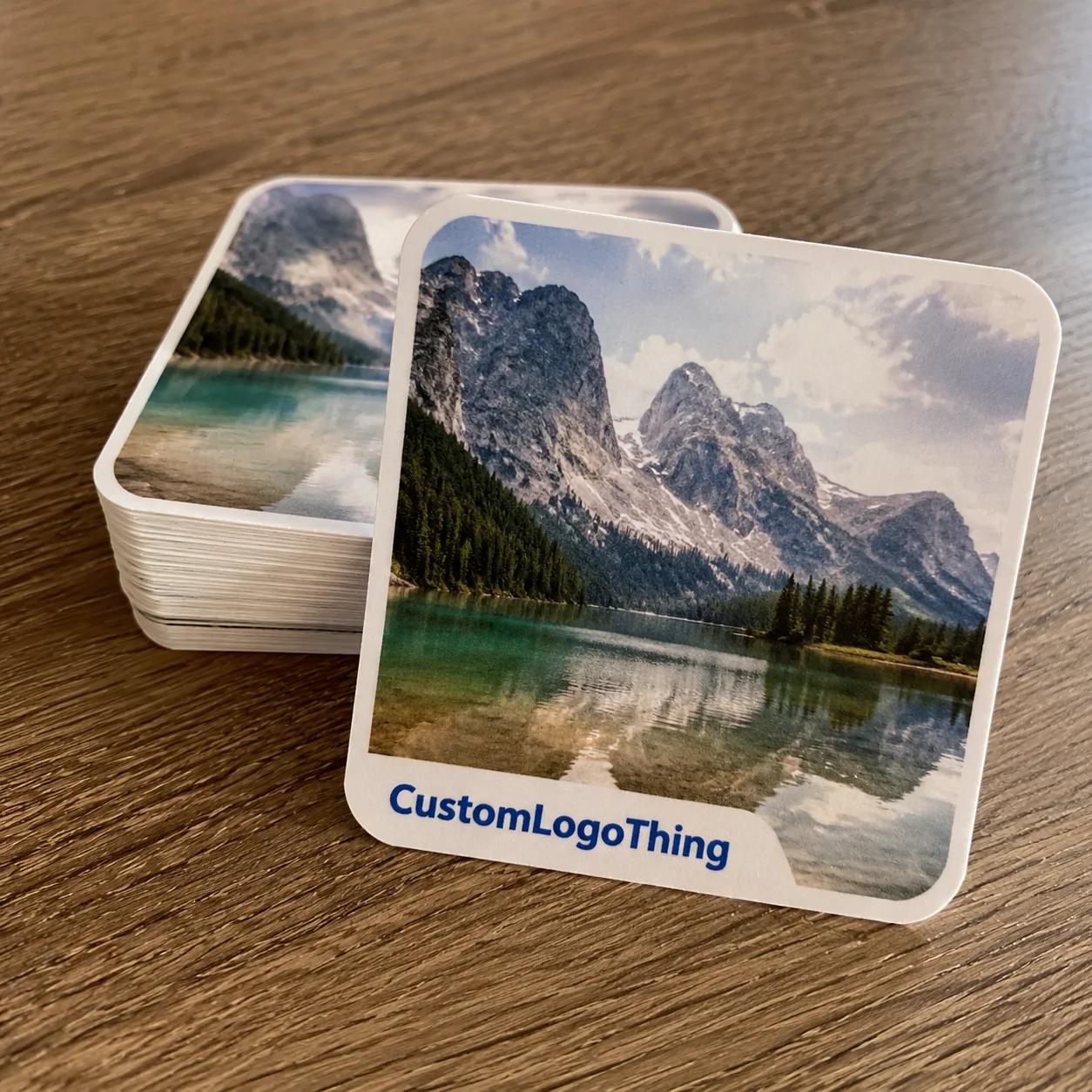
A photo can look crisp on a phone and still print soft, dark, or muddy as a sticker. The reason is basic physics, not bad luck: screens emit light; ink reflects it. Custom photo stickers printing turns personal images, product photography, campaign visuals, event photos, or branded artwork into adhesive pieces using prepared files, selected materials, print equipment, and finishing steps.
The category is broader than most buyers expect. Photo stickers show up as product inserts, packaging seals, event favors, laptop decals, retail giveaways, album merch, influencer mailer pieces, bottle promotions, and short-run brand campaigns. A candle maker might need a muted matte sticker for kraft packaging. A beverage launch may need laminated vinyl that can handle condensation. The same image file would not behave the same way in both jobs.
There is also a useful distinction between sticker types. Photo stickers prioritize tonal range: skin, shadows, gradients, pet fur, food texture, product reflections, or lifestyle imagery. Logo stickers lean on clean edges, solid brand colors, and simple contrast. Labels often carry information such as ingredients, barcodes, safety text, lot codes, or compliance details. Decals usually imply a more durable piece for laptops, tumblers, windows, equipment, vehicles, or longer-term display.
For packaging and promo buyers, the variables are manageable, but the order matters. Image resolution, color expectations, stock, adhesive, finish, cut style, quantity, proofing, and shipping all influence the finished result. If one part is wrong, the sticker may still be printable. It just may not survive the surface, lighting, handling, or timeline it was meant for.
Practical rule: a good sticker starts with a suitable image file and ends with the right material for the surface, handling conditions, and expected lifespan.
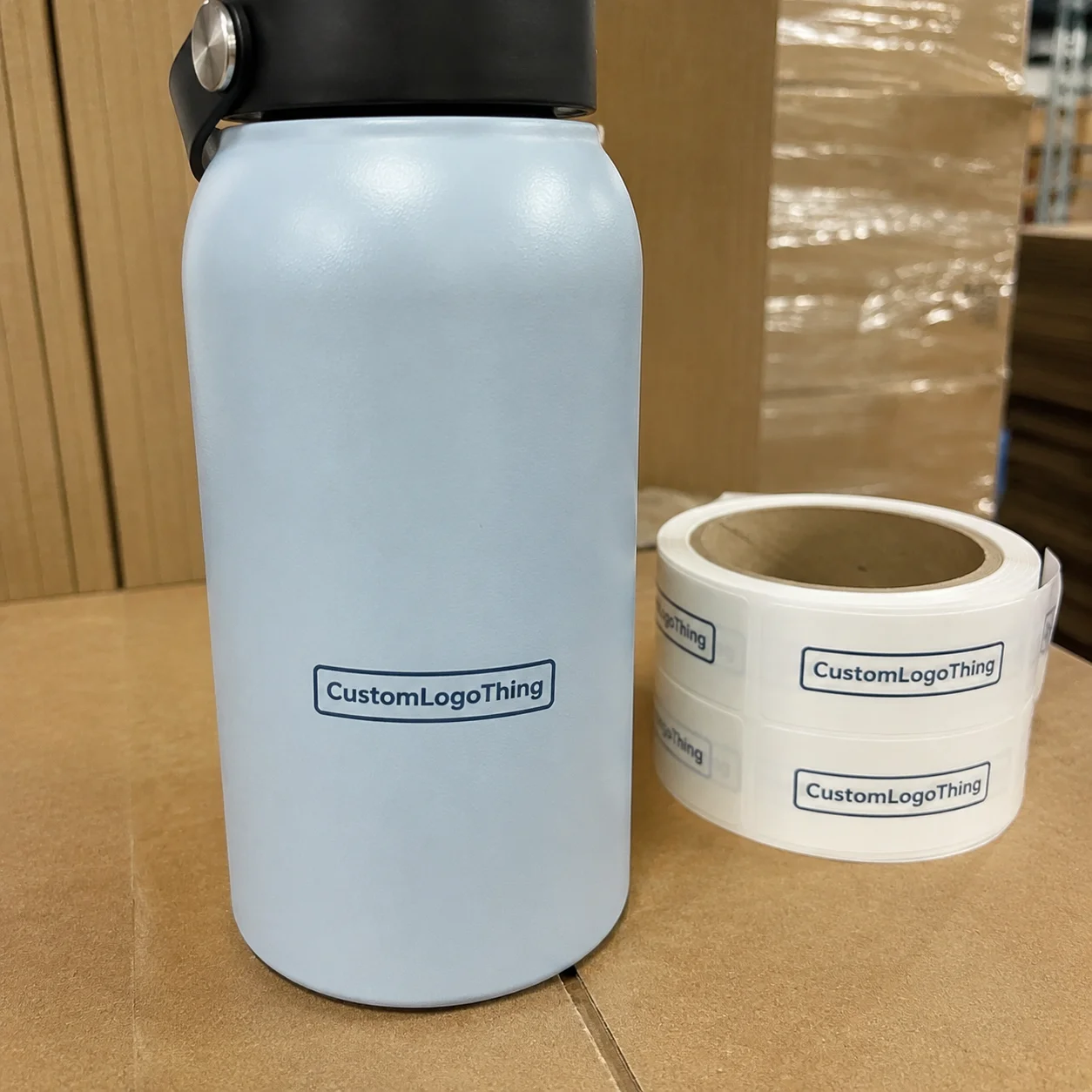
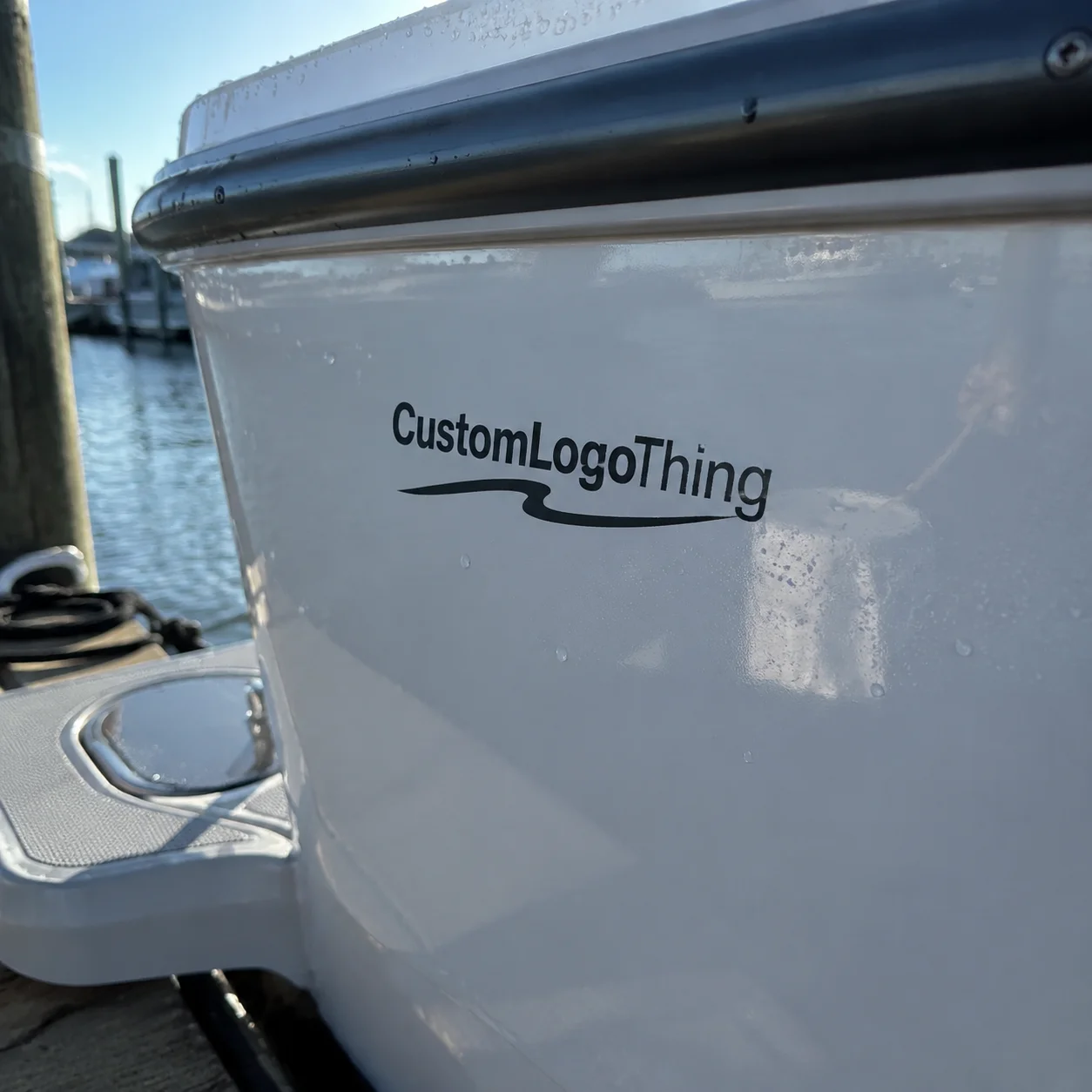
A 2-inch paper sticker for a dry indoor event favor can be simple and inexpensive. A 4-inch laminated vinyl decal for a cold bottle, retail mailer, or laptop giveaway needs more attention to adhesive, coating, edge lift, scuff resistance, and how the piece will be applied. Treat the project as production, not as a quick upload.
How Photo Stickers Are Printed, Cut, and Finished
The workflow is familiar: artwork review, production layout, printing, coating or lamination if needed, cutting, inspection, packing, and shipping. Most delays happen before printing starts. Low-resolution artwork, missing bleed, unclear cut lines, late copy changes, and mismatched quantities can slow a job more than press time.
Digital printing is the usual route for short and medium runs because it handles full-color photographs, gradients, shadows, and multiple designs without plate setup. It suits 250 stickers for an event, 1,000 thank-you stickers for packaging, or 5,000 mixed photo decals for a launch kit. It also makes versioning easier, provided the files are named clearly and the quantities are not left to guesswork.
Offset printing and flexographic printing can make sense for large, repeatable orders where setup cost is spread across many units. They are common in broader label and packaging production, especially for stable artwork, roll-fed application, and long-running retail programs. They are not automatically superior for every photo sticker. Buyers sometimes overpay by assuming the more industrial method always produces the better result. Run length, color tolerance, material, finishing, and repeat frequency matter more than the label on the press.
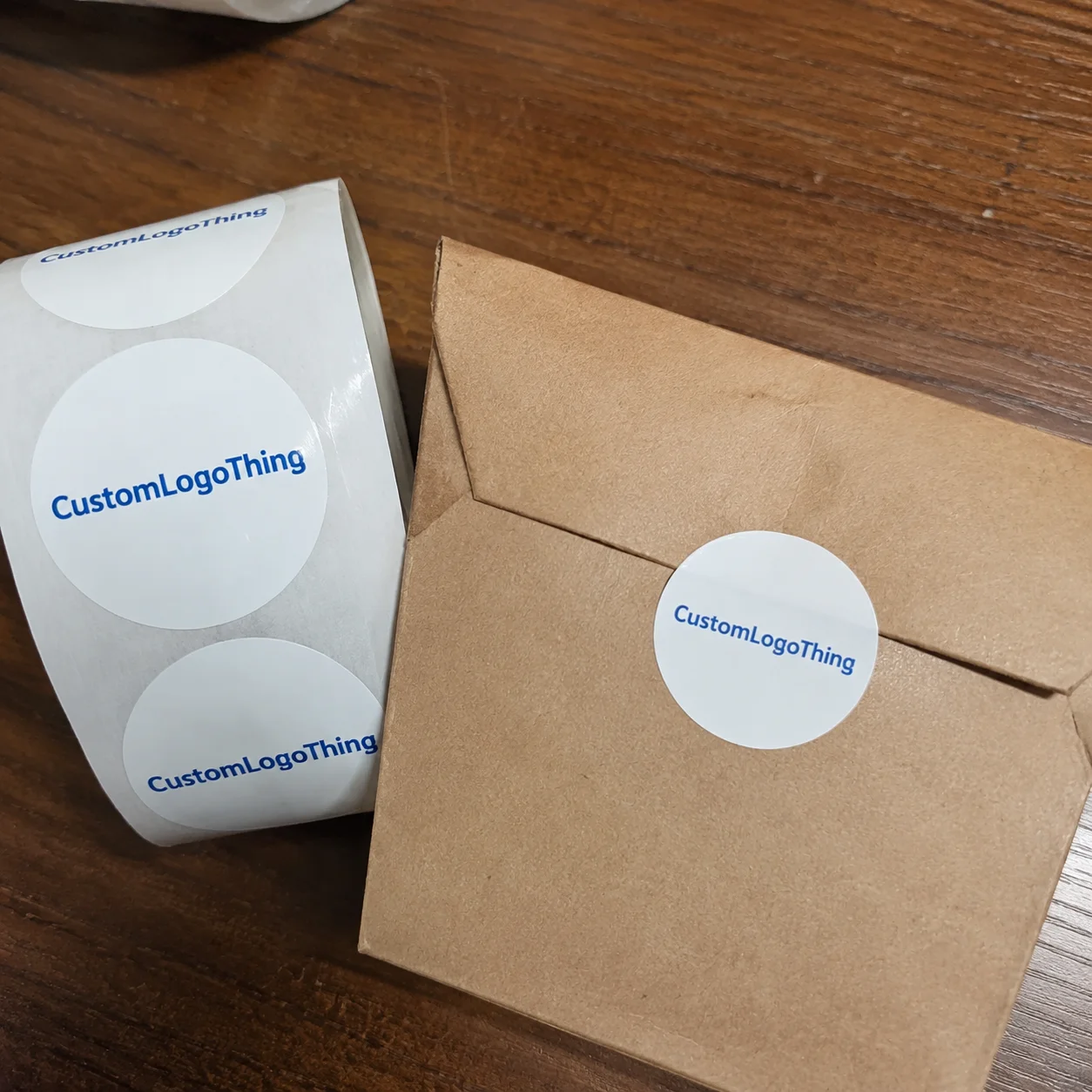
Cut style affects cost, handling, and presentation. Kiss-cut sheets leave the backing intact, so stickers peel easily and work well for sets. Die-cut singles are trimmed around the sticker shape for a finished handout or merch piece. Circle, oval, square, and rectangle cuts are efficient for packaging seals and giveaways. Roll labels are the practical choice when staff or equipment apply stickers quickly to bottles, jars, boxes, bags, or mailers.
Finishing changes both appearance and durability. Gloss makes photographs feel brighter and more saturated, especially food, travel, pets, and high-contrast product images. Matte reduces glare and fingerprints, often reading calmer on premium packaging. Soft-touch feels smooth and expensive, though it can slightly mute bright photography. Lamination or UV coating protects ink from abrasion, moisture, and repeated handling, which matters on bottles, mailers, notebooks, laptops, and other high-touch surfaces.
Image Quality, Materials, and Adhesive Specs That Matter
Resolution is the first checkpoint. Photos should be supplied at final print size with enough pixel detail to hold clean edges and smooth tones. A 1-inch sticker can tolerate less image data than a 5-inch decal because the file is not being enlarged as much. For sharp photo reproduction, 300 pixels per inch at finished size is a useful target. Larger decals viewed from farther away may work at a lower effective resolution, but tiny faces, pet details, and small product text will show weakness quickly.
Screenshots, social media downloads, and compressed web images are risky. They may look acceptable on a bright phone, then reveal blocky compression, jagged edges, smeared detail, and noisy shadows in print. High-quality JPG files can work for simple photo-only artwork. PDF, TIFF, AI, or PSD files are usually safer when the sticker includes text, logos, borders, masks, layers, or a separate cut path.
Printed color will not match a backlit screen exactly. That is not a defect; it is the difference between emitted light and reflected ink. Dark photos deserve extra review because shadows can close up on paper or vinyl. Very saturated blues, greens, and neon tones may shift depending on the printer, ink set, material, and finish. A digital proof confirms size, crop, bleed, cut line, and general layout. For strict color expectations, a hard proof or short sample run is more reliable.
Material choice is just as important as the artwork. Paper stickers are economical for indoor use, product inserts, event favors, box seals, and short-term promotions. White vinyl is stronger for full-color decals, curved surfaces, bottles, laptops, and pieces that will be handled often. Clear film creates a transparent look on glass, jars, or windows, but photo colors can look weak unless white ink is printed behind them. Metallic, textured, and holographic stocks can support premium campaigns, yet they also change how skin tones and shadows read.
Adhesive is not universal. Permanent adhesive is meant for long-term placement where clean removal is not the priority. Removable adhesive is better for temporary promotions, windows, short-term signage, or items where residue would be a problem. Freezer-grade adhesive is made for cold storage and refrigerated products. More aggressive adhesives may be needed for kraft mailers, textured paperboard, uneven plastics, coated cartons, or slightly dusty surfaces.
The surface often decides whether a spec succeeds. Glass is smooth and usually adhesive-friendly. Coated mailers can be slick. Kraft paper can be porous and dusty. Plastic bottles may curve, flex, and collect condensation. Metal tumblers can be washed, handled, dropped into bags, and exposed to temperature swings. For packaging programs that include cartons, inserts, wraps, or Custom Labels & Tags, test the sticker on the actual surface rather than a sample that only looks similar.
| Sticker Material | Best Use | Typical Strength | Cost Tendency |
|---|---|---|---|
| Matte paper | Indoor inserts, event favors, thank-you stickers | Clean print surface, low moisture resistance | Lower |
| Gloss paper | Bright photo handouts and packaging seals | Good color pop, limited durability | Lower to mid |
| White vinyl | Bottles, laptops, merch decals, handled items | Moisture-resistant and durable with lamination | Mid to higher |
| Clear film | Transparent effects on glass, jars, windows | Premium look, needs careful color planning | Mid to higher |
| Specialty stock | Limited drops, retail campaigns, premium packaging | Distinctive finish, more proofing recommended | Higher |
The cheapest material is not always the lowest-cost choice. If the sticker must stay sharp through shipping, handling, refrigeration, moisture, or outdoor exposure, laminated vinyl with a suitable adhesive may cost more per unit but fail less often. Pressure-sensitive materials are commonly evaluated with tack, shear, and peel tests; ASTM D3330, for example, is often referenced for peel adhesion. For shipping and handling expectations, organizations such as ISTA publish packaging test resources that can help frame risk.
Process, Timeline, and Turnaround from File to Delivery
A realistic order flow looks like this: Request a Quote, confirm size and material, submit artwork, receive a proof, approve or revise, print, finish, cut, inspect, pack, and ship. Simple digitally printed photo stickers often move through production in about 5 to 10 business days after proof approval. Specialty stocks, complex cuts, larger quantities, roll formats, and multi-version orders may require 10 to 20 business days or more. Freight time is separate.
Proofing is where schedules most often slip. Missing bleed, low-resolution images, unclear cut paths, spelling edits, late crop changes, or uncertain version counts force the job to pause. If there are 12 photo versions and the file names do not match the order quantities, production has to stop and confirm the details. Guessing is how mistakes become cartons of unusable stickers.
Bleed extends artwork beyond the trim edge, often by about 0.0625 to 0.125 inch depending on the equipment and supplier. Safe area keeps faces, text, QR codes, logos, and important image details away from the cut line. Cutting equipment is accurate, but it still has tolerance. A slight shift is normal; a face placed on the edge makes that shift obvious.
Turnaround changes with quantity, material availability, finish, cut complexity, proof response time, and whether the order includes one design or many. A 2-inch circle on gloss paper is faster than an intricate die-cut vinyl decal with lamination and five artwork versions. Rush orders require clean files and fast approvals because drying, curing, cutting, and inspection cannot be compressed indefinitely without increasing defects.
Plan backward from the event, launch, or pack-out date. If stickers must arrive before a kitting run, allow time for proof revisions, production, outbound shipping, receiving, and a small contingency. For branded packaging programs involving Custom Packaging Products, inserts, sleeves, or custom printed boxes, coordinate the sticker schedule with the rest of the pack. A late sticker can hold up an entire launch kit.
Ask one plain question before ordering: does the quoted lead time start at order placement or after final proof approval? Those dates are not always the same. Most custom sticker production is scheduled from approved artwork, not from the moment a quote is accepted.
Cost, Pricing, MOQ, and What Changes Unit Cost
Sticker pricing is built from material, print area, ink coverage, finishing, cutting, quantity, artwork preparation, packing method, and shipping. A small sticker is not automatically cheap if it uses clear film, white ink, lamination, a difficult cut shape, several artwork versions, or individual bagging. Setup, file handling, waste allowance, and finishing still have to be paid for.
Unit cost usually drops as quantity rises because setup, calibration, proof handling, material waste, and packing labor spread across more pieces. As a broad planning range, simple paper photo stickers may land around $0.08 to $0.25 each at several thousand pieces. Laminated vinyl decals may run closer to $0.18 to $0.60 each, depending on size, finish, adhesive, and cut complexity. Very small runs can price much higher per piece because the fixed handling remains the same.
Minimum order quantity, or MOQ, depends on material, production method, size, and format. Sheeted digital stickers may support lower minimums, such as 50 to 250 pieces. Roll labels, specialty materials, custom die work, white ink, and outsourced finishing may require higher minimums. Individual packing, barcode labeling, design sorting, or split shipments can also raise cost.
A useful quote request includes size, quantity, shape, material preference, finish, adhesive type, indoor or outdoor use, application surface, deadline, shipping location, and artwork file format. If the material is not decided, describe the job clearly. “A 3-inch photo decal for a cold glass bottle handled at events” gives a production team far more to work with than “need sticker pricing.”
Quote comparisons only work when the specs match. A matte paper sticker and a laminated white vinyl sticker may both appear as “full-color custom sticker,” but they behave differently around moisture, friction, and curved surfaces. The cheaper option may be correct for an envelope insert and wrong for a bottle, laptop, or outdoor promo.
Ask for quantity breaks at useful points: 500, 1,000, 2,500, and 5,000 pieces, for example. The jump from 500 to 1,000 often improves unit cost more than a small increase from 1,000 to 1,250. If the stickers support a larger product packaging or brand launch, a slightly higher order quantity can also reduce reordering pressure during the first sales window.
Common Mistakes That Make Photo Stickers Look Cheap
The first mistake is using screenshots, social media downloads, or compressed web images. They survive on screen because the display is small and bright. Print is less forgiving. Compression noise in skin tones, fuzzy product edges, and blocked shadows can make a decent design look cheap.
Another problem is crowding the edge. Faces, logos, QR codes, borders, and key product details need room away from the cut line. If the design depends on a perfectly even 1-millimeter border around the entire sticker, expect trouble. Use enough safe area, and make borders thick enough to absorb normal cutting movement.
Skipping proof review is a false economy. Check spelling, crop position, color balance, finished size, cut shape, and version quantity. If the sticker has a QR code, scan it from the proof and again from a printed sample if possible. If it supports retail packaging, compare the image, logo, finish, and color direction against the rest of the packaging before approval.
Overcomplicated shapes create weak points. Thin tails, sharp hooks, tiny islands, and intricate cutouts may look clever on screen but tear during peeling, slow production, raise cost, or lift after application. A clean silhouette often looks more professional and performs better.
Wrong adhesive selection causes field failures: curling corners, lifting edges, residue, bubbles, or poor bonding. Kraft, textured paper, cold containers, curved plastic, and powder-coated metal need extra attention. Pressure-sensitive adhesive also needs firm, even application pressure. A good material can still fail if staff apply it quickly to a dusty, damp, or cold surface.
Finish mismatch is quieter but common. Gloss adds punch, yet it can show fingerprints under bright retail lighting. Matte reduces glare, though it may soften highly saturated photography. Soft-touch feels premium, but it is not always the best finish for vivid food photos or high-energy event graphics. For a large campaign, order samples or approve a short run before committing to the full quantity.
Next Steps: Build a Print-Ready Sticker Brief
A strong sticker brief saves time, reduces revisions, and helps the printer recommend the right construction before money is spent. Start with the use case. Is the piece a packaging seal, merch sticker, product label, event giveaway, insert, bottle sticker, laptop decal, or outdoor promo? That answer influences material, adhesive, finish, cut style, and packing format.
Then define the physical details: finished size, shape, application surface, exposure conditions, and expected lifespan. Paper may be perfectly fine for a dry insert inside a box. Vinyl or film is a better candidate for moisture, abrasion, curved surfaces, or long-term handling. If sustainability is part of the brief, ask about certified paper options or responsible sourcing; the FSC is a useful reference point for paper-based materials.
- Use case: packaging seal, merch decal, bottle sticker, insert, event giveaway, or outdoor promo.
- Size and shape: final dimensions, cut style, corner radius, and whether stickers are singles, sheets, or rolls.
- Surface: glass, kraft paper, coated mailer, plastic bottle, metal tumbler, cardboard, or retail display.
- Exposure: indoor handling, moisture, refrigeration, sunlight, abrasion, or shipping contact.
- Artwork: final-size file, high-resolution photo, bleed, safe area, cut line, and version names.
- Commercial details: quantity breaks, lead time, shipping method, packing format, and proof approval process.
Prepare artwork at final print size whenever possible. Check resolution before uploading. Add bleed. Keep faces, text, QR codes, and important photo details inside the safe area. Name files clearly by design version, especially if multiple images share one order. A file named “summer-sticker-dog-v2-1000pcs.pdf” is more useful than “finalfinalNEW.pdf.”
Ask for material guidance if the sticker will face moisture, refrigeration, abrasion, sunlight, textured packaging, or hand application by staff. If it belongs to a broader branded packaging system, review it alongside boxes, labels, tissue, tape, and inserts. Custom Logo Things’ Manufacturing Capabilities can help frame those production choices so the sticker works with the full pack, not as an afterthought.
Before approval, confirm proof details, quantity breaks, production lead time, shipping method, and whether the quote includes cutting, finishing, and packing. Custom photo stickers printing works best when the photo, material, adhesive, finish, and timeline are treated as one connected production decision. Handle those pieces together, and the final decals will look sharper, apply cleaner, and last longer in real use.
FAQ
What image resolution is best for custom photo sticker printing?
Use the highest-quality original photo available, ideally sized to the final sticker dimensions. A common target is 300 pixels per inch at finished size for sharp reproduction. Avoid screenshots, social media downloads, and heavy enlargement because blur, compression, and pixelation become more visible in print.
Is vinyl or paper better for printed photo stickers?
Paper is usually best for indoor, budget-friendly uses such as packaging inserts, event favors, thank-you stickers, and short-term giveaways. Vinyl is better for durability, moisture resistance, curved surfaces, laptops, bottles, and stickers that will be handled often. The right choice depends on surface, environment, lifespan, finish, and budget.
How long does custom photo stickers printing usually take?
Simple digitally printed stickers often take about 5 to 10 business days after proof approval, while specialty stocks, complex die cuts, roll formats, or multi-version orders can take 10 to 20 business days or more. Shipping time is separate. Always confirm whether the lead time starts at order placement or after final proof approval.
What affects the cost of custom photo decals and stickers?
Major cost drivers include size, quantity, material, adhesive, finish, ink coverage, cut complexity, artwork preparation, packing, and shipping. Unit cost often improves at higher quantities because setup and production handling are spread across more pieces. Compare quotes using the same specifications so paper stickers are not being judged against laminated vinyl decals.
Can photo stickers be waterproof or outdoor-safe?
They can be made more moisture-resistant with vinyl stock, durable adhesive, and protective lamination or coating. Outdoor use may require UV-resistant materials and finishes to reduce fading, scuffing, and edge lift. Tell the printer where the sticker will be applied, how long it needs to last, and what handling it will receive before choosing materials.