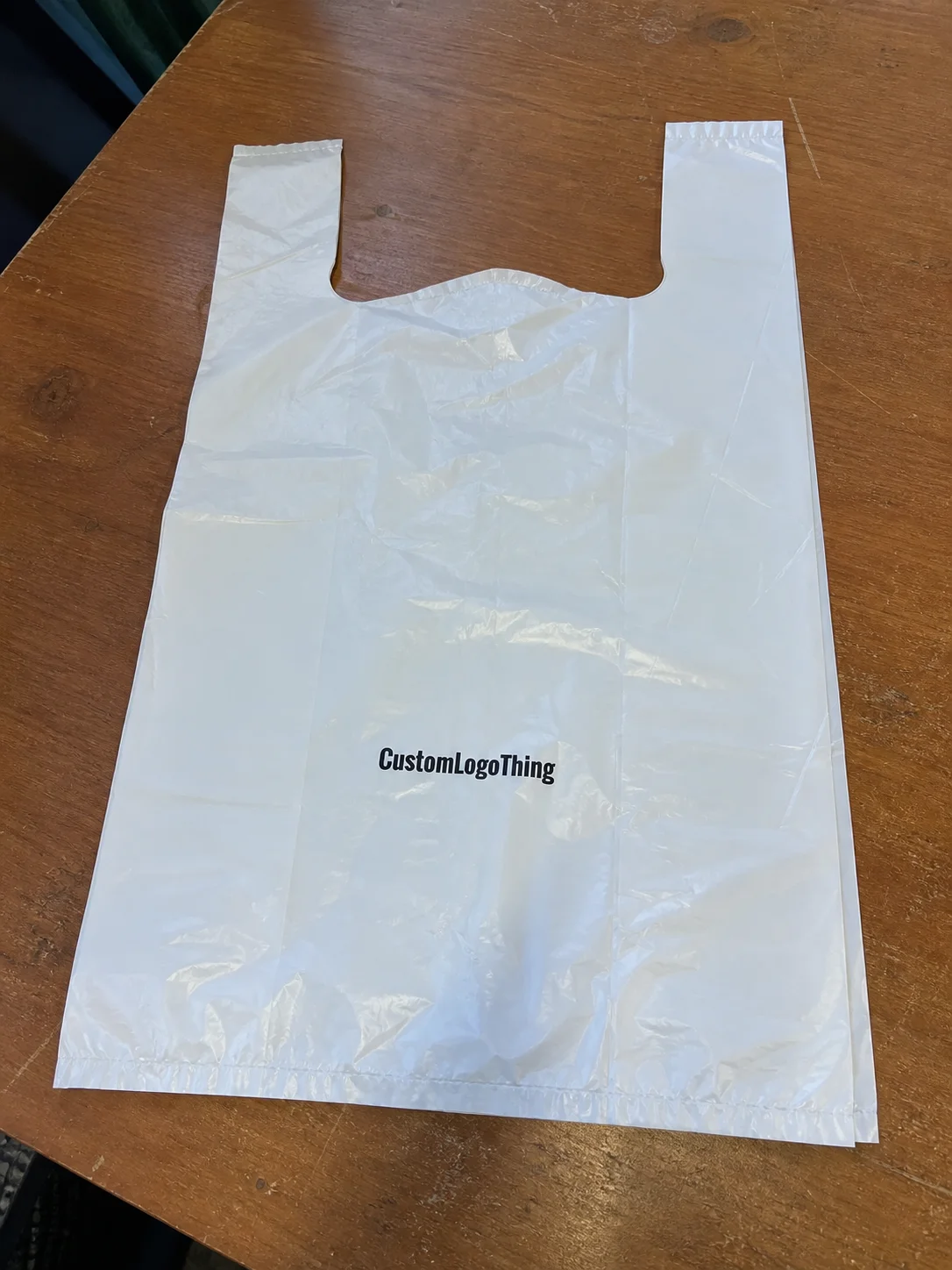
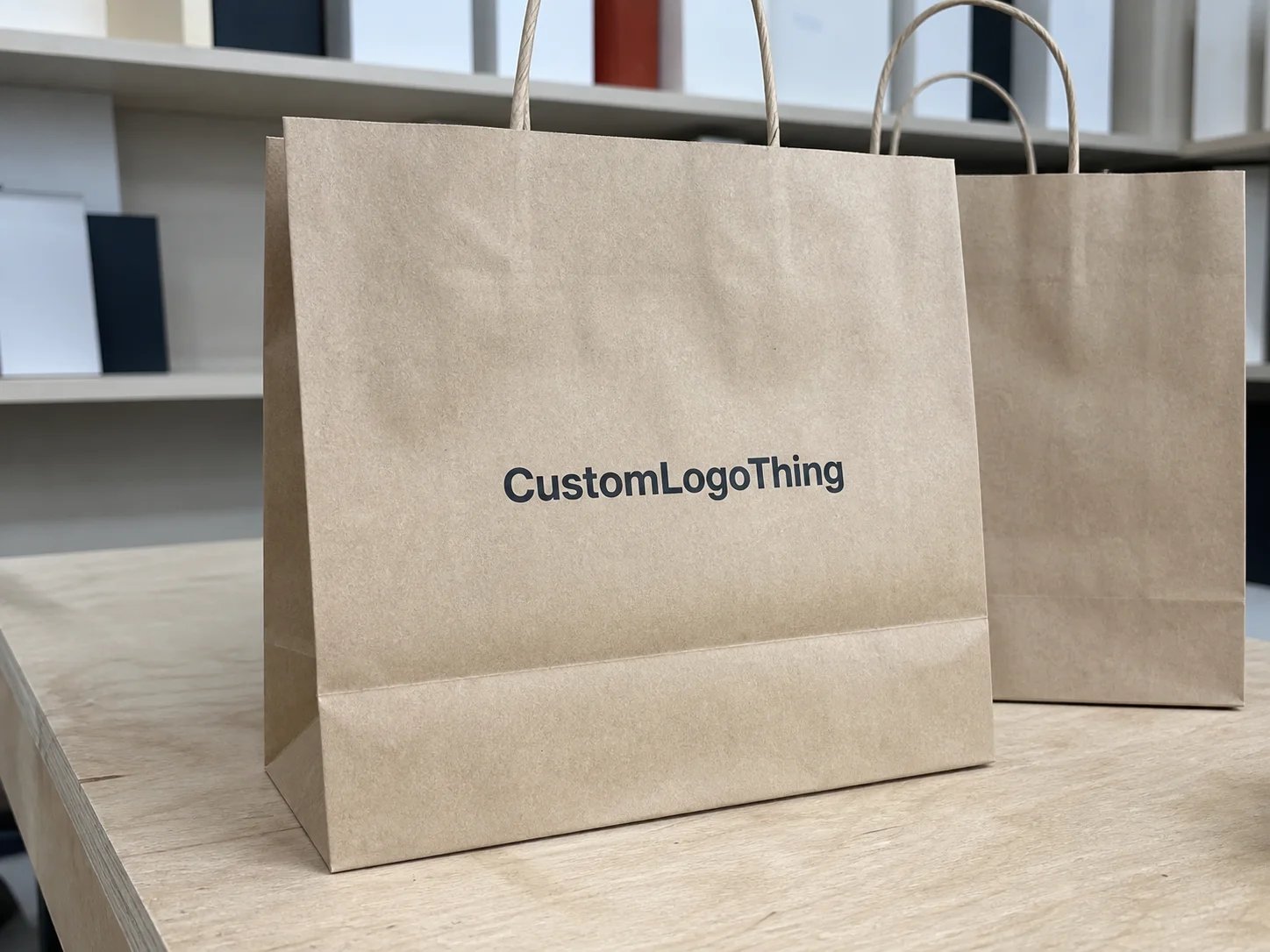
A small boutique needs 150 branded bags for a weekend launch. A bakery wants holiday takeaway packaging without storing cartons for the next twelve months. A startup needs packaging for its first few hundred orders, not a warehouse commitment. That is the practical market for Custom Plastic Bags with logo no minimum.
Buyers still carry an outdated assumption: Printed Plastic Bags must start in the thousands. That was often true when every order required custom film, plates, and long press runs. Short-run decoration changed the math. Stock bag inventories, simpler imprint methods, and faster prepress now make low-volume branding possible, though not with unlimited flexibility.
That caveat matters. “No minimum” usually does not mean any size, any material, any print treatment, any quantity. It means you can enter at a low quantity by working inside a supplier’s standard formats and production limits. Once you ask for custom dimensions, heavy film, large coverage, metallic effects, or precise multi-color registration, the quote starts behaving like a conventional manufacturing order.
For the right buyer, that tradeoff is useful. Short runs reduce inventory risk, free up cash, and make it easier to test packaging before rolling it out across a larger program. The real question is not whether Custom Plastic Bags with logo no minimum exist. It is what the phrase means once bag style, film type, print method, and freight are attached to the quote.
Most decisions come down to four variables: how the bags are produced, what drives the invoice, how long the order really takes, and which specifications determine whether the bag works in hand. If you already source Custom Packaging Products such as labels, inserts, or boxes, plastic bags sit on the flexible end of the spectrum: lower commitment, faster changes, and fewer places to hide a bad spec.
What custom plastic bags with logo no minimum really means

The phrase sounds simple. It rarely is.
In most cases, custom plastic bags with logo no minimum means a supplier can brand plastic bags in small quantities without forcing you into a factory-scale order. That distinction exists because traditional bag production carries setup costs that do not disappear just because the run is small. Tooling, screen or plate preparation, press setup, material allocation, and labor all need to be absorbed somewhere.
Short-run programs reduce that burden by starting with what already exists. A supplier may stock white or frosted die-cut handle bags in a few standard sizes. They may carry common gauges such as 1.5 mil or 2 mil LDPE merchandise bags ready for a one-color imprint. In some cases the “custom” part is the decoration, not the bag itself.
So the practical meaning is usually no large factory minimum, not no limits at all. A supplier may accept 50, 100, or 250 pieces, but only on certain materials, only in specific sizes, or only with one or two print colors. Ask for a custom 14 x 18 patch-handle bag in frosted 3 mil polyethylene with double-sided metallic print and low quantity stops being the cheap part of the conversation.
That is not a flaw in the model. It is the model.
Low-quantity ordering makes sense when demand is uncertain, storage is expensive, artwork may change, or the bag is tied to a campaign with a short shelf life. Many buyers are better served by a $200 to $500 trial run than by a large order that locks them into outdated branding or a bag size that looked right on paper and felt wrong at checkout.
“No minimum” is not a pricing promise. It is a sourcing method that lowers commitment while leaving production limits firmly in place.
How low-quantity branded plastic bag orders work behind the scenes
Most short-run plastic bag orders fall into three production paths, and the differences matter more than the marketing language around them.
Stock bags with added branding
This is the most common route. The supplier already holds the bag in inventory and adds the logo afterward through screen printing, hot stamp, or another simple decoration method. It is usually the fastest and most realistic path for buyers searching for custom plastic bags with logo no minimum.
Semi-custom bags using standard formats
Here the supplier stays within standard constructions but offers more choice on finish, gauge, color, or print placement. That can improve presentation without pushing the job all the way into a custom manufacturing run.
Fully custom-manufactured bags
This route starts from scratch: custom dimensions, custom film, custom structure, custom printing. It offers the most control and the weakest economics at very low quantities because setup costs are spread across too few pieces.
Print method shapes the result. Screen printing is common for short runs because it handles bold logos well and works on many stock plastic bag styles. Hot stamping can produce a crisp look, especially with metallic foil, but coverage limits are real and fine detail can be less forgiving. Digital printing sounds attractive because it suggests flexibility, yet not every film accepts it cleanly, and not every supplier offers it on plastic bags at low quantities.
Artwork also affects feasibility. Simple vector logos print cleanly. Thin lines, gradients, small reversed text, and dense photographic artwork introduce risk fast, especially on flexible films where opacity and registration are already doing enough work. Buyers often want the bag to carry the entire brand system. Small plastic bags rarely reward that ambition.
The quoting questions are not bureaucracy. They are triage. Bag size, gauge, handle style, material, print colors, sides printed, and imprint area determine whether the order still fits a low-quantity program or has quietly turned into a custom bag project with short-run expectations attached to it.
Common styles include merchandise bags, die-cut handle bags, fold-over die-cut bags, patch-handle bags, and poly mailers. They are not interchangeable. Merchandise bags are often the efficient choice for simple retail carryout. Patch handles usually feel more upscale and carry weight better, but they cost more. Poly mailers work for shipping and are a poor substitute for an in-store handoff bag. Buyers mix those functions up all the time, then wonder why the quote feels off.
MOQ, pricing, and unit cost: what actually drives the total
Low minimums reduce risk. They do not flatten costs.
At small quantities, setup time, labor, proofing, and freight are divided across fewer units, so the unit price climbs quickly. A short run of 100 to 250 stock bags with a one-color imprint often lands somewhere around $0.80 to $2.50 per bag. At 500 to 1,000 pieces, similar bags may drop closer to $0.35 to $1.10 per bag. Fully custom manufactured programs can reach lower unit costs, but only once quantity is high enough to absorb setup.
Those numbers vary by style and market conditions, but the pattern is consistent: the first hundred bags are expensive, the next few hundred are cheaper, and fully custom bag pricing only starts to look attractive once volume is real.
The main cost drivers are predictable:
- Bag size: larger bags use more film and increase carton size for shipping
- Film gauge: 2.5 mil or 3 mil costs more than 1.25 mil or 1.5 mil
- Material: polypropylene and specialty finishes often price above basic LDPE or HDPE
- Print complexity: extra colors, two-sided printing, tight registration, and large imprint areas add labor and setup
- Special effects: foil, white ink underlays, frosted films, and high-opacity requirements increase cost
- Custom structure: non-stock handles, unusual gussets, or off-standard dimensions move the order out of entry-level pricing
Standard sizes with one-color artwork are usually the cheapest starting point. That is not glamorous advice. It is reliable advice. A clean black, white, or metallic logo on the right stock bag often reads more premium than a crowded design trying to force retail polish out of a print method that was built for efficiency.
| Order Type | Typical Quantity | Typical Unit Cost | Best Use Case |
|---|---|---|---|
| Stock bag + one-color imprint | 50-250 | $0.80-$2.50 | Pop-ups, trial runs, local events |
| Standard bag + upgraded print | 250-1,000 | $0.35-$1.10 | Seasonal retail packaging, repeat small-batch orders |
| Fully custom manufactured bag | 2,500+ | $0.18-$0.90 | Established programs with stable specs |
Hidden charges deserve attention because they are rarely hidden on purpose; they are just ignored until late in the process. Artwork cleanup may add $25 to $100. Screen or setup charges can sit outside the unit price. Freight on bulky cartons can change a quote more than buyers expect, especially for residential delivery, limited-access locations, or split shipments.
Total landed cost is the better comparison metric. If a short run prevents obsolete inventory, avoids storage costs, and gives you one clean test cycle before a larger reorder, a higher per-bag price can still be the smarter buy.
Process and timeline: from artwork approval to delivery
Most orders move through the same sequence: inquiry, bag selection, quote, artwork submission, proofing, approval, production, packing, and shipping. What buyers usually underestimate is the time sitting between those steps.
A supplier may quote 5 to 10 business days in production, but production time is not the same thing as total lead time. If artwork needs repairs, proof approval drifts for two days, payment is delayed, or stock has to be re-confirmed, the calendar slips quickly. Add transit time and a “one-week job” often becomes a two- to three-week reality.
Short-run orders move fastest when the bag is already in stock and the imprint is simple. For many one-color jobs on standard bags, 5 to 12 business days after proof approval is a reasonable working range. More involved jobs can take 10 to 15 business days, sometimes longer if a specialty material or print method is involved.
Delays usually come from the same few places:
- Raster artwork instead of vector files
- Missing dimensions or unclear product weight requirements
- Style changes after quoting has started
- Proof approvals sitting in someone’s inbox
- Brand color objections raised after prepress is complete
Color is a frequent trouble spot. If the logo relies on gradients, thin serif details, or exact Pantone matching, the supplier may recommend a different print method or ask for more proofing time. On clear or frosted plastic, white ink, opacity, and background show-through can change the look more than buyers expect from a digital mockup.
Ask one question early: When does the lead time clock actually start? Some suppliers start after payment. Others start only after final proof approval. Some need stock allocated before either one counts. That single answer can move the in-hands date by several business days.
If the bags are tied to an event, seasonal drop, or opening date, buffer time is cheaper than rush service. Rush fees commonly add 20% to 40%, and even then you may lose access to preferred materials or styles if the job has to fit whatever stock is available. For broader transit and packaging performance references, ISTA remains useful, especially if the bag is part of a shipping presentation rather than simple carryout use.
Key specs that determine whether a small bag order succeeds
A good proof does not guarantee a good bag. Specifications do that.
Start with the actual job the bag needs to do. A retail carryout bag for folded apparel has different demands than a bag holding bakery boxes, cosmetics, printed kits, or shipped items. The right structure depends on weight, shape, how long the bag is carried, and whether presentation matters more than pure utility.
Material choice in plain language
- LDPE: soft, flexible, durable, slightly cloudy; a common retail choice
- HDPE: crisper and lighter; often economical in thinner carryout formats
- Polypropylene: clearer and stiffer; often chosen for a sharper retail appearance
Thickness matters almost as much as material. A 1.25 mil or 1.5 mil bag may work for small, light items. Products with edges, weight, or boxed corners often need 2 mil or more. Overbuilding is common too. Buyers routinely pay for 3 mil film when 2 mil would have carried the load just fine. On short runs, that kind of over-specifying shows up immediately in the quote.
Handle style changes both feel and performance. Patch handles distribute weight better and usually give a more polished hand feel. Die-cut handles are cleaner and often more economical. Fold-over die-cut styles add reinforcement. Bottom gussets help boxed or bulky products sit correctly. Side gussets add capacity. None of those upgrades are cosmetic only. Each one affects usability, yield, and price.
Print area can be a silent failure point. A logo that looks balanced on a flat proof may crowd the die-cut handle or disappear into a gusset fold. On translucent film, low-contrast artwork can lose readability fast. White ink under a color hit can improve visibility, but it adds cost, another production step, and sometimes more registration sensitivity.
Quality control checks matter, even for small orders. Ask the supplier to confirm the final imprint size, print side orientation, gauge, and bag dimensions before production. If the bag will carry anything with real weight, confirm recommended load range rather than assuming a thicker film automatically solves the problem. Handle tear-out, seal strength, and corner stress are where bad assumptions show up first.
Compliance is another quick but necessary check. Local restrictions on certain plastic bag types, recycled content rules, or store-specific policies can narrow your options. If sustainability claims matter, ask exact questions about recycled content, recyclability, or reusable classifications instead of relying on broad marketing language. For general material and waste guidance, the EPA provides useful background. If your broader packaging mix includes custom printed boxes, keep the system in mind: the bag needs to fit the product journey, not just the mood board.
The smartest specification is rarely the fanciest one. It is the one that matches product weight, handling conditions, budget, and reorder reality.
How to order the right branded plastic bags in 6 practical steps
Ordering gets easier once the job is defined before pricing starts.
- Define the use case. Identify what the bag will carry, how heavy the contents are, and whether the bag is for checkout, gifting, or shipping support.
- Start with a stock size. If speed and budget matter, use a standard format first and treat full custom as a second-step option.
- Prepare clean inputs. Have vector artwork, desired colors, quantity target, shipping ZIP code, and in-hands date ready.
- Compare quotes on structure, not just price. Check print method, setup charges, lead time, and freight alongside unit cost.
- Scrutinize the proof. Confirm logo width, side placement, handle clearance, print orientation, and contrast.
- Buy for one sales cycle. Order enough to learn from real use, not so much that leftover stock becomes its own cost problem.
A simple checklist helps prevent the usual back-and-forth:
- Finished bag dimensions
- Material and film thickness
- Handle style
- Print colors and number of sides
- Target quantity and next quantity break
- In-hands date
- Delivery address type and ZIP code
First-time buyers often assume a more elaborate specification will signal quality. Short runs usually punish that instinct. A standard-spec bag with disciplined logo placement tends to outperform a complicated concept that pushes against the process limits. If you already review broader packaging prep through the site FAQ, the same rule applies here: clarity saves time, money, and revisions.
The bag should also fit the rest of the packaging system. If tissue, stickers, insert cards, or small cartons carry part of the brand story, let them do their share. The bag does not need to communicate everything.
Common mistakes buyers make with short-run logo bags
The most common mistake is choosing with the mockup instead of the product. A bag can look excellent on screen and still be too narrow, too thin, or structurally wrong once it has to carry something real.
Another frequent error is assuming custom plastic bags with logo no minimum gives access to every material, finish, and print option at the same scale. It does not. Some treatments only make sense above certain quantities because setup and spoilage allowances are too high at entry-level runs.
Artwork causes trouble in quieter ways. A raster logo pulled from a website may look acceptable in a browser and print with soft edges, broken curves, or muddy small text. Freight is another blind spot. Two quotes that appear close can separate quickly once shipping zones, residential delivery, or split-carton requests are added.
Proof approval is where many avoidable mistakes survive into production. Buyers check spelling and miss side orientation, imprint size, or weak contrast on translucent film. Others approve a proof without noticing that the artwork is centered visually but not practically, with the logo sitting too close to the handle cutout or lower gusset area.
Over-ordering to chase a lower unit price is the mistake that hurts longest. Sometimes buying 1,000 instead of 250 is the right move. Sometimes it traps a small brand in old artwork, an awkward size, or a bag that staff quietly dislike using. If your packaging system is still evolving, flexibility has measurable value.
What should you ask before ordering custom plastic bags with logo no minimum?
A sensible starting point is a one-color logo on a stock bag unless you have a strong reason to go further. That approach reduces setup friction, speeds the quote, and gives you the clearest read on whether the style works before you commit to a larger run.
Ask which constructions are already in inventory. That single question often separates a 7-to-10-business-day project from a much slower one. Then ask for two prices: your target quantity and the next break. The jump is often revealing. In many programs, 500 pieces is not twice the price of 250, and that gap may be worth it if the bag is likely to reorder quickly.
Confirm art requirements early. Vector files, Pantone references, maximum imprint size, white ink needs, print side, and acceptable line weights should all be clear before proofing starts. Good buyers also document the first order carefully: approved artwork, material, gauge, dimensions, print method, and how fast the bags are actually used. That record shortens the second order far more than most people expect.
These are the questions that matter most before requesting pricing for custom plastic bags with logo no minimum:
- Is this a stock bag with imprinting or a custom-manufactured bag?
- What is the real entry quantity for this style and print method?
- Are setup, screen, proof, and artwork cleanup charges included?
- What file format, imprint size, and line-weight limits apply?
- When does lead time begin: payment, proof approval, or stock allocation?
- What changes at the next quantity break?
- What material, gauge, and handle construction are being quoted?
Scope the request cleanly. Measure the actual product. Choose an acceptable style range. Set a realistic in-hands date. Provide the delivery ZIP code and address type. Then request pricing with complete specifications. That brief does more for speed and cost control than any broad promise attached to “no minimum.”
For brands that need flexibility, custom plastic bags with logo no minimum can be a practical tool. Not because these bags escape production economics, but because they work within them. A well-scoped short run gives you faster learning, less inventory risk, and a clearer path to a better reorder.
FAQ
Are custom plastic bags with logo no minimum really available with no setup limits?
Usually not in a literal sense. Many suppliers allow very low order quantities, but setup, stock, artwork, or imprint-size limits still apply. The easiest low-quantity programs typically use standard bag sizes and simpler print methods.
How much do custom logo plastic bags cost for a small order?
For a short run on stock bags, many buyers see rough pricing in the range of $0.80 to $2.50 per bag, depending on size, gauge, material, and print complexity. Total delivered cost matters more than unit price alone because freight, setup, and proofing can materially change the final number.
What is the fastest turnaround for custom plastic bags with logo no minimum?
The fastest route is usually a one-color imprint on an in-stock standard bag. Production often falls in the 5 to 12 business day range after proof approval, with shipping added on top. Rush service may be available, but it can limit style and material choices.
What artwork file is best for custom plastic bags with logo no minimum orders?
Vector files such as AI, EPS, or print-ready PDF are usually best because they preserve clean edges and readable text. Pantone references help when color consistency matters. Raster files can work in some cases, but they create more risk with small type and detailed logos.
Which bag style is best for small-quantity custom printed plastic bags?
It depends on use. Merchandise bags work well for straightforward carryout. Die-cut and patch-handle styles suit boutiques and stronger brand presentation. The right choice depends on product weight, desired hand feel, budget, and whether the bag is meant for utility, appearance, or both.