If you are comparing custom bags online, a logo printed plastic Bags Material Thickness guide can save you from a costly mismatch. Two bags may look nearly identical in a mockup, then behave very differently once they hold folded shirts, takeaway containers, or a boxed accessory. That gap is where most buying errors start.
Thickness affects puncture resistance, handle strength, print feel, opacity, shipping weight, and the final landed cost. But the number on the spec sheet is only part of the story. Resin type, seal design, handle style, gussets, and the shape of the load all change how the bag performs. The right choice is rarely the thickest option; it is the one that survives real use without wasting material.
Why thickness matters before you order
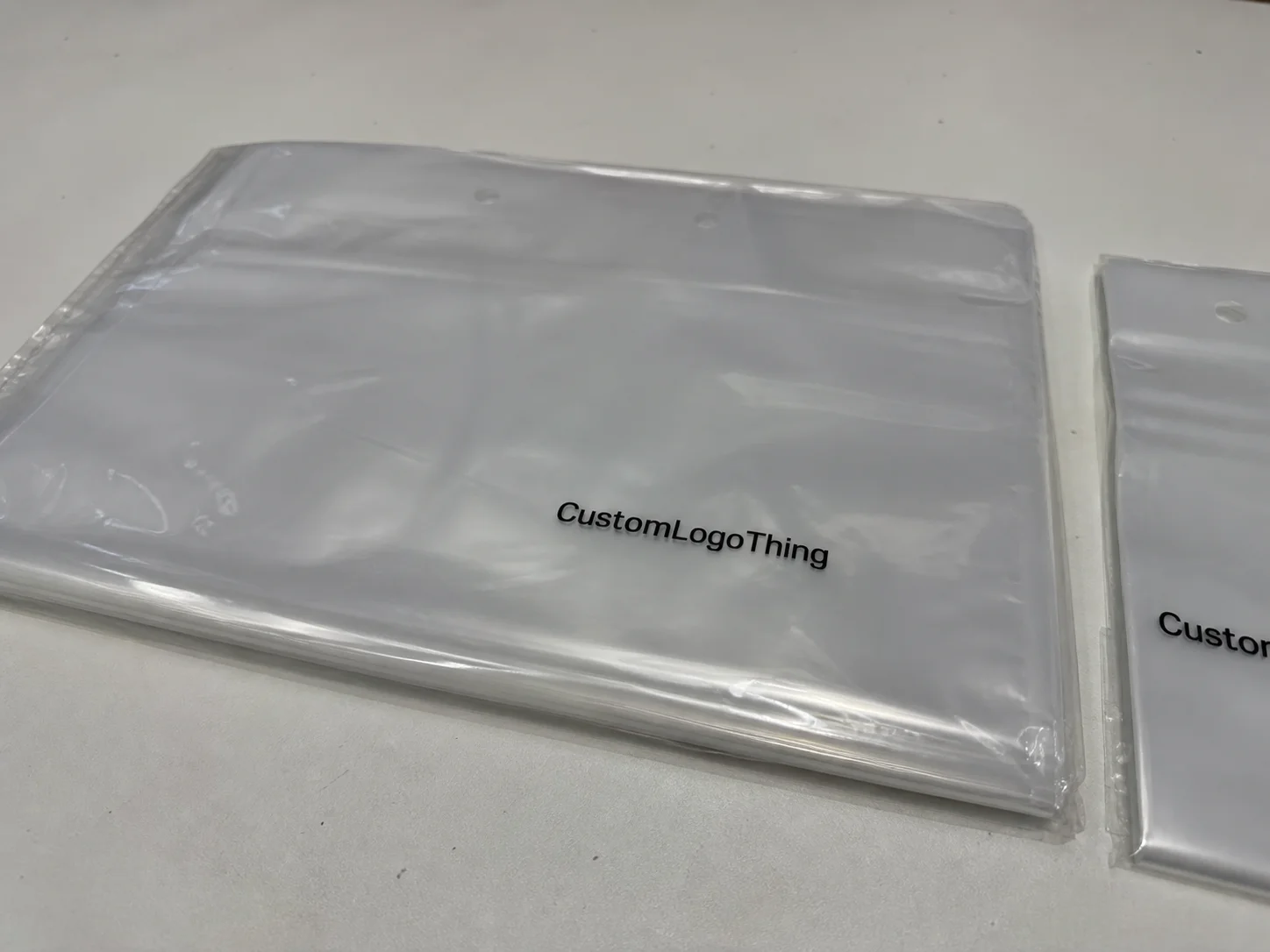
Packaging buyers tend to learn this after the first complaint. A handle tears. The bottom seal splits. The bag feels flimsy beside a competitor’s. A thickness guide helps translate those failures into a material spec That Holds Up in handling, transport, and display.
Underspecify and you risk returns, reprints, and a brand impression that feels cheap. Overspecify and you pay for resin you do not need, plus higher freight and storage costs. For custom printed bags, the real task is not finding the thickest film available. It is matching performance to use without padding the budget.
That is why experienced buyers ask for more than one quote. A good supplier should be able to explain how the bag will perform at a given thickness, not just list a number. If the answer sounds vague, the spec probably is too.
“A useful bag spec survives actual handling, not just a flat proof.”
How bag thickness is measured
Plastic bag thickness is commonly stated in mil or micron. A mil is one-thousandth of an inch. A micron is one-thousandth of a millimeter. They are not the same, so compare like with like before approving production. As a quick reference, 1 mil is roughly 25.4 microns.
Gauge still appears in some markets, but it is used loosely and should be treated carefully. If a supplier says “heavier gauge” without a number, ask for an exact thickness in one unit. That prevents confusion, especially when quotes come from different regions or factories.
Thickness alone does not tell the full story. A 2 mil bag made from one resin can feel and perform very differently from a 2 mil bag made from another. HDPE is usually crisper and suits carryout or merch bags. LDPE is softer and more flexible, which is why it is common in boutique and promotional packaging. LLDPE adds stretch and tear resistance. PP can create a clearer, more premium look. Recycled blends vary more, which is normal, because the feedstock may include post-consumer waste and other recovered material.
Bag construction changes the result too. Die-cut handles, patch handles, side gussets, bottom gussets, and seal patterns all affect how force travels through the film. A thinner bag with strong construction can outperform a thicker bag with weak handles or a poor seal. That is one reason quotes based only on thickness often mislead first-time buyers.
Print quality is tied to material as well. Thicker film can feel more substantial in hand, but surface treatment, ink adhesion, clarity, and opacity often influence perception just as much. If a design uses high-contrast white ink, dense branding, or dark film, the substrate finish may matter more than adding another fraction of a mil.
Key factors that determine the right film spec
The first question is simple: what will the bag carry? A folded T-shirt is not a boxed accessory. A warm takeaway container is not a stack of soft retail items. A small electronics part can puncture a film that seems fine for apparel. Product dimensions, weight, corners, and surface shape tell you more than the category name printed on a quote request.
Handling matters just as much. Is the bag carried once from checkout to a car, or walked across a venue, placed in a delivery basket, and reused later? A bag for event distribution may need better puncture resistance than one handed over at a boutique counter. If the bag is likely to be reused, the spec should support that reality rather than assume a single short trip.
Presentation is another variable. Matte versus glossy. Transparent versus opaque. Soft drape versus structured feel. These details shape how the brand is perceived before anyone reads the logo. A slightly stiffer bag can improve the premium feel for retail. Food service may care more about clarity, seal integrity, and practical loading than hand feel. The “best” spec depends on the job.
Compliance can override preference. Some local rules require reusable or minimum-thickness bags. If your bags must meet a legal threshold, write the spec to the rule instead of to a generic template. Recycled-content claims, FSC references, and biodegradable packaging language should only be used if the actual material system supports them. There is no advantage in using sustainability language that cannot be documented.
Artwork coverage changes the conversation too. Heavy ink blocks, full-panel branding, white underprint, and metallic accents can alter surface appearance and how the bag feels in hand. A high-coverage design on a thin, soft film may look busy or cheap. In those cases, a slightly stronger substrate usually helps the print carry better.
| Use case | Typical material behavior | Why it matters |
|---|---|---|
| Light apparel | Flexible film, moderate opacity | Comfortable carry without overspecifying thickness |
| Takeout containers | Higher puncture resistance, secure seals | Sharp edges and warm contents stress the bag |
| Premium retail | Structured feel, better print finish | Presentation affects perceived brand value |
| Multi-item merchandise | Stronger handles and gussets | Load distribution matters as much as thickness |
How to choose the right thickness range
Step 1: define the job in numbers. Record product dimensions, packed weight, expected item count per bag, and whether the load has corners, liquid, or sharp edges. “Retail bag” is too vague. “Two folded cotton shirts, 1.2 lb total” is a workable brief.
Step 2: choose the base material first. Compare thickness within one material family before jumping across HDPE, LDPE, LLDPE, or PP. Those films do not behave the same. A thinner film in a stronger resin may outperform a thicker film in a softer one. This is why “same thickness” is not the same as “same performance.”
Step 3: narrow to a practical range. Lightweight promo bags usually sit at the low end, standard retail bags in the middle, and heavier merchandise or repeated-use bags at the higher end. Exact numbers depend on resin, bag style, and load shape, but that progression is a better starting point than chasing the biggest number on a spec sheet.
Step 4: match the construction to the load. Handles, gussets, and seals can save or sink a design. Weak handle reinforcement can fail even when the film looks thick enough. A bottom gusset often spreads load better than a flat bag of the same material. In practice, structure can matter as much as thickness.
Step 5: sample before production. Ask for samples or pre-production mockups and test them under real conditions. Check stiffness, noise, print clarity, and how the bag behaves when lifted by the handle. A digital proof cannot show stress performance.
Step 6: test with the actual product. Load the bag with the real item, not a rough estimate. Boxes, bottles, and food containers each create different stress points. A quick internal test often catches problems a spec sheet misses.
If the bag will move through a shipping workflow, the standard should rise again. A bag used inside corrugated packaging faces a different set of stresses than one used only at point of sale. More movement, more stacking, and more handling usually justify a more conservative spec.
Cost, pricing, and MOQ
Thickness affects cost directly because thicker film uses more resin. That raises material spend and often increases freight weight and storage volume. The difference between two specs can look small on paper, then become meaningful across a five-figure run. A heavier bag in a large order is not a minor line item.
The opposite mistake happens often: buyers focus on unit price and ignore failure risk. A thinner film that stretches too much, tears, or looks poor in hand can cost more once replacements, complaints, and brand damage are added in. The cheapest bag is not always the least expensive bag.
Final pricing depends on more than thickness. Bag size, material type, print colors, print coverage, handle style, gussets, recycled content, and quantity all change the number. MOQ is usually tied to press setup, plate or cylinder cost, and production scheduling. Smaller runs typically carry a higher unit price because fixed setup costs are spread over fewer pieces.
If you want a cleaner comparison, ask for two or three nearby specs. That shows the tradeoff curve instead of a single quote. Sometimes a slightly different resin lets you reduce thickness without losing performance. Sometimes the smarter move is to keep the thickness steady and improve the handle construction.
- Lower thickness: lower resin use and freight, but more risk with sharp or heavy loads.
- Mid-range thickness: often the best balance for standard retail and apparel.
- Higher thickness: more structure and perceived quality, but not always needed for light loads.
Production steps and lead time
A normal order moves through spec confirmation, artwork review, proof approval, material sourcing, printing, converting, sealing, QC, packing, and freight. Each stage is straightforward. Delays usually start when one stage is underdefined.
The most common slowdown is a vague thickness request. “Medium” is not enough. Neither is a quote without dimensions or target load weight. Artwork changes also add time, especially when color matching matters or the logo has to sit on a precise panel area. Specialty films, recycled blends, and uncommon sizes can lengthen sourcing.
Many custom bag programs finish in 12-15 business days after proof approval, but that depends on quantity, material, and shipping method. Sampling adds time. Even so, pilot runs often save money by catching structural mistakes before a full production order.
If lead time matters, send the complete brief up front: dimensions, quantity tiers, packed product weight, handle style, print file, and delivery deadline. The more a supplier has to infer, the slower the quote and the higher the risk of a mismatch.
Common thickness mistakes buyers make
Mistake 1: copying a competitor’s spec. A bag that works for another brand may fail for yours because the weight, dimensions, and handling conditions are different. Match the spec to your product, not to a rival’s label.
Mistake 2: assuming thicker always means stronger. Resin, seal quality, and handle reinforcement can matter more than raw thickness. Ask how the bag is built, not just how thick it is.
Mistake 3: mixing units. Mil and micron are not interchangeable, and gauge is often sloppy shorthand. Confirm one measurement system before comparing quotes.
Mistake 4: chasing the lowest unit price. A cheap bag that fails at carry-out can cost more in reprints, refunds, and brand damage. Compare total value, not just purchase price.
Mistake 5: skipping physical testing. Flat artwork and stock photos do not reveal real performance. Load-test with actual products under the same conditions customers will use.
There is also a quiet mistake around sustainability language. Not every film is biodegradable packaging, and not every bag made with recycled materials behaves the same. If sustainability claims matter, ask for documentation and verify that the material aligns with current guidance on plastics and material management. Claims should be precise, not vague.
Practical ordering tips
Send a supplier a short, specific brief: product size, packed weight, load shape, target quantity, print coverage, preferred material, and compliance needs. That removes a lot of back-and-forth and usually improves quote accuracy.
Ask for two or three comparable specs rather than one number. For example, request a lighter option, a middle option, and a heavier option within the same material family. Seeing cost and feel side by side is more useful than reviewing a single line item. If you use kraft paper inserts, corrugated cardboard, or other ship-ready packaging, keep the visual standard aligned so the full package feels intentional.
A simple in-house test protocol is enough to expose weak points:
- Load the bag to expected use weight.
- Lift by the handles and hold for 10-15 seconds.
- Shake lightly to check stretch and seal integrity.
- Drop it from counter height.
- Inspect print, opacity, and any stress whitening.
Document the approved spec in one place: thickness, resin, dimensions, gusset type, seal style, print standard, and reorder tolerance. That prevents spec drift on repeat orders, which is where many programs quietly go off track.
If environmental claims are part of the brief, do not blur categories. Recycled-content bags, post-consumer waste content, and biodegradable packaging are not interchangeable terms. Precision reduces risk and makes sourcing decisions easier to defend internally.
What thickness is best for logo printed plastic bags for retail use?
It depends on product weight, handle style, and whether the bag is single-use or meant for repeat reuse. Light apparel and giveaways often use lighter gauges than boxed cosmetics, books, or multi-item purchases. Material family matters too: HDPE, LDPE, and PP can perform differently at similar thicknesses. The safest move is to test two nearby thickness options with your actual packed product.
How do mil and micron compare when choosing plastic bag material thickness?
Mil and micron are different units, so suppliers should state one clearly. If two quotes use different units, convert them before comparing performance or price. Do not approve production on vague wording like “medium thickness.”
Does a thicker custom printed plastic bag always mean better quality?
No. Quality also comes from resin type, stiffness, clarity, opacity, seal quality, and print finish. A bag can feel premium without being the thickest option if the structure is well engineered. Overspecifying thickness can raise cost without improving customer experience.
How does material thickness affect the cost of logo printed plastic bags?
Thicker film usually raises resin use, unit cost, freight weight, and storage volume. Final pricing also depends on dimensions, colors, print coverage, MOQ, and material selection. In some cases, a better resin lets you lower thickness and improve overall economics.
What should I send a supplier to get an accurate plastic bag thickness quote?
Provide bag dimensions, target quantity, packed product weight, handle style, gusset needs, and delivery location. Include artwork, color count, desired opacity or clarity, and any recycled-content or compliance requirements. Ask for sample recommendations in at least two thickness ranges before production.
The cleanest buying process starts with the job the bag must do, then matches thickness to the material and construction around it. That is the core lesson behind any solid Logo Printed Plastic bags material thickness guide: the right spec protects the product, supports the brand, and avoids paying for performance you will never use.


