Buyer Fit Snapshot
| Best fit | Custom Poly Bags Design for Better Branding projects where brand print, material claims, artwork control, MOQ, and repeat-order consistency need to be specified before quoting. |
|---|---|
| Quote inputs | Share finished size, material target, print colors, finish, packing count, annual reorder estimate, ship-to region, and any compliance wording. |
| Proofing check | Approve dieline scale, logo placement, barcode or warning zones, color tolerance, closure strength, and carton packing before bulk production. |
| Main risk | Vague material claims, crowded artwork, missing packing details, or unclear freight terms can make a low unit price expensive after revisions. |
Fast answer: Custom Poly Bags Design for Better Branding: Film, Print, MOQ, and Carton Packing should be specified like a repeatable production item. The safest quote records material, print method, finish, artwork proof, packing count, and reorder notes in one written spec.
Production checks before approval
Compare the actual filled-product size with the drawing, then confirm tolerance on folds, seals, hang holes, label areas, and retail display edges. Reserve space for logos, QR codes, warning copy, and material claims before decorative graphics fill the panel.
Quote comparison points
Review material grade, print process, finish, sampling route, tooling charges, carton quantity, and freight assumptions side by side. A quote is only useful when the supplier can repeat the same color, closure quality, and packing count on the next order.
Custom Poly Bags Design Tips: Why the Smallest Bag Can Make the Biggest Impression
The first thing people often touch is not the product, but the bag around it, and that is exactly why Custom Poly Bags design tips matter more than most teams realize. I remember standing beside sealers on a Shenzhen converting line where a simple 2 mil LDPE bag passed through six hands before the carton was even taped, which means that bag had more “brand contact” than the item inside it. Slightly absurd? Yes. Also true. That kind of repeated handling is precisely why custom poly Bags Design Tips can influence brand memory, packing speed, and even complaints about damage or presentation.
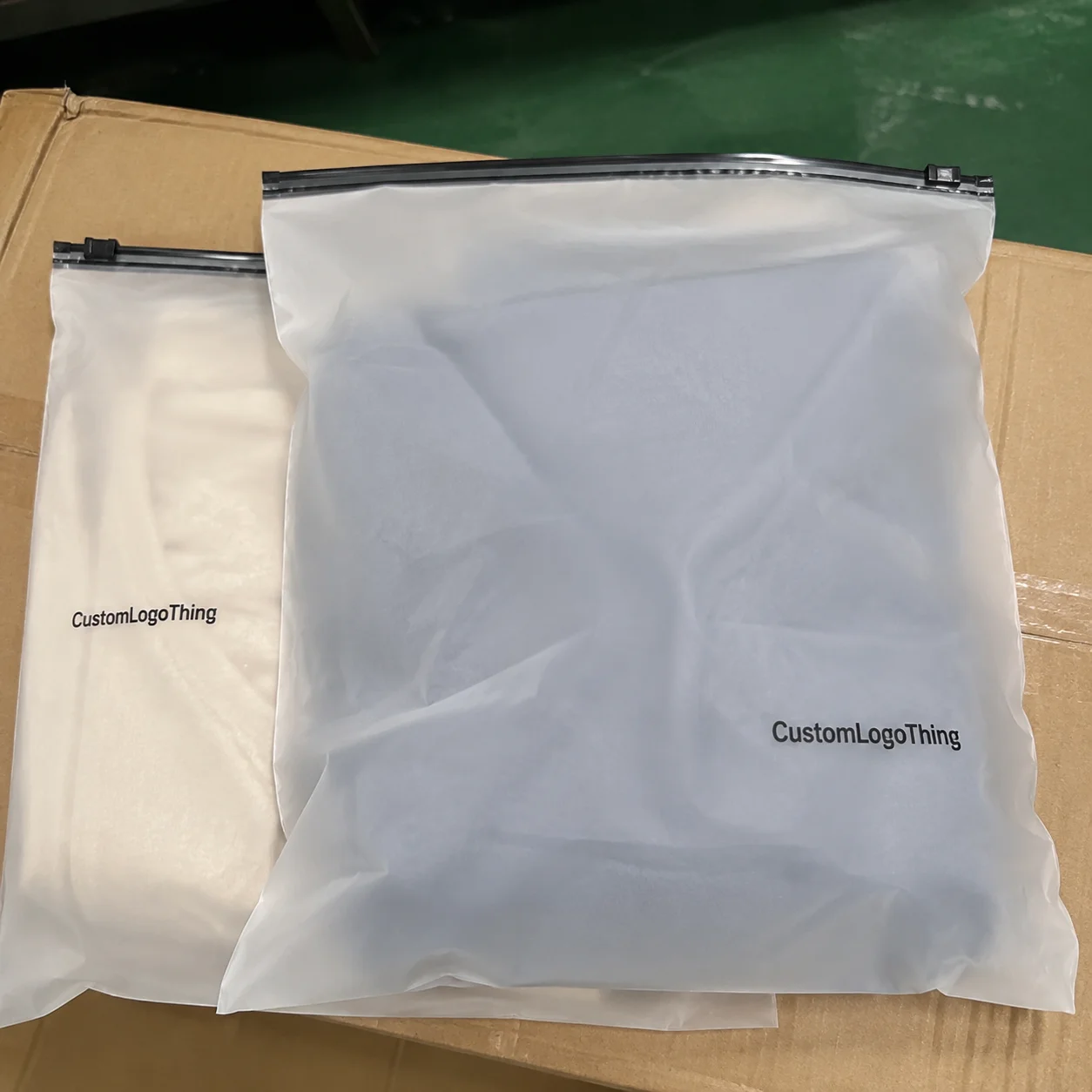
Custom Poly Bags are printed or plain polyethylene bags used for shipping, retail presentation, product protection, and brand communication. They show up as flat bags, gusseted bags, wicketed stacks, reclosable styles, and layflat mail-style packaging, and each format behaves a little differently on a packing line. A standard flat bag might measure 12 x 15 inches with a 2-inch bottom seal, while a wicketed grocery-style run can stack 250 to 500 pieces per wicket for faster loading at a station. Strong custom poly bags design tips are not just about making the bag look attractive; they are about making sure the package holds up through filling, sealing, stacking, and end-customer handling without creating unnecessary friction.
Honestly, I think people underestimate how much design affects production. A clean, well-marked workstation on a line in a Chicago fulfillment center reduces mistakes because everyone can see what belongs where, and a well-designed poly bag does the same thing for the package. When the artwork is readable, the seals are planned, and the size is right, the bag supports the product instead of fighting it. That is the real point behind custom poly bags design tips: keep the brand sharp, keep the process smooth, and keep the costs under control. On a 50,000-unit apparel run in Chicago, even a 10-second delay per case adds more than 14 hours of labor across the full order, which is why packaging decisions are never just visual.
I’ve seen customers spend $8,000 on a product launch and then leave the bag as an afterthought, only to discover that the logo sits half an inch into the seal area or the barcode smears on white recycled film. That kind of mistake is expensive in a very ordinary way, because it slows packing, triggers rework, and can push a shipment by a week. The good news is that most of those problems are avoidable with practical custom poly bags design tips and a little discipline before the press ever starts. A corrected proof might cost nothing, while a rebuilt run of 10,000 bags can turn into a $650 to $1,500 rework event once plates, labor, and freight are counted.
In the sections that follow, I’ll walk through how to think about structure, print method, film choice, sizing, artwork, and production timing in a way that feels grounded in factory reality. I’ll also show where packaging design decisions affect branded packaging, product packaging, and retail packaging, because a poly bag is never just a bag when the logo, seal, and finish all work together. If you want the packaging to support package branding instead of undermining it, the details matter, from a 1-color 2 mil pouch to a 4-color printed film made in Dongguan, Guangdong or Suzhou, Jiangsu.
How Custom Poly Bags Design Works From Artwork to Finished Film
The journey from artwork file to finished bag starts with setup, not printing, and that is one of the most overlooked custom poly bags design tips I can give. A converter receives the art, checks dimensions, confirms the print area, and builds the job around the actual bag structure, including seals, gussets, and trim. From there, plates or cylinders are made, the film is loaded, the inks are matched, and the line is dialed in before full production runs. If any one of those steps is rushed, the final result usually shows it. Factories are wonderfully unforgiving that way. On a routine job, proof approval on Monday can turn into press-ready material by the following Thursday, but only if the art is locked and the film spec is already confirmed.
Flexographic printing is common for poly bags because it handles medium- to high-volume runs efficiently, especially when the artwork uses solid colors and clear shapes. Rotogravure can produce very consistent images and fine detail, but it usually makes the most sense on larger programs where the cylinder cost is justified. One of my better supplier negotiations happened in a Guangdong plant where we compared the two methods side by side on 40,000 bags; the flexo job saved money on setup, while the gravure sample gave us tighter photo detail, so the right answer depended on the brand’s priority. That is why custom poly bags design tips should always start with the print process, not the graphic on a monitor. In many factories in Shenzhen and Dongguan, a flexo plate set for a 2-color run may cost $180 to $350, while gravure cylinders can move into four figures depending on the image count and repeat length.
Film choice matters just as much as ink. LDPE gives you soft flexibility and good clarity, HDPE feels stiffer and more crinkly, and recycled-content film can change the surface energy enough to alter print behavior and scuff resistance. Under warehouse LEDs, a clear 1.5 mil bag with dark ink can look crisp, while the same artwork on a tinted recycled film may need stronger contrast to stay legible. This is one of those custom poly bags design tips that sounds simple until you see the wrong color on the wrong substrate and realize the branding disappeared by three feet away. A 1.5 mil film is often used for lightweight apparel, while a 3 mil build may be more appropriate for sharper puncture resistance in industrial packing.
Bleed, safe zones, and seam placement are not design jargon; they are the difference between a sharp package and a bag that looks like the art was stretched during packing. Heat seals can distort corners, gussets can fold away key information, and side seams can swallow a narrow logo if the layout is too ambitious. I always tell clients to treat the structure like a frame around the art, because the frame is what the bag maker controls and the art must respect it. That mindset is central to custom poly bags design tips that actually survive production. On a 9 x 12 inch bag with a 1-inch side seal, keeping the logo at least 0.25 inches away from the edge can prevent obvious distortion after sealing.
Most jobs pass through at least three checkpoints: proof, press check, and sampling. The proof locks in placement, the press check verifies color and registration, and the sample confirms how the bag behaves once filled and sealed. If you skip the sample, you may miss that a 6-inch gusset causes the logo to split at the fold or that a barcode prints too close to the bottom seal. Good custom poly bags design tips are really about controlling these checkpoints before the order becomes expensive material on a moving line. A sample approval in a plant outside Ho Chi Minh City once caught a 3/8-inch barcode shift that would have ruined a 20,000-unit retail shipment.
For readers who also manage other formats, the same discipline applies across Custom Packaging Products and not just bags. A company using Custom Poly Mailers will still run into the same artwork, seal, and fit issues, only with mailer-specific constraints. Packaging design is never isolated, and the smarter teams build one visual system that carries across the full range of custom printed boxes, mailers, labels, and bags. A program that pairs a 350gsm C1S artboard carton with a 2.5 mil poly bag usually feels more deliberate than two unrelated packaging styles pulled from different suppliers.
Custom Poly Bags Design Tips That Affect Print Quality, Strength, and Cost
One of the strongest custom poly bags design tips is also one of the least glamorous: keep the artwork simple enough to print cleanly. Bold shapes, strong typography, and fewer ink colors almost always reproduce better on film than intricate line work or tiny gradients. I’ve watched a four-color design look elegant on screen and then turn muddy on a white 2 mil bag because the designer used thin text and a delicate gray shadow that never had a chance on press. If you want premium-looking branded packaging, clarity usually beats ornament. A single spot Pantone plus black is often easier to run than a process build with four overlapping tints.
Bag size and thickness directly affect cost, function, and appearance. A 12 x 16 inch bag in 1.5 mil LDPE will behave very differently from a 14 x 20 inch bag in 3 mil film, and the change is not just about strength. Larger bags need more material, thicker gauges resist puncture better but cost more, and seal style can add or remove labor on the filling line. These are core custom poly bags design tips because a bag that is too large looks sloppy and a bag that is too thin creates complaints, returns, or repacking labor. On a 5,000-piece order, the jump from 1.5 mil to 2.5 mil film might add only $0.02 to $0.05 per unit, but that extra protection can prevent far more expensive product loss.
Cost also lives in the details of setup. Plate charges, ink count, and press make-ready time all influence the quote, and minimum order quantities often determine whether a project is economical. In one client meeting in northern Texas, the customer wanted six spot colors on a relatively small 8,000-piece run, and the setup costs drove the unit price higher than their actual bag substrate. We cut it to two colors, kept the logo bold, and got the per-unit price down enough to protect margin. That is the kind of practical thinking behind real custom poly bags design tips. A quoted job out of Dallas that started at $0.23 per unit for 8,000 pieces dropped to $0.16 after the team removed two inks and simplified the back-panel copy.
Here is a simple comparison I often use when helping teams choose a spec:
| Option | Typical Use | Approx. Unit Cost | Best Feature | Tradeoff |
|---|---|---|---|---|
| 1-color flexo on 2 mil LDPE | Retail inserts, light apparel, promo items | $0.08–$0.14 at 10,000 pcs | Low setup, clean branding | Limited artwork complexity |
| 2-color flexo on 2.5 mil LDPE | Shipping, light industrial, boxed goods | $0.11–$0.19 at 10,000 pcs | Better visual impact | Higher plate and press time |
| 4-color gravure on 3 mil film | Premium retail packaging, photo-heavy branding | $0.18–$0.32 at 25,000 pcs | Fine detail, very consistent print | Higher cylinder cost |
| Recycled-content film with 1–2 colors | Sustainability-focused product packaging | $0.12–$0.24 at 10,000 pcs | Eco message, lighter material profile | Color shift and surface variation |
Material choice is another place where custom poly bags design tips save money. LDPE is usually more forgiving for flexible products, while HDPE can suit items that need a crisper hand feel or lighter gauge. Recycled-content films can support sustainability goals, but they may introduce speckling or slight color variation, so the brand should accept a more natural look. I’ve seen too many spec sheets call for a premium bright-white finish on a material that was never going to behave like a coated label stock. Film is film, and good packaging design respects that reality. In some Guangzhou and Jiangsu production lines, recycled-content film is now used for about 20 to 30 percent of standard retail bag runs, but the print expectations need to match the substrate.
The use case should drive the spec, not the other way around. If the bag is protecting shipped goods, strength and seal integrity matter most. If the bag is hanging in a retail setting, appearance and shelf presence matter more. If the bag is tamper-evident, the closure or perforation matters more than the visual flourish. These are simple custom poly bags design tips, but they save a lot of confusion when teams try to force one generic bag to do three jobs. A 6 x 9 inch reclosable pouch for jewelry and a 20 x 24 inch mailer for textile goods are not interchangeable, even if both are made from poly film.
For brands that also use cartons or promotional kits, the visual language should stay aligned with product packaging and custom printed boxes. Same logo placement logic, same type scale, same color standards, same tone. When a bag looks disconnected from the rest of the system, the buyer senses it instantly, even if they cannot explain why. That disconnect is one of the hidden costs that strong package branding avoids. A box made with 350gsm C1S artboard in Vietnam and a bag printed in Shenzhen can still feel like one system if the typography, spacing, and ink values match.
Step-by-Step Custom Poly Bags Design Tips Process for a Smooth Launch
If a team asks me where to begin, I give them a simple process that works on real factory schedules. Step one in custom poly bags design tips is defining the job properly: what the bag must hold, how it will be packed, and what it will face in transit or retail display. A bag for a 4-ounce cosmetic pouch does not need the same build as a bag for a metal component that weighs 1.2 pounds, and that sounds obvious until someone specifies both with the same template. A cosmetics bag may run fine at 1.5 mil, while the metal part may need 3 mil film and a wider bottom seal.
Step two is measurement, and it has to be done with care. Measure the product’s width, depth, and height, then add insertion clearance, gusset allowance, sealing room, and any label or barcode panel. If a team only measures the product body and forgets the zipper, closure strip, or hang-hole area, the bag will be undersized by design. This is one of the most practical custom poly bags design tips because a few extra millimeters can prevent a very visible production failure. A bag that needs to fit a 10.5-inch product should usually be spec’d at 11 to 11.25 inches to leave room for seal compression and easy insertion.
Step three is artwork setup. Vector files in AI, EPS, or PDF usually work best because they scale cleanly and keep typography sharp. If a raster file is all you have, make sure it is high resolution and that small text is not being forced through a blurry conversion. I once reviewed a bag design where a 7-point legal line turned into a soft gray blur after conversion from a low-resolution PNG; the customer had to rebuild the file and push production by four business days. My inner packaging nerd was offended on their behalf. That is exactly why custom poly bags design tips should always include file discipline. Anything below 300 dpi at final print size is asking for trouble on a 2-color flexo run in a plant in Foshan or Ho Chi Minh City.
Step four is proofing. Ask for a structural proof or print proof and verify color, placement, barcode readability, legal copy, and logo clarity before you approve anything. If the bag has a seal, fold, or gusset, check the artwork against those lines, not just the center of the flat image. Many issues only show up when the design is mapped onto the actual bag geometry, and that is where experience matters more than software. For a 25,000-piece order, the difference between approving a PDF mockup and approving a printed sample can be the difference between a clean launch and a $900 correction.
Step five is timeline planning. A real order may need proof approval, plate making, press scheduling, curing, conversion, packing, and shipping time, and each stage depends on the one before it. For a typical custom bag program, I like to budget 12–15 business days from proof approval for straightforward flexo jobs, and 18–25 business days for more complex runs or larger quantities, though this depends on facility load and material availability. Good custom poly bags design tips include a timeline buffer because rush decisions usually cost more than the delay they were trying to avoid. Air freight from a plant in Shenzhen to Los Angeles may add $1,200 to $3,500 to a mid-size order, which is a poor substitute for getting the proof approved on time.
Here’s the way I like to break the process down on a whiteboard in a supplier meeting:
- Define the product, weight, and bag purpose.
- Measure the item and add space for seals, folds, and handling.
- Prepare vector artwork with proper color builds and outlined fonts.
- Review structural proofs and production samples carefully.
- Approve only after checking timing, compliance text, and quantity.
That sequence sounds basic, but basic is often what keeps a packaging line from getting messy. The best custom poly bags design tips are not flashy; they are disciplined, repeatable, and built around how the job will really run. A plant in Ningbo that follows this order will usually ship cleaner work than a faster shop that skips the proof stage to save two days.
Common Mistakes to Avoid With Custom Poly Bags Design Tips
The most common mistake I see is low-resolution artwork. A logo that looks fine in a presentation deck can become fuzzy once it is printed onto film, especially if the design includes thin lines or small type. On a packaging floor, blurry art looks unprofessional in a way that premium materials cannot fully hide. One of the simplest custom poly bags design tips is to insist on source files that are actually print-ready, not just “good enough for review.” If the final artwork is being built for a 2.5 mil LDPE bag, keep the smallest type at least legible at a real viewing distance of 12 to 18 inches.
Another big issue is ignoring the bag’s physical geometry. Seal lines, folds, trim, wicket holes, and gussets all affect where information can safely live. If a QR code sits too close to a fold, half of the code may disappear when the bag is stuffed or sealed. I’ve watched a warehouse supervisor in Ohio reject a whole batch because the reorder panel landed inside the bottom seal by three-eighths of an inch. That sort of miss is expensive, and it is entirely avoidable with better custom poly bags design tips. A 0.25-inch adjustment on the proof can save a 5,000-piece run from becoming scrap.
Color selection can be deceptive. The same Pantone reference can look different on clear film, white film, black film, or recycled-content substrate, because the ink opacity and background color change the visual result. If a brand wants a bright blue, it may need a white-ink underlay or a heavier ink deposit to stay true. In packaging design, the substrate is never a neutral actor, and smart custom poly bags design tips account for that from the start. On black film, a white ink layer can raise print cost by 15 to 25 percent, but it may be the only way to keep the logo readable.
Timelines cause problems too, especially when internal approvals drag out and then the team wants production to start immediately afterward. Revisions, plate making, and press scheduling take time, and those steps do not compress just because the launch date is close. I’ve seen a client lose a shipping window because they approved art on a Friday afternoon and expected bags in hand by the following Wednesday. That kind of expectation is not a production plan. It is a stress test. A proper run from proof approval to delivery in the U.S. Midwest often takes 12 to 15 business days, not four.
Compliance oversights are another avoidable headache. Depending on the product and market, the bag may need warning copy, recycling marks, barcode placement, or other legal text. If the packaging is for retail packaging or e-commerce fulfillment, the artwork may also need space for SKU, lot code, or origin information. These requirements vary by customer and category, so I never promise a one-size-fits-all rule; I only say that the earlier they are built into the design, the fewer surprises appear later. That is one of the most useful custom poly bags design tips I can offer. A manufacturer in California may ask for extra compliance notes, while a buyer in the EU may need recycling and material identification marks built in from day one.
For teams that want a higher-level quality standard, I also like to point them toward industry references such as ISTA for transit testing and ASTM standards for material and performance context. If sustainability claims are part of the packaging story, the FSC system is worth understanding for paper components used elsewhere in the packaging mix. Even when the bag itself is plastic, the broader packaging program benefits from common standards and clearer expectations. A packaging buyer in Toronto or Melbourne can use the same testing language to compare suppliers in Asia and North America.
Expert Custom Poly Bags Design Tips From a Packaging Floor Perspective
I always tell clients to design for the people who actually touch the bag: warehouse pickers, line operators, customers opening parcels, and retail associates who may only have three seconds to understand what the packaging says. That is one of the most practical custom poly bags design tips I know, because a design that looks elegant in a PDF but confuses the packer is not a strong design. If the bag is used on a fast-moving line, large type, strong contrast, and obvious orientation cues matter more than fancy decoration. In a 30,000-piece run in Atlanta, a bold 18-point product name can be easier to read than a stylish 9-point script font with a lot of personality and very little function.
A single clear focal point helps a lot. Put the logo where eyes naturally land, keep the brand name readable from a normal hand-held distance, and avoid scattering attention across too many messages. One factory in the Midwest had a bag with three logos, two taglines, and a promotional banner all competing for space, and the end result was that nobody remembered the brand. We simplified the layout to one logo, one supporting line, and a small website URL, and suddenly the package felt calmer and more expensive. That kind of restraint is a real strength in custom poly bags design tips. A clean front panel on a 14 x 18 inch mailer often performs better than a cluttered front and back combined.
Finish matters too. Matte film can feel softer and more premium, while gloss often creates a brighter, more energetic impression under retail lighting. Neither is universally better. A matte finish may hide scuffs better on shipping bags, while gloss may help colors pop on presentation bags. The decision should reflect the product category, not just personal taste, and that judgment call is part of experienced custom poly bags design tips. A matte 2.5 mil bag printed in a warehouse in Suzhou can feel noticeably different from a glossy 3 mil bag produced in Shenzhen, even when the artwork is identical.
Consistency across packaging lines gives a brand more authority. If the poly bag, carton, label, and insert all speak the same visual language, the customer feels intentionality even before they open the product. That applies whether the brand uses branded packaging for e-commerce, custom printed boxes for retail sets, or simple poly bags for inner protection. Strong package branding is not about making every surface busy; it is about making every surface recognizable. A 350gsm C1S artboard carton with a matching 2-color poly bag can look like one program instead of two unrelated purchases.
I also recommend building in at least one revision cycle and a realistic proof window. If your design team, sales team, and operations team all want input, the schedule should reflect that. I’ve watched a well-planned job turn into a rush because the internal approval chain was not mapped out, and the printer had to hold a press slot while the customer debated a punctuation change. That might sound minor, but in production a punctuation change can cost a day, and a day can cost freight. Good custom poly bags design tips always respect the calendar. In practice, one revision cycle and one final proof often keep the project within a 2-week window instead of stretching it into three.
“The best-looking bag in the mockup is not always the best-performing bag on the line. I would rather have a clean two-color design that runs perfectly than a five-color design that causes rework.”
That quote came from a long-time converting manager I worked with outside Dongguan, and it still holds up. In packaging, perfect art that cannot be produced consistently is not a win. The best design is the one that looks right, seals right, and ships right. On a line running 40,000 units a day, that difference can determine whether the order finishes on Friday or spills into the next week.
What to Do Next When You Apply Custom Poly Bags Design Tips
If you are ready to turn custom poly bags design tips into an actual project, start by gathering the facts the factory needs. You want product dimensions, target bag style, estimated monthly or annual quantities, print colors, brand files, and any compliance requirements in one place before asking for a quote. That level of preparation usually shortens back-and-forth and gives you a more accurate price from the start. A complete RFQ can shave two or three email rounds off the process, which matters when a plant in Jiangsu is already booked for the next 10 business days.
Next, build a simple internal checklist. Confirm artwork resolution, seal placement, bag thickness, color count, required text, barcode position, and whether the bag needs gussets, vents, zippers, or tamper features. This is a small step, but it prevents the classic late-stage surprise where someone asks whether the SKU panel can move and the answer is no because the seal area is already locked in. Strong custom poly bags design tips make that kind of issue visible early. A 0.5-inch shift in barcode placement can be the difference between a scan that works at the dock and one that fails on the first pass.
When possible, compare a few sample structures or layout options before final approval. For a premium product, the difference between a clear flat bag and a softly tinted printed bag can change how the customer perceives value, even if the product inside is identical. I have seen brands move from plain poly to simple printed bags and instantly improve shelf presentation, unboxing perception, and internal packing discipline. That is not magic; it is thoughtful product packaging design doing its job. A 1-color printed bag can sometimes do more brand work than a full-color system if the structure is right.
Also, decide what you want to test on the first run. I usually suggest scuff resistance, seal strength, print readability, packing speed, and any handling issues at the warehouse level. If the bag will be used in e-commerce, test how it behaves when folded into a carton or mailer; if it is retail-facing, check how the print looks under store lighting. The bag should be judged in the environment where it lives, not just on the screen. That is a practical extension of custom poly bags design tips. A bag that looks perfect under a design studio lamp in Los Angeles may look dull under a 4,000K LED rack in a warehouse in Dallas.
Here is my final bit of advice: do not design for the fantasy version of production. Design for the actual film, actual press, actual packer, and actual customer. That mindset leads to better branding, lower waste, fewer corrections, and smoother shipping. If you keep those goals in view, custom poly bags design tips become more than a design exercise; they become a way to make the packaging work harder for the business. It is a small shift in thinking, but it can save a launch from unnecessary reprints and protect a margin that would otherwise disappear into freight and scrap.
At Custom Logo Things, I would approach the job the same way I do on a plant floor: measure carefully, keep the artwork honest, Choose the Right material, and leave enough time for proofing and production. If you follow these custom poly bags design tips, the bag will do its real job well—look sharp, pack efficiently, and protect the product from the first pallet to the final handoff. A well-planned order made in Shenzhen, Dongguan, or Suzhou can arrive with fewer surprises than a rushed domestic run that skipped the proof stage.
FAQs
What are the best custom poly bags design tips for small brands?
Start with a clean, high-contrast layout that puts the logo and brand name first, then keep the artwork simple enough to print clearly on film. If budget is tight, one or two ink colors usually works better than a complex design, and a properly sized bag often looks more intentional than a larger, loosely filled one. For example, a 5,000-piece run with a single-color print may land around $0.15 per unit, while a more complex three-color version can move noticeably higher depending on film and setup.
How do custom poly bags design tips help control pricing?
They help by reducing setup complexity, limiting ink colors, and avoiding oversized or over-specified bags. Larger quantities also spread plate and press costs across more units, and choosing the right film gauge keeps you from paying for strength you do not need. A 10,000-piece order in 2.5 mil LDPE often prices better than a 3 mil build for the same product, especially when the print remains at one or two colors.
What file type works best for custom poly bags design tips and artwork setup?
Vector files such as AI, EPS, or PDF are usually the safest choice because they scale without pixelation and keep fine text crisp. High-resolution raster files can work in some cases, but small logos and legal copy should be reviewed carefully, with fonts outlined or supplied before approval. For production, many converters prefer files built at final size with text converted to outlines and images at 300 dpi or higher.
How long does production usually take after final approval?
That depends on the print method, quantity, and whether plates or cylinders are required. For straightforward flexographic jobs, 12–15 business days from proof approval is a reasonable planning window, while more complex runs may need longer for setup, material sourcing, curing, and shipping. A job produced in Guangdong and shipped to the U.S. West Coast may need an extra 3 to 7 days for transit, depending on freight method.
What should I check before approving a custom poly bag design?
Check artwork placement against seals, folds, and trim areas so nothing important gets lost, and verify logo clarity, barcode readability, and any required warning or recycling text. It also helps to review how the color will look on the actual film type, since clear, white, and tinted poly can change the final appearance quite a bit. I also recommend confirming unit pricing, such as whether the job is coming in near $0.12, $0.18, or $0.24 per piece at your target quantity, before you sign off.