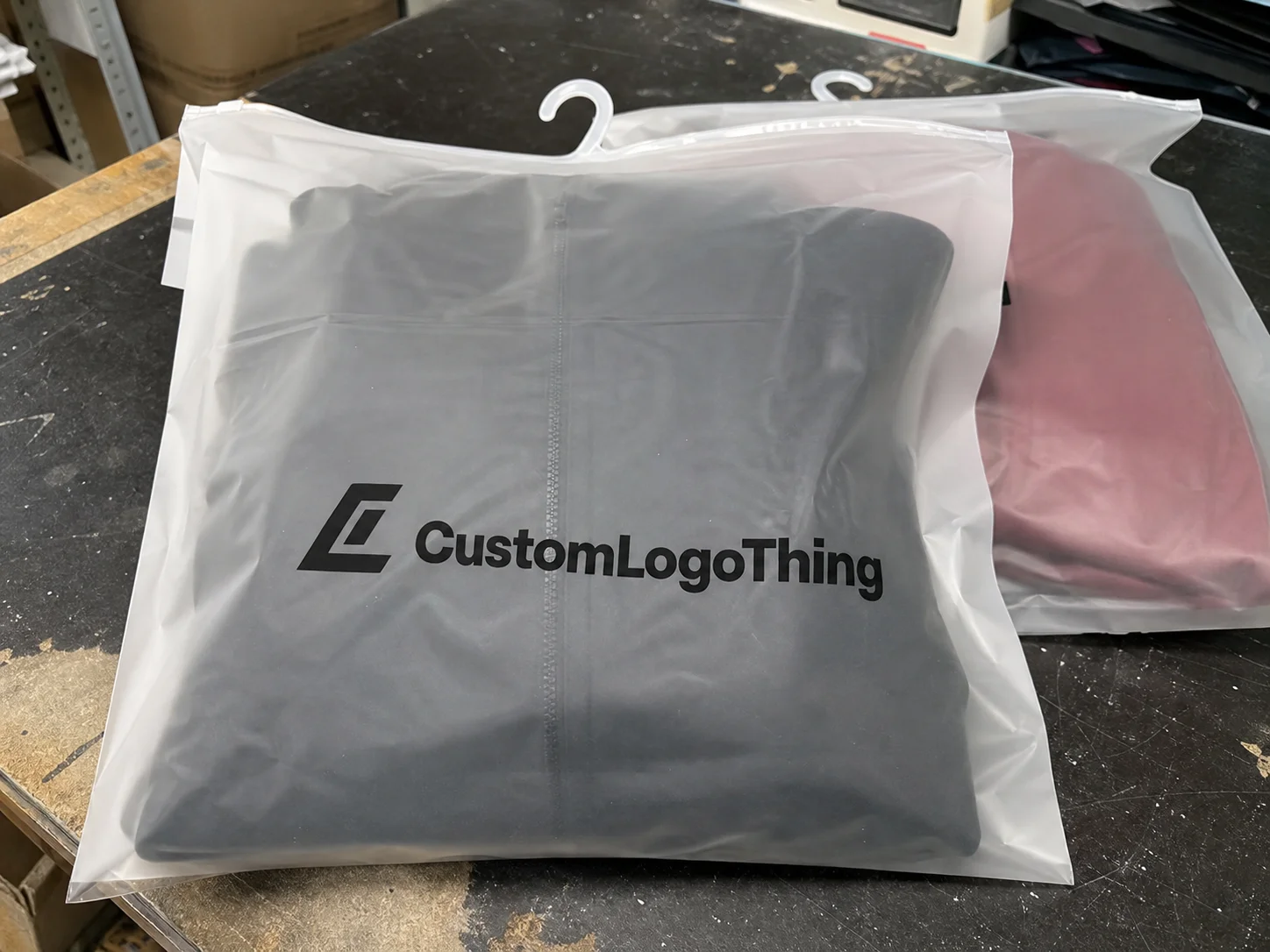
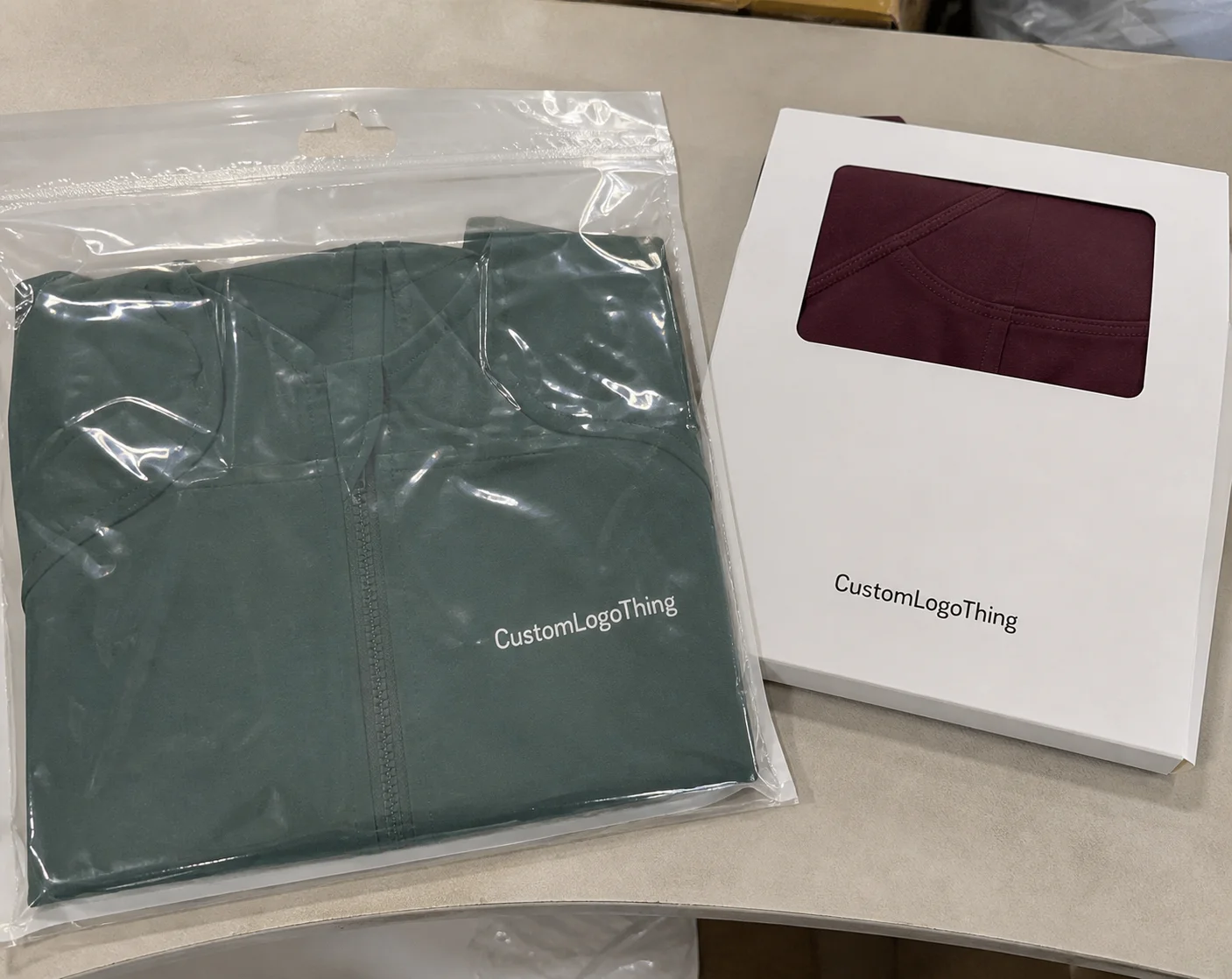
Buyer Fit Snapshot
| Best fit | Custom Pouch Packaging Wholesale Bulk for Growing Brands projects where brand print, material claims, artwork control, MOQ, and repeat-order consistency need to be specified before quoting. |
|---|---|
| Quote inputs | Share finished size, material target, print colors, finish, packing count, annual reorder estimate, ship-to region, and any compliance wording. |
| Proofing check | Approve dieline scale, logo placement, barcode or warning zones, color tolerance, closure strength, and carton packing before bulk production. |
| Main risk | Vague material claims, crowded artwork, missing packing details, or unclear freight terms can make a low unit price expensive after revisions. |
Fast answer: Custom Pouch Packaging Wholesale Bulk for Growing Brands should be specified like a repeatable production item. The safest quote records material, print method, finish, artwork proof, packing count, and reorder notes in one written spec.
Production checks before approval
Compare the actual filled-product size with the drawing, then confirm tolerance on folds, seals, hang holes, label areas, and retail display edges. Reserve space for logos, QR codes, warning copy, and material claims before decorative graphics fill the panel.
Quote comparison points
Review material grade, print process, finish, sampling route, tooling charges, carton quantity, and freight assumptions side by side. A quote is only useful when the supplier can repeat the same color, closure quality, and packing count on the next order.
Packaging quietly eats margin. Across most CPG P&Ls I audit, it lands between 8% and 12% of total cost, and weak procurement timing can push landed packaging cost up by 20%+ before anyone flags it. That is exactly why I treat Custom Pouch Packaging wholesale bulk as a strategic planning exercise, not a last-minute buying task: you get stronger pricing power, steadier production quality, and replenishment cycles that support launch calendars instead of wrecking them.
I’ve watched the same pattern play out on factory floors from Dongguan to Monterrey. One nutraceutical client delayed cylinder approval by nine days, missed a vessel cutoff, and paid an extra $6,800 in expedited air freight for only 38,000 pouches. Same artwork, same film structure, totally different economics. Honestly, that week was rough to watch because it was avoidable.
If you source for food, pet, beauty, powders, or liquids, use this as a practical framework for custom pouch Packaging Wholesale Bulk, grounded in numbers that actually move outcomes: target unit cost, risk controls, compliance proof, and lead times you can plan around.
Why Custom Pouch Packaging Wholesale Bulk Changes Unit Economics
Most teams fixate on quoted unit price and miss total cost. That’s usually the first expensive mistake. Custom pouch packaging wholesale bulk is bigger than a lower per-piece figure; it changes freight cube, warehouse density, reorder rhythm, and stockout risk. Put together, those factors often outperform rigid formats by double digits.
Small-lot digital vs wholesale gravure/flexo economics
Below is typical math from active RFQs for a 150mm x 230mm stand-up pouch at 3.5 mil total thickness:
| Run Type | Order Qty | Print Method | Estimated Unit Cost | Setup/Tooling | Total Material + Print |
|---|---|---|---|---|---|
| Pilot | 5,000 | Digital | $0.31–$0.39 | $0–$350 | $1,550–$1,950 |
| Growth | 30,000 | Flexo | $0.17–$0.24 | $900–$1,800 plates | $5,100–$7,200 |
| Mature | 100,000 | Gravure | $0.11–$0.18 | $2,000–$4,500 cylinders | $11,000–$18,000 |
Digital is usually the right fit for speed and low commitment. Gravure and flexo tend to win once repeat volume stabilizes. For custom pouch packaging wholesale bulk, I plan across 2–3 purchase cycles, not as a one-PO decision that feels cheap in week one and expensive by quarter end.
Pouch vs rigid formats: freight and storage
A pet treat brand I worked with moved from 250g rigid jars to 250g stand-up pouches at the same net fill weight. Results were immediate: ~34% lower inbound freight, ~42% better pallet density, and lower pick-pack labor because case weights dropped. Their outbound parcel spend for DTC fell by 11.6% in one quarter.
Rigid still has a place for certain premium shelf signals. But brands prioritizing scalable product packaging with lower cube and less dead air usually find custom pouch packaging wholesale bulk programs hard to beat.
Operational confidence beats “cheap”
Procurement teams ask for “best price” constantly. A better question is: what is your cost per sellable unit delivered on time? A program running a 0.8% defect rate with 96% on-time delivery can outperform a lower quote that misses ports and causes line stoppages. I’ve said this in more supplier meetings than I can count (and yes, still get eye rolls): custom pouch packaging wholesale bulk is a reliability strategy as much as a pricing strategy.
Custom Pouch Packaging Wholesale Bulk Formats and Use Cases
Format choice is where margin and quality collide. A poor style decision can add months of friction—machine feeding issues, zipper failures, shelf sagging, or elevated leak rates after drop testing. Custom pouch packaging wholesale bulk performs best when structure matches product behavior and channel demands.
Core pouch styles and ideal categories
- Stand-up pouch (doypack): food snacks, supplements, beauty refills, pet treats.
- Flat pouch: single-dose powders, sample sachets, trial kits.
- Spouted pouch: gels, sauces, detergents, liquid concentrates.
- Quad-seal pouch: coffee, granola, high-SKU retail packaging with strong shelf presence.
- Retort pouch: heat-processed meals; structures must tolerate 121°C process cycles.
- Child-resistant pouch: cannabis and regulated supplement categories.
- Mono-material recyclable options: often mono-PE, useful for sustainability programs where barrier needs allow.
Closure and convenience features that affect performance
Zipper profile height and gauge influence performance more than many buyers expect. A 10mm press-to-close zipper can outperform 8mm by 20–30 open/close cycles depending on resin blend and profile design. Tear notches improve usability, while laser scoring needs tight depth control to avoid transit splits. Degassing valves are mandatory for coffee SKUs releasing CO₂ for roughly 10–14 days after fill.
At a co-packer in Ohio, a pouch redesign raised fill-line speed from 42 to 58 packs/min by improving coefficient of friction and top-web stiffness. Same machine, same operators, better pouch engineering. I still remember the line lead tapping the new roll and saying, “Finally, pouches that feed like they actually want to be here.”
Decision framework for format selection
- Product sensitivity: moisture, oxygen, UV, aroma migration.
- Channel: ecommerce durability versus in-store shelf impact.
- Target price point: structure and print complexity aligned with margin goals.
- Filling method: VFFS, HFFS, manual, hot fill, or retort process.
Brands balancing branded packaging and operating speed should validate format through line trials, not mockups alone. Mockups are great for sales decks and kinda terrible for predicting seal failures.
Technical Specifications That Protect Product and Margin
If I could force one habit into every procurement workflow, it would be this: lock the technical structure before approving artwork. Custom pouch packaging wholesale bulk programs fail when visuals are prioritized over barrier logic and seal behavior.
Film structures and barrier tradeoffs
- PET/PE: common, versatile, cost-effective for dry goods with moderate barrier needs.
- BOPP/CPP: clarity and stiffness; often used for snacks and confectionery.
- PET/AL/PE (foil laminate): high oxygen/light barrier for sensitive nutraceuticals and aroma-critical SKUs.
- PET/EVOH/PE: strong oxygen barrier without full foil; practical middle ground in some recycle-leaning programs.
- Mono-PE: better recyclability pathway, though barrier limits may require thicker gauges or added coatings.
Product chemistry should drive material choice. A hygroscopic collagen powder may need WVTR below 0.5 g/m²/day, while flavored oils often prioritize OTR and aroma retention. On one project in Querétaro, we switched from a generic PET/PE to PET/EVOH/PE after accelerated testing drifted out at day 45—problem solved, returns avoided.
Specs every quote should include
Request these in writing for every custom pouch packaging wholesale bulk RFQ:
- Total thickness (example: 90–130 microns based on size/load)
- WVTR/OTR targets tied to shelf-life objectives
- Seal initiation temperature and seal window for line tolerance
- Coefficient of friction (inside/outside) for machine handling
- Puncture resistance and burst-strength test methods
- Dimensional tolerances (width, height, gusset variance)
I’ve watched a “great” quote fail in production because COF specs were omitted; feeding became unstable above 50 packs/min, and the brand lost two full shifts before we traced the issue. Not my favorite day—nothing like standing beside a stopped line at 2:10 a.m. while everyone stares at you and a pile of unusable film.
Print, finishing, and color control
Premium package branding does not require runaway spending. Matte film with selective gloss can create shelf contrast at manageable added cost. Metallic effects can boost visibility in crowded aisles but raise registration sensitivity. Color-critical programs should define Pantone references and acceptable Delta E tolerance (often <2.0 for stricter standards).
Compliance and documentation checkpoints
Food and supplement programs should request food-contact declarations and migration-related documentation for destination markets. If you sell into more than one region, confirm regulatory alignment country by country; a declaration accepted in one market may not satisfy another. Chain-of-custody sustainability claims should cite certified sources such as FSC. Transit validation should follow recognized protocols such as ISTA where relevant.
Minimum documentation packet I recommend:
- Material spec sheet and structure drawing
- Ink/adhesive compliance declarations
- COA by production lot
- Traceability map (roll ID to shipment carton/pallet)
- QC inspection report with pass/fail thresholds
Pre-approval checklist before full production
- Transit drop testing with filled units (at least 1A-style simulation logic for parcel exposure)
- Heat-seal integrity tests at low, mid, and high jaw temperatures
- Shelf-life validation pull plan (0, 30, 60, 90+ days)
- Line-trial signoff with documented speed, reject rate, and leak percentage
That’s how custom pouch packaging wholesale bulk protects product and margin: clear specs, documented testing, and less guesswork.
Pricing, MOQ, and Cost Drivers in Wholesale Bulk Orders
Price debates often start in the wrong place. A quote that says “$0.14 per pouch” means very little without setup, waste allowances, freight mode, and reorder cadence. Custom pouch packaging wholesale bulk decisions require a cost model, not a headline number.
What actually drives price
- Tooling/setup: plates or cylinders, color stations, and changeover time.
- Material index exposure: resin and foil swings can move quotes 4–12% quarter to quarter.
- Print coverage: heavy ink laydown, metallic layers, and complex finishes increase cost.
- Pouch dimensions: small size shifts can alter yield and scrap.
- Volume breaks: major drops often hit at 20k, 50k, and 100k+ thresholds.
Sample tier logic for planning
| Tier | Typical Qty | Primary Goal | Expected Unit Savings vs Pilot | Risk Watchouts |
|---|---|---|---|---|
| Pilot | 3,000–10,000 | Validate structure and line compatibility | Baseline | Higher unit cost, limited freight efficiency |
| Growth | 20,000–60,000 | Lower unit cost, stabilize replenishment | 15%–35% | Forecast error can raise carrying cost |
| Mature | 80,000–250,000+ | Maximize economies of scale | 30%–55% | Cash tied in inventory, obsolescence risk |
I advised a functional beverage brand to split a 180,000-pouch requirement into staggered releases: 70k + 55k + 55k. Unit cost increased 1.8% versus a single buy, but they avoided overstock write-downs after a label-claim update. Cash control improved, obsolete inventory dropped, and the decision matched their real risk profile. That’s how custom pouch packaging wholesale bulk should be planned.
MOQ vs carrying cost: balance, don’t chase extremes
Low MOQ feels safer. High MOQ lowers unit cost. Neither is correct by itself. For custom pouch packaging wholesale bulk, tie MOQ to roughly 2–3 replenishment cycles based on demand variability. If monthly usage swings beyond 25%, oversized buys can erase savings through storage and scrap.
Landed cost discipline
Compare ex-works and delivered options every time. Include pallet utilization, duties, broker fees, inland trucking, and safety-stock assumptions. Teams often save $0.01 on unit price and lose $0.03 in logistics drag. Landed cost is the score that counts.
How to read quotes and catch hidden charges
- Plate/cylinder storage fees after 6–12 months
- Color changeover surcharges for short reruns
- Expedited production premiums (often 10%–25%)
- Tolerance scrap allowances not clearly disclosed
- Packaging of packaging: carton upgrades, pallet wrap, fumigation
If suppliers are quoting custom printed boxes and pouches together, ask for integrated quote logic across formats so margin isn’t distorted between shelf-ready cartons and flexible primary packs.
From Artwork to Delivery: Process and Timeline You Can Plan Around
A dependable process turns custom pouch packaging wholesale bulk from a procurement pain point into a repeatable operating system. I prefer milestone planning with dated approvals and named owners. Without that structure, lead time is a guess, and guesses are expensive.
End-to-end workflow
- Requirement intake (product type, fill method, channel, target cost)
- Dieline setup and artwork preflight
- Color proofing and copy/legal checks
- Sample validation (fit, seal, appearance)
- Production slotting and material reservation
- In-process QA and final inspection
- Shipment booking and dispatch confirmation
Artwork approval delay is still the most common bottleneck I see. One beauty client took 17 days to lock copy, then expected original ship dates to hold. They don’t. Critical-path management has to be non-negotiable.
Typical timeline ranges
- Stock-structure customization: often 12–20 business days from proof approval to dispatch.
- Fully bespoke laminate + new tooling: often 25–40 business days depending on test loops and print method.
- Ocean freight: 18–40 days depending on lane; air freight 3–10 days plus booking variability.
Milestone gates buyers should require
- Signed pre-production sample approval
- In-process QC images/reports at defined run percentages
- Final AQL inspection summary
- Dispatch pack list plus carton/pallet count confirmation
“We stopped arguing about dates after implementing gate approvals. Our pouch launches now miss less than 5% of target windows.” — Operations lead, mid-market supplement brand
Risk mitigation playbook
High-velocity SKUs benefit from dual-SKU buffering: keep one approved alternate structure ready for emergency replenishment. Stagger PO releases to reduce freight-shock exposure. Pre-approve substitute materials where performance is equivalent. That playbook has protected multiple teams from stockouts during port congestion cycles.
One practical move: tie your custom pouch packaging wholesale bulk program to broader Custom Packaging Products planning so secondary packs and inserts arrive in the same receiving window.
Why Choose Custom Logo Things for Custom Pouch Packaging Wholesale Bulk
Buyers need predictable execution. Custom Logo Things is structured around that requirement for custom pouch packaging wholesale bulk, with process controls designed for repeat-order consistency, not one-off wins.
Evidence-based differentiators
- Controlled manufacturing checkpoints: incoming material verification, in-line print checks, seal integrity audits.
- Response SLAs: faster quote clarification and technical Q&A loops to reduce revision lag.
- Repeat-order consistency: documented color/spec references that make reruns smoother.
- Defect-resolution protocol: structured CAPA path for fast containment and correction.
Consultative engineering, not over-spec selling
A common mistake is assuming higher barrier is always better. It isn’t. Overbuilt structures can add $0.02–$0.06 per unit with no shelf-life gain for certain products. The Custom Logo Things team matches barrier design to real product behavior, then prices accordingly. You protect performance and preserve cash. Good converters do this; weaker suppliers just push thicker film because it sounds premium.
Transparent quote logic and MOQ planning
Programs run smoother when line items are visible: material, print, setup, QA, and freight assumptions. Clear structure supports better decisions and pairs well with phased scaling through Wholesale Programs.
Operational reliability under pressure
Timelines compress. It happens. Escalation clarity and shipment visibility decide whether launches stay on track. In client programs I reviewed over the last year, proactive milestone communication reduced last-minute surprises and improved inbound planning for launch windows. That is the practical value of a strong custom pouch packaging wholesale bulk partner: fewer stockouts, cleaner rollouts, and less packaging waste.
Next Steps: Build Your Bulk Pouch Order Plan and Submit RFQ
Faster, cleaner quotes for custom pouch packaging wholesale bulk start with complete inputs on day one. Missing data creates revision loops, and revision loops burn launch time.
7-step buyer checklist
- Target unit cost: share an acceptable range (example: $0.14–$0.19 landed).
- Annual and monthly volume: include seasonality swings.
- Pouch dimensions: width, height, gusset, fill weight.
- Product data: powder/liquid/oily, sensitivity profile, pack environment.
- Barrier requirements: desired shelf life and WVTR/OTR targets if available.
- Artwork status: finalized files or draft with expected lock date.
- Delivery window: first ship date, destination, preferred freight mode.
Ready-to-send RFQ template structure
Subject: RFQ – Custom Pouch Program – [SKU Name]
Volume: [monthly], [annual], [first PO qty]
Size: [W x H x Gusset], [fill weight]
Material Preference: [PET/PE or other], [thickness range]
Barrier Target: [shelf-life goal], [WVTR/OTR if available]
Features: [zipper, notch, valve, hang hole, spout]
Print: [CMYK/Pantone], [finish], [coverage estimate]
Compliance Needs: [food-contact docs, traceability, etc.]
Logistics: [Incoterm], [destination], [required date]
Attachments: dieline, artwork, test reports, forecast
Pilot-to-scale execution model
Start with a validation lot. Measure line speed, seal failures, leak rate, and reject percentage. Adjust structure once, then lock long-run specs and move into scheduled custom pouch packaging wholesale bulk releases. This staged model routinely outperforms a “go big immediately” approach in error-prone categories such as powders and viscous liquids. I’ve seen teams skip this to save time, then lose three times that amount in rework.
Vendor comparison criteria that actually matter
- Lead-time reliability across at least 3 prior orders
- Depth of quality documentation and traceability
- Landed-cost transparency, not only unit quote headlines
- Technical support quality during spec definition
Actionable takeaway: before you request pricing, finalize five things—structure target, barrier target, pouch dimensions, forecast bands, and required delivery window. Then send one complete RFQ package to each supplier and compare on landed cost plus on-time performance, not unit price alone. That simple discipline is gonna prevent most expensive surprises in custom pouch packaging wholesale bulk.
FAQ
What is the typical MOQ for custom pouch packaging wholesale bulk orders?
MOQ depends on structure, print process, and pouch size. Simpler constructions with fewer colors can support lower minimums. Digital pilot runs can start smaller, while gravure/flexo programs usually require higher quantities because of setup economics. A practical rule is aligning MOQ to about 2–3 replenishment cycles so custom pouch packaging wholesale bulk programs balance unit savings with storage risk.
How is pricing calculated for wholesale bulk custom pouches?
Pricing usually combines setup/tooling, film usage, print complexity, labor, QA, and freight. Unit price drops at volume breaks, but true landed cost should include duties, warehousing, and expected scrap. Ask for line-item detail to compare suppliers accurately for custom pouch packaging wholesale bulk.
How long does custom pouch packaging wholesale bulk production take?
Lead time depends on artwork readiness, sample loops, material availability, and shipping mode. Stock-structure customization is generally faster than fully custom laminate development. Use milestone dates—proof approval, sample signoff, production start, final QC, and dispatch—to manage launch windows for custom pouch packaging wholesale bulk.
Which pouch materials are best for food and supplement products in bulk?
Material choice follows barrier need. Moisture-sensitive powders may require lower WVTR; aroma-sensitive products often need stronger oxygen barriers. Common options include PET/PE, foil laminates, and EVOH-based structures, each with cost and recyclability tradeoffs. Confirm compliance documents and complete shelf-life validation before scaling custom pouch packaging wholesale bulk.
Can I order a test batch before committing to a wholesale bulk pouch run?
Yes, and it’s usually the smart move. Pilot runs or pre-production samples validate seal integrity, print quality, and fill-line compatibility. A staged path—test, adjust, scale—reduces expensive errors. Track leak rate, fill speed, and reject percentage before locking final custom pouch packaging wholesale bulk specifications.