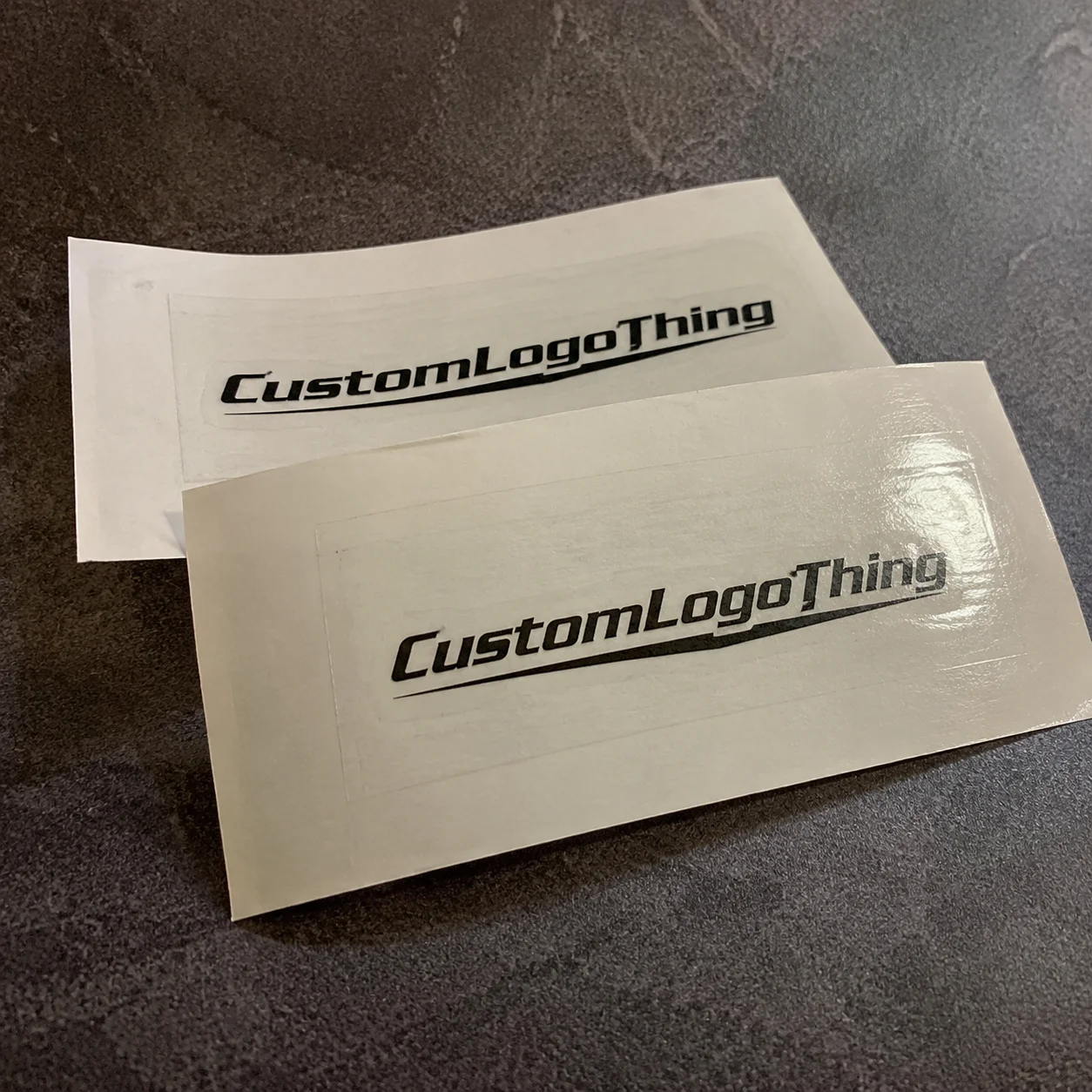
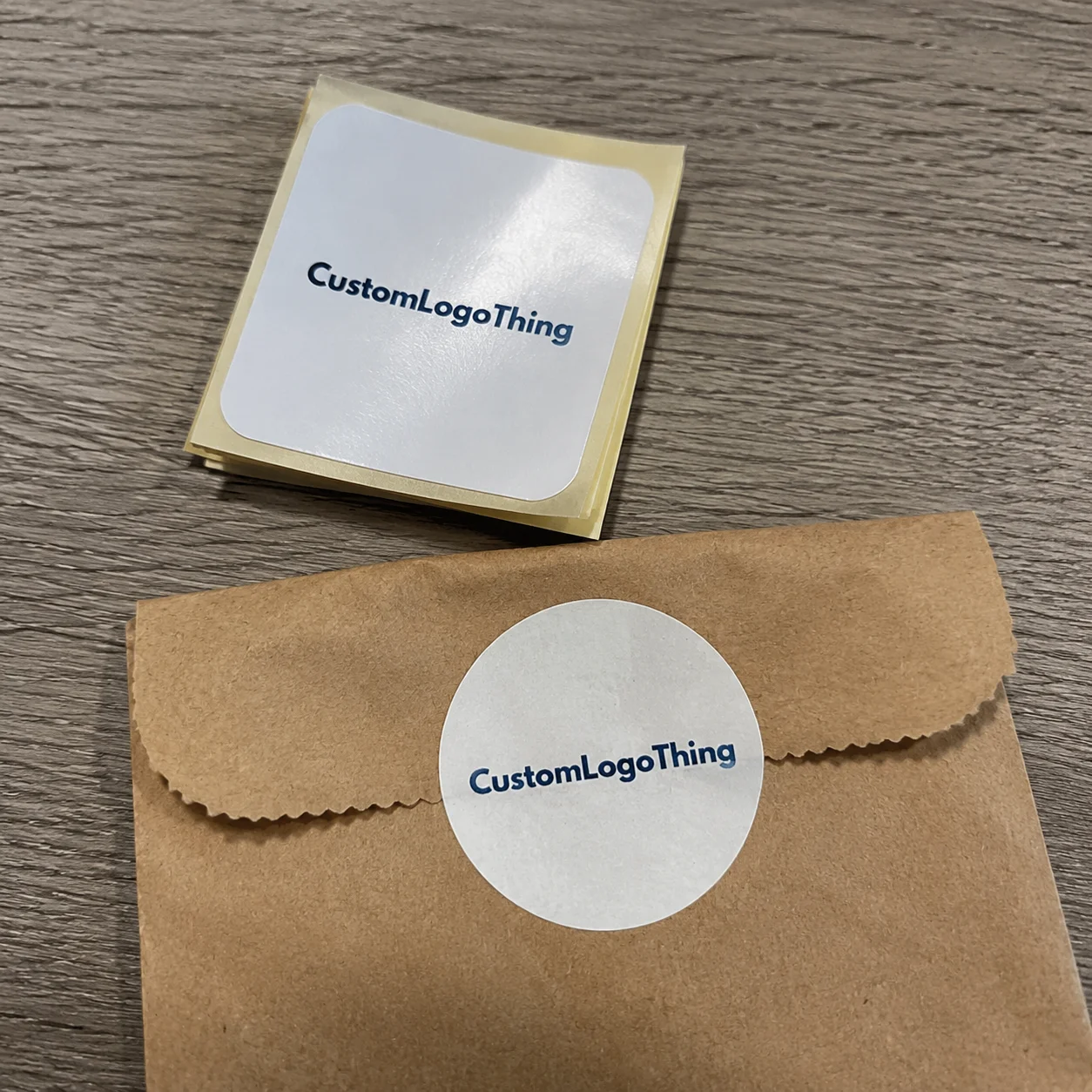
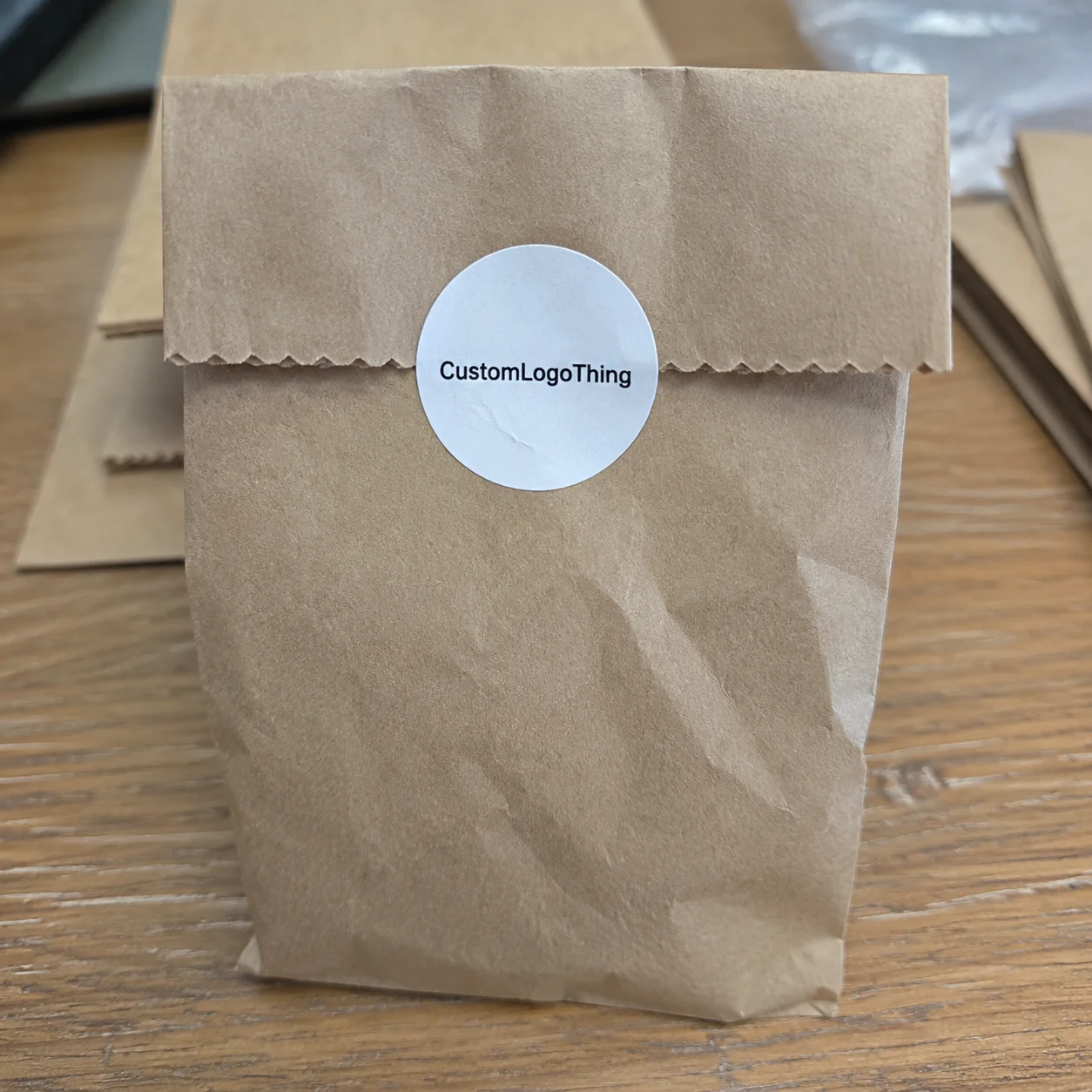
Your customer sees the box before they see the product. That makes custom print mailer boxes one of the first physical brand impressions you control, not just cardboard with a shipping label slapped on top. Cute box, terrible fit? Congratulations, you paid extra to look sloppy.
Printed mailers are self-locking corrugated boxes with logos, brand colors, patterns, instructions, QR codes, campaign graphics, or seasonal artwork. Ecommerce orders, subscription kits, influencer seeding, small retail shipments, and premium direct-to-consumer deliveries use them because they do two jobs at once: protect the product and make the delivery feel intentional.
The catch is that a mailer box has rules. Board thickness changes the internal fit. Ink behaves differently on kraft than on white liner. Inserts affect closure. Freight can ruin a beautiful unit cost. Ignore those details and the box turns into sad paper luggage.
Custom Print Mailer Boxes Are Tiny Billboards With Rules
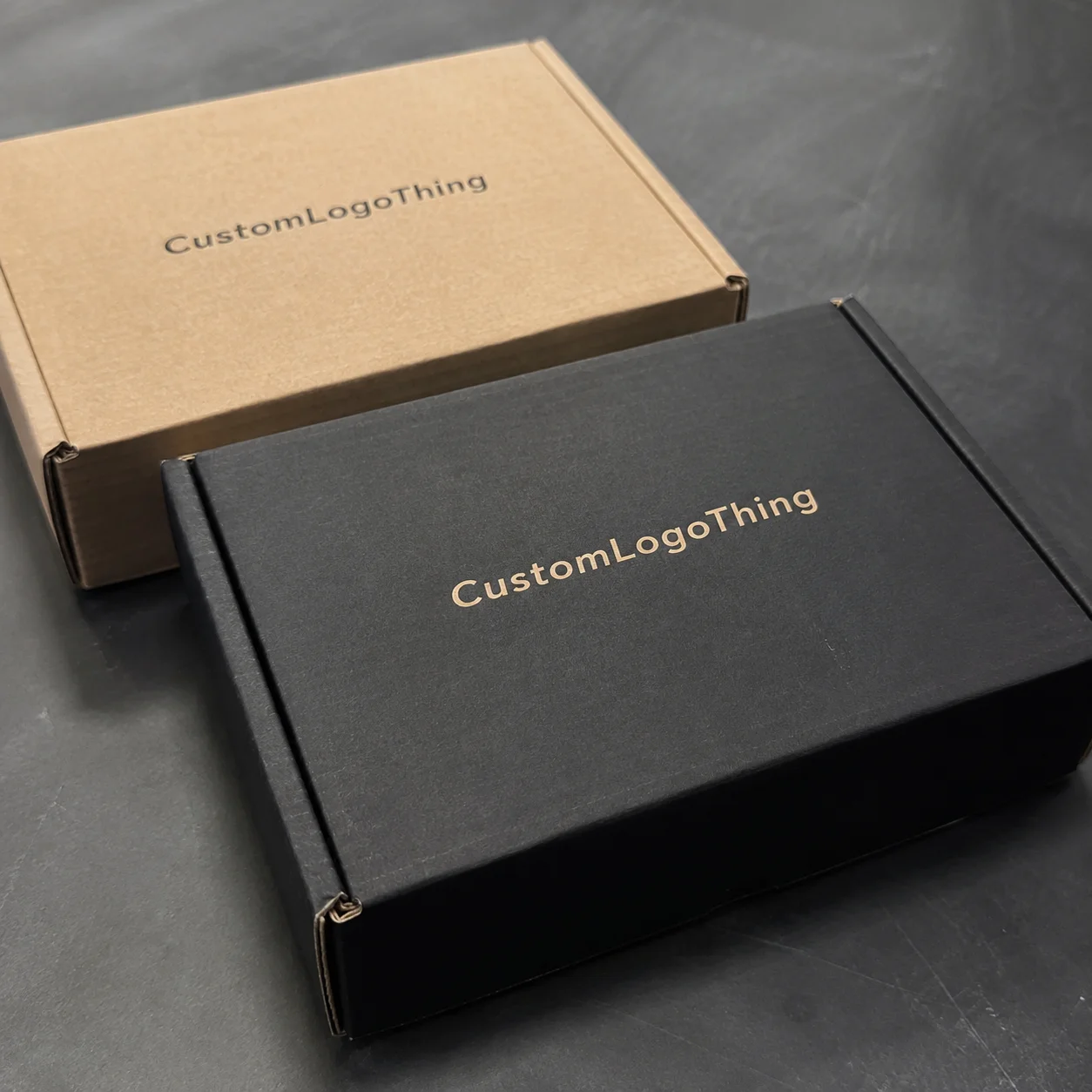
A printed mailer is not the same thing as a standard brown shipping carton. A regular carton is mostly utility: tape it, label it, stack it, ship it. A mailer box has more presentation built into the structure. Roll-end panels, tuck-in flaps, dust flaps, and locking tabs create a cleaner opening experience while still giving the package enough strength for parcel handling.
That presentation matters for categories where the delivery is part of the product experience. Apparel brands use mailers for T-shirts, leggings, socks, and accessories. Cosmetic companies use them for skincare sets, lip products, sample kits, and influencer drops. Wellness brands use them for supplements, oils, and self-care bundles. Candles, jewelry, tech accessories, promotional kits, and small electronics can also work, assuming the board grade and internal fit are chosen with actual measurements. Please do not guess by committee.
The point is not “make the box pretty.” Pretty is nice. Pretty does not pay for reships. The smarter goal is a package that supports the product, reinforces the brand, fits the fulfillment process, and still makes sense after freight, storage, and packing labor are added.
If you are comparing mailers against other branded packaging formats, review broader options under Custom Packaging Products. For soft goods where rigid structure is not needed, Custom Poly Mailers may be cheaper and lighter. They will not give the same premium unboxing feel, but they often win on postage and warehouse space. Tradeoffs. Packaging has many of them.
Buyer rule: the box is part of the product experience, but it still has a job. If it cannot protect, ship, store, and assemble efficiently, the artwork is decoration on a problem.
How Printed Mailer Boxes Work From Board to Finished Box
Most printed mailers start as corrugated paperboard. The board is made from an outside liner, an inside liner, and a fluted middle layer. That wavy layer is not filler; it creates cushioning, rigidity, and compression resistance. The sheet is printed, die-cut, creased, folded, and usually packed flat for delivery.
Many mailer designs assemble without tape. That does not mean every shipment should go out unsealed. Heavy products, long transit routes, high-value items, or rough parcel lanes may still need sealing labels, tamper-evident stickers, a paper belly band, or an outer shipper. A locking tab is not a force field. Annoying, but true.
Flute choice affects the final feel. E-flute is common for ecommerce mailers because it is relatively thin, smooth, and good for print quality. It often measures around 1.5 mm thick, depending on the board supplier. B-flute is thicker, closer to 3 mm, and gives better cushioning and stacking strength, but it can look bulkier. Some heavier or fragile products use mixed flute boards or higher burst/crush grades, especially if the box is expected to travel without an outer carton.
Printing method changes both cost and appearance. Flexographic printing works well for simple logos, one to three colors, and efficient production at higher volume. Digital printing is useful for lower quantities, variable artwork, fast sampling, or full-color graphics without expensive plates. Litho-lamination, a form of offset-printed paper mounted to corrugated board, gives sharper photo-quality graphics and rich coverage, but it usually needs more setup time and stronger order volume to make economic sense.
Finishes add polish, and also invoices. Matte or gloss lamination can improve scuff resistance and appearance. Aqueous coating is a lighter print-protection option. Spot UV can highlight a logo or pattern. Inside printing creates a strong reveal when the customer opens the box. Tear strips, dividers, inserts, and branded tissue can improve function and presentation. Every add-on changes price, lead time, recyclability, or assembly time. Sometimes all four. Funny how that works.
The best printed mailer is not the prettiest box on the sample table. It is the one that survives shipping, presents cleanly, stacks well, opens smoothly, and does not make fulfillment staff hate the person who approved it.
Key Specs That Decide Fit, Protection, and Print Quality
Start with internal dimensions. Not outside dimensions. The product, padding, inserts, tissue, thank-you card, and any promotional item need to fit inside the usable space. A box listed as 9 x 6 x 2 inches outside may have slightly less internal room because board thickness and fold design take up space. That small difference matters when a jar, candle, or retail carton is already tight.
Product weight and fragility drive the structure. Socks and T-shirts are forgiving. Glass jars, candles, electronics, ceramic items, and cosmetics in brittle components are not. A 6-ounce soft item can usually ride in a light E-flute mailer with tissue. A 2-pound candle may need stronger board, corner protection, molded pulp, corrugated inserts, or a separate outer shipping carton.
If the shipment will run through parcel networks, ISTA test procedures from ISTA are worth knowing, especially for fragile goods at scale. Smaller brands may not run formal lab tests on every launch, and that is realistic. Still, the packaging should be evaluated against drops, compression, vibration, and closure stress before thousands of orders go out.
Artwork coverage is another major spec. A one-color logo on kraft board is simpler and cheaper to control than full-coverage graphics with gradients, fine lines, large solids, and strict color matching. Inside printing can create a premium experience, but it adds ink coverage and setup complexity. It can also push minimum order quantities higher, depending on the supplier and print process.
Color deserves blunt treatment. Kraft board dulls color because the brown substrate shows through. White board keeps colors cleaner and brighter. Pantone matching is not the same as uploading a Canva file and hoping the universe respects your hex code. It will not. If brand color is critical, provide Pantone values, Request a Printed proof when budget allows, and understand that corrugated board absorbs ink differently than a glossy brochure.
Sustainability claims should be specific. Recycled content, FSC-certified paper from FSC sources, right-sized packaging, curbside recyclability, and lower-coverage water-based inks are more useful than vague eco slogans. Coatings, foils, plastic laminations, and mixed-material inserts can complicate recycling. Not always, but often enough that buyers should ask before approving the “premium” finish.
- Size: confirm internal length, width, and depth after product and padding are measured.
- Board: choose kraft or white liner, E-flute or B-flute, and strength based on the shipping job.
- Print: define exterior coverage, inside artwork, number of colors, and color matching needs.
- Finish: decide whether lamination, coating, spot UV, or no finish is the better business choice.
- Insert system: confirm dividers, trays, molded pulp, or filler before the dieline is finalized.
Pricing, MOQ, and Unit Cost Tradeoffs Buyers Should Expect
Pricing is driven by size, board grade, print method, number of colors, ink coverage, finishing, quantity, tooling, inserts, packing method, and freight. No, the logo is not the only variable. A small one-color mailer and a full-coverage inside-and-outside printed box with inserts are different animals wearing the same cardboard costume.
For small test runs, expect higher unit costs because setup, prepress, proofs, dielines, and machine time are spread across fewer pieces. A short digital run of 250 boxes might land around $2.00 to $5.00 per unit for common ecommerce sizes, depending on coverage and board. Around 1,000 to 3,000 units, pricing often improves meaningfully. At 5,000+ units, flexo or litho-laminated production may open stronger rates, sometimes below $1.00 per unit for simpler designs, though large boxes, premium finishes, and inserts can push that back up quickly.
Those ranges are planning ranges, not universal quotes. Freight, fuel, domestic versus overseas production, storage limits, carton packing, and rush timing all affect the final landed cost. A box that looks cheap per unit can become expensive if it ships bulky, stores poorly, or requires slow hand assembly.
| Order Volume | Common Print Fit | Typical Buyer Use | Tradeoff |
|---|---|---|---|
| 100-250 boxes | Digital printing | Launch tests, samples, small campaigns | Higher unit cost, lower inventory risk |
| 500-1,000 boxes | Digital or simple flexo | Early ecommerce runs, subscription pilots | Better cost, still limited scale |
| 2,500-5,000 boxes | Flexo or litho-lamination | Ongoing product packaging programs | Lower unit cost, more storage needed |
| 10,000+ boxes | Flexo, litho-lamination, offset printing mounted to corrugate | High-volume DTC, retail packaging, national promotions | Strong economics, higher cash commitment |
Hidden costs are where buyers get ambushed. Shipping cartons, palletization, freight class, residential delivery fees, storage, rush charges, artwork revisions, dieline changes, extra proofs, and failed samples can all add real money. A structural change after the dieline is built can restart artwork placement. That is not the supplier being dramatic; the folds moved.
To get useful pricing for custom print mailer boxes, send dimensions, quantity breaks, artwork goals, board preference, product weight, delivery ZIP code, and any shipping stress requirements. Ask for at least three volume options, such as 500, 1,000, and 2,500 pieces. Cheapest is useful only if the box still protects the product and makes the brand look intentional. Otherwise you bought branded regret in bulk.
Process and Timeline From Dieline to Delivery
A clean production path usually follows a predictable order: brief, sizing, quote, dieline, artwork setup, proofing, sampling if needed, production approval, printing, cutting, packing, and freight. Skip steps and you may save three days now while creating a two-week problem later. Packaging has a talent for punishing impatience.
A dieline is the flat technical template for the box. It shows cut lines, fold lines, bleed, safe zones, glue areas, locking tabs, and panel orientation. It is not decorative. It is the map that keeps artwork from landing upside down on a flap or disappearing into a fold. For mailers, panel orientation is especially easy to mess up because the box folds in several directions before the customer sees the final presentation.
Proofing has levels. A digital proof checks layout, spelling, barcode position, QR code placement, and general artwork alignment. A physical sample checks structure, fit, board feel, closure tension, insert behavior, and real color on the chosen material. These are not the same thing.
If your product is heavy, fragile, oddly shaped, or tied to a major launch, paying for a sample is usually cheaper than discovering the problem after 5,000 boxes arrive. Samples can also reveal small assembly problems: tabs that fight the packer, inserts that buckle, flaps that rub printed areas, or a closure that pops open after the box is filled.
Typical timelines vary. A simple repeat order may move in 7-12 business days after proof approval if materials are available and the supplier has capacity. A new custom printed boxes project with dieline development, sampling, full-color artwork, and finishing can take 15-30 business days before freight. Overseas production can add several weeks for ocean transit, customs, and warehouse receiving. Air freight is faster and expensive, which is a charming combination nobody loves.
Common bottlenecks are not mysterious: late artwork, unclear dimensions, group feedback, color changes, legal copy revisions, missing barcode files, and changing the box size after artwork is placed. Freight timing also deserves respect. Production completion is not the delivery date. Transit, receiving appointments, warehouse check-in, and fulfillment prep all affect when boxes are actually usable.
Launch rule: if the date matters, order packaging before panic becomes the project manager. Build in a buffer of at least 10-15 business days for new projects, more if sampling or overseas freight is involved.
Step-by-Step Ordering Guide for a Clean First Run
A first run does not need to be painful. It does need discipline. Good suppliers can help with structure and production, but they cannot read minds, weigh your product through email, or fix a vague brief with magic packaging dust.
- Measure the product and padding. Measure the largest product version, not the neatest one on your desk. Add tissue, inserts, cards, jars, lids, bubble, or molded pulp before deciding the box size.
- Choose the structure. Most ecommerce brands use a roll-end front tuck mailer, a tab-lock mailer, or a specialty mailer with inserts. The right choice depends on weight, product shape, and unboxing goals.
- Pick board color and strength. Kraft gives a natural look but mutes color. White liner prints cleaner. E-flute looks sleek. B-flute adds cushion. Product weight and shipping conditions should win over mockup aesthetics.
- Define print scope. Decide whether you need outside-only logo printing, a full exterior pattern, inside messaging, QR code placement, campaign graphics, or seasonal package branding.
- Request quantity breaks. Ask for pricing at 500, 1,000, 2,500, and 5,000 units if those volumes are realistic. The difference between 1,000 and 2,500 can be surprisingly meaningful.
- Review the dieline like an adult. Check panel orientation, barcode placement, legal copy, fold areas, bleed, safety margins, and whether key design elements cross creases.
- Approve proofing and plan storage. Confirm the proof or sample, place the order, verify delivery details, and decide where flat boxes will live before they occupy half the office like cardboard furniture.
For artwork, vector files are usually best: AI, EPS, or print-ready PDF. Logos should be clean, fonts should be outlined or packaged, and images should be high resolution. For print, 300 DPI at final size is a common expectation for raster images. Low-resolution PNGs pulled from a website are usually not enough for sharp packaging design. Shocking, I know.
If you are ordering a printed mailer for a product launch, lock the structure first, then design. A pretty concept built on the wrong size wastes time. Artwork follows engineering. Not the other way around.
Common Mistakes and Smart Next Steps Before You Order
The biggest mistake is designing graphics before confirming box size and structure. It feels efficient because the design team can start immediately. Then the product does not fit, the flap covers the hero message, or the QR code lands across a crease. Now everyone gets to revise files and pretend this was unavoidable. It was avoidable.
Under-sizing is the next classic problem. Buyers forget tissue, inserts, thank-you cards, product variation, seasonal bundles, or the fact that humans need to pack the box at speed. If fulfillment needs two hands and a prayer to close every mailer, the box is wrong. A slightly larger internal depth or a better insert may save labor, reduce damage, and keep packing lines moving.
Overbuilding can be just as expensive. A heavy premium box for lightweight, low-margin goods may look impressive in photos, but material cost, dimensional weight, freight, and storage can eat the margin fast. For some apparel, a poly mailer plus a branded card is the smarter move. For premium kits, a rigid-feeling printed mailer may be justified. Match packaging spend to product margin and customer expectation, not ego.
Color mistakes are painfully common. Kraft board will not print like a glossy white brochure. Substrate changes color. Physics, annoying but consistent. If exact brand color matters, ask for Pantone guidance, a drawdown, or a printed sample. Also test QR codes and barcodes at final size. A beautiful code that does not scan is just square confetti.
Shipping tests are another weak spot. A box can look perfect on a desk and still fail conveyor belts, drops, compression, vibration, and wet weather. ASTM and ISTA-style testing can be useful for higher-volume programs or fragile goods. For smaller runs, informal drop tests from 18-30 inches on edges, corners, and faces can reveal obvious weaknesses before customers do it for you in reviews.
Before contacting a supplier, gather product dimensions, product weight, target order quantity, delivery ZIP code, artwork files, brand colors, launch deadline, insert requirements, and whether the box ships alone or inside another carton. Send photos if the product shape is unusual. Ask for material recommendations, quantity breaks, proofing options, and realistic production timing. Good briefs get better quotes. Vague briefs get assumptions, and assumptions love invoices.
Custom print mailer boxes work best when structure, print, Cost, and Timeline are planned together. The right box should protect the product, represent the brand, fit the packing process, and land at a cost the business can repeat. Anything else is just expensive cardboard optimism.
FAQ
What are custom printed mailer boxes used for?
They are used for ecommerce shipping, subscription boxes, promotional kits, influencer mailers, product launches, and premium retail deliveries. They combine protection and branded packaging, so the box can ship the product while also creating a more polished unboxing experience. They work best for small to medium products that do not require a large outer shipping carton.
How much do custom print mailer boxes cost?
Cost depends on size, material, print method, color coverage, finish, quantity, inserts, and shipping destination. Lower quantities usually have higher unit costs because setup and proofing are spread across fewer boxes. As a planning range, short digital runs may cost several dollars per unit, while larger simple runs can drop closer to the low-dollar or sub-dollar range depending on specs and freight.
What is the minimum order quantity for printed mailer boxes?
MOQ varies by supplier, box size, print method, and finish. Digital printing usually supports smaller runs than flexo or litho-laminated production. For testing, smaller runs can make sense even at a higher unit cost. For ongoing ecommerce use, larger runs usually reduce unit cost if demand is predictable and storage space is available.
How long does production take for custom mailer boxes?
Timeline depends on whether the order needs a new dieline, artwork revisions, samples, specialty finishes, or overseas freight. Simple repeat orders are faster than first-time custom projects. Build in extra time for proof approval, sampling, freight, warehouse receiving, and launch-date changes.
What artwork files are best for custom logo mailer boxes?
Vector files such as AI, EPS, or print-ready PDF are usually best for logos, dielines, and clean line art. Artwork should include bleed, safe zones, correct panel orientation, and any required Pantone or CMYK color values. Low-resolution PNGs pulled from a website are usually not enough for sharp packaging print.