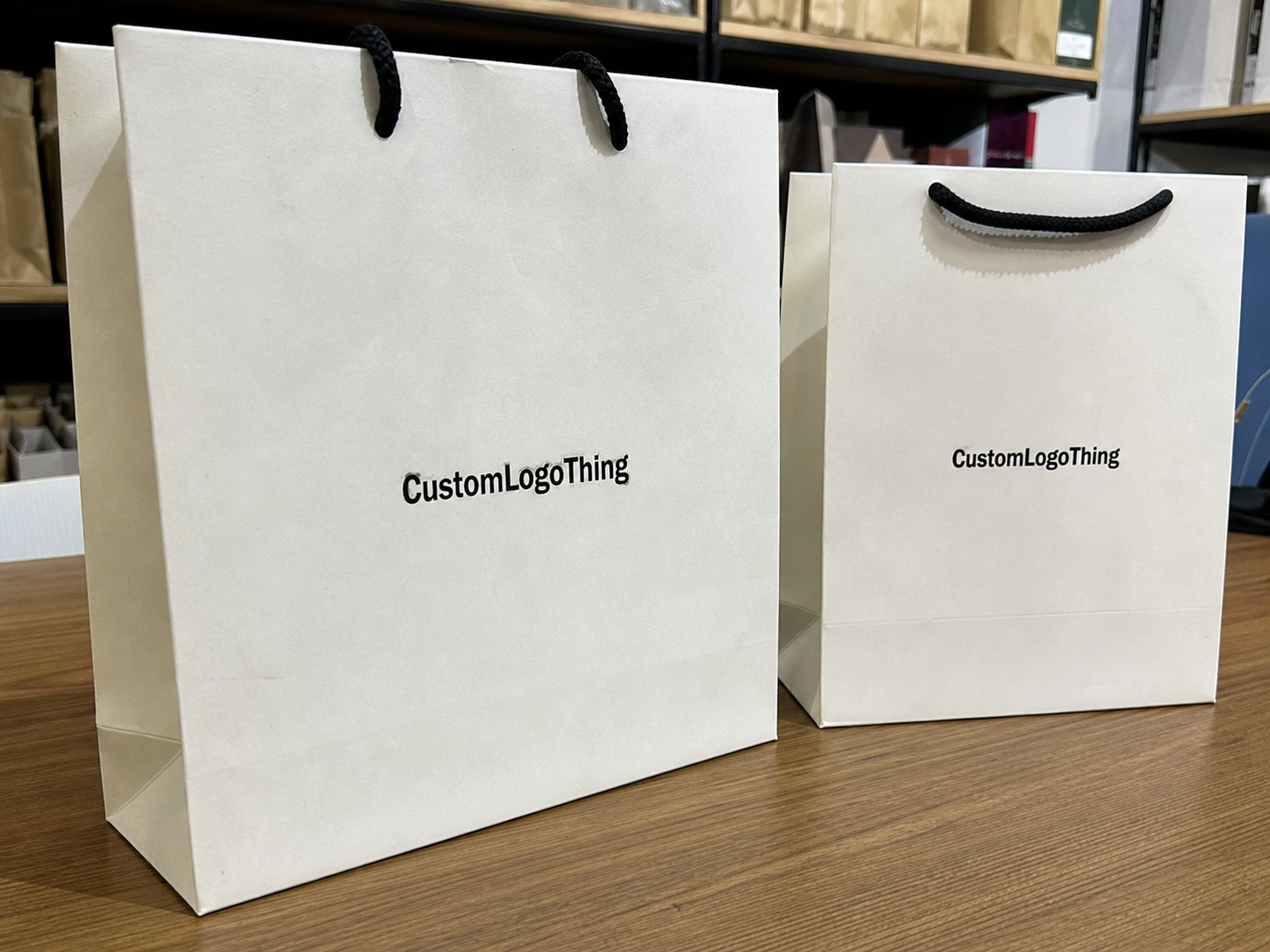
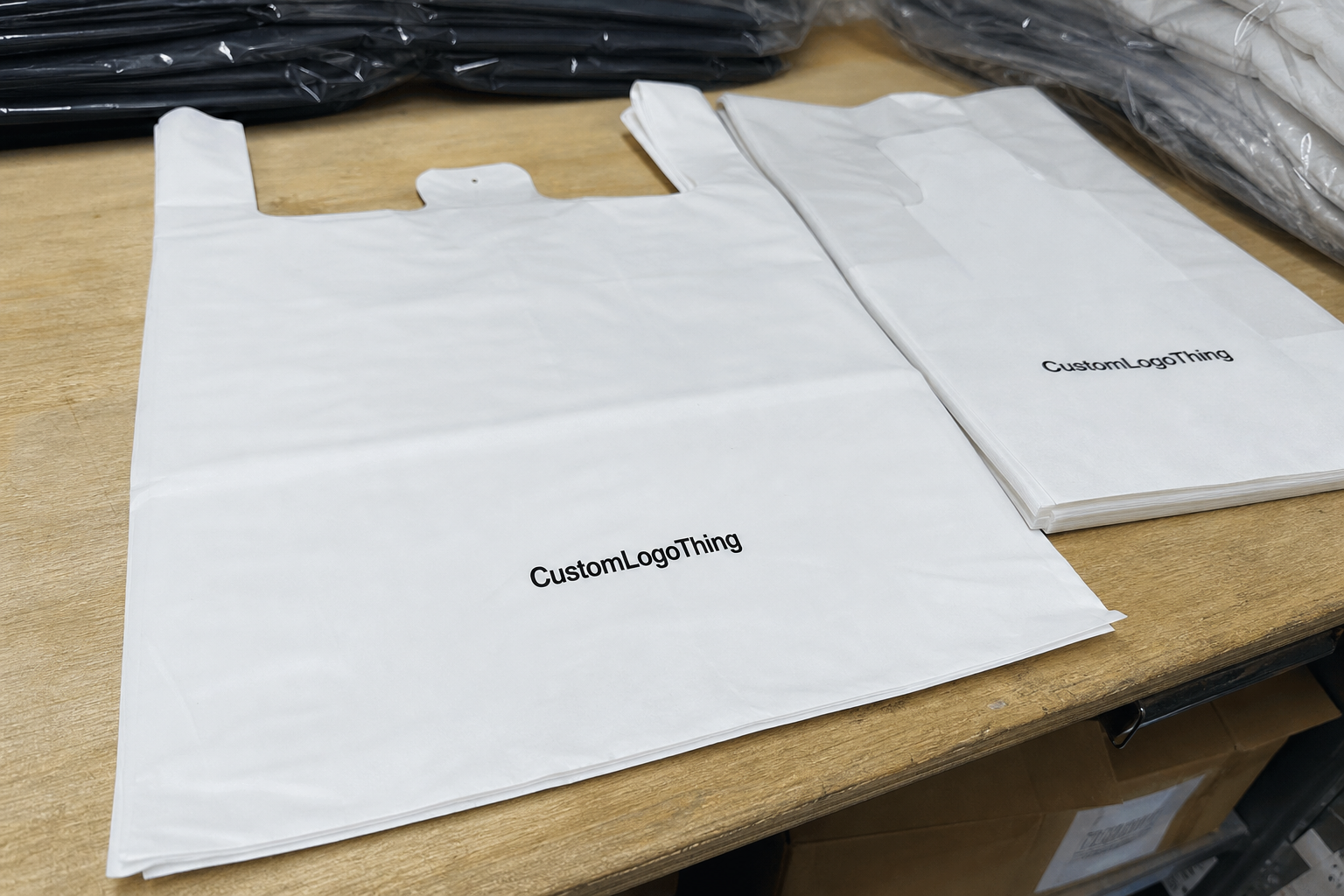
If you have ever handed out a giveaway bag that felt flimsy, you already know the problem. People do not keep weak packaging. They use it once, then toss it. Custom printed drawstring bags stick around longer because they are useful before they are promotional. That is the real advantage. They carry the product, carry the branding, and usually survive long enough to get reused.
The catch is that a good-looking mockup does not guarantee a good production result. A drawstring bag has a few pressure points that matter more than most buyers expect: film thickness, seal strength, artwork placement, and how much the print has to do on a flexible surface. If those parts are not matched to the job, the bag can look fine in a proof and still disappoint in hand.
Why custom printed drawstring bags outperform basic giveaway packaging
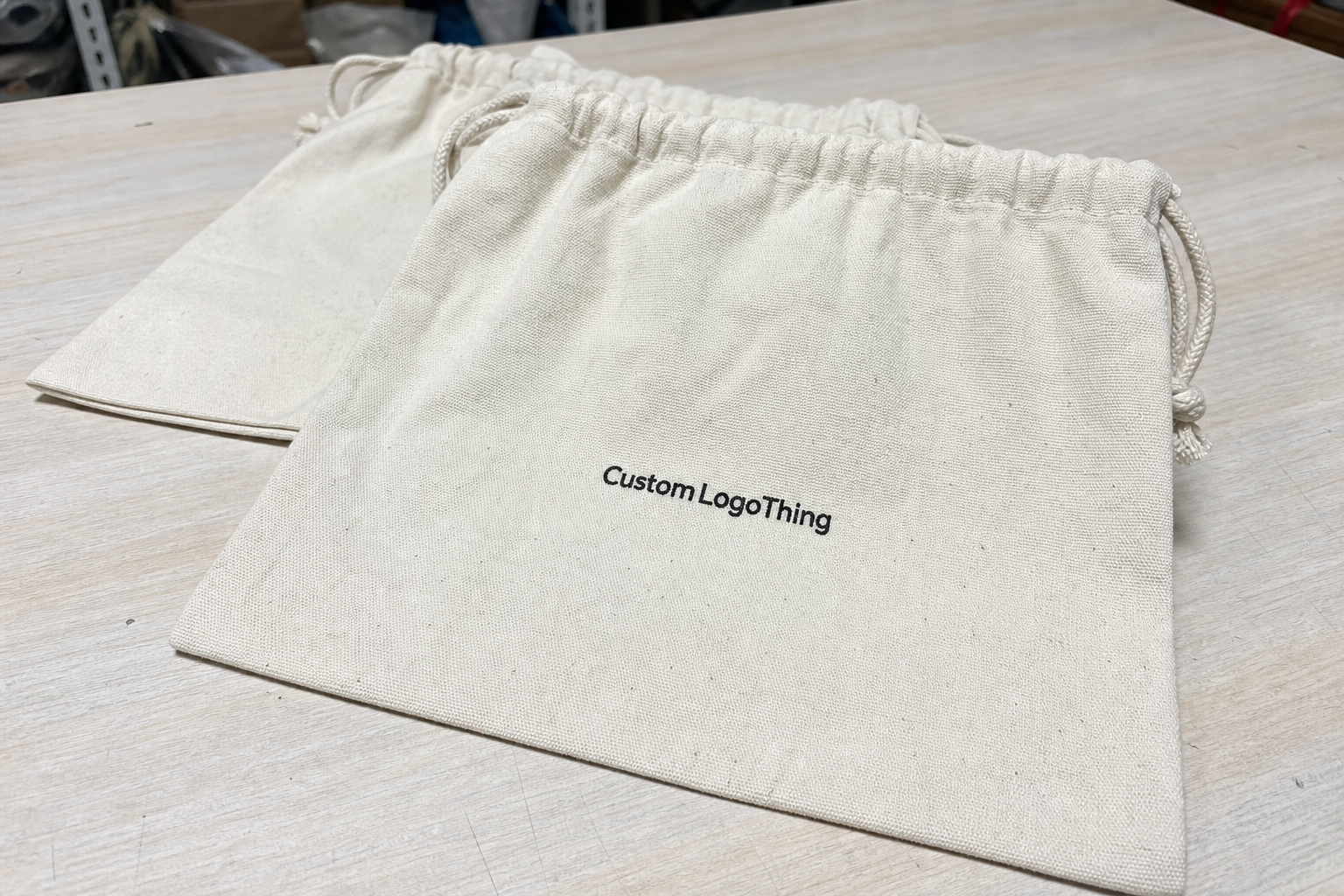
A plain bag moves product. A printed one does that and keeps your name in circulation. That sounds obvious, but the effect is easy to underestimate. A bag handed out at a show often ends up in a car, a gym locker, a school backpack, or a travel kit. Every reuse becomes another impression without another spend. Basic giveaway packaging rarely does that.
Compared with rigid boxes or premium paper totes, drawstring bags are lighter to ship, easier to store, and usually friendlier to the budget at scale. They also signal a different kind of value. A person who receives a bag can carry multiple items in one place, which makes the giveaway feel more complete. Loose handouts rarely create that same sense of finish.
They work especially well for retail counters, conference kits, sports programs, membership welcome packs, school events, and promotional campaigns with a lot of distribution volume. In those settings, the bag is doing three jobs at once: presentation, protection, and branding. If one of those jobs fails, the whole piece feels less credible.
The best bags do not scream for attention. They feel useful first. Then the print does its job quietly every time the bag is seen again. That is a better outcome than a flashy item that looks cheap after two uses.
A bag that gets reused is doing better marketing than a bag that only looks good in a render.
That is why buyers should think about product packaging and package branding together. A drawstring bag is not just a carrier. It is part of the customer experience, and customers notice when that part is underbuilt.
How the print process and construction work
Most drawstring bags are built from a flexible film body with a cord channel at the top. The details of that film matter. Surface treatment, gauge, seal quality, and the way the cord is anchored all affect how the bag feels and how long it lasts. A sharp print cannot rescue a weak seal. If the edge splits or the cord pulls awkwardly, the brand impression goes with it.
Three print methods come up most often: flexographic, rotogravure, and digital. Flexographic printing is common for straightforward artwork and larger runs because the setup is efficient once the plates are ready. Rotogravure is better when image consistency and dense color matter across long production runs. Digital printing is useful for shorter runs or changing artwork, but the per-unit cost is usually higher.
The practical limitation is the surface itself. Flexible film does not behave like paper. Fine gradients, ultra-thin type, and tiny reverse-out details can get muddy if the art was designed for a screen rather than a bag. Simple shapes and strong contrast usually hold up better. If the logo depends on delicate lines, it should be tested against the actual print method before the order is locked.
Ink adhesion matters too. Some films are treated so the ink bonds better and resists scuffing. That is not a cosmetic detail. A bag may be stacked, folded, or rubbed against other items during packing and transit. If the surface is poorly prepared, the print can show wear earlier than expected.
For buyers who are comparing packaging formats, it helps to think in systems. The bag body, the seal, the cord, the print area, and the fill product all interact. That same logic applies to custom printed boxes, only with more movement and more flex in the material.
Key specs that affect performance, branding, and unit cost
Three specs drive most of the decision: material thickness, size, and print coverage. Those are the numbers that usually decide whether a bag feels cheap, adequate, or worth keeping.
Thickness is commonly measured in mils. A lighter promotional bag may sit around 1.5 to 2.5 mil. A sturdier bag often moves into the 3 to 4 mil range, sometimes higher if the contents are heavier or the bag needs to survive repeated use. More thickness means more material cost, but also better structure, better resistance to tearing, and less wrinkling during handling.
Size is just as important. Too small and the item fits awkwardly. Too large and the bag wastes material while making the contents look undersized. Good sizing gives enough headroom to close the cord without compressing the product. That matters for retail presentation. If the bag is oversized, the whole bundle starts to feel loose and unfinished.
Print coverage changes both cost and appearance. One-color art on one side is the simplest option. Add a second side, multiple colors, or a full-color layout and the job gets more expensive, not just because of ink, but because setup and color control become more demanding. Dark bag colors also tighten the rules. White on black prints cleanly. Pale ink on a mid-tone film often looks softer than people expect.
Here is a practical way to think about the tradeoffs:
| Option | Typical Use | Indicative Unit Cost | Notes |
|---|---|---|---|
| Lightweight 1-color bag | Event handouts, school giveaways | $0.18-$0.30 at 5,000 pieces | Best for short-term use and simple artwork |
| Midweight 1-2 color bag | Retail packaging, gyms, memberships | $0.26-$0.42 at 5,000 pieces | Better feel, better reuse, stronger brand presence |
| Heavier full-color bag | Premium promos, larger giveaways | $0.40-$0.75+ at 5,000 pieces | More print complexity and higher material cost |
Those are broad ranges, not fixed quotes. Actual pricing shifts with bag dimensions, artwork coverage, film source, and order volume. But the pattern is stable: the more you ask the bag to do, the more the spec costs.
A few extra details matter more than people expect. Cord type affects the hand feel. Seal style affects strength. Packing format affects labor and shipping. If the bag will be inserted into retail kits one by one, the supplier may need a different pack-out plan than if the bags are going straight into bulk cartons.
Cost, pricing, MOQ, and quote factors buyers should expect
Quantity is the biggest price lever. Higher volumes spread setup cost across more units, which usually lowers the per-bag number. Smaller runs can still work, but the unit price climbs quickly because plate charges, machine setup, color matching, and proofing do not scale down much.
Most quotes are built from a few core inputs:
- Dimensions - width, height, and whether the bag has any expansion room
- Material thickness - usually the clearest driver of feel and durability
- Print colors - one color is easier than multiple spot colors or full-color artwork
- Print sides - front only versus front and back
- Bag color - especially when contrast needs extra planning
- Packing requirements - bulk packed, sorted, bundled, or kit-ready
MOQ varies by supplier and print process. Flexographic and rotogravure work usually favor larger runs. Digital can handle smaller quantities, but that does not mean it is always the cheaper choice. A low MOQ often comes with higher unit cost, fewer material options, or simpler construction. If the minimum looks unusually low, ask what changed. The answer is usually one of those three things.
Shipping can change the total more than buyers expect. The bag itself may be light, but cartons still add up, especially on large orders. Artwork rebuilds can also create extra cost if files are not supplied in vector format. AI, EPS, or a clean PDF usually keep the file prep clean. Low-resolution logos do not age well once they are blown up for production.
Price comparisons should focus on usable spec, not just the lowest unit number. A slightly more expensive bag with better film, cleaner print, and fewer handling issues can be the better buy. Cheap is useful only if the bag still does the job after it leaves the box.
How to read quotes without getting lost
Compare like for like. If one quote looks lower, check whether the bag is thinner, whether print is only on one side, whether setup is included, and whether shipping is excluded. That is where misleading numbers usually hide. The quote that looks efficient on paper is not always the one that works in production.
Process and timeline: from artwork approval to delivery
The production path is straightforward. The delays usually are not. Most projects move through brief, artwork review, proofing, printing, finishing, packing, and shipment. Each stage is manageable. The trouble starts when proof approval drifts or the art needs last-minute cleanup.
A realistic timeline depends on volume and print method, but many orders land around 12 to 15 business days after proof approval. Larger runs, special sizes, or more complex print jobs can take longer. A short lead time is possible if the spec is standard and the artwork is ready, but rush orders usually trade speed for flexibility.
Fast approvals matter more than people want to admit. A supplier can only move as fast as the response loop. If the proof sits for three days, the schedule shifts by three days. That is how event deadlines get missed. Build extra time into seasonal campaigns and trade show kits. They always feel farther away than they are.
For quality control, a few checks are worth doing before production starts:
- Confirm the exact size and bag style.
- Check print placement against seams, folds, and cord channels.
- Review the ink colors in context, not just on a white screen.
- Ask for a physical sample if the order is premium or the launch is risky.
- Verify carton count, packing method, and shipping destination early.
There are also practical constraints around color. Plastic surfaces do not always match the same way paper does. A Pantone target can be close, but not perfect, depending on the film, the print method, and the ink system. If exact color is critical, say so before the proof is approved. Do not assume it will self-correct later.
For buyers interested in distribution testing standards, the packaging industry uses frameworks such as ISTA for simulation and handling assessment. See ISTA for more context. If your wider packaging program includes paper components, FSC sourcing can also matter; details are available at FSC.
Common ordering mistakes that weaken the result
The first mistake is crowding the design. Too much copy, too many lines, and too many small elements make the print harder to read. A drawstring bag is usually seen from a short distance and often in motion. If the message needs a magnifying glass, the layout is too busy.
Second, buyers underestimate contrast. A logo that looks fine on a monitor can disappear on a colored bag. Third, size is often guessed instead of measured. A bag that barely fits the item feels cheap. A bag that is far too large wastes material and can wrinkle badly, which makes the print look less precise.
Another common miss is ignoring how the bag will actually be handled. Will it be stuffed by volunteers? Pulled open many times? Packed with heavier items? Loaded into cartons and shipped again? The construction should reflect the real use case, not just the render. If the seam strength or cord setup does not match the way it will be used, problems show up quickly.
- Too much copy makes the logo harder to read.
- Low contrast weakens the visual impact.
- Wrong sizing hurts usability and perceived value.
- Ignoring the handling environment shortens useful life.
One more issue: some teams approve artwork before checking where the print sits relative to the fold or closure. That is a small mistake with an obvious consequence. If the logo ends up too close to a seam, the final bag can look off-center even when the file was technically correct.
Expert tips for a cleaner print and a smarter order
Keep the art bold. That is still the cleanest rule. Thin lines, tiny text, and soft gradients are harder to hold on flexible film than on paper. Strong typography, a clear icon, and a limited color count usually produce a cleaner result.
Review the proof like a packaging buyer, not a designer. Check the logo placement, edge clearances, fold interference, and whether the main mark sits where the hand naturally sees it. A technically correct proof can still feel wrong if the composition is awkward on the finished bag.
Match the spec to the job. A retail bag has different expectations than a school handout. A fitness kit or membership bundle may justify a heavier film because the bag is more likely to be reused. A one-off event handout may not. That is where spec discipline saves money instead of wasting it.
Color control deserves a realistic approach. Plastic film can shift how ink reads, especially on dark or textured surfaces. If the brand color is strict, ask how the supplier handles matching and whether there is any tolerance range. A careful buyer treats that as part of the order, not as an afterthought.
Build in overage if the bags are tied to a fixed event. A 5% to 10% cushion is often sensible. The cost of a small buffer is usually easier to justify than the cost and delay of a rushed reorder. That is as true for custom printed drawstring bags as it is for any other branded packaging item.
The best bag is usually the one that was spec'd for the actual use case, not the one that won on the lowest line item.
You can also browse related Custom Packaging Products if you are building a broader branded packaging program and want the look to stay consistent across formats.
Next steps to request the right spec and quote
The cleanest quote request includes five things: target quantity, intended use, approximate size, artwork files, and delivery deadline. That is enough for a supplier to narrow the spec without guessing. Guessing is expensive in packaging.
Then ask for at least two versions of the quote. One should be the practical baseline. The other should be the stronger option with a better film, different print coverage, or a revised size. That makes the tradeoff visible. It also keeps the conversation grounded in function instead of drifting into vague price shopping.
Before production starts, confirm what is included. Setup, art edits, shipping, packing format, and rush charges can move the final number. If you are ordering custom printed drawstring bags as part of a larger packaging system, consistency matters more than chasing the lowest quote from one line item to the next. A bag that looks out of place next to the rest of the kit weakens the whole package.
There is a simple standard worth using here: the bag should fit the item, survive the handling, and make the branding feel intentional. If it misses any of those, the spec needs work. That is the part worth getting right before the order is approved.
What are custom printed drawstring bags used for?
They are commonly used for promotional giveaways, retail packaging, school events, fitness kits, and conference swag. Their value comes from portability, reuse potential, and a large branding surface at a relatively low packaging cost.
What affects the price of custom printed drawstring bags the most?
Quantity, bag size, material thickness, print color count, and whether the design prints on one side or both sides are the biggest drivers. Setup, shipping, and any artwork cleanup can also change the final total.
How long does production usually take for custom printed drawstring bags?
Many orders take roughly 12 to 15 business days after proof approval, though larger runs and more complex specs can take longer. Fast approvals and standard specifications usually keep the schedule moving.
What file type is best for artwork on custom drawstring bags?
Vector artwork is usually preferred because it scales cleanly and keeps logos sharp. AI, EPS, or a properly prepared PDF is typically easier for production than a low-resolution image file.
How do I choose the right size for custom printed drawstring bags?
Start with the item you need to fit, then allow enough space for easy insertion and closure without forcing the contents. If the bag will be reused, a little extra room can improve usability and perceived value.