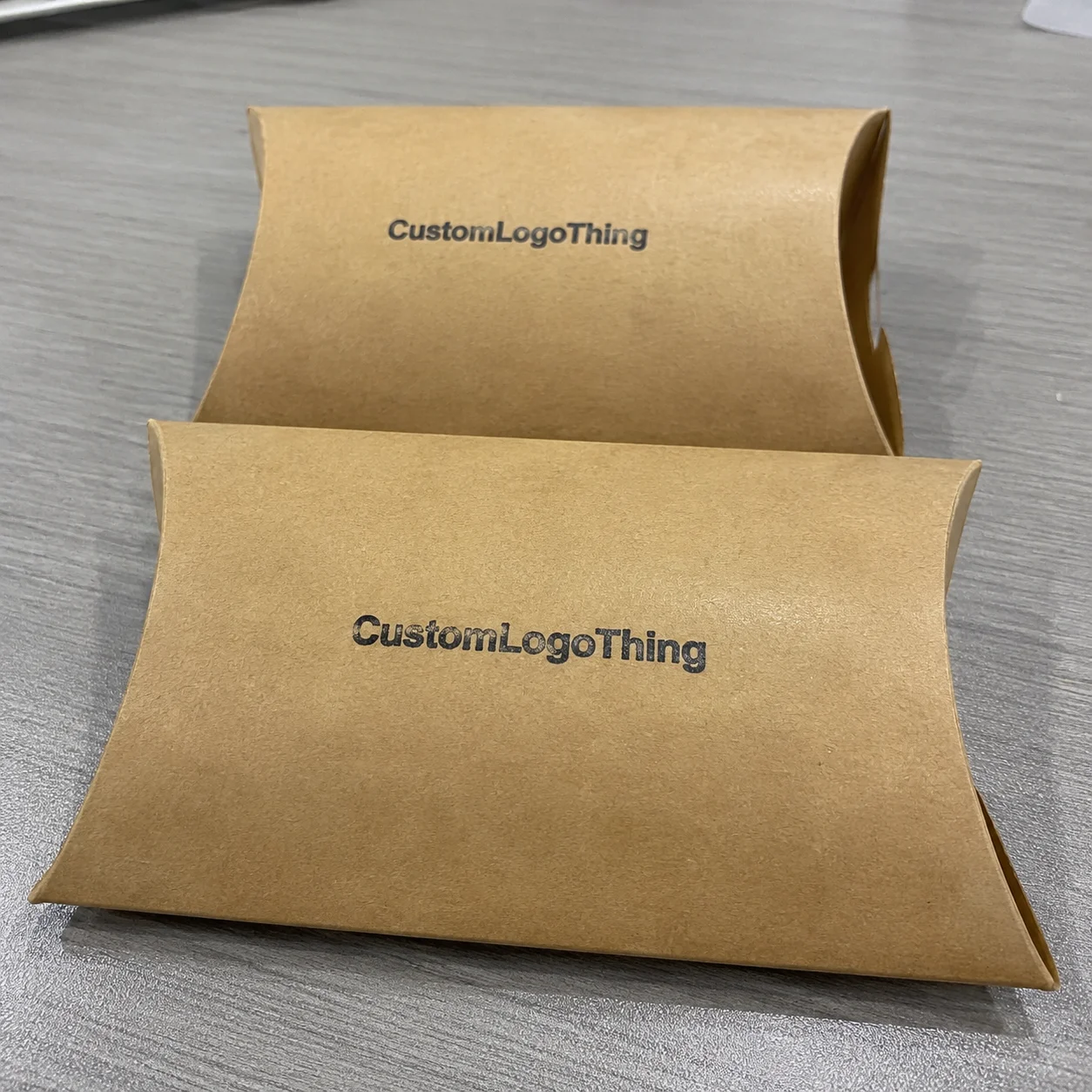
Why bags with logo printed change the whole unboxing experience
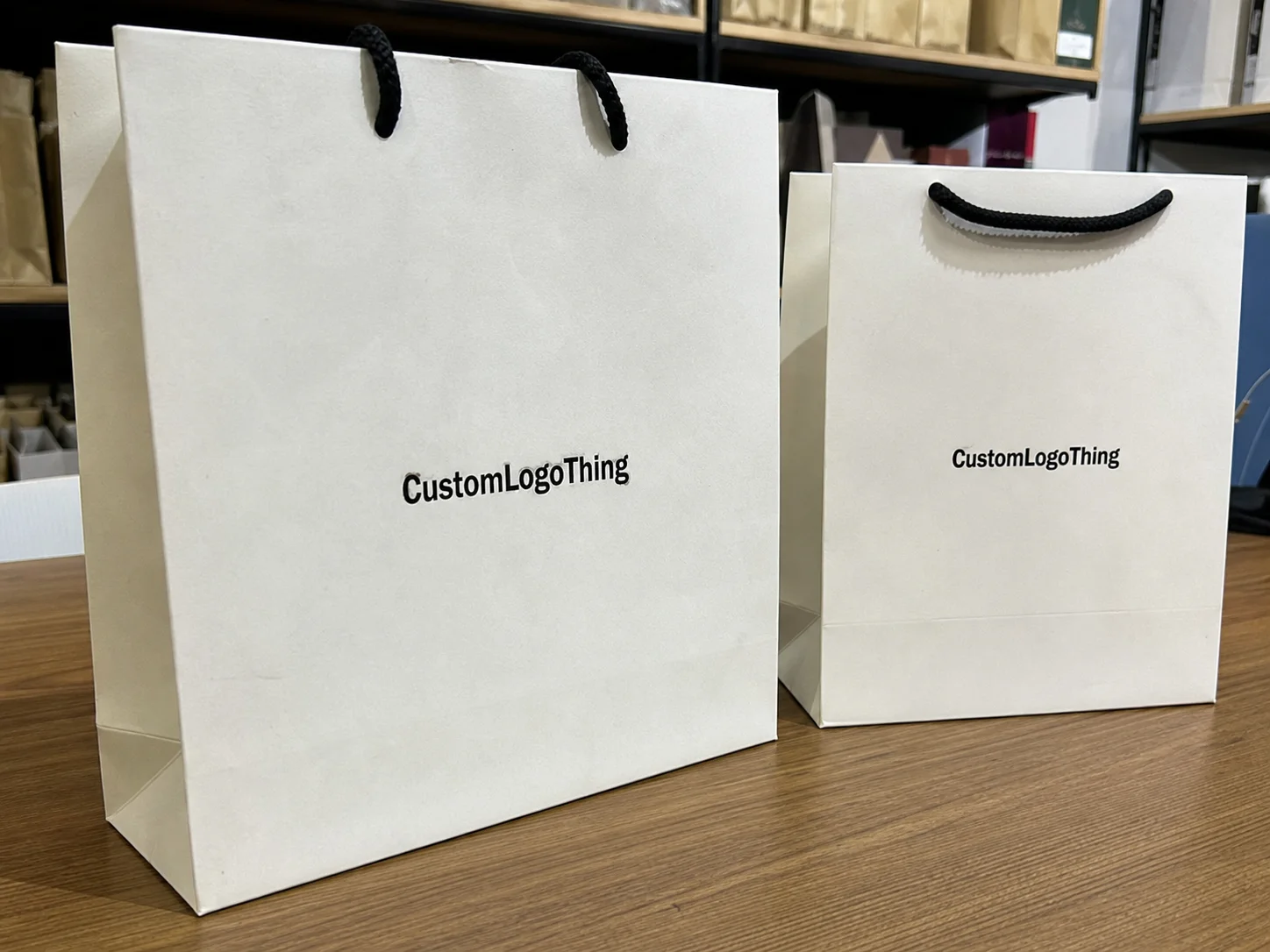
The first branded surface a customer usually touches is the bag. That is why Bags With Logo printed can shape the experience before the product even appears.
For a packaging buyer, the bag has to protect the contents, present the brand clearly, and stay practical whether it is shipped, handed out at an event, or carried home from retail. If any of those pieces is off, the bag starts to feel like an afterthought.
In production terms, the logo is applied with flexographic printing, gravure printing, screen printing, or digital print methods, depending on the material and order volume. Poly bags, mailer bags, and some paper formats all use different print approaches, so the right method depends on the substrate, the artwork, and the run size.
Small details matter. A translucent film can wash out a light logo. A seam too close to the print zone can distort the mark. Matte film changes contrast, and gloss can make flaws more visible. Even clear and frosted finishes alter how sharp the artwork looks from a distance.
The best results come from treating bag type, print method, and quantity as one decision set. Separate those choices and the quote may still look fine on paper, but the finished bag can miss the mark in actual use.
How the printing process works from artwork to finished bag
The production path is usually straightforward. First comes artwork review. The supplier checks file format, resolution, bleed, trap, color count, and whether the logo fits within the usable area. Then comes cleanup or redraw work if needed, followed by color matching, plate or file setup, the print run, curing or drying, cutting, sealing, and final packing.
Logo placement gets approved before full production starts because the printable area is controlled by the bag’s width, gusset depth, handles, seals, and any areas that fold or stretch. A logo that looks centered in a PDF may shift once the bag is formed, especially on side gusset bags or bags with a bottom seal.
One-color printing is usually faster and easier to keep consistent. Multi-color work can look strong, but registration tolerance becomes more important as artwork gets more detailed. Fine lines, small type, and tight overlaps are the spots where misalignment shows first.
Material choice matters too. LDPE is flexible and common for retail and mailer applications. HDPE is thinner and crisper, which can work well for simple logos but may wrinkle more easily. Recycled blends can perform well, but ink adhesion and surface consistency vary more than on virgin film, so the press team may need to adjust ink load or drying conditions.
Proofing prevents expensive mistakes. A digital mockup shows placement and general appearance. A physical sample gives a better sense of film feel, opacity, and contrast. A press proof is the closest check to final production, though it is not always practical for every order.
For buyers comparing suppliers, the strongest proof is not a promise. It is a process. A supplier should be able to explain how artwork is prepared, how colors are matched, and how the print area is checked before the run begins.
| Proof type | Best for | Typical benefit | Tradeoff |
|---|---|---|---|
| Digital mockup | Placement, layout, and quick approval | Fast and easy to revise | Does not show real film behavior |
| Physical sample | Material feel and basic print appearance | Better idea of contrast and finish | Costs more and adds time |
| Press proof | Color-critical or high-volume work | Closest to final production output | May not be available on every order |
If sustainability matters in the buying brief, ask whether the material is recyclable in your region and whether the supplier can support EPA recycling guidance or provide responsibly sourced paper certified by groups such as FSC. Those choices do not magically make a package sustainable, but they do ground the discussion in real materials and real end-of-life options.
Cost, pricing, and MOQ factors that shape your quote
Pricing for Bags with Logo printed usually comes down to bag size, film thickness, print colors, print coverage, bag style, and total quantity. If two quotes do not match on those points, they are not really comparable.
Setup cost matters most on small runs. Flexo and gravure work often require plates or cylinders, and those tooling costs need to be spread across the order. A run of 1,000 bags can carry a much higher unit price than 10,000 bags, even if the base material is identical.
Minimum order quantity, or MOQ, is tied to production efficiency. A lower quantity means a higher per-unit cost because prep and changeover time stay nearly the same. Larger quantities reduce unit cost, but they also increase storage needs and cash tied up in inventory.
Here is a simple way to think about the cost stack:
- Material cost: resin, paper, or recycled content spec
- Print setup: plates, screens, or digital file prep
- Labor and machine time: press run, sealing, packing
- Finishing: matte, gloss, handle type, specialty closures
- Freight: carton count, pallet count, and shipping distance
Special finishes can raise the quote faster than many buyers expect. Soft-touch lamination, metallic ink, custom gussets, heavier recycled content, or rush work all add cost. Multi-location shipping does too, because the order may need extra carton labeling, split freight planning, or pallet breakdown.
If you want a fair quote, ask every supplier to price the same spec sheet: exact dimensions, film gauge, bag style, ink count, print coverage, quantity, lead time, and freight assumptions. Also ask whether color matching is included or billed separately.
| Order profile | Typical unit cost behavior | Why it happens |
|---|---|---|
| Low quantity, simple one-color print | Higher per unit | Setup costs spread across fewer bags |
| Mid-range quantity, two-color print | Moderate per unit | Better setup absorption, still manageable tooling |
| High quantity, standard spec | Lower per unit | Machine time and setup are distributed over more pieces |
Process and turnaround: what to expect before production starts
A realistic timeline usually starts with spec gathering, then artwork prep, proof approval, scheduling, manufacturing, quality checks, and shipping. Once the specs are locked, the order can move quickly. It can also stall fast if the artwork keeps changing or approvals get stuck.
Standard lead time and rush turnaround are not the same thing. A standard order fits into the supplier’s normal production window. A rush order asks the plant to slot the job earlier, often at a higher cost and sometimes with fewer material choices.
Seasonality matters. Busy retail periods, event seasons, and shipping surges can fill a production calendar faster than buyers expect. Even after the bags are printed, the ship date is not the same as the delivery date. Freight method, palletization, and destination all affect arrival timing.
A single approval contact can save time. If one person owns final signoff, the job is less likely to stall while multiple stakeholders weigh in on shade variation or logo spacing.
“Most delays I see are not press delays; they are approval delays. The cleaner the file and the clearer the decision-maker, the smoother the order usually goes.”
For buyers with quality expectations, ask whether the supplier uses internal inspection checkpoints such as visual print checks, seal inspection, and shipping durability review. Some factories align parts of that process with transit-testing frameworks like ISTA.
Spec choices that determine print quality and durability
The bag spec is where branding and function meet. Material gauge, finish, handle type, seam strength, width, gusset depth, and closure style all shape how the print looks and how the bag performs after it leaves the facility.
Finish changes color perception more than many teams realize. Glossy film often makes colors pop and improves contrast, while matte film can soften the overall look. Tinted film can help with privacy or brand effect, but it may reduce logo readability unless the ink is opaque enough.
Simple artwork usually performs better on flexible packaging. Bold type, a clean mark, and generous spacing tend to hold up better than tiny text and multi-shade gradients, especially when the bag flexes during use.
Durability is not only about puncture resistance. Buyers should ask whether the print can withstand scuffing, whether the ink will crack on fold lines, and whether the bag needs to survive moisture, refrigeration, repeated handling, or shipping abrasion. For mailer bags, the print needs to hold up to tape contact and carton rub.
One useful question is simple: what is this bag expected to do after it is handed over? A retail tote that carries light purchases has different needs than a shipping bag that moves through a fulfillment stream.
Common mistakes buyers make when ordering printed bags
The most common mistake is sending artwork that is too small, too soft, or too compressed. A logo can look acceptable on a screen and still print weakly once it is enlarged onto a bag panel. Vector artwork is the safest route because it keeps edges clean at different sizes.
Another frequent problem is overcomplicated design. Gradients, hairline text, and tiny registration marks can disappear on translucent film or smear visually if the print area is limited. A design that looks polished in a presentation can lose clarity on a moving bag surface.
Price comparison errors happen when buyers compare two quotes that are not actually equivalent. One might include a thicker film, more print coverage, a different closure style, or freight to a different location. If the specs differ, the price difference tells you very little.
Skipping sample approval can be expensive. A bag can arrive with the logo too small, too dark, too close to a seal area, or centered differently than expected. Underestimating lead time causes its own problems, especially when a buyer tries to force a rush order during a busy production window.
Expert tips for sharper branding and smoother ordering
If the bag is carrying the brand in a visible way, the artwork should be designed for movement, flex, and fast recognition. Bold type, high contrast, and a simplified mark usually work best.
Ask for a print-safe artwork check before revisions pile up. That review can catch thin strokes, out-of-bounds art, or a logo that sits too close to the seal.
Do not assume white film is always the right choice. Sometimes a colored bag with a carefully selected logo ink will look stronger and feel more intentional than a plain white substrate.
A small test batch can make sense if the same design will be used in different settings, such as retail counters, shipping, and event handouts. One bag spec rarely performs exactly the same across all three use cases.
Storage and handling matter after delivery too. Keep printed bags away from heavy heat, prolonged sunlight, and rough carton stacking if you want the print to stay crisp.
Next steps: get the specs right before you request quotes
The cleanest ordering path is usually the simplest one: define the use case, choose the bag style, confirm dimensions, narrow the color count, and estimate quantity before asking for pricing. That gives the supplier enough information to quote accurately and helps you avoid hidden differences between options.
Prepare a clean logo file, your target quantity, preferred turnaround, and any packaging requirements such as carton labels, palletization, or split shipping. If you already know the bag will be used for retail, fulfillment, or events, say so plainly.
Compare at least two quotes using the same spec sheet. If one supplier is quoting 8,000 pieces and another is quoting 10,000, or one includes freight and the other does not, the lower number may not be the better buy.
Bags with logo printed work best when the artwork, material, and production plan are aligned from the start. Get those three pieces right, and the finished bag tends to look cleaner, carry better, and represent the brand more consistently.
What file should I send for bags with logo printed?
Send a vector file when possible, such as AI, EPS, or PDF, so the logo stays sharp at any size. If only a raster file is available, use the highest-resolution version you have and ask for a print review before approval.
How much do bags with logo printed usually cost?
Price is driven by quantity, bag size, material, print colors, and setup costs, so small orders usually have a higher unit cost. The fairest quote compares the same specs, including film type, thickness, and shipping method.
How long does production usually take?
Timeline depends on artwork readiness, proof approval, and production scheduling, but artwork delays are often the biggest factor. Rush turnaround is possible in some cases, though it usually costs more and may limit material or print options.
What is the best bag type for printed branding?
The best bag depends on the use case: retail, events, and shipping each favor different strengths, finishes, and closures. A simple, bold logo usually prints best on a bag with enough flat area and minimal seams crossing the design.
Can I order a small quantity of bags with logo printed?
Yes, but the unit price is usually higher because setup costs are spread across fewer bags. If you need a low quantity, keep the design simple and confirm whether the supplier offers a suitable MOQ for your specs.