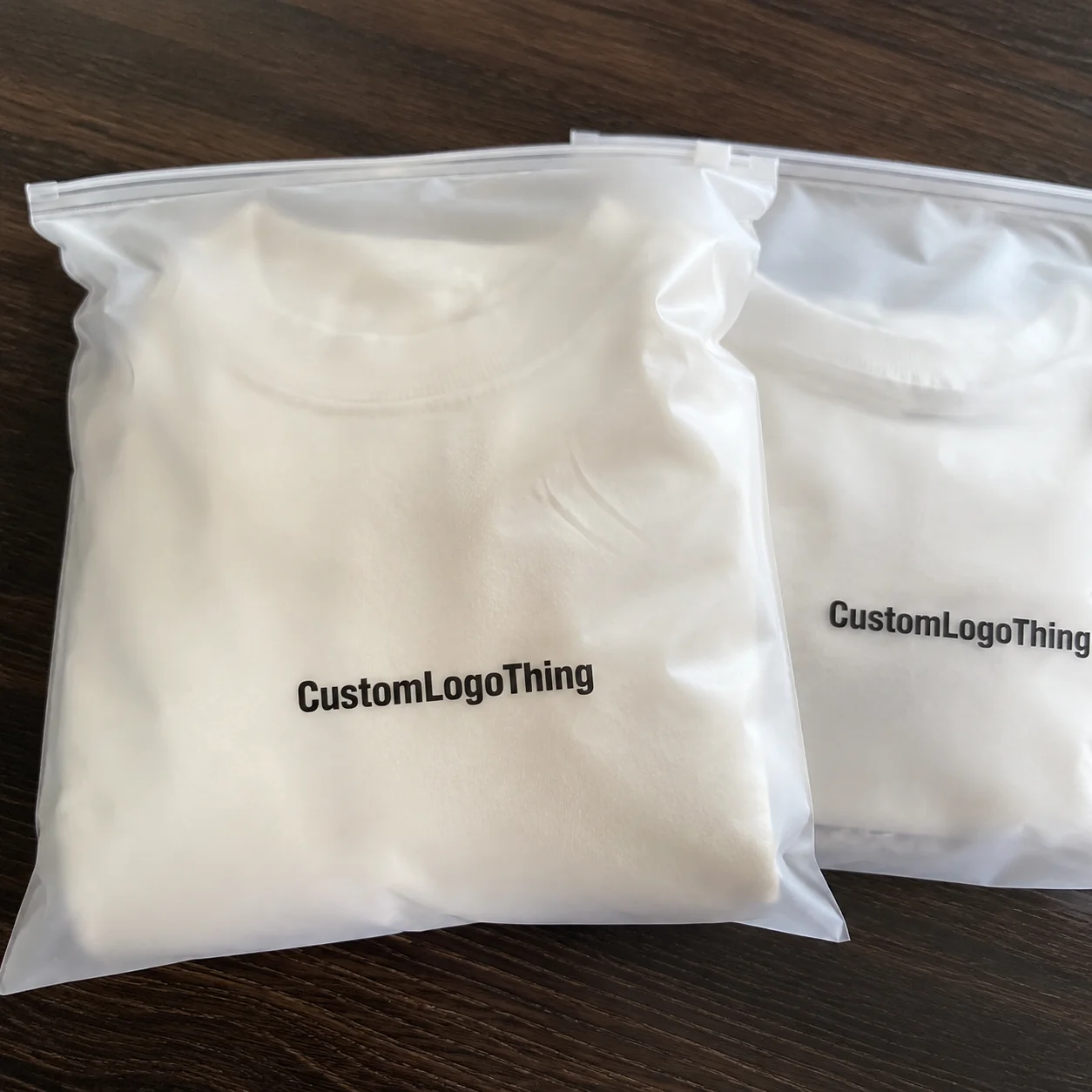
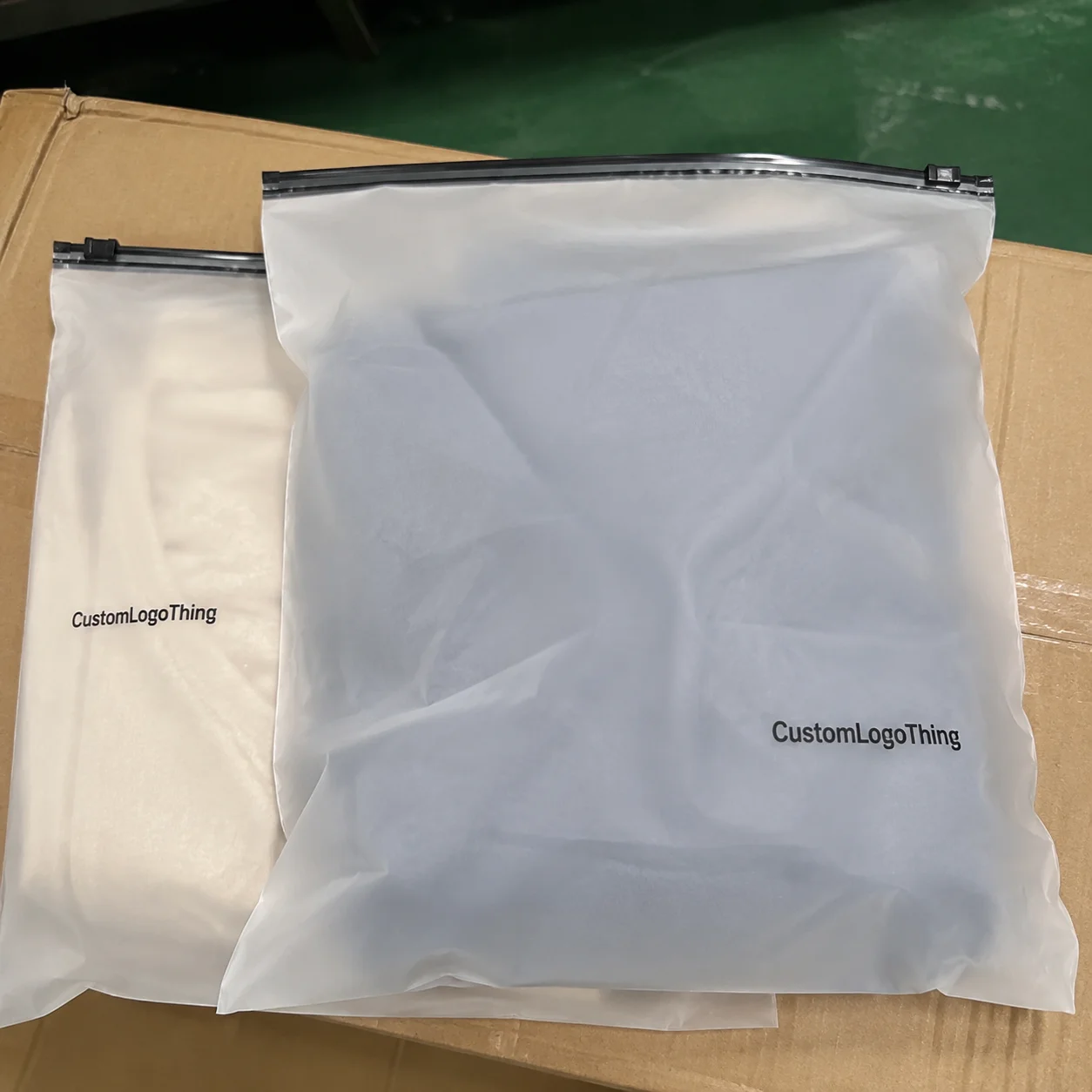
Buyer Fit Snapshot
| Best fit | Custom Printed Mailer Bags with Logo projects where brand print, material claims, artwork control, MOQ, and repeat-order consistency need to be specified before quoting. |
|---|---|
| Quote inputs | Share finished size, material target, print colors, finish, packing count, annual reorder estimate, ship-to region, and any compliance wording. |
| Proofing check | Approve dieline scale, logo placement, barcode or warning zones, color tolerance, closure strength, and carton packing before bulk production. |
| Main risk | Vague material claims, crowded artwork, missing packing details, or unclear freight terms can make a low unit price expensive after revisions. |
Fast answer: Custom Printed Mailer Bags with Logo: Quote Scope, Sample Proof, MOQ, and Lead Time should be specified like a repeatable production item. The safest quote records material, print method, finish, artwork proof, packing count, and reorder notes in one written spec.
Production checks before approval
Compare the actual filled-product size with the drawing, then confirm tolerance on folds, seals, hang holes, label areas, and retail display edges. Reserve space for logos, QR codes, warning copy, and material claims before decorative graphics fill the panel.
Quote comparison points
Review material grade, print process, finish, sampling route, tooling charges, carton quantity, and freight assumptions side by side. A quote is only useful when the supplier can repeat the same color, closure quality, and packing count on the next order.
I still remember the first time I watched a DTC apparel brand switch from plain poly mailers to custom printed mailer Bags with Logo. We were standing on the floor of a Shenzhen facility in Longhua District, watching a pallet of matte black bags roll past with a white logo printed clean across the front, and the brand owner said, “These finally look like us.” Their customer complaints about boring unboxing dropped quickly. Not to zero, because life is not magic, but enough to make the CFO stop asking why packaging mattered at all. The order was 5,000 pieces, priced at $0.16 per unit, and the factory promised a 14-business-day turnaround after proof approval. That is the kind of detail that makes executives calm down.
That is the part most people miss. custom printed mailer Bags with Logo are not just shipping sacks with ink on them. They are branding, protection, and first impression in one piece of film or plastic. If your customer touches the mailer before they touch the product, the bag is already part of the product experience. I have seen a $0.12 packaging choice create a very expensive brand problem. I have also seen the opposite: a smart bag upgrade that made a five-person brand look like it had a serious retail operation. Honestly, packaging gets treated like a side character far too often, especially when the real cost difference between generic and branded bags can be only $200 to $400 on a 2,000-unit trial run.
For many brands, the question is not “Should we use branded packaging?” It is usually “How do we get the right Custom Printed Mailer Bags with logo without overpaying for features we do not need?” Good question. That is where the real buying logic starts, especially if your first order is 3,000 or 5,000 units and you need the landed cost to stay under control before freight starts doing its little magic trick on the budget.
Custom Printed Mailer Bags with Logo: What They Are and Why They Matter
Custom Printed Mailer Bags With Logo are lightweight shipping bags made to carry soft goods, flat items, or lightly protected products while displaying your brand mark, message, or design. In plain English: they are the bag that arrives at the customer’s door and announces who you are before they ever open the package. Sometimes that is a logo in one color. Sometimes it is a full-coverage pattern with a small brand line on the flap. Either way, the bag is doing real work, and the specs matter. A standard bag might use 60 to 80 micron LDPE film, while a heavier-duty version for shoes or hoodies may go up to 100 microns or around 2.5 mil.
On one brand visit in Guangzhou, a founder told me she was spending heavily on paid ads but shipping in generic mailers because “the product is what matters.” Sure. The product matters. So does the first 10 seconds after delivery. Once she moved to Custom Printed Mailer Bags with logo, her support emails dropped because customers stopped asking whether the package was from the right brand. That is not fluff. That is fewer wasted hours in customer service, and in her case, it meant about 35 fewer “where is my order” tickets each month.
These bags show up constantly in apparel, beauty, accessories, subscription boxes, handmade goods, and ecommerce fulfillment. They also sit inside broader branded packaging systems where the bag works with tissue, inserts, labels, or Custom Packaging Products to create a consistent package branding story. If you care about product packaging looking intentional, this is one of the least expensive places to make that happen. A matte white bag with a single-color logo can cost $0.11 to $0.18 per unit at 5,000 pieces, which is a lot easier to justify than a full carton redesign.
Do not confuse mailer bags with every other shipping format. A poly mailer is usually a plastic shipping bag, often LDPE or HDPE. A compostable mailer uses plant-based or compostable film blends, but performance varies a lot by supplier and certification. A padded mailer has cushioning, usually bubble or paper padding, and it is for extra protection. Custom Printed Mailer bags with logo are often chosen when the item is soft or already packaged, and the goal is to protect the shipment while making the outside look branded instead of forgettable. If you are shipping a folded T-shirt in Brooklyn or a skincare bundle out of Perth, the right bag style can save you from damage claims and awkward customer photos.
Quite a few buyers treat “mailer bag” like a single product category. It is not. Thickness, material, seal style, and print method all change the outcome. If you want custom printed mailer bags with logo that actually fit the job, match the bag to the product, not to a trend board. I have seen a 90-micron bag specified for a lightweight scarf order in Toronto. Total overkill. Total waste.
“A mailer is not just shipping protection. It is the cheapest piece of retail packaging a brand will ever buy.”
That line came from a client meeting in Hangzhou after we compared two samples at $0.19 and $0.27 per unit. The cheaper one looked fine online. The pricier one survived better, printed cleaner, and had a stronger seal. The right answer depended on what they were shipping. That is the real calculation, and it changes fast when you move from 2,000 to 10,000 pieces.
How Custom Printed Mailer Bags with Logo Are Made
The production flow for custom printed mailer bags with logo is straightforward once you strip away the sales talk. First, the supplier chooses the material. Then the artwork gets prepared. After that comes printing, curing, slitting, bag forming, sealing, and final inspection. If one of those steps gets skipped or rushed, you usually find out when the first carton arrives and half the bags are off-center. Charming, right? On a typical order out of Dongguan, the factory will run material prep on day one, print on day three or four, and pack cartons by day 12 or 13 if the queue is not a disaster.
For printing, two methods come up most often. Flexographic printing is the workhorse for larger runs. It uses plates, which means setup takes longer, but the per-unit cost becomes attractive once you get into higher quantities. Digital printing works better for shorter runs, quicker samples, or artwork that changes often. I have seen brands pay a premium for digital at 500 units just to test a launch. That was smart. I have also seen them insist on digital for 20,000 bags and wonder why the quote looked ugly. The math has feelings too, and it usually prefers flexo once you cross 3,000 to 5,000 pieces.
Logo placement matters more than beginners expect. A front-centered logo is simple and usually the cheapest. An all-over print can look premium, but it raises ink coverage and setup complexity. A flap print is subtle and clean. One-color branding is often the safest choice if the goal is crisp visibility and lower risk. Full-coverage design can be beautiful, but it demands better file prep and tighter QC. With custom printed mailer bags with logo, the best design is usually the one that looks good from three feet away and still reads clearly in a warehouse photo taken under fluorescent lights in a 10,000-square-foot fulfillment center.
Material choice changes the print result too. LDPE gives you flexible, durable film and a smooth surface for printing. HDPE can be thinner and crisper but may show wrinkles more easily. Recycled film can work well, but color consistency can be a little more variable because recycled content is not always uniform. Some brands want biodegradable or compostable blends, which is fine if the end use and local disposal options make sense. Paper-based alternatives exist too, but they are not drop-in replacements for every use case. Do not let a sales rep wave “eco” around like confetti and call it advice. Ask for the actual basis weight, resin blend, or certification number instead.
Typical production sequence
- Material selection based on thickness, finish, and intended shipping use.
- Artwork setup using vector files, Pantone references, or CMYK build.
- Plate making or digital preparation depending on print method.
- Printing and curing so ink bonds properly to the film.
- Slitting and bag forming to reach the final dimensions.
- Seal and perforation checks for functional use.
- Final inspection and packing before cartons are loaded.
Lead time depends on all of that, plus factory workload. A sample might take 5 to 10 business days. Production can be 12 to 18 business days from proof approval for a standard run, and shipping can add another 5 to 30 days depending on air or sea freight. Rush jobs cost more. They also create more opportunities for someone to approve the wrong file at 11 p.m. and then blame the plant. I have seen that movie. It never gets better in the second act. If your order is moving from a factory in Foshan to Los Angeles by sea, plan on roughly 18 to 28 calendar days door-to-door once production is complete.
If your brand also uses Custom Poly Mailers, ask the supplier whether they can match shade, logo placement, or print style across both formats. Consistency matters. I once helped a beauty brand align their mailers with their insert cards and outer cartons. The budget was tight, but the result looked far more expensive than it was. That is good packaging design doing quiet work, and it usually starts with a specific art board like 350gsm C1S for inserts and a 70-micron film spec for the outer mailer.
For standards and testing, I like to point clients toward practical references rather than marketing claims. The ISTA testing framework helps with transit performance thinking, while EPA guidance is useful when you are evaluating waste reduction and material choices. If a supplier cannot explain how their bag performs in shipping, that is a red flag dressed up as a sales deck. A factory in Ningbo that can show drop-test photos and seal-strength data is usually a better bet than one that only sends glossy mockups.
Key Factors That Affect Custom Printed Mailer Bags with Logo
The price of custom printed mailer bags with logo is not random. It is a pile of decisions. Size, thickness, material, number of colors, order quantity, setup fees, and special features all push the quote up or down. Buyers often ask, “Why is one supplier $0.09 and another $0.17?” Because one quote is for a plain 10 x 13 bag at 20,000 units and the other is for a custom size with two colors, recycled film, and a matte finish at 3,000 units. The comparison is almost never apples to apples. More like apples to forklifts.
Size and thickness are the first big levers. A 12 x 15 inch bag in 2.5 mil film is a different animal from a 14 x 19 inch bag in 3 mil. Thicker film gives better puncture resistance and a more premium feel, but it uses more material. If you are shipping heavy hoodies or boxed skincare sets, thinner film may fail in transit. If you are shipping lightweight tees, overbuilding the bag is just wasting money. For custom printed mailer bags with logo, the right thickness depends on the product, not on what looked nice in a sample photo. A 60-micron bag may be fine for socks, but a 100-micron bag makes more sense for denim or shoe returns.
Branding complexity changes cost fast. One-color logo printing is usually cheapest. Two or three colors raise setup and running complexity. Full-coverage graphics, gradients, or photographic artwork can require digital methods or careful flexo separation. And no, your printer cannot “just match the image from Canva.” That request usually ends in a long email thread and a file correction fee. I have had suppliers in Yiwu quote a 4-color job at $0.14 per unit and then jump to $0.21 per unit the moment we moved the logo into a full-bleed layout. Surprise. Ink coverage is not free.
MOQ matters too. A 5,000-unit order can cost less per bag than a 500-unit order because setup, plates, and machine time are spread across more pieces. That does not always mean the total spend is lower. Sometimes a smaller order is smarter if you are testing a new line or changing product packaging frequently. I have negotiated runs where the supplier gave a better unit price at 10,000 pieces but the actual cash outlay still made the brand nervous. Fair enough. Cash flow is a real constraint, not a theory, especially for brands shipping from Melbourne, Austin, or Manchester with inventory arriving in waves.
| Order Type | Typical Unit Cost | Setup Pressure | Best For |
|---|---|---|---|
| 500 units, digital print | $0.28 to $0.45 | Low upfront, high per-unit | Testing a launch or seasonal drop |
| 5,000 units, flexo print | $0.11 to $0.22 | Moderate setup, better scaling | Stable ecommerce volume |
| 20,000 units, flexo print | $0.07 to $0.15 | Higher initial commitment | Established brands with repeat demand |
Special features can make a bag feel smarter or more secure. Tear strips help with easy opening. Dual adhesive strips help returns. Handles can turn a mailer into something closer to a retail bag. Tamper evidence matters for security-sensitive shipments. Matte finish often looks more premium than gloss, but gloss can make colors pop. Recycled content is popular, though it may affect surface appearance and print sharpness. Every added feature is a trade-off, and custom printed mailer bags with logo are no exception. A tear strip on a 12 x 16 mailer might add $0.01 to $0.03 per unit, which sounds tiny until you place 50,000 pieces and the math starts yelling.
Then there is freight and duties, the parts people pretend do not exist until the invoice lands. I have watched a buyer celebrate a factory quote of $1,850 only to discover the landed cost was closer to $2,740 after ocean freight, customs clearance, and inland delivery. That “cheap” bag got real expensive fast. If you are sourcing internationally, always ask for a landed-cost estimate. A good supplier should be able to talk through duties, carton counts, and shipping methods without acting like you asked for their firstborn. If the factory is in Shenzhen and your warehouse is in Chicago, you need EXW, FOB, or DDP spelled out in writing, not implied by a smile.
Here is a practical way to think about it: if you need custom printed mailer bags with logo for a high-volume apparel line, pay attention to unit economics. If you need them for a launch, pay attention to flexibility and lead time. Both are valid. What is not valid is pretending the lowest factory price is the best decision. It usually is not. I would rather pay $0.02 more per unit and get consistent seals than save a penny and deal with 300 torn bags in New Jersey.
How to Order Custom Printed Mailer Bags with Logo Step by Step
Start with the use case. What exactly is being shipped? A folded T-shirt, a boxed serum set, a swimwear order, or a subscription bundle with inserts? The contents decide the bag size, thickness, seal style, and sometimes even the film type. I have seen brands jump straight to artwork before they knew the dimensions. That is backwards. Cute, but backwards. If your item weighs 180 grams and ships with a card insert, you need that data before you ask for a quote from a factory in Dongguan or Ningbo.
Measure the product plus any tissue paper, inserts, or folding allowance. If your shirt is folded to 10 x 12 inches and you want room for a thank-you card, do not order a bag that fits 10 x 12 inches on paper. Give yourself margin. A properly sized custom printed mailer bags with logo shipment should slide in without stretching the seams or leaving so much empty space that the order looks sloppy. In practice, I usually leave 1 to 2 inches of extra width and at least 1 inch of extra height, depending on the item and seal placement.
Artwork prep is where many projects get messy. Send vector files if you have them: AI, EPS, or a clean PDF. Include Pantone references if color matters. If not, specify CMYK builds and accept that print-on-film can shift slightly. Set a bleed area and a safe zone. Keep text large enough to read after folding and handling. Small fonts on packaging are a classic trap. They look chic on screen and invisible on a real bag. If the logo is going on a 14 x 20 mailer, I usually want the smallest text at least 7 to 8 points and the main mark much larger.
When I was reviewing samples with a cosmetics client in Hangzhou, the founder wanted a champagne gold logo printed on soft gray film. Beautiful idea. The first proof came back muddy because the contrast was too low. We simplified the logo, moved it higher on the bag, and the second round looked much better. That saved the project. Good packaging design is not about forcing the art. It is about making the art work on the material. We also swapped the finish from high gloss to soft matte, which improved legibility under retail lighting.
What to ask before approval
- What is the exact material and thickness, in microns or mil?
- How many print colors are included?
- Is there a setup fee or plate fee?
- What is the lead time from artwork approval?
- What is the defect tolerance and replacement policy?
- How will freight be quoted: EXW, FOB, or DDP?
Request samples or digital proofs before you approve production. Not after. Before. A physical sample tells you more than a dozen emails. You can check seal strength, print clarity, and material feel. If the supplier sends a sample that looks wrong, they probably still need to fix something. Better to discover that on your desk than in a warehouse with 8,000 bad bags. A good factory in Shanghai, Shenzhen, or Foshan should be able to send a pre-production sample in 5 to 7 business days if the artwork is already clean.
Negotiate the terms that actually matter. Lead time. Payment structure. Freight method. Replacement policy for defects. Whether artwork changes after proof approval trigger extra charges. Those are the levers. Shaving one cent off a bag is nice, but saving one week in lead time can be worth far more if your launch date is fixed. I have seen brands pay an extra $220 for a better shipping method and save a full campaign week. That was a smart trade, especially for a launch tied to a Monday release in the U.S. and a Thursday rollout in the U.K.
Once everything is approved, the supplier should move into production, then QC, then packing, then shipment. Ask for carton counts and gross weight before dispatch. Ask for photos if the order is large. If the factory is serious, they will not mind. I have walked floors where teams were counting sacks by hand and checking alignment against a printed sample taped to a table. That is not glamorous. It is how decent custom printed mailer bags with logo get made, whether the plant is in Dongguan, Huizhou, or Wenzhou.
Common Mistakes Buyers Make with Custom Printed Mailer Bags with Logo
The biggest mistake is ordering the wrong size. Too small, and the bag splits or looks stuffed. Too large, and you pay to ship air. Either way, the customer notices. I once saw a brand buy oversized mailers for lightweight tees because the supplier “had stock available.” That saved nothing. It made the brand look sloppy and increased shipping waste. Great plan if the goal is burning margin. On a 10,000-unit run, an extra half-inch of unnecessary film can add hundreds of dollars in waste.
Another common mistake is choosing a premium-looking finish without checking whether the print and material work together. Some glossy films look fantastic with dark logos, but they can show scratches or fingerprinting. Some matte films feel upscale but may soften color contrast. Always test the actual combination. A pretty sample photo does not equal a reliable mailer. I have seen soft-touch mailers from suppliers in Shenzhen look gorgeous under studio lights and dull as dishwater in a warehouse.
Low-resolution artwork is a classic failure. If a logo is pixelated at the source, the printer cannot rescue it with kindness. They can enlarge it. They can sharpen it a little. They cannot turn a blurry 700 KB JPG into crisp retail packaging. Send the right file or expect a problem. This is not mysterious. It is basic production hygiene. For anything wider than 12 inches, I want vector artwork or a 300 dpi file at full size, not a screen grab pretending to be a logo.
Buyers also forget setup fees and freight. They look only at unit pricing and later discover the real cost is much higher. A supplier quote of $0.13 per bag may seem great until you add a $180 plate charge, a $90 carton fee, and $260 in shipping. Suddenly your “cheap” custom printed mailer bags with logo are not so cheap. The invoice always tells the truth eventually, usually after someone has already told finance the number was “close enough.”
Here are a few more mistakes I see too often:
- Making the logo too small to read from a normal delivery distance.
- Using weak contrast between ink and film color.
- Skipping humidity, rub, or transit testing before mass production.
- Ignoring whether the adhesive strip actually holds in hot or cold weather.
- Assuming one supplier’s recycled film performs like another supplier’s recycled film. It often does not.
One beauty brand I worked with had perfect artwork and terrible placement. The logo sat too low on the bag, right where courier labels often covered it. That meant the branding disappeared on half the deliveries. We moved it up 1.5 inches and the problem vanished. Simple fix. Cost them nothing. Saved the package branding from becoming invisible. The bags were produced in Suzhou, and the change was approved in one afternoon.
Expert Tips to Get Better Custom Printed Mailer Bags with Logo
If you want better custom printed mailer bags with logo, start by simplifying the design. Fewer colors. Cleaner lines. Stronger contrast. That usually improves appearance and reduces print risk. I know people love to pack every idea onto one bag, but the best mailers are often the ones that look calm. A strong logo, one accent color, and enough white space can look far more premium than a busy collage. A single-color black logo on a kraft-style mailer can outperform a four-color mess every time.
Ask for a press proof or sample run when color accuracy matters. Fashion brands, beauty brands, and anyone with strict brand colors should not guess. They should compare. Pantone references help, but film and ink are not paper. Color shifts happen. A proof on real material is the only way to see what you are actually buying. If a supplier refuses this on a meaningful order, I would be cautious. A factory in Zhongshan that can produce a proof in 3 to 5 days is usually worth more than a vendor who keeps saying “no problem” without showing anything.
Compare total landed cost, not just the factory unit price. Freight, duties, inland delivery, and local handling can add 15% to 40% depending on the route and shipment size. One supplier in Dongguan once gave me an excellent factory quote, but the freight made another supplier in a different region cheaper overall. That is why I always ask for the full landed picture. The cheapest bag on paper is often the most expensive one in your warehouse, especially if the shipment crosses the Pacific and lands at a port with ugly customs delays.
Build a small buffer into the order. I usually recommend 3% to 8% extra, depending on damage risk, launch timing, and expected reorder speed. You do not want to run out of custom printed mailer bags with logo the week your campaign starts and then pay rush fees because someone optimized inventory too aggressively. No one gets a medal for being technically right and operationally late. A 5,000-piece order with a 4% buffer means 200 extra bags, and that cushion is cheap insurance when the next reprint would take 15 business days.
Here is a supplier-negotiation tip from years of factory visits: ask what change lowers cost the most. Not “Can you do better?” That question is vague and annoying. Ask, “If we reduce from three colors to one, what happens?” or “If we move from matte to standard finish, how does the quote change?” Specific questions get specific answers. I have saved brands more money by changing the print setup than by arguing over pennies. Suppliers respond better when you show you understand the process, and I do not say that lightly after standing through enough audit walks in factories from Shenzhen to Dongguan to know the difference between bluffing and buying.
Once the bags arrive, check seam strength, adhesive performance, print alignment, and color consistency. Open cartons from the middle, not just the top. Courier handling can hide weak seals until the wrong shipment tears. If the order is large, randomly inspect multiple cartons and keep a few samples for future reorders. That little habit saves headaches later. It also helps you maintain consistency across custom printed mailer bags with logo runs, which matters more than people admit. A good reorder should look like the first one, not like a different factory on a bad day.
And yes, if sustainability matters to your customer base, ask for documentation. If a supplier claims FSC paper components or recycled content, verify the claim. If you are evaluating paper-based or fiber-based alternatives, check the certification source directly. The Forest Stewardship Council has public information worth reviewing, and it beats trusting a pretty stock photo on a sales page. I would rather see a real certificate from a plant in Zhejiang than a marketing phrase printed in green ink.
One more practical note: do not ignore how the mailer interacts with your broader retail packaging or custom printed boxes. The outer bag is usually the first visible layer, but the whole unboxing path should feel coherent. If your box is luxe and your bag looks random, the customer experiences the mismatch immediately. That is not premium. That is budget confusion dressed up as branding. If your box is 350gsm C1S artboard and your mailer is a cheap, wrinkled film from a cut-rate supplier, the contrast is not clever. It is loud.
What to Do Next Before You Order Custom Printed Mailer Bags with Logo
Before you place an order, create a one-page spec sheet. Put the dimensions, material preference, thickness, quantity target, logo files, print colors, finish, and timeline on one page. Keep it boring and precise. Suppliers quote better when they are not guessing. Your spec sheet should also say whether the mailer is for outer branding only or whether it needs stronger shipping protection. That changes everything. If you are sourcing from a factory in Shenzhen, include whether you want LDPE, recycled LDPE, or compostable film up front so nobody wastes your week on the wrong quote.
Ask each supplier for a quote breakdown. You want unit price, setup or plate fees, freight, tooling, and any hidden extras. If they send one lump number and refuse to explain it, that is not transparency. That is laziness with letterhead. A clear quote helps you compare custom printed mailer bags with logo properly and avoid fake savings. I like to see the number broken out by EXW cost, packaging carton count, and estimated shipping from the factory city to the destination port.
Order samples from at least two vendors and test them with real products. Put your actual item inside. Shake it. Seal it. Drop it from a low height. Leave it in a warm room if heat matters to your shipping route. If your bags will cross humid warehouses or long courier routes, test for that. Packaging only looks simple until real logistics get involved. A sample tested at 28°C in a warehouse near Guangzhou will tell you a lot more than a mockup on a desk in London.
Set a launch checklist. Operations should know carton counts and arrival date. Marketing should know the bag artwork and brand story. Fulfillment should know how to pack each order. If everyone learns at once, you are already behind. I have watched launches get delayed by three days because the warehouse never saw the final bag dimensions. That is an avoidable mistake, and honestly, a boring one. A 14-business-day production schedule means nobody gets to improvise on day 13 and pretend it is strategy.
Here is my honest advice after years of sourcing and production: do not buy custom printed mailer bags with logo just because they look nice in a mockup. Buy them because they improve the customer experience, reduce confusion, and fit your shipping reality. If they do all three, great. If they only do one, you may be paying for decoration. Sometimes decoration is fine. Sometimes it is a waste. You need to know the difference. A bag that costs $0.14 per unit and reduces support complaints by 20% is doing work. A bag that looks cute on a slide deck and tears in transit is not.
The next step is straightforward: compare specs, approve artwork, confirm the timeline, and only then place the order for custom printed mailer bags with logo. That sequence saves money, reduces mistakes, and keeps your brand from shipping in a bag that looks like it was chosen by committee and approved by panic. If you can get the proof approved on Tuesday and production started by Thursday, you are already ahead of half the market.
FAQ
How much do custom printed mailer bags with logo usually cost?
Pricing depends on size, material, print colors, order quantity, and extras like tear strips or recycled film. In my experience, smaller runs can land around $0.28 to $0.45 per unit, while larger flexo runs may drop closer to $0.07 to $0.15. A 5,000-piece order in a standard 12 x 15 inch bag often comes in around $0.11 to $0.18 depending on film thickness and number of colors. Always ask for a landed-cost quote that includes freight, not just the factory price.
What is the minimum order for custom printed mailer bags with logo?
Minimums vary by supplier and print method. Flexographic runs often need higher quantities because of plate and setup costs, while digital printing can handle smaller orders. If you need a low MOQ, expect a higher unit price. That is normal. A supplier in Yiwu may accept 500 pieces for digital at a premium, while a factory in Dongguan might prefer 3,000 to 5,000 pieces for flexo to keep the setup worthwhile.
How long does production take for custom printed mailer bags with logo?
Timeline usually depends on artwork approval, print method, and factory workload. Sampling and proofing may add several business days before production even starts. A standard order often needs 12 to 18 business days after approval, plus shipping time. Rush orders cost more and leave less room for corrections. If the bags are produced in Shenzhen and shipped by sea to the U.S. West Coast, plan for production plus another 18 to 28 calendar days in transit and port handling.
Can I print a full-color design on custom printed mailer bags with logo?
Yes, but feasibility depends on the material and production method. Full-color artwork can increase cost and require tighter file prep. In many cases, a simpler design prints cleaner and looks more premium on the bag. If you want a full-bleed design, ask whether the supplier is using digital print or multi-color flexo, and confirm the proof on the actual film before you approve 10,000 pieces.
What file should I send for custom printed mailer bags with logo artwork?
Send a vector file whenever possible, such as AI, EPS, or PDF. Include color references, logo placement notes, and bleed requirements. Low-resolution PNGs or JPGs often lead to blurry results, and no, the printer cannot always fix that for you. If the design must be scaled to a 14 x 19 inch bag, make sure the artwork is built at final size or in vector format so the print stays crisp.
If you are ready to source custom printed mailer bags with logo, start with the product fit, then work backward through the artwork, the print method, and the freight. That order saves time, money, and a few headaches I would rather not relive. And if you want the branded packaging to actually do its job, treat the bag like part of your product packaging strategy, not a random shipping afterthought. That is how custom printed mailer bags with logo become worth the spend, whether your supplier is in Shenzhen, Dongguan, or somewhere a freight forwarder can pronounce without sighing.