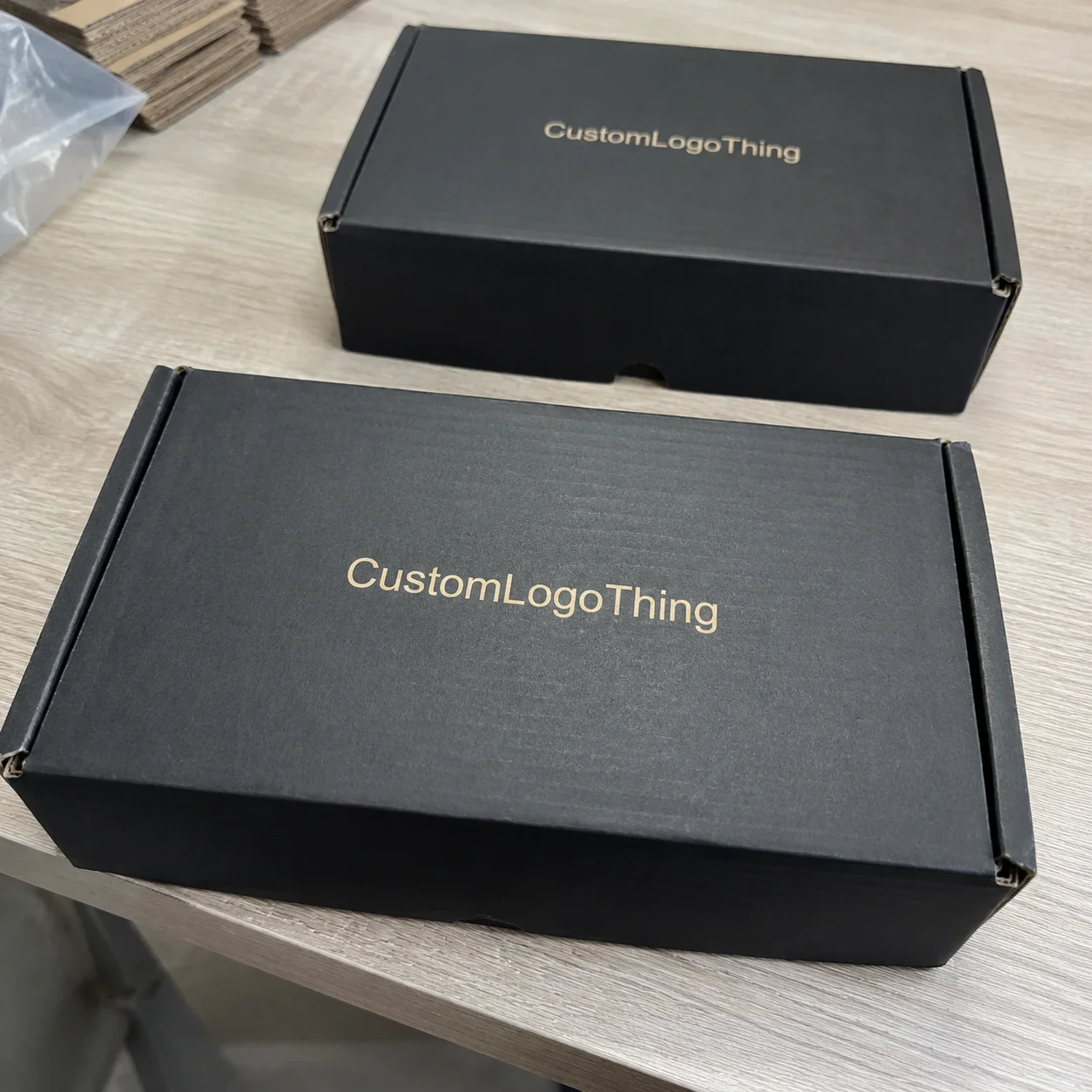
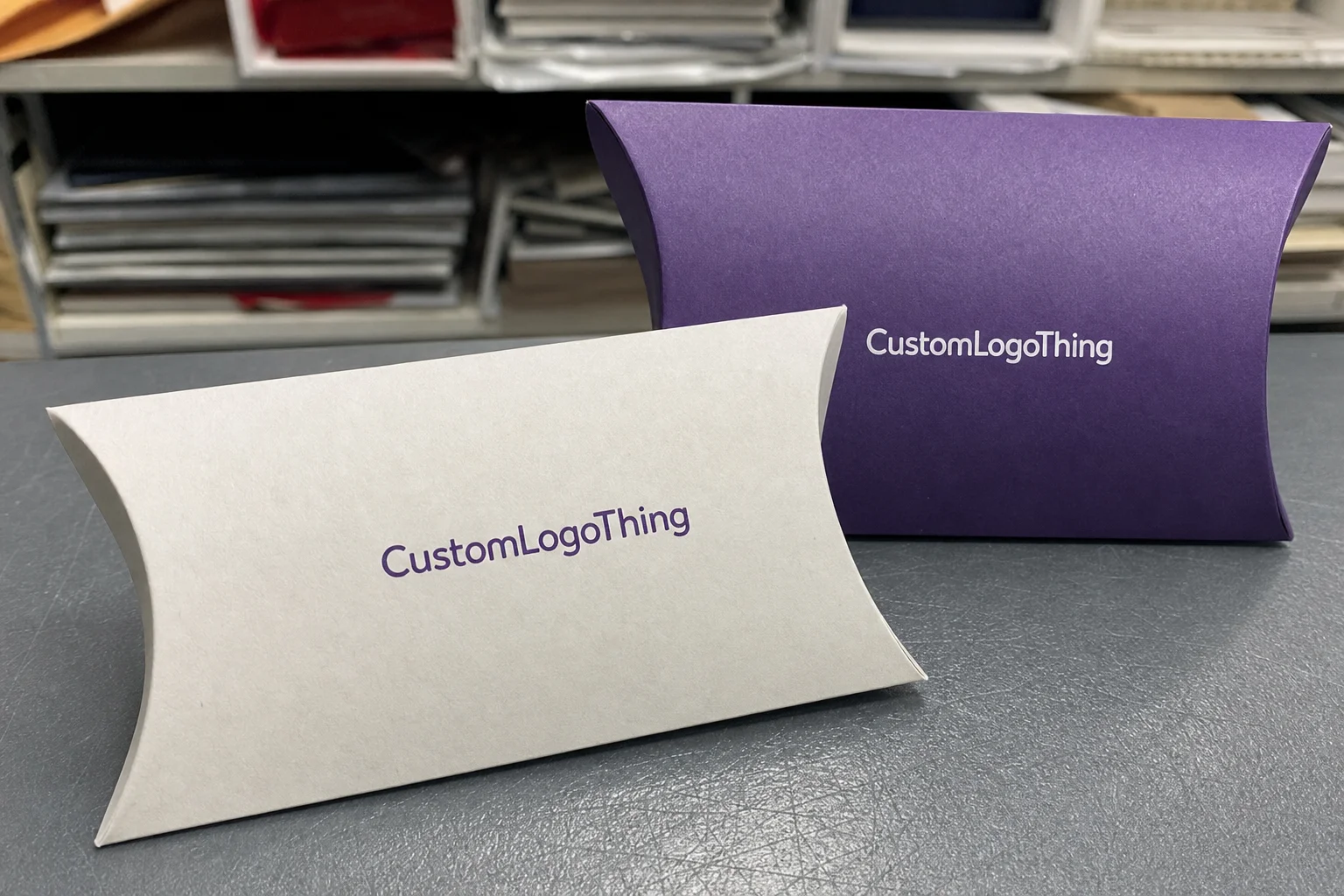
Custom Printed Mailer boxes do two jobs at once: they protect the product and make the shipment look intentional when it arrives. For a packaging buyer, that matters because the box is often the first branded object the customer sees, and it can shape expectations before the product is even touched.
Mailers sit in a practical middle ground. They are more polished than a plain brown shipper, but usually simpler to pack than a rigid setup with multiple loose parts. For the right SKU, that means cleaner fulfillment, less filler, and better presentation without adding unnecessary complexity.
Why custom printed mailer boxes beat plain shippers
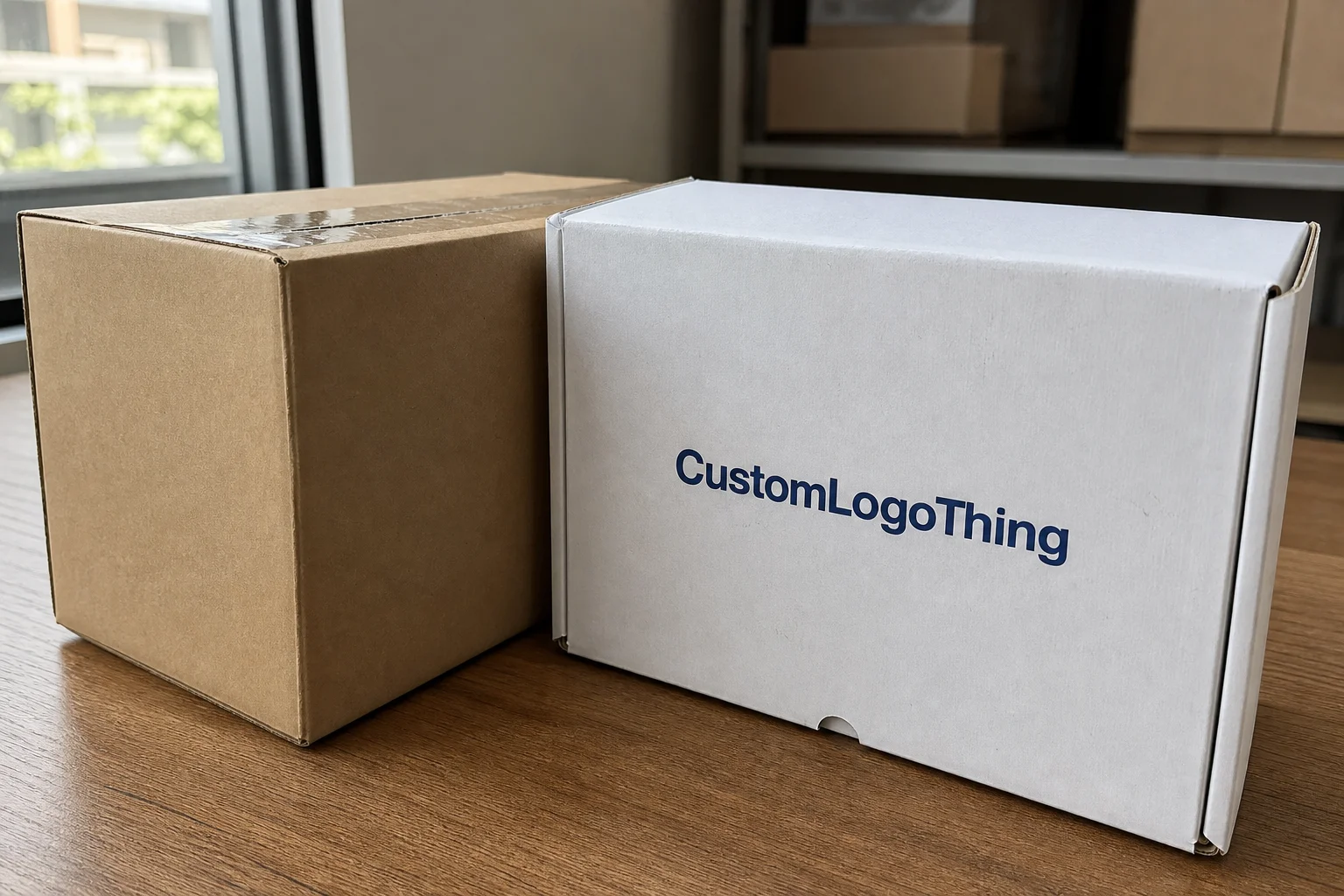
A plain corrugated shipper gets the product from point A to point B. A branded mailer does that and still looks like it belongs to the business that sent it. That is why Custom Printed Mailer boxes show up in direct-to-consumer, subscription, and retail packaging programs where the outside of the box matters.
These are usually corrugated mailers built for direct shipping, with print on the outside and sometimes on the inside panels too. They fold flat, assemble fast, and are sized for lightweight to medium products such as apparel, cosmetics, supplements, small electronics, candles, books, and gift kits. If the product is too heavy or too fragile, a different structure may be safer.
The buyer advantage is practical. A branded mailer can replace a plain box plus a separate insert, reduce void fill, and simplify fulfillment because the packer is handling one finished structure instead of multiple loose parts. That can shave seconds off each order, which becomes meaningful in a busy warehouse.
- Better presentation for mail-order brands that want retail-style behavior without retail-style complexity.
- Less overpacking when the box is sized correctly and the product does not need extra dunnage.
- Stronger brand recall because the customer sees logo, color, and messaging before opening the carton.
The best version is usually measured, not loud. If the box is so coated, foiled, or overdesigned that it slows production or inflates freight, the package stops serving the product and starts serving the decoration.
How the structure, print, and inserts work together
Mailer boxes are usually built from corrugated board with an easy-close style such as roll-end tuck top, self-locking tabs, or a similar folding structure. The mechanics matter because a beautiful printed surface is useless if the box opens early, bows under stack pressure, or takes too long to assemble.
The artwork workflow is straightforward: the design is printed on the flat sheet, then the board is cut, scored, folded, and glued into the finished shape. Folds, flaps, tuck areas, glue zones, and carrier-handling edges all affect what can be printed cleanly. If a logo crosses a score line and the file ignores that, the finished box will show the problem immediately.
Inserts are where the project either gets smarter or more expensive. Some products need no insert at all. Others need a paperboard divider, a die-cut tray, or a custom fit that keeps the item centered and protected. A two-piece kit might need a spacer to stop rattling. A fragile item might need a structural cradle to survive impact.
If the box takes more than a couple of seconds to assemble, somebody in fulfillment will notice.
Outside print creates the first impression. Interior print extends the unboxing moment. A matte coating can feel more restrained; a gloss finish can make color pop harder; soft-touch lamination can feel expensive but may add cost and complicate recyclability. Those are tradeoffs between look, handling, and budget.
For brands comparing options, it helps to look at the whole system instead of one component at a time. A box, insert, and print finish should work as a unit. If you are still comparing package formats, the broader range of Custom Packaging Products can make the tradeoffs clearer before you lock in a spec.
Key specs that decide whether the box actually works
The first mistake buyers make is choosing a size that looks neat on a spec sheet and performs badly in the warehouse. The right dimensions should fit the product, allow for any protective wrap or insert, and still hold up under shipping stress. Oversized boxes waste board and freight. Undersized boxes crush corners, deform the panel, and create packing headaches.
Board grade and flute selection matter more than most people think. Lighter board reduces weight and can lower postage or dimensional shipping costs, while heavier board improves rigidity and impact resistance. The right call depends on product weight, route length, and how rough the shipping lane is.
For testing, ask what standard the supplier is using. Many buyers reference ISTA protocols for transport simulation, and it is normal to ask whether a package has been evaluated against ISTA or a comparable internal drop-test method. For more delicate programs, ASTM methods may also come up.
Sustainability can be part of the spec, but only if it is defined properly. Recycled corrugated board, FSC-certified fiber, and water-based inks are common requests. If sourcing claims matter, ask for the exact board and certification details instead of assuming the box is automatically eco-friendly.
For brands that want a clearer material framework, FSC certification is worth asking about. You can verify the standard directly at fsc.org.
- Best fit for light items: thinner corrugated, simple print, no insert.
- Best fit for fragile items: stronger board, custom insert, transport testing.
- Best fit for premium branding: cleaner print, controlled finish, interior messaging.
Do not size the box around the product alone. Measure the item with packing materials, clearance, and fold tolerance included. A box that looks perfect on a drawing can become awkward once a sleeve, tissue wrap, or insert is added.
What drives cost, pricing, MOQ, and unit cost
Cost is driven by a short list of inputs: box size, board thickness, print coverage, number of colors, finish, insert complexity, and quantity. Ask for a quote with no dimensions and no product weight, and you are basically asking the supplier to guess the budget.
Minimum order quantity, or MOQ, exists because setup work has to be spread across enough boxes to make the run viable. Small orders pay more per unit because prepress, tooling, and setup are divided across fewer cartons. Larger orders usually lower the unit price but raise the cash outlay and storage demand.
The quote is not just a price. It is a version of the packaging design. If one option trims a few cents by cutting print coverage or simplifying the insert, that may be the smart move. If another option improves the unboxing and only adds a small premium, it may be the better buy.
| Option | Typical quantity | Approx. unit cost | Best for | Main tradeoff |
|---|---|---|---|---|
| Digital print on corrugated mailers | 250 to 2,000 | $0.85 to $1.80 | Short runs, launches, seasonal drops | Higher unit cost, very flexible setup |
| Flexo print on corrugated mailers | 2,000 to 10,000+ | $0.35 to $0.75 | Repeat SKUs, simple graphics, efficient pack-out | Less detail, stronger art limitations |
| Litho-laminated mailer box | 1,000 to 5,000+ | $0.70 to $1.60 | Premium retail packaging feel | More setup, often higher tooling and finishing cost |
These are working ranges, not promises. A small box with one-color print and no insert can land below the top end. A larger mailer with full coverage, soft-touch laminate, and a custom insert can run higher quickly. Freight can also surprise people if the cartons are bulky.
The cleanest way to compare suppliers is to request at least two versions: one optimized for cost, one for presentation. That exposes the real tradeoff instead of letting a supplier quietly choose the most profitable structure for themselves.
Production steps and lead time from artwork to delivery
A typical project moves through quote approval, dieline confirmation, artwork setup, proofing, sample review, production, finishing, packing, and shipping. Most delays happen before production starts. The press is not usually the bottleneck. Approval is.
Lead time depends on how much of the structure already exists. A simple digitally printed order with a ready dieline may move faster than a custom structure that needs new tooling, inserts, or specialty finishing. If the board is in stock and the art file is clean, a simple mailer run can often move in about 12 to 15 business days from proof approval. Add structural changes or multiple proof rounds, and the schedule stretches.
For a more complex program, it is reasonable to budget extra time for sample work. A plain structural sample might take a few days. A printed prototype or short-run validation can add another step. If the package is for a delicate product, that time is usually cheaper than discovering a failure after production is complete.
Final files need to be ready before anyone starts promising dates. That means locked dimensions, print-ready artwork, accurate bleed, and a dieline that reflects the actual box. A sloppy file can create rework faster than almost anything else in packaging.
- Simple reorders: often the fastest, because the structure and art are already proven.
- New structural designs: slower, because the dieline and assembly need review.
- Special finishes: add time, especially if they require separate setup or additional drying.
If the project is still early, compare the mailer against adjacent formats before you overcommit. Sometimes a carton is the right answer. Sometimes a Custom Poly Mailers solution is cheaper and lighter for soft goods. The point is to match the package to the shipping job.
Common mistakes that make mailer programs expensive
The sizing mistake deserves a second warning because it causes so many downstream problems. Oversized boxes waste board, drive up freight, and let the contents move around. Undersized boxes crush, bow, and force awkward pack-out work. Both errors cost money, and both are avoidable if the product dimensions are measured with the insert, protective wrap, and fold tolerance included.
Another common trap is overdesigning every surface. Not every panel needs foil, spot UV, embossing, or full-coverage print. Once everything is trying to stand out, nothing does. More importantly, the bill gets ugly. A cleaner packaging design often looks more confident anyway because it gives the logo and key message some breathing room.
Artwork mistakes are also expensive. Low-resolution files, ignored bleed, and brand marks placed across folds create avoidable rework. Mailers are especially unforgiving because they have more flaps, scores, and edges than a flat carton.
Operational mistakes hit just as hard. If the box takes too long to assemble, the line slows down. If the package does not stack well on a pallet, warehousing gets messy. If the design has not been drop-tested, the first carrier claim will erase a lot of the money you thought you saved.
- Measure the product with packing materials included, not just the object itself.
- Keep the print plan focused on the panels customers actually see.
- Check assembly speed before approving a new structure.
- Confirm whether the box survives the shipping test you actually need.
Warehouse behavior changes the economics too. If a carton needs extra taping, awkward folding, or careful alignment, the labor cost can eat the savings from a lower unit price. Packaging should be judged on total cost in use, not the headline number alone.
Expert tips and next steps for a cleaner quote
Send product facts first. Dimensions, weight, fragility, packing method, target quantity, and ship date will get you a better answer than a mood board ever will. A supplier can recommend the right board grade and structure only when the real use case is clear.
Ask for three versions if you can: a low-cost option, a presentation-focused option, and a middle-ground version. That makes the price differences visible and helps you see where the extra spend actually buys something useful.
Request a sample plan before you approve production. A structural sample catches fit issues. A printed proof catches artwork problems. A short run catches the real-world stuff, like how the carton folds in the warehouse and how it behaves on a shipping lane.
If you are building out a packaging line, think in systems instead of one-off SKUs. Mailers, inserts, tissue, labels, and outer shippers should all support the same customer experience.
For a clean quote, define the product, set the budget range, decide the target delivery window, and ask for pricing on Custom Printed Mailer boxes with those constraints locked in.
How do custom printed mailer boxes differ from standard shipping boxes?
Mailer boxes are usually designed for faster assembly, cleaner presentation, and a more deliberate unboxing experience. Standard shipping boxes are often chosen mainly for transport efficiency, while mailers combine protection with customer-facing design. The right choice depends on product weight, packing method, and how much of the shipment the customer will actually see.
What affects the unit cost of custom printed mailer boxes the most?
Size, board thickness, print coverage, finish, and order quantity usually have the biggest impact. Complex inserts, specialty coatings, and multiple color passes can also push the price up. Higher volumes usually lower unit cost, but they also increase total cash outlay and storage needs.
What is a realistic lead time for custom printed mailer boxes?
Lead time depends on artwork readiness, sample approval, board availability, and production method. Simple orders can move faster than custom structural projects with inserts or specialty finishes. The fastest way to avoid delays is to approve the dieline and artwork early and keep revisions tight.
Can custom printed mailer boxes be made with recycled materials?
Yes, many mailer boxes use recycled corrugated board and inks chosen for a lower environmental burden. You still need to confirm whether coatings, laminations, or specialty finishes affect recyclability. If sustainability matters, ask for the exact material spec instead of assuming the box is automatically eco-friendly.
What information should I send to get an accurate quote fast?
Send product dimensions, weight, quantity, packing method, print goals, and target delivery date. Include whether you need inserts, interior print, or a specific finish, because those choices change cost and timing. That is the fastest way to get a clean quote on custom Printed Mailer Boxes without wasting a week on back-and-forth.