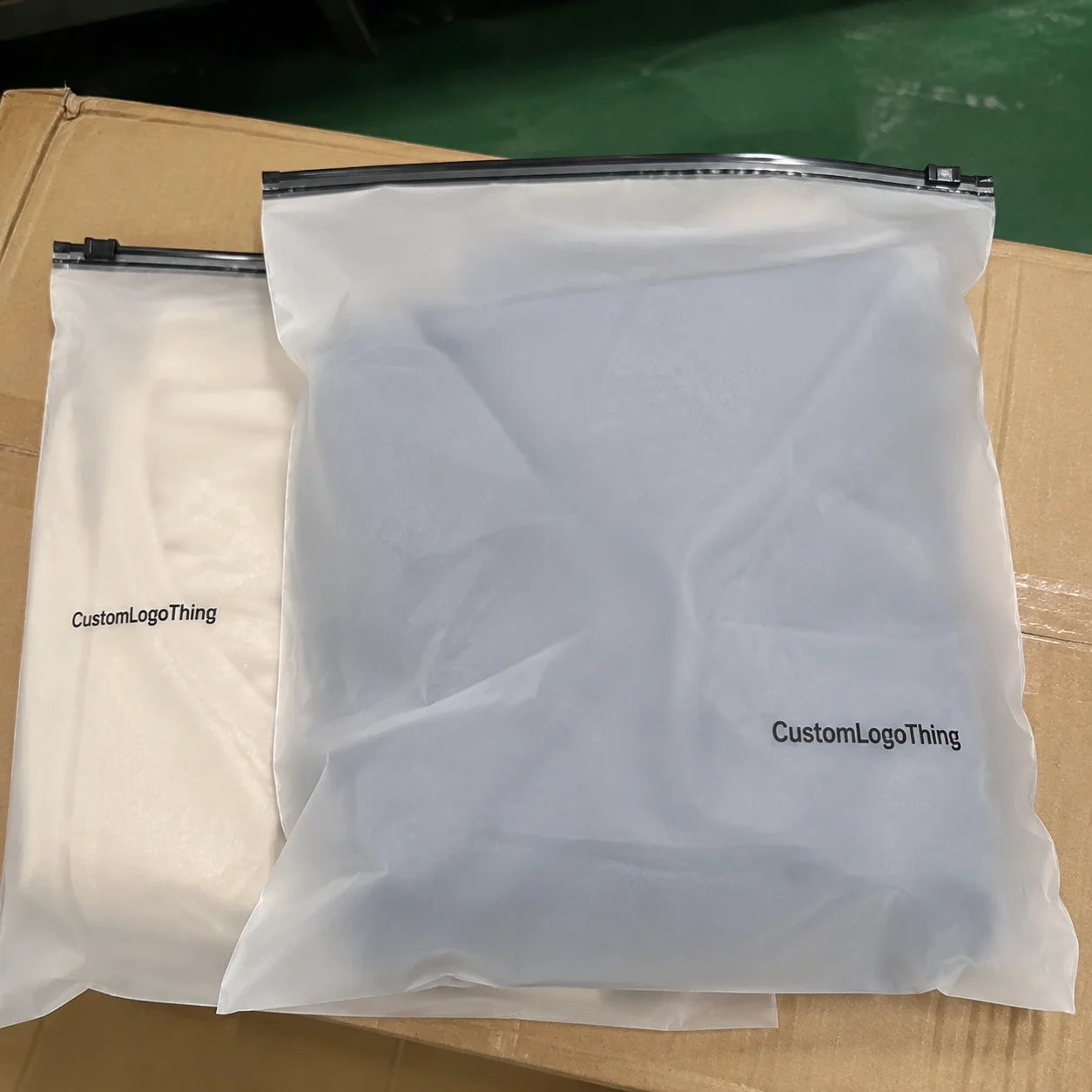
Buyer Fit Snapshot
| Best fit | Custom Printed Reusable Shopping Bags projects where brand print, material claims, artwork control, MOQ, and repeat-order consistency need to be specified before quoting. |
|---|---|
| Quote inputs | Share finished size, material target, print colors, finish, packing count, annual reorder estimate, ship-to region, and any compliance wording. |
| Proofing check | Approve dieline scale, logo placement, barcode or warning zones, color tolerance, closure strength, and carton packing before bulk production. |
| Main risk | Vague material claims, crowded artwork, missing packing details, or unclear freight terms can make a low unit price expensive after revisions. |
Fast answer: Custom Printed Reusable Shopping Bags: Film, Print, MOQ, and Carton Packing should be specified like a repeatable production item. The safest quote records material, print method, finish, artwork proof, packing count, and reorder notes in one written spec.
Production checks before approval
Compare the actual filled-product size with the drawing, then confirm tolerance on folds, seals, hang holes, label areas, and retail display edges. Reserve space for logos, QR codes, warning copy, and material claims before decorative graphics fill the panel.
Quote comparison points
Review material grade, print process, finish, sampling route, tooling charges, carton quantity, and freight assumptions side by side. A quote is only useful when the supplier can repeat the same color, closure quality, and packing count on the next order.
Custom printed reusable shopping bags can look simple from across a showroom table, but the first thing I inspect on a factory floor is never the artwork. I go straight to the seam, the handle reinforcement, and the stitch density, because that is where a bag usually fails long before the fabric itself gives out. In a 2024 visit to a converting plant in Dongguan, I watched a batch get held back because the bartack at the handle drop was off by 3 millimeters, and that tiny variance would have shown up as premature tearing after only a few dozen grocery trips. Honestly, I think custom printed reusable shopping bags rise or fall on construction, not just graphics, and that difference shows quickly once customers start loading cartons, groceries, or trade show handouts into them.
I remember standing in sewing rooms where a perfectly printed bag was rejected because the bartack at the handle drop was off by 3 millimeters, and I’ve watched retail buyers learn that lesson the hard way after a holiday promotion. A bag can look beautiful on the table and still fail in a parking lot if the reinforcement is weak. That is why custom printed reusable shopping bags deserve the same attention as Custom Packaging Products or any other branded packaging item that needs to work in the real world, not just in a presentation deck. A buyer in Chicago once told me a $0.14 tote became a headache because it split under a 12-pound canned-goods load, while the $0.19 version held up through the entire season; pretty slides are nice, but a bag that tears when someone puts apples in it is not.
Custom printed reusable shopping bags are durable carry bags branded with a logo, message, illustration, or campaign artwork for retail, grocery, events, hospitality, and promotions. Unlike single-use carriers, they are built to be used again and again, often with reinforced seams, heavier materials, and print methods chosen for repeated handling. A good bag does more than carry product; it keeps the brand visible for weeks or months, which is why many retailers treat them as part of package branding rather than a throwaway accessory. In practical terms, that might mean a tote moving from a Portland farmers market to a school pickup line to a Saturday grocery run, with the same logo still readable after 20 or 30 uses.
The most common materials I see in production are non-woven polypropylene, woven polypropylene, cotton canvas, recycled PET, and laminated PP. Each has a different hand feel, weight rating, print behavior, and price point. A 90 gsm non-woven polypropylene bag from a plant in Ningbo will feel very different from a 12 oz Cotton Canvas Tote sewn in India, and a laminated PP carry bag from Jiangsu can deliver a crisp, wipeable finish that non-woven fabric cannot match. The best choice depends on where the bag will be used, how much load it needs to hold, how premium it should feel, and whether you want the bag to last through dozens of trips or just a handful. That decision point matters more than many buyers realize when selecting custom printed reusable shopping bags.
Too many people start with the logo and end with the wrong bag. The better sequence runs in reverse: define the use case, pick the construction, then design the print to fit the bag. That approach usually produces better retail packaging results, stronger customer satisfaction, and fewer surprises when the shipment lands, especially when the factory quote is built around a real target like 5,000 pieces at $0.15 per unit rather than a vague “budget-friendly” range.
What Custom Printed Reusable Shopping Bags Are and Why They Matter
At the simplest level, custom printed reusable shopping bags are reusable carry bags made from materials that can hold weight, survive repeated use, and display a brand clearly. They show up in grocery stores, apparel shops, wine retailers, campus bookstores, farmers markets, and trade show booths, where a bag often becomes the last physical touchpoint a customer takes home. That makes them a quiet but very real part of product packaging and retail packaging strategy, especially for locations that process 300 to 1,000 transactions a day and want the brand to keep traveling after the register closes.
I once visited a distribution center outside Chicago where a chain buyer told me the bag mattered because customers were using it three or four times a week after purchase. That means the logo was getting seen far more often than the receipt, shelf tag, or shopping receipt insert. When a bag is built well, it keeps working long after the transaction ends, which is exactly why custom printed reusable shopping bags can produce strong brand recall for a relatively modest spend, whether the order is 2,000 totes for a regional launch or 25,000 for a national promotion.
Single-use plastic or paper bags can solve a short-term carrying problem, but reusable bags offer better long-term value when the construction is right. They usually support higher load capacities, feel more substantial in the hand, and often signal that the brand is more thoughtful about quality or sustainability. Not every reusable bag is automatically eco-friendly, though; if a bag tears after two uses, it never really earns its keep no matter how green the marketing copy sounds. In a grocery setting, a bag rated for 15 to 20 pounds and tested with 10 repeated load cycles will usually do more for the brand than a lighter tote that looks sustainable but behaves like a disposable item.
When I talk with buyers about custom printed reusable shopping bags, I usually explain that the job is not just to carry items from A to B. The job is to carry items, carry the brand, and keep doing both after the customer gets home. That is why material choice, stitching, handle style, and print durability matter in equal measure, whether the bags are being packed flat in a Shenzhen warehouse or hand-folded into retail cartons in Los Angeles for local fulfillment.
The common formats are straightforward:
- Non-woven polypropylene for affordable promotions and grocery use, often in 80 gsm to 120 gsm weights
- Woven polypropylene for stronger load-bearing performance, frequently chosen for 20 lb+ carry requirements
- Cotton canvas for a natural, premium hand feel, commonly seen in 10 oz to 12 oz constructions
- Recycled PET for brands telling a recycled-content story, especially for retail programs with sustainability goals
- Laminated PP for structure, wipeability, and sharper color presentation on high-visibility promotions
Each style brings different tradeoffs. A cotton canvas tote may feel upscale, yet it will cost more to produce and ship because of weight, while a non-woven polypropylene bag can be very economical but may not survive as much abuse if the customer stuffs it full of bottled beverages. There is no universal “best” option for custom printed reusable shopping bags; there is only the best fit for the usage and budget. A retailer ordering 10,000 pieces for a spring campaign in Atlanta may want a completely different structure than a boutique in Seattle selling 500 premium totes at the register.
How Custom Printed Reusable Shopping Bags Are Made
The manufacturing process starts with material selection, and on the factory floor that means deciding whether the bags come off a roll or from pre-cut sheets, which determines how the line is set up. For custom printed reusable shopping bags, the sequence usually runs through material prep, printing, cutting, sewing or heat sealing, handle attachment, and final inspection. The details vary by substrate, but the logic stays the same: make the bag strong enough, print it clearly, and verify the dimensions before it ships. In a facility outside Guangzhou, I watched a line produce 8,000 non-woven bags in a single shift because the material had already been slitted to width the previous day, which shaved nearly two days off the schedule.
In a non-woven polypropylene line, I’ve watched the material feed into cutting stations, then move to printing, then to stitching bays where operators add the handles and reinforce the stress points. In woven PP or laminated PP production, the workflow can change a bit because the material behaves differently under the needle and under heat. That is one reason lead times vary so much for custom printed reusable shopping bags; the material is not just a visual choice, it is a processing choice. A simple one-color tote in Vietnam may complete in 12-15 business days after proof approval, while a laminated bag with custom die-cut handles and a stitched gusset can take longer because it touches more machines and more labor stations.
Print method matters just as much as the bag body. Screen printing works beautifully for bold spot colors, especially when a retailer wants a clean logo on a 1- or 2-color bag. Flexographic printing is efficient for larger runs and repeated patterns, while digital printing can handle detailed artwork, gradients, and photographic imagery on select substrates. Heat transfer is another option for certain short runs, especially when the design needs more color detail than a basic screen setup can handle. For example, a 3-color screen print on a 90 gsm non-woven bag may be ideal for 5,000 pieces, while a full-color digital image may be better suited for a limited 300-piece event run in Los Angeles.
Construction details are where good bags earn their reputation. A boxed bottom helps the bag sit flat and carry bulky items. Gusseted sides expand capacity and make the bag feel less cramped. Double stitching and bartack reinforcement at the handle attachment points can add meaningful life to the bag, especially if people carry heavy produce, bottles, or catalog bundles. I’ve seen a 25 lb rating fail in practice because the handle seam was weak, and I’ve also seen a carefully stitched bag outperform its spec by a wide margin. That variance is why custom printed reusable shopping bags need to be tested, not assumed, especially when the spec sheet says 18 lbs but the end user routinely carries 24 lbs of groceries.
Sampling is a normal and necessary part of the process. A pre-production sample lets the buyer verify color, imprint placement, handle drop, bag dimensions, and overall appearance before the full run begins. On one client job, a logo that looked centered in the artwork file was actually 8 mm too low once it hit the bag panel, which would have been a costly miss if we had skipped the proof. For custom printed reusable shopping bags, that sample is not a formality; it is the last checkpoint before quantity magnifies every mistake, and it is often the difference between approving 500 sample pieces and fixing a 10,000-piece error later.
Manufacturers often work under multiple parallel stations: converting lines for cutting, printing rooms for decoration, sewing stations for assembly, and QC tables for inspection and packing. That split explains why two orders with the same quantity can have very different timelines. A simple one-color screen printed bag may move quickly, while a multi-color recycled PET tote with custom sewn handles and special folding can occupy three departments and add several days to the schedule. I’ve seen a factory in Suzhou finish a basic tote order in 13 business days, while a more complex order with a laminated body and internal cardboard base took 19 business days from proof sign-off to carton close.
If you want a reference point for quality testing, organizations like ISTA publish packaging test standards that help assess shipping performance, and ASTM standards are commonly used in material validation. Not every buyer needs formal laboratory testing, but the mindset is useful: don’t just ask what a bag looks like, ask how it behaves under load, transport, and repeated handling. A 15-pound drop test, a seam pull check, and a simple handle stress trial can tell you far more than a polished product photo ever will.
Key Factors That Affect Performance, Branding, and Cost
When buyers compare custom printed reusable shopping bags, the big variables are material, size, thickness or GSM, print coverage, color count, handle style, and finishing details. Those inputs shape both performance and price. A bag that looks almost identical from across a showroom can vary wildly in cost once you change the fabric weight, the number of colors, or the type of handle reinforcement. I’ve seen two 15 x 12 x 5 inch totes quoted within 2 cents of each other until one was upgraded from 80 gsm to 110 gsm and the other added reinforced stitching at the handle base.
Material is often the largest cost driver. Non-woven polypropylene is usually the most budget-friendly option for custom printed reusable shopping bags, which is why it is so common for grocery promotions and retail giveaways. Woven PP and recycled PET tend to land higher because they offer more strength or a more premium positioning, while cotton canvas usually sits at the upper end because of fiber cost, sewing time, and freight weight. A 10 oz canvas bag packed in cartons from Mumbai to Dallas can weigh noticeably more than a comparable non-woven tote, and that difference shows up in the landed cost.
Size matters more than many people expect. A small 10 x 8 x 4 inch bag with a simple one-color logo may cost very differently from a 16 x 13 x 6 inch bag designed to hold boxed meals, apparel, or a six-pack of beverages. Bigger bags require more material, more seam length, and often more structure to keep the load balanced. If the retailer’s actual basket mix is heavy or awkward, undersizing the bag can create immediate customer frustration, even if the unit price looked attractive on paper. A grocery customer carrying two milk cartons and three cans will feel the mistake immediately, even if the bag saved $0.03 at purchase.
For a practical cost example, I’ve seen non-woven custom printed reusable shopping bags quoted at about $0.18/unit for 5,000 pieces in a basic one-color format, while a heavier woven PP style with reinforced handles and larger print coverage can move into a much higher range. Add lamination, more colors, or sewn-in cardboard bottoms and the price rises again. That does not automatically mean the higher-cost bag is a bad buy. If it gets used 30 times instead of 5, the actual cost per use drops sharply. A $0.24 tote used 30 times costs less than 1 cent per use, which is far better than a $0.16 bag that fails after a handful of trips.
That last point is where buyers sometimes miss the real economics. A slightly higher unit cost can be worthwhile if the bag lasts longer and keeps the logo visible for months. I’ve had clients compare two options and discover that the cheaper one became a complaint generator because the handles stretched, while the stronger one created repeat use and better word-of-mouth. For custom printed reusable shopping bags, durability is part of brand media value, not just a materials issue, and a bag that survives 40 to 50 uses can outperform a less expensive option very quickly.
Printing affects both clarity and cost. One-color screen printing is economical and sharp, especially on opaque backgrounds with strong contrast. Two- or three-color artwork raises setup complexity. Full-coverage graphics can require more ink, more passes, or different equipment. If you need rich photographic detail or fine gradients, digital print may solve the design problem, but it can carry a different price structure and may not suit every fabric. A short-run digital tote from a facility in Dongguan may be perfect for 250 pieces, but a 20,000-piece retail rollout in Texas may be better served by screen printing.
Branding decisions should also account for contrast and viewing distance. A logo that looks great on a white background can disappear on dark gray recycled fabric if the color separation is weak. Text smaller than 8 pt often gets lost on textured non-woven surfaces, and busy artwork near the seam line can distort once the bag is sewn. In my opinion, the best custom printed reusable shopping bags keep the logo bold, centered, and readable from six to ten feet away, which is about the distance a customer in a parking lot or checkout line will actually notice it.
Compliance and sustainability factors matter too. Some buyers ask for recycled content, FSC-linked paper components in companion packaging, or bags that support internal sustainability reporting. If your organization wants a broader sustainability story, the EPA recycling resources are a helpful public reference point, and FSC is widely recognized for responsible forest management when paper-based materials are involved elsewhere in the packaging system. Not every bag needs a formal certification claim, but the claims you do make should be accurate and supportable, whether the bag is made in Ho Chi Minh City, Ningbo, or Ahmedabad.
Another cost point people forget is freight. Cotton and heavier woven styles can cost more to ship because of weight and carton density. A quote that looks cheap on unit price can end up expensive landed if the cartons are bulky and the origin is far from the distribution center. That is one reason I always ask buyers to compare not just the factory price, but the landed price of custom printed reusable shopping bags. A shipment from Shanghai to Oakland and a shipment from a domestic converter in Dallas may tell very different stories once ocean freight, drayage, and carton dimensions enter the picture.
How Do Custom Printed Reusable Shopping Bags Help Brands Every Day?
Custom printed reusable shopping bags help brands every day by turning a simple carry item into repeated brand exposure that travels far beyond the checkout counter. A customer may use the same tote for groceries, errands, school pickup, or a weekend event, which means the logo keeps appearing in public without additional media spend. In practice, that makes the bag part of the brand’s daily visibility, much like a mobile billboard that the customer willingly carries because it is useful. For retailers, that repeated use can strengthen recall, improve perceived quality, and extend the life of the original purchase relationship.
What makes this especially effective is the combination of utility and visibility. People do not carry a bag because it is branded; they carry it because it works, and the branding comes along for the ride. A strong reusable bag can generate impressions in parking lots, grocery aisles, office lobbies, and transit lines, often for months. That is why I treat custom printed reusable shopping bags as a practical marketing asset rather than a simple accessory, especially for stores that want their packaging to keep speaking after the sale.
Step-by-Step Process for Ordering Custom Printed Reusable Shopping Bags
The first step is defining the use case. Is this bag for retail checkout, a trade show giveaway, grocery carry, employee onboarding, or resale at the register? Each use case changes the spec. A trade show bag can be lighter and more style-driven, while a grocery bag needs stronger handles and a sturdier bottom. For custom printed reusable shopping bags, the use case should drive the engineering, not the other way around, because a tote built for conference swag in Las Vegas will not necessarily survive a weekly grocery routine in Denver.
Next, choose the material and style based on load weight, desired feel, and brand positioning. If the bag needs to carry 15 to 20 pounds repeatedly, non-woven polypropylene with reinforced handles may be enough for a value program, but woven PP or recycled PET may be smarter for a more durable finish. If the goal is premium retail branding, cotton canvas or laminated PP can elevate the look. I’ve sat in enough buyer meetings to know that style preference is real, but it should still be grounded in how the bag will actually be used. A retailer planning a 7,500-piece run at $0.15 per unit may be better off with a stronger non-woven build than a prettier but weaker option.
Then determine size, handle type, and closure if needed. Short handles feel fine for in-store carry, while longer shoulder-drop handles are better for customers walking several blocks or taking transit. A zipper, snap, or Velcro closure may be useful for special applications, but each extra feature adds cost and can slow production. On custom printed reusable shopping bags, every added feature should earn its place, whether that means a 20 cm handle drop for shoulder carry or a flat handle for quick checkout pickup.
Artwork prep is where a lot of orders either move smoothly or stall. The best files are vector formats such as AI, EPS, or PDF with outlined fonts, correct spot colors, and enough bleed to protect against trim variance. I always tell clients to think in terms of production-ready files, not just attractive visuals. If your logo sits too close to the edge or uses a gradient that the print method cannot reproduce well, the factory will either revise it or print something that does not match your expectation. That is a painful place to discover an artwork issue, particularly when the bags are already scheduled for a 12-15 business day production window after proof approval.
Request a proof or pre-production sample before mass production. This is the moment to verify logo placement, dimensions, color match, and overall balance. One retailer I worked with insisted on a sample after a previous order had a handle that sat 12 mm lower on one side, which sounds minor until the bag is hanging on a customer’s shoulder. For custom printed reusable shopping bags, proof approval is one of the cheapest forms of insurance you can buy, and it can prevent a 10,000-piece error that would otherwise need to be repacked or reworked.
After that, confirm MOQ, unit pricing tiers, lead time, packing method, and shipping expectations. Ask whether bags are packed flat or folded, how many pieces go per carton, and whether cartons are palletized for warehouse receiving. It is also smart to clarify whether pricing includes setup, plates, screens, or sampling. A quote that mixes all those numbers together is hard to compare, and it can hide real differences between suppliers. I like seeing a line item for 5,000 pieces at $0.15 per unit, plus a separate setup charge, because it makes the real economics visible.
Once the order is approved, the factory moves through material procurement, print setup, cutting, assembly, QC, and packing. Depending on material and decoration method, a simple order might move from proof approval to shipment in 12-15 business days, while a more complex project can take longer. Rush requests are possible in some cases, but they are not magic. A busy line in Shenzhen or a sewing room running multiple retail packaging projects will only move so fast, especially if the bags require custom die-cut handles or laminated finishes that need extra cooling time before packing.
Final quality control usually checks stitching, print clarity, dimensions, handle strength, carton count, and visual consistency. For higher-value custom printed reusable shopping bags, some buyers also request random pull tests or load checks. That is not always necessary, but it does add confidence before product enters distribution. A QC table in Xiamen may check 20 samples from every 500 bags, while a larger run may be spot-checked at multiple points in the shift.
One of my favorite factory memories came from a converted line in Ningbo where an operator held up a tote and tapped the handle seam twice with a pen, then said, “This bag will tell you the truth in the first week.” He was right. Reusable bags are honest products. If the structure is weak, use reveals it quickly, and the first few customers will find the problem before your marketing team can explain it away.
Common Mistakes to Avoid When Choosing Reusable Bags
The biggest mistake is choosing based on price alone. Thin material and weak stitching can turn custom printed reusable shopping bags into disposable bags wearing a reusable label. I’ve seen promotional runs where the client saved a few cents per unit and then spent far more dealing with complaints because the handles tore on the first serious trip. Cheap is only cheap if it performs, and a 5,000-piece order that saves $100 up front can cost far more in lost trust if the product fails in the parking lot of a store in Phoenix or Tampa.
Sizing mistakes are just as common. A bag may look fine on a spec sheet, but if it cannot comfortably hold the products customers actually buy, it will sit unused. For example, a beauty retailer selling boxed skincare sets and jars of lotion needs very different dimensions than a bookstore carrying T-shirts and notebooks. I always ask buyers to list their top five product shapes before finalizing custom printed reusable shopping bags. A 12 x 10 x 4 inch tote might work for cosmetics, while a 16 x 14 x 6 inch version may be better for apparel and bundled gifts.
Artwork problems can ruin an otherwise strong bag. Low-contrast logos fade into textured fabric, oversized graphics get cut by seams, and tiny text vanishes on woven surfaces. I’ve also seen buyers place important copy too close to gussets, where it buckles once the bag is filled. If the design depends on fine detail, make sure the print method and substrate can actually carry it. A 6 pt legal line that reads clearly on a PDF often disappears once it hits 80 gsm non-woven fabric.
Timeline mistakes happen constantly, especially when teams skip sampling or underestimate freight time. A good bag order can still miss a launch date if artwork approval drags for a week, the factory closes for a scheduled equipment change, or shipping lanes get congested. That is why I recommend building in extra time for custom printed reusable shopping bags, particularly if the bags are tied to a seasonal promotion or store opening. Even a domestic truck delivery can add 3 to 5 days once cartons need to move through a regional warehouse.
Sustainability missteps are another trap. A bag can be marketed as reusable, but if it is too flimsy to survive enough trips, the environmental value never materializes. Conversely, a heavier bag can be a better long-term choice even if it costs more upfront because it remains in circulation longer. The most honest sustainability story comes from durability, not just a green color palette or a leaf icon in the corner, and that is especially true for bags built in Asia for North American or European retail programs.
One supplier negotiation I remember ended when the buyer asked a very simple question: “How many uses does this bag survive before the handles feel loose?” That question shifted the discussion immediately from unit price to lifecycle value. That is the level of thinking I like to see with custom printed reusable shopping bags, because the answer tells you whether you are buying a promotional item or a genuine reusable asset.
Expert Tips for Better Design, Better Wear, and Better ROI
Design for repeat visibility, not just the first handoff. A logo on the front panel may look strong in a product photo, but a logo positioned where the bag naturally faces outward during carry can generate more impressions in parking lots, sidewalks, and office corridors. With custom printed reusable shopping bags, the moving billboard effect only works if people actually want to use the bag in daily life, whether that means a Sunday market run in Austin or a commute through Manhattan.
Balance aesthetics with durability. I recommend thicker handles, reinforced stitching, and a bottom gusset for most retail and grocery uses because those details make the bag feel more trustworthy in the hand. If the bag is for premium retail, a slightly stiffer body and a cleaner print edge can signal quality immediately. The trick is matching the visual tone to the load requirement, not forcing one look onto every use case. A 12 oz canvas bag with 2 cm reinforced handles may be worth the extra cost if the bag needs to look polished on a luxury storefront shelf.
Use a limited color palette when budgets matter. Screen printing on non-woven polypropylene or woven PP is often most cost-effective with one or two solid colors. That does not mean the bag has to look plain. Strong contrast, good spacing, and a sharp logo can look more polished than a crowded design with five colors and too much text. Many of the best custom printed reusable shopping bags I’ve seen were also the simplest, especially when the print used Pantone-matched ink on a light gray or white background.
Ask for material swatches whenever possible. Feeling a 70 gsm non-woven sheet in your hand tells you more than a photo ever will. Compare that to a 120 gsm woven PP or a brushed cotton canvas sample, and the difference in perceived value becomes obvious. Good sourcing always includes samples, and better suppliers are usually happy to provide them before you commit to volume. In some cases, a sample pack from a factory in Foshan or Jakarta can arrive in 4 to 7 days by courier and save you from making a poor choice on a 25,000-piece order.
Confirm bag weight ratings and compare samples from different factories if the order is important. I have seen two factories quote nearly the same spec and deliver bags that feel completely different because one used tighter stitching and better handle reinforcement. For custom printed reusable shopping bags, these little build differences can make or break the customer experience. A bag with a 20 lb rating and a clean bar tack at each handle often outperforms a poorly finished 25 lb bag in actual store use.
Think of the bag as a long-term branded asset, not a one-day promotion item. The customer might reuse it for groceries, gym clothes, a packed lunch, or another store visit. That is why strong package branding on reusable bags can outlast many other forms of retail packaging. A well-made bag keeps advertising your store without buying another media placement, and over 30 or 40 trips the visibility becomes much more valuable than the original print cost.
When I visited a regional grocery co-packer, the manager told me their shoppers were bringing the same printed tote back so often that cashiers recognized it before they recognized the customer. That is what a good reusable bag can do. It becomes part of the shopping habit, and that is far more valuable than a one-time giveaway. In practical terms, a tote that remains in circulation for six months has already done more brand work than many paid digital placements.
Next Steps for Planning Your Custom Printed Bag Order
If you are planning custom printed reusable shopping bags, start by defining the purpose, then pick the material, lock in the size and print method, and gather artwork files that are actually production ready. That sequence keeps the project grounded and makes supplier quotes more comparable. It also helps you avoid the common mistake of designing a pretty bag that cannot survive the real use case, whether that order is 3,000 pieces for a single-store opening or 30,000 pieces for a regional rollout.
Here is the checklist I would use before requesting quotes:
- Estimated load weight in pounds or kilograms
- Target quantity and any future reorder expectations
- Branding goal: premium retail, value promotion, or sustainability message
- Delivery deadline and launch date
- Budget range per unit and total landed cost target
- Preferred material, if already known
- Print colors and artwork format
Compare at least two constructions or materials before you commit, especially if the bags will be used daily or sold through retail channels. A non-woven version and a recycled PET version may look similar from a distance, but the feel, lifespan, and brand impression can be dramatically different. That side-by-side comparison is one of the most effective ways to make a smarter decision on custom printed reusable shopping bags, and it is even more useful when one quote is based on 5,000 pieces at $0.15 per unit while another is based on 10,000 pieces with stronger stitching.
Request a quote that clearly separates unit price, setup, sampling, and shipping. If a supplier bundles everything into one line item, it is harder to spot where the money is going or where a better value may exist. I also like seeing whether the quote includes carton counts, packing details, and whether any extra fees apply for special handle styles or custom inserts. A transparent quote from a factory in Shenzhen or Ho Chi Minh City can save hours of back-and-forth and make supplier comparisons much easier.
Before you approve the full run, confirm your artwork files, decide on color count, and ask for a production proof. That last step is where many problems are caught cheaply instead of expensively. A clean proof, a clear spec sheet, and a realistic timeline are the ingredients that make custom printed reusable shopping bags an efficient project instead of a stressful one, especially when the schedule reads 12-15 business days from proof approval and the launch date is fixed.
For brands looking to extend their retail packaging system beyond bags, it often helps to think about the whole shelf-to-carry experience: Custom Packaging Products, shipping cartons, inserts, and carry bags should all feel like they came from the same brand family. When that happens, the customer sees a more coherent package branding story, and that usually translates into stronger trust. A retailer in San Diego once told me that aligning the carry bag with the carton graphics made the whole program feel more deliberate, even though the material cost only rose by a few cents.
If I had to summarize the practical side of this work in one sentence, it would be this: the best custom printed reusable shopping bags are not the cheapest ones or the flashiest ones, but the ones that get used, carried, and seen enough times to justify every cent spent on them. That is the real return, whether the bags are produced in Ningbo, printed in Dongguan, or packed for distribution in Dallas.
Custom Printed Reusable Shopping Bags: decision table
| Decision area | Best fit | What to verify | Risk if skipped |
|---|---|---|---|
| Film or paper thickness | Apparel, accessories, lightweight goods, and subscription boxes | Micron/GSM, seal strength, opacity, and puncture resistance | Thin material wrinkles, tears, or makes the brand feel low value |
| Closure and format | Self-seal mailers, gusset bags, zipper pouches, or drawstring bags | Opening size, resealability, hanging hole, and packing sequence | Wrong format creates returns, repacking, or poor display |
| Print area | Logo visibility and required compliance copy | Ink holdout, color contrast, barcode space, and proof approval | Artwork looks fine flat but disappears once the bag is filled |
FAQs
How do custom printed reusable shopping bags compare to paper or plastic bags?
Custom printed reusable shopping bags usually provide better long-term brand exposure because customers carry them many times, often across multiple shopping trips. They generally cost more per unit than single-use bags, but the branding lifespan and perceived value are much higher. They also tend to perform better for heavier loads when the construction and handle reinforcement are designed correctly, especially on orders built around 15 to 20 pound carry requirements.
What material is best for custom printed reusable shopping bags?
Non-woven polypropylene is often the most budget-friendly choice for promotions and retail giveaways. Cotton canvas and recycled PET usually feel more premium and can support a stronger sustainability story. Woven polypropylene is a solid choice when durability and load capacity matter most, especially for grocery or recurring retail use. A 90 gsm non-woven bag may fit a $0.15-per-unit program, while a heavier 12 oz canvas tote suits a higher-end retail floor.
How much do custom printed reusable shopping bags cost?
Price depends on material, bag size, print colors, order quantity, and finishing details like lamination or reinforced handles. Higher quantities usually reduce unit cost, while complex artwork or specialty construction increases cost. Requesting a full quote with setup, sampling, and freight separated makes pricing much easier to compare. For example, 5,000 pieces may price around $0.15 to $0.18 per unit for a basic non-woven style, while a heavier laminated or canvas version will land higher.
How long does production usually take for custom printed reusable shopping bags?
Timeline depends on artwork approval, material availability, print method, and factory workload. Simple screen-printed bags often move faster than multi-color or highly finished styles. Build in extra time for sampling and proof approval so the order does not stall in production. A typical schedule is 12-15 business days from proof approval for a straightforward run, while more complex bags may need several additional days.
What artwork works best for custom printed reusable shopping bags?
Bold logos, clean typography, and strong contrast usually print most clearly and hold up best on textured materials. Vector files are preferred because they preserve sharp edges and make color separation easier. Avoid tiny text and overly detailed gradients unless you are using a print method that can reproduce them reliably. For most custom printed reusable shopping bags, artwork that stays readable from six to ten feet away performs best in stores, parking lots, and event spaces.