Custom Product Labels do more than carry a logo. They sit against skin, survive laundering, handle size and care details, and tell the buyer whether the brand paid attention to the parts that matter after the sale. A good label supports the same trust signals people look for in packaging design, branded packaging, and even the finish on custom printed boxes.
Labels are small, but they are not minor. They are one of the few pieces of product packaging that stay with the garment through real use, not just the shelf moment. If the material feels scratchy, the print fades, or the fold looks sloppy, customers notice. If the label feels right, fits the fabric, and holds up, it quietly reinforces the brand every time the garment is worn.
Why the Right Label Changes How Clothing Sells
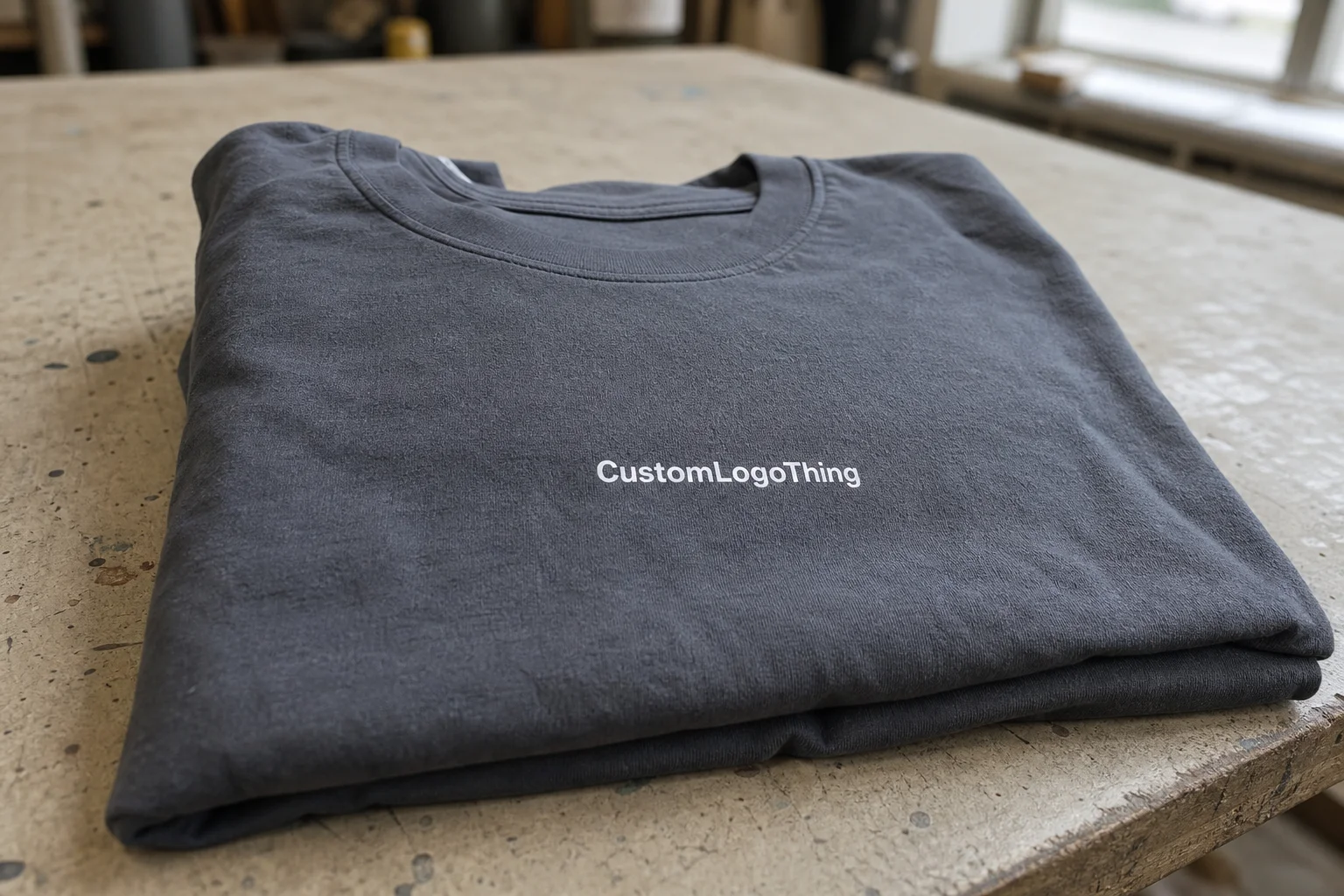
A hang tag gets the first glance. The label gets the repeated contact. People read it while checking the size, looking for care instructions, or simply feeling the garment during wear. That makes the label part of the buying experience and part of the post-purchase experience, which is where clothing brands either build trust or lose it.
The strongest labels do three jobs at once. They identify the brand, they carry practical information, and they support the perceived value of the item. On a premium tee, a clean woven neck label can make the garment feel more finished. On children’s wear, a soft printed label matters because comfort and irritation are not abstract concerns. On activewear, stretch and moisture handling usually matter more than decorative detail. The spec should follow the product, not the mood board.
One mistake shows up constantly: a brand chooses a label based on appearance alone, then wonders why customers cut it out or why the garment feels cheaper than expected. The truth is simple. A label has to work in motion, after washing, after folding, and sometimes after resale. That is especially true for clothing that sits in the middle of the market, where price point and finish have to feel aligned. Good package branding and good apparel branding share the same principle: the details have to hold up to handling.
Practical rule: if the label touches skin, start with comfort. If it is visible externally, start with durability and color stability. The logo comes after that.
Brands selling through retail packaging, boutique wholesale, or direct-to-consumer channels all face the same question: does the label match the garment and the price? A plain jersey tee does not need the same label construction as a structured jacket or a premium hoodie. The label should feel like part of the product, not an afterthought stitched on at the last minute.
How Custom Product Labels Are Built for Garments
Most custom product Labels for Clothing follow a simple production chain: artwork, spec review, proof, manufacturing, finishing, and application. The sequence sounds straightforward. The details are not. A label is engineered for a specific textile, not just printed on paper and sent out.
In practice, the artwork usually gets converted into a production file that accounts for size, stitch margins, color count, and the final fold or cut. From there, the supplier sends a proof showing dimensions, thread colors or print colors, placement, and finish details. Once that proof is approved, the label moves into production as a roll, a strip, or pre-cut pieces depending on the construction. If the label will be sewn into a garment, the finishing spec matters just as much as the graphic itself.
Common label formats include:
- Woven labels for durability and a more premium tactile feel.
- Printed satin or taffeta labels for a softer hand feel and sharper small text.
- Heat transfer labels for a low-profile finish with no sewn edge.
- Printed neck labels for lightweight garments where comfort matters more than structure.
- Exterior branding patches for a visible brand mark on jackets, bags, or heavier apparel.
Placement changes the spec too. A neck label needs comfort and low abrasion. A side seam label can be slightly more visible but still needs to feel clean. Waistband labels, cuff labels, and exterior patches all create different requirements for thickness, edge finish, and stitch tolerance. A label on a heavyweight fleece is not the same as a label on silk or stretch jersey. That is why a good supplier asks about garment type before recommending construction.
For brands building out a broader range of product packaging, the label should also fit the visual system. If your hang tags, tissue, and cartons are already tightly controlled, the label should echo that discipline. It does not need to match everything exactly, but it should feel like it belongs in the same family as the rest of the packaging design. If you are comparing options across a larger launch, it can help to review Custom Labels & Tags alongside your broader Custom Packaging Products so the full presentation stays consistent.
For buyers who want a wider view of packaging basics, the Packaging School has useful material on packaging fundamentals, and the FSC site is worth checking if your hang tags or insert cards use certified paper stock.
Material, Fold, and Attachment Choices That Matter
Material and finishing style affect real-world performance more than the logo artwork does. A beautiful design on the wrong substrate still fails. A simple design on the right material can last for years.
Woven labels are the familiar choice for apparel branding because they hold detail well and tend to wear better over time. Damask is a denser woven option that can capture fine lines and small text more cleanly than a basic weave. Printed satin is soft and popular for neck labels, lingerie, and other items where skin feel matters. Taffeta is lighter and often used for care or size information. Cotton twill gives a more natural look, though it is usually less crisp than woven synthetics. Nylon can be useful where abrasion resistance is important.
Heat transfer labels are a different category entirely. They are applied directly to the garment, which means no folded edge and no sewn tab rubbing against the skin. That makes them a strong option for athletic wear, children’s clothing, and fitted basics. The tradeoff is that the print and application process need to be controlled carefully, because poor adhesion or incorrect heat settings can shorten the life of the label. In testing, the failure usually shows up first at the edges, not in the center.
Fold style matters more than most first-time buyers expect. An end fold helps hide raw edges and gives a cleaner sewn-in finish. A center fold works well for neck labels and hanging applications. A loop fold creates a small sewn loop, often used on garments where the label needs to sit neatly in a seam. A straight cut gives flexibility but can be rougher unless the edges are sealed or otherwise finished. Each fold changes how the label sits, how it feels, and how visible the branding becomes after application.
Attachment also affects the final result. Sew-in labels are the most common because they are durable and predictable. Heat press labels are faster in some production lines and can reduce bulk. Adhesive-backed labels are less common in apparel itself, but may appear in temporary identification systems or internal production control. Integrated print is useful when the garment’s surface can carry the branding cleanly. There is no universal best method. Wash frequency, skin sensitivity, garment stretch, and drape matter more than preference alone.
Here is a practical comparison:
| Label Type | Typical Feel | Durability | Best Use | Typical Unit Range at 5,000 pcs |
|---|---|---|---|---|
| Woven damask | Textured, premium | High | Jackets, hoodies, premium basics | $0.08-$0.18 |
| Printed satin | Soft, smooth | Medium to high | Neck labels, lingerie, lighter apparel | $0.05-$0.14 |
| Printed taffeta | Lightweight, practical | Medium | Care labels, size labels, volume programs | $0.04-$0.12 |
| Heat transfer | Very low profile | Medium to high | Sportswear, kidswear, close-to-skin garments | $0.09-$0.25 |
| Cotton twill | Natural, soft | Medium | Heritage brands, casualwear | $0.10-$0.28 |
That range is only a starting point. Small orders can run noticeably higher per piece, especially if you need specialty inks, metallic thread, or a nonstandard fold. A two-color woven label in a simple size often prices far better than a four-color version with custom cut edges. The right choice is usually the one that matches wear conditions, not the one that looks nicest on a mockup.
Cost, MOQ, and What Drives Your Quote
Label pricing is shaped by the same factors that drive many packaging purchases: material, setup, quantity, finishing, and how much variation is built into the order. A label with two thread colors and a simple end fold is not comparable to a label with multiple colors, a woven reverse side, and custom cutting.
MOQ, or minimum order quantity, matters because setup work has to be spread across the run. That means smaller quantities usually carry a higher unit price. A 500-piece order might make sense for a new launch or a limited capsule, but a 5,000-piece order will usually price much better per unit. For many brands, the real question is not “What is the cheapest quote?” but “What quantity gives me enough margin and enough inventory without tying up cash?”
These are the main quote drivers:
- Material type and weight.
- Label size and final cut dimensions.
- Color count and special thread or ink effects.
- Fold style and edge finishing.
- Application method and whether the label is sewn, heat pressed, or integrated.
- Packaging format for delivery, such as rolls, strips, or individually cut pieces.
Quotes can also shift if the artwork uses tiny lettering, micro symbols, or back-print care content that has to remain readable after production. Metallic thread, glow effects, and custom die-cut shapes add cost because they slow the process or require special handling. None of those features are automatically bad. The issue is whether they actually improve the garment.
From a buyer’s perspective, the cheapest label is not always the best value. If it frays, scratches, or fails after a few wash cycles, the replacement cost and brand damage can outweigh the savings. That is true for retail packaging too: a lower-cost item that undermines the unboxing or wear experience often costs more in the long run.
For a rough planning range, simple repeat orders may land in a narrower price band once the spec is locked, while first runs with custom artwork and a new production file need more room in the budget. If you are quoting labels alongside hang tags, stickers, or insert cards, it helps to price the whole branded packaging package together so the team can see where premium finishes matter and where they do not.
Production Steps and Turnaround: From Proof to Delivery
The production path for Custom Product Labels is usually predictable, but delays tend to happen in the same places every time. If you know those weak points up front, you can save days or even weeks.
The first step is artwork submission. The cleaner the file, the faster the proof. Vector artwork is best because it holds scale and keeps line edges sharp. If you send a raster image or a low-resolution logo, the supplier may need to redraw it or ask for a better file. After that comes the proof, where you should check dimensions, colors, fold style, spelling, and any care or fiber content copy that needs to appear on the label.
Once the proof is approved, the job moves into production. That may mean weaving, printing, cutting, heat transfer output, or a combination depending on the spec. Finishing comes next: folding, trimming, stacking, or rolling. A good supplier will inspect the run before shipping, but that does not remove the need for your own review when the sample or first production batch arrives.
Typical turnaround depends on quantity and complexity. A simple repeat run can move in about 7 to 10 business days after proof approval if the schedule is clear and the spec is unchanged. First runs with new artwork often take 12 to 15 business days, and specialty builds or larger quantities can take longer. Shipping method matters too. Air freight shortens delivery time, while ocean or ground shipping extends the calendar but may lower logistics cost.
The fastest orders usually come from buyers who already know four things: the garment type, the label size, the placement, and the quantity. If those details are still open, the project tends to stall because every decision affects the final proof. That same discipline keeps custom printed boxes and other product packaging moving through production without rework.
Simple timeline example: if your art is ready on Monday, proof approval happens on Tuesday, and production starts on Wednesday, a straightforward order may be ready for shipment before the end of the following week. If the artwork needs revisions, the timeline stretches immediately. Small changes have a habit of becoming large delays.
Common Mistakes That Make Labels Wear Out or Look Cheap
The most expensive label is not always the one with the highest unit price. Sometimes it is the one that fails early, irritates the wearer, or makes a garment feel unfinished. A few avoidable mistakes account for a lot of those problems.
First, do not choose a material that fights the garment. A stiff woven label on a lightweight tee can feel harsh. A delicate printed label on a garment that gets washed hard every week may fade too quickly. A shiny finish on rugged workwear can look out of place. The fit between label and garment matters as much as the logo itself.
Second, avoid tiny type and low contrast. Labels are small real estate. If the text is too fine, the weave can swallow it or the print can blur it. Black on deep navy, or pale gray on white, may look elegant in a mockup but disappear in production. Clear size marks, care instructions, and fiber content should be readable without effort. If a customer has to squint, the spec is wrong.
Third, do not stack every premium finish just because it sounds impressive. Metallic thread, heavy texture, special backing, and a complex fold can drive cost up without adding much value. I have seen brands spend extra on a label that looked busy and still failed to communicate the actual brand story. A clean, well-proportioned label usually does more for perceived quality than a crowded one.
There is also a comfort issue that gets overlooked. If a label scratches at the neck, curls at the edge, or creates a stiff bump inside a fitted garment, customers notice fast. They may not tell you directly, but they will cut it out, cover it, or associate that discomfort with the brand. That is why simple specs often win where skin contact is involved.
Factory-floor advice: keep the spec simple where the body feels the label most, and use premium detail where people actually see it. Save decoration for visible branding moments and use durability where the label has to survive.
What to Confirm Before You Request Samples or Start
Before you ask for samples or place an order, lock down the practical details. That prevents back-and-forth and helps the supplier recommend the right construction instead of guessing.
- Garment type and fabric weight.
- Label placement: neck, side seam, waistband, cuff, or exterior.
- Finished dimensions and any fold requirement.
- Material choice and whether skin feel is a priority.
- Quantity for the full run plus a small buffer.
- Timeline for proof approval, production, and delivery.
- Shipment destination and whether you need split shipping.
- Artwork files and any care-copy or regulatory text.
If the label will be washed often, seen by buyers, or felt every time the garment is worn, ask for a sample or proof before production. That is especially true for premium clothing, children’s wear, and any item where the label sits directly against skin. A visual mockup can hide problems that become obvious in hand.
It also helps to think beyond the label alone. If the brand is building a coordinated launch, make sure the label, hang tag, carton, and insert card all support the same package branding language. The label should not feel disconnected from the rest of the product packaging. That alignment is what makes the customer experience feel deliberate rather than assembled piece by piece.
For brands still refining the spec, the smartest move is often to compare a few materials, request one proof, and test the label against the actual garment fabric before placing the full order. That is a better decision path than choosing from a screen and hoping the result works in real life. Custom Product Labels only do their job when they match the use case, the garment, and the brand standards all at once.
Frequently Asked Questions
What is the difference between custom product labels and hang tags for clothing?
Custom product labels stay with the garment through wear and washing, while hang tags are temporary and usually removed before use. Labels typically carry size, care, origin, and brand identity details that still matter after the sale.
Which material works best for custom product labels on washable clothing?
Woven labels are often the strongest choice for long-lasting branding, while printed and heat-transfer options can work well when comfort and a low profile matter. The best material depends on wash frequency, fabric type, and whether the label touches skin.
How do I choose the right MOQ for custom product labels?
Order enough for the full production run plus a small buffer for reorders, sample corrections, or replacement units. Smaller quantities reduce inventory risk, but unit cost usually rises because setup work is spread across fewer pieces.
How long does it usually take to produce custom product labels?
Simple repeat orders can move quickly after proof approval, but new artwork, specialty finishes, and larger quantities add time. The fastest orders come from buyers who finalize size, material, fold, and quantity before requesting production.
What should I send when asking for a quote on custom product labels?
Send artwork, label dimensions, preferred material, fold style, quantity, garment type, and your target ship date. If you have one, include a sample image or mockup so the supplier can match placement and finish more accurately.


