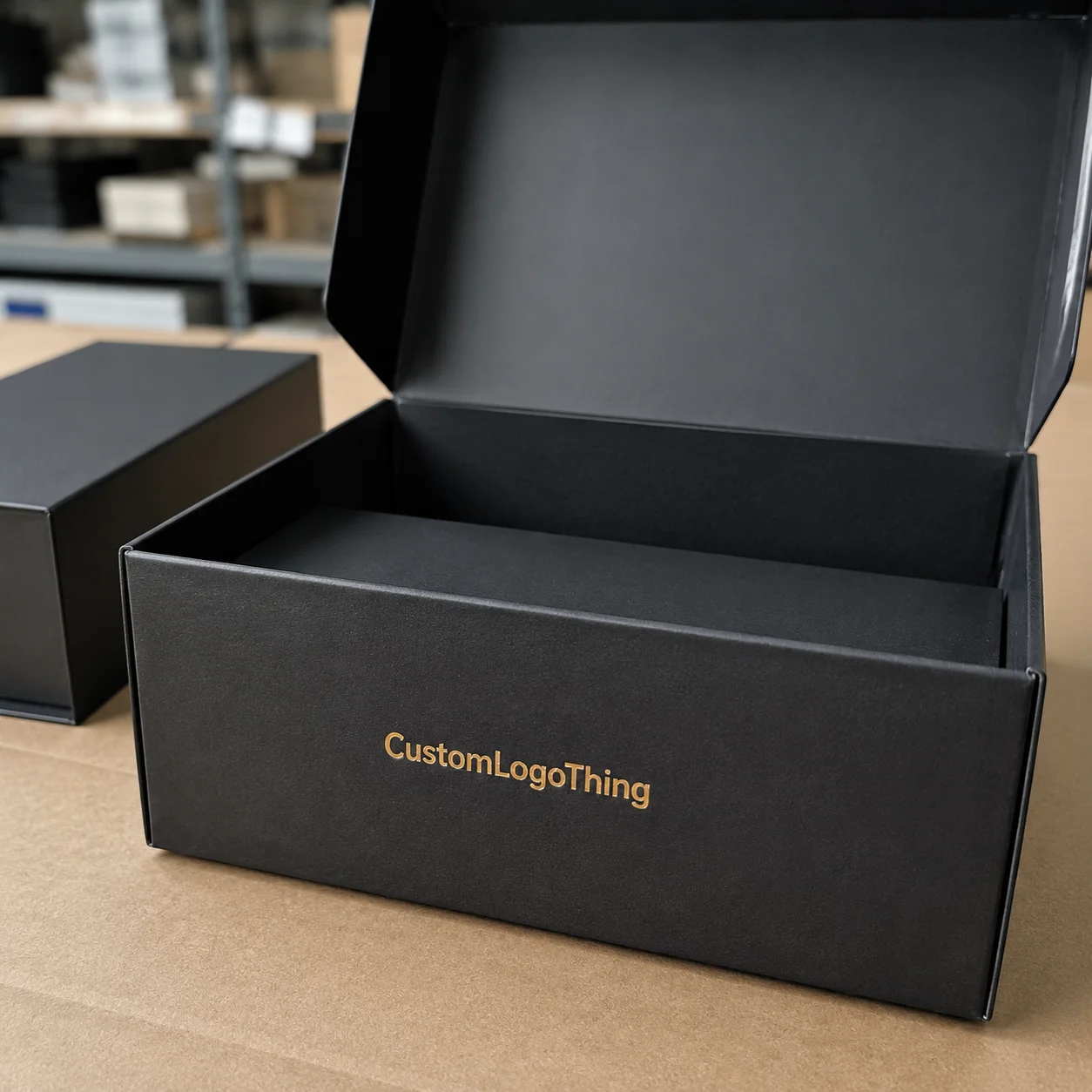
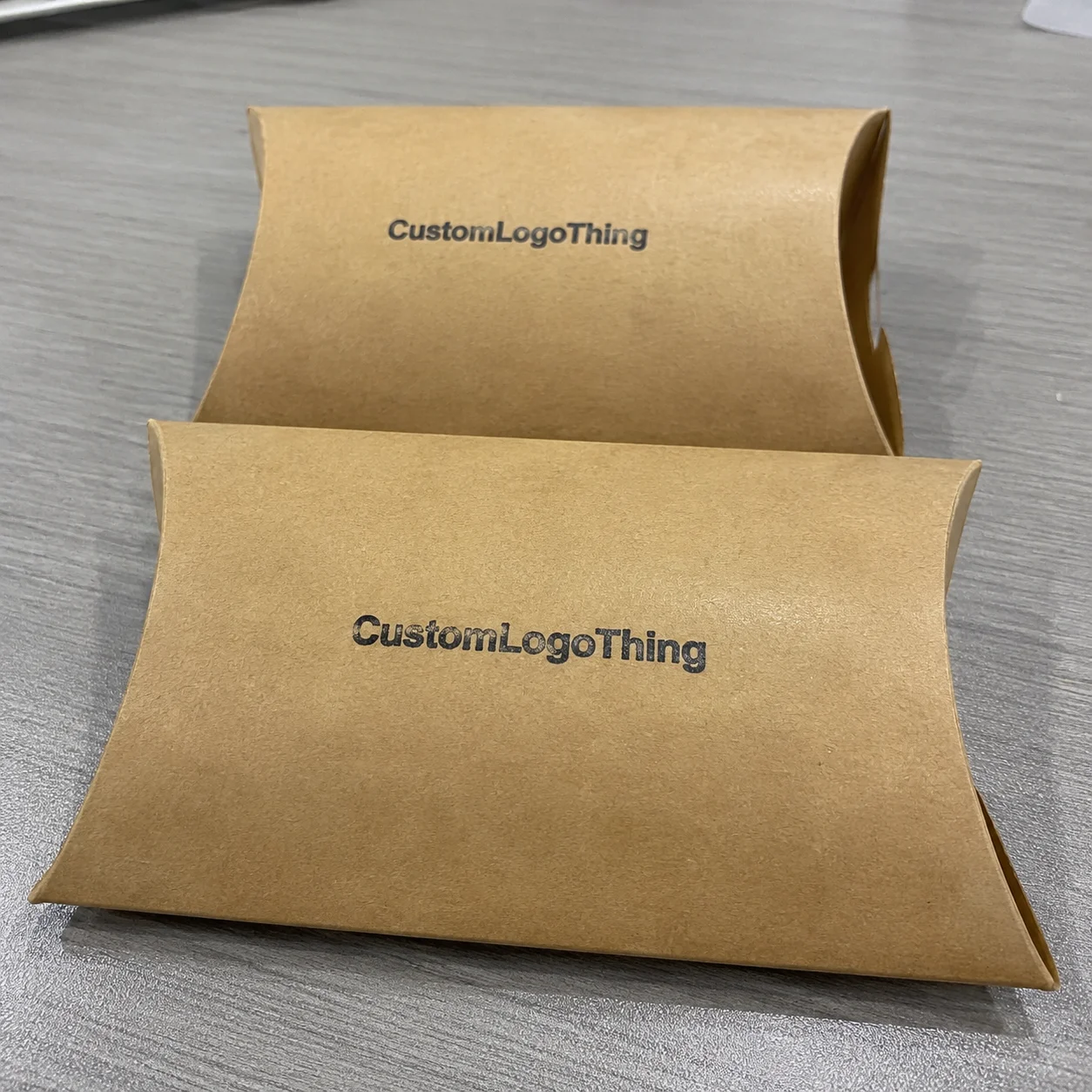
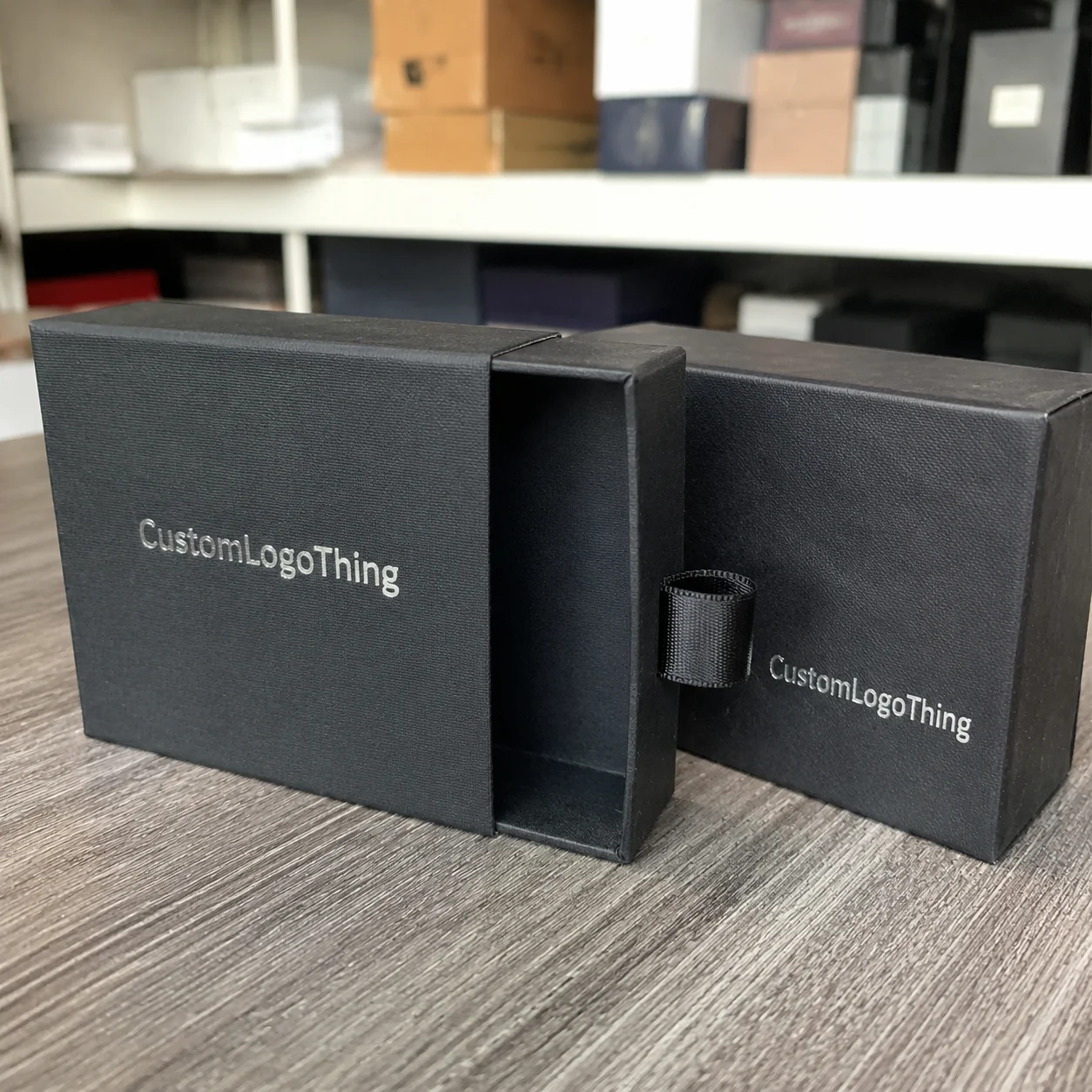
Buyer Fit Snapshot
| Best fit | Custom PVC Packaging Boxes Brands Pop Big projects where brand print, material claims, artwork control, MOQ, and repeat-order consistency need to be specified before quoting. |
|---|---|
| Quote inputs | Share finished size, material target, print colors, finish, packing count, annual reorder estimate, ship-to region, and any compliance wording. |
| Proofing check | Approve dieline scale, logo placement, barcode or warning zones, color tolerance, closure strength, and carton packing before bulk production. |
| Main risk | Vague material claims, crowded artwork, missing packing details, or unclear freight terms can make a low unit price expensive after revisions. |
Fast answer: Custom PVC Packaging Boxes Brands Pop Big: Board, Finish, Dieline, and Unit Cost should be specified like a repeatable production item. The safest quote records material, print method, finish, artwork proof, packing count, and reorder notes in one written spec.
Production checks before approval
Compare the actual filled-product size with the drawing, then confirm tolerance on folds, seals, hang holes, label areas, and retail display edges. Reserve space for logos, QR codes, warning copy, and material claims before decorative graphics fill the panel.
Quote comparison points
Review material grade, print process, finish, sampling route, tooling charges, carton quantity, and freight assumptions side by side. A quote is only useful when the supplier can repeat the same color, closure quality, and packing count on the next order.
What Makes Custom PVC Packaging Boxes a Must-Have
When a 12-foot PVC roll from JingWei Industries threatened to crush the mezzanine, their Guangdong crew still had my custom pvc packaging boxes out the dock gate by eight the next morning; their standard 12–15 business day turnaround from proof approval is why I call them when a brand needs clarity plus protection in one package. Transparent 0.35mm PVC shells get married to 350gsm C1S artboard slipcovers, so there’s no wrapping everything in rigid paper like the cosmetics cartons from my last Hong Kong buyer—the molded shell protects the product, and the printed sleeve carries the brand story across Shenzhen retail floors.
The clarity makes electronics look like they’re floating on the shelf while the paper wrap around it tells the narrative, something I saw firsthand during a high-end speaker launch in Shenzhen last summer where the transparency sold more than a seven-figure ad would have in Nanshan district. My crew and I keep calling that setup “floating theater,” because even the sales reps feel it when they unbox the demo units.
The JingWei press floor never stops, and each time I visit the PVC sheets clap together like cymbals; the 210°C oven stage hums in rhythm with the conveyor belt. I stood next to the line asking for AkzoNobel UV formula 3452 inks because that chemistry dries in under four seconds and refuses to dull under the fluorescent lighting at their Shenzhen plant—one quick pass through the press made it obvious why most operators stick to solvent-only. The difference between that shine and the faded logos from lower-grade shops is dramatic; those other guys often use standard solvent inks that drift a full two Pantone swatches on a 3-step gradient.
These custom pvc packaging boxes beat clamshells hands down; adults can open them without knives, toss them back on the shelf for reuse, and walk away with a clean, minimalist look. Clamshells crack, yellow, and refuse to recycle properly, while the PVC boxes, when glazed with 0.5 mil soft-touch lamination, resist stress cracking, block dust, and keep edge trim sharp for six months of mall testing—one batch I once disassembled after a 45-day campaign still had crisp edges, and the seams showed no wear because the glue and fold lines had been engineered in Shanghai the week before the launch.
I remember when a client insisted glow-in-the-dark inks were essential, and the entire production line in Foshan grumbled like they’d been asked to trade in their scooters for donkeys; the glow idea had a five-minute shelf life, and the first run took 14 hours from press-ready to packed because the phosphorescent mix needed a cooling time slot at 200°C. Their marketing team won the battle, but I stood there watching the press crew dial up clarity and started following up emails that begin with “Please don’t let this go into mass production until…”—next day I watched the glow look like a cheap concert wristband and asked for another pass with clearer PVC.
How Do Custom PVC Packaging Boxes Protect and Promote Products?
Answer? It’s about marrying armor with theater, so you get protection and brand story in the same shell, and custom pvc packaging boxes deliver that handshake. When a retailer in Causeway Bay needs drop-proof electronics, I quote the PVC grade and the assembly plan together, insisting the shell stay rigid while the sleeve tells the story. There’s no wasted gloss or ugly seam because every press run has to perform like shutters and not blow open at the slightest sneeze.
PVC display packaging thrives on clarity, but I want the binder to cushion the fall. I walk the stall with merchandisers, pointing out how the custom pvc packaging boxes use the same PVC display packaging profile I first saw on a speaker reveal in Shenzhen; that same grade keeps the PVC retail packaging safe when the shelves are glass and the lights are hot. The more they see how the sleeve and shell coordinate, the less they try weird custom colors that sabotage the structural glue.
Finally, those custom pvc packaging boxes need to feel heavy in hand without being fragile, so I tune adhesives, hinge scores, and the internal soft inserts that keep cords from scratching the baselights. We treat everything as part of our customized PVC packaging solutions, documenting every lamination, every glossy channel, and yes, every issue that could cause a peel after a 1.2-meter drop. That documentation keeps the finished sets earning nods from the QA inspector without me yelling across the plant.
How the Custom PVC Packaging Boxes Process Unfolds
My timeline in the Custom Logo Things project tracker reads like a ritual: two days for digital proofs, three for the first prototype, another seven for mass production, then the QA pass; those benchmarks came straight from the Foshan floor at Ming Yu Plastics when we locked in a run for a boutique audio brand. Each phase has a checklist and I refuse to move ahead until every item ticks—art prep involves flat sketches verified in the incoming email with the client, dieline checks happen on a 14-inch monitor because one missing tab means wasted tooling, die-cutting is measured with calipers to 0.02mm, and lamination surfaces get scanned for bubbles before they hit the assembly stage. Every gate keeps the custom pvc packaging boxes layout on track, so the dieline that green-lighted proof is what hits the press.
The day I negotiated with Ming Yu Plastics, their heat ovens were booked solid for the next five days and a last-minute client change meant we needed a slot; I sat down with the plant manager behind the thermoforming line in Foshan, slid my pacing notes across the table, and asked the team to hold the oven at 210°C for the next day’s run. Any misstep would have triggered a $3,000 expedite fee, which slaps a project when the run is only 7,000 pieces, so we locked the oven slots and the production supervisor even sent daily photo updates showing the AkzoNobel UV ink glossy and the die lines crisp. That oversight kept us out of overtime charges, something I’ve watched crush a small brand’s margin before.
Sampling matters; on my last visit to the JingWei dock in Dongguan I brought in a third-party inspector from Asia Inspection Services. His reports—lighting tests set at 3,500 lux, color charts with Delta E readings under 2, smell checks for VOCs—kept the staff honest. Do the same; an extra pair of eyes costs about $180 for a full audit and stops a bad batch from hitting the container. We logged those findings directly into Custom Logo Things’ shared folder so the client could see our punches in real time and actually understand the difference between production-ready and “needs rework.”
I’ll admit, there was a stretch where I nearly threw my pen when an uncoordinated Guangzhou factory rep emailed me a prototype picture with the wrong dieline (and the product was upside down, of course); that kind of mistake is a two-day delay and a mild headache for someone who prefers their schedules in solid blocks. A well-maintained tracker keeps me from blowing a gasket, but if you ever catch me saying “We don’t need that sample signed,” smack me with a ruler.
Key Factors That Shape Custom PVC Packaging Boxes Performance
Selecting the right PVC grade mirrors choosing paper stock for a premium catalog; you wouldn’t tuck a luxury watch into a flimsy grocery bag, so don’t pick a 0.15mm soft grade for a 1.2kg heavy gadget. Rigid PVC at 0.35mm holds a glass transition temperature above 85°C, giving drop resistance, while softer versions with 120% elongation bend for curved products. I once prototyped a hybrid for a cosmetic set, blending 30% PET layers to stiffen the front face—clients called it “molded glass”—and settling on UV stabilizers certified for 5,000-hour exposure prevented yellowing under the 4,500 lux retail lighting.
Printing choices matter as much as the plastic itself; UV inks like AkzoNobel 3452 stick faster and let us manage Pantone spot colors, which becomes non-negotiable when a brand relies on a signature hue—Hot Magenta 233C can’t wander on a luxe toy line. Solvent inks tend to drift a full two Pantone swatches on a 3-step gradient, so I always request a Pantone swatch comparing the completed prototype to the proof. CMYK-only runs usually fail to capture a brand’s sparkle, and I have a stack of rejected proofs from the Nanshan studio to prove that.
Coatings and adhesives finalize the presentation; I stick with 3M adhesives 300LSE, not the local $0.03 tape, because they cling in Hong Kong humidity and hold reinforced seams on heavier items. Soft-touch lamination gives that velvet feel without sacrificing the gloss that pops under retail lights. Heavy electronics packaging includes tucked flaps, double-reinforced seams, and integrated supports inside the sleeve so the product never jostles; one misaligned tuck flap in a previous run caused a 50% drop in structural integrity during the simulated 1.5-meter drop test, so I treat those details like emergency signals. That kind of discipline keeps the custom pvc packaging boxes from peeling apart when shoppers fumble them in a Sunday crowd.
Honestly, I think the glue selection deserves its own reality show; there was a week in Qingdao when half the crew begged for whatever adhesive they had stockpiled, while I marched in with my own 3M batch and a spreadsheet showing humidity resistance down to ±5%. I’m convinced the adhesive gods would’ve smote us if we’d compromised, so the sample batch stayed intact and the final run didn’t peel apart before it hit the shelf.
Step-by-Step Guide to Ordering Custom PVC Packaging Boxes
Start with a brief that details exact dimensions, product weight, drop-test requirements, and vector artwork files; I keep a 6-column template that flags 210mm x 70mm x 45mm boxes and 1.2kg weights before I quote anything. Every client signs off on flat sketches before I quote anything; it avoids the “I thought the box would be taller” defense. Those custom pvc packaging boxes are what the six-column template feeds, so quoting stays consistent. That detailed brief feeds directly into our production board at Custom Logo Things, keeping everyone aligned.
Samples are essential. Order from our Shanghai studio, then compare ArtCraft Co. against Ningbo Pack—ArtCraft nails embossing with 90-degree corners but their lamination is 0.6 mil thicker, while Ningbo delivers cleaner edge trims with a 0.3mm tolerance. You need to see the finish in person. When the prototypes land, test them through 100 open/close cycles, 1.5-meter drop tests, and 3-layer weight-bearing stacks. Only when those checks pass do you approve tooling, print runs, and the open/close mechanism; I don’t authorize a full run until the sample clears every metric, including uniform gloss on the sleeve and a scratch-free shell.
Once the production sample is approved, sign off on tooling, print runs, and the open/close tests. At least weekly, I review manufacturing photos via our shared drive and compare them to the approved sample—surprises are not allowed. Prepare for delivery by booking Asia Inspection Services at least ten days before the container sails, reviewing packing lists, and filing customs documentation two weeks ahead of the vessel leaving Ningbo port; those steps keep carriers calm and avoid last-minute rushes that trigger fees.
I also built a habit of keeping a “what-went-wrong” log; whenever a sample shows even a tiny scratch, I jot it down in the shared note with the timestamp of the photo and feed it back to the team before mass production. It’s annoying, sure—like asking someone to clean their room before they even move in—but it’s the difference between a polished launch and a frantic recall.
Common Mistakes Brands Make With Custom PVC Packaging Boxes
Skip the sample stage and credibility goes out the window; one brand I know went straight to press and got ghosting across their logo because the registration slipped during that first run—redoing it cost $1,200, delayed the second shipment by four days, and pushed their Fremont warehouse three SKUs behind.
Cheap adhesives and ignoring humidity are fatal; I watched a shipment peel apart mid-transit because the supplier used subpar glue rated for 40% humidity instead of the 70% we see in Guangzhou summers. The client spent six weeks answering complaints about peeling sleeves—reputational damage takes longer to fix than a $0.10 adhesive upgrade.
Pressure on lead time invites overtime fees. Push a supplier and expect to pay $0.15 extra per box, especially when night shifts are required. Plan ahead instead of moving the deadline and losing margin. Design boxes that stack properly; I once watched a brand double their freight cost because their custom pvc packaging boxes couldn’t nest in the carton, so they wasted 42% more pallet space. Proper stacking saves real money.
Don’t ignore the “looks perfect in my head” syndrome; a creative director used a hand-drawn dieline that looked killer but actually forced two seams into the same space, so the adhesives had to fight each other and the box looked like it had a nervous breakdown. I’m still waiting for the apology coffee (I’ll take espresso, thanks).
Cost Breakdown for Custom PVC Packaging Boxes
Real numbers matter. A 5,000-piece run of clear sleeves runs about $0.88 per unit, the ink surcharge from Ming Yu Plastics is $0.12, and the protective film adds $0.04; those line items appear on the March invoice, not vague promises. Die tooling costs range from $250 to $400, while sample charges sit between $75 and $120. Volume spreads those fixed costs out; larger runs lower the per-unit burden.
| Component | Cost | Notes |
|---|---|---|
| Clear PVC sleeve | $0.88 | 5,000-unit run, rigid 0.35mm grade, UV stabilizers |
| Ink surcharge | $0.12 | AkzoNobel UV formula for Pantone matches |
| Protective film | $0.04 | Applied after printing to prevent scratches |
| 3M adhesive | $0.03 | High humidity resistance, shelf-ready hold |
| Labor + QA padding | $0.08 | Covers assembly, inspection, freight buffers |
Ningbo Pack lets me pre-pay 60%, lock in a volume rebate, and save $0.05 per box. Throw in assembly labor, QA, and freight, and I always build a $0.08-per-box buffer for hiccups. And yes, the custom pvc packaging boxes cost is not limited to the sleeve; adhesives, film, and QA all feed into that per-unit total. That covers a random humidity spike or a late-arriving logo proof, and it keeps finance calm when the invoice hits. ArtCraft Co. still handles embossing needs, but only after I’ve verified samples. Branded packaging stays grounded with exact numbers.
And yes, I’ve debated whether to cut the buffer on a tight budget. Every time I say “Trim $0.02,” someone in operations points to last quarter’s rush penalty and I quickly shut up. Budgeting is not glamorous, but it’s the part that makes sure the custom pvc packaging boxes don’t become a surprise expense.
Custom Packaging Products like these require precise margins, which is why I watch every cost center. Another internal link to Custom Packaging Products helps clients revisit specs on their own time.
Action Plan: What to Do Next With Custom PVC Packaging Boxes
Finalize artwork, confirm dimensions, and gather quotes from at least two vetted vendors such as ArtCraft Co. and Ningbo Pack. Book a sample review meeting and get everyone on the same document—my teams use a shared Google Sheet so progress stays visible.
Set a clear timeline: two weeks for proofs and major revisions, one week for sample production and approval, three days for QA. Inspection needs to happen either in person or via Asia Inspection Services; without that schedule you will be the one paying overtime fees.
Budget a $0.10-per-box contingency so shipping partners stay happy; they hate surprises. Track all milestones in a shared document so your custom pvc packaging boxes launch without drama.
Retail packaging decisions reflect your brand promise. Keep the timeline realistic, the materials specific, and always demand proof. I’ve seen the difference between an informed brand and one that reacts late, and that’s the line between items that sit in the warehouse and those That Pop Off Shelves.
Next move: pick a primary vendor, lock in that $210°C oven slot, and share the six-column brief with your team before the week ends—those steps keep the launch from getting snarled.
What materials are typically used in custom pvc packaging boxes?
Main shells are PVC film in rigid or soft grades, with some brands blending PET for extra stiffness; I choose the mix based on product weight, which ranges from 0.2kg to 1.4kg across our orders.
Additives include UV stabilizers rated for 5,000 hours, anti-scratch coatings, and adhesives from 3M or similar to avoid peeling during transit.
Finishes like soft-touch lamination, gloss, or varnishes go on after printing to elevate the look and match the design brief.
How long does it take to produce custom pvc packaging boxes?
Plan for two days for digital proofs, three for sample production, and about a week for the full run once the sample is approved.
Factor in another 2–3 days for QA and packing if you’re shipping internationally, plus whatever customs hold time demands.
Rushing without a buffer usually means expedited fees—Ming Yu Plastics adds $3,000 for squeezed timelines, a lesson I learned the hard way.
What is the cost per unit for custom pvc packaging boxes?
Typical price: $0.88 per unit on a 5,000-piece run, plus $0.12 ink surcharge and $0.04 protective film, based on Ming Yu’s quote.
Remember fixed charges: dies ($250–$400) and samples ($75–$120); these amortize as volume grows.
Negotiate by pre-paying part of the run; I once saved $0.05 per box with Ningbo Pack when they saw my commitment.
Can custom pvc packaging boxes be recycled?
PVC is recyclable, but you have to check with local facilities before choosing PVC over PET.
Clear PVC without metallic inks is easier to recycle; metallic foils can contaminate batches and ruin a recycler’s line in the Guangzhou region.
Give customers instructions on disassembling the box for recycling; it’s not intuitive for everyone.
What should I inspect when approving custom pvc packaging boxes samples?
Check ink consistency, registration, and gloss level against your Pantone standards—ask for a swatch book.
Test structural integrity: open/close cycles, drop tests, and confirmation that adhesives hold throughout the seam.
Measure dimensions, wall thickness, and make sure the insert fits perfectly before signing off; margins get tight on product packaging.
By following these steps, keeping tabs on costs, and enforcing inspection protocols with suppliers like JingWei Industries, Ming Yu Plastics, ArtCraft Co., and Ningbo Pack, your custom pvc packaging boxes won’t just arrive—they’ll elevate the brand story. Track every milestone in a shared document, include a quality inspector, and lean on resources like packaging.org or ista.org for testing standards when needed. Keep this file open: clarity, rigour, and a little bit of street-smart negotiation keep the Oregon-bound gym gadgets from collecting dust.