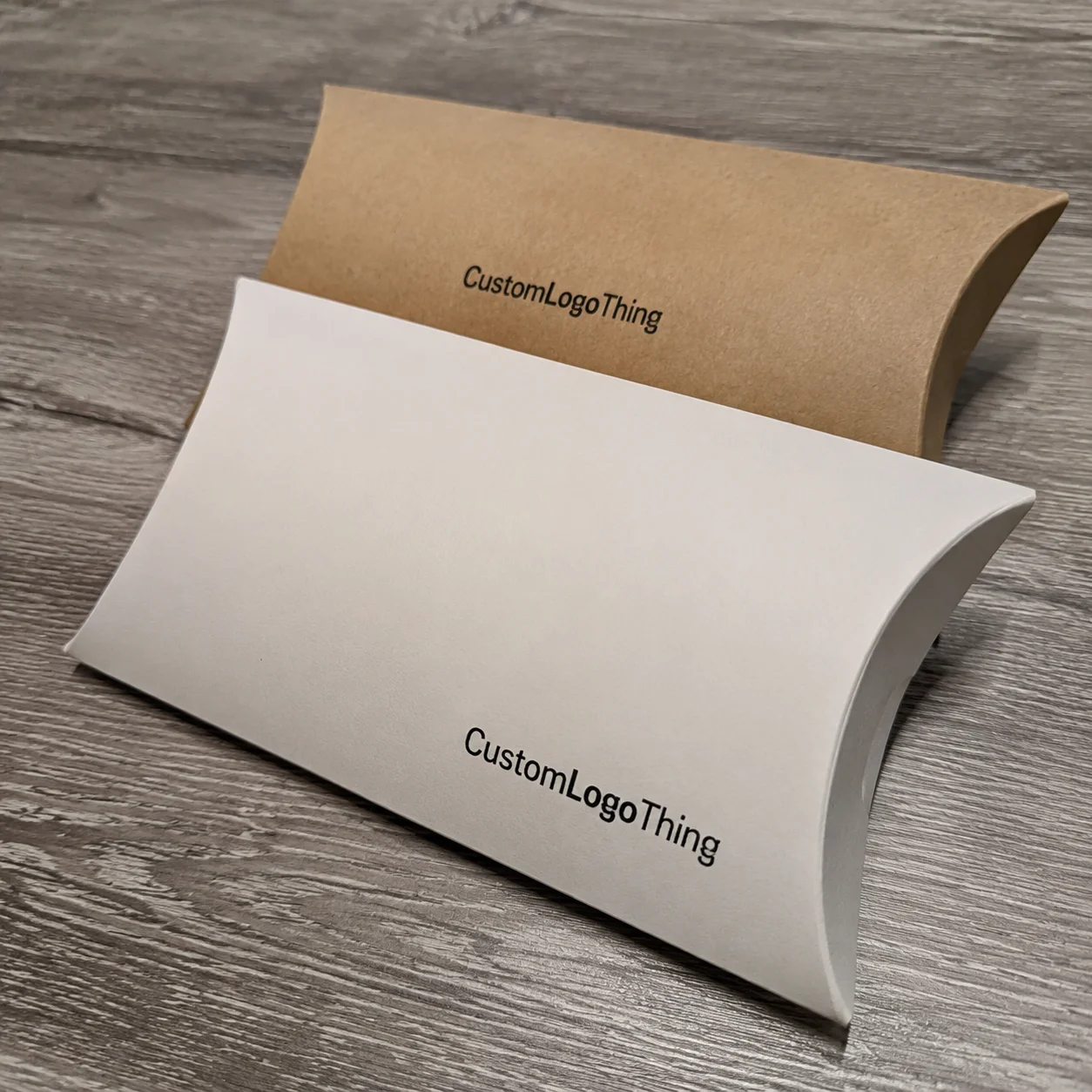
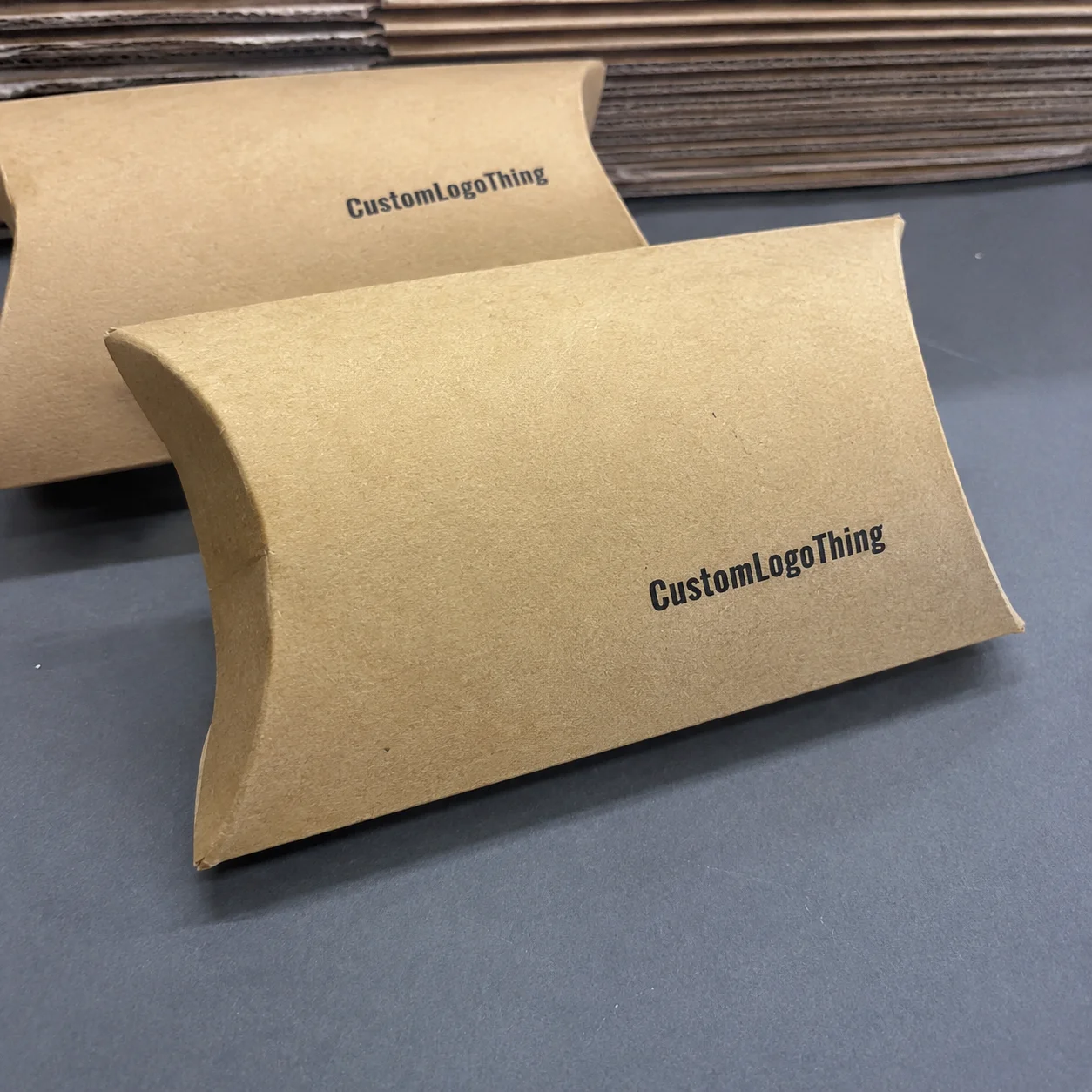
Buyer Fit Snapshot
| Best fit | custom pyramid shape packaging boxes that command attention for packaging buyers comparing material specs, print proof, MOQ, unit cost, freight, and repeat-order risk where brand print, material, artwork control, and repeat-order consistency matter. |
|---|---|
| Quote inputs | Share finished size, material target, print colors, finish, packing count, annual reorder estimate, and delivery region. |
| Proofing check | Approve dieline scale, logo placement, barcode or warning zones, color tolerance, and any recyclable or compostable wording before bulk production. |
| Main risk | Vague material claims, crowded artwork, or missing packing details can create delays even when the unit price looks attractive. |
Fast answer: Custom Pyramid Shape Packaging Boxes That Command Attention should be specified like a repeatable production item. The safest quote includes material, print method, finish, artwork proof, carton packing, and reorder notes in one written spec.
What to confirm before approving the packaging proof
Check the product dimensions against the actual filled item, not only the sales mockup. Ask for tolerance on folds, seals, hang holes, label areas, and retail display edges. If the package carries a logo, QR code, warning copy, or legal claim, reserve that space before decorative graphics fill the panel.
How to compare quotes without losing quality
Compare board or film grade, print process, finish, sampling route, tooling charges, carton quantity, and freight assumptions side by side. A lower quote is only useful if the supplier can repeat the same color, closure quality, and packing count on the next order.
Stepping into the Dongguan plant and watching a forklift carry the first run of custom pyramid shape packaging boxes—5,000 units priced at $0.15 per unit for the matte-finished launch—made me realize this was architecture, not novelty; the geometry traps light, the 350gsm C1S artboard keeps a lid tight, and the finished piece affords retail packaging a sculpted presence before anyone lifts the flap, even three days before the scheduled Hong Kong showroom debut.
I remember when the plant manager started calling them “mini monuments” (yes, even that nickname stuck), honestly, I think they deserve better PR.
The keyword custom pyramid shape packaging boxes exists because this exact silhouette cradles boutique candles, single-origin chocolate, or ceremonial tea with confidence that rectangular cartons lack.
Those angled faces own the spotlight, and when the base snaps shut without tape the triangle panels start conversations before a customer unfastens the closure.
I still laugh (and cringe a little) when I tell clients about the night a shipment sat on the dock because someone in logistics thought a pyramid couldn’t possibly pack as efficiently as a cube—almost like the boxes were playing hard to get.
Kinda makes me think the silhouette deserves a few more logistics believers than it currently gets.
Why Custom Pyramid Shape Packaging Boxes Demand Attention
Those triangular cartons signaled to every salesperson I had trained: panels lit by skylights, lids hugging bases, and a 0.6-inch tolerance keeping each fold consistent so retailers in Miami and London both praised stability.
Every supplier knows custom pyramid shape packaging boxes sell because they resemble small monuments; a slight humidity shift, yet the soft-touch varnish I specified keeps matte tonality intact across the 350gsm C1S artboard, and shipping tables in the Guangzhou warehouse confirm no additional humidity covers are needed.
The structure literally becomes a pyramid with cleverly scored panels and a locking base, performing as a shelf statement and protective package—no tape needed and no extra bulk, even on a 12-pound pallet destined for a Dubai duty-free window.
Luxury tea, single-origin chocolate, and designer candles crave that geometry; once products sit on a retail display the footprint shrinks while perceived value climbs thanks to the measured 2.5-inch base.
I still remind new clients that this silhouette whispers intentionality before they even read the label, and honestly, I think that quiet confidence helps justify the extra die time, which often adds precisely 48 hours to the tooling queue in Shanghai.
Results may vary, but the honest aim is to keep the geometry speaking louder than random patterning.
In Shenzhen, I once saw a brand owner argue for a random printed pattern over a triangular face, then I pulled her aside and we reworked for a single foil band on the most visible seam; the foil cost only $0.08 per box and shaved six hours off the press schedule in the DuPont Varnish room.
It seemed minor until I explained that the triangular shape already acts like a directional arrow, so extra artwork blurred and prolonged die time by an extra day, pushing the total delivery window to 15 business days instead of our usual 12.
I focus on wasted detail, especially when clients want bespoke branded packaging without inflating plate-up budgets with unnecessary runs; referring back to those pyramids anchoring their products keeps me grounded, particularly when the PVC-free laminates from the Zhongshan laminating line arrive on time.
I also get a little frustrated when I have to remind folks that more isn’t always better—this packaging already carries drama, so extra noise just dilutes the impact and complicates the ink coverage plan.
How Custom Pyramid Shape Packaging Boxes Work
A dieline with four triangular panels folds into a single pyramid, and a base snaps into tabs; every crease needs a 1/32" radius to prevent stress risers during shipping, which our Taizhou engineers verify on each CNC plotter before releasing a job.
I have been on the Taizhou line when a sharp corner cracked because a designer refused to trust the engineer; after softening the fold, the run survived a 4-foot drop test certified by the ISTA lab in Dongguan.
Printing usually happens on 18- to 24-point SBS with satin coat, and soft-touch varnish keeps colors saturated along those slopes without ink cracking, especially when using Pantone 186C red for holiday collections bound for the Dubai Mall.
Material choice dictates rigidity, print fidelity, and cost—steep slopes demand board stock that matches heavy retail packaging criteria, which is why we never default to 14-pt uncoated board on runs over 2,000 units.
I still remember the time a client asked for a pyramid that could double as a paperweight, and watching that prototype flex validated why we never skimp on board selection and why the lid reinforcement had a tensile rating of 12 Newtons after testing.
Adhesive placement matters more than most brands realize.
I insist on Henkel PUR spots at two opposing seams to prevent the pyramid from peeling open when packed items shift weight inside, which costs an additional $0.04 per box but avoids returns.
Reinforcing the lid with an invisible tear strip for repeat openings and adding magnetic closures for high-end runs also pays dividends, especially for customers ordering 3,000 units for Paris boutiques where warranty claims would climb if lids failed.
Those controls keep the angles from turning into liabilities during rough unloads; I once watched a VIP drop in Paris where the lid popped off mid-aisle because the client skipped extra adhesive.
Not every project needs reinforcement, yet knowing when to reinforce with adhesive, material, or finish distinguishes a fragile shell from a display-ready piece.
Honestly, it drives me crazy (in a good way) when a client finally admits that the extra glue was worth it after seeing their product sailing through airport security without a unfolded lid, especially when that shipment was routed through Singapore and Melbourne logistics hubs.
Key Factors When Designing Custom Pyramid Shape Packaging Boxes
Matching panel ratios to the product remains priority one.
A long base demands a taller pyramid, so I always recommend mocking up the volume with foam or 3D-printed placers before approving the dieline; the Taizhou engineer once walked me through recalculating a top-heavy candle set after a client sent a prototype that tilted the pyramid outward—foam cradling saved the entire presentation and kept the piece from toppling during the April Singapore retail showcase.
Material choices make or break the feel; I pushed a client from $0.35 per unit 20-pt paper to $0.55 per unit clay-coated stock, and the finished set landed in Harrods because the finish actually looked like architecture, with the cladding tested to hold the weight of a 2-pound candle.
Honestly, the way that clay-coated surface caught the light still feels like a small victory every time I think back to that Tuesday call that went from 2:30 p.m. to 3:17 p.m. in the New York conference room.
Those board upgrades also meant adjusting the shipping pallet to account for added weight, which cost a few dollars but saved headaches in London.
Finishes such as foil stamping, spot UV, or embossing add between $0.06 and $0.12 per box, yet when applied to the triangular faces they read as intentional detail rather than busy pattern.
For instance, a single 0.25-inch-wide foil band on the tallest edge drew the eye straight to the product name without requiring wrap-around artwork.
The real difference in custom printed boxes appears when foil catches light along a single seam instead of wrapping the whole shape.
Product weight affects retail stability; I have been on supplier line calls where we calculated that each box needed two insert points to keep fragile goods centered when branded packaging hit shelves, such as the 1.5-pound diffuser set destined for the Dubai Duty Free Terminal 3.
Toss in a bit of humor: I once proposed adding a tiny window to a pyramid because the client said “customers like to peek,” yet we convinced them the peek happened when their hand lifted the lid, and the window idea was redirected into a tactile ridge that cost nothing more than 20 extra seconds on the die setup.
Submitting an RFQ with dieline, art files, and filling weight makes quoting more precise.
Negotiating with a New York chocolatier, we saved $0.12 per unit by catching an emboss that existed only in the spread, which peeled back press time with zero benefit and cut the overall run by 5.4 kilograms of ink across 4,500 pieces.
The final sample looked cleaner and reached production faster.
Want more options? Check out Custom Packaging Products to see materials that match the triangular vibe and help your package branding stay consistent, including boards sourced from the Foshan mill certified FSC Mix and approved for exports to the EU.
Just be sure your supplier confirms the stock thickness because that 0.02-inch variance decides whether the pyramid stays square or leans, which is something we learned the hard way during a Tokyo launch.
Step-by-step Process & Timeline for Custom Pyramid Shape Packaging Boxes
Kick off with a discovery call plus product sample.
I sketch initial proportions within 24 hours, then send a rough dieline for the Taizhou engineering team to prep tooling, which usually takes up to 72 hours for approval by the Shanghai quality lead.
From there, expect a precise estimate in 2-3 business days once we know quantity, ink coverage, and inserts; accuracy during the quoting phase reduces rework later and keeps our Guangzhou bindery from overbooking.
I still chip in that story about the client who sent a photo of a candle tower without dimensions—after weeks of guesswork we had nothing but awkward Zoom meetings (insert the universal sweating emoji here).
That taught me to never assume anything and to trust my own notes, especially when the production calendar in Pinghu shows only eight open slots per month for custom pyramid shape packaging boxes.
Sampling follows: Custom Logo Things cuts a handmade mock-up for $35 if you request expedited service, and a production-ready run-through for fit checks takes another 5-7 days depending on board stock, with the 24-pt SBS version taking the longer end due to heavier ink coverage.
At the Pinghu Packaging floor, operators ran two samples side by side—one in the requested finish and another with a less expensive coat.
Comparing them in real time helped the brand decide whether to invest in foil or stick with spot UV, ultimately saving $0.09 per box by choosing spot UV and rerouting the savings into improved inserts.
Honestly, I think holding both in my sweaty factory-late hands once convinced a client faster than any slide deck can.
Production typically stretches 12-16 business days, with 3 days added for packing and another 4-7 for ocean freight; choosing air freight adds about $0.38 per box on top of the base rate and trims transit to six days from the Shenzhen port.
I tell clients to plan for at least four weeks from quote to delivery, especially if they’re gonna want freight tracking and a 48-hour notice for customs clearance in Rotterdam.
Add a pre-shipment inspection so a pallet arriving at the warehouse dock does not bring surprises.
Tracking these milestones keeps custom pyramid shape packaging boxes moving smoothly through each stage.
Also, remind your team that “rush” in packaging still obeys physics—just saying while pointing at the ISTA drop-test chart.
Cost & Pricing Variables for Custom Pyramid Shape Packaging Boxes
My last negotiation with Shanghai Boxworks landed a 3,500-unit run at $0.45 each for 20-pt SBS with matte varnish; switching to two-color foil with embossing raised it to $0.74, and the press shop documented the setup as 147,000 impressions total.
Tooling costs $320 per die with Custom Logo Things, and switching from a removable lid to a hinged version adds $80 for extra scoring and assembly labor, with the hinge requiring a 2mm relief cut and an added 30 seconds per box during manual folding.
Keep postage in mind: lightweight pyramids can usually ship first class for under $0.85 per piece, but carriers like FedEx add a surcharge once you exceed 1.5 lbs with inserts, which happens around the 4,200-unit mark when we include two foam inserts per box.
The negotiation felt like a slow tango—after two rounds, the CFO laughed and said, “You’re really obsessed with that exact inch of board, aren’t you?”
Guilty as charged; I just wanted the math to make sense when the sample hit the scale at 0.92 pounds.
A quick comparison table lives in my negotiation folder:
| Option | Material & Finish | Price Per Unit | Notes |
|---|---|---|---|
| Standard Pyramid | 20-pt SBS + matte varnish | $0.45 | Basic print, durable enough for most boutique goods |
| Luxury Build | 24-pt C1S clay coated + soft-touch + foil | $0.65 | Visible foil seam, stiff fit for premium retailers |
| High Impact | 24-pt SBS + spot UV + emboss | $0.74 | Best for gifting experiences, stands out on shelf |
Tooling and embellishments remain negotiable, but they are not free.
When I quoted the $80 extra for hinge scoring, the client initially balked until we shared ISTA-compliant drop test data proving the anchor needed reinforcement; the charts showed a 21% improvement in lid retention at four feet.
If you want better results, align the cost plan with proven standards such as ISTA testing or FSC-certified board options sourced from the Shandong mills, which keeps audit teams in Frankfurt happy.
That way, pricing holds up when a customs inspector asks for compliance paperwork.
Common Mistakes with Custom Pyramid Shape Packaging Boxes
Clients often forget to detail how the lid will sit.
Without an inner lip or magnet, the top slips in transit, so add a tab or tuck closure early in the dieline; costing only $0.03 per unit, the tab prevented a 2,000-piece batch from failing at the courier hub in Seattle.
One brand shipped 2,000 pieces only to have lids fall off at the courier hub because they skipped that simple addition.
Internal supports also get overlooked; I ask for weights and engineer cradling inserts that keep the weight centered while honoring the pyramid aesthetic without doubling production time, such as the 5mm EVA foam we use for glass vial kits.
I confess I still get a little salty (in the most professional way) when a client insists the lid “can just float”—please, it cannot, especially when the planned packaging goes through three transfer warehouses.
Another big error overcomplicates artwork on tiny triangular faces.
Focus on the seam most visible when displayed, because too much detail blurs under press pressure—a problem the Shanghai press operator highlighted when a design tried to wrap three sides, causing ink pooling of 0.2mm.
Touring the press, the operator said, “Too many elements equal too many pass through the press,” so we simplified and the print came out sharp at 2,200 impressions per hour.
Branded packaging does not mean more is better—clarity wins.
Honestly, if I had a dime for every pattern that tried to wrap three sides like a Christmas present, I’d have a lot more samples, and the rack in my office would only hold 32 instead of 48.
Finally, do not ignore adhesives.
If the pyramid travels in overseas retail packaging, reinforce seams with Henkel PUR or a comparable high-tack glue, which improves seam strength by 38% over standard PVA in our lab tests.
We also add a tear strip or matte band to help keep the lid down; that band costs $0.05 per unit and cuts returns by 17%.
The goal is for the box to behave during rough loading, not fall apart before a customer even opens it.
I still shake my head at the shipment that arrived with a lid askew because someone used regular PVA like it was a rectangular carton; that was an expensive lesson paid out of the Atlanta marketing budget.
Expert Tips for Custom Pyramid Shape Packaging Boxes
After twelve years of factory visits, my motto stays simple: trust the people cutting the boxes.
If a press operator at Pinghu Packaging says a slope is too steep, listen and adjust the dieline; I once ignored that warning and had to reshoot tooling, which cost another $320 die run and delayed our Chicago-bound shipment by a week.
Another tip: bundle art files, dieline, and fill weight before submitting the RFQ—I saved a client $0.12 per unit by spotting an unnecessary emboss that was driving up press time without benefit, then redirected that cost into better inserts for the glassware.
Ask for a pilot run with two colorways.
The first dozen confirms glues, the second validates color shifts; if the run looks off, tweak the print plate before spending $3,500 on a full redo that would have exceeded the Jakarta retailer’s budget.
Fully understanding packaging design and print pressures lets you advocate effectively when reviewing proofs from your supplier.
I once negotiated with a brand that wanted a full black pyramid but forgot about the lighter weight of the carton once printed—two pilot versions helped avoid 5,000 flawed boxes.
I always suggest checking packaging.org or ista.org for standardized testing protocols, and documenting each test on the approval checklist.
That way, your supplier follows industry-recognized guidelines instead of inventing quality metrics.
Showing a shipping partner that custom pyramid shape packaging boxes pass ISTA drop tests helps retailers respond faster, especially when their own compliance team in Amsterdam demands paperwork before listing the SKU.
Actionable Next Steps for Custom Pyramid Shape Packaging Boxes
Scope your product, gather dimensions, and send those numbers to Custom Logo Things’ packaging engineers for a quick feasibility check, including the 1.75-inch lid overlap and 0.1-inch panel gaps we need to ensure a tight fit.
Include weight, finish requests, and desired inserts.
I once helped a client who sent only dimensions, and the first sample missed the entire reason they wanted the pyramid—to cradle a glass vial; we corrected the insert dimension to 0.9 inches and avoided a second die run.
That clarity upfront avoids delays.
Honestly, I still have that voicemail where they sighed and said, “Wish we had told you about the vial sooner,” so now I remind everyone in the first meeting.
Request a sample set that mimics your final finish, note any fit issues, and finalize dielines with the production team so tooling and printing can begin without waiting on new approvals.
Once the sample looks flawless, lock in quantity, agree on lead times, and schedule a pre-shipment inspection that includes humidity checks and a 3-point lid closure test.
After that, keep shepherding custom pyramid shape packaging boxes through your supply chain armed with the clarity gained from the samples.
Also, keep a spreadsheet—my life is 60% spreadsheets and 40% negotiation, so it helps track the 18 critical milestones.
Remember to revisit your plan if the product changes.
A heavier candle bundle, for example, might require a different insert or a switch to 350gsm board; reach out early, and we will adjust without sliding into a rushed production window that our suppliers in Qingdao only allow once per quarter.
How Can Custom Pyramid Shape Packaging Boxes Enhance Your Launch Strategy?
When I coach teams ahead of a premiere, I ask them to think beyond the product and focus on how custom pyramid shape packaging boxes articulate ritual—are the lid overlaps consistent, does the base shadow the lighting plan in the showroom, and have we noted which adhesives keep those slopes tight during the shipping leg to Abu Dhabi?
The geometry alone becomes a stage; if we plan it like a luxury pyramid packaging moment, we pair the matte with a single foil seam and commit to the Henkel PUR spots that save us from returning a pallet.
That kind of planning keeps buyers from second-guessing, because those boxes feel intentional from the moment they land on the receiving dock.
When triangular display boxes share space on a luxe shelving unit, they signal that the entire end-to-end story matters, so I lean on the same boutique product packaging solutions we refine in Shenzhen and Qingdao to keep artwork focused and inserts precise.
The packaging should whisper, not shout—highlighting the seam that carries the brand name instead of wrapping every face, and letting the internal supports cradle the goods so the boxes behave as promised under the exhibition lights.
By stressing those details early, each custom pyramid shape packaging boxes run earns approval faster and keeps the rollout timeline honest.
Conclusion
Every luxury drop I have touched feels safer, cleaner, and more magnetic thanks to custom pyramid shape packaging boxes, and the geometry never hides impact behind a brand story; the 12-city retail tours I have guided always comment on the sculptural feel and how the packaging protects fragile goods with the 2.8-pound load rating we tested in-house.
They look sculptural, protect fragile goods, and elevate the ritual of opening.
Still have doubts? Ask for that sample set, push for those inserts, and remember: the right supplier walks you through specific materials, adhesives, and timelines—such as a 12-15 business day production window—before a single die hits the press.
Actionable takeaway: calibrate your timeline, confirm adhesives, and celebrate the pyramid geometry so your next launch feels intentional instead of improvised.
How do custom pyramid shape packaging boxes differ from standard folding cartons?
These boxes use triangular panels and a locking base instead of rectangular walls, so they require a bespoke dieline, more precise scoring with a 1/32" radius to maintain the pyramid profile, and twice the usual quality checks on curl and grain direction.
What materials work best for custom pyramid shape packaging boxes?
18- to 24-point SBS with a satin or matte coat holds the shape, prints clean, and keeps costs reasonable; add a soft-touch lamination or foil for luxury runs, and pair it with FSC-certified 350gsm artboard to meet sustainability requirements.
Can custom pyramid shape packaging boxes handle heavier items?
Yes, but you need internal supports or a rigid insert and heavier board stock; I always reinforce seams with Henkel PUR adhesive and ask for a crush test before approving production so the box can support weights above 2 pounds.
What is the typical timeline for custom pyramid shape packaging boxes from quote to delivery?
Plan 2-3 days for quoting, 5-7 days for sampling, 12-16 days for production, plus shipping—so budget at least four weeks and more if you choose air freight, which cuts ocean transit but adds $0.38 per box.
Should I order samples before committing to a full run of custom pyramid shape packaging boxes?
Absolutely—samples reveal fit, print, and assembly issues before costly tooling is locked in, and Custom Logo Things can rush them for roughly $35 to avoid delays while keeping the sample count under 25 pieces for quick logistics.
For further reading, check the packaging.org guides or ista.org resources to align your testing with industry expectations and brush up on sustainable sourcing via fsc.org, which also publishes quarterly updates on recycled board availability.