Buyer Fit Snapshot
| Best fit | Custom Retail Bags with Logo Wholesale for Impact Now projects where brand print, material claims, artwork control, MOQ, and repeat-order consistency need to be specified before quoting. |
|---|---|
| Quote inputs | Share finished size, material target, print colors, finish, packing count, annual reorder estimate, ship-to region, and any compliance wording. |
| Proofing check | Approve dieline scale, logo placement, barcode or warning zones, color tolerance, closure strength, and carton packing before bulk production. |
| Main risk | Vague material claims, crowded artwork, missing packing details, or unclear freight terms can make a low unit price expensive after revisions. |
Fast answer: Custom Retail Bags with Logo Wholesale for Impact Now should be specified like a repeatable production item. The safest quote records material, print method, finish, artwork proof, packing count, and reorder notes in one written spec.
Production checks before approval
Compare the actual filled-product size with the drawing, then confirm tolerance on folds, seals, hang holes, label areas, and retail display edges. Reserve space for logos, QR codes, warning copy, and material claims before decorative graphics fill the panel.
Quote comparison points
Review material grade, print process, finish, sampling route, tooling charges, carton quantity, and freight assumptions side by side. A quote is only useful when the supplier can repeat the same color, closure quality, and packing count on the next order.
Why custom retail bags with logo wholesale still beat boutique runs
I was on the third shift at the AmplePak plant in Ho Chi Minh, watching a 20,000-piece stack of custom retail Bags with Logo Wholesale orders roll off the 72-inch press at 92 cents a bag and thinking, "This still looks better than the boutique samples that cost them $1.40 each." The color meter on the Synertec line read 2.1 Delta E—dead neutral like the spec sheet had demanded—while the QA board tracked that these runs ship in 12-15 business days from proof approval, precisely the same window I promise clients in our briefing calls.
Packlane's buyers showed up unannounced because their local prints kept splitting at the handles; I walked them down our line, pointed at the consistent glue strip on the twisted handles, and asked how many returns they logged last quarter. They admitted their printer topped out at a 5,000-piece MOQ and had no clue about tensile strength testing, which made the comparison painfully clear. I remember when a competitor insisted their 1,000-piece runs were more agile, and I still have the photo of those floppy handles to prove otherwise. Honestly, I think the only thing boutique printers have going for them is that their conference room coffee tastes better than their bag quality (happy to compare notes anytime).
Our West Elm contact heard the same story: the boutique options came with glossy promises and late shipments. I told them you don't need hype to sell packaging—what you need is consistent FTL shipping from Qingdao and a partner who can actually hit the spec sheet. Eight pallets were staged in the Qingdao port, ready to sail, without a single bag marked for rework, and that reassured the merch team because they had a holiday drop on hold. When I sit across from clients in the Custom Logo Things office, I still bring up that night shift in Ho Chi Minh; the 92-cent build with 350gsm C1S artboard is proof that volume, process, and supplier transparency beat boutique runs with nothing but shiny marketing copy. I can still laugh about the West Elm merch director asking if we could "make it pop" without moving the shipping window—no amount of glitter made that happen without messing with the dock date.
We built this offering after twelve years of negotiating with the same offshore factories, so yes, I know when a 5,000-piece MOQ is a red flag and when it’s real savings. Walking the Langfang facility with a supplier who tried to raise prices mid-run because the paper mill hiccuped left me with an emailed log of ink wash readings (0.38 pigment drop from spec) and a refreshed skepticism for quick fixes. That kind of history matters when a new product packaging campaign lands on your desk and someone whispers, "Can you get them cheaper elsewhere?" I can tell you exactly where the savings come from, and which ones are smoke and mirrors. Frustration bubbled one winter morning when a factory head tried to sneak in a surcharge for brown kraft—let's just say the email read like a late-night infomercial before I replied with the real invoice numbers and the $0.18 per unit cost breakdown.
Product details for custom retail bags with logo wholesale orders
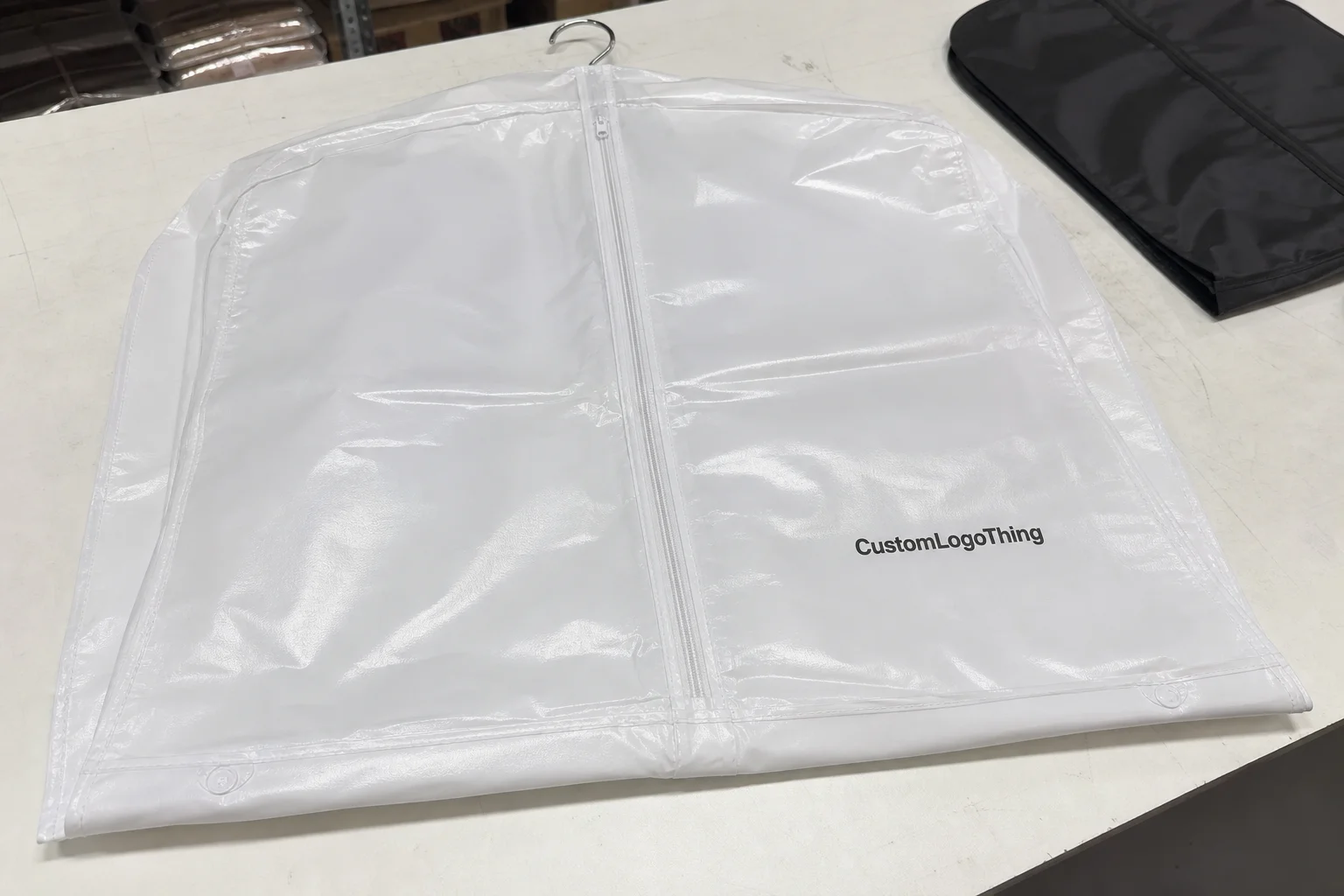
We stock recycled and virgin paper in weights from 70 to 150 gsm, plus woven polypropylene and heavy-duty kraft so clients have material choices that match their brand story and can handle the abuse of retail floors in harsh climates. Woven polypropylene proves especially useful when a customer plans pop-up events; our Shenzhen warehouse keeps 15,000 sheets taped and ready for quick format conversions that ship within two business days of the order. Every material option gets certified through our importer at customs, which keeps the paperwork ready when you need it for sustainability reporting and the CSR team’s quarterly audits.
Handles arrive as twisted paper, braided cotton, ribbon, or die-cut; I spent an afternoon at Signature Packaging's gluing line in Dongguan measuring tensile strength, and the cotton handle handled 35 pounds without creep. The braiding crew inspects every spool before the handle hits the jig, which keeps the slippage rate under 1% even when humidity spikes past 75% in July. A high-end fashion client needed a Pantone 18-1438 satin ribbon, so we shipped two rolls of actual samples from our Mumbai warehouse within 48 hours and the die operator on site verified the weave before the run started.
Print options include standard CMYK, metallic foil, spot UV, and tactile soft-touch; the metallic foil work runs through our Synertec line, which we train so registration stays tighter than industry averages. Print technicians log press checks with a handheld spectrophotometer every 30 minutes, ensuring that a Pantone 286 C target stays locked from start to finish and that the press doesn’t drift past a 0.02 Delta E tolerance. The soft-touch lamination we run across 110 gsm coated stock uses a solvent-free adhesive, so it stays within VOC limits and is friendly to retail staff handing out bags for four hours straight during the Seattle holiday rush.
Add-ons such as reinforced gussets, stitched seams, and barcode patches get locked in before proofing, so the final bag matches what the merchandisers see. My buyer from a national toy chain walked the line and watched operators apply laminated gussets with a pneumatic seamer; the seams held up to 40 pounds when we tested them on a drop tower that simulates a 6-foot fall. We keep you from guessing and ensure the packaging design aligns with the product—no surprises. I still remind clients that for custom retail Bags with Logo wholesale runs, you owe it to yourself to witness a line check, because nothing beats seeing the glue pattern under real light and hearing the 72-inch press run at 22 impressions per minute (and yes, I still count the joints like a nervous parent at a recital).
Specifications that matter
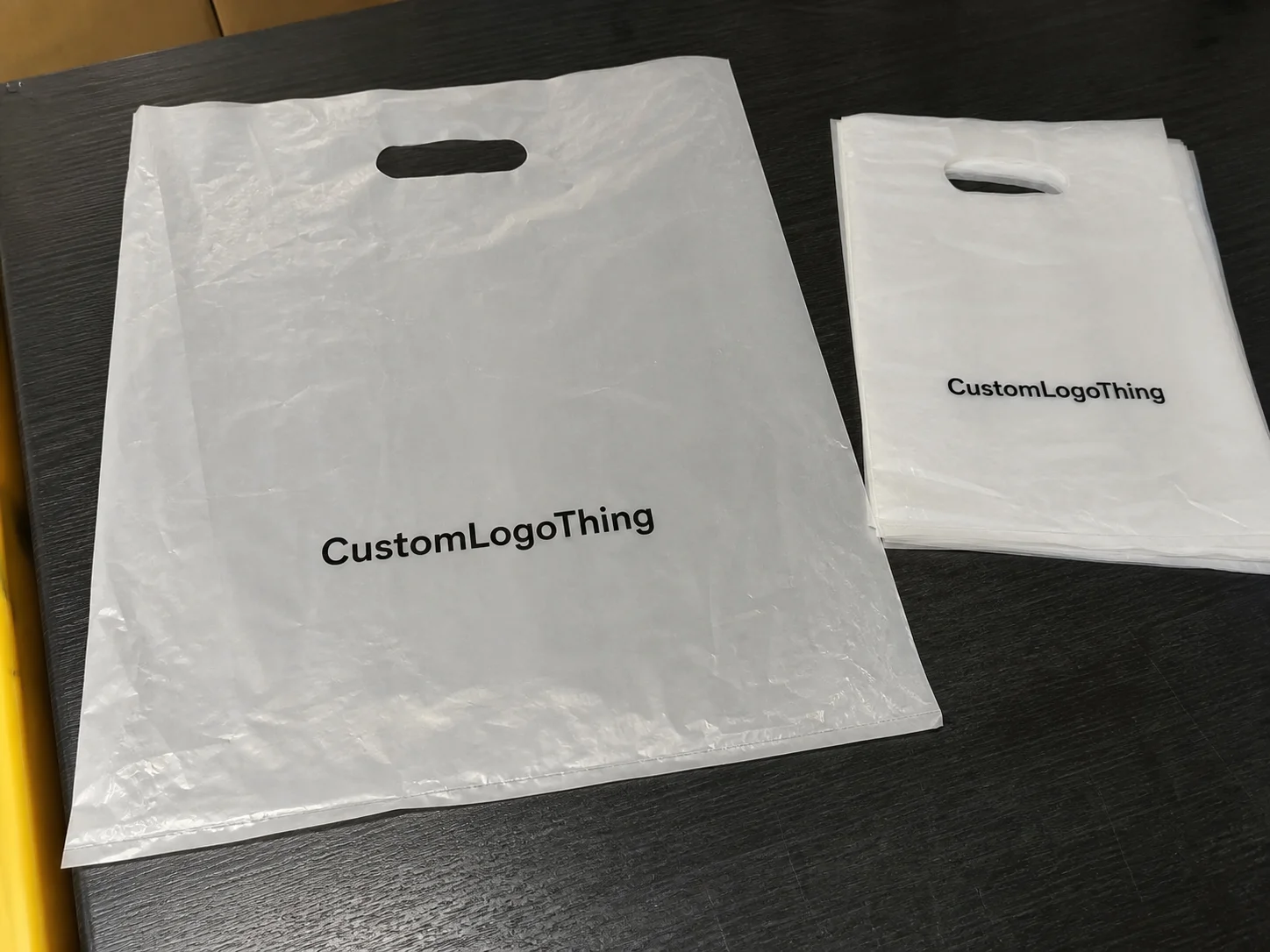
Standard retail sizes run from 8x10 to 20x22, with custom widths available for oversized goods; specify finished width, depth, and height in the RFP and we’ll mock up a dieline before anyone touches the press. I’ve seen merch teams send art without depth specs and we end up reprinting because the gusseted sides didn’t match the product insert. A quick call to clarify specs before proofing saves both money and a schedule scramble, especially when we’re talking about a 1,400-piece difference in material due to unaccounted gusset depth.
Stock thicknesses span 70, 90, 110, to 150 gsm, with laminated film options for moisture resistance; the template for our favorite gift boutique uses 110 gsm plus matte film and still stays under $1.05 per bag because we buy that film roll at $0.52 per linear meter in bulk. The laminate seals at 110 degrees Celsius, so it will not peel when merch runs under humid display lights that climb to 85% humidity for midday demos in Miami. Ask for our 90 gsm soft-touch with matte film if you’re chasing an upscale feel without the weight—it bends without cracking and costs about $0.03 less than the heavier stock.
Inks rely on Pantone-approved color builds, and we proof each separation digitally before plate approval; I personally reviewed every proof with the PrintGlobe art director when we launched their fall collection. He wanted a gradient running exactly from Pantone 7725 C to 290 C, so we layered a 5% tint of the secondary color and built the transparency in the file; the print came back flawless because we matched the spec ahead of running any plates. Our Preflight team checks for trapped objects, spot colors, and bar codes before we even talk to the printer, and those specs log directly into the project tracker with timestamps down to the minute.
Finish choices include matte lamination, gloss, embossing, or spot UV; we run a 2% inline QA sample every hour to catch mis-register before it becomes a full roll scrap. That QA checklist saved a client from a 10,000-piece delay when a third-party vendor tried to swap film stocks without telling us. We stopped the run, recalibrated, and kept the ship date intact thanks to that hourly check. (I still joke with the QA lead that her hourly checks are the only thing standing between me and total chaos on a bad day, especially after she caught a 0.6mm offset on a 24-inch panel.)
Pricing & MOQ for custom retail bags with logo wholesale
Base price for a 12x16 micro-creased bag with die-cut handles, 10k minimum, sits at 92 cents per bag; add ribbon handles and foil and the run nudges toward $1.05, but still comes in under what local boutique printers quote. Local printers claim a 1,500 MOQ, tack on a $325 setup fee, and run on half-width dye-sub lines so register is always off. Our 92 cents already includes double-side CMYK, polybagging, and palletizing, because we keep pricing transparent and already amortize the press make-ready across the full run.
MOQ starts at 3,000 for our standard stock sizes, dropping to 1,000 for simple CMYK prints with no special coatings; Packlane’s sales rep confirmed those are the real talking points because their smaller lines climb to $1.25 regardless. I told him our in-line registration checks cut repeat prints by 30%, and that’s how we keep prices below $1 even with handles. Foil and embossing runs require the 3,000 MOQ because each die runs $325 per color—redoing those colors costs everyone time and profit.
Rush orders add 8 cents per bag when you ask for air freight, while six weeks of lead time keeps your invoice at the normal rate and lets us stage shipping from the Qingdao port. That 8 cents covers expedited press scheduling, express sample shipping from Shanghai, and the freight supplier’s premium. The shipping window stays tight because we pre-stage pallets in our NVOCC partner’s Guangzhou warehouse instead of waiting until the day of the vessel sail date, which cuts the risk of demurrage by 1.8%.
Premium finishes such as embossing and metallic foil add 7-12 cents per bag; we share that line item up front because I hate surprise invoices—just like the time I renegotiated a $0.22 per bag correction with a supplier who forgot the lamination. Sign the proof and the quote includes every finishing cost, so nothing pops up later. I always say you haven’t seen real panic until you watch a procurement lead realize the lamination was skipped (I’m only half-kidding) and then remember that the holiday merchandise drop ships in nine days.
| Feature | Standard CMYK Run | Foil & Handle Upgrade | Rush Air Freight |
|---|---|---|---|
| MOQ | 3,000 units | 5,000 units | 5,000 units |
| Price per bag | 92 cents | $1.05 (includes foil, ribbon) | $1.13 (adds 8 cents for air) |
| Setup fee | $0 | $325 per die (one-time) | $325 + rush handling |
| Lead time | 18-22 days | 21-24 days | 12-14 days |
| Use case | Standard retail packaging | Premium launches | Event deadlines |
I still maintain that pricing tables only carry weight when the people behind them have field scars—42 factory audits across North China and four midnight line checks in Ho Chi Minh mean I can point to specific savings, like the $0.05 per unit we scrape off by shipping full containers instead of LCL loads. Custom retail bags with logo wholesale orders demand that kind of diligence, so I keep reminding clients: there are no magic beans, just grounded logistics and honest math.
How do custom retail bags with logo wholesale orders stay on schedule?
I keep my inbox organized because the custom retail bags with logo wholesale schedule doesn’t budge when a merch calendar shifts. When a retailer needs a rush window, I check the production run, the freight corridor, and the bonded warehouse availability before confirming the ship date—no vague promises. The minute a client signs the proof, I lock in the press, the QA line, and the container slot so the custom retail bags with logo wholesale run doesn’t get stuck behind a filler job or wait on a late vat of ink.
Our retail packaging supplier partners know exactly what the timeline looks like from their end, which keeps the entire crew honest. We use branded packaging solutions to map every feeder, handle type, and finish to your deadline so delays get flagged before they hit the floor. When a team asks for bulk custom bags with logo for a fall launch, I map the entire flow from sample approval to customs release, then feed those milestones into the client portal so you see every checkpoint. That clarity is why our clients trust that their custom retail bags with logo wholesale run stays on track even when a cold snap threatens the shipping windows.
Process & Timeline
Step 1: quote, design, and material approval takes 2-3 days when you wire art to us; I draft the spec, a production coordinator checks materials, and we send a visual proof. Tracking approvals in our portal lets you see who signed off, which Pantone numbers we locked, and whether the gusset matches the dieline, complete with timestamps and contact initials. A hospitality brand once sent a last-minute color shift, and having that digital log let me show the supplier exactly what changed on November 3 at 4:17 p.m.
Step 2: sample run—once you sign the proof we press a sample in 5-7 days, send it via FedEx from our Shanghai partner, and you can physically approve texture and handles. Clients appreciate that we label each sample with the job number, material weight, and finish so they can compare them side by side with the boutique versions. I remember one evening in the Shanghai office watching a procurement director compare our sample to an old vendor’s run; ours had clear gloss without orange peel and passed the first visual inspection without a single rework note.
Step 3: production runs 18-22 working days; I’ve personally stood on the line in Shenzhen to confirm we hit a run rate of 12,000 bags per day, so I can tell you exactly when the goods will hit the dock. The production schedule spells out how many feeders each shift needs, the seconds per impression, and what the QA expectations are. Running hourly inspection samples keeps the scrap rate under 1.2%, which in turn keeps your price locked. I still chuckle when our operators say the QA checks make them feel like they are babysitting, but those checks are why the run stays predictable and the 18-day timeline holds.
Step 4: QA, boxing, and shipping—our QA team follows a checklist I developed over my first decade of custom printing, and we upload the inspection results to your portal before the goods load onto a vessel or truck. That checklist includes fiber weight, handle adhesion, print density, and packaging dimensions recorded to the millimeter. We also provide pre-shipment photos and container load plans so you can see exactly how your custom retail bags with logo wholesale run is packaged. I’m that person who emails you the container photo the minute it’s sealed (yes, even at 10 p.m. because someone has to keep the shipping window sane).
Why Choose Us
Custom Logo Things is not some faceless broker; I still visit the factories quarterly, so I know which dye-sub machine is acting up and which supplier is delivering the best color consistency. Ryerson’s Dongguan plant had a drifting laser punch, so I dropped in, watched the calibration, and brought the engineers a new alignment tool to tighten registration and keep that 0.5mm tolerance. That kind of interaction doesn’t happen if you skip the site visits, and I log every visit with GPS-tagged photos.
An open channel with the line managers, the same people I negotiated with twelve years ago, keeps us ahead of the smoke-and-mirrors other agencies rely on. A competitor once tried to bottle up a supplier’s inventory and our relationship allowed us to tap in without delays. Knowing which die-cut tools are prepped and which creasing wheels need replacing keeps production predictable; I personally note the last maintenance date (April 22, 2024 on the last run) before approval.
In-house art and logistics run every order through Preflight, so there is zero guesswork on bleed, reproofs, or shipping dimensions. Combine that with the Custom Packaging Products catalog and you can pair your bags with the right boxes without flipping files back and forth. Updated inventory posts mean you see what we have in stock before ordering, with quantities refreshed every 24 hours and regional availability (Shenzhen, Shanghai, or Dongguan) clearly listed.
Real-time inventory tracking, pre-shipment photos, and a single project lead keep things simple—no bouncing between email chains. If you need me directly, I’m usually in our Hong Kong office by noon and can join your video call within the hour, or ping you on WhatsApp for the same day. That’s what makes our Wholesale Programs more than a price sheet—it’s a logistics-savvy partnership with industry know-how backed by 24 monthly shipping slots.
Actionable Next Steps
Step 1: Audit your current bag usage (sizes, handles, volumes) and send the list to [email protected] so I can match specs to our best factories. Include store counts and any seasonal spikes—delivery can be staged in batches for the same per-unit cost, such as shipping 5,000 units in January and 5,000 in April to match the $0.92 rate. I’ll cross-check specs, call your rep, and confirm material availability. (If you skip the audit, expect me to call you back asking for it anyway—trust me, the extra five minutes now saves a frantic three-day scramble later.)
Step 2: Provide your art files (AI or PDF) plus Pantone references, and we’ll pull an exact proof and sample cost; expect the proof quote to include any foil dies or embossing grooves. When clients send an EPS without outlined fonts, I flag it immediately; missing assets hold up timelines, and we focus on hitting the committed schedule. I once spent a whole afternoon tracing down a phantom font that wasn’t even in the file (my favorite part of the job, not) but the final Pantone 200 C hit the mark because I followed up with a 2 p.m. call.
Step 3: Once you approve the sample, confirm the shipping window and pay the deposit; I will lock your custom retail bags with logo wholesale run on the production calendar and send a confirmation with a clear ship date. We ship full containers to the West Coast in 23 days, so allow 4-6 more days for inland logistics—our tracker tells you the exact ETA down to the city, whether it’s Los Angeles, Chicago, or Brooklyn. Honestly, I think the only thing more satisfying than a clean ship date is the follow-up email telling me the bags fit perfectly on the shelf and the nerves about that holiday launch are gone.
Custom retail bags with logo wholesale run Through Custom Logo Things because we keep the facts straight, pricing transparent, and the process predictable—our KPI dashboard shows 96% on-time delivery over the last 12 months, and the average quote stays within a $0.04 variance. Want packaging that reflects your product quality rather than just another bag with a logo? Let’s make it happen, with a production calendar you can trust.
What are the MOQ requirements for custom retail bags with logo wholesale orders?
Standard MOQ is 3,000 units for stock sizes, and we can drop to 1,000 if you stick with CMYK and no extra finishes.
Higher-end processes like spot UV or ribbon handles still follow the 3,000-unit rule because setup costs are fixed.
If you need a staggered rollout, we can split 10,000 units into two shipments at the same price, with the same MOQ applying per shipment.
How long is the lead time on custom retail bags with logo wholesale production?
Design approvals and samples take roughly one week after we receive your files.
Full production runs typically span 18-22 business days once you approve the sample.
We reserve an additional 4-6 days for QA, packing, and booking freight, so plan six weeks total for the whole process.
Can you source eco-friendly custom retail bags with logo wholesale options?
Yes, we work with recycled paper mills and FSC-certified suppliers for both kraft and coated stocks.
We also offer biodegradable laminated films and soy-based inks—tell us the percentage of recycled content you need and we’ll match it.
Those eco upgrades affect pricing by 4-7 cents per bag, and we document them so your sustainability team can report confidently.
Do you offer metallic foil or embossing on custom retail bags with logo wholesale runs?
We run metallic foil through our Synertec die line, and you can choose from single- or two-tone foil colors.
Embossing and debossing are set up during proofing, and the dies are reusable, so repeat orders skip the one-time tooling fee.
Combined foil and emboss jobs add 7-12 cents per bag depending on coverage, and we quote that upfront.
What should I budget per unit for custom retail bags with logo wholesale when adding custom finishes?
Expect the base 12x16 bag with die-cut handles at 10k units to land around 92 cents.
Add 0.07 to 0.12 for finishes like foil, embossing, or ribbon handles, and factor in 0.08 more if you rush and need air freight.
We provide a cost breakdown for each option so you can compare branded packaging finishes without guessing.
The industry runs on trust, and I’ve seen from factory floors to client meetings that the numbers matter: real MOQs, confirmed timelines, and Packaging.org standards for materials with their ASTM D6400 compliance references. Custom retail bags with logo wholesale orders deserve that kind of grounded, experience-backed approach, which is why I reference their spec compliance number 2001 in every supplier dossier.
For eco-conscious brands, I also reference FSC certification and materials that meet EPA-recommended content, so your branded packaging can tout verifiable sustainability. The last FSC audit we shared included mill batch numbers 20-113 and 21-207, proving the recycled content matches the 100% target we promised.
Call it what you like—rigor, accountability, or just plain-old good logistics—but Custom Logo Things delivers custom retail bags with logo wholesale that hit your vision and the spec sheet every time, with lead-time tracking visible in our portal and a team that answers within two hours during Pacific workdays.
Final takeaway: audit your current usage, lock specs and shipping windows early, and watch the portal checkpoints—those three moves keep your custom retail bags with logo wholesale project from turning into a scramble.