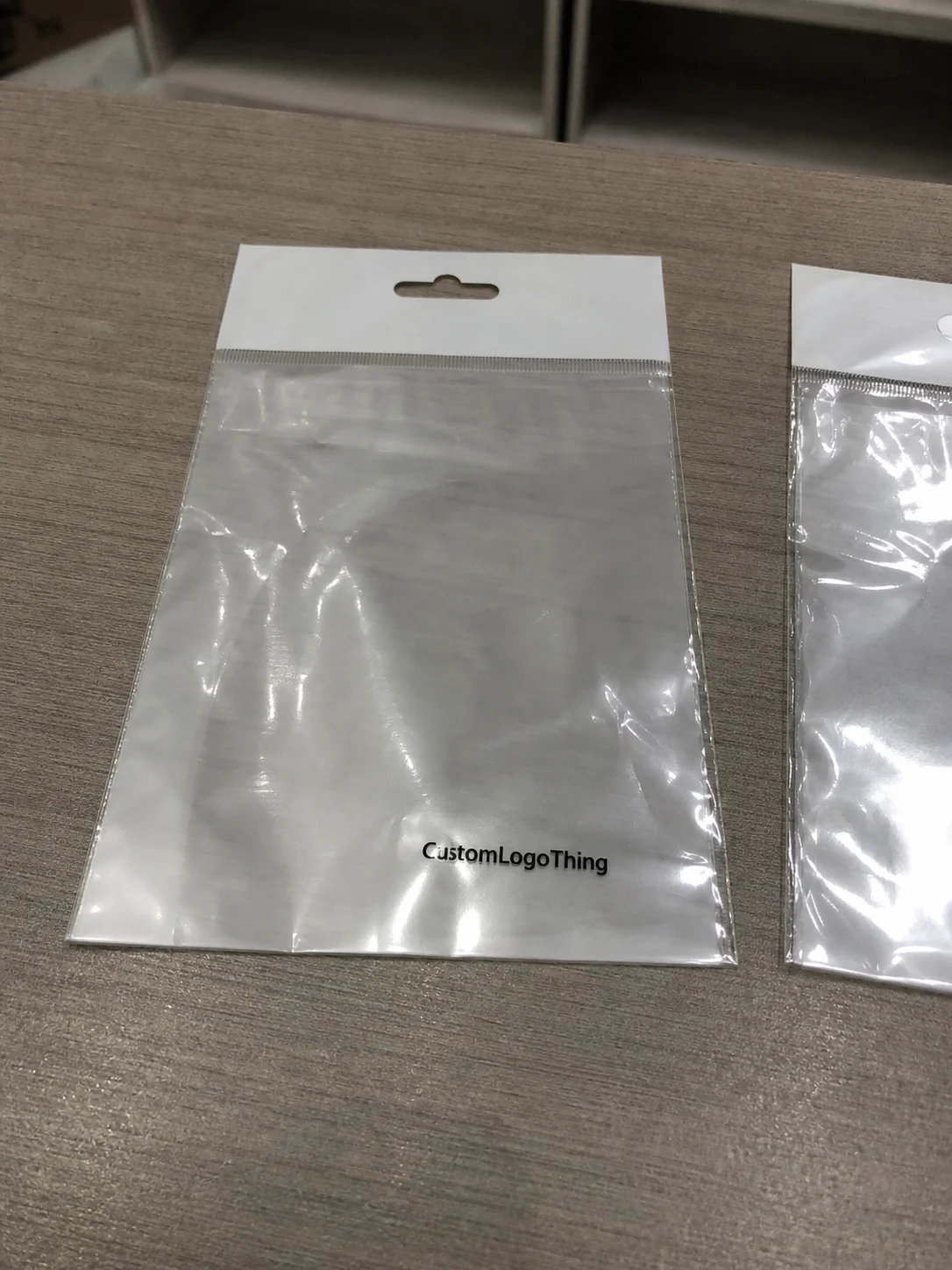
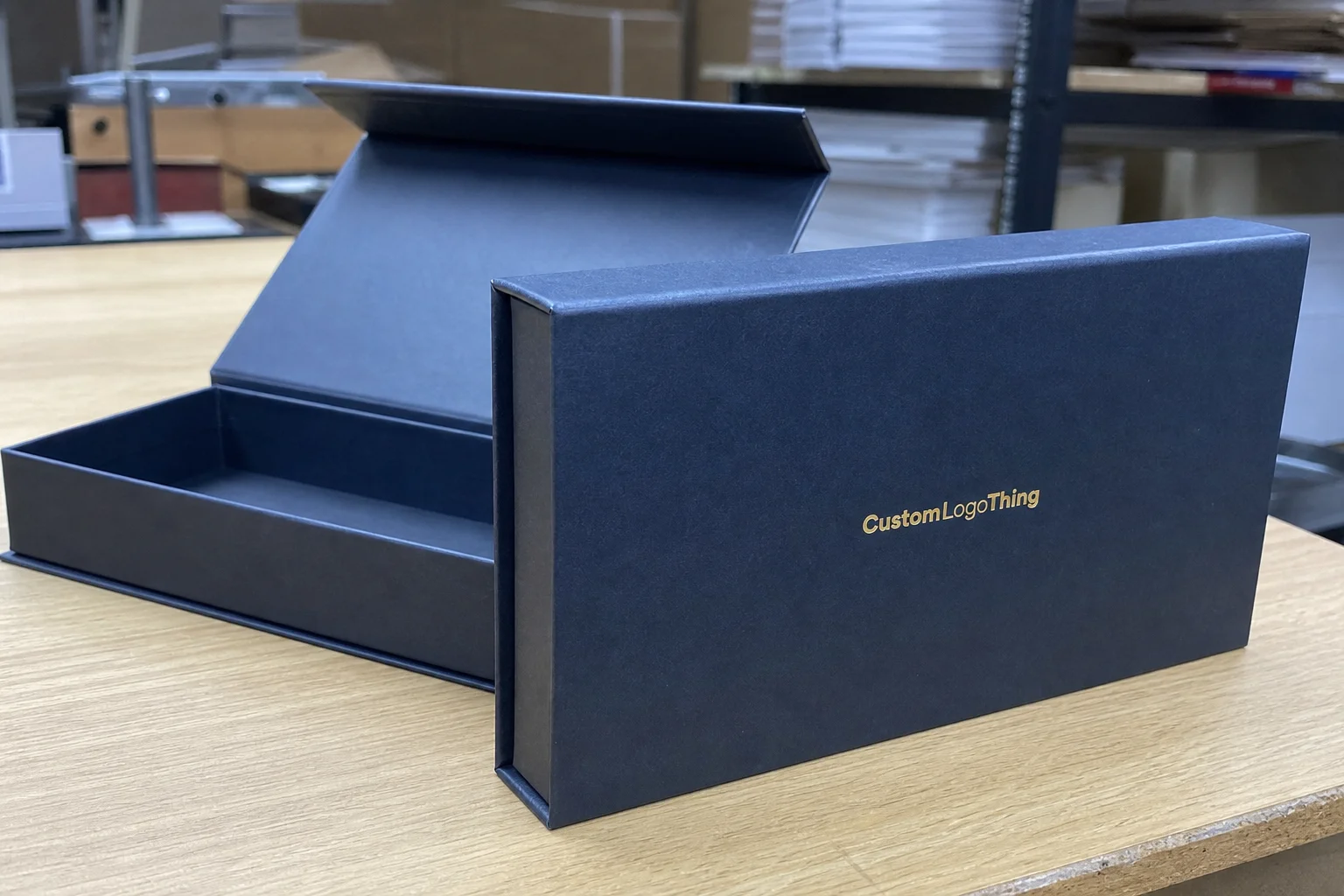
A plush dinosaur can arrive perfectly intact, yet the first photo a customer shares shows a thin, shiny, wrinkled bag that feels disconnected from the toy inside. That is the commercial reason for a toy retailers Matte Poly Mailers unit cost review: not because every toy order needs premium packaging, but because the outer mailer is often the lowest-cost branded surface the buyer sees after checkout.
Packaging gets treated like a back-office supply until it becomes part of the customer experience. A plain glossy courier bag may handle the basic carrier job, but it can reflect phone flash, make printed marks harder to read, and give a playful children’s brand the look of a warehouse afterthought. Cartons solve a different problem. They add crush resistance, but they also add weight, cubic volume, tape, dunnage, and packing time.
For lightweight, non-fragile toy shipments, Matte Poly Mailers sit in a useful middle lane. They are lighter than corrugated cartons, faster to pack than tissue-plus-box combinations, and more brandable than blank courier bags. The matte surface reduces glare in unboxing photos, which matters more than many operators admit. Parents share gift arrivals. Collectors photograph limited drops. Subscription toy buyers often post monthly deliveries side by side.
The Toy Shipping Problem Retailers Often Catch Late
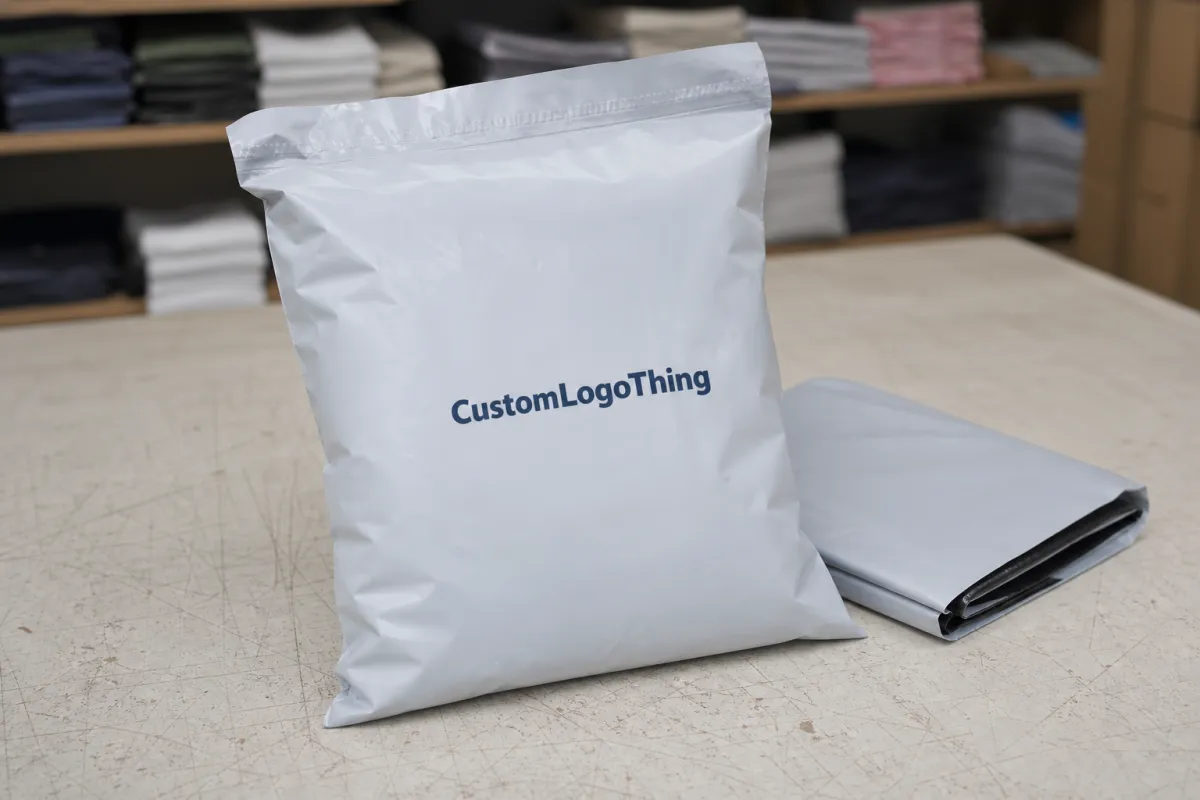
The finish changes the way a package reads. A bold logo printed on matte white, pastel pink, black, or custom-colored polyethylene usually looks calmer and clearer than the same artwork on a glossy surface, especially under kitchen lights, store-room fluorescents, or phone flash. For plush toys, craft kits, sticker packs, party favors, and small STEM items, that softer retail feel can support the product story without pushing the retailer into a custom carton program.
There is no magic in a matte mailer. It will not protect a resin figurine from crush damage. It will not turn a low-value promotional item into a luxury collectible. It will not solve poor inner packaging. What it can do is improve the presentation of shipments that already qualify for flexible packaging, while helping control freight, storage, and labor.
Practical buyer rule: If the toy can survive normal parcel handling in a flexible outer bag, the mailer deserves a cost review before defaulting to a box.
A focused review should look at more than the printed price per piece. Mailer size, film gauge, closure style, print coverage, freight, carton pack quantities, and storage all affect the real delivered cost. So does failure risk. A bag that punctures in transit is not economical, even if the quote looked attractive.
Where Matte Poly Mailers Create Value for Toy Retailers
Matte Poly Mailers create the most value for retailers shipping soft goods, lightweight toy accessories, small boxed educational kits, stickers, plush items, activity packs, party favors, promotional merchandise, and subscription toy components. A 9 x 12 inch or 10 x 13 inch mailer can often replace a small box for these categories, provided the item is not sharp, heavy, brittle, or crush-sensitive.
The savings begin with mass and cube. A flexible poly mailer may weigh only a fraction of a corrugated carton with tape and void fill. Parcel charges are shaped by actual weight, dimensional weight, and service rules. A small box that is mostly air can rate like a larger shipment even if the toy inside weighs only a few ounces. Right-sized mailers reduce the chance of paying carriers to transport empty space.
Labor changes too. A peel-and-seal mailer can be packed quickly: insert product, remove liner, seal flap, apply label. A box may require folding, taping, tissue, air pillows, and more hand movement. Across 500 orders, the difference is visible. Across 10,000 orders, it becomes a measurable operations cost.
From a brand standpoint, matte texture gives a retailer a more finished look without the cost and storage burden of fully printed cartons. Toy buying is emotional. Parents, grandparents, gift buyers, and collectors often connect neat packaging with care, safety, and legitimacy. That assumption may not be perfectly rational, but it is real enough to influence repeat purchases and shared photos.
A good review also identifies where the bag is the wrong tool. Fragile toys need crush protection. Sharp-edged retail boxes can puncture thin film. Heavy multi-item orders may stretch seals or distort the bag. High-value collectibles may need a carton, insert, corner protection, or protective wrap before any outer mailer is considered.
- Good fit: plush toys, fabric items, sticker packs, carded accessories, soft craft kits, lightweight promotional toys.
- Conditional fit: boxed STEM kits, small puzzles, compact collectibles with protective inner packaging.
- Poor fit: glass, brittle plastics, heavy bundles, sharp cartons, crush-sensitive collector packaging.
Buyers who are unsure should request a sample or size recommendation before asking only for the lowest cost per piece. Flexible packaging works best when the product profile, packed dimensions, and carrier route are understood before the order is placed.
Material, Finish, and Print Details That Affect Performance
Most custom poly mailers are made from polyethylene film, often co-extruded so different layers contribute different properties. One layer may support opacity, another may contribute strength, and another may improve print receptivity. Buyers may also ask about recycled-content options, opaque white film, black film, pastel bases, or brand-colored film, depending on the production method and minimum order quantity.
Matte finish means the surface is non-gloss or low-gloss. In practical terms, it softens reflection and gives printed artwork a quieter, more retail-ready appearance. Bright children’s graphics can still feel lively on matte film, but the bag avoids the slick shine of a standard courier pouch.
Performance still comes first. For toy shipments, ask about puncture resistance, tear resistance, opacity, seal strength, water resistance, and flexibility during carrier handling. Parcel networks are rough on flexible packaging. Bags are compressed, tossed, slid, stacked, and sorted by equipment. A soft plush toy is forgiving. A boxed kit with pointed corners is less forgiving.
Print choices affect both presentation and unit cost. A one-color logo on a standard matte white mailer is usually the simplest route. Multi-color artwork, QR codes, full-coverage patterns, safety icons, seasonal graphics, and edge-to-edge designs add more variables. Ink count, registration requirements, and coverage can influence cost more than buyers expect. A small logo and a flood-coated holiday design are different manufacturing jobs.
For toy retailers, design should be playful but legible. High-contrast logos work better than pale colors on pale film. Safety icons should remain readable after the bag is filled. QR codes need enough quiet space to scan. Shipping labels need a clean zone; a dense pattern behind the label area can create scanning issues or make the final parcel look crowded.
Matte surfaces can display fine details differently than glossy film. Tiny type, thin lines, soft gradients, and complex character art may need adjustment. Digital proofs are useful for layout, but they do not always predict how ink, film color, and surface texture will look together. A physical sample is the safer route if the mailer carries licensed toy branding, campaign artwork, warning copy, or scan-dependent QR codes.
Retailers comparing options can review the Custom Poly Mailers category to see how size, finish, and print direction fit together before submitting quote details.
Size, Gauge, Closure, and Compliance Specifications
A serious quote starts with specifications, not adjectives. “Small,” “strong,” and “premium” do not price accurately. Define the width, length, flap size, film thickness, film color, matte finish, print area, closure type, quantity, and delivery destination. If the product has corners, send dimensions and weight. If shipments include multiple SKUs, identify the smallest, average, and bulkiest packed combinations.
Gauge selection is one place buyers should avoid guessing. Lighter gauges can work for plush toys, apparel-like items, fabric accessories, and soft promotional merchandise. Heavier gauges are usually better for boxed toys, small kits, and products with corners. Typical custom poly mailer film may be discussed around 2.0 mil, 2.5 mil, or 3.0 mil ranges, although the correct choice depends on product shape, weight, packing density, and failure tolerance.
Closure matters as well. Permanent peel-and-seal strips are common for outbound orders. Tamper-evident closures may be preferred for higher-value items or collectible drops. Dual-strip returnable mailers can help retailers handling exchanges, subscription returns, or size swaps for toy apparel and accessories. A return strip may raise unit cost, but it can reduce customer service friction if returns are common.
Sizing is more than matching width and length. Measure the product at its thickest packed point, allow room for insertion, and avoid excessive slack. Too tight, and warehouse teams fight the bag. Too loose, and the shipment gains bulk, wrinkles, and perceived cheapness. A loose mailer can also fold around the label, making scans less reliable.
Opacity deserves attention for gifts, collectibles, licensed toys, and branded products. A parent may not want a birthday surprise visible through the bag. A collector may not want a limited item obvious in transit. Opaque film helps protect privacy and reduces the chance that the contents attract curiosity before delivery.
Compliance language is another practical issue. Packaging itself is not a toy, but depending on bag size, destination, and use case, suffocation warnings or regional caution copy may be needed. Standards and rules vary by market, so retailers should verify requirements with their compliance resources. For transit testing references, the International Safe Transit Association provides useful background on distribution testing at ista.org. Sustainability claims should be handled carefully as well; the EPA offers packaging and waste reduction context at epa.gov.
Ask for a spec sheet or dieline before final artwork approval. It is a simple control step that prevents expensive rework, especially if the design uses repeating patterns, label zones, QR codes, warning panels, or licensed graphics.
| Specification Choice | Typical Use Case | Cost Impact | Buyer Watch-Out |
|---|---|---|---|
| 2.0 mil matte poly | Soft plush, fabric toys, light accessories | Lower material cost | May not suit boxed corners or heavier kits |
| 2.5 mil matte poly | Mixed lightweight toy orders and small boxes | Moderate cost per piece | Confirm fit with product samples |
| 3.0 mil matte poly | Boxed kits, heavier mailer contents, sharper profiles | Higher resin usage | Still not a replacement for crush protection |
| One-color logo print | Evergreen brand packaging | Usually most economical custom print | Keep logo large enough for matte film readability |
| Full-coverage seasonal print | Holiday drops, campaigns, subscription themes | Higher ink and setup exposure | Seasonal leftovers can erase bulk pricing savings |
Toy Retailers Matte Poly Mailers Unit Cost Review
A Toy Retailers Matte Poly Mailers Unit Cost Review should begin with the cost drivers that are easiest to verify: bag dimensions, film gauge, quantity, print complexity, ink coverage, material selection, closure style, and freight. Freight is often underestimated because buyers focus on the quoted unit price rather than the delivered cost into their warehouse or fulfillment location.
The logic is direct. A larger mailer uses more film. A heavier gauge uses more resin. A full-coverage print uses more ink and production time. A dual-strip returnable closure adds material and converting steps. Recycled-content material may carry different availability, pricing, and MOQ requirements. None of these details are exotic, but together they explain why two mailers that look similar in a thumbnail can price very differently.
Custom printed matte poly mailers usually become more economical when toy retailers consolidate seasonal or evergreen packaging needs into fewer, larger runs. That is where bulk pricing starts to work. The lowest unit cost, however, is not always the lowest delivered cost. If a retailer buys 50,000 holiday-themed mailers and uses only 28,000 before the campaign ends, the leftover inventory turns the apparent price break into dead stock.
For planning, many Custom Packaging Buyers ask for three quote tiers: a test run, a replenishment run, and a volume run. Exact pricing depends on current material, print, and freight inputs, but the pattern is consistent.
| Quote Tier | Example Quantity | Best For | Typical Cost Logic | Inventory Risk |
|---|---|---|---|---|
| Test run | 1,000-3,000 pieces | New toy launch, first custom mailer order, artwork validation | Higher cost per piece because setup charges and production preparation spread across fewer units | Low |
| Standard run | 5,000-15,000 pieces | Monthly or quarterly replenishment for steady SKUs | Better unit cost as setup and tooling fees are absorbed over more bags | Moderate |
| Volume run | 25,000+ pieces | Evergreen branding, high-order-volume toy stores, subscription programs | Lowest likely unit cost, subject to storage, freight, and cash flow | Higher if design or size changes |
Buyers should ask direct questions before approving a quote. Are there plate fees, tooling fees, or setup charges? Is digital proofing included? Are physical samples billed separately? What are the carton quantities? Are freight terms prepaid, collect, or quoted separately? What overrun or underrun tolerance applies? Can the supplier support storage or staggered releases?
A firm quote usually needs the following:
- Mailer width, length, and flap requirement
- Target film gauge, or product details so the supplier can recommend one
- Matte finish and film color preference
- Print colors, print coverage, and artwork file
- Quantity tiers for comparison
- Delivery zip code or destination details
- Target in-hand date
- Recycled-content, opacity, warning copy, or compliance requirements
The most common mistake is asking for “a price on custom bags” before the packed product size is known. That slows the quote, creates assumptions, and often produces a number that changes later. A better review starts with real dimensions, real artwork goals, realistic order volume, and a clear sense of which shipments should stay in boxes.
Production Steps, Proofing, and Lead Time Expectations
The buying process should be visible from the start. A typical custom mailer order moves through specification review, quote, artwork setup, digital proof, optional sample, production approval, manufacturing, quality inspection, packing, and shipping. If any step is vague, timeline risk increases.
Production lead time is not the same as delivered timeline. Production may begin after proof approval, but freight time still matters. Larger or imported runs may also involve longer transit, port handling, customs clearance, or warehouse receiving schedules. Even domestic freight can add several business days depending on destination and shipping method.
Timeline depends on artwork readiness, material availability, print complexity, quantity, and whether the buyer requests a physical sample. A simple one-color logo on a common size should move faster than a custom-size, multi-color, full-coverage design with QR codes and warning copy. The complex order may still be the right choice; the calendar just needs to reflect the actual work.
Start with a dieline or template. Repeating patterns need correct bleed and alignment. QR codes need quiet zones. Barcode areas need scan space. Licensed toy artwork may require approvals from brand owners or licensors. Safety text must be placed where it remains legible after the bag is filled and sealed.
Common blockers are predictable: low-resolution logos, missing Pantone references, late changes to bag size, unclear approval authority, and compliance copy that arrives after proofing. One person should own approval. Otherwise, the order drifts while marketing, operations, compliance, and merchandising each make small changes.
For holidays, crowdfunding reward shipments, toy launches, or subscription box drops, build in a buffer. Ordering exactly against the ship date leaves no room for proof corrections, carrier delays, or receiving issues. The safer schedule separates “needed for packing” from “promised to customer.” Those are different dates.
A confident supplier should state what is fixed, what is estimated, and what could change before production begins. Material availability, freight, and artwork changes can affect timing. Approval dates matter. If proof approval slips by five business days, production and delivery may slip too.
Retailers building a broader packaging program can compare mailers with boxes, bags, and other branded supplies through Custom Packaging Products before locking into one format for every SKU.
How to Request a Precise Matte Mailer Quote
Start with three product examples. Choose the smallest shipment, the average shipment, and the bulkiest shipment your toy store sends in a flexible package. Measure each one after any inner packaging is applied. If a plush toy ships in a thin inner bag, measure it that way. If a STEM kit ships in its retail box, measure the box and note the weight.
Next, choose one primary mailer size first. Many retailers want three or four custom sizes immediately, but shipping data often proves that one right-sized mailer handles the majority of orders. Secondary sizes make sense only if order history supports them. More sizes can mean more inventory, more picking decisions, and more chances for packers to use the wrong bag.
Prepare logo files, desired colors, approximate monthly usage, launch date, delivery location, and any recycled-content or warning-copy requirements. Vector artwork is preferred for clean print output. If brand colors matter, provide Pantone references or approved color values. If QR codes, barcodes, or safety messages are included, identify which elements must remain scannable or legally readable.
Ask for two or three quantity tiers. Compare unit cost, cash flow, storage space, and design risk. A 25,000-piece run may look attractive on paper, but a 10,000-piece run may be smarter if the assortment changes every season. For evergreen brand mailers, higher quantities are easier to justify. For holiday art, limited drops, or licensed campaigns, caution is warranted.
Do not guess the gauge if products include boxed corners or mixed SKUs. Ask for a material recommendation. Send product dimensions, weights, photos if useful, and the failure concerns that matter most: puncture, opacity, seal strength, or presentation. A good quote should explain why a film thickness or closure style is being recommended, not just list a number.
Custom Logo Things can help toy retailers translate product dimensions, artwork goals, MOQ expectations, and delivery timing into a practical matte mailer specification. Use a toy retailers matte poly mailers unit cost review as a buying framework before requesting a formal quote, especially if the final cost per piece needs to reflect how orders actually ship.
FAQ
What affects toy retailer matte poly mailer unit cost the most?
The largest cost drivers are mailer size, film gauge, order quantity, print coverage, number of ink colors, closure type, and freight. A simple one-color logo on a standard size will usually price differently than a full-coverage seasonal design on a custom size. For accurate unit pricing, provide exact dimensions, artwork, quantity, delivery location, and target delivery date.
What MOQ should toy retailers expect for custom matte poly mailers?
MOQ depends on the size, print method, material, and level of customization. Higher quantities usually reduce unit cost because setup charges and production preparation are spread across more pieces, but retailers should balance price breaks against storage space and seasonal design risk. Ask for several quantity tiers so test-order pricing can be compared with replenishment and volume-run pricing.
Are matte poly mailers strong enough for boxed toys?
They can work for many small boxed toys if the gauge is appropriate and the product does not have sharp corners or heavy weight. Fragile, crush-sensitive, or high-value collectibles may need a carton, insert, or protective wrap before being placed in a mailer. Send product dimensions and weights to confirm the right film thickness and size.
How long does custom matte poly mailer production take?
Timeline depends on artwork readiness, proof approval, quantity, material availability, and shipping method. The full schedule should include quoting, artwork setup, proofing, production, inspection, packing, and transit. Toy retailers planning launches or holiday promotions should request lead time early and build in a buffer instead of planning against the final outbound ship date.
Can toy retailers print logos, QR codes, and safety messages on matte poly mailers?
Yes, custom printing can include logos, QR codes, promotional graphics, handling icons, and required warning copy. High-contrast artwork is recommended because matte film reduces glare but may soften extremely fine details. Barcode and QR code areas should be tested on a proof or sample to confirm scan reliability.