Custom Reusable Stickers Are Not Just Regular Stickers With Better Glue
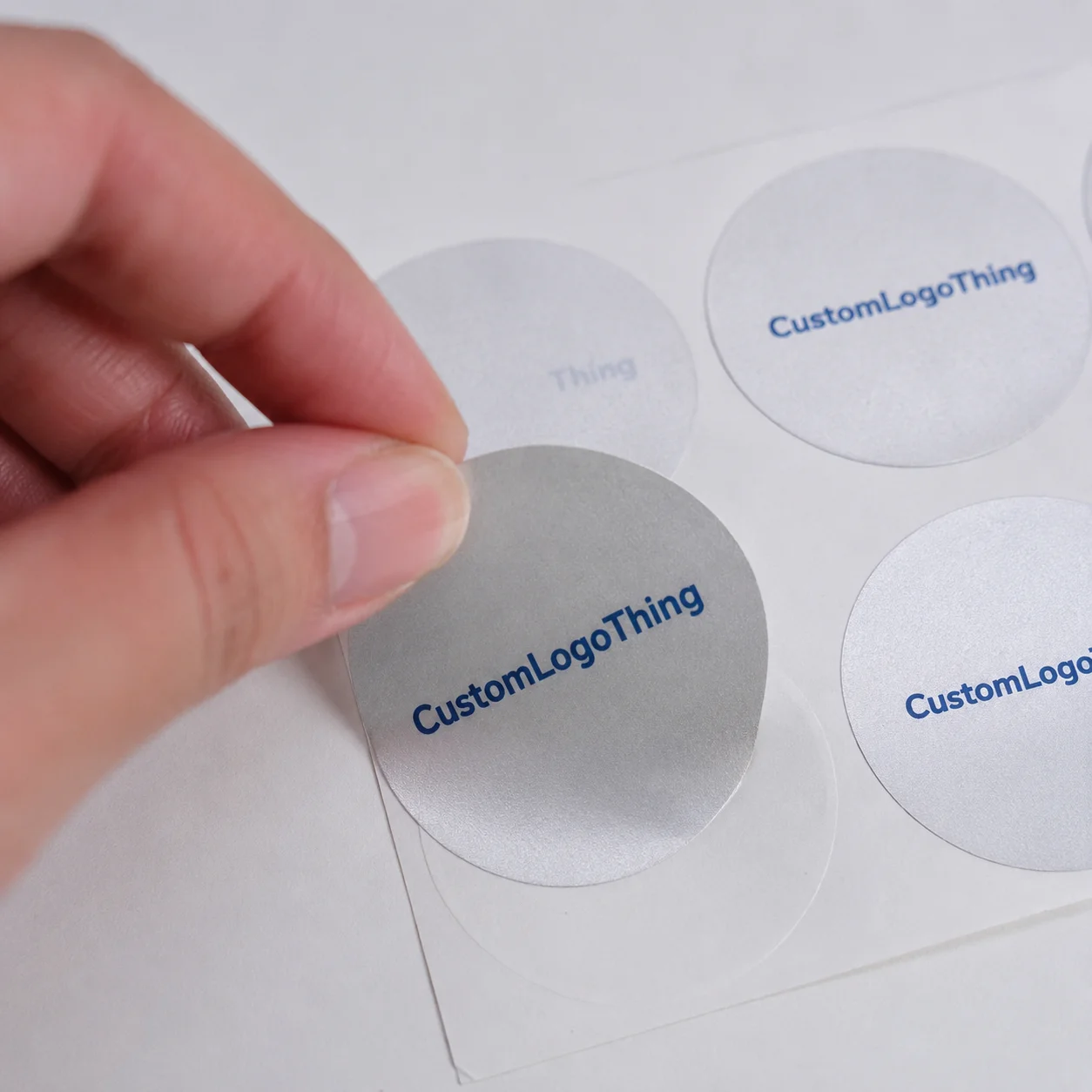
A brand wants custom reusable stickers customers can move from a laptop to a water bottle to a storage bin. Sensible request. Then someone tests a normal vinyl sticker, peels it once, and the adhesive comes back wearing lint, skin oil, and a faint sense of defeat.
That is the first useful distinction: reusable stickers are not standard stickers with friendlier marketing. They are removable, repositionable decals built to be applied, lifted, stored, and applied again on clean, smooth surfaces without heavy residue or torn face stock. The face material, adhesive, liner, finish, and cut geometry all contribute. Miss one of those details and the sticker may technically peel off, but it will not behave like a reusable product.
The language causes trouble. Removable usually means the sticker can come off a suitable surface without damaging it or leaving major adhesive transfer. Repositionable means it can be adjusted during application, and sometimes after short-term use. Reusable means it can be removed and reapplied more than once if the adhesive stays clean. Static cling uses static attraction rather than adhesive, mostly on glass and very smooth plastic. Low-tack adhesive has a lighter grip than permanent adhesive, but it still needs clean surface contact. These terms get swapped casually. They are not identical.
Common applications include promotional giveaways, planner stickers, kids’ activity sheets, event badges, seasonal window graphics, product labeling, limited-run merchandise, retail packaging inserts, and branded add-ons for Custom Labels & Tags. The strongest use cases have one thing in common: the sticker is part of the customer experience, not just a barcode with better shoes.
Expectations need to be set early. Reusable does not mean immortal. Dust, oils, skin contact, surface texture, temperature, storage habits, and adhesive chemistry all affect reuse count. A decal that handles 10 clean applications on glass may struggle after two rounds on a matte powder-coated bottle. Same print. Same adhesive. Different surface, different result.
Buyer reality check: If the sticker must move between specific products, test it on those exact surfaces before ordering thousands. Adhesive chemistry is useful. It is not magic. Shocking, I know.
The practical decisions sit below the artwork: material, adhesive, finish, size, cut type, proofing, price, timeline, and quality checks. Those are the parts that decide whether the final sticker feels intentional or like a nice idea that met a dusty warehouse shelf.
How Reusable Sticker Materials and Adhesives Actually Work
Every sticker is doing two jobs at once. The face stock carries the print, finish, shape, and brand appearance. The adhesive system controls peel strength, removability, and reuse. A premium-looking print on the wrong adhesive will still fail. A smart adhesive under a flimsy film can curl, tear, or collect grime along the edges.
White vinyl is the workhorse for many reusable sticker projects because it handles moisture, color printing, and repeated peeling better than paper. Typical reusable vinyl films often sit around 3 to 5 mil before laminate, depending on supplier and application. Add a laminate and the finished piece feels more substantial, which helps when people grip the edge repeatedly.
Clear vinyl creates a cleaner “no-label” look on glass, glossy plastic, acrylic, and some retail packaging. It also punishes vague artwork. White ink usually needs to print behind color areas so the design does not disappear against dark surfaces. Clear material without white ink can look elegant on a window and nearly invisible on a navy bottle. Buyers learn that one fast.
Polypropylene is lighter and often more cost-efficient for packaging labels, especially where the sticker needs short-term repositioning rather than heavy outdoor performance. It can work well for product labels and temporary retail pieces, but it may not feel as premium or forgiving as thicker vinyl. Static cling film sits in a separate category. It is excellent for glass-heavy uses such as windows, mirrors, and temporary signage, but weak on textured plastic, cardboard, fabric, and most curved surfaces.
Adhesive options include low-tack removable adhesive, specialty repositionable adhesive, microsuction-style film, and static cling. Low-tack adhesive is common and practical, but it loses strength faster when exposed to dust, oils, or fibers. Microsuction materials use tiny suction-like pockets and can work well on very smooth surfaces, though they are less forgiving on texture or curve. Static cling avoids adhesive residue entirely. Its surface limits are strict.
Reusable stickers perform best on smooth, non-porous surfaces: glass, metal, sealed plastic, laptops, glossy folders, coated boxes, and some laminated displays. Weak surfaces include textured paper, fabric, raw cardboard, dusty shelves, matte painted walls, rubberized coatings, and oily containers. Soft-touch coatings deserve special suspicion. They can feel premium to a customer and behave like a tiny adhesive crime scene.
Print protection matters because reusable stickers get handled more than ordinary labels. Matte laminate hides fingerprints and gives a quieter finish. Gloss laminate makes color pop and reads more retail-ready. UV coating can add scuff resistance, though it may not protect edges as well as a film laminate. Scratch-resistant laminates are worth quoting for stickers people will peel, press, and move repeatedly.
Shape is not just an aesthetic choice. Rounded corners peel cleaner and resist edge lift better than sharp points. Kiss-cut sheets make small stickers easier to lift from the liner. Thicker films are easier to grip. Tiny spikes, hairline extensions, and delicate logo contours can tear or collect dirt. The charming little starburst that looked great on screen may age like a mop head after three uses.
Key Specs That Decide Durability, Reuse, and Print Quality
Before asking for quotes, define the basics: size, shape, material, adhesive type, finish, quantity, color requirements, packing format, and whether the sticker will face indoor use, outdoor exposure, moisture, abrasion, or frequent handling. These details decide both performance and cost. Vague specs produce vague pricing. Worse, they produce the wrong product with impressive confidence.
Size is the first tradeoff. Small stickers cost less per piece, but they can be harder to peel repeatedly because there is less edge to grab. Anything below about 1 inch can become fiddly, especially with complex shapes. Larger stickers show branding clearly, but they need cleaner surfaces and better film stability to avoid curling, trapped air, or stretched edges.
Thickness affects feel and survival. A thicker vinyl construction can feel premium and tolerate more handling, which makes it a common fit for laptop decals, bottle stickers, merch inserts, and customer giveaways. Thinner films conform better to slight curves and can look more subtle, but they may curl faster when repeatedly lifted from one edge. Neither option is automatically better. The surface and use case decide.
Finish changes both appearance and handling. Gloss finishes produce brighter color and strong shelf impact, especially for promotional designs and retail packaging add-ons. Matte finishes reduce glare, hide fingerprints, and often look more modern. Clear film creates a polished effect on glass and plastic, but white ink planning is non-negotiable if the design needs opacity. If the printer asks about white ink, do not treat it like a random upsell. It is often the difference between visible and invisible.
| Spec Choice | Best Use | Tradeoff | Typical Buyer Note |
|---|---|---|---|
| White reusable vinyl | Promos, merch, laptops, bottles | Less subtle than clear film | Often the safest starting point |
| Clear film with white ink | Glass, glossy plastic, premium labels | Higher print cost | Needs a white ink layer in the file |
| Static cling | Windows, mirrors, temporary glass signage | Poor on porous or textured surfaces | No adhesive residue |
| Kiss-cut sheets | Small decals, planner stickers, kids’ products | More sheet planning required | Easier peeling than loose tiny shapes |
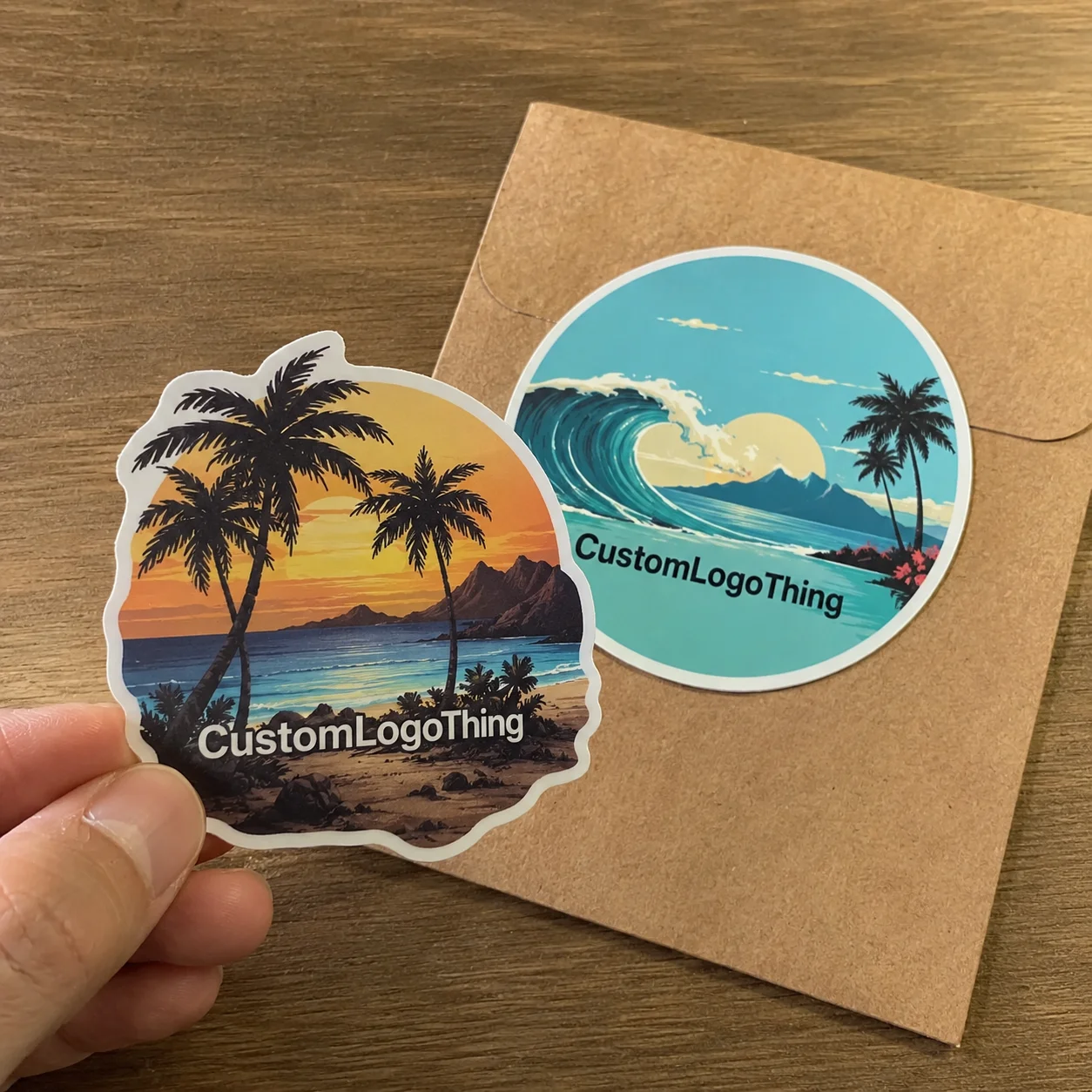
Die-cut and kiss-cut are different formats, not interchangeable vocabulary. Die-cut stickers are cut through the sticker and backing into the final outer shape. They look polished as individual pieces, especially for merchandise and handouts. Kiss-cut stickers are cut through the face layer only, leaving the backing sheet intact. That backing protects delicate shapes and makes peeling easier. For very small custom reusable stickers, kiss-cut sheets are usually the more practical choice.
Artwork requirements are not glamorous, but they protect the budget. Vector files such as AI, EPS, or PDF are best for logos, cut lines, and sharp edges. Raster artwork should be high resolution, usually 300 dpi at final print size. Add bleed, safe zones, and a clear cut path. Keep small text readable. Avoid hairline strokes. For clear materials, include a white ink layer or explain which parts should print opaque.
Ask performance questions before the quote: How many reuses are expected? What surface will receive the sticker? Will customers clean it first? Will it face moisture, heat, cold, sunlight, or abrasion? Does it need to be writable with pen or marker? A repositionable label for a dry retail shelf is a different product from a reusable bottle decal that might live near condensation and sunscreen.
Cost and Pricing Factors for Repositionable Sticker Orders
Pricing depends on material, adhesive, size, shape complexity, print method, finish, quantity, packaging, and proofing requirements. Simple paper stickers are cheap because the materials are basic and the adhesive is usually permanent. Reusable stickers cost more because the film and adhesive system have to do more work. No surprise there.
For rough planning, simple reusable vinyl stickers may land around $0.35 to $1.25 each at moderate quantities, depending on size, finish, and shape. Very small digital runs can be higher, sometimes $1.50 to $3.50 each if setup, specialty material, and cutting are spread across only a few dozen pieces. Larger production runs can drop below $0.30 each for simple shapes and efficient layouts. These are planning ranges, not universal quotes. Material availability, adhesive choice, and artwork complexity can move the number quickly.
Quantity breaks matter because setup, proofing, cutting, and press preparation are spread across more units. A 250-piece test run may feel expensive per sticker, but it can prevent a bad 5,000-piece order. A production run of 1,000 to 3,000 pieces often gives a better balance between unit cost and inventory risk. Larger reorders, such as 5,000 to 10,000 pieces, usually make sense after the surface and design have been tested.
Minimum order quantities can be irritating but real. Digital printing allows lower quantities, especially for standard vinyl and simple cuts. Specialty repositionable films may require higher minimums because suppliers cannot cut custom miracles from thin air. If a material comes in a costly roll width or has limited stock, the minimum may be based on production efficiency rather than stubbornness.
Clear film with white ink costs more than basic white vinyl. Complex die cuts cost more than circles, rectangles, and rounded squares. Individual bagging adds labor. Backer printing adds another print step. Split designs can be efficient if they fit on the same sheet and use the same material, but they can also add proofing, sorting, and packing time. Ask before assuming a 10-design run prices like one design.
Good quote requests include two or three quantity tiers: a test run, a normal production run, and a larger reorder tier. For example: 250, 1,000, and 5,000 pieces. That creates a useful unit-cost curve. It also helps separate the real pricing problem: spec, quantity, packing format, or timeline.
Hidden costs to ask about include artwork cleanup, rush production, split designs, custom sticker sheets, backer card printing, sample proofs, shipping, and special packing. If stickers are part of a larger Custom Packaging Products order with printed boxes or branded inserts, ask whether combined packing or combined shipment changes the cost. Sometimes it saves money. Sometimes it creates more handling. Packaging math has a dry little sense of humor.
Process and Timeline: From Artwork to Finished Stickers
The usual order path is simple on paper: confirm the use case, choose material and adhesive, submit artwork, receive a digital proof, approve the proof, print, finish, cut, pack, and ship. The clock usually starts after proof approval, not after the first email. Buyers forget this constantly, then wonder why physics refuses to help.
For standard custom reusable stickers with approved art and available material, production may take around 7 to 15 business days after proof approval. Add shipping time. Add more time if the project needs physical samples, specialty adhesive, custom sheets, multiple designs, unusual packing, or a white ink setup. Physical samples can add 5 to 10 business days, sometimes more if the material is not stocked.
Artwork review should check resolution, bleed, cut paths, color mode, white ink layers, small text, thin strokes, and whether the design will peel cleanly. If the artwork includes tiny interior cuts, long thin tails, or a QR code smaller than about 0.8 inch, expect questions. That is not the production team being difficult. That is them trying to avoid shipping a pretty failure.
Digital proofs confirm layout, size, cut line, orientation, and basic color placement. They are not always reliable color predictors because screens vary. Physical samples are worth considering for large orders, premium merchandise, retail packaging, or any application where adhesion matters more than decoration. If the sticker must work on a coated tube, powder-coated bottle, soft-touch box, cooler, or bathroom mirror, sample it. Guessing is cheaper until it becomes expensive.
Production usually includes printing, curing or drying, lamination or coating, cutting, weeding if needed, sheet assembly, quality control, and packing. Digital cutting is common for short runs and varied shapes. Die tooling may be used for larger runs or repeated jobs where speed and consistency justify the setup cost. Quality checks should review color, cut alignment, finish, edge lift, liner release, and packing count.
If the sticker must survive shipping as part of retail packaging, think beyond the decal. The surrounding pack, insert, liner, humidity, and storage temperature can affect performance. Standards from groups like ISTA are useful for broader transport testing, especially if stickers are applied to packaging before distribution. For paper-based backing cards or branded inserts, certifications from FSC may also matter to sustainability-focused brands.
Rush orders are possible for simple specs. They are risky for unusual adhesives. They also cost more because nobody gets a discount for panic. If a launch date is fixed, lock the sticker spec before final packaging sign-off. Tiny labels have a strange talent for delaying large programs.
Common Mistakes That Make Reusable Stickers Fail Early
The biggest mistake is choosing only by price. The cheapest adhesive often works exactly as promised: cheaply. If the sticker is a one-day event throw-in, fine. If it represents the brand on a customer’s laptop, bottle, mirror, or storage bin, bargain material can make the whole package feel careless.
Dirty surfaces are the next problem. Reusable adhesive needs clean contact. Dust, oil, lotion, fabric fibers, powder, and crumbs reduce grip fast. A customer who applies a sticker to an oily bottle after lunch may get a poor result even if the sticker is well made. Usage instructions help. “Apply to a clean, dry, smooth surface” will not win a copywriting award, but it reduces complaints.
Overcomplicated shapes also fail early. Tiny corners, thin tails, intricate lettering, and fragile points peel poorly. They collect dust faster because there is more exposed edge. Rounded corners and simplified outlines usually last longer. If a logo has fine detail, consider printing the detail inside a simpler outer shape instead of cutting every tiny contour.
Artwork problems show up late and cost money. Low-resolution logos print fuzzy. Missing bleed creates white edges. Hairline strokes disappear. Tiny QR codes fail to scan. Clear stickers without planned white ink layers can vanish on dark surfaces. If package branding depends on a crisp mark, send proper vector art and brand colors instead of a screenshot pulled from a slide deck. Yes, people do that. No, it does not print beautifully.
Outdoor assumptions create another mess. Indoor removable adhesive is not automatically ready for sun, rain, heat, cold, coolers, or repeated washing. If the sticker will face UV exposure, condensation, freezer conditions, or water bottles, say so before quoting. Water resistance, weather resistance, and dishwasher safety are three different conversations.
Storage matters. Reusable stickers should stay on a clean liner or backing sheet when not in use. They should not float loose in a drawer full of crumbs, pet hair, and mystery fibers. Once the adhesive collects debris, reuse drops fast. For kids’ products, planner stickers, and activity kits, a reusable backing sheet or booklet format can improve the product experience more than a fancier finish.
Skipping samples is the final classic error. For retail products, bottles, electronics, kids’ items, or premium merchandise, test on the real surface before committing to volume. A sticker that works on smooth glass may behave differently on textured plastic, powder-coated metal, or soft-touch packaging. That is not necessarily a defect. That is surface science being annoyingly specific.
Next Steps Before You Request a Sticker Quote
Before requesting pricing, build a short spec sheet. It does not need to look polished. It needs to be clear. Define the application surface, expected reuse count, indoor or outdoor use, size, shape, finish, quantity, and packing format. If the sticker will go on a bottle, laptop, window, coated box, event badge, or retail insert, say that upfront.
- Surface: glass, metal, sealed plastic, coated paperboard, laptop shell, glossy folder, or another specific material.
- Use: promotional giveaway, planner sheet, package insert, event badge, seasonal label, or product decoration.
- Durability target: single repositioning, several reuses, short-term indoor use, or moisture exposure.
- Format: individual die-cut pieces, kiss-cut sheets, rolls, backing cards, or retail-ready packs.
- Quantity tiers: test run, standard run, and larger reorder level.
Gather artwork before the quote stage. Send a vector logo if possible, brand colors, desired dimensions, cut shape reference, and any white ink instructions for clear materials. If only raster artwork exists, provide the highest-resolution file available and confirm the final print size. A 600-pixel logo may look acceptable on a phone and still print like a postage stamp with confidence issues.
Test the real surface if adhesion matters. Glass, glossy plastic, coated paperboard, soft-touch product packaging, powder-coated metal, and textured plastic can all behave differently. If the sticker is going onto packaging that ships through heat, cold, vibration, or compression, build in testing time. The broader packaging system matters, not just the sticker sitting neatly on a proof.
Ask suppliers for material recommendations instead of guessing adhesive names. A useful supplier will want the use case, target surface, expected reuse, artwork, quantity, and timeline. Then ask for quote tiers, standard lead time, rush feasibility, sample cost, bulk pricing, and shipping estimates.
For an accurate quote on custom reusable stickers, send the sticker size, shape, artwork file, target surface, expected reuse count, exposure conditions, finish preference, quantity tiers, and packing format. That information lets a supplier price the right construction instead of pretending every removable sticker can survive every surface. It cannot. Better specs beat expensive surprises.
FAQs
How many times can reusable custom stickers be applied?
The realistic range depends on adhesive type, surface cleanliness, handling, and storage. Low-tack vinyl may handle several repositionings on clean smooth surfaces, while static cling can Last Longer on glass if it stays clean. Dust, oils, fabric fibers, and rough surfaces reduce reuse fast.
Are custom reusable decals waterproof?
Vinyl-based reusable decals can resist moisture when printed and laminated properly. Water resistance is not the same as dishwasher safety, outdoor durability, or chemical resistance. Specify the exposure upfront: hand washing, rain, condensation, coolers, bathrooms, or product spills.
What surfaces work best for repositionable stickers?
Smooth, clean, non-porous surfaces work best, including glass, sealed plastic, metal, laptops, glossy folders, and coated packaging. Textured paper, raw cardboard, fabric, dusty shelves, and matte painted walls are poor candidates. Always test on the actual surface if the order is for product packaging or retail use.
Do reusable stickers cost more than regular stickers?
Usually, yes. Reusable stickers need specialty film, removable adhesive, better finishing, or more careful cutting. The price gap grows with clear materials, white ink, complex shapes, individual packaging, and low quantities. Ask for multiple quantity tiers to see where the unit cost becomes reasonable.
What artwork files are best for custom repositionable stickers?
Vector files such as AI, EPS, or PDF are best for logos, cut lines, and clean edges. High-resolution PNG or PSD files can work for raster artwork if the size and resolution are correct. Include bleed, safe zones, cut paths, brand colors, and white ink layers for clear designs, especially for custom reusable stickers printed on transparent film.