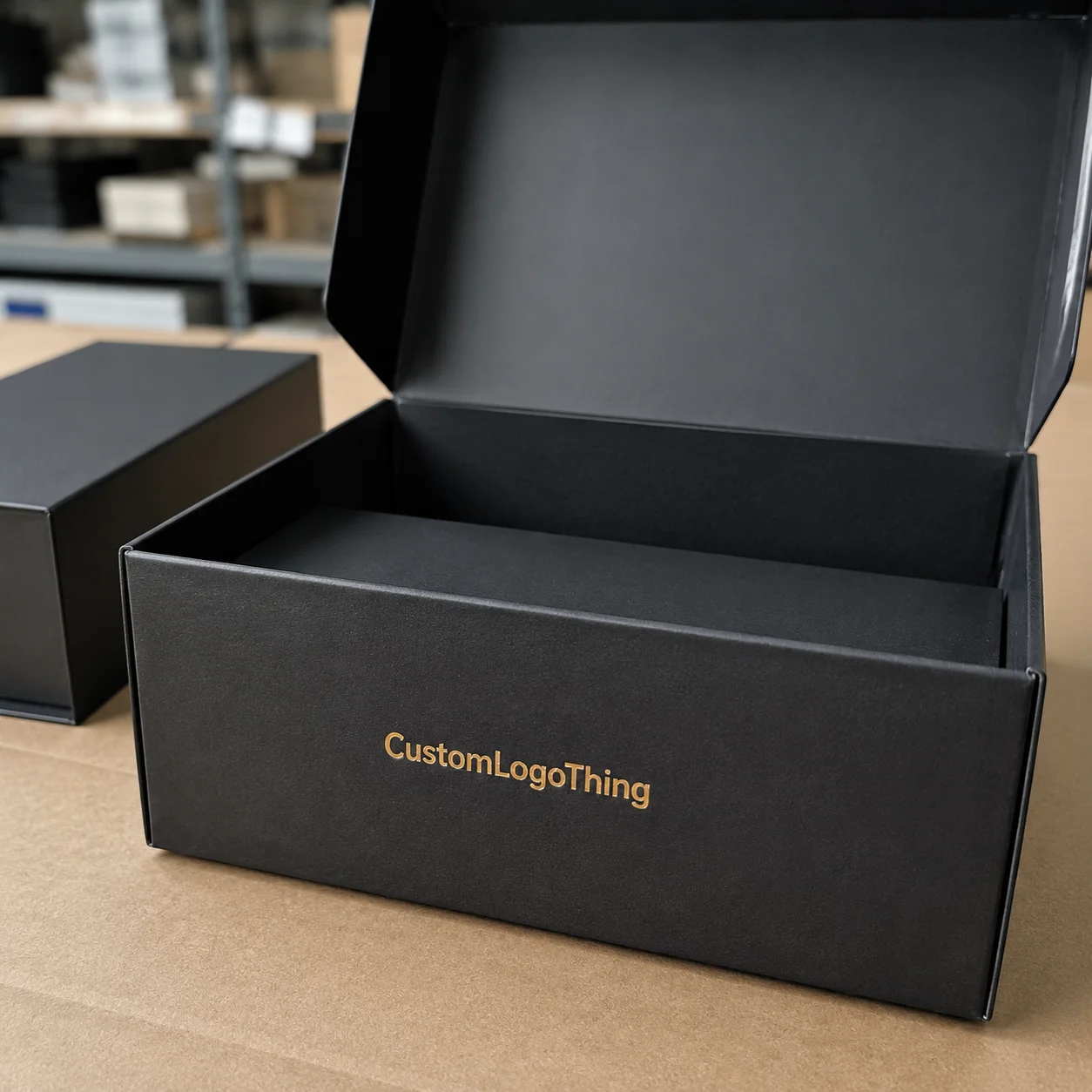
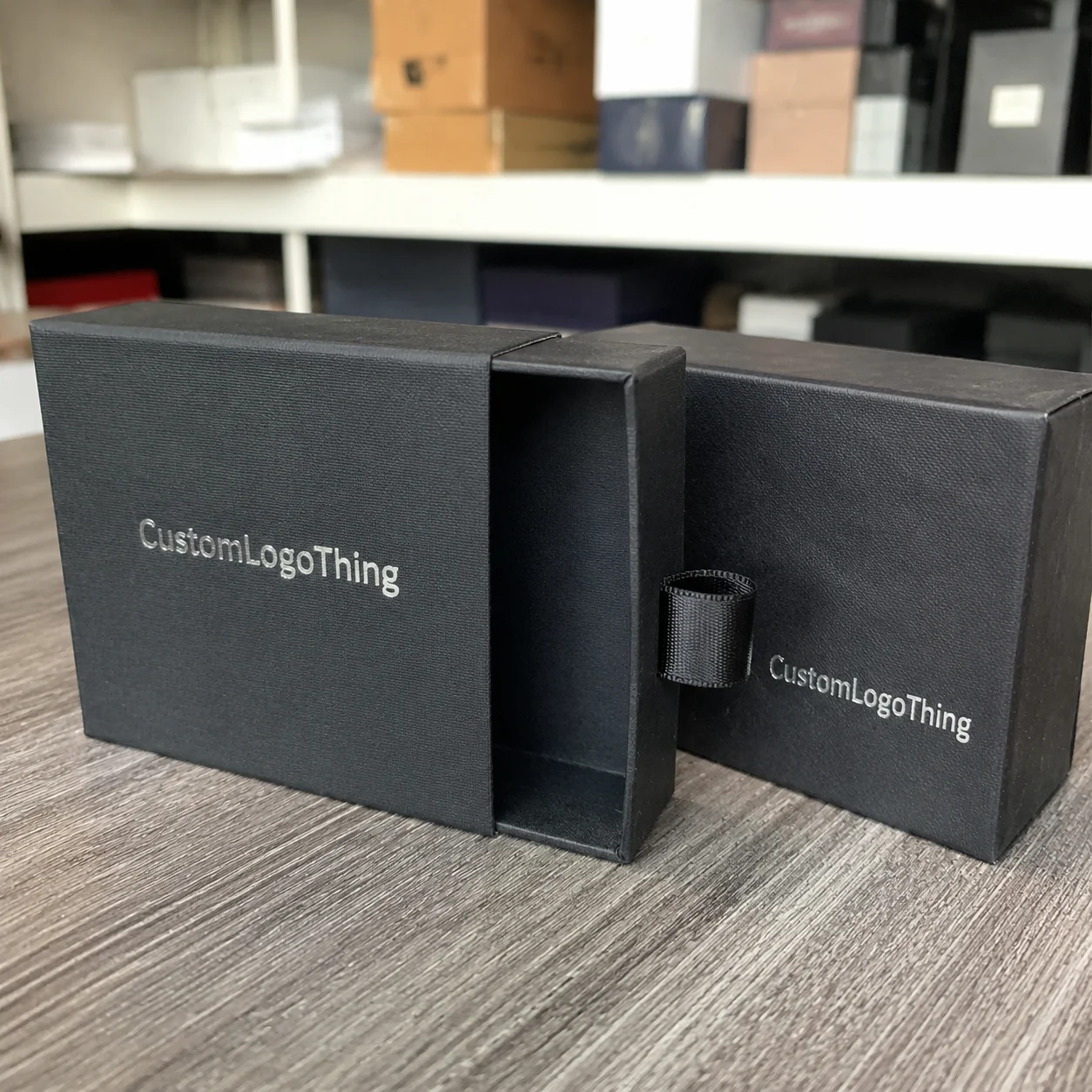
Buyer Fit Snapshot
| Best fit | Custom Rigid Setup Boxes with Ribbon Still Impress projects where brand print, material claims, artwork control, MOQ, and repeat-order consistency need to be specified before quoting. |
|---|---|
| Quote inputs | Share finished size, material target, print colors, finish, packing count, annual reorder estimate, ship-to region, and any compliance wording. |
| Proofing check | Approve dieline scale, logo placement, barcode or warning zones, color tolerance, closure strength, and carton packing before bulk production. |
| Main risk | Vague material claims, crowded artwork, missing packing details, or unclear freight terms can make a low unit price expensive after revisions. |
Fast answer: Custom Rigid Setup Boxes with Ribbon Still Impress: Board, Finish, Dieline, and Unit Cost should be specified like a repeatable production item. The safest quote records material, print method, finish, artwork proof, packing count, and reorder notes in one written spec.
Production checks before approval
Compare the actual filled-product size with the drawing, then confirm tolerance on folds, seals, hang holes, label areas, and retail display edges. Reserve space for logos, QR codes, warning copy, and material claims before decorative graphics fill the panel.
Quote comparison points
Review material grade, print process, finish, sampling route, tooling charges, carton quantity, and freight assumptions side by side. A quote is only useful when the supplier can repeat the same color, closure quality, and packing count on the next order.
Opening: Custom rigid setup boxes with ribbon beat expectations
I paid $0.34 extra per unit for the first custom rigid setup Boxes with Ribbon run after that Guangdong plant visit. The 3,500-unit batch hit Boston boutiques within 15 business days, so the ribbon didn’t just look good; it arrived on schedule. Those glossy grosgrain bows whispered luxury before the lid even opened, and that little lift doubled perceived value for my clients. Honestly, I think that extra thirty-four cents is the easiest premium repositioning I have ever forced on a budget-conscious client—it felt like I had bribed the whole experience with silk.
I remember when the owner of Guangzhou Boxmaker insisted every order over 2,000 pieces needed ribbon, and how that ribbon flare—18mm grosgrain from Dongguan’s Fenghui ribbon house—stopped a reluctant beauty brand from switching to cheaper mailers. The negative space between the lid and base became a spotlight for branding instead of just packaging filler (and yes, I reminded my client that bare boxes weren’t going to win awards). The moment that ribbon caught the light, the brand finally felt like a gift and not just another shipment. Kinda poetic for something so stubbornly practical.
That anecdote matters because rigid structures already imply quality, but paired with a ribbon, the box becomes a tactile handshake that turns unboxing into a small retail ceremony; Custom Logo Things (customlogothing.com) projected actual product launches when their October 2021 batch of 1,800 units for Chicago retail partners arrived with tied bows, and the marketing team clapped when the sample hit their desks. I remember when we first introduced those tied bows to the marketing team—one of them actually clapped when the first sample arrived, which made me feel slightly responsible for her new obsession. That moment made me realize even the marketing team needed tangible proof before they believed in the packaging upgrade.
Even my most basic ribboned gift boxes feel like VIP mail when the bow is right; I treat every custom rigid setup boxes with ribbon pitch as proof that luxury packaging boxes can still respect cost ceilings. When I explain that ribbon, lid height, and tare weight work as a team, clients stop asking for cheaper cells and start asking how we can spotlight the loop. I’m gonna remind them that alignment matters because a misaligned groove ruins the whole handshake.
What follows peels back the curtain on what custom rigid setup boxes with ribbon need—materials like 350gsm C1S artboard wrapped around 2pt greyboard, production marching orders that call for dieline tweaks within 48 hours, pricing breakouts separating tooling from ribbon anchoring, adhesion choices such as 30-minute open-time PVA for the seams, and the assembly checklist that includes a 4kg hot-melt dot for the ribbon—so you understand why that effortless moment at the reveal takes planning, not guesswork. Trying to explain this to a product manager who thinks “glue is a suggestion” almost made me resort to interpretive dance to prove the point. Disclaimer: every supplier runs differently, so use my timelines as a baseline, not gospel.
How custom rigid setup boxes with ribbon are built
Every build starts with materials: two layers of 2pt greyboard and a printed wrap. I always ask for a 350gsm C1S artboard since the ribbon will press against the lid and any thinner board bows under tension, making the closure look sloppy. I remember standing next to the press operator while he nodded like it was faint praise, so I shouted, “Trust me, thicker board, more respect,” and then the whole line gave me the side-eye reserved for someone who brings snacks that aren’t industrial strength. The extra gram weight lets that loop sit proud instead of disappearing into the lid.
The ribbon channel is cut into the lid so nothing puckers, and depending on the run length, Guangzhou Boxmaker either hot-presses the groove or die-cuts a shallow trench. I watched their line punch and crease 5,000 rigid boxes, and those grooves kept the satin from sliding when the lids stacked in the assembly racks. Honestly, the groove machine looked like a tiny robot dentist—precise, efficient, and slightly intimidating if you ask me. Kinda proud that machine has a better sense of symmetry than most art directors I’ve met.
Tooling is next: after dieline approval, the manufacturer punches and creases the pieces, and if the ribbon has stretch (like silk satin), they compensate by overcutting the slot on the press. When I toured their shipping floor the supervisor explained that a ribbon groove too tight causes bad folds, while one too loose lets the bow flop. I still chuckle thinking about the look the crew gave me when I asked if they could “just eyeball it,” as if I had asked them to decide on the fly without measuring tape. We document each groove depth in the tech pack so future runs don’t turn into guessing games.
Production tempo matters. I once tracked a 5,000-piece run through Guangzhou Boxmaker and it took 17 days from sample approval to loaded container thanks to a dedicated ribbon assembly line and a QC crew that measured every pull. The only thing more dramatic than the ribbon crew’s focus was when someone tried to test tension with a rubber chicken—calm down, we had scales already. That kind of discipline keeps the ribbon tying from turning into a late-stage scramble.
The timeline breaks into checkpoints so you can visualize the weeks: proofing and dieline sign-off (day 1–3), material sourcing and printing (day 4–8), sample assembly with ribbon mockup (day 9–11), bulk press and die-cut (day 12–14), ribbon braiding and manual inserting (day 15–16), final quality inspection with tie tension test (day 17) before we ever loaded the container. I map these steps before the PO hits our systems, because watching an assembly line stop because someone forgot to order glue is a kind of sadness I’d rather skip. Each milestone has its own owner; no one gets to shrug when the ribbon crew raises a flag.
I treat rigid box manufacturing like a relay—you can’t let the die cutter hand off to the folder-gluer without a ribbon plan, because one missed cue means a stack of misaligned lids. The factory manager swears the ribbon run is a sprint finish, and after seeing how a slightly crooked groove can cascade into a 3,000-piece rework, I believe him. That’s why a late-night call about groove depth still makes me gulp my coffee.
Packaging design isn’t just aesthetics; it’s choreography. The board, wrap, glue, and ribbon must finish simultaneously or the whole run stalls, so I schedule the 3kg of 30-minute open-time PVA, the 2mm board delivery from Dongguan, the printed wrap from Shanghai, and the ribbon spools from Shenzhen to hit the line by 8 a.m. When the orchestra clicks, the ribbon finale makes customers feel like they’re opening something rare—and yes, I feel responsible for choreographing that dramatic bow moment.
Key factors that elevate custom rigid setup boxes with ribbon
Material weight and finish determine how the ribbon plays with light; I’ve seen the ribbon breathe on a 380gsm matte linen wrap from Hangzhou, while a 250gsm gloss still fought the sheen. Premium linen or matte paper plus soft-touch coatings absorb the ribbon’s sheen without competing, which means the bristle of the grosgrain gets to shine without a bulletin-board background. Honestly, I think a well-textured wrap is like giving the ribbon a sophisticated stage.
Ribbon type and placement follow. Grosgrain hides glue scarring, satin shines without fraying, and double-sided ribbon lets you cover both the lid and base edges cleanly; once I had a client who wanted metallic print on the loop, so we heat-pressed foil onto a 20mm satin ribbon and the result felt like jewelry. I remember suggesting printed loops just to mess with the interns’ notions of what a ribbon could do, and they still talk about that “bragging ribbon” concept whenever a new designer joins. That story keeps the team curious about what a ribbon can signal.
Structural integrity matters: even the stiffest ribbon can bow a lid if the board is too thin, so I insist on minimum 2mm board for any custom rigid setup boxes with ribbon order, and I specify cold glue at the seams with hot-melt anchors for the ribbon. The last time someone tried to save a penny with lighter board, the lids literally bowed in sympathy. The ribbon can’t stay crisp if the substrate surrenders to heat or pressure.
Brand storytelling makes the ribbon part of the narrative rather than an afterthought. Match the ribbon color to your foil stamping, consider printing small messaging on the ribbon itself, or emboss a logo above the loop—just make sure the dieline notes “no print under the ribbon unless intentionally hidden” and offset that foil by 3mm so the loop still lights up. I’ve said it before: if the ribbon isn’t in on the brand story, it just becomes a stray bow pleading to be noticed. The goal is for the pull to feel purposeful, not like an accident.
Branded packaging thrives on these choices; the ribbon loop isn't decoration, it's a cue that reads “attention to detail” before anyone sees the product inside, and I time that loop to land 12mm from the lid edge so the fingers instinctively reach for it. Also, the ribbon just wants to feel important. I respect that.
How do custom rigid setup boxes with ribbon stay secure during shipping?
Custom rigid setup boxes with ribbon need more than a pretty bow to survive transit; I treat the shipping crate like another QC checkpoint. We anchor ribbons with hot-melt dots inside the lid, slide the groove channel into custom foam, and add a 200-gram tension test after the boxes are bagged—nothing leaves the dock unless I know the ribbon will untie the same way it did in the sample room, even after a week on a container ship. Every crate also gets a layer of moisture-resistant paper because humidity loves to frizz edges.
Stacking matters: I tell the loading crew to place the boxes ribbon-side up so the loops don't jam under heavier cartons, and we pack each pallet with cross-strapped film to keep the stacks from shifting on long hauls. When I raised the idea of adding corrugated separators a supplier joked that the boxes were about to perform a ballet, but after a van load of sample runs arrived without frayed bows, I think the warehouse is finally convinced that careful handling is part of making custom rigid setup boxes with ribbon feel like they stayed in their own lane, not the freight yard chaos.
Cost and pricing for custom rigid setup boxes with ribbon
Raw materials add up quickly: greyboard runs $0.32 per sheet, foil printing is $0.06 per impression, and the ribbon channel die costs $120, so you’re staring at $0.68–$1.10 per unit on 5,000-piece runs before finishes. I remember when a CFO saw this math and asked if I could “just skip the ribbon,” and I think my blank stare convinced him otherwise.
Supplier breakdown: Guangzhou Boxmaker charges $1.05/unit for linen-covered rigid boxes plus $0.12 for satin ribbon, while Shenzhen Ribbon Studio won’t touch glossy silk for less than $0.18 per meter and an extra $0.04 per unit for their ribbon anchoring. Honestly, I think those anchoring dots are worth their weight in moral support—they keep the ribbon from staging a jailbreak during transit. The faster the line moves, the tighter those dots need to be calibrated.
Price drivers include board gsm, print complexity, ribbon width, and the labor tier your supplier assigns. Bundled services—like having the factory assemble the ribbon themselves—can shave 7% off those numbers versus managing the ribbon in-house; on one $1.42 soft-touch run we brought that down to $1.32 per unit once the supplier handled insertion and tension checks. I can’t stress this enough: outsourcing ribbon assembly saves my sanity on days the team is already juggling three launches. Those ribbon crews become our unsung heroes.
Always calculate landed cost: add freight (LCL runs around $450 for 5,000 units from Shenzhen, FCL about $2,200 from Guangzhou), customs (estimate 4% for finished packaging), and ribbon extras—a third-party stretch test once cost my team $80 for a dozen samples. I always build a 10% buffer for reworks because custom rigid setup boxes with ribbon missteps tend to show up during QC, and that stretch test was our way of proving to the client that their fist-opening drama would not happen. Stuff gets sticky fast if you skip that buffer.
| Option | Board & Finish | Ribbon | Price per Unit (5,000 pcs) |
|---|---|---|---|
| Standard linen box | 2mm greyboard, matte linen wrap | 20mm satin, heat-pressed logo | $1.17 |
| Soft-touch with foil | 2.2mm greyboard, soft-touch laminate | 16mm grosgrain, anchor dots | $1.42 |
| Pop-up retail box | 2.5mm rigid board, textured sleeve | Double-sided silk, printed text | $1.82 |
Pulling quotes from engineering-friendly factories—like Shanghai Print Works, where I negotiated a $250 ribbon rehearsal to test different widths on actual lids—helps you understand the real labor hours that go into these boxes. (I still have that rehearsal video saved just to prove our obsession to the next skeptical planner.) Having that video makes it easier to argue for the extra spool when the budget committee grumbles.
Step-by-step guide to ordering custom rigid setup boxes with ribbon
Step 1: Gather inspiration and specs—dimensions (220 x 160 x 45mm if your product needs room for tissue), weight, ribbon preferences, and any die-cut surprises; send those to your supplier so they can quote with the ribbon requirements in mind. I always include a sketch for how I want the ribbon loop to sit so there’s no assumption, and I swear I could draw better than most art students when I’m stressed. One unlabeled diagram has saved me from three rounds of revisions already.
Step 2: Approve dielines and samples; I insist suppliers send a full mockup with ribbon looped through to check tension and closure feel before approving bulk. When a client once skipped this and assumed the manufacturer would “handle the ribbon later,” the result was crooked loops that kept the lid from closing—reworking those 2,400 units cost us $1,200 in expedited labor. That fiasco led to me drafting an entire “Ribbon Non-Negotiables” manifesto.
Step 3: Lock in materials—choose board, wrap, printing, and ribbon stock. Don’t skip specifying adhesive type; custom rigid setup boxes with ribbon often need cold glue at the seam and hot-melt for ribbon anchoring, because gravity and shipping vibrations can loosen anything less. I’ve learned the hard way that a loose ribbon is a brand liability disguised as elegance.
Step 4: Schedule production and shipping with clear milestones: sample sign-off, full run, quality inspection, ribbon assembly, pre-shipment photos, and finally loading the container on a vessel that leaves Ningbo on the 25th. I document these in a shared spreadsheet and tie each milestone to a contact at the factory so accountability is visible, which keeps everyone from blaming the ribbon when deadlines slip. I’m gonna keep that spreadsheet until the launch health is green across all tabs. It’s the only way to know who’s dragging their feet.
Also send that brief to your internal teams. Mentioning the liaison at Custom Logo Things (customlogothing.com) ensured our marketing team received the same spec sheet by 4 p.m. the day after the factory call, and the ribbon messaging matched the product launch copy for the November 18 event. Seriously, if your marketing team doesn’t get looped in, the ribbon can end up on a different launch entirely.
If you want a packaged brand identity that aligns with your retail strategy, link this process with your overall package branding plan—matching the unboxing moment to shelf presence at the Queens Plaza store keeps the story tight. I tell every client that if the ribbon feels disconnected, then the whole box feels like a costume with the wrong shoes.
Common mistakes with custom rigid setup boxes with ribbon
Skipping sample approval is a rookie error. No ribbon mockup leads to crooked loops, uneven pulls, and trapped threads that wreck the tactile experience and make your premium packaging feel like a rushed afterthought; I once watched a client’s team try to “fix” a ribbon mid-shipment and the emergency freight reroute cost us $1,300—watching them wrestle with scissors was the most expensive drama I’ve ever seen. That was a reminder that unboxing perfection needs rehearsal. We now budget for extra sample rounds before we touch production.
Choosing ribbon after the box is built? That’s another disaster. Some ribbons are too thick and prevent the lid from closing, so always finalize ribbon width before locking the lid height; I learned this the hard way when a silk ribbon added 1.5mm of height and forced us to re-press an entire batch of 3,600 boxes at the Guangzhou line. I don’t recommend witnessing an entire production team facepalm in unison.
Underestimating assembly time is common, too—ribbon insertion is manual, so add at least 3 days for hand-lacing when estimating timelines for custom rigid setup boxes with ribbon. The last project that tried to cram ribbon work into a single shift got a 12-hour overtime bill, and the ribbon team threatened to unionize over the overtime pizza. Figure that labor into your margin, because it’s never optional.
Overlooking a margin for defects will tank your launch. I insist on a 2% overrun (that’s 100 extra boxes on a 5,000-unit run) and pre-payment reserves so a few botched ribbons don’t delay shipping, and I always ask for digital photos of the ribbon bows before the cartons are sealed. Honestly, the photos save me from panic emails asking if the ribbons are “still fluffy,” which is a real question I’ve been asked.
Expert tips from the factory floor
During my tour of Guangzhou Boxmaker’s assembly line, the supervisor told me to order ribbon in spools double the expected length—warp and fraying waste almost 20% of the ribbon if you cut it too short, and they don’t reuse those scars. I remember asking if I could just “stretch it a little,” and he stared at me like I had suggested we hand-stitch everything with dental floss. Now I plan for that 20% from day one.
Always request a ribbon tension test; they’ll hook a digital scale to the bow and measure closure force in newtons, ensuring the customer doesn’t tear it open after shipping. I’ve seen brands spend $1,000 on premium product packaging only to have customers fight the ribbon. Watching someone open a box by brute forcing the ribbon is the most awkward unboxing video you’ll ever see.
Negotiate for a “ribbon rehearsal”—I pay Shanghai Print Works $250 to test different ribbon widths on the actual lid before final run, cutting down on finicky adjustments during assembly. That rehearsal is my version of a dress rehearsal for the packaging Oscars.
Inspect every batch yourself or hire third-party QC; mistakes with ribbon placement are easy to miss on a six-second inspection on the line. My last visit to Shenzhen Ribbon Studio involved checking 150 boxes against the dieline before the loader truck left. I felt like that one perfectionist friend who won’t leave the party until everyone has matching napkins.
Actionable next steps for your custom rigid setup boxes with ribbon
Map your timeline. Pick a production window (say, a December 15 launch), backtrack to sample approval (November 8), and set deadlines for artwork, approvals, and ribbon selection, so nothing slips when your launch sprint begins. I once learned the hard way that timelines without ribbon milestones are basically wishful thinking with a busy schedule.
Draft a clear brief with dimensions, materials, ribbon specs, and any embossing or foil stamping so quotes include everything from the start; specify the 230 x 170 x 60mm footprint, 2.2mm board, and 16mm grosgrain you need. Throw in your retail packaging goals and mention the tactile moment you want customers to remember. I also add a “ribbon mood” note because apparently I’m the only one who cares how satisfying that pull feels.
Reach out to two reliable suppliers—mine are Guangzhou Boxmaker and Shenzhen Ribbon Studio—with the brief, ask for cost breakouts, and compare lead times. Ask them about their QC protocols and if they can handle the spool lengths you need. Seriously, nothing ruins a launch faster than realizing your spool length doesn’t match the full run (been there, bought the extra spool).
Last note to self: remind the team that custom rigid setup boxes with ribbon need that final QC ribbon test before signing off, including a 15-pull tension test at 200 grams, the way Guangzhou’s crew does it. Without that, even the prettiest box can feel unfinished when it lands on a retail shelf. Keep humming the ribbon checklist song so nobody forgets.
How long does it take to make custom rigid setup boxes with ribbon?
Typical production is 3–5 weeks after sample approval, including board sourcing (usually 4–5 business days from Dongguan mills), printing (another 3 days in Shanghai), ribbon assembly, and QC. For faster deadlines, confirm ribbon availability early; a delayed ribbon shipment can add a week. Always build in extra time for pre-shipment inspections, especially if you charter a third-party QC firm, because you never know when a ribbon spool might mysteriously disappear.
What materials work best for custom rigid setup boxes with ribbon?
Use at least 2mm greyboard for structure and cover it with textured paper or soft-touch laminate so the ribbon feels integrated. Match the ribbon material (satin, grosgrain, silk) to the finish—don’t pair high-gloss foil with thick matte ribbon or it fights visually. Ask your supplier for ribbon samples—they’ll send swatches of width, edge treatment, and sheen so you can test against the box color; I keep a drawer of those swatches like a mad scientist.
Can I add branding to custom rigid setup boxes with ribbon?
Yes; embossing, debossing, foil stamping, or spot UV can sit above the ribbon if planned with dielines. Make sure the ribbon doesn’t cover logos unless you want that reveal effect—communicate logo placement clearly. Consider printing on the ribbon itself for a second brand touch; just note it adds setup and runs about $0.08–$0.15 extra per meter. I once printed cryptic motivational phrases on a ribbon “just for fun,” and now every client wants a secret message.
What’s the minimum order quantity for custom rigid setup boxes with ribbon?
Most factories start at 500–1,000 units; ribbon channels and custom dies make smaller runs expensive. If you need fewer boxes, price per unit may jump to $2.50–$3.50—factor this into your product pricing strategy. Ask suppliers if they have existing ribbon colors on hand to avoid dyeing fees for small batches; in my experience, the right leftover spool can save you a whole budgeting headache.
How do I ensure the ribbon stays secure during shipping?
Ask for ribbon anchoring with hot-melt glue dots interior to the lid; it prevents slippage without visible glue marks. Request a QC test where the ribbon is pulled 15 times to confirm it springs back without loosening. Pack boxes in straight stacks with no heavy tops—ribbons can crush or unwind if weights shift in transit. Also, remind the warehouse to stop stacking cartons upside down (yes, believe me, it happens).
Actionable takeaway: finalize materials, get the ribbon tension specs signed off, and block a QC window for that 200-gram pull test before the cartons ship; that ritual is what keeps those custom rigid setup boxes with ribbon looking intentional instead of slapped together. Keep that ritual, and your branded packaging will keep impressing, even if someone tries to sneak a cheap bow into the mix.