Buyer Fit Snapshot
| Best fit | Custom Shipping Boxes Wholesale projects where brand print, material claims, artwork control, MOQ, and repeat-order consistency need to be specified before quoting. |
|---|---|
| Quote inputs | Share finished size, material target, print colors, finish, packing count, annual reorder estimate, ship-to region, and any compliance wording. |
| Proofing check | Approve dieline scale, logo placement, barcode or warning zones, color tolerance, closure strength, and carton packing before bulk production. |
| Main risk | Vague material claims, crowded artwork, missing packing details, or unclear freight terms can make a low unit price expensive after revisions. |
Fast answer: Custom Shipping Boxes Wholesale: Sizes, Pricing, and Options should be specified like a repeatable production item. The safest quote records material, print method, finish, artwork proof, packing count, and reorder notes in one written spec.
Production checks before approval
Compare the actual filled-product size with the drawing, then confirm tolerance on folds, seals, hang holes, label areas, and retail display edges. Reserve space for logos, QR codes, warning copy, and material claims before decorative graphics fill the panel.
Quote comparison points
Review material grade, print process, finish, sampling route, tooling charges, carton quantity, and freight assumptions side by side. A quote is only useful when the supplier can repeat the same color, closure quality, and packing count on the next order.
If you’ve ever watched a carton line slow down because one box was 1/4 inch too wide, you already understand why custom Shipping Boxes Wholesale is more than a buying decision; it is an operations decision that affects freight damage, packing labor, and even how much void fill gets burned through in a week. I remember standing beside a corrugated line in Columbus, Ohio, where a tiny size change cut the team’s tape usage by almost 18% and reduced crushed corners on a brittle ceramic item enough that the returns desk noticed within a month. Honestly, I still think about that line every time someone tells me packaging “isn’t that complicated” because, respectfully, that’s one of those comments that makes me want to put my head through a stack of RSCs.
At Custom Logo Things, the point of Custom Shipping Boxes Wholesale is straightforward: get the right box, in the right material, at the right volume, so the warehouse stops fighting the packaging and starts moving product. That matters whether you are shipping 500 orders a month or 50,000, because once the dimensions, board grade, and print setup are dialed in, the whole packing process becomes more predictable. Predictable packing is where real savings show up, and I’ve seen enough distribution centers in Illinois, Texas, and New Jersey to know that “predictable” is a very fancy word for “nobody is yelling near the tape gun.”
Why Wholesale Custom Shipping Boxes Save More Than Money
The first thing I tell buyers is that Custom Shipping Boxes wholesale saves money in at least four places, not just on the unit carton price. The obvious one is unit cost reduction, because once you move from a few hundred to several thousand cartons, the setup and conversion costs get spread out. The less obvious one is cube utilization, which is the factory-floor way of saying you stop shipping air. I’ve stood beside a fulfillment manager in Newark, New Jersey, who was paying dimensional weight penalties on every second parcel because the box was oversized by just 0.75 inch in each direction. When we tightened the internal size, his carrier bill dropped by 11.6% over the next billing cycle without changing the product at all. That kind of fix never gets a dramatic ribbon-cutting ceremony, but it absolutely deserves one.
The second savings bucket is packing speed. A standardized custom box gives the packer one motion instead of three: product in, void fill minimized, tape closed. That sounds small, but in a line moving 600 cartons a day, those seconds stack up fast. In my experience, custom shipping boxes wholesale is most valuable when a brand wants the same box size to support order fulfillment across multiple SKUs, because the team can train to one packing method instead of improvising around stock cartons. And improvisation in a warehouse is usually just a polite word for “somebody guessed,” often with a roll of 2-inch tape in one hand and a raised eyebrow in the other.
There’s also brand consistency, which people sometimes dismiss as a “marketing thing,” but I disagree. A clean branded shipping carton is part of product packaging, and it sets the tone before the customer even sees the item inside. With custom shipping boxes wholesale, you can print a simple one-color logo, add handling icons, or keep the outside crisp and plain while still matching exact interior dimensions. That gives you retail packaging discipline without sacrificing shipping performance. A good box does both jobs without making a fuss about it, even when the carton is produced on a flexographic line in Shenzhen or a converting plant in Mexico’s Bajío region.
Here’s what most people get wrong: wholesale does not mean cookie-cutter, and it definitely does not mean low quality. I’ve sourced custom shipping boxes wholesale orders that were fully custom in size, board strength, and print coverage, but still produced at volume because the plant was set up for corrugated conversion and repeat runs. One client in Dallas, Texas, used the same 12 x 9 x 4 inch mailer for three product lines, each with a different insert, and their warehouse loved it because inventory stayed simple while the brand still looked polished. I wish every packaging program were that tidy, but then I’d probably be out of a job and forced to become a hobbyist beekeeper or something.
Standardizing box formats also reduces waste. Fewer stray cartons pile up near packing stations, fewer wrong sizes get pulled, and fewer partial bundles sit around waiting for the next order. When I walked a plant in Allentown, Pennsylvania, last year, the operations supervisor showed me a whole rack of obsolete carton sizes that had to be discounted just to clear floor space. If they had consolidated into two or three custom shipping boxes wholesale formats sooner, that dead inventory would have been avoided. Dead inventory is like that one drawer in every house that collects batteries, rubber bands, and old receipts; only here, the drawer is costing real money, usually in the form of $600 to $1,200 per pallet in avoidable storage and handling over a quarter.
Custom Shipping Box Types, Materials, and Build Options
For custom shipping boxes wholesale, the most common starting point is the regular slotted container, or RSC. It’s the workhorse of corrugated shipping because it converts efficiently, stacks well, and handles a wide range of SKUs. If you need a cleaner retail presentation or faster pack-out, die-cut mailer boxes are often a better fit. They arrive flat, fold into shape with less tape, and give you a more controlled presentation for ecommerce shipping. For heavier or more fragile goods, I usually look at heavy-duty corrugated shippers with reinforced walls or double-wall construction, especially on routes that run through Chicago, Atlanta, or cross-country freight lanes from California to the East Coast.
Flute choice matters more than people think. E-flute, usually around 1/16 inch thick, is a popular choice for lighter branded packaging and sharper print surfaces because it gives a smoother face. B-flute is thicker and gives stronger crush resistance, which makes it a smart middle ground for many product packaging programs. C-flute is the old reliable for added cushioning and vertical strength, especially when the carton will be stacked in transit or stored on a warehouse pallet. If the product is dense, fragile, or traveling a long distance, double-wall construction can be the right call even if it adds weight and cost. I’ve seen people pick board like they’re choosing paint colors, and that’s how you end up with a carton that looks nice right up until it meets gravity and a 48-inch pallet stack in a hot warehouse in Phoenix.
On a factory floor in Shenzhen’s Longhua district, I watched a line run B-flute for one cosmetics client and C-flute for a small appliance program on the same shift, and the reason was simple: the cosmetics box needed a clean printed face and modest protection, while the appliance carton needed more edge crush and better stacking strength. That kind of matching is the heart of smart custom shipping boxes wholesale. It is not about making every box thicker. It is about choosing the right board for the job, which sounds obvious until someone insists on “just making it sturdier” without looking at the actual transit path or the carrier network.
Material options also change the result. Kraft liner is strong, natural-looking, and often preferred for a more sustainable brand story. White top liner works well for sharper graphics and better contrast on custom printed boxes. Recycled content board can help meet internal sustainability targets, but it should be matched carefully to the product weight and transit conditions. If cartons will face humidity, warehouse temperature swings, or long cross-country routes, ask about moisture-resistant coatings or treated liners, especially for ecommerce shipping programs with high carrier exposure. I’ve had more than one buyer assume “recycled” automatically means “better,” and then act surprised when the box performs like a soggy cereal box after a week in the wrong warehouse in Savannah or Houston.
Structural features can make a huge difference too. Self-locking tabs reduce tape dependence. Crash-lock bottoms speed assembly. Interior dividers and inserts keep multiple items from knocking together during transit. Tear strips improve opening behavior and reduce knife damage. Tape-free closure designs can be helpful where a cleaner package branding experience matters. I’ve seen a subscription client switch from standard RSCs to a die-cut mailer with a locking tab and a small tear strip, and their packers shaved 7 to 9 seconds off each carton, which was enough for the change to pay for itself through labor savings alone over a 14-week period.
custom shipping boxes wholesale should always match the packing line, not just the logo. If your team uses semi-automatic tapers, your box needs to behave well on that equipment. If you ship through a 3PL, the carton needs to fit the pick-pack flow and the conveyor constraints. If the product is fragile, the interior structure should protect the item before the outer print ever gets noticed. That is why packaging design needs to support shipping performance from the start, whether the cartons are being converted in Dongguan, Monterrey, or the Lehigh Valley.
- RSC cartons for general shipping and efficient converting
- Die-cut mailers for cleaner presentation and easier assembly
- Single-wall or double-wall shippers for heavier or fragile products
- Interior inserts for multiple items or breakable contents
- Moisture-resistant liners for tough transit conditions
Specifications That Matter Before You Order
Before you ask for a quote on custom shipping boxes wholesale, confirm the internal dimensions first. I can’t stress that enough. Internal size determines fit, product movement, and how much filler you will need. External dimensions matter for freight and carrier rules, but internal dimensions protect the product. I’ve seen buyers quote only outside size, then wonder why a 9-inch item rattled in a “perfect fit” carton that was actually built to the wrong internal depth by nearly half an inch. That sort of mistake is usually discovered after the boxes arrive, which is a very expensive moment to become curious.
Board grade and flute type should be written down clearly. If you know the carton needs a 32 ECT board for light ecommerce items or a stronger 44 ECT spec for heavier loads, say so. If you need burst strength or stacking strength, include that too. For many custom shipping boxes wholesale projects, I ask buyers for the product weight, the expected ship route, and whether the cartons will be palletized or shipped loose. Those details affect whether we choose E-flute, B-flute, C-flute, or double-wall, and they matter just as much as the logo file.
Print specifications are another place where people lose money if they are vague. One-color flexographic printing is often the most economical choice for high-volume custom printed boxes. If you want more visual impact, CMYK litho-laminate can give a richer appearance, though it adds cost and setup time. Spot color matching is useful when a brand has strict identity colors, especially for package branding consistency. You also need to decide whether artwork goes outside only or both inside and outside, because inside print can elevate unboxing while adding a small but real cost. I personally like inside print when the brand has a strong personality; if it’s going to be opened on camera, that little extra detail can look fantastic and typically adds only a few cents per unit at 5,000 to 10,000 units, depending on the plant in Guangdong or southern California.
Performance specs matter just as much as visual specs. If the cartons will be stacked in a warehouse, ask about stacking strength. If the shipment will move through humid environments, note moisture exposure. For products that are sensitive to compression, vibration, or drop impacts, I like to reference testing guidance such as ISTA transit simulation standards. The ISTA site is a useful reference for shipping test protocols, and it is worth knowing whether your product was built with any of those conditions in mind. A box that survives a 30-inch drop test is a different animal from one designed only to look clean on a table in a showroom in Brooklyn.
There’s also a practical side to custom shipping boxes wholesale that gets missed in approval meetings: how many cartons fit on a pallet, how bundles are configured, and how much room the finished goods take in storage. A great carton on paper can still be a headache if the pallet pattern wastes cube or the bundles are too awkward for warehouse receiving. I’ve seen one client lose almost an entire rack bay because the bundle count was designed around marketing convenience instead of pallet logic. That problem disappears when production and warehouse teams are talking early, which sounds boring until you realize boring is often what saves the day and keeps storage fees from climbing past $85 per pallet per month.
If your packaging program includes sustainability goals, look at materials and sourcing too. The FSC certification system can support responsible fiber sourcing, and many buyers now ask for that documentation as part of their product packaging standards. If you are planning to communicate environmental claims, make sure the carton specification supports the claim honestly. I’ve worked with brands that wanted recycled content but also wanted heavy-duty performance; in those cases, the board selection had to be balanced carefully instead of assumed, usually by combining 30% to 70% recycled liner with a tested board grade rather than guessing at the result.
- Internal dimensions and usable fit
- Board grade and flute type
- Print method and color count
- Closure style and assembly method
- Stacking and transit requirements
- Pallet count and bundle size
Custom Shipping Boxes Wholesale Pricing and MOQ Basics
Pricing for custom shipping boxes wholesale depends on a handful of variables that a good supplier should explain clearly. Size is the first one, because larger cartons use more board and more converting time. Board grade is the second, since heavier liners and stronger flute structures cost more. Print complexity comes next: a simple one-color logo costs less than full-coverage artwork, and litho-lamination costs more than direct flexo. Tooling matters too, especially if the order requires custom cutting dies or special gluing setups. Finally, shipping distance from the plant can make a quote look attractive or expensive depending on freight, and a carton leaving a plant in North Carolina will land differently than one shipping from Vietnam or central Mexico.
As a rough example, a small run of 10 x 8 x 4 inch single-wall cartons with one-color print might price very differently from a 16 x 12 x 8 inch double-wall shipper with inside-and-outside graphics. If you ask for custom shipping boxes wholesale at 5,000 units, you might see a materially better unit cost than at 1,000 units because the setup cost gets spread out. I’ve seen pricing land around $0.15 per unit for 5,000 pieces on a straightforward printed mailer with basic flexo in a U.S. Midwest plant, while a heavier double-wall custom shipper with more print coverage may sit far higher, sometimes $0.42 to $0.68 per unit depending on liner grade, board width, and freight lane. The exact number depends on material, location, and freight, so any supplier promising a universal price without specs is glossing over the real math.
Minimum order quantities are not just a sales policy. They often reflect the reality of press setup, board availability, die cutting, and line changeovers. A plant running corrugated conversion wants enough volume to justify the setup and keep the machinery moving. For some simple stock-size runs, the MOQ may be lower. For fully custom die-cut custom shipping boxes wholesale orders, the MOQ is usually tied to the economics of tooling and machine efficiency. That is normal, not a red flag, and in many plants the practical floor lands around 1,000 to 2,500 pieces for custom structures and 3,000 to 5,000 pieces for print-heavy cartons.
There is a smart way to buy here. If your sales history is stable, it often makes sense to order a larger run and hold a controlled amount of inventory, because the lower unit cost can offset storage. If the design is new or the product is still being refined, a smaller pilot order can be wiser, especially if you want to test fit and damage rates before locking in volume. I’ve advised brands to order 1,000 to 2,000 cartons for pilot validation, then scale to 8,000 or more once the pack-out proved itself. That approach saved one skincare client from sitting on 6,000 boxes with a box depth that was 3/8 inch too shallow for its insert. Nobody wants to discover a spacing issue after the pallet truck has already left the dock. That is a bad day with a clipboard and usually an expensive one.
To compare custom shipping boxes wholesale quotes fairly, ask suppliers to separate unit price, setup or tooling charges, freight, and any artwork fees. A quote that looks cheaper by unit price can turn out more expensive once freight and hidden setup items are added. I’ve sat through more than one client meeting where a “lower” bid became the higher landed-cost option after pallet freight and reprint charges were included. The cleanest comparison is landed cost to the destination zip code, whether that is 44114 in Cleveland, 75201 in Dallas, or 90021 in downtown Los Angeles.
There are also practical levers that keep cost down without damaging quality. Standardizing a few box sizes instead of ten prevents sprawl. Simplifying print coverage often reduces both cost and lead time. Choosing the correct flute instead of overbuilding can save board weight and freight cost. If your item is light and does not stack heavily, you probably do not need double-wall. If your item is fragile but compact, a well-designed B-flute carton with an insert can outperform a heavier box that was chosen only out of habit.
If you also use other packing formats, such as mailers for soft goods, coordinating your outer cartons with Custom Poly Mailers can make the broader ecommerce shipping program easier to manage. In several warehouses I’ve visited in Ohio, Pennsylvania, and Tennessee, the best savings came from aligning the box plan and the mailer plan together rather than treating them as separate buying decisions.
From Dieline to Delivery: Production Process and Timeline
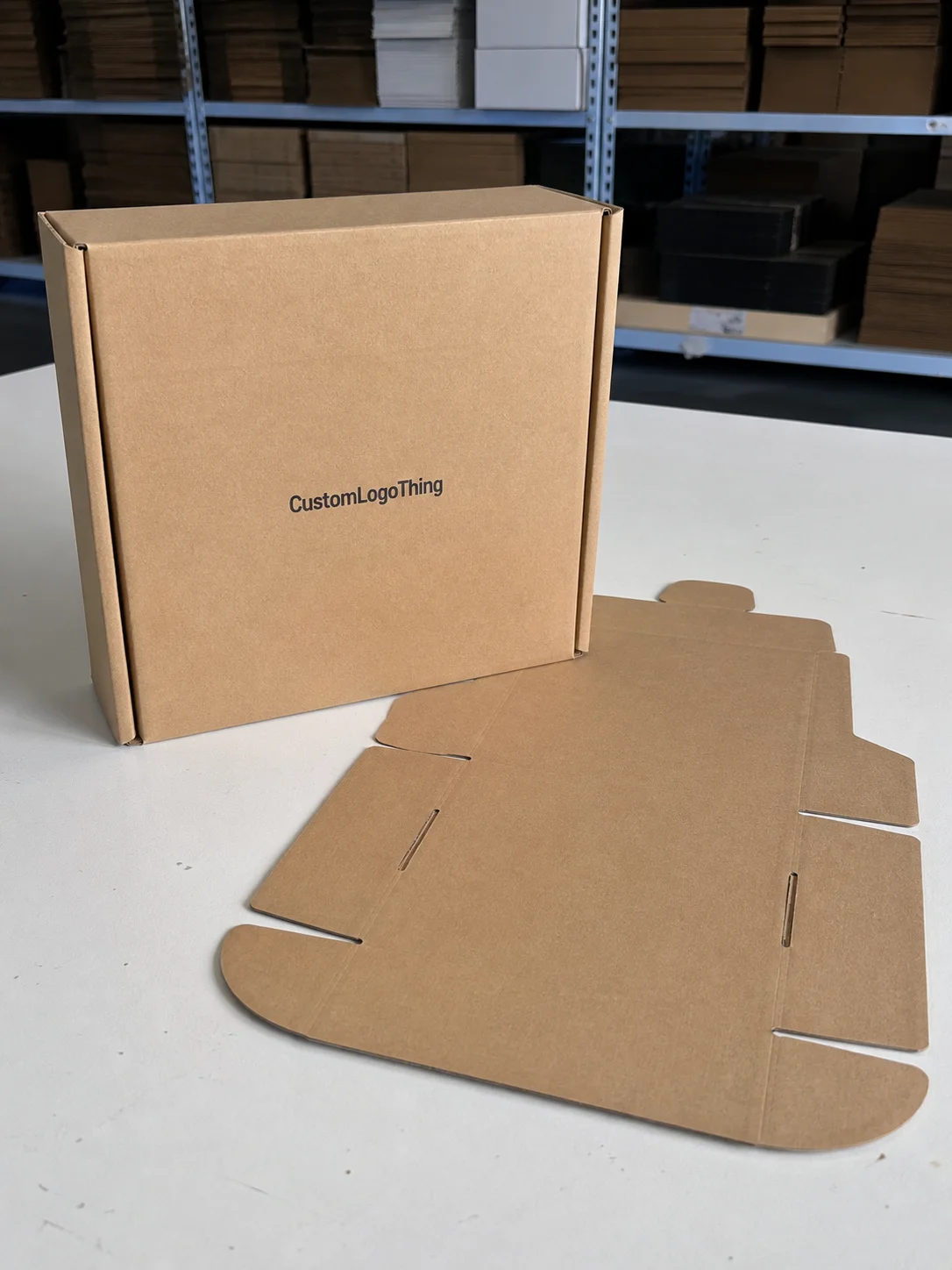
The production process for custom shipping boxes wholesale starts with the quote, but the real work begins with the dieline. Once the dimensions, structure, and print area are approved, the design team builds a flat template that shows cut lines, folds, glue areas, and artwork boundaries. That dieline is where many errors are caught early. If the artwork bleeds into a crease or the logo sits too close to a folding flap, it is far cheaper to correct it in prepress than after the die is made, especially when the tooling is being produced for a plant in Dongguan or Foshan.
Next comes proofing. I always prefer at least a digital proof and, when the project is new or the item is fragile, a physical sample. The sample lets you test the fit with the actual product, measure void space, and confirm how the closure behaves. I remember a food brand in New Jersey that insisted their jar fit would be “obvious” from the drawing, but the physical sample showed the lid height interfering with the top flap. One half-inch adjustment solved the issue and prevented a costly production mistake. That is the kind of thing custom shipping boxes wholesale buyers should expect a good supplier to catch before a 12,000-piece run starts.
After approval, the plant moves into tooling or plate creation, depending on the print method. Then corrugate conversion begins: board is printed, die-cut, scored, glued, bundled, and palletized. On a busy floor, those steps are scheduled to keep the corrugator and converting lines moving with as little idle time as possible. A plant supervisor is constantly balancing board availability, press capacity, and whether one order can be nested into another run to reduce waste. That is why lead times vary so much even for the same style of box, especially during peak season in August through November.
For realistic timing, I tell buyers not to guess. A straightforward custom shipping boxes wholesale order with approved artwork and standard board can move faster than a complex project, but the final schedule depends on tooling, current factory load, and how quickly the proof gets signed off. A simple print-and-convert run typically takes 12-15 business days from proof approval, while more complex structures, specialty coatings, or larger volumes can take 18-25 business days or longer. Freight needs its own timeline too, especially if the receiving dock requires appointments or the warehouse is a busy fulfillment center in Atlanta, Chicago, or Reno.
Delivery planning matters more than a lot of first-time buyers expect. If cartons are going to an ecommerce 3PL, they may need pallet labels, ASN details, and a dock appointment. If they are going to a manufacturing site, the receiving team may want cartons staged by SKU or bundle count. I’ve seen perfectly made custom shipping boxes wholesale orders create unnecessary headaches because nobody confirmed the dock requirements before booking freight. A few minutes of planning avoids a day of delays, and a day of delays tends to become several emails nobody enjoys reading, usually because the trailer arrived at 4:45 p.m. with no one left at receiving.
“The box looked great on the sample table, but what really sold us was how it behaved on the pack line. That is where the savings showed up.”
That quote came from a client who had already spent too much on flashy packaging that did not help order fulfillment. Once they shifted to a carton built around line speed, the conversation changed from appearance to throughput, and that is where the more durable savings live. In their case, the new carton reduced pack time by 14 seconds per unit, which mattered a great deal across 20,000 monthly orders.
Why Buyers Choose Custom Logo Things for Wholesale Orders
Custom Logo Things is a fit for buyers who want more than a pretty carton. The goal behind custom shipping boxes wholesale here is to balance branding, protection, and production reality. I appreciate that because too many packaging conversations stay stuck on artwork samples and ignore board performance, converting tolerances, or how a box will behave after 300 miles in a carrier network from Memphis to Boston.
What matters to me, and what I think matters to serious buyers, is hands-on packaging experience. Corrugated converting is not theoretical. It is board selection, die-cut accuracy, glue control, bundle counts, and repeatability across production lots. I’ve spent enough time on factory floors to know that a box can look perfect in a mockup and still be a pain if the flap score is wrong or the closure tab catches during assembly. A solid supplier should know how to spot those issues before the cartons ship, not after a warehouse supervisor starts muttering into a pallet jack in a 110,000-square-foot fulfillment center in Phoenix.
That is where technical guidance becomes valuable. A buyer might come in asking for a certain look, but the better conversation is: what do you ship, how much does it weigh, how far does it travel, and how will it be packed? When those questions get answered, custom shipping boxes wholesale can become a packaging system instead of a one-off purchase. I’ve helped brands simplify from six carton formats down to three, and the result was less warehouse clutter, fewer picking errors, and easier reordering over a 90-day buying cycle.
Communication matters too. Buyers need clear quotes, not vague ranges that hide setup charges. They need realistic advice on material choices, not a push toward the heaviest board every time. And they need a supplier who understands ecommerce shipping, retail packaging, and the practical demands of order fulfillment. If the carton is branded but the shipper gets damaged in transit, the design missed the point. If the box is strong but expensive to pack, the operations side missed the point. Good packaging sits in the middle, usually with a line speed that makes the floor manager nod instead of sigh.
At Custom Logo Things, Custom Packaging Products are approached with that balance in mind. If you are comparing box programs, the relationship between custom shipping boxes wholesale, custom printed boxes, and other branded packaging formats should feel coordinated, not piecemeal. That is usually the difference between buying packaging and building a packaging program, especially when replenishment happens every 4 to 8 weeks.
I also like working with buyers who understand that a little technical honesty is healthy. Sometimes the right answer is a cheaper board with better structure. Sometimes the answer is a slightly larger carton to protect a fragile insert. Sometimes the best option is to simplify print so the order lands on time and within budget. Honestly, I think clients respect that kind of directness because it helps them make decisions with real numbers instead of hope, and hope does not pay freight invoices from Los Angeles to Orlando.
How do you choose custom shipping boxes wholesale for your product?
Start with the packaged product dimensions, weight, transit path, and how the box will be used on the packing line. Then match the board grade, flute type, and closure style to those requirements. The best custom shipping boxes wholesale choice is usually the one that protects the item, moves quickly through the warehouse, and keeps landed cost under control. A good sample test will tell you more than a drawing alone ever could.
How to Order and What to Prepare Next
If you are ready to request custom shipping boxes wholesale, gather the product dimensions first, and make sure they are the actual packaged dimensions if you already have an insert or protective wrap. Include the product weight, the preferred box style, the quantity you want, the artwork files if they are ready, and the shipping destination. Those five details are enough to start a serious quote conversation and avoid back-and-forth that slows production. If you can include the receiving zip code, such as 60607 in Chicago or 30336 in Atlanta, freight planning gets much more accurate from the start.
Photographs help too. If you can send a picture of the current packed product or the old carton, it gives the packaging team a better look at fit, closure style, and where the product might shift. In one meeting I attended, a simple side-view photo showed that a bottle neck was hitting the inside flap on a previous carton, which saved us from repeating the same mistake in the new custom shipping boxes wholesale order. A sample unit sent to the supplier can be even better, especially for fragile or oddly shaped items, and it often cuts revision cycles from three rounds to one.
If the first dieline needs revision, ask for it early. Small changes in depth, flap overlap, or tuck structure can improve cost and performance together. I’ve seen a 1/4 inch depth reduction cut board usage enough to matter at 10,000 cartons, while also making the box easier to close on the line. Those are the kinds of details that make custom shipping boxes wholesale worthwhile rather than just decorative, and they are the kinds of savings a plant in Mexico City or Jiangsu can actually execute if the specs are clear.
The simplest ordering path is usually this: choose the box style, confirm the specs, approve the proof, finalize the quantity, and schedule production. If your team is still comparing suppliers, compare total landed cost instead of only unit price. Freight, fit, damage reduction, and warehouse efficiency all influence the real outcome. A carton that costs a little more on paper can still save money if it reduces returns or removes a layer of void fill from every shipment, especially when the parcel volume is 15,000 to 30,000 units a month.
If you need a broader wholesale packaging plan, it can help to review Wholesale Programs alongside your box quote so the carton strategy and replenishment approach match your inventory flow. That becomes especially useful for brands running both boxes and Custom Shipping Boxes in recurring orders, because standardization keeps the buying cycle cleaner and the warehouse easier to manage.
custom shipping boxes wholesale works best when it is treated like an operational tool. The right carton protects the product, supports the brand, and keeps the shipping budget honest. The next step is simple: define the internal size, board grade, print needs, and shipment path before you compare quotes, because those four specs usually decide whether a box saves money or quietly eats it.
Custom Shipping Boxes Wholesale: decision table
| Decision area | Best fit | What to verify | Risk if skipped |
|---|---|---|---|
| Board or flute choice | Product protection, stacking strength, and shipping distance | Caliper/flute, crush resistance, and sample fit | Weak structure or oversized cartons increase damage and freight cost |
| Print and finish | Retail presentation, unboxing, and shelf recognition | Color proof, coating, scuff resistance, and logo placement | A good dieline can still look cheap if finish and color drift |
| Packing method | Hand packing, ecommerce fulfillment, or retail-ready cartons | Inner count, master carton, label position, and warehouse handling | Good packaging slows operations if pack-out is ignored |
FAQs
What is the minimum order for custom shipping boxes wholesale?
The MOQ for custom shipping boxes wholesale usually depends on the box style, board grade, and whether the order needs custom cutting or print plates. Simple standard-size corrugated runs may allow lower quantities than fully custom die-cut boxes. Ask for a quote that separates unit cost, setup cost, and freight so you can judge the best order size. In many cases, 1,000 to 2,500 pieces is a practical starting point for custom structures, while printed stock-size runs can sometimes begin at 500 pieces if the plant already has the tooling.
How long do custom shipping boxes wholesale orders take?
Lead time depends on dieline approval, artwork readiness, tooling, and current factory scheduling. After proof approval, production can move faster when the design uses standard board and common print methods. Freight timing should be planned separately, especially for warehouse receiving appointments or busy fulfillment centers. For many orders, production typically runs 12-15 business days from proof approval, while freight can add 2-7 business days depending on origin and destination.
Which corrugated material is best for custom shipping boxes wholesale?
E-flute works well for lighter retail items and cleaner print surfaces. B-flute and C-flute offer stronger cushioning and are often better for general shipping or heavier products. Double-wall is best when stacking strength, protection, or long-distance transit is a priority. A good specification might call for 350gsm C1S artboard on a printed outer face, or 32 ECT single-wall corrugated for lighter ecommerce programs, depending on the load and route.
Can I get branded shipping boxes without paying too much?
Yes, pricing can stay efficient when you standardize sizes, keep artwork simple, and select the right board grade. Buying larger wholesale quantities generally lowers unit cost, especially after setup is spread across more cartons. Good packaging engineering often saves money by reducing void fill, damage rates, and oversize shipping charges. For example, a straightforward one-color run at 5,000 pieces may price around $0.15 per unit in some U.S. or offshore production scenarios, depending on size and freight.
What should I send to get an accurate quote for custom shipping boxes wholesale?
Provide internal product dimensions, product weight, desired box style, print needs, and annual or one-time quantity. Include artwork files if available, or at least logo placement notes and brand colors. If possible, send a sample product or current packaging so the supplier can verify fit and shipping performance. Adding the destination zip code, pallet count, and any required delivery window will usually make the quote more accurate on the first pass.