Custom Shop Bags: How Buyers Spec, Price, and Order
Learn how to size, price, print, and produce custom shop bags so retail teams can Request the Right Quote, reduce waste, and Buy With Confidence.
What Custom Shop Bags Do on the Sales Floor
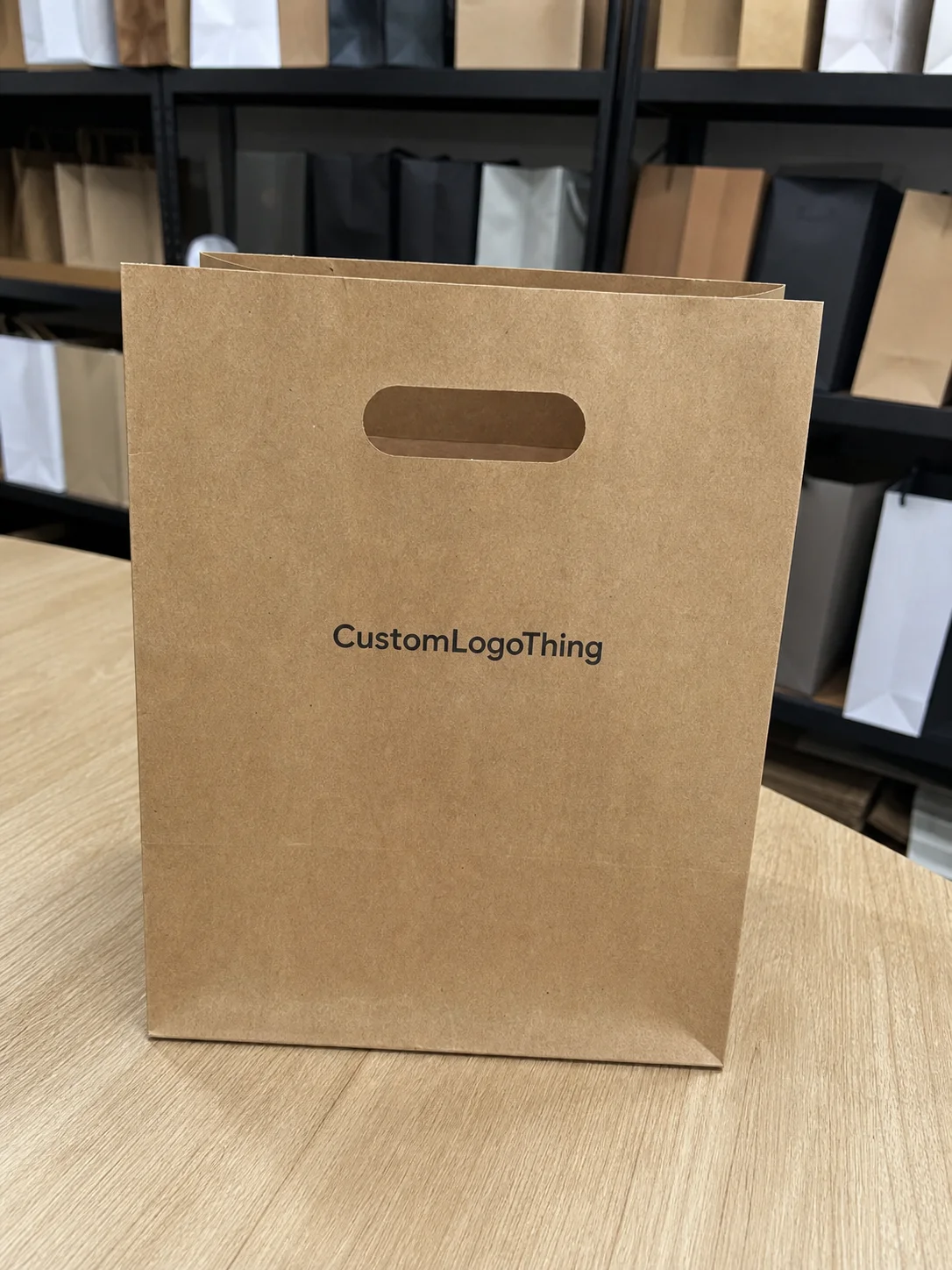
A carry bag keeps working after the sale. It moves through parking lots, offices, transit, and homes, which is why custom shop bags need to do more than carry a logo. Buyers should care about handle comfort, print durability, and whether the bag feels strong enough to keep using.
From a sourcing standpoint, the bag has to balance presentation, protection, and cost. A heavier film raises unit price. A more complex print can add setup and proofing time. A premium handle changes both feel and budget. If the spec is off, the bag may look good in a proof and still fail in use.
Different products need different structures. Folded apparel, boxed candles, cosmetics, and returns do not place the same demands on the bag. Some programs need stiffness so the bag stands open at checkout. Others need more stretch and seam strength because the load is heavier or awkwardly shaped. The right spec matches the merchandise and the way staff actually pack it.
There is also a practical brand effect. A bag that holds up gets reused more often, which extends the brand’s visibility. A flimsy bag gets discarded quickly. A better-built one stays in circulation long enough to matter.
Materials, Handles, and Print Options That Change Performance
Material choice controls much of the bag’s behavior. HDPE is stiffer and usually more economical, so it works well for lighter retail items, folded apparel, and counter service. It keeps its shape and gives the bag a crisp look. LDPE is softer, with more stretch and a smoother hand feel, which makes it a better fit for heavier loads or premium programs.
Thickness matters as much as resin type. Too thin, and the bag can tear at the handle or split at the seam. Too thick, and cost rises without adding much value. As a starting point, lighter handout bags often sit around 11 to 18 microns, while heavier builds may fall around 1.5 to 2.5 mil in LDPE. Final choice should follow load weight, bag size, and carrying distance.
Handle style changes the customer experience. Die-cut handles suit lighter loads and usually keep the bag looking neat. Loop handles distribute weight better and are easier on the hand when the bag is carried farther or loaded heavier. Reinforcement is worth considering when the bag regularly runs near capacity.
Printing affects both appearance and tolerances. A single-color logo on a light background is generally the simplest and most cost-effective setup. Multi-color artwork, reverse print, and dense coverage increase setup complexity and can raise the quote. Fine type is another risk point, because small copy that looks clear on screen can blur or break up on film.
Buyers should ask how the print behaves on the actual substrate, not just in the mockup. It also helps to ask what testing the supplier uses for film behavior. References such as ISTA for shipment performance and common ASTM film tests for tensile or impact strength make comparisons more disciplined. Testing does not replace a sample, but it helps separate a good-looking proof from a workable spec.
Recycled content can be part of the brief, but it should be treated as a performance decision too. Recycled resin can affect clarity, stiffness, seal behavior, and print consistency. If the broader packaging program uses traceability requirements, that may also apply to related materials such as custom printed boxes. The claim needs to match the supply chain and the actual bag performance.
| Spec choice | Typical use case | Approximate unit cost at moderate volume | What changes on the floor |
|---|---|---|---|
| HDPE, one-color print, die-cut handle | Light apparel, small impulse items | $0.11-$0.18 at 5,000 pieces | Lower cost, crisp shape, less stretch |
| LDPE, one- or two-color print, loop handle | Heavier retail items, boxed goods | $0.18-$0.32 at 5,000 pieces | Better carry comfort, softer feel, more premium look |
| Recycled-content LDPE, larger print area, reinforced handle | Flagship stores, brand-heavy programs | $0.24-$0.38 at 10,000 pieces | Stronger brand presence, better durability, higher freight sensitivity |
Cost and MOQ: What Really Moves the Price
The quote for custom shop bags usually comes down to six variables: size, material, thickness, print colors, handle style, and quantity. Buyers often focus on unit price, but that only tells part of the story. Setup charges, proofing, freight, overage, and packing format all affect landed cost.
MOQ reflects production economics. Plates, setup labor, material waste, and calibration time do not change much whether the run is 2,000 pieces or 20,000. Smaller orders therefore carry a higher per-piece cost. The most useful price breaks are often around 5,000, 10,000, and 25,000 units, where the cost curve tends to shift.
When reviewing a quote, separate the components:
- Unit cost: useful for comparison, but not enough on its own.
- Setup or plate charges: sometimes visible, sometimes embedded in the unit price.
- Proofing: virtual proofs are common; physical samples usually add cost.
- Freight: bulky packaging can move landed price more than expected.
- Packing format: bundles, cartons, and palletization affect handling and storage.
- Rush fees: the fastest way to turn a workable budget into a bad one.
The cheapest bag is not always the cheapest order. A thin bag that splits at the handle can trigger replacements, complaints, and wasted inventory. In that case, a slightly stronger gauge may lower the true cost by reducing failures and reorders. That matters most for programs that replenish regularly.
A more reliable comparison is to request the same spec at three quantities and compare landed cost line by line. That keeps the decision grounded in actual economics instead of a single factory quote. If you need a reference point for the format before sending requests, use a stable product page such as Custom Packaging Products so each supplier is pricing the same build.
Production Steps and Lead Time: From Artwork to Delivery
The production path is straightforward in theory and easy to slow down in practice. For custom shop bags, the sequence usually runs through artwork intake, prepress, proof review, production, packing, and shipment. Straightforward art and stable quantities move quickly. Incomplete artwork or vague specs slow every step.
Prepress is where many delays start. The supplier checks dielines, logo placement, file resolution, font outlines, barcode readability if needed, and color separations. Raster art, tiny type, or a logo built at the wrong size can create avoidable problems before production begins.
Virtual proofs help with layout approval, but they do not show how ink behaves on film or how opaque a color will look under store lighting. When finish or color accuracy matters, a physical sample or press proof is worth the extra step. That is especially true for premium retail programs where the bag sits next to other branded materials.
Lead time depends on more than machine time. Material availability, print complexity, order size, carton configuration, and shipping method all matter. A one-color run with standard film may be faster than a multi-color order with a reinforced handle and custom packing. Sea freight lowers transit cost but adds time. Air freight can protect a launch, but it raises landed cost quickly.
For seasonal launches, store openings, and rollout dates tied to merchandising deadlines, the safer move is to build buffer time into the plan. Late packaging affects the front end of the store, not just the supply chain spreadsheet. Once the bag is in the checkout flow, a delay touches every transaction it was meant to support.
How to Specify the Right Size, Gauge, and Finish
Start with the product, not the bag. A folded shirt, a boxed fragrance set, and a bottle with a tall neck behave differently in a carrier. If the bag is too narrow, the contents bulge and stress the seams. If it is too tall, the load shifts and becomes awkward to carry.
Measure width, gusset, and height against the largest item you expect to pack, then add clearance for fast checkout use. The best bag is not the one that fits perfectly in a mockup. It is the one that can be loaded quickly without forcing staff to jam the product inside.
Gauge selection should follow weight, frequency of use, and expected reuse. Thicker film improves puncture resistance and load stability, but it also changes cost and handling feel. Finish matters too. Gloss makes colors pop and can look more vivid under bright lights. Matte reads as more restrained and premium. Translucent or clear options are useful when the product itself should remain visible.
Good specifications usually balance three things:
- Carrying comfort for the customer.
- Structural strength for the packed load.
- Visual consistency for the brand.
A bag spec should never be reduced to logo placement alone. A good mark on the wrong substrate still feels cheap. A plain design on the right film can feel controlled and intentional. Often the difference is a small change in thickness, a cleaner seal, or a handle shape that spreads weight better across the hand.
Common Ordering Mistakes That Create Reprints and Waste
The most expensive mistake is approving a bag that looks right in a PDF and fails in the hand. A proof can hide problems that only appear when the bag is filled. A seam may split. A handle may cut into the palm. A print may look too dark once it is applied to film.
Artwork errors are another common source of avoidable loss. Flexible surfaces distort graphics more than many buyers expect. Thin fonts can break up. Low-contrast colors can disappear. A centered logo may look balanced on screen and drift once the bag is cut, folded, and filled.
Compliance deserves the same attention. Country-of-origin notes, recycling language, retailer-specific packaging rules, and environmental claims can all affect what can be printed. If recycled content or sustainability messaging is part of the order, the language has to be accurate and documentable. Vague claims create rework, and rework is always more expensive than planning.
There is also a quieter kind of waste: poor inventory forecasting. Some teams overbuy because they fear stockouts. Others underbuy and then place rushed reorders that cost more in freight and time. The cleaner approach is to match MOQ, lead time, and forecasted usage before issuing the purchase order. That matters most for seasonal changes, store-count shifts, or frequent visual updates.
If the bag tears before the customer reaches the car, the brand has already paid for the wrong signal.
What to Prepare Before You Request a Quote
The fastest way to get an accurate quote for custom shop bags is to send a spec sheet instead of a loose request. At minimum, include size, material, thickness, handle style, print colors, quantity, target delivery date, and any compliance notes. If the supplier has to infer even one of those details, the quote will usually come back with assumptions that need correction.
Send the actual artwork files, not screenshots or low-resolution mockups. For logos and line art, vector files are the cleanest starting point. Include brand colors, font names, and placement notes. If the artwork is complex or the brand is sensitive about exact color and proportion, ask for a proof before production starts.
Ask for pricing at multiple quantity levels. The spread between 5,000 and 10,000 units is sometimes small, and sometimes large enough to justify carrying more inventory. The right choice depends on warehouse space, expected sell-through, and how often the design changes with promotions or seasonal campaigns.
If the feel of the bag matters to the customer experience, request a sample or sample images before committing. That is especially useful for premium retail programs that sit next to higher-end product packaging or other branded materials. Buyers can also compare proposals against a consistent reference such as Custom Packaging Products so each vendor is quoting the same build instead of a different interpretation.
Once those basics are clear, the rest of the process gets easier. The supplier can price the order more accurately, production can move with fewer corrections, and the final bag has a better chance of doing the job it was meant to do.
What are the best materials for custom shop bags?
HDPE works well when stiffness and lower cost matter most. LDPE is usually better when softness, stretch, and a more premium hand feel are priorities. The right choice depends on load weight, reuse expectations, and print coverage.
How much do custom shop bags cost per order?
Unit price changes with size, thickness, print colors, handle style, and quantity. MOQ can push smaller runs into a higher per-bag cost. Compare landed cost, not just the factory quote, because freight, setup, and packaging format can change the total materially.
How long does production usually take for custom shop bags?
Lead time depends on proof approval, material availability, print complexity, and shipment method. Orders move faster when artwork is final and quantities are stable. Shipping can add or remove several days from the total timeline.
What artwork files should I send for custom shop bags?
Vector files are preferred for logos and line art because they scale cleanly. Include brand colors, font names, and a clear placement reference. If the layout is complex, ask for a proof before production starts.
How do I choose the right size for custom shop bags?
Measure the largest item you expect to pack, then add practical clearance. Include gusset depth so the bag can hold boxed or bulky items without strain. Test the size against your typical checkout load, not just one product.
Buyers who treat custom shop bags as a specification exercise usually end up with cleaner artwork, fewer complaints, and less waste. The best result is not the cheapest bag on paper or the flashiest print in a sample kit. It is the one that balances strength, print clarity, carrying comfort, and total landed cost in a way that matches how the store actually works.


