Buyer Fit Snapshot
| Best fit | Custom Shoulder Neck Boxes projects where brand print, material claims, artwork control, MOQ, and repeat-order consistency need to be specified before quoting. |
|---|---|
| Quote inputs | Share finished size, material target, print colors, finish, packing count, annual reorder estimate, ship-to region, and any compliance wording. |
| Proofing check | Approve dieline scale, logo placement, barcode or warning zones, color tolerance, closure strength, and carton packing before bulk production. |
| Main risk | Vague material claims, crowded artwork, missing packing details, or unclear freight terms can make a low unit price expensive after revisions. |
Fast answer: Custom Shoulder Neck Boxes: Design, Cost, Fit, Uses should be specified like a repeatable production item. The safest quote records material, print method, finish, artwork proof, packing count, and reorder notes in one written spec.
Production checks before approval
Compare the actual filled-product size with the drawing, then confirm tolerance on folds, seals, hang holes, label areas, and retail display edges. Reserve space for logos, QR codes, warning copy, and material claims before decorative graphics fill the panel.
Quote comparison points
Review material grade, print process, finish, sampling route, tooling charges, carton quantity, and freight assumptions side by side. A quote is only useful when the supplier can repeat the same color, closure quality, and packing count on the next order.
A box can lift perceived value before the product even comes into view. That is why custom shoulder neck boxes matter so much: the structure does part of the selling for you, quietly, with a crisp edge, a controlled lift, and a reveal that ordinary retail packaging rarely matches.
From a packaging buyer’s point of view, custom shoulder neck boxes are not just attractive rigid boxes with a more refined name. They are a structural choice that tells the customer the product inside was handled carefully, fitted properly, and given a packaging experience that feels deliberate rather than improvised. Fragrance, candles, cosmetics, jewelry, gift sets, and presentation kits all benefit from that signal because the box becomes part of the perceived value.
A mid-range product placed in custom shoulder neck boxes can feel expensive before anyone touches the item. Lid alignment, board weight, and the stepped edge all communicate precision. That signal is not decorative fluff. It changes how people read the product, the brand, and the price tag in one glance.
What Custom Shoulder Neck Boxes Are and Why They Feel Premium
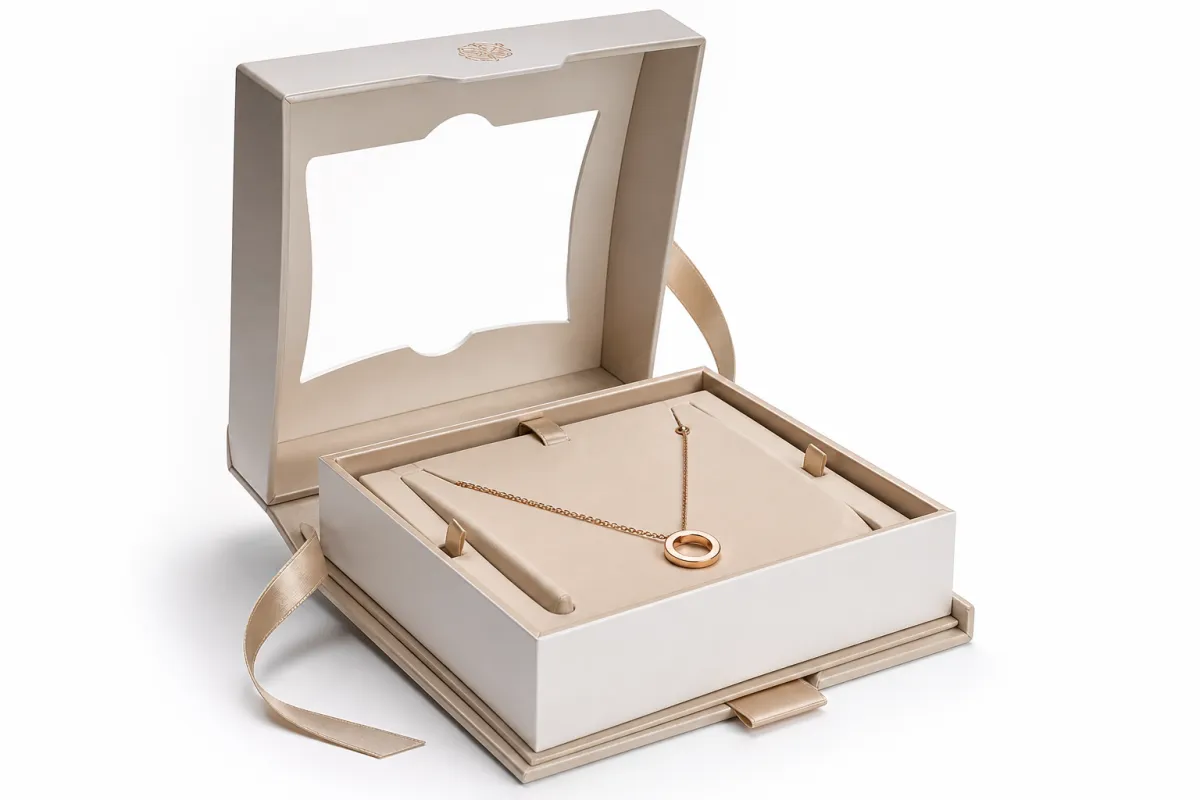
Custom shoulder neck boxes are rigid boxes built from several fitted layers. The base holds the product, the neck rises above the base edge, and the shoulder creates the step that supports the lid. Once those layers are cut, wrapped, and assembled with care, the lid sits flush and the box gets the engineered edge people associate with premium packaging.
The build sounds simple, though the production side asks for real precision. The lid slides over the shoulder, the shoulder rests on the neck, and the neck sits on the base. That nested setup creates a pause before the product is exposed. Instead of a basic lift-off lid that opens all at once, custom shoulder neck boxes guide the reveal in a slower, more controlled way. Luxury gift packaging and high-end retail packaging rely on that feeling more than most people realize.
The opening motion matters. Customers do not need a technical drawing to sense that a box was designed with intent. The lid should not wobble. The seam should not gape. The closure should not feel forced. Well-made custom shoulder neck boxes make the opening sequence feel measured, and that measured feeling is part of what premium branding is supposed to deliver.
These boxes show up often in fragrance, candles, cosmetics, jewelry, premium beverage gifts, skincare sets, tech accessories, and presentation kits. In those categories, the box often has three jobs at once: protect the product, present the brand, and help justify the price. That is a demanding role for custom printed boxes, yet this format handles it with more presence than many alternatives.
A box that looks expensive but fits badly is just expensive cardboard with confidence issues.
There is a practical reason brands keep choosing custom shoulder neck boxes. The rigid construction gives the product more stability in transit and more visual order on shelves. Fragile glass, heavy jars, and multi-part sets all benefit from the extra control, because the structure reduces movement and improves the unboxing sequence. It is not magic. It is better engineering, and customers can feel the difference.
Some buyers treat this format like decoration, which misses the point. The shoulder, neck, and lid alignment are part of the protection system. If the product needs to arrive intact and feel special the moment the box opens, custom shoulder neck boxes make sense. If the item is low-cost and disposable, the structure may be more box than the product can support. Packaging design has to fit the margin, not just the mood board.
I have seen brands fall in love with the look first and only later realize the box has to live in warehouses, ship in cartons, and open cleanly for people who have never seen the sample. That is where the format proves its value. It is not only about drama on a mockup; it is about creating a controlled physical experience that holds up outside the studio.
How Custom Shoulder Neck Boxes Work: Structure and Fit
The fit is the whole story with custom shoulder neck boxes. The lid does not simply sit on top of the base. It nests over the shoulder, which means the internal dimensions, board thickness, wrap allowance, and glue build all affect the final result. A few millimeters can decide whether the lid feels crisp, loose, or frustratingly tight.
Measurement matters more here than in simpler rigid box styles. If the product runs slightly taller than expected, the shoulder may not leave enough clearance. If the board thickness ends up heavier than planned, the lid can feel too snug. If the wrap is applied unevenly, the visual lines can drift. Custom shoulder neck boxes do not forgive guesswork, and that is part of why they earn their reputation.
The product itself has to cooperate with the internal structure. Inserts, trays, and cavities need to hold the item at the right height so the shoulder depth does not hide too much of the product or leave too much empty space. Fragrance and cosmetics often sit centered inside a snug insert. Gift sets may need multiple cutouts or layered trays. The box and the item have to work together if the packaging is going to feel intentional.
Good custom shoulder neck boxes create a touch of resistance when the lid is lifted. Not much. Just enough to signal quality. That slight friction, followed by a clean reveal, becomes part of the brand story. It is the difference between opening a package and opening something worth keeping on a shelf.
A useful way to break down the structure is this:
- Base holds the product and provides the main body strength.
- Neck adds vertical build and helps form the stepped profile.
- Shoulder supports the lid and creates the visual break line.
- Lid completes the outer shape and defines the first impression.
- Insert secures the item and limits movement during shipping.
That stacked anatomy is why structural design matters so much. A one-piece folding carton can be efficient and clever, but custom shoulder neck boxes deliver a different level of presence. Brands choose them when the packaging needs to communicate weight, care, and permanence. In practical terms, that is package branding doing real work.
For larger or more fragile orders, testing the fit against actual product samples is the right move. Packaging teams often borrow from transit-test logic similar to ISTA practices, because a box that only looks good on a table is not finished. It still has to survive the route to the customer.
Choosing Materials, Finishes, and Inserts for Custom Shoulder Neck Boxes
Material choice changes everything about custom shoulder neck boxes. Board thickness, wrap paper, print method, and insert style all affect feel, cost, durability, and freight weight. The same box can read subtle, loud, earthy, or ultra-luxurious just by changing those ingredients. Packaging design is never only a graphic exercise, even when the artwork gets most of the attention.
For the rigid shell, many projects use greyboard or chipboard in the 1.5 mm to 3 mm range, depending on product weight and the level of stiffness required. Heavier products usually need thicker board because a thin shell starts to feel soft and cheap. Lighter accessories may work well with a slimmer build, which helps control cost and carton weight. With custom shoulder neck boxes, the board should match the item, not the fantasy.
The wrap paper carries a lot of the visual load. Coated art paper gives sharp print and clean detail. Specialty paper brings texture and depth. Soft-touch lamination creates a smooth, velvety finish that many beauty brands still like because it reduces glare and feels expensive in the hand. Foil stamping, embossing, debossing, and spot UV each add a different contrast. Used carefully, they elevate custom shoulder neck boxes. Used carelessly, they start to look like a sample book of finishing tricks.
Inserts deserve the same level of attention. Foam can protect fragile items, though it may not align with a sustainability target. Cardboard inserts are easier to recycle and often easier to print. Molded pulp has a stronger eco story, especially for brands that want greener retail packaging. Paperboard inserts sit in the middle: practical, clean, and usually easier to scale. The best choice depends on product weight, breakage risk, and the kind of unboxing experience you want the customer to have.
If you are sourcing FSC-aligned paper or board, the chain-of-custody side is worth checking. The FSC system helps when brand claims matter and the buyer wants a cleaner sourcing story. For many custom shoulder neck boxes projects, that one detail supports the larger brand message without needing a loud sustainability script.
Practical material combinations often look like this:
- Premium fragrance: 2 mm rigid board, specialty paper wrap, foil logo, EVA or paperboard insert.
- Beauty set: 1.5-2 mm board, printed art paper, soft-touch lamination, molded pulp tray.
- Jewelry: sturdy rigid board, textured wrap, foil plus emboss, velvet or paper insert.
- Gift kit: heavier base board, full-color print, spot UV on logo, multi-compartment insert.
Custom printed boxes do not need every finish available. A restrained build usually looks better, and I have seen plenty of custom shoulder neck boxes weakened by too many effects competing for attention. One good foil detail and one thoughtful texture can do more than four decorative layers fighting each other. More decoration does not automatically mean more value. Often, it just means more cost and more visual noise.
If you are comparing formats, take a look at other Custom Packaging Products before locking the spec. That makes it easier to see whether you actually need a shoulder-neck build or whether another rigid format would deliver the same shelf impact for less money.
There is also a small but important production habit that separates decent results from polished ones: match the finish stack to how the box will be handled. A soft-touch wrap feels great, but if the carton is going through a rough distribution chain, scuff resistance matters just as much as the hand-feel. That kind of practical thinking saves a lot of back-and-forth later.
Custom Shoulder Neck Boxes Cost: What Changes the Price
Price for custom shoulder neck boxes starts with quantity. Setup work does not shrink just because the run is small. Die setup, structural sampling, wrap prep, insert cutting, and assembly checks all have to happen whether you order 300 pieces or 10,000. That is why small runs usually carry a much higher per-unit cost.
The structure itself adds cost. Compared with a basic rigid lift-off box, custom shoulder neck boxes use more board, more labor, and tighter assembly control. There is more lining, more wrapping, and more opportunity for tolerance issues. A clean shoulder fit is not accidental. It takes tighter production control, and tighter control costs money. Packaging people call that quality; buyers usually call it the reason the quote climbed so fast. Both reactions are fair.
Decoration adds another layer. Foil stamping needs tooling and press time. Embossing or debossing brings its own setup. Specialty paper often costs more than standard wrap stock. Full-coverage print can raise production time and waste. Custom inserts add another round of tooling and assembly, especially if the item has odd dimensions or multiple parts. With custom shoulder neck boxes, every extra finish is real money, not decoration magic.
| Order Tier | Typical Spec | Estimated Unit Cost | What Usually Changes the Price |
|---|---|---|---|
| Small run | 300-800 pcs, basic print, standard insert | $4.80-$9.50 | Setup spread across fewer boxes, more hand assembly |
| Mid run | 1,000-3,000 pcs, soft-touch, foil logo, paperboard insert | $2.20-$5.20 | Better material efficiency, some setup amortization |
| Higher volume | 5,000+ pcs, optimized die lines, simpler finish stack | $1.25-$3.40 | Lower labor per box, better raw material buying power |
Those ranges are a starting point, not a promise. The real price for custom shoulder neck boxes depends on board thickness, wrap paper, print coverage, insert complexity, and packing method. A plain one-color exterior with a simple insert lands very differently from a full-color wrap with foil, embossing, and a custom tray.
Quote comparison is where many buyers get tripped up. One supplier may include sampling, insert assembly, and packed carton freight. Another may quote only the box shell and quietly leave everything else out. Ask for line items. Ask what is included. Ask whether the sample is credited back on production. Ask whether the quote assumes a finished size or just a flat dieline. That is not being difficult. That is how you avoid getting surprised later.
For cost control, the best move is to simplify the number of operations. Custom shoulder neck boxes become expensive fastest when the spec gets crowded: multiple print passes, specialty wrap, two foil colors, embossed logo, a magnetic closure addition, and a complex insert all at once. A cleaner design with fewer operations often looks more expensive than the overloaded version anyway.
One thing I always tell buyers is to ask which choices are truly structural and which are just visual preference. Sometimes a thicker board is necessary, but a second foil color or extra coating is pure decoration. Separating those two buckets makes the budget easier to defend.
Custom Shoulder Neck Boxes Process and Timeline
The production flow for custom shoulder neck boxes usually begins with dimensions, not artwork. You need the product size, target quantity, insert requirement, and desired finish before anyone can make a useful dieline. Once those basics are in place, the structural design can be built, checked, and approved before the visual work gets ahead of the practical work.
After the brief comes dieline approval. Then artwork. Then sampling. Then production. Then finishing. Then final packing. That sequence looks neat on paper, which is always a charming fiction in packaging. Real projects tend to loop back once or twice because a product dimension changes, a logo needs a different scale, or the insert fit feels off in the sample. That is normal. Custom shoulder neck boxes reward patience more than speed-for-speed’s-sake thinking.
Timelines vary by complexity. A simple build with standard wrap and a plain insert may move through sampling and production in a fairly clean sequence. Add specialty paper, foil, embossing, or a multi-component insert, and the schedule stretches. The longest delays usually happen before the press runs, not during them. Artwork revisions, proof approvals, and sample signoff are where projects lose days.
If speed matters, send clean information early. Exact product dimensions. Final quantity. Preferred materials. Finish direction. Print-ready files. Reference photos. For custom shoulder neck boxes, those details cut down on back-and-forth, which means fewer mistakes and less time spent rebuilding a spec that should have been clear from the start.
A realistic planning framework looks like this:
- Briefing: 1-2 days if the product data is complete.
- Structural design: 2-5 business days for a standard layout.
- Sample review: 3-10 business days depending on finish complexity.
- Production: often 12-20 business days after approval for straightforward runs.
- Packing and dispatch: 2-5 business days, depending on order size and freight method.
Those are typical working ranges, not a guarantee. If the item is fragile, oddly shaped, or packed with multiple accessories, the sample stage can take longer because the insert has to do more than look good. It has to hold the product properly, and that is the point of custom shoulder neck boxes in the first place.
Good buyers also plan for compliance and transit expectations. Boxes going into wider distribution often need to survive drop, vibration, and compression conditions that sit closer to ISTA thinking than to a luxury showroom fantasy. That is one reason the structure should be tested before the full run, especially if the product has weight or glass components. A box that ships badly is not a premium box. It is a complaint waiting to happen.
If you are working with a tight launch date, the safest move is to freeze the structure first and let the artwork follow. Rushing both at once usually creates avoidable revisions, and those revisions are where timelines start to slip.
Common Mistakes with Custom Shoulder Neck Boxes
The most common mistake with custom shoulder neck boxes is guessing the size. Not measuring. Guessing. That usually creates one of three problems: the lid is too tight, the lid is too loose, or the shoulder line looks uneven. None of those problems photograph well, and none of them make the brand look careful.
Another mistake is overdesign. Too many finishes, too many colors, too many decorative touches. The box starts to feel busy instead of premium. I see this a lot in packaging design when a team tries to prove value through the quantity of effects rather than the clarity of presentation. Custom shoulder neck boxes already have structural authority. They do not need to be dressed like a parade float.
Shipping tests get ignored more often than they should. A rigid box that looks great on a shelf can still fail when stacked, dropped, or compressed in freight. If the insert is weak, the lid may shift. If the wrap is poor, corners can scuff. If the product is heavy, the base may buckle. That is why custom shoulder neck boxes need to be treated as product packaging, not display packaging with a better outfit.
Storage and assembly are overlooked as well. Some builds are beautiful and annoying to pack. If the production team has to wrestle every lid or correct every insert by hand, labor cost rises and consistency drops. A smart spec is one that looks good and runs well on the line. Fancy is cheap to sketch and expensive to assemble.
The prettiest box in the room is still a bad decision if it wastes labor or breaks in transit.
There is also the risk of choosing materials that work against the product. Heavy glass jars need sturdier board and better inserts than lightweight accessories. Cosmetic sets often need a precise compartment layout. Jewelry may need extra protection against abrasion. The format of custom shoulder neck boxes is flexible, though it is not forgiving of sloppy planning.
A simple prevention checklist helps:
- Measure the product with the insert included, not by memory.
- Confirm the final print area before artwork is approved.
- Ask for a sample with the actual finish stack.
- Check lid fit after the wrap is applied, not just on the flat dieline.
- Review shipping carton loading so the outer pack does not crush the inner box.
If the order is large or the product is expensive, one sample is not always enough. For custom shoulder neck boxes, a pre-production sample can save far more than it costs because it catches the annoying problems before they become pallet-sized problems. That kind of boring advice protects budgets. Boring is useful.
The other mistake I see is assuming the premium format can rescue weak branding. It cannot. If the artwork, copy, and product story feel unclear, the box will still feel incomplete. The structure can support value, but it cannot invent it out of thin air.
Expert Tips and Next Steps for Custom Shoulder Neck Boxes
Use custom shoulder neck boxes when the product margin can support the structure and the brand story benefits from a premium reveal. That sounds obvious, yet buyers still make the mistake of treating every product launch as if it deserves the same box. It does not. A high-end fragrance or gift set can justify the build. A low-margin commodity usually cannot.
If you are building a quote request, keep the list tight and complete. Send the product dimensions, target quantity, insert requirement, finish ideas, artwork count, delivery location, and any budget ceiling you need to stay under. The better the brief, the cleaner the quote for custom shoulder neck boxes. Vague requests usually produce vague pricing, and vague pricing is just a longer route to surprise costs later.
It also helps to compare formats before you commit. If the structure is still uncertain, review the broader range of Custom Packaging Products and compare the shoulder-neck build against a standard rigid box, sleeve box, or presentation set. Sometimes the best decision is the one that looks slightly less dramatic and works slightly better for the product.
One more practical rule: order a sample. Especially if the item is fragile, oddly shaped, or meant to feel collectible. A sample tells you more than a thousand renderings ever will. You can feel the lid friction, check the shoulder line, inspect the wrap corners, and see whether the insert actually supports the product. That is where custom shoulder neck boxes prove their worth or reveal weak points before the full run starts.
From a buyer’s perspective, the next step is usually straightforward:
- Measure the product accurately and confirm the insert needs.
- Choose the finish direction before asking for price.
- Request a sample with the actual structure and decoration stack.
- Compare at least two quotes so you can separate structure cost from finish cost.
- Decide whether the unboxing value justifies the added spend.
That is the real test for custom shoulder neck boxes. Not whether they look premium in a mockup. Not whether the foil catches the light. Whether the finished box supports the product, fits the budget, and delivers the kind of first impression that makes branded packaging pull its weight.
Done well, custom shoulder neck boxes bring structure, protection, and presentation together in one build. Done poorly, they become expensive proof that measurement and planning matter. If you want the premium look without the usual headaches, start with the product specs, keep the finish choices disciplined, and let the structure do what it was designed to do.
The clearest takeaway is simple: measure first, sample second, decorate last. That order keeps custom shoulder neck boxes elegant instead of fussy, and it gives the packaging enough discipline to actually support the product instead of just dressing it up.
What makes custom shoulder neck boxes different from regular rigid boxes?
The shoulder-and-neck construction creates a stepped fit that feels more premium than a basic lift-off rigid box. Custom shoulder neck boxes also need tighter measurements and better assembly control, so the lid sits cleanly and the reveal feels intentional. They usually cost more because they use more board, more labor, and more finishing work.
How much do custom shoulder neck boxes usually cost?
Pricing depends on quantity, board thickness, print complexity, insert style, and finish level. Small runs cost more per unit because setup work is spread across fewer boxes, while larger runs usually bring the unit cost down. Ask for a line-item quote so you can compare structure, decoration, and shipping instead of guessing where the money went. That is especially true with custom shoulder neck boxes, where hidden setup charges can change the real landed cost fast.
How long does it take to produce custom shoulder neck boxes?
The timeline usually includes structural setup, sample approval, production, finishing, and packing. Simple designs move faster, while custom inserts, specialty paper, and multiple finishing steps add time. If you want speed, send exact product dimensions and print-ready artwork early so you do not slow down the sample stage. For custom shoulder neck boxes, clean input saves days.
What products fit best in custom shoulder neck boxes?
They work especially well for fragrance, candles, cosmetics, jewelry, premium gift sets, and other high-margin retail products. They are a strong choice when presentation matters as much as protection. They are usually not the best fit for low-cost disposable products where the box would cost too much relative to the item. In product packaging terms, custom shoulder neck boxes make the most sense where perceived value matters.
What should I send for a custom shoulder neck box quote?
Send exact product dimensions, quantity, insert needs, preferred materials, finish ideas, and artwork files. Include your target budget and delivery location so the quote reflects the real landed cost. If you already have a reference box, send photos or samples so the manufacturer can match the feel faster. The more complete the brief, the easier it is to price custom shoulder neck boxes accurately.

