Custom Snapbacks for Beer Brands: Specs, Pricing, Lead Time
A brewery hat works because it keeps the brand visible after the beer is gone. That is the practical value of custom snapbacks for beer brands: they act like wearable merch, not disposable promo stock. People wear them to the taproom, on errands, at games, and at events where a clean logo can do more than a flyer ever could.
The difference between a hat people keep and a hat they forget usually comes down to the blank, the decoration, and the fit of the artwork on the crown. If any one of those is off, the piece feels generic. If all three are right, the cap feels like part of the brand instead of a side project.
What custom snapbacks for beer brands actually are
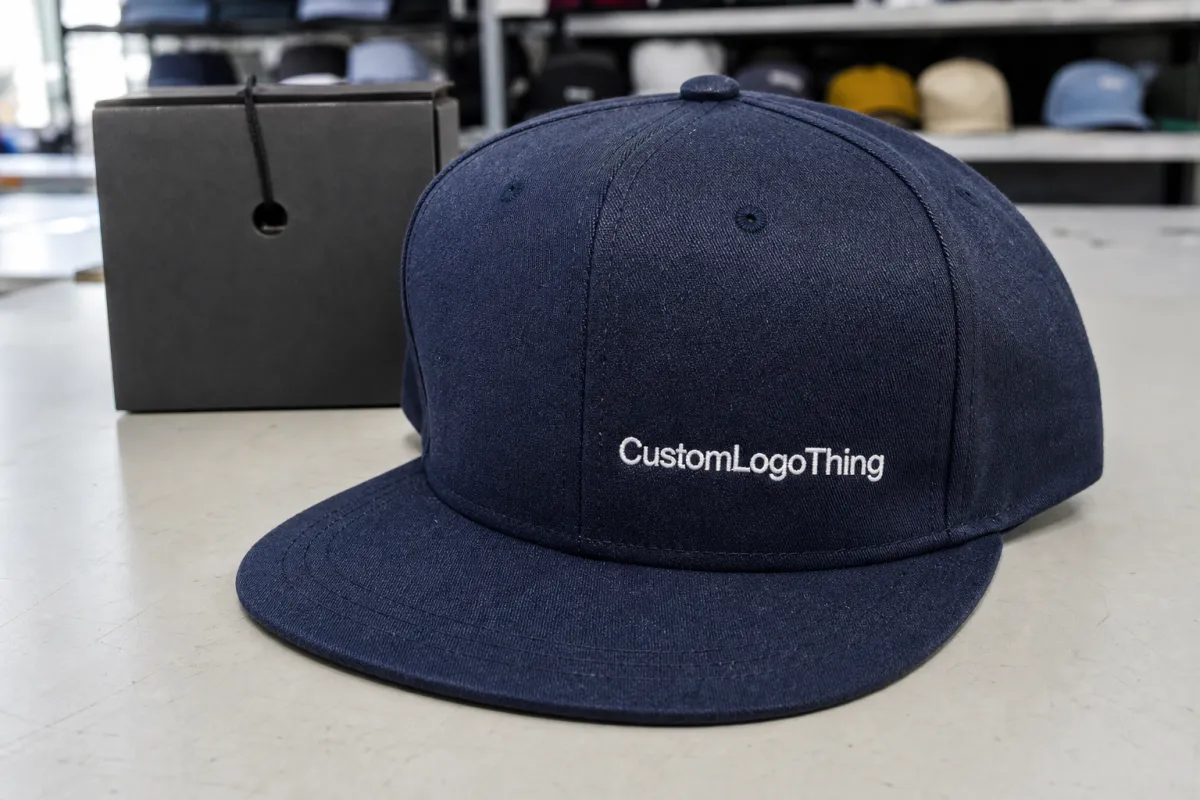
Custom snapbacks for beer brands are structured caps with an adjustable snap closure, commonly used for merch tables, staff uniforms, festival giveaways, distributor gifts, and retail shelves. The format is popular because it is easy to size, easy to wear, and easy to decorate. A structured front panel gives the logo a stable surface, while the adjustable back reduces fit issues.
Beer brands like snapbacks because they read well in public. A front-panel logo is visible from a distance, which matters in a crowded taproom or outdoor setting. The right cap can also stay in circulation for a long time if the blank feels solid and the decoration holds up.
The best versions match the rest of the brand system. If the cans, cartons, menus, and signage already share a look, the cap should echo that language instead of inventing a separate merch identity. That same consistency matters when the project sits inside broader Custom Packaging Products, branded packaging, or product packaging for a beer release.
A brewery hat should be easy to read and easy to wear. If it needs a long explanation, the design is already working too hard.
For buyers, the real decision is not just logo placement. It is the blank quality, decoration method, order quantity, and timeline. Those are the pieces that determine cost and whether the final cap feels worth keeping.
How the cap order process works from concept to shipment
The usual flow is simple: choose a cap style, send artwork, review a mockup, approve a sample if needed, then move into production and shipping. That is the process most buyers want because it keeps the order predictable. Complexity should come from the design, not from the paperwork.
Decoration method changes the final result more than many buyers expect. Embroidery gives the classic brewery look and holds up well. Patches add dimension and can handle cleaner edges or more detailed artwork. Woven labels help with small type. Print can work, but only when the design has enough contrast to survive fabric texture and wear.
The use case should drive the spec. Staff hats need comfort and durability. Retail merch needs stronger shelf appeal. Event hats need artwork that reads quickly because buyers decide quickly.
Suppliers usually ask for a vector logo, color references, quantity, and placement notes. Brand guidelines help if you have them. If you do not, send the cleanest file available and explain where the logo should sit on the front panel. Guessing at placement is how a mark ends up too high, too low, or split by a seam.
A good approval process should also cover the basics before bulk production starts. Check logo size, thread density, panel alignment, closure type, and brim shape on the mockup. If the design feels cramped or the artwork crosses a seam in a bad way, correct it before the run begins. Once production starts, those changes are much harder to make.
Cost, MOQ, and unit pricing for brewery snapbacks
Pricing for custom snapbacks for beer brands depends on a few practical factors: cap quality, decoration method, stitch count, patch type, packaging, and shipping origin. A simple embroidered front on a standard blank is the lowest-friction option. Add premium materials, specialty patches, inserts, or custom packing, and the cost rises because setup and labor rise with it.
MOQ matters just as much. Small runs usually cost more per hat. Larger runs lower the unit price, but only if the quantity makes sense for the launch. A one-night event may only need 100 pieces. An ongoing merch program may work better at 250 to 500 units if the brand wants a lower unit cost without overcommitting inventory.
These ranges are useful starting points, not universal rules:
| Build type | Typical use | Approx. unit price at 100 units | Approx. unit price at 500 units |
|---|---|---|---|
| Basic embroidered snapback | Staff wear, giveaways, taproom merch | $7.50-$11.00 | $5.50-$8.00 |
| Mid-tier patch snapback | Retail merch, seasonal drops | $9.50-$14.50 | $7.00-$11.00 |
| Premium blank with specialty patch | Higher-end retail tie-ins, collector merch | $13.00-$19.50 | $9.50-$15.00 |
If you want a quote that is actually useful, send quantity, artwork files, decoration method, target delivery date, and any extras like woven labels or custom packing. Vague requests lead to vague numbers.
Unit price also does not tell the whole story. A cheaper hat that fits poorly or wears out fast is more expensive over time than a slightly better blank with cleaner stitching. Brewery merch gets judged in public, not on a spreadsheet.
Design and spec choices that make the hat feel premium
People notice fit and finish before they think about messaging. Crown structure, brim shape, panel count, closure type, fabric weight, and sweatband comfort all affect how the cap feels in hand and on head. A structured front panel usually photographs better. A softer build can feel nice, but thin fabric often loses shape fast.
Contrast matters more than most buyers expect. Dark thread on dark fabric can disappear. Small details can vanish from a few feet away. A clean logo lockup with proper spacing usually performs better than a crowded design that tries to say too much on one panel. Beer brands tend to work well with bold, simple art that still feels intentional.
Embroidery is the classic choice because it is durable and familiar. A woven patch can carry finer detail without turning muddy. Leather or PVC can push the hat toward collectible territory. None of those is automatically best; the right call depends on whether the hat is meant for staff, a limited drop, or a retail item tied to the beer label.
Look at the inside of the cap too. A decent sweatband, clean seams, and a closure that snaps evenly all affect how the piece feels after it is purchased. Buyers notice rough edges, flimsy mesh, and crooked closures faster than brands like to admit.
For brands already thinking about packaging design, the same logic applies here. The cap is another brand touchpoint. If the can art is loud but the merch is timid, the system feels split. If the artwork is simple and bold, the cap usually lands better with less explanation.
Color matching deserves attention as well. Textiles rarely match a Pantone chip perfectly, and thread shades are even less forgiving than print. If color accuracy matters, ask for the closest available thread or patch material before approval so there are no surprises later.
Production steps, timeline, and lead time you should expect
Most orders move through the same chain: artwork review, mockup approval, sampling, bulk production, quality check, packing, and shipping. The main variable is time. Clean art and simple decoration move faster. Revisions slow everything down.
For a straightforward embroidered run, a realistic lead time is often 12 to 18 business days after proof approval. Patch-heavy builds, specialty fabrics, or multi-step decoration usually need 18 to 30 business days. If the order ships overseas, add transit time, which can stretch the total calendar window to 4 to 7 weeks or more.
Delays usually come from predictable issues: missing vector files, too many color revisions, slow approvals, or design changes after a sample already exists. Most of that can be avoided with tighter prep on the front end.
QC should happen before the boxes leave. Check stitch registration, logo alignment, patch adhesion, panel symmetry, snap function, and brim shape consistency. If the order includes inserts, belly bands, or retail packaging, confirm the packing method protects the brim and prevents flattening. If you want paper components to support a sustainability claim, choose FSC-certified stock. For carton and transit durability, standards like ISTA are a better reference than guessing.
Build backward from the beer release and leave room for proofing. One person should own approvals. A slow color debate can burn a week without improving the hat.
Step-by-step guide to ordering custom brewery snapbacks
- Define the use case first. Staff cap, festival giveaway, and retail merch do not need the same spec or price point.
- Collect the right files. Send vector artwork, brand colors, logo placement notes, and reference images if you have them.
- Compare two versions. Ask for one practical build and one premium build so the cost difference is clear.
- Check the mockup carefully. Review logo size, seam placement, thread color, and whether the design still reads at a glance.
- Confirm schedule and shipping. Make sure the hats land before the beer drop, not after the post that was supposed to sell them.
If you want to compare the same decision logic across other branded items, our Custom Packaging Products page is useful because the questions are similar across product packaging, retail packaging, and package branding. A hat is not a box, but the approval habits are close.
Ask for pricing at multiple quantity tiers if you can. Fifty, 100, and 250 units usually reveal the real breakpoints. That curve shows where savings begin and where complexity starts to cost more.
Common mistakes that make beer-branded snapbacks look cheap
The first mistake is overdesigning the hat. Too many tiny details, weak contrast, and crowded placements make the cap harder to read and more expensive to produce. A snapback does not need to explain the whole brewery story in one front panel.
The second mistake is buying the cheapest blank. Low-cost caps often have a flatter fit, weaker shape retention, and a less pleasant hand feel. People notice that after one wear, not ten. If the merch is supposed to create repeat exposure, a bad blank quietly hurts the return on the order.
The third mistake is skipping the sample or proof. A logo that looks fine on screen can sit too small, too high, or too busy on the actual cap. Fabric has seams. Thread has thickness. Reality has opinions.
The last mistake is timing. Leaving the order until the last week of a launch forces rushed approvals, fewer decoration options, and higher freight costs. That is how a decent idea turns into a compromised build because everyone discovered calendars too late.
Another trap is treating the hat like an isolated purchase instead of part of the launch system. If the cap does not echo the beer release artwork, taproom palette, or packaging language, it can feel generic even when the stitching is good. Generic is expensive because it does not move.
Expert tips and next steps before you request quotes
Start with a decision stack. Pick the audience first, then the cap style, then the decoration method, then the quantity tier. That order keeps the conversation focused on what the hat needs to do instead of opening with thread colors and patch types.
Ask for one budget option and one premium option. That is the fastest way to see where the money is going. The better quote should show the difference in blank quality, decoration complexity, and packaging detail instead of hiding it behind a neat number.
Tie the hat to the release artwork or taproom color palette if you can. A merch piece that echoes the can label or signage feels deliberate. A cap that could belong to any brand in any category feels forgettable.
Before you request quotes, have this checklist ready:
- Logo files in vector format
- Quantity target and backup quantity tiers
- Budget range per unit
- Preferred decoration method
- Delivery date and shipping destination
- Any packaging or insert needs
That list makes quote comparisons faster and cleaner. It also keeps the conversation on the build instead of on back-and-forth that does not change the outcome.
FAQ
What makes custom snapbacks for beer brands different from regular promo hats?
Beer brand snapbacks usually need stronger shelf appeal because they are sold as merch, not handed out once and forgotten. The better versions balance logo visibility, comfort, and a style people will wear outside the brewery. Decoration choice matters more here because the hat has to feel like apparel, not conference swag.
How much do custom snapbacks for beer brands usually cost per unit?
Simple runs can stay in a lower price band, while premium blanks, patches, and extra embroidery push the unit cost up. The biggest drivers are quantity, decoration method, and whether the order needs special packaging or rush shipping. Ask for tiered pricing so you can compare 50, 100, and 250 units instead of guessing where the savings begin.
What MOQ should I expect for beer-branded snapbacks?
Many suppliers start around small-to-mid production runs, but the exact MOQ depends on the cap style and decoration method. Lower MOQs usually cost more per hat, so they make sense for limited releases or test merch, not for a long-term retail line. If you need a sharper unit price, ask for pricing at multiple quantities before you commit.
How long does production take for custom brewery snapbacks?
A straightforward order can move relatively fast if the artwork is ready and the decoration is simple. More complex builds, revisions, or specialty materials take longer, especially if the approval process drags. Plan backward from the beer launch date and leave extra time for proofing, shipping, and one round of revisions.
What should I send when requesting a quote for custom snapbacks for beer brands?
Send the logo files, preferred colors, quantity, target delivery date, and the decoration style you want. Add notes about whether the hats are for retail, staff, festivals, or giveaways, because that changes the spec and budget. If you want accurate pricing, include any extras up front, such as custom labels, patches, or special packaging.
Good brewery merch does not happen by accident. Clear artwork, realistic pricing expectations, and a production plan that respects lead time are the difference between a hat people keep and one that sits in a box.

