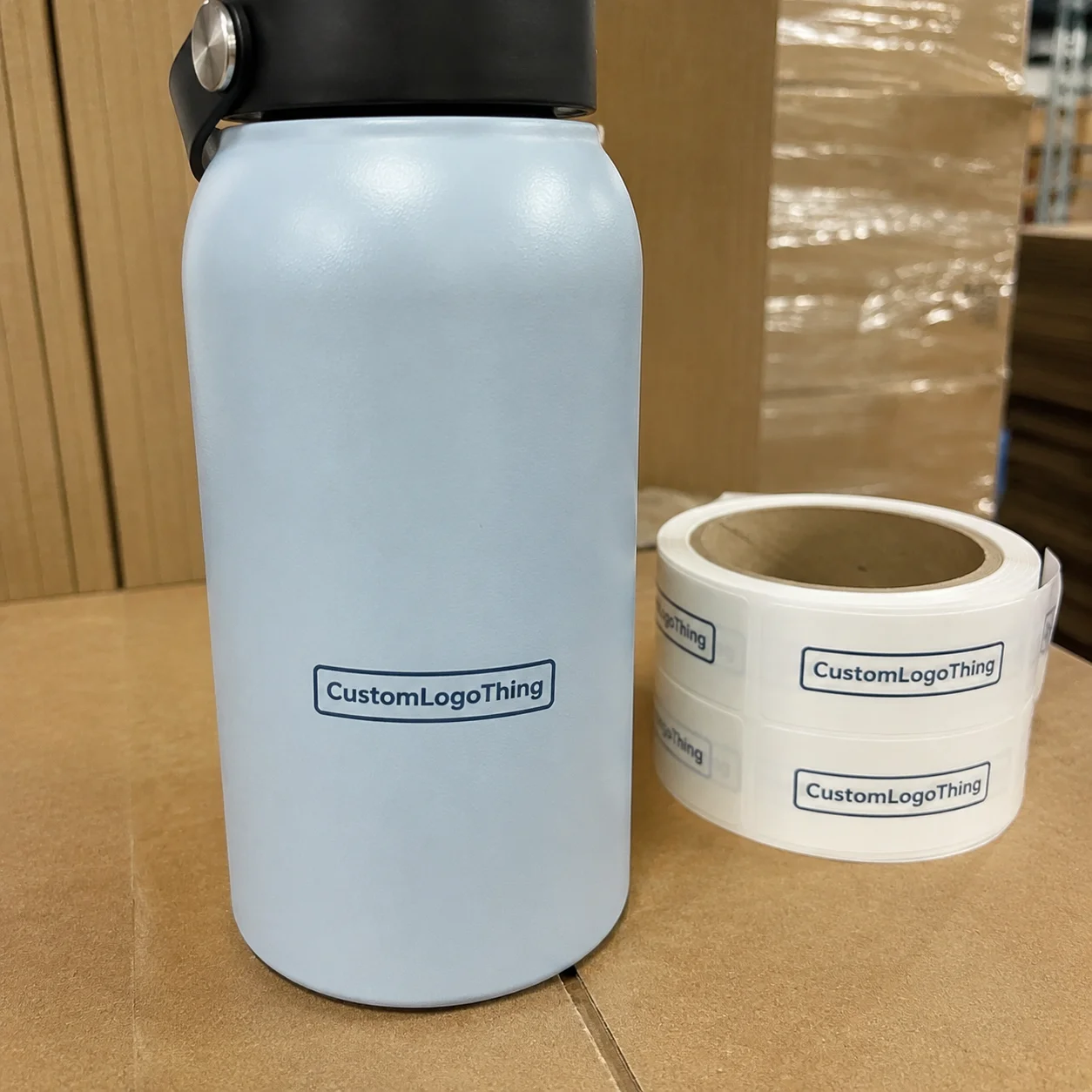
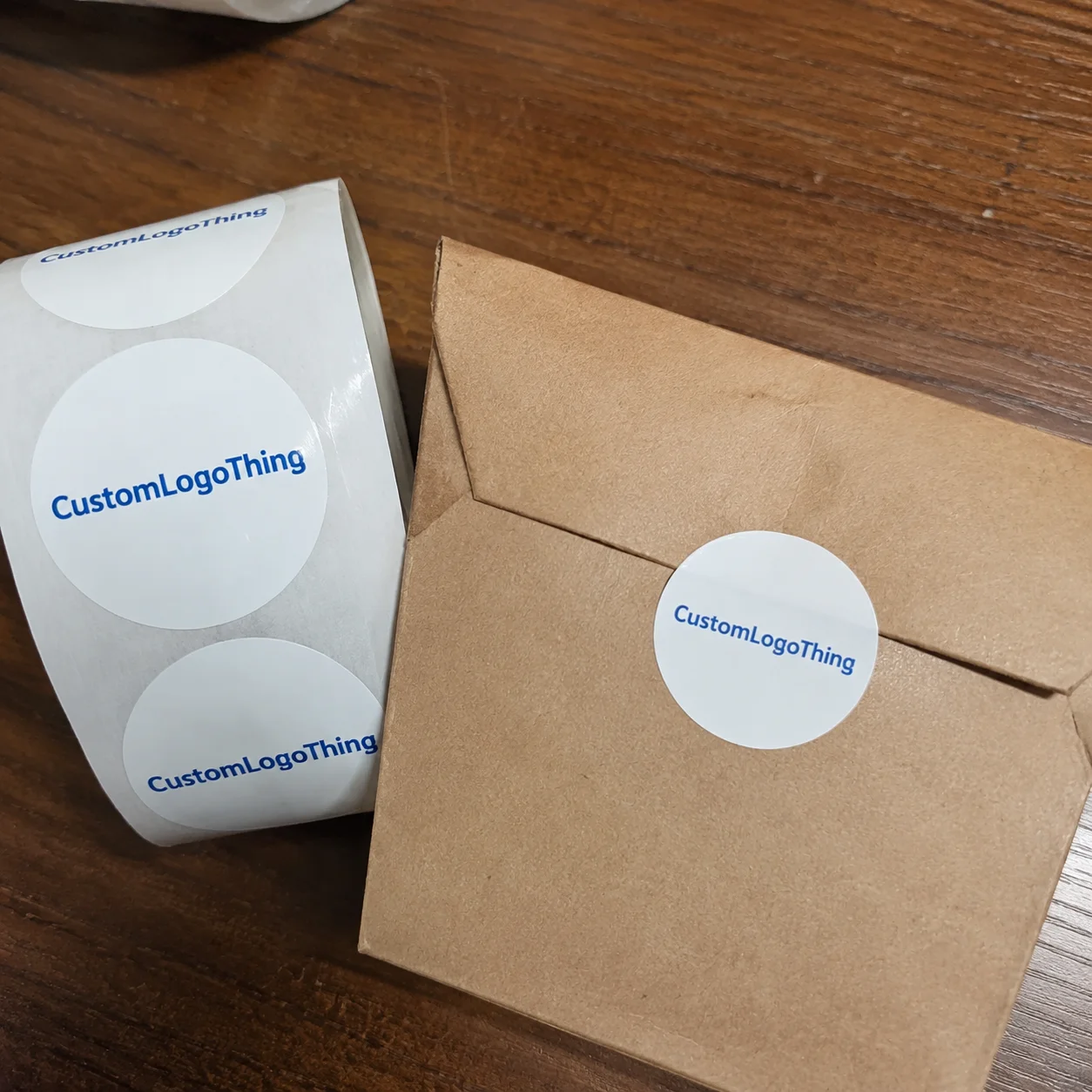
If you need custom stickers fast turnaround, the press is rarely the first bottleneck. The real drag usually starts earlier: incomplete specs, weak artwork, undecided materials, or a proof that sits in someone’s inbox while the event date keeps moving closer.
That matters for product seals, retail packaging, sample kits, envelope closures, and last-minute promotional runs. Speed is possible. Guesswork is expensive.
A rush sticker order can work well when the buyer understands where time is actually spent. Printing may take hours. Fixing a low-resolution logo, rebuilding a cut path, confirming adhesive suitability, and arranging freight can take longer than the print run itself. The unglamorous details decide whether the order ships cleanly or turns into a paid lesson in production math.
Why fast sticker orders are won or lost before proofing
Most urgent sticker orders start the same way: a launch date moves up, a tradeshow kit needs finishing, or a packaging component was forgotten until the cartons were already booked. Buyers often assume the printer controls the timeline. Not entirely.
The schedule is usually shaped by three things: file readiness, stock availability, and approval speed. If the artwork is clean and the material is standard, a short-run digital job can move quickly. If the logo is a screenshot, the color target is vague, and the proof needs three internal approvals, the timeline gets stiff fast.
“Fast turnaround” also means different things to different people. One buyer means same-day quoting. Another means proofing within a few hours. A third expects production, finishing, packing, and overnight delivery inside a window that would make freight carriers laugh quietly.
The urgent use cases are easy to recognize:
- Product seals for launch runs, sample kits, and small-batch packaging
- Event giveaways for booth tables, swag bags, mailers, and inserts
- Envelope seals for invitations, direct mail, and branded stationery
- Brand labels for promotional bundles, seasonal offers, and limited runs
- Retail packaging stickers that need to ship with a larger product line
Rush work costs more because the process gets compressed. Priority handling may move a job ahead in the queue. Short proof windows require faster review. Expedited freight can cost more than the sticker run on light, low-value orders. The quote should separate printing, rush handling, and shipping so the real cost is visible.
Buyer reality: clean input is the closest thing to a speed upgrade. A press cannot rescue missing fonts, fuzzy logos, or an unclear cut line.
How the custom sticker production process actually moves
Sticker production is a chain, not a single button. A standard order moves through artwork review, digital proofing, material confirmation, printing, finishing, cutting, quality check, packing, and shipment. Any weak link slows the whole job.
Artwork review catches the problems buyers tend to miss. Low-resolution logos print soft. RGB colors can shift during conversion to print color spaces. Missing fonts may reflow text or trigger substitutions. Thin borders can look uneven after trimming. Die lines that are not clearly separated from artwork can create confusion before cutting.
Digital printing is usually the better route for short-run urgent work because it avoids plate-making and longer setup. A 250-piece or 1,000-piece digital sticker order on standard stock is a very different production question from a specialty film label with foil, laminate, color matching, and a complex contour cut. Both may be possible. They do not move through the shop at the same speed.
Finishing changes the clock. A basic gloss or matte finish is usually straightforward. A laminate adds durability, but it also adds a step. Specialty coatings, layered effects, foil, embossing, and unusually detailed cuts may require more setup, more handling, and more inspection. None of that is a flaw in the process. It is the price of complexity.
A realistic rush timeline often looks like this:
- Submit print-ready artwork, final dimensions, quantity, material, finish, and delivery address.
- Receive a digital proof and check size, spelling, trim, bleed, cut path, and color expectations.
- Approve the proof before the production cutoff, not after it.
- Production runs on the confirmed material and finish.
- Stickers are cut, inspected, packed, and shipped by the selected transit method.
The word “approved” matters. A printer can prepare a job, but many will not print until the proof is accepted. That protects both sides. It also means a proof sitting unreviewed for half a day can erase the advantage of rush production.
Work backward from the date the stickers must be in hand. Delivery date first. Transit time second. Production window third. Proofing deadline last, because that is where internal delays like to hide.
Cost, pricing, and MOQ factors that change the quote
Sticker pricing is not one number. It changes with size, quantity, stock, adhesive, ink coverage, finish, shape, roll or sheet format, and shipping speed. A 2-inch round paper sticker is a simple job. A large die-cut clear film label with laminate and tight color expectations is not.
Small quantities usually cost more per piece because setup, proofing, scheduling, and handling still happen. Ordering 100 stickers does not remove the need to review art, load material, cut the shape, inspect the output, and pack the order. Larger runs spread those fixed costs across more units, which lowers unit price, but they raise the upfront spend. The right quantity is the one that fits the campaign, storage reality, and reorder plan.
For planning, standard digital sticker jobs often fall into broad ranges like these:
| Material | Best for | Typical lead-time impact | Relative cost |
|---|---|---|---|
| Matte paper | Indoor promos, inserts, short-use labels | Lowest | Low |
| Gloss paper | Bright retail looks, envelope seals, giveaways | Low | Low to moderate |
| Weatherproof vinyl | Product packaging, shipping, handling, moisture exposure | Moderate | Moderate |
| Clear film | Glass, jars, bottles, minimal-label branding | Moderate | Moderate to higher |
| Laminated specialty stock | Premium feel, extra durability, heavier handling | Higher | Higher |
For small and mid-size digital runs, unit pricing may land around $0.18-$0.40 each for lower quantities. Larger standard runs can drop into the $0.06-$0.16 range depending on size, material, finish, and ink coverage. These are planning ranges, not guarantees. A tiny paper circle and a full-coverage vinyl die cut do not belong in the same price bucket.
Rush fees and freight change the final bill. Overnight shipping on a light box may be manageable; overnight shipping across multiple cartons can get ugly. If a quote only shows the sticker unit price and leaves shipping vague, it is not yet a useful comparison.
Minimum order quantity matters too. A low MOQ helps when testing a campaign, labeling a small launch batch, or ordering custom stickers with fast turnaround for an event. The tradeoff is usually a higher unit cost. If the artwork will repeat, ordering a larger batch may be smarter, especially for Custom Labels & Tags or broader Custom Packaging Products where the same spec can support several future runs.
Ask whether the quote is for rolls, sheets, or individually cut stickers. Roll labels may suit hand or machine application. Sheets can be convenient for events and fulfillment tables. Singles are good for giveaways, but they may require more cutting and packing time. Format is not a small detail on a tight deadline.
Choosing materials and finishes that keep turnaround realistic
A tight deadline rewards boring material decisions. That is not an insult. Standard paper and vinyl stocks are common for a reason: they are familiar, predictable, and often already in the production flow.
For short indoor campaigns, matte or gloss paper usually works. It is economical, quick to produce, and appropriate for inserts, envelope seals, and temporary promotions. For handling, moisture, shipping cartons, bottles, jars, or outdoor exposure, weatherproof vinyl is safer. Clear film can look more refined on glass or rigid packaging, but white ink, opacity, and surface color need to be discussed before production.
Adhesive choice deserves more attention than it gets. A sticker on a flat paperboard box is different from a label wrapped around a curved bottle. Cold storage, condensation, textured corrugate, dusty surfaces, and flexible pouches can all affect adhesion. The fastest sticker order is a failure if the label curls up after packing.
Simple shapes are faster than intricate die cuts. Circles, squares, rectangles, ovals, and rounded rectangles are easy to plan and inspect. A mascot-shaped sticker with thin points, tight internal corners, or delicate cutouts may look sharp in a mockup and become slow in production. Fine details can tear, lift, or require more careful weeding and inspection.
Finishes carry the same tradeoff. Standard matte and gloss are usually the safest choices for urgent work. Lamination improves scuff resistance and moisture protection, but it adds a step. Soft-touch, foil, embossing, spot gloss, holographic effects, and layered embellishments can be attractive. They also make the timeline less forgiving.
For packaging programs, material decisions should match the environment. A sticker used on a mailer needs to survive handling. A product label may need to tolerate refrigeration, oils, abrasion, or repeated touching. A giveaway sticker may need removable adhesive, or it may need to stay stuck to a laptop for years. Those are not the same specification.
Testing language can help when the sticker is part of a broader shipping or packaging system. The ISTA transit testing standards are a useful reference if labeled packaging must survive distribution stress. For paper-based options, FSC-certified stock may support sustainability goals, but availability and lead time should be confirmed before the job is treated as urgent.
If the main priority is custom stickers fast turnaround, keep the spec lean: available stock, standard finish, simple shape, proven adhesive. Premium details can be worth it. They just belong on a schedule that gives them room.
Step-by-step ordering guide for tighter deadlines
Fast quoting starts with a complete order brief. Final size. Quantity. Shape. Material. Finish. Application surface. Delivery address. Required in-hand date. If those details are ready before the first quote request, the conversation gets shorter and the risk drops.
- Send print-ready artwork. Include bleed, safe area, embedded or outlined fonts, and vector paths where needed.
- State the exact use case. Product packaging, envelope seals, event inserts, retail labels, and giveaways call for different materials.
- Confirm the application surface. Paperboard, glass, plastic, corrugate, metal, and flexible pouches do not behave the same way.
- Approve the proof quickly. Check spelling, size, cut lines, quantity, orientation, and color expectations before production starts.
- Choose the simplest workable spec. One material and one finish are usually enough for urgent work.
- Plan shipping backward. Select standard, expedited, or overnight transit based on the real in-hand date, not the order date.
File quality is the biggest controllable factor. High-resolution raster artwork can work for some designs, but vector files are better for logos, type, and line art. For die-cut stickers, the cut path should be clearly named, set as a separate path or layer, and not flattened into the image. Bleed should extend beyond the trim so tiny shifts do not leave unprinted edges.
Proof approval should be fast, not careless. Check the dull things: spelling, barcode placement, quantity, dimensions, trim, bleed, white ink callouts, and roll direction if the labels are being applied in a specific orientation. The fastest mistake is still a mistake. A rerun costs more time than a careful five-minute review.
If the order supports a packaging launch, share the larger context. A sticker that sits on a box corner may need a different adhesive than one used as a tamper seal. A label applied by hand may tolerate a different format than one fed through equipment. Practical details prevent production from solving the wrong problem quickly.
Recurring campaigns deserve a master file package. Keep the approved size, safe zone, cut line, color references, material, finish, and shipping address in one place. The next rush order then starts from a known spec instead of a scavenger hunt across old email threads.
Common mistakes that slow sticker orders down
The most common delays are not exotic. Low-resolution logos. Missing fonts. RGB files submitted without print expectations. Art built without bleed. Cut paths that are hidden, unnamed, or merged into the design. Each one can trigger a revision, and revisions eat rush schedules for breakfast.
Changing the spec mid-order is another reliable way to lose time. A buyer approves matte paper, then asks for glossy vinyl. Then the shape changes. Then someone wants laminate. Those are not tiny edits from a production standpoint. They can require a new proof, different material, a revised price, and a new production slot.
Finish changes are especially deceptive. A last-minute upgrade from standard gloss to soft-touch may sound harmless, but it can add material constraints and extra handling. The same applies to foil, spot coatings, or specialty films. If the original schedule was built around a standard spec, the upgrade may push the job out of the rush window.
Quantity mistakes create their own mess. Ordering too little may force a second run with another setup and another freight charge. Ordering too much wastes budget and storage space. If the stickers are tied to a fixed number of kits, cartons, or products, add a small overage for damage and application waste instead of guessing wildly.
Shipping is often treated as an afterthought until it becomes the most expensive line item. A job printed on time can still arrive late if transit was underestimated. Weekend delivery, carrier cutoff times, customs for cross-border shipments, weather, and receiving hours all matter. Freight does not care that the booth opens at 9 a.m.
Color expectations can also slow approval. Screens glow; stickers reflect light. A color that looks electric on a laptop may print more muted on paper. Clear film can shift appearance depending on the surface underneath. If exact color is critical, provide a Pantone reference or previously approved sample and accept that tight matching may limit how fast the job can move.
Used properly, a fast sticker order is less about tricks and more about avoiding self-inflicted delays. That sounds plain because it is. Plain often ships.
Expert tips to keep quality high without losing speed
The fastest way to protect quality is to reduce variables. One material. One finish. One shape. One proof round. One ship-to address. Every added option creates another place for the job to pause.
Use standard sizes when the design allows it. A 2-inch round sticker, a 3x4 rectangle, or a simple oval is easier to quote, impose, cut, and inspect than a custom shape with delicate edges. Custom geometry can be worth the extra time when it strengthens the brand. If it exists only because someone wanted the sticker to feel different, question it.
Be realistic about brand color. Good print teams can hit strong targets, but a rush job is not the best place to demand a perfect match across every surface and lighting condition. Paper, vinyl, clear film, and laminate all affect color. So does the color of the package underneath. Set a practical tolerance before proofing starts.
Ask which materials are already approved and moving through regular production. Printers know which stocks are stable, available, and fast to run. That information is more useful than browsing every possible material option and picking the prettiest one at the last minute.
Quality control on rush work should focus on the failures that matter most. Check registration, trim position, cut accuracy, adhesion, surface scratches, obvious color shifts, count, and packing condition. For rolls, confirm roll direction and core size if the labels feed through equipment. For sheets or singles, confirm the format matches how the stickers will be distributed or applied.
If you order stickers often, build a reusable production kit:
- Print-ready PDF with bleed and safe area
- Editable source file with outlined or included fonts
- Separate, clearly labeled cut path
- Approved color references or previous sample notes
- Material, finish, adhesive, and format history
- Standard shipping address and receiving contact
That kit makes future custom stickers fast turnaround orders easier to handle. It also protects brand consistency when different teams manage packaging design, event marketing, ecommerce fulfillment, and replenishment. Good systems reduce drama. They also reduce rush fees caused by preventable confusion.
Sustainability claims should be handled carefully on short schedules. FSC-certified paper, recyclable packaging components, and lower-waste ordering can support a responsible program, but those choices need to be specified early. Swapping materials after proof approval may restart the clock. Responsible sourcing works best as part of the original spec, not as a late-stage decoration.
How fast can custom stickers fast turnaround orders usually ship?
Simple digital sticker jobs on standard materials can often move quickly after proof approval, but timing depends on artwork readiness, quantity, stock, finish, and shipping method. Production speed and transit speed are separate. Both need to be confirmed before promising an in-hand date.
What files do I need for a faster custom sticker proof?
Send vector or high-resolution artwork with bleed, safe area, outlined or embedded fonts, and a clearly labeled cut path for die-cut shapes. Include final size, quantity, material, finish, format, use case, and delivery address. Complete files reduce proof revisions.
Do rush custom sticker orders cost more?
Usually, yes. Rush handling can raise production cost, and expedited shipping may add a meaningful amount. A simpler material, standard shape, and standard finish often save more than trying to negotiate away the rush charge.
Which sticker materials are best for fast turnaround?
Matte paper, gloss paper, and standard vinyl are often the easiest to produce quickly because they are common and predictable. Clear films, laminates, specialty adhesives, and decorative finishes may add time, especially if they are not already in stock.
How do I avoid delays on a tight sticker deadline?
Finalize artwork early, choose an available stock, keep the shape simple, and approve the proof as soon as it is checked. Build in shipping time and avoid mid-order changes. Most delays come from unclear files, changing specs, or underestimated freight.
Fast sticker production is not magic. It is a controlled sequence of decisions made early enough to matter. Keep the artwork clean, the material available, the finish practical, and the shipping plan honest. That is how urgent orders stay professional instead of becoming a fire drill with adhesive backing.