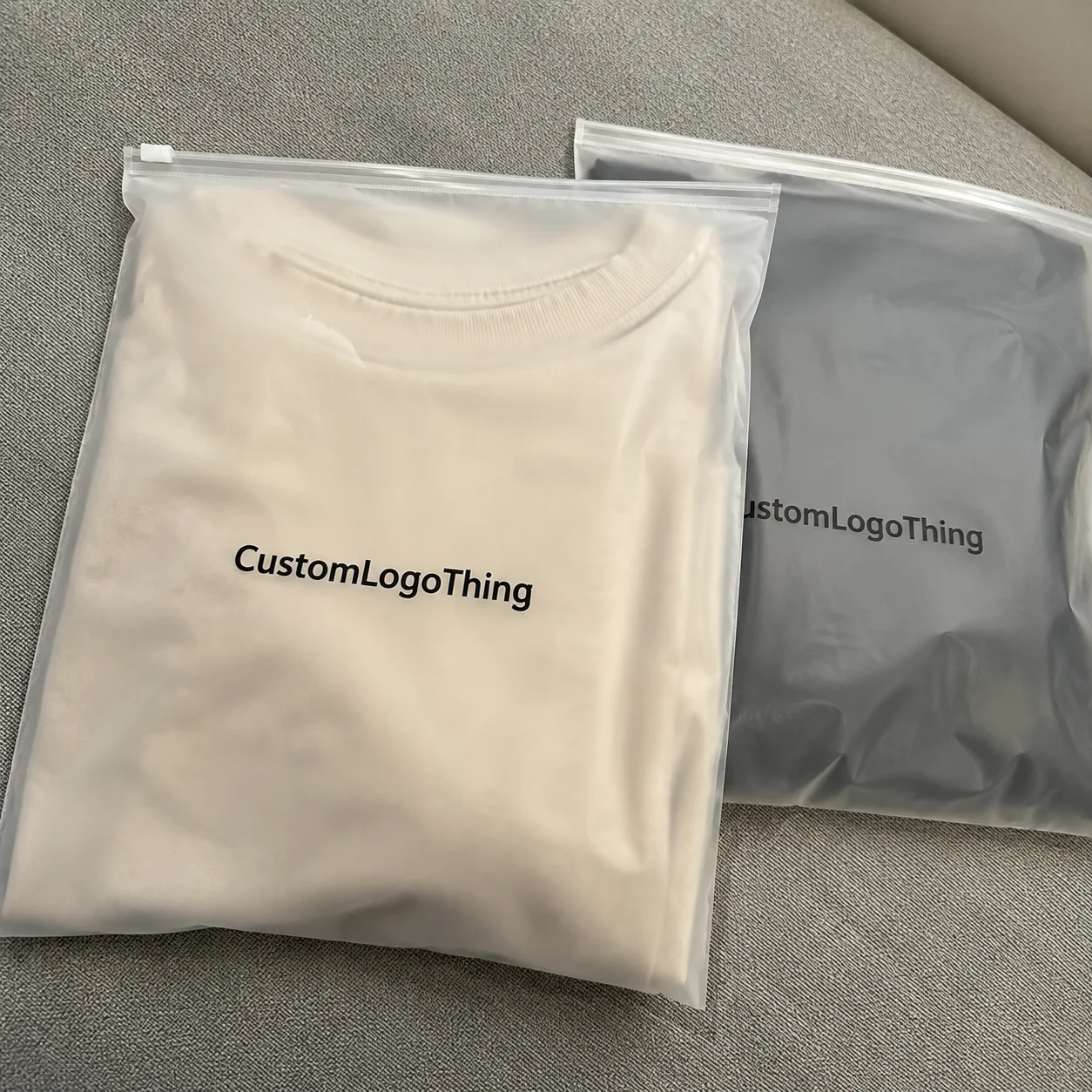
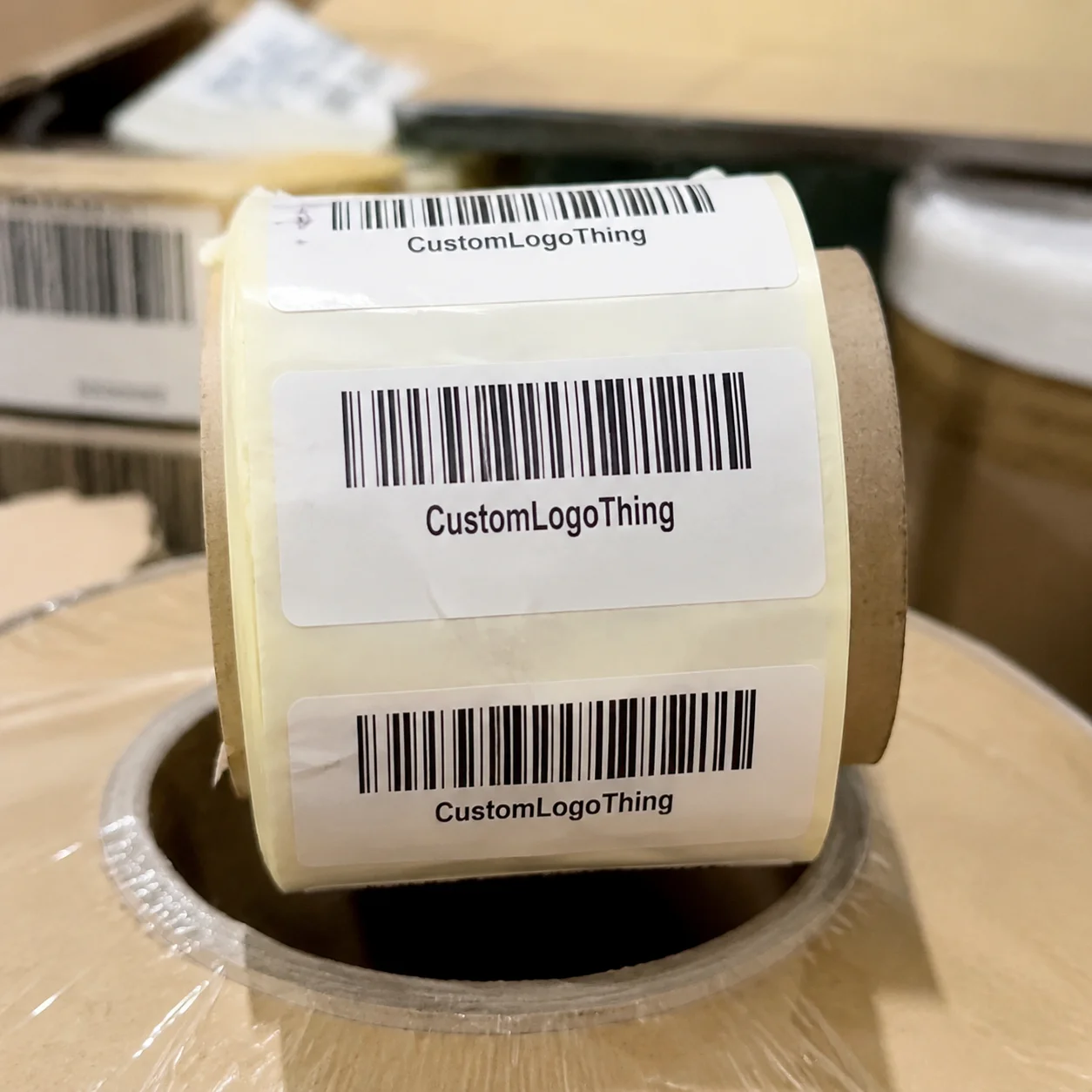
Custom tee shirt labels seem minor until they are wrong. A blank can fit well, the print can be sharp, and the garment can still feel unfinished if the neck label scratches, curls, peels, or looks like an afterthought. For a brand trying to build repeat purchase behavior, that tiny piece of fabric or ink does more than identify the product. It shapes comfort, perceived value, and the way the shirt is remembered after the first wash.
That is why buyers often treat labels as a finishing detail and then end up paying for the consequences later. The label is a branding surface, a compliance surface, and a tactile surface. If it fails in any one of those roles, the shirt carries the problem every time it is worn. A strong label spec is not decorative. It is part of the garment construction plan.
Most of the confusion comes from the fact that “label” can mean several different things. Woven labels, printed labels, satin labels, cotton labels, heat-transfer labels, and tear-away labels all solve different problems. The right choice depends on the fabric, the intended price point, the amount of information that must fit on the label, and how much bulk the buyer will tolerate at the neckline. A premium tee, a performance tee, and a rugged workwear tee should not use the same label spec by default.
For brands that already think carefully about hangtags, inserts, and outer packaging, the neck label should be planned with the same discipline. It is part of the product presentation, not a separate decision made at the end of production.
Custom tee shirt labels: what they are and why they matter
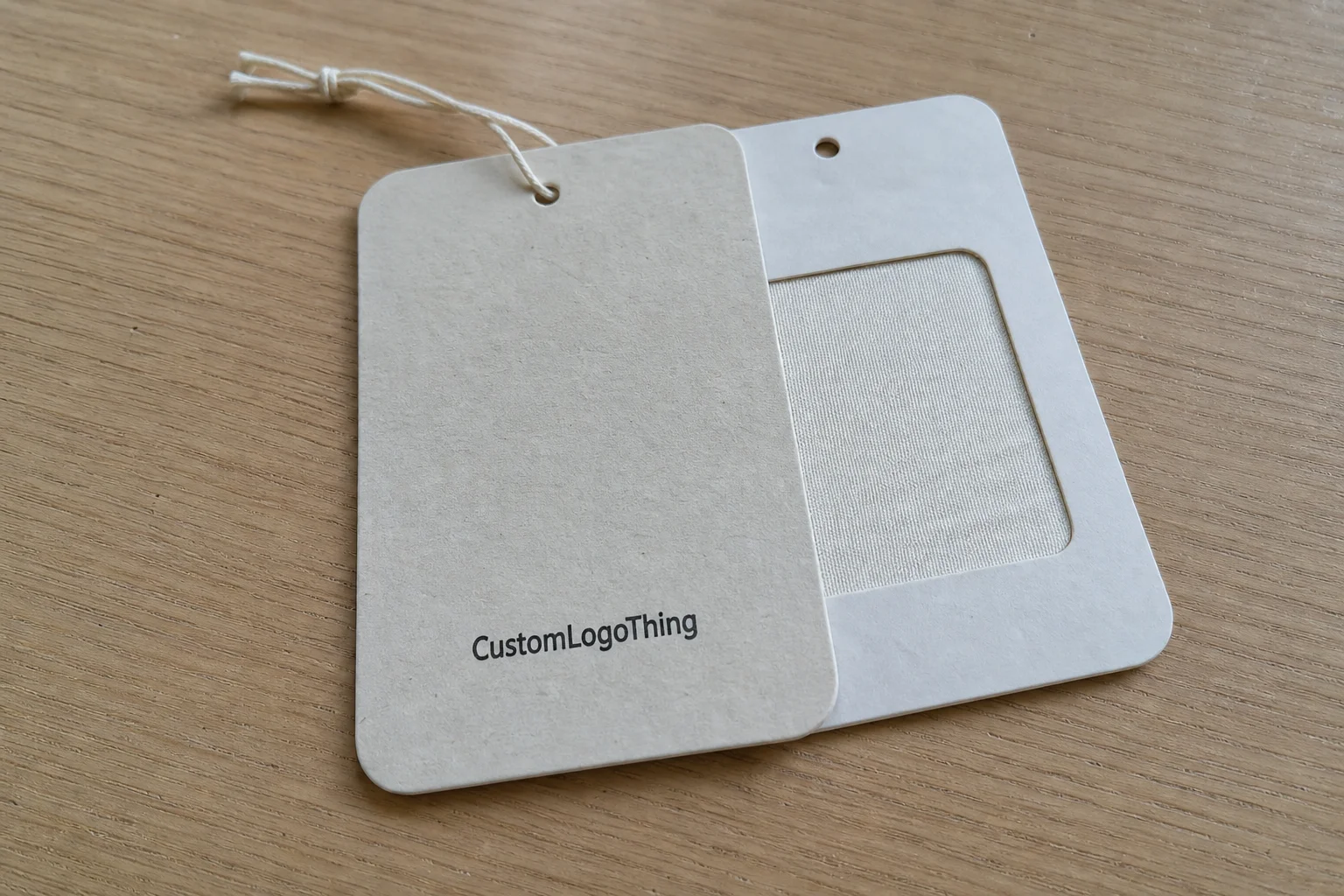
A tee shirt label usually has three jobs. It identifies the brand. It carries required information such as size, fiber content, and care details. It also affects the hand-feel of the shirt, which is where many first-time buyers underestimate the risk. A label can look refined in a PDF and still feel stiff once it is stitched into a lightweight neck seam.
The practical impact is easy to miss because the label is not the visual center of the garment. Buyers notice it indirectly. They notice when it twists under the collar, when the edges scratch the skin, or when the print disappears after a few washes. They also notice the opposite: when the neckline feels clean, the interior finishes feel controlled, and the shirt seems more considered than the price would suggest.
There are real commercial effects behind that experience. A shirt with a good label spec can support a better retail price because the product feels finished. A shirt with a poor label can make an otherwise strong garment feel cheap. That matters in direct-to-consumer lines, in wholesale assortments, and in private-label programs where the shirt itself may be basic, but the branding has to carry the margin.
Common label types behave differently:
- Woven labels use yarns to form text and logos. They usually look premium and hold up well through repeated washing.
- Printed labels are softer and are often chosen for comfort-first tees or small type that would be hard to weave cleanly.
- Satin labels have a smooth surface and a slight sheen. They can look elevated, though some buyers find them less durable than woven options.
- Cotton labels give a more natural look and feel, which suits brands aiming for a restrained or heritage finish.
- Heat-transfer labels reduce bulk and are a common choice for athletic or minimalist garments.
- Tear-away labels work well for blanks, private-label runs, or programs where the same shirt must support multiple brand versions.
The best label is usually the one that fits the garment category without creating friction in manufacturing or wear. A streetwear line may want a bold woven label with strong contrast. A lightweight fashion tee may need a printed neck label because any extra bulk changes the drape. A performance shirt may require heat transfer because the customer notices every seam and every ridge against the skin.
Material compatibility matters more than many buyers expect. A heavier cotton tee can tolerate a sewn-in label more easily than a very light jersey, which may bunch if the label is too rigid. Stretch fabrics create another issue: the label has to move with the shirt, not fight it. Children’s tees introduce a different standard again, because parents notice irritation quickly and will remember it. The label spec should match the fabric behavior and the wearer, not just the logo.
For a buyer comparing packaging options, the label should sit in the same decision set as the carton, insert card, and outer wrap. The shirt does not enter the market alone. It enters as a composed product experience.
If the shirt is the main event, the label is the evidence that the brand paid attention to the last inch of the product.
How the label is made and attached
The production path is not complicated, but each step can create avoidable problems if the brief is vague. A supplier usually starts with artwork review, then proofing, then color matching, then a sample or strike-off, followed by production and attachment. After that comes inspection, packing, and shipment. None of those stages are exotic. The mistakes usually appear in the handoff between them.
Artwork should be supplied in vector format whenever possible. Small text should be checked at actual size, not just on a zoomed-in screen. If the label includes size marking, fiber content, care instructions, or country-of-origin text, those lines need enough room to stay readable after folding, stitching, or heat application. Designers often build to the artwork canvas rather than to the physical limitation of the label. That is where problems start.
There are several attachment methods, and each changes the result:
- Sewn-in seam labels are stitched into the neckline or side seam. They are durable and traditional.
- Loop fold labels fold over the seam, which gives a cleaner interior finish and can increase visible brand space.
- Heat-applied labels are pressed onto the garment and keep the inside surface flatter.
- Printed neck labels sit directly on the fabric and are often the least intrusive option for comfort.
The choice should be driven by construction and end use. A loop fold woven label can be a good fit for a heavier tee or a brand that wants a classic retail feel. The same label may feel too bulky on a fitted lightweight shirt. A printed neck label can solve a comfort problem, but it also depends on the quality of the ink system and the curing process. If those are weak, the print can fade earlier than expected.
Wash testing deserves more attention than it usually gets. A sample that looks fine before laundering can distort, crack, or soften in ways that make it unreadable after repeated cycles. Test the label against the same wash conditions the shirt will actually see. If the garment is meant for frequent laundering, test for repeated cycles rather than a single pass. For transit and packaging checks, ISTA standards are useful because they reinforce disciplined testing, but they do not replace wear testing on the garment itself.
Tactile review matters as much as visual review. Bend the sample. Rub the edge against the neck seam. Check whether the trim leaves a sharp corner, whether the backing adds unwanted stiffness, and whether the stitch line creates a pressure point. These are small physical issues, but they show up fast in customer complaints.
Attachment method also affects the line speed in production. Sewn labels require sewing capacity and accurate placement. Heat-applied labels require consistent temperature and pressure. Printed labels need clean surface preparation and reliable curing or drying. If the label spec is not matched to the factory’s equipment, the result may look fine in a proof and fail in production. The brief should account for how the label is made, not just how it looks.
Cost, pricing, and MOQ factors to watch
Label pricing is rarely a single number. Material, size, fold style, color count, attachment method, finish, sampling, and shipping all affect the quote. A simple two-color printed neck label can cost far less than a multi-color woven label with custom folding and sewn attachment, but the difference depends heavily on order quantity and how much setup work is involved.
For small runs, setup costs can dominate. For larger runs, the unit price usually drops because fixed labor is spread across more pieces. That is why a 500-piece order often looks expensive on a per-unit basis compared with a 5,000-piece order, even if the design barely changes. The production math is straightforward. The cash-flow decision is not.
A realistic planning range for custom tee shirt labels varies, but buyers often see something like this for moderate-volume orders:
| Label Type | Typical MOQ | Indicative Unit Cost | Common Use Case |
|---|---|---|---|
| Printed neck label | 500-1,000 pieces | $0.08-$0.18 | Soft hand-feel, comfort-first tees |
| Woven seam label | 1,000-3,000 pieces | $0.12-$0.30 | Retail branding, classic apparel lines |
| Satin or cotton label | 1,000-3,000 pieces | $0.14-$0.32 | Premium or natural-feel garments |
| Heat-transfer label | 500-2,000 pieces | $0.18-$0.45 | Performance tees, minimal interiors |
Those figures are working ranges, not fixed pricing. Pantone matching, special edge finishing, custom folds, and added compliance text can move the number. So can sample rounds, rush fees, split shipments, and retail packing requirements. A quote that looks cheap early can become expensive once revisions, shipping, and rework are included.
The cleanest way to compare quotes is to force consistency. Ask each supplier for the same dimensions, the same construction, the same finish, the same quantity, and the same attachment method. If one estimate is for a 1.5 x 2-inch woven label and another is for a 1 x 3-inch printed label, the comparison is not useful. That kind of mismatch causes bad purchasing decisions more often than people admit.
MOQ matters because it changes both risk and flexibility. A lower minimum lets a brand test a new label approach without locking up too much cash. A higher minimum can improve unit economics, but it also means any mistake gets multiplied. If the spelling is wrong or the trim is off, a bigger order just makes the problem more expensive.
For brands building a broader packaging system, labels should be priced the way custom printed boxes are priced: by standardizing what can be standardized and reserving customization for details that actually change the customer’s perception. Complexity is not value on its own.
Production steps and turnaround: from quote to delivery
The timeline usually begins with a quote request. The better the brief, the less back-and-forth later. A supplier needs quantity, dimensions, artwork, placement, material preference, finish, and deadline. If any of those are missing, expect revisions. If the artwork still needs legal review for care or origin text, expect more delay.
After quoting comes proof approval. This is where color references need to be clear. Pantone numbers help. Approved physical samples help even more. A request to “make it black” often leads to an argument later because different blacks can read differently under showroom lighting, retail light, and daylight. Precision is faster than correction.
Once the proof is approved, many suppliers produce a sample or strike-off. That sample should be checked for legibility, fold direction, edge finish, and tactile comfort. It should also be checked on the actual shirt style if possible. A label that looks acceptable on a table can sit awkwardly in a real neckline, especially on lightweight or fitted garments.
Typical turnaround drivers include:
- Factory queue length, which determines how quickly the job can start.
- Material availability, especially if a specific satin, yarn, or adhesive is required.
- Proof revision count, since every change can reset timing.
- Domestic versus overseas production, which changes communication speed and freight time.
- Inspection and packing requirements, especially for retail-ready or split shipments.
For straightforward jobs, 12 to 15 business days after final proof approval is a reasonable planning assumption. Complex specs, high-volume orders, or a busy factory schedule can extend that. Overseas production adds freight and customs time. Domestic production can shorten transit, but it still depends on queue length and material stock.
Delays often come from changes after proof approval. A brand changes the size marking from M to L. Or switches from sew-in to heat transfer. Or decides the care copy needs to be longer. Each change can trigger another proof and push the schedule back. Finalizing the brief before production starts is more valuable than shaving a day off the freight.
If the launch also includes packaging, it helps to align label timing with the rest of the production calendar. There is little value in having labels sitting in inventory while cartons are still in transit. The schedule should support the launch sequence, not fight it.
How to choose the right label spec for your brand
Start with the garment category. A premium blank tee sold in boutique retail packaging needs a different label strategy than a workwear tee or a performance shirt. Soft hand-feel options usually make sense for premium basics. Durable woven options make more sense for utility products and repeated wash cycles. Flexible options are safer on stretch fabrics. That is the practical hierarchy.
Brand position matters next. If the shirt is meant to feel eco-conscious, the label should not look overly glossy or plastic-heavy. If the brand is rugged, a delicate satin label can send the wrong signal. If the line is positioned as high-end, a generic printed tag may weaken the rest of the product presentation. The label has to support the story the shirt is already telling.
Compliance should be part of the brief from the start. Fiber content, care instructions, size, and origin text all need room. If the copy is too long for the available space, the answer is usually not to shrink the text until it becomes unreadable. A cleaner solution is often to split the information: one branded neck label and one separate care label or side seam label. That approach is common because it reduces clutter and keeps the brand mark readable.
A practical way to think about spec selection:
- Premium basics: soft printed label or fine woven label with minimal copy.
- Streetwear: bold woven label, larger logo mark, sometimes contrast color blocking.
- Athletic tees: heat-transfer or printed label for low bulk and comfort.
- Workwear: durable woven or sewn-in label with strong wash resistance.
- Eco-positioned lines: natural-feel materials, restrained finishing, and documentation that supports the claim.
Sustainability claims should be restrained and specific. Buyers are skeptical for good reason. A label can say “natural” or “recycled” only if the material and the broader product spec support it. If the garment package relies on heavy mixed materials, unnecessary coatings, or wasteful overpacking, the message weakens fast. A simpler material story is often stronger because it is easier to defend.
For direct-to-consumer brands, the label should also be judged by the opening experience. The customer sees the shirt before they feel the label, but they feel the label before the shirt has a chance to earn trust through wear. That second impression is easy to overlook and hard to recover from if it disappoints.
Common mistakes that make labels fail early
The most common mistake is designing for appearance only. Tiny text, thin outlines, and low-contrast copy can look refined in a proof and then become unreadable after washing or during normal wear. Minimalism on screen is not the same thing as legibility on fabric.
Ignoring hand-feel is another predictable problem. A label with sharp edges, stiff backing, or poor trim can create complaints even when the artwork is correct. People usually assume complaints will come from sizing, print quality, or garment defects. In practice, a bad neck label can trigger just as much frustration because it is in contact with skin.
Size errors show up often as well. On a small tee, an oversized label can dominate the neckline. On a fitted tee, a bulky seam attachment can affect how the shirt drapes. The issue is not just visual. It can change the way the garment hangs on the body, which turns a label mistake into a fit problem.
Approval errors are easier to prevent than to fix. Check these items before production starts:
- Spelling and brand name accuracy.
- Fiber content, care symbols, and origin text.
- Fold direction and front/back orientation.
- Final trim dimensions, including seam allowance or bleed.
- Color references and contrast level for readability.
Another common problem is changing requirements after the proof has already been signed off. A small revision can restart artwork handling, material selection, and scheduling. That turns a small decision into a production delay. It also increases the odds that the finished label no longer matches the rest of the garment spec.
In short, custom tee shirt labels fail when they are treated like leftovers from the design process. They should be treated as part of the garment engineering. That means checking the label against the fabric, the fit, the customer, and the wash cycle before committing to volume.
Next steps: build a label brief and request a quote
Before requesting pricing, write a brief that includes the garment type, label placement, target quantity, preferred material, finish, and any compliance copy. Add the deadline. Add the budget. If the line has multiple SKUs, note whether the labels should be shared across styles or customized by colorway. That simple prep work usually reduces revision time and keeps the quote useful.
Artwork should be ready for production, not just presentation. Vector files are preferred. If there is an approved logo lockup, include that version. If Pantone references exist, include them. If the label must coordinate with custom printed boxes or a broader packaging system, say so early so the supplier can avoid mismatched finishes or colors.
For higher-value retail packaging, ask for a physical sample or mockup before committing to a larger run. The hand-feel, edge treatment, and stitch behavior are easier to judge in hand than in a PDF. A single sample can prevent a costly mistake on a larger order.
Use the quote comparison to check four things: cost, MOQ, turnaround, and attachment method. Then decide which spec supports the margin and the product story. The cheapest option is not always the right one. The premium option is not always worth the extra spend. The right answer is the one that fits the garment, the customer, and the business model without adding unnecessary complexity.
For brands planning the next production cycle, custom tee shirt labels are one of the simplest ways to make the product feel more finished without changing the shirt itself. Get the spec right, and the line feels more deliberate from the inside out.
What are custom tee shirt labels usually made from?
Common materials include woven polyester, satin, cotton, printed fabric, and heat-transfer film. The best choice depends on comfort, wash durability, and how much structure you want at the neckline.
Are sewn-in or printed custom tee shirt labels better?
Sewn-in labels usually feel more traditional and can support a premium retail look. Printed labels are often softer against the skin and work well for athletic or comfort-first tees.
How much do custom tee shirt labels cost per order?
Cost depends on size, color count, material, fold style, quantity, and attachment method. Per-unit pricing usually drops as order volume rises, while setup and shipping have a bigger effect on smaller runs.
How long does it take to produce custom tee shirt labels?
Most timelines depend on proof approval, material availability, and the production queue. Straightforward orders can move quickly after approval, but custom specs and revision rounds add time.
What should I send when requesting a quote for custom tee shirt labels?
Include quantity, label dimensions, artwork files, placement, material preference, and any care or compliance text. Add a target budget and deadline so the supplier can recommend a realistic spec.
For a brand that wants consistency, comfort, and a cleaner finish, custom tee shirt labels deserve the same planning discipline as the shirt blank and the rest of the packaging line. That is what separates a garment that is simply decorated from one that feels complete.