The Label Price Is Usually Decided Before Ink Hits Film
A product labels Unit Cost Breakdown can look oddly complicated for something that fits in the palm of your hand. That is because the printed sticker is only the part the shopper sees. The quote is built around material, adhesive, liner, ink, setup, die cutting, finishing, inspection, waste, packing, freight, and the way the label will be applied to bottles, jars, boxes, pouches, tubes, or cartons.
Two labels can share the same dimensions and still live in different price categories. A 2 x 3 inch gloss paper label for a dry retail carton is a different job from a 2 x 3 inch white BOPP label with freezer adhesive, laminate, white ink, and a required unwind direction for an automatic applicator. On screen, the artwork may look nearly identical. On press, in finishing, and on the packing line, it is not the same product.
Buyers get into trouble when they compare only the headline price per piece. One supplier may include digital setup, die cutting, waste allowance, roll packing, and standard freight assumptions in the unit price. Another may quote a lower number, then add setup charges, tooling, proofing, or shipping later. Both quotes may be technically accurate. Only one lets a purchasing team budget with confidence.
The useful question is not “What is the cheapest label?” It is “What specification is this price actually buying?” A dry shelf label, a refrigerated bottle label, and a squeeze-tube label exposed to oils need different constructions. A kraft soap wrap does not need the same adhesive strategy as a chilled juice bottle; a candle box does not need the same moisture protection as a bath product that will sit near a sink.
Custom Logo Things can quote Custom Labels & Tags across those use cases without treating every project as if it needs the most expensive build. The better quote starts by separating real requirements from retail preferences. Waterproof film, low-temperature adhesive, metallic foil, spot UV, small-batch digital printing, die charges, and rush freight can all move the final number. Some are necessary. Some are presentation choices. Some are avoidable.
Buyer tip: ask what is included in the quoted unit cost before comparing suppliers. If freight, tooling, proofing, waste, or roll packing sits outside the number, the lowest quote may not stay low.
Product Label Materials That Change Real Unit Price
Material is one of the first cost drivers, but “material” is too small a word. A pressure-sensitive label is a construction: facestock, adhesive, and liner working together. A premium textured paper can still fail if the adhesive is wrong for a curved glass jar, a damp filling area, or a low-energy plastic container. A cheaper film can outperform a beautiful paper label if the package lives in a refrigerator or gets handled with wet hands.
Common facestocks include coated paper, uncoated paper, white BOPP film, clear BOPP, PET, vinyl, kraft stock, removable label stock, freezer-grade constructions, and textured wine label paper. Coated paper is usually the economical choice for dry goods, boxes, room-temperature food jars, candles, and promotional products with limited abrasion. Film labels cost more, but they are often justified for cosmetics, bath products, refrigerated foods, oils, beverages, and squeeze bottles because they resist moisture and scuffing better than paper.
Adhesive can change the quote as much as the facestock. Permanent adhesive covers many retail products. Removable adhesive fits temporary labels, reusable containers, and certain promotional uses. Freezer and low-temperature adhesives are designed for cold application or cold storage, but those terms should be checked carefully; applying a label to an already-cold package is not the same as applying it at room temperature and storing it cold later. High-tack adhesive helps on rough, textured, or hard-to-bond surfaces, though it can be less forgiving during hand application.
Clear labels need special scrutiny. They often require white ink under selected areas so colors do not disappear against amber glass, dark plastic, or colored liquids. Dust, bubbles, liner marks, and container color show through more easily. The base label may not be dramatically more expensive than white film, yet the application tolerance is tighter and the artwork setup can be more involved.
This is where a product Labels Unit Cost breakdown becomes a material map rather than an accounting exercise. If a quote lists white BOPP, freezer adhesive, and laminate, the supplier has assumed moisture and cold handling. If it lists standard paper with permanent adhesive, the assumption is probably a dry environment. Same size. Different reality.
| Material Type | Best Fit | Typical Cost Position | Watch Point |
|---|---|---|---|
| Coated paper | Dry retail goods, boxes, jars, cartons | Lower unit cost | Limited moisture and oil resistance |
| White BOPP film | Cosmetics, bath items, refrigerated goods | Mid-range cost per piece | Needs the correct adhesive for the container surface |
| Clear film | Glass jars, premium bottles, clear containers | Mid to higher cost | Often needs white ink and careful application |
| Textured paper | Wine, candles, artisan products, premium retail | Higher than standard paper | Finish and moisture exposure must be checked |
| Freezer-grade construction | Frozen food, cold-chain items | Higher than standard permanent labels | Application temperature matters |
A slightly higher unit price can be cheaper than labels that lift at the edges, wrinkle on curved panels, scuff during distribution, or slow down packing staff. The most useful savings often come from choosing the correct construction early, not stripping the label until it barely survives the job.
Print Method, Color, and Finish Decisions Buyers Should Price Separately
Digital printing and flexographic printing solve different cost problems. Digital labels are usually practical for lower quantities, many SKUs, variable artwork, short launch runs, and designs that may change after market testing. Flexographic printing becomes attractive when plates and makeready can be spread across larger quantities, especially for repeat orders with stable artwork.
CMYK digital printing handles full-color designs efficiently, but brand color control needs a defined expectation. If a buyer has a tight PMS target, the quote may need a color proof, a tighter press standard, or a flexo route depending on tolerance. Digital printing is not automatically “less accurate,” but color targets should be discussed before production. Complaints after delivery are expensive and usually preventable.
Finishing is another major price lever. Gloss laminate adds shine and scuff resistance. Matte laminate softens the look and can reduce glare under store lighting. Varnish usually provides lighter protection than laminate and may keep the unit cost down. Soft-touch coatings, textured finishes, metallic foil, embossing, debossing, and spot UV can make a label feel more premium, but each adds process time, material, inspection, and sometimes tooling.
Small copy is not a design footnote. Nutrition panels, ingredient lists, batch codes, QR codes, compliance text, and barcodes need enough resolution, contrast, quiet zone, and finish compatibility to remain readable. A glossy black barcode over a dark image might look fine in a design file and still scan poorly after lamination. Packaging teams often reference ASTM material and testing standards for performance expectations, while groups such as ISTA publish transit testing guidance that can matter when labels need to survive shipping and handling.
- Must-have requirements: adhesive performance, barcode readability, moisture resistance, regulatory copy, applicator compatibility.
- Retail finish choices: matte laminate, gloss laminate, varnish, soft-touch coating, textured paper.
- Decorative upgrades: foil stamping, spot UV, embossing, debossing, metallic ink, specialty die shapes.
Price these groups separately. A clean quote can show the workable specification, the preferred retail finish, and the premium version side by side. That structure gives buyers a real packaging label pricing comparison instead of a vague discussion about “better” labels.
Product Labels Unit Cost Breakdown: What Goes Into the Quote
A useful product labels unit cost breakdown shows the cost buckets behind the finished price. Typical components include material, ink coverage, white ink if needed, plates or digital setup, die cutting, finishing, inspection, waste allowance, packing, freight, and any artwork preparation or proofing. Special shapes may also include tooling fees. Repeat orders may still have setup costs, though those costs should usually be lower if plates, dies, files, and specifications are already established.
Label size changes cost in two ways. Larger labels use more material, which is obvious. Less obvious: certain dimensions do not nest efficiently across a roll web or sheet, leaving more trim waste. Two labels with similar square inches can price differently if one fits neatly across the press width and the other leaves an unused strip of stock running through the job.
Die cutting deserves its own line. Standard rectangles, circles, ovals, and rounded-corner labels may avoid custom tooling, depending on the supplier’s die library. Unique outlines, tamper seals, hang tags, wraparound labels, and tight internal corners may require a dedicated die. That one-time or repeat tooling charge should be visible, especially if the buyer plans to reorder the same shape for multiple SKUs.
SKU count can quietly raise the blended unit price. Ten short runs for different fragrances, flavors, or scents usually cost more per label than one long run with the same total quantity. Each SKU may require file handling, proofing, press setup, inspection, and roll separation. Grouping similar SKUs by size, material, finish, and shape can reduce waste and make scheduling easier, even when the artwork differs.
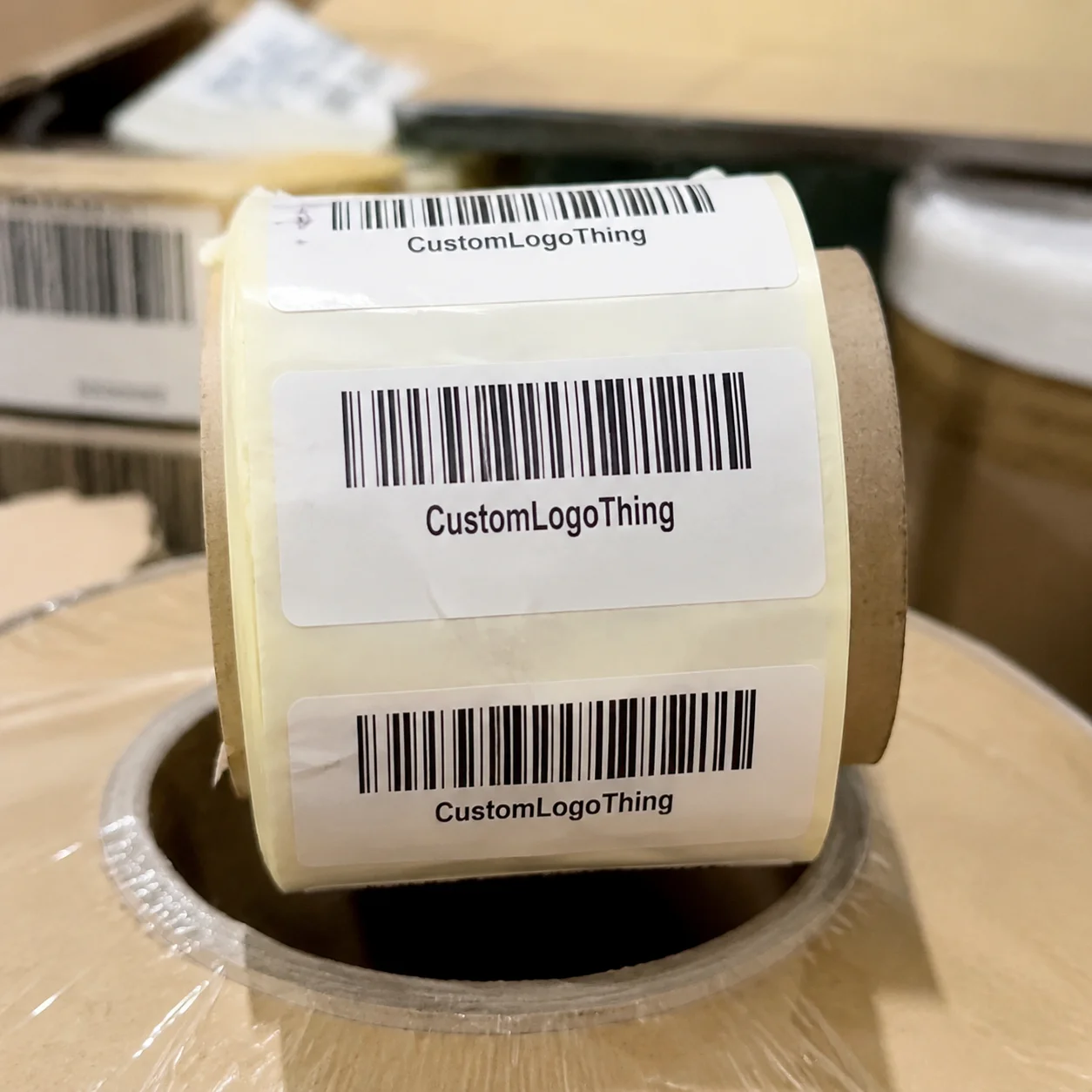
Roll labels and sheet labels carry different assumptions. Roll labels for automatic applicators may need a specific unwind direction, 3 inch cores, maximum outside roll diameter, a defined gap, and a set number of labels per roll. Sheet labels can work well for hand application, small operations, craft products, and internal packaging, but they usually are not the right format for high-speed filling lines.
Freight belongs in the calculation, not in the margin of the email. Heavy rolls, large cartons, short deadlines, and split shipments can raise landed cost. If labels must arrive before a filling date, launch date, trade show, or retail delivery appointment, the buyer should ask whether the quote assumes ground shipping, expedited production, or premium freight.
| Cost Bucket | What It Covers | Common Price Effect |
|---|---|---|
| Material | Facestock, adhesive, liner | Paper is usually lower; film, textured, and freezer stocks cost more |
| Print setup | Digital setup, flexo plates, color setup, makeready | Fixed cost spread across the order quantity |
| Finishing | Varnish, laminate, foil, spot UV, embossing | Adds material, machine time, and inspection |
| Die cutting | Standard or custom shape conversion | Custom dies may add tooling fees |
| Packing and freight | Roll packing, carton size, shipment speed | Heavy rolls and rush shipments can raise landed cost |
Once these pieces are visible, cost per label starts to make sense. Without that visibility, buyers end up comparing a complete quote against a partial one and calling the partial one cheaper.
MOQ, Price Breaks, and Order Quantities That Actually Make Sense
MOQ is a production-efficiency threshold, not just a rule on a price sheet. Setup time, press calibration, material waste, proofing, finishing, and inspection exist whether the order is 250 labels or 25,000 labels. Bulk pricing improves because fixed work gets spread across more finished labels.
For a small digital run, the buyer may pay more per label but avoid excess inventory. For a larger flexo run, the price per piece may drop sharply after plates and makeready are absorbed. Neither route is automatically better. The practical answer depends on artwork stability, sales velocity, storage space, and the chance that the product will change.
Over-ordering can create fake savings. Labels become obsolete after ingredient changes, regulatory updates, barcode revisions, seasonal artwork, new net weight claims, packaging size changes, or retailer-specific requirements. Food, supplement, cosmetic, and chemical labels deserve particular caution because compliance copy is not decoration; it is part of the product record.
Multi-SKU quoting can be handled intelligently. If five scents share the same 2.5 x 3.5 inch white BOPP label, matte laminate, and rounded-corner shape, they should be quoted as a grouped project rather than five unrelated jobs. The printer may still handle separate files and proofs, but material, finishing, and conversion can often be planned more efficiently.
Low-MOQ digital runs make sense for pilot launches, subscription boxes, small-batch food, limited cosmetics, event products, and pre-retail validation. Larger flexo runs usually fit stable artwork, repeat sales, consistent container sizes, and products where the label specification will not change soon. The best quote shows the quantity steps clearly: for example, 500, 1,000, 2,500, 5,000, and 10,000 pieces, if those breaks match the production method.
There is a useful comparison here. A low unit price on an oversized order can behave like cheap airfare with a harsh change fee. It looks efficient until the artwork changes and half the labels are unusable. A thoughtful product labels unit cost breakdown helps buyers balance per-unit savings against inventory risk, reorder flexibility, and shelf-life realities.
Proofing, Production Steps, and Lead Time From Artwork to Delivery
The label process usually starts with dimensions and use conditions. Confirm the container type, label panel size, surface texture, exposure to moisture or oils, storage temperature, and application method. Then the production team can review artwork, select material and adhesive, prepare dielines, issue proofs, print, finish, inspect, pack, and ship.
Clean artwork reduces delays. Send vector logos when possible, embed or outline fonts, provide 300 dpi images where raster art is used, include bleed, keep live text inside safe zones, and separate dielines from print artwork. For clear stock, white ink layers should be named and built correctly so the production team knows which areas need opacity.
Proof types do different jobs. A PDF proof checks layout, spelling, content, barcode placement, dielines, and general color expectation. A color proof may be needed when brand tolerance is tighter. Physical samples or material swatches are useful when adhesion, opacity, finish, or container compatibility is uncertain. A proof is not just an approval form; it is a final chance to catch the expensive problems while they are still cheap.
Lead time depends on specification. Material availability, proof approval speed, tooling needs, order quantity, finishing complexity, inspection requirements, and shipping method all affect turnaround. A straightforward digital label order with clean artwork may move quickly. A foil-stamped custom die-cut label that needs a new die, material testing, and multiple approvals will not move on the same schedule.
Rush orders may be possible when artwork is clean, materials are available, and the specification is simple. Still, rush work should not skip proof approval or application checks. A wrong roll direction can stop an applicator even if the labels are printed beautifully. An untested adhesive can lift after filling if the container is damp, cold, oily, textured, or squeezed.
Test labels on the actual container whenever possible. Curved surfaces, squeeze tubes, oily products, refrigerated goods, candles, bath packaging, and textured jars can expose issues that never appear on a flat proof. For paper sourcing claims, buyers may also want to understand certification options through organizations such as FSC, especially if retail packaging has sustainability requirements.
Lead time has a cost dimension too. A quote that ignores rush freight, extra proofing, or material substitutions is incomplete. Buyers who need accurate label manufacturing cost analysis should ask whether the price assumes standard production timing, expedited finishing, or premium shipping. The answer can move the landed cost more than a laminate upgrade.
Next Steps to Get a Quote That Matches Your Real Label Job
A strong quote starts with complete job details. Send the label size, shape, quantity, SKU count, material preference, finish, container type, application method, roll or sheet format, artwork files, shipping location, and target in-hand date. If the material is uncertain, describe the environment: dry shelf, refrigerated, frozen, oily, humid, outdoor, or handled frequently.
Photos or samples of the container help more than many buyers expect. A straight-sided glass jar, tapered bottle, flexible pouch, ribbed tube, and small candle tin all ask different things from a label. Photos show curve, texture, squeeze behavior, panel space, lid clearance, and whether the label needs to wrap around a corner or sit inside a recessed area.
If budget matters, ask for options rather than a single all-or-nothing quote. One version can show the lowest workable specification, one can show the preferred retail finish, and one can show a higher quantity price break. Procurement, marketing, and operations can then compare tradeoffs with fewer assumptions.
Machine-applied labels need extra details before production: roll direction, core size, label gap, maximum roll diameter, and labels per roll. A label can be printed correctly and still cause downtime if the unwind direction does not match the applicator, especially on bottles, jars, and wraparound formats.
Custom Logo Things can help quote Custom Labels & Tags around real use conditions instead of vague assumptions. Share the container, artwork, quantity, finish target, and deadline, then ask for a clear product labels unit cost breakdown so material, print method, MOQ, setup charges, tooling fees, bulk pricing, and freight are visible before approval.
What Should a Product Labels Unit Cost Breakdown Include?
What is included in a product label unit cost breakdown?
A useful breakdown includes material, adhesive, liner, print method, ink coverage, finishing, die cutting, setup, waste allowance, inspection, packing, and freight. For roll labels, it should also account for roll direction, core size, labels per roll, and applicator requirements. The goal is to show enough detail that buyers can compare quotes line by line.
Why does the unit cost drop when I order more product labels?
Setup, proofing, tooling, makeready, and press calibration are fixed costs spread across the full order quantity. Larger orders may also use press time and material more efficiently, which can lower the per-label price. The savings are real only if the labels will be used before artwork, compliance copy, or packaging dimensions change.
Do custom shapes make product labels more expensive?
Custom shapes can add a die charge or extra converting time, especially for unique outlines, tamper seals, wraparound labels, or designs with tight corners. Standard rectangles, circles, ovals, and rounded-corner labels are often more cost-efficient if they still fit the package design.
How can I lower my product labels cost without making them look cheap?
Use the right material for the environment, simplify specialty finishes, group similar SKUs, choose efficient label dimensions, and order at a practical price break. A matte or gloss laminate on a clean digital print can look polished without foil, embossing, or spot UV. Reviewing the cost buckets line by line usually reveals which savings are real and which only look good on paper.
What information do you need to quote custom product labels accurately?
Send label size, shape, quantity, SKU count, material or durability needs, finish, container type, application method, artwork, shipping ZIP code, and deadline. If labels will be machine-applied, include roll direction, core size, maximum roll diameter, and labels per roll. Those details make the quote more accurate from the start.