Buyer Fit Snapshot
| Best fit | branded tissue paper programs that need color control, sheet size, and retail unboxing consistency where brand print, material, artwork control, and repeat-order consistency matter. |
|---|---|
| Quote inputs | Share finished size, material target, print colors, finish, packing count, annual reorder estimate, and delivery region. |
| Proofing check | Approve dieline scale, logo placement, barcode or warning zones, color tolerance, and any recyclable or compostable wording before bulk production. |
| Main risk | Vague material claims, crowded artwork, or missing packing details can create delays even when the unit price looks attractive. |
Fast answer: Custom Tissue Paper with Logo: Sheet Size, Ink Coverage, and Fold Quality should be specified like a repeatable production item. The safest quote includes material, print method, finish, artwork proof, carton packing, and reorder notes in one written spec.
What to confirm before approving the packaging proof
Check the product dimensions against the actual filled item, not only the sales mockup. Ask for tolerance on folds, seals, hang holes, label areas, and retail display edges. If the package carries a logo, QR code, warning copy, or legal claim, reserve that space before decorative graphics fill the panel.
How to compare quotes without losing quality
Compare board or film grade, print process, finish, sampling route, tooling charges, carton quantity, and freight assumptions side by side. A lower quote is only useful if the supplier can repeat the same color, closure quality, and packing count on the next order.
I’ve seen brands spend $8,000 on a box upgrade, then get more compliments from a $0.12 sheet of Custom Tissue Paper with logo. Packaging is strange like that. The costly part gets ignored, and the small branded detail gets photographed, remembered, and reposted. A client in Los Angeles once told me their tissue insert generated more Instagram tags than the outer mailer, and the outer mailer had a foil stamp and a $1.40 unit cost. I still get a little irritated when a beautiful box lands flat because nobody bothered with the inside layer. It’s like wearing a tailored suit with muddy shoes.
If you sell apparel, cosmetics, candles, jewelry, gifts, or subscription boxes, Custom Tissue Paper with logo is one of the cheapest ways to make branded packaging feel intentional. I remember standing on a factory floor in Shenzhen, watching operators print 20,000 sheets in a single shift, and then watching a client hold the sample up to the light and say, “That’s the thing that makes the box feel finished.” They were right. A good sheet of custom tissue paper with logo does more than decorate. It frames the product, protects it from scuffs, and gives your product packaging a cleaner story. A 17gsm sheet can look delicate in a way that a rigid carton never will. Sometimes the smallest detail is the one that does the heavy lifting, which is mildly annoying, but true.
Custom tissue paper with logo: what it is and why it works
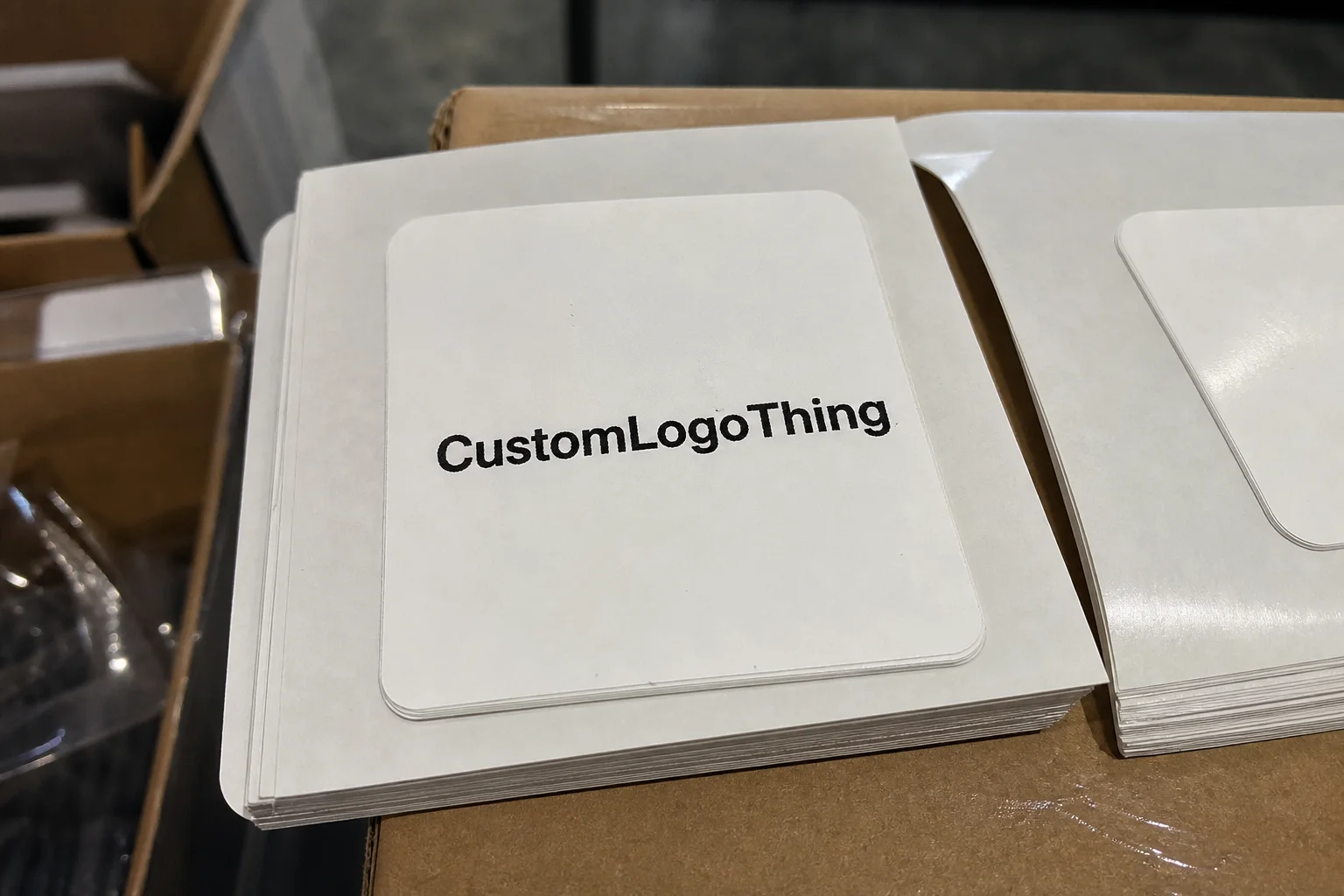
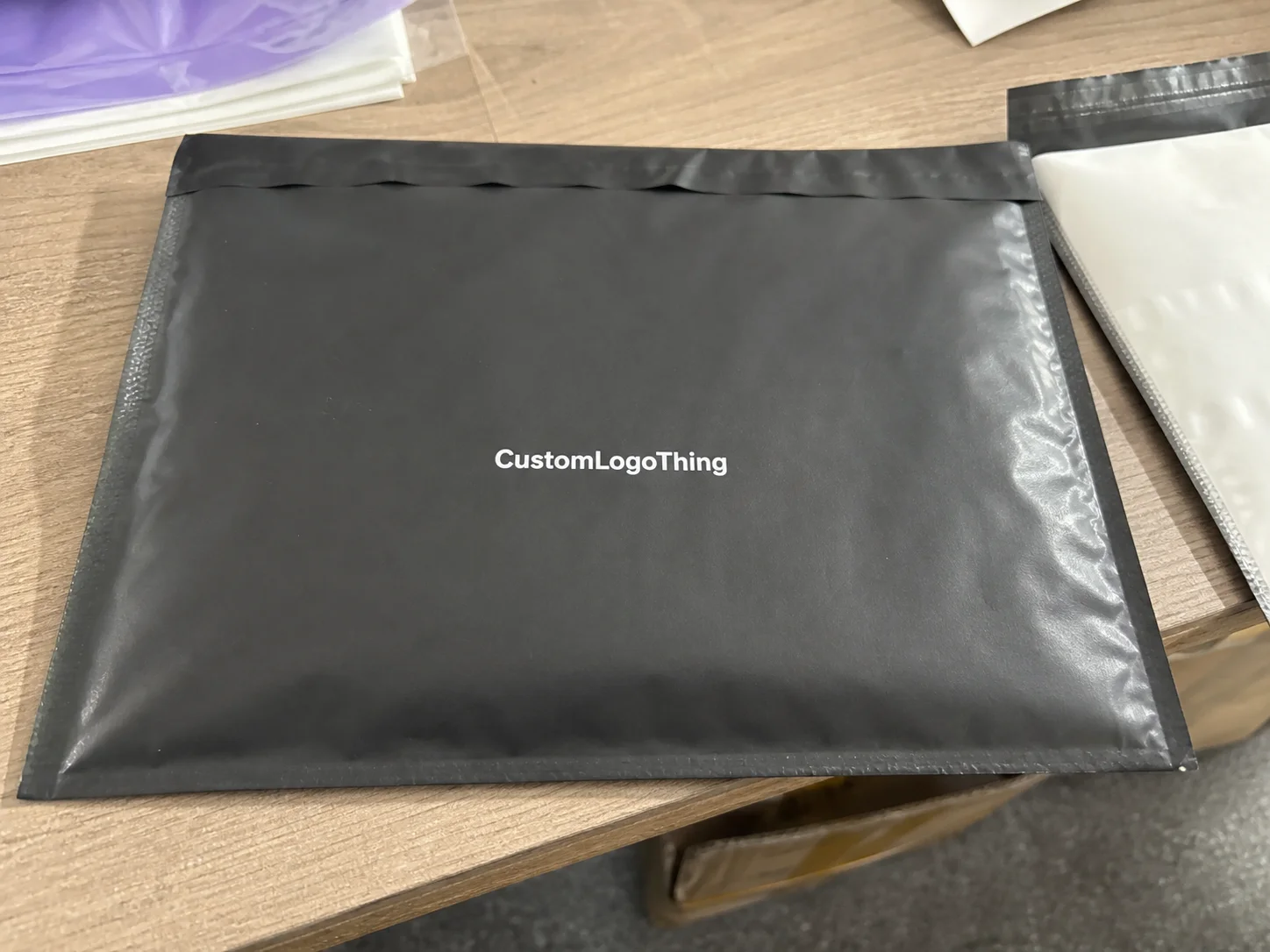
Custom tissue paper with logo is branded tissue printed with your logo, pattern, tagline, or simple artwork. It’s the thin wrap you place inside boxes, around garments, or under product layers so your customer sees your brand before they touch the item. Sometimes it’s a repeating pattern. Sometimes it’s a single mark repeated every 8 inches. Sometimes it’s a light watermark style print that feels subtle and expensive. Common sheet sizes are 20 x 30 inches and 24 x 36 inches, though many suppliers in Dongguan, Shenzhen, and Guangzhou can cut to custom dimensions for folded apparel or narrow gift cartons.
Plain English version? It’s tissue paper with your name on it. That’s the whole trick. The effect is larger than the explanation. When I visited a paper converter near Dongguan, the owner told me something blunt: “The tissue is cheap. The feeling is not.” That line has followed me for years because it sums up why custom tissue paper with logo works so well in retail packaging and gift-ready shipments. I like that kind of straight talk. No fluff, just the unpleasant little truth brands sometimes try to out-design. A 2-color repeat on a 17gsm sheet can change the way a $48 blouse is perceived before the customer even opens the fold.
Here’s what it does for your brand:
- First impression: Customers see your logo before they see the product, which makes the unboxing feel branded instead of random.
- Product protection: Tissue helps reduce scuffs, dust, and friction, especially on clothing, candles, boxed gifts, and polished surfaces.
- Consistency: It ties together your box, inserts, stickers, and tape so the package branding feels deliberate.
I once watched a jewelry client switch from plain white tissue to custom tissue paper with logo in a soft gray print on blush stock. Their box was the same. Their insert card was the same. Their shipping cost barely changed. Yet customer photos doubled because the package suddenly looked like a complete system, not three unrelated parts shoved into a carton. The change was not dramatic on paper. It was dramatic in the feed.
That’s the part people miss. Custom tissue paper with logo is not just decorative. It changes perceived value. A customer paying $68 for a candle or $140 for a blouse often judges the brand by the first layer they see. If that layer looks random, the whole packaging design feels cheap. If it looks intentional, the product feels more expensive, even if your base carton is a plain kraft mailer. I’ve seen a 24 x 36 inch tissue sheet elevate a $9 accessory into something that photographs like a $29 one.
It also works well with other pieces of custom printed boxes and inserts. I’ve seen brands use a simple logo repeat on tissue, then pair it with a one-color mailer and a printed thank-you card. Low-cost move? Sure. Smart move? Absolutely. I’d take that mix over an overdesigned box with no inside structure any day. A coordinated set from the same supplier in Shenzhen or Xiamen usually keeps the color story cleaner too.
How custom tissue paper with logo is made
There are a few ways to make custom tissue paper with logo, and the method matters because tissue is not forgiving. It wrinkles. It stretches. It absorbs ink differently than coated paper. If someone tells you it prints exactly like brochure stock, they’re either new or selling you a dream with a hidden setup fee. I’ve heard both pitches, and neither one helps you sleep better. Tissue in 17gsm or 21gsm grades behaves very differently from 350gsm C1S artboard, which is why production teams in Shenzhen and Dongguan spend so much time on press checks.
The most common production methods are flexographic printing, digital printing, and offset-style printing adapted for lightweight tissue. Flexo is common for repeat patterns and larger runs because it moves fast and keeps unit cost down. Digital printing can work for smaller batches or more color variation, though the per-sheet cost usually rises. Offset-style printing is less common for tissue itself but may be used in hybrid workflows depending on the supplier and finishing line. For example, a 5,000-sheet run might be digitally printed in a factory in Guangzhou, while a 50,000-sheet repeat pattern is often flexo printed in Dongguan to keep cost per unit lower.
The material basics are simple, but the details matter:
- Sheet size: Common formats include 20 x 30 inches, 24 x 36 inches, and custom cuts for product-specific folding.
- Weight: Tissue often sits around 17gsm to 28gsm, depending on opacity and handling needs.
- Opacity: Thinner tissue shows more of the product shape beneath it, which can be nice or annoying depending on the look you want.
- Finish: Most tissue is matte, though surface feel varies by pulp quality and calendering.
- Color limits: One or two spot colors are common; full-photo printing on tissue is possible in some cases, but the result is not what I’d call elegant for most brands.
Production usually follows a predictable sequence. First, artwork gets checked for repeat pattern alignment, logo spacing, and color separations. Then the supplier prepares plates or digital files. After that, the tissue gets printed, dried, cut, packed, and shipped. On one factory visit, I watched a line operator stop a run because a navy logo was pulling slightly purple on a pale cream stock. That kind of color shift is normal on tissue. Not exciting. Just reality. If you expect Pantone perfection on a porous sheet, you’re going to have a bad time. In practical terms, a proof approved on Monday in Shenzhen might still need 2 to 3 days of press setup before the first counted ream is boxed.
Print placement changes the whole effect. A centered logo repeat feels more premium than a single large mark slapped in one corner. A sparse watermark can feel elegant for package branding. A full-bleed pattern looks louder and works better for fashion, playful gifting, or bold retail presentation. For most custom tissue paper with logo orders, I recommend a repeat pattern because it survives folding better. One centered logo can disappear the second your packer makes a tight fold. A 6-inch repeat tile usually gives more visibility once the tissue is tucked around a product inside a 10 x 8 x 4 inch box.
For sourcing and material references, I always tell clients to check industry basics from organizations like the Packaging Machinery Manufacturers Institute and safety or recycling guidance from the EPA recycling resources. Not because tissue paper is complicated. Because packaging choices get expensive fast when no one checks the basics. I’ve watched a “small” paper decision snowball into a warehouse headache, and that kind of thing tends to live on your expense report for months. A 12-carton miscount can turn into a $480 storage correction in a week.
Custom tissue paper with logo cost and pricing factors
Custom tissue paper with logo pricing is usually driven by quantity, sheet size, print colors, paper weight, and print method. If someone gives you one price without asking those five things, they are probably quoting the easiest possible scenario, not your actual order. I’ve had enough of those “ballpark” quotes to know they are often a polite way of saying, “Please don’t ask follow-up questions.” A 20 x 30 inch 17gsm one-color repeat is not the same as a 24 x 36 inch 28gsm two-color job, even if both are technically “custom tissue.”
In real terms, small runs cost more per sheet because setup fees get spread across fewer units. Larger runs drop the unit cost quickly. I’ve seen a simple one-color repeat on 20 x 30 tissue land around $0.12 to $0.28 per sheet for mid-sized orders, but that range swings based on country of origin, packing format, and freight. I’ve also seen very small custom runs climb above $0.40 a sheet once setup and special handling were included. Yes, people get shocked. Then they ask for “the cheap version.” That usually means fewer colors, a standard sheet size, and a longer lead time. Funny how that works. A 5,000-piece order in Shenzhen might price at $0.15 per unit, while a 20,000-piece run out of Dongguan can fall closer to $0.09 once the plate charge is absorbed.
Here’s a practical way to think about pricing:
| Order Type | Typical Sheet Size | Likely Unit Cost Range | Notes |
|---|---|---|---|
| Small custom run | 20 x 30 in | $0.25 to $0.45 | Higher setup burden, usually better for testing |
| Mid-volume order | 20 x 30 in | $0.12 to $0.28 | Common sweet spot for growing brands |
| Large volume order | Custom or stock size | $0.06 to $0.15 | Best pricing, but you need storage space |
Those numbers are directional, not a promise. A 2-color print on 28gsm tissue with a custom cut will not price like a single-color run on stock white tissue. And freight can move the total just as much as the paper itself. I once negotiated a tissue order where the material quote was $2,900, the plates were $380, and ocean freight ended up being $1,100 because the client wanted split shipping to two warehouses. They were angry at the freight bill until I showed them the landed cost per sheet. Suddenly the math became less emotional and more usable. Numbers have a way of calming everybody down, even if only for five minutes. In that case, the landed cost came out to $0.187 per sheet across two U.S. receiving points, which made the discussion much shorter.
There are hidden costs too:
- Plate charges: Common for flexo printing, especially with repeat patterns.
- Setup fees: Artwork prep, color matching, and press adjustments can add $75 to $300 or more.
- Custom die cuts or sizing: If your sheet dimensions are unusual, expect extra tooling or labor.
- Freight: Tissue is light but bulky, so carton volume drives shipping cost.
- Rush production: Faster turnaround usually means higher labor and freight costs.
The best negotiation move I know is boring but effective: ask for pricing at 2-3 quantities. For example, ask for 5,000, 10,000, and 20,000 sheets. That shows you the breakpoints and tells you whether the supplier is rewarding volume in a real way. I’ve had suppliers quote $0.19 at 5,000, $0.14 at 10,000, and $0.11 at 20,000. That kind of jump matters. It can change whether your first run is a test order or a bulk buy. It can also tell you whether the supplier in Guangzhou is actually set up for scale or just pretending with a pretty quote sheet.
And yes, custom tissue paper with logo can absolutely be worth the money. If a few cents per sheet increases repeat orders, protects your product during shipping, and improves customer photos, the ROI can be solid. That’s especially true for higher-margin categories like cosmetics, apparel, candles, and gifts where the package presentation affects brand recall. If your retail packaging drives even one extra reorder per hundred customers, the tissue basically paid for itself. That’s not poetry. That’s just margin math wearing a nice shirt.
How to order custom tissue paper with logo step by step
Ordering custom tissue paper with logo is not hard, but it does reward people who prepare properly. The brands that get the best results usually show up with a file, a quantity target, and a rough idea of how the tissue will fold inside the box. The brands that struggle usually send a logo screenshot and say, “Make it pretty.” That is not a spec. That is a cry for help. I wish I were exaggerating. A supplier in Shenzhen can quote in under 24 hours if you send vector art, sheet size, and print color count on the first email.
1. Define the goal
Start by deciding what the tissue needs to do. Do you want a luxury feel for apparel, a protective wrap for candles, a gift presentation for retail, or a simple branded layer in shipping boxes? If you do not know the goal, you will choose the wrong sheet size, the wrong print style, or both. A glossy-looking brand might prefer crisp white tissue with a strong one-color logo. A natural skincare brand may prefer soft kraft-toned tissue with a lighter watermark look. The goal shapes the entire packaging design. If your product sells at $26 and your box interior is only 8 x 6 inches, the tissue choice should reflect that scale, not an imagined flagship store in Milan.
2. Choose sheet size and paper color
Sheet size should match the product and the box, not your guess. For small jewelry boxes, oversized tissue wastes material. For folded apparel, a tiny sheet looks stingy. I usually ask for the product dimensions, the box interior size, and the fold method. Then I pick a sheet that covers the item with a little overlap. Color matters too. White tissue is the safest and cleanest choice. Cream, black, blush, gray, and custom colors can work well if the logo contrast is strong enough. A 20 x 30 inch sheet works for many retail boxes, while a 24 x 36 inch sheet often gives enough overhang for larger garment sets.
3. Prepare artwork correctly
Use vector artwork whenever possible. AI, EPS, or PDF files are ideal because they preserve edges cleanly. Keep the logo bold enough to survive the tissue’s translucency. Fine lines, tiny serif text, and delicate icons often disappear or break apart. If you want a repeat pattern, build the repeat tile at the actual scale. A 2-inch logo repeat behaves differently from a 5-inch repeat. That one detail can change the whole look of the custom tissue paper with logo. I’ve seen a thin script logo vanish on first proof and look perfect after the client thickened the strokes by 20 percent.
4. Request proofing and sample review
Always ask for a digital proof, and if the order is large enough, ask for a printed sample or pre-production photo. Check logo clarity, spacing, fold behavior, and contrast. In one client meeting, I watched a brand approve a beautiful gold logo on white tissue only to realize the sample looked faint once folded around dark clothing. They fixed it by darkening the print and widening the repeat spacing. Five minutes of checking saved them 8,000 sheets of disappointment. For a 10,000-piece run, that five-minute check can be the difference between a clean warehouse rollout and three weeks of regret.
5. Confirm MOQ, lead time, and shipping
Before you approve the order, confirm the Minimum Order Quantity, production timeline, carton counts, and freight method. Many suppliers need 12 to 18 business days after proof approval, but that can stretch if you change artwork late or ask for special finishing. A typical timeline is 12-15 business days from proof approval for standard one- or two-color tissue, with another 4 to 12 business days for ocean or air freight depending on the route. If a supplier says seven days for a custom printed tissue order and doesn’t explain how, I’d ask twice. Maybe they’re efficient. Maybe they’re optimistic. Those are not the same thing.
6. Plan packing and folding
This part gets ignored all the time. Your tissue can be gorgeous and still look bad if the folding method is sloppy. Decide whether the sheet will be wrapped flat, crinkled, layered, or tucked around the product. Tissue that’s too large will wrinkle in the box. Tissue that’s too small will make the product look underdressed. The best custom tissue paper with logo order is one that fits the actual packing workflow in your warehouse or 3PL. If your team packs 600 orders a day in Chicago or Dallas, the fold should be fast enough to hold under real labor pressure.
If you are building out a bigger product packaging system, compare tissue against other branded pieces like inserts, stickers, and mailers from Custom Packaging Products. Sometimes the tissue should carry the brand. Sometimes the box should. Usually, the smartest brands split the work between both. A $0.15 tissue layer and a $0.22 insert can do more visual work than a $1.10 printed box.
For companies looking at retail durability and shipping consistency, I also recommend checking packaging test standards from ISTA. Tissue itself is not a shock absorber, but the full package still needs to survive handling, vibration, and stacking. I’ve seen too many beautiful packages arrive crushed because someone assumed presentation alone could defeat gravity. Sadly, it cannot. A 3-foot drop test in a warehouse outside Atlanta will not care how elegant the tissue looked in the proof.
Common mistakes people make with custom tissue paper with logo
The first big mistake is making the logo too detailed. A thin tissue sheet is not a billboard. It is not even close. I’ve seen tiny copy lines, hairline icons, and overcomplicated crests vanish into the paper fibers like they never existed. With custom tissue paper with logo, simple beats fancy almost every time. A logo that looks good at 2 inches wide on a screen may fail at 2 inches wide on a 17gsm sheet.
The second mistake is low contrast. Pale gray on cream looks chic on a computer screen and invisible in real life. Dark ink on a light tissue stock is safer. If you want an upscale look, use spacing, repeat rhythm, and color restraint. Don’t make the logo disappear and call it minimalism. That’s not design. That’s indecision with a fancy font. Black on white, navy on ivory, or soft charcoal on blush usually reads more clearly in a lit retail box.
The third mistake is ordering the wrong sheet size. A small sheet forces too many folds. A huge one wastes material and slows packing. Either way, you pay for the wrong decision twice: once in paper cost and again in labor. I’ve seen pack rooms lose 20 to 30 minutes per 1,000 units just because the tissue was oversized and had to be trimmed by hand. That adds up fast when the team is packing 3,000 orders in a week.
The fourth mistake is assuming custom printing behaves like a local print shop. Tissue is thinner. Ink penetration is different. Drying time matters. Color consistency shifts a bit more than on coated paper. If you expect exact brightness on every run, you’ll spend a lot of time being annoyed. Better to approve a target and allow a small tolerance. I say that as someone who has stared at more sample boards than I care to admit. In Shenzhen and Dongguan, many factories will hold within a narrow visual range, but they will still warn you that paper is not C1S artboard.
The fifth mistake is over-ordering before testing. Brands get excited, place a 25,000-sheet order, and then discover the fold looks awkward inside the box or the color clashes with the actual product. I always recommend a real-world test with the product, the box, and the final fold method before scaling. It’s cheaper to fix a sample than 18 cartons of something you’ll resent opening. And yes, I have seen clients literally groan when they unwrapped a whole case. Not a great day. A test order of 500 to 1,000 sheets is usually enough to catch a bad repeat or an awkward fold.
Here’s the short version: custom tissue paper with logo should support your packaging, not fight it. If the tissue steals attention from the product or slows the packing line, the design missed the point.
Expert tips for better results and lower waste
If you want better results from custom tissue paper with logo, start with the repeat pattern. A repeat pattern keeps the branding visible after folding, trimming, and wrapping. One centered logo often gets lost once the packer folds the tissue around a product. Repeats are practical. Practical usually wins. A 6-inch or 8-inch repeat tile often holds up better across mixed box sizes than a single centered lockup.
Keep the artwork simple and bold. Thin lines can break up on lightweight tissue. Large shapes, solid logos, and clean spacing print better and look better from a few feet away. I learned this the hard way years ago when a fashion client insisted on a delicate script logo with a thin underline. It looked lovely in the PDF. It looked like a tired pencil sketch on tissue. We changed it to a thicker mark, and the whole run improved. I was relieved, honestly, because I did not want to have that awkward “yes, but it vanished” conversation again. In some cases, a 15 percent stroke increase makes more difference than a full rebrand.
Match the tissue color to the unboxing experience, not just the brand guide. A pure white tissue might make a bright product feel crisp. A warm cream tissue can soften a luxury gift feel. Black tissue can make jewelry or cosmetics look dramatic, but it also shows fold marks more easily. Choose the color based on the real product, the box interior, and the photo style your customers actually post. A cosmetics brand in Miami may want bright white for clean shelf appeal, while a candle maker in Portland may choose soft gray for a warmer, handmade feel.
Ask for a mockup using your real box size. Not a random box. Your box. The pattern can look great on a flat proof and awkward in a shallow mailer. I’ve sat in supplier offices where the mockup looked too busy until we changed the repeat spacing by 15 percent. That tiny adjustment saved the whole design. If your mailer is 9 x 6 x 2 inches, show that exact dimension to the supplier before they print 10,000 sheets.
If you print multiple SKUs, standardize the sheet size wherever possible. That reduces inventory complexity and makes warehouse handling easier. Too many sheet sizes create dead stock, especially if one product line slows down. Simple storage rules beat clever one-off formats. Three standard sizes usually beat seven custom ones, even if the seven look better in a mood board.
One more practical point: ask whether the supplier can pack the tissue in counted reams, poly-wrapped bundles, or cartons that fit your receiving setup. If your warehouse team hates the pack format, the order will “work” technically and still be a pain. I’ve seen that exact problem turn into labor waste worth $600 a month. Not glamorous. Very real. A carton count that matches pallet space in New Jersey or Phoenix can save far more than a prettier presentation format.
When brands pair custom tissue paper with logo with other items like inserts, labels, and custom printed boxes, the whole package feels more coordinated. That’s the sweet spot for branded packaging: not expensive for the sake of it, just consistent enough to feel intentional. A $0.09 label, $0.15 tissue, and $0.20 insert can create the look of a much larger packaging budget.
Next steps: how to choose the right custom tissue paper with logo
If you’re deciding whether custom tissue paper with logo is right for your brand, I’d start with five questions: what product are you wrapping, what feeling do you want customers to have, how many sheets do you actually need, what’s your realistic budget, and how fast do you need the order in hand? Those five answers usually tell you whether you need a 5,000-piece test run or a 20,000-piece production order.
Then build a simple checklist:
- Artwork file in vector format
- Preferred sheet size
- Paper color target
- Print color target or Pantone reference
- MOQ target
- Delivery date
- Packing method inside the box
Compare at least 2-3 supplier quotes. Ask for sample photos, print references, and a clear breakdown of setup charges versus unit price. A supplier who hides plate costs in the unit price is not necessarily dishonest, but they may be making comparison shopping harder than it needs to be. I prefer suppliers who are straight about the numbers. Saves everyone time and spares me one more round of spreadsheet archaeology. If one factory in Shenzhen quotes $0.15 per unit for 5,000 pieces and another in Dongguan quotes $0.13 but adds a $280 plate fee, you want the landed cost, not the headline.
My advice after years of factory visits and client-side panic calls? Test one order first. Use the tissue with real products. Fold it the way your warehouse will fold it. Put it in the actual box. Ship a few orders. Then inspect what customers will see. That one test tells you more than a polished PDF ever will. A 12-day production cycle and a one-week shipping window can still produce a bad result if the fold, ink, or sheet size is wrong.
If the sheet size works, the logo reads clearly, the fold looks clean, and the cost fits your margin, scale it. If not, change the spec before committing to a bigger run. That’s how smart product packaging decisions get made: one practical test, not wishful thinking.
Custom tissue paper with logo is one of those packaging moves that looks small on a quote sheet and big in the customer’s hands. Use it well, and it improves the whole unboxing experience without blowing up your budget. Use it badly, and it becomes expensive paper nobody notices. I know which version I’d rather pay for. For brands manufacturing in Shenzhen, Guangzhou, or Dongguan, that difference can show up in customer photos within the first 100 orders. The cleanest next step is simple: match the sheet size to the box, keep the artwork bold, and test the fold before you place a larger run. That one sequence saves money, time, and a fair bit of regret.
FAQ
How much does custom tissue paper with logo usually cost per sheet?
Pricing depends on quantity, sheet size, print colors, and production method. Smaller orders usually cost more per sheet because setup fees get spread across fewer units. Ask suppliers for pricing at multiple quantities so you can see where the best break happens. For example, a 5,000-sheet run might price very differently from a 20,000-sheet run. I always recommend comparing landed cost, not just the paper number on its own. In practice, a quote of $0.15 per unit for 5,000 pieces can drop to $0.09 or lower at 20,000 pieces if the supplier is efficient and freight is steady.
What is the minimum order for custom tissue paper with logo?
Minimums vary by supplier and print method. Many factories set higher MOQs for custom printing because of setup efficiency and material usage. If you need a lower quantity, ask whether digital printing or a stock-size option is available. Some vendors can also combine your order with other Custom Packaging Products to make production more practical. In Shenzhen and Dongguan, I often see MOQs start at 3,000 to 5,000 sheets for simple one-color runs, while more complex jobs may require 10,000 sheets or more.
How long does custom tissue paper with logo take to produce?
Timeline depends on proof approval, printing method, order size, and shipping distance. Build in time for artwork setup and sample review, not just printing. A typical run may take 12-18 business days after approval, though rush work can be faster if the supplier has open press time and you are flexible on freight. If someone promises faster without explaining the process, I’d want a second opinion. For standard orders, a realistic timeline is typically 12-15 business days from proof approval before cartons leave the factory, plus 4 to 12 business days for transit depending on whether the shipment moves by air or ocean.
What artwork works best on custom tissue paper with logo?
Bold logos, simple line art, and repeat patterns usually print best. Tiny text and fine details can get lost on thin tissue. Vector files are the safest starting point because they keep edges clean and scale properly. If your logo is very detailed, simplify it for tissue instead of forcing it to behave like a poster. Strong contrast and a repeat tile sized around 4 to 8 inches usually perform better than tiny decorative marks.
Can custom tissue paper with logo be used for shipping products safely?
Yes, but it is mainly for presentation and light protection, not heavy cushioning. It works well for wrapping items inside boxes and reducing scuffs during unboxing. For fragile products, pair it with proper protective packaging. Tissue should support the shipping experience, not replace structural protection. A 17gsm sheet in a 10 x 8 x 4 inch mailer can look polished, but it will not protect a glass candle from a 3-foot drop test on its own.