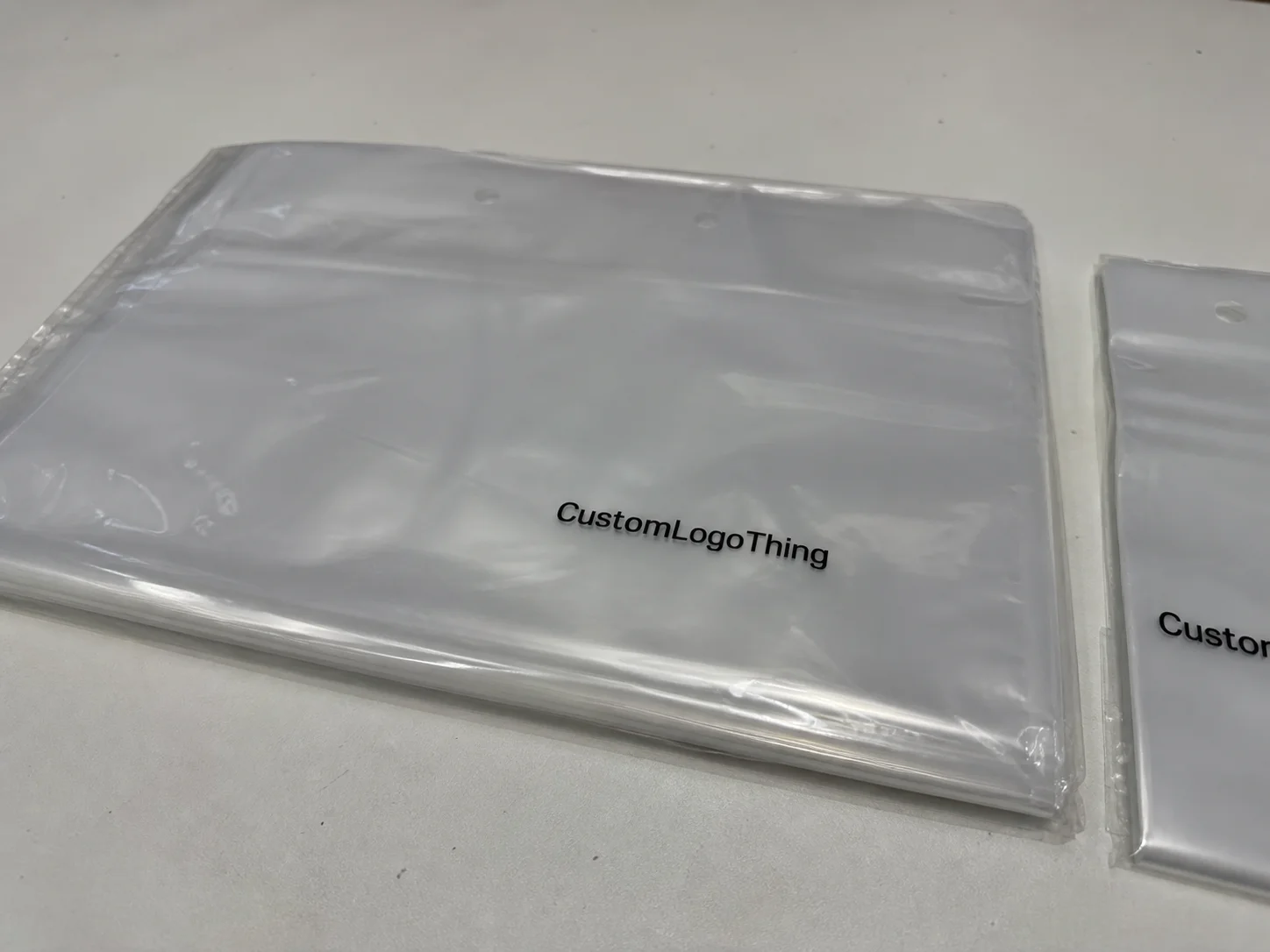
A one-color logo on a glass jar, laptop, toolbox, storefront door, or clean shipping box can look more expensive than a full-color label. Why? No visible background film. No rectangle around the mark. Just the letters or icon sitting directly on the surface, doing their job without shouting about it.
That is the appeal of Custom Transfer Stickers. They give packaging, displays, equipment, and retail fixtures a finished logo treatment without the bulk of a standard sticker. Used well, they look deliberate. Used badly, they lift at the corners, trap dust, or leave tiny letters behind on the transfer tape. Fun surprise. Nobody loves that.
Transfer decals are not difficult, but they do ask for better planning than a basic label order. The artwork has to be cuttable. The adhesive has to suit the surface. The installer has to apply pressure in the right direction. Small details like stroke width, transfer tape tack, and application temperature can decide whether the finished decal looks clean or fussy.
What Custom Transfer Stickers Are and When They Make Sense
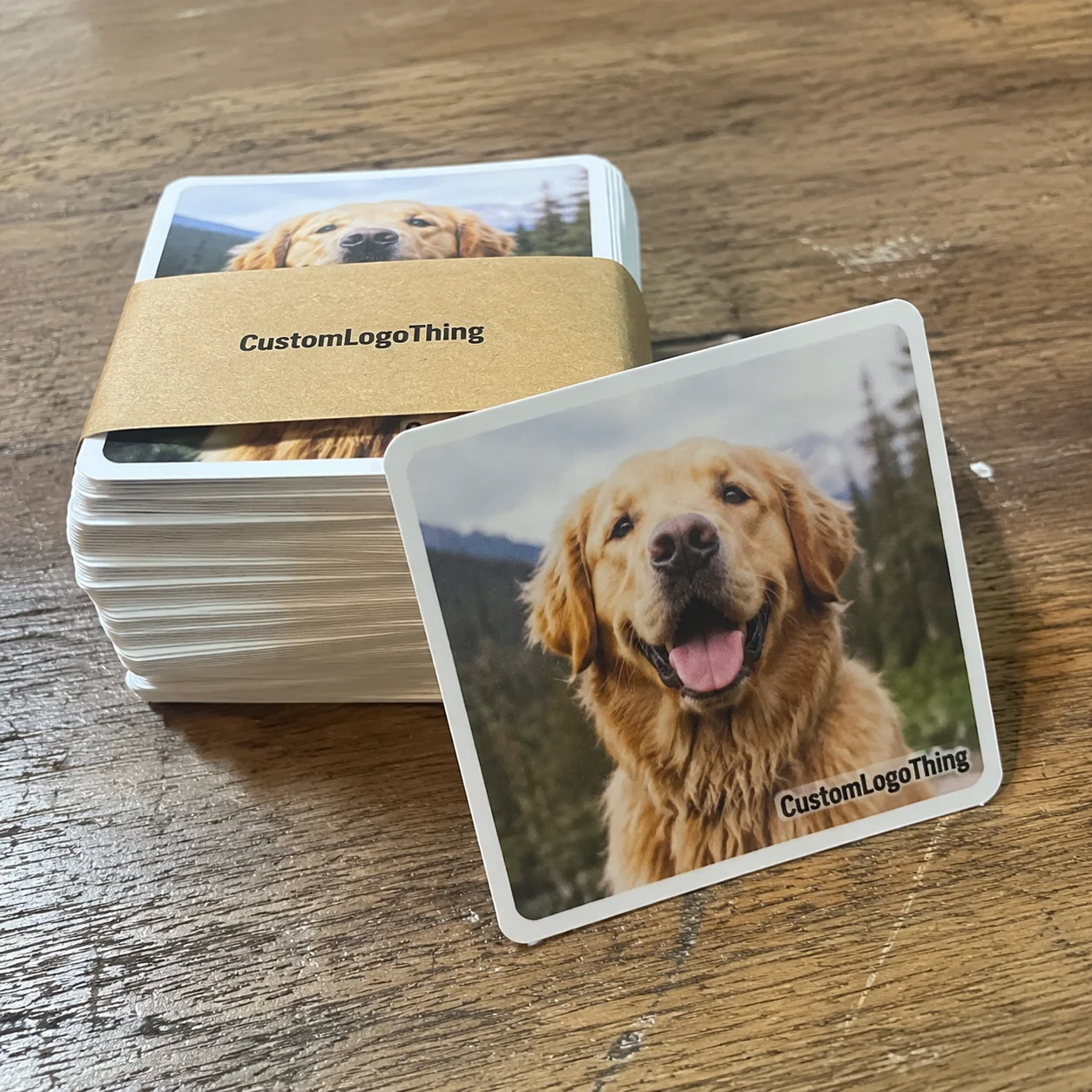
Custom Transfer Stickers are cut vinyl or printed-and-cut graphics held together by a transfer carrier. Instead of one solid sticker shape with a printed face, each letter, line, and logo element is produced as its own adhesive piece. The transfer tape holds those pieces in position until the design is applied.
The construction is simple once you handle one. There is a backing liner, usually release paper or film, protecting the adhesive. There is the sticker material, often vinyl, polyester, or another pressure-sensitive film. On top sits the transfer carrier, either paper tape or clear film, which keeps every small part aligned while the full design moves from liner to surface.
That structure separates transfer decals from standard die-cut stickers. A die-cut sticker usually has one printed top layer and one continuous shape. Kiss-cut sheets leave multiple stickers on a shared liner. Product labels are built for fast application, often on rolls, using paper, BOPP, or film facestocks. Clear decals can create a similar floating-logo effect, but the clear border is still there. On glass, matte packaging, or under angled light, that edge often shows. Sorry, clear film is not invisible. It just tries hard.
Transfer decals make sense for bold brand marks, window lettering, equipment labels, product decoration, event signage, packaging accents, and clean retail displays where the background should remain visible. A white logo on a matte black candle jar, black lettering on a kraft mailer, or a metallic emblem on a rigid box can feel more polished than a rectangular label slapped on top.
Production reality: transfer stickers look clean because the excess material is removed before the customer sees the decal. That removal takes labor. Fine artwork, tiny text, distressed effects, and loose interior shapes need more review before production.
Set expectations early. Transfer stickers can look sharp and premium, but they are less forgiving than regular stickers. Thin lines can lift. Dust can weaken adhesion. A textured carton can stop the adhesive from making full contact. For buyers comparing decals with Custom Labels & Tags, the better choice depends on surface texture, installation speed, durability needs, and how much fine detail the design contains.
If the design has small legal text, ingredient copy, QR codes, dense illustrations, or color-heavy branding, a label may be the better tool. If the goal is a clean logo mark, storefront lettering, or a premium accent on smooth packaging, transfer decals are usually worth considering.
How Transfer Decals Work From Cut Line to Application
Production starts with artwork conversion. A logo file is reviewed, scaled to finished size, and turned into cut paths. Those paths tell the plotter or cutter where the blade should travel. For a basic single-color order, the vinyl is loaded, blade depth is tested, cut pressure is adjusted, and the machine cuts through the vinyl face while leaving the liner mostly intact.
That “mostly” matters. Cut too lightly, and the vinyl will not weed cleanly. Cut too deeply, and the liner gets scored so hard that pieces may pop loose, curl, or become difficult to lift with transfer tape. Operators usually run a small test cut before committing to the full layout, especially with matte films, metallic films, reflective vinyl, or cast vinyl.
After cutting, the excess vinyl is removed in a step called weeding. This includes the large open areas around the design and the small interior spaces inside letters like A, O, P, D, and R. Block lettering may weed quickly. A distressed script logo with dozens of tiny islands can become the slowest part of the entire job.
Transfer tape goes on after weeding. Its job is to lift the finished graphic off the liner, hold spacing intact, and let the customer place the whole mark as one aligned unit. Paper transfer tape is common for many cut vinyl jobs because it has good tack and is easy to burnish. Clear transfer film helps with visual placement on windows, packaging mockups, and retail fixtures, although some clear films can be stiffer and less forgiving on curves.
There are two common production routes. Single-color cut vinyl transfers use colored vinyl film, so the color comes from the material itself. Printed transfer decals start with CMYK or spot-color artwork, then get contour cut around the shape. Printed versions work for gradients, illustrations, and multicolor marks, but tiny printed pieces may still be hard to transfer cleanly.
Material choice changes performance. Calendared vinyl is common for indoor and moderate outdoor use. It is cost-effective and works best on smooth, flat surfaces. Cast vinyl is thinner and more conformable, so it handles curves, vehicles, and longer outdoor exposure better. Specialty films include matte, gloss, metallic, fluorescent, frosted, etched-glass, and reflective vinyl. For broader branded packaging programs, transfer decals may sit alongside Custom Packaging Products such as printed mailers, inserts, sleeves, and display components.
Application is a controlled sequence, not a quick slap-on move. Position the decal first, often with painter’s tape. Use a hinge method for larger graphics. Peel the liner slowly, squeegee from the center outward with firm pressure, then burnish the transfer tape. Finally, peel the transfer tape back at a low angle, close to 180 degrees against the surface. If a small letter lifts, lay the carrier back down and press again. Pulling harder usually makes the problem worse. Naturally.
Artwork Specs That Decide Whether Fine Details Survive
Transfer decals reward clean vector art. Every letter, stroke, outline, and negative space has to be cut, printed, weeded, transferred, or sometimes all four. A logo that looks perfect on a website header can fail at two inches wide if the thinnest strokes are only 0.3 mm or if the gaps between shapes are too tight for a blade and weeding tool.
Preferred file formats include AI, EPS, SVG, and production-ready PDF. These formats usually preserve vector paths, which means the artwork can scale without turning blurry. Raster files such as JPG, PNG, or low-resolution screenshots may need cleanup or redrawing before cutting. A 300 dpi PNG can help as a visual reference, but resolution does not create cut paths. The cutter still needs clean geometry.
Minimum specs vary by equipment, film, adhesive, and design style, so a responsible producer should confirm their own limits. As a practical baseline, many shops prefer lettering taller than 0.25 inch for easier weeding, stroke widths around 1 mm or larger for small decals, and enough spacing between shapes so the vinyl does not tear during removal. Thin scripts, tiny punctuation, distressed textures, halftone dots, and grunge effects usually cause trouble first.
Simple artwork often looks more expensive. Bold shapes cut cleaner, weed faster, apply better, and usually cost less. That does not mean the design has to be boring. It means the production version may need opened spacing, simplified distressing, thicker strokes, or fewer loose islands than the original brand file.
Color should be settled before proof approval. Cut vinyl uses film colors, often selected from a manufacturer’s swatch rather than mixed like ink. Printed decals usually use CMYK, and exact brand color matching may require a physical proof, spot-color workflow, or at least a clear tolerance range. If the decal goes inside a window and faces outward, the file may need to be mirrored. If it goes on tinted glass, clear acrylic, or glossy packaging, test contrast before ordering the full run.
Ask for a digital proof showing finished size, cut paths, orientation, material color, and any production simplifications. A good proof makes risk areas visible before cutting starts. For packaging programs, compare the decal proof against the box, bottle, jar, insert, or display panel where it will actually be used. A mark can look balanced on a white proof and oddly low once it sits above a box seam or near a curved jar shoulder.
Cost, Pricing, MOQ, and Unit Cost Factors
The cost of custom transfer stickers is driven less by size alone and more by material use, cut complexity, weeding time, number of colors, print requirements, and order quantity. A four-inch block logo can be cheaper than a two-inch decorative crest if the crest has 80 tiny interior cuts.
Minimum order quantities exist because setup happens before the first usable decal is finished. The file has to be checked, proofed, nested, cut, weeded, masked, trimmed, and packed. Some suppliers use a fixed MOQ, such as 25, 50, or 100 pieces. Others use a minimum order value, often around $50-$150 for short-run custom work, depending on material and labor.
Unit cost usually drops as quantity rises because setup time spreads across more pieces. Complicated artwork can still keep labor costs high. If a design takes 45 seconds to weed per piece, 1,000 pieces represent many hours of handling. That is why tiny detailed decals can cost more per square inch than larger, cleaner logos.
| Option | Best Use | Typical Cost Behavior | Buyer Watchout |
|---|---|---|---|
| Single-color cut vinyl | Bold logos, window lettering, equipment marks | Often economical at 100+ pieces when artwork is simple | Small letters and thin lines may not weed cleanly |
| Printed and contour-cut transfer decal | Multicolor logos, gradients, illustrated marks | Higher setup and print cost, especially with lamination | Color expectations and tiny printed pieces need proofing |
| Specialty vinyl | Metallic, reflective, frosted, matte, or premium effects | Material can add 15%-60% or more versus standard film | Availability, tack level, and outdoor rating vary by film |
| Individually trimmed decals | Retail kits, event handouts, installer-friendly batches | Labor increases with separate trimming and packing | Confirm finished backing size, not just graphic size |
Pricing varies by supplier and job details, but a simple 3-inch single-color vinyl transfer might land around $0.60-$1.50 per piece at 250 pieces. A larger or more detailed printed transfer can run several dollars each in small quantities. At 1,000 pieces, a clean single-color mark may drop substantially. A complex weed-heavy decal may not fall as dramatically because labor stays stubborn. Labor has that annoying habit.
Add-ons affect quotes quickly. Outdoor-rated vinyl, cast film, UV lamination, metallic or reflective stock, individual trimming, application squeegees, upgraded masking, rush production, and split designs can all change the price. If the decal is part of branded packaging for Custom Printed Boxes, rigid gift sets, or retail displays, the premium may be justified because the decal becomes a visible brand feature rather than a throwaway sticker.
Send a complete quote request: finished size, quantity, material preference, indoor or outdoor use, surface type, artwork file, color count, deadline, and whether the decals need to be individually packed. If sustainability is part of the larger packaging brief, review paper-based boxes, inserts, and wraps separately through sourcing standards such as the Forest Stewardship Council. Most transfer vinyls are film-based, so do not assume a paper packaging certification applies to the decal itself.
Production Steps, Timeline, and Turnaround Expectations
A typical order moves through quote request, file review, artwork adjustment, proof approval, material scheduling, cutting or printing, weeding, masking, quality check, packing, and shipping. For straightforward orders, production may take 3-7 business days after proof approval. Larger runs, specialty films, complicated printed decals, or individually packed pieces often need 8-15 business days.
Proof approval is the biggest controllable delay. Production should not start until size, spelling, colors, cut paths, and orientation are confirmed. One wrong letter on a window decal is not a charming quirk. It can mean recutting the full batch. Buyers can save days by sending clean files, confirming measurements, and replying to proof questions quickly.
On the production side, time goes into details buyers rarely see. Blade depth has to cut the vinyl cleanly without slicing too far into the liner. Cut pressure needs testing because matte vinyl, metallic film, reflective stock, and cast vinyl all behave differently. Operators may run a test cut, weed a sample, adjust speed, and only then continue with the full layout.
Weeding is where timelines stretch. Large open shapes can be stripped quickly, but small counters inside letters or tight patterns need patient handling. After weeding, transfer tape has to be applied evenly. Wrinkles, bubbles, or uneven masking can make installation harder, so good shops do not treat masking as decoration.
Quality control should include more than counting pieces. A practical check looks at cut consistency, missing interior shapes, stray vinyl bits, transfer tape adhesion, liner condition, color, size, and trimming. For printed decals, QC should also review print clarity, registration, contour cut alignment, and lamination if used. If individual decals are packed for installers or retail kits, backing size and orientation should be consistent from piece to piece.
Rush orders may be possible when artwork is clean, material is in stock, and the design does not need heavy cleanup or specialty production. A one-color block logo on standard white vinyl is much easier to rush than a five-color printed decal with lamination and individual retail packaging. Shipping distance matters too. Overnight freight can reduce transit time, but it cannot magically compress hand-weeding beyond a practical limit.
Build in a buffer for first-time orders. If decals must arrive before a product launch, trade show, store installation, or retail rollout, add several business days for proofing, testing, and transit. For packaged goods, test one applied decal through normal handling: packing, unpacking, wiping, stacking, and sitting under retail lighting. That quick check often catches surface or sizing issues before the full run is committed.
Common Mistakes That Make Transfer Stickers Fail
The most common artwork mistake is sending low-resolution images or overly delicate designs. A screenshot of a logo may look fine in an email, but it does not give the cutter reliable paths. Delicate hairlines, tight scripts, broken distress marks, and tiny trademark symbols can pull up during weeding or stay stuck to the transfer tape during installation.
Surface prep is the next big failure point. Adhesive needs clean contact. Dust, oil, wax, silicone, release agents, cardboard fibers, cold surfaces, and fresh paint can all reduce bond strength. Many pressure-sensitive films apply best around 50°F-90°F, though the exact range depends on the adhesive. Freshly painted surfaces may need days or weeks to cure before decals are applied.
Peeling technique matters more than people expect. Pulling the transfer tape straight up can lift small letters right off the surface. Peel slowly at a low angle, keeping the tape close to the surface. If the design lifts, stop, lay the tape back down, burnish again with a squeegee, and continue more slowly.
Sizing mistakes are easy because screens lie. A logo that appears modest on a 27-inch monitor may be too large for a 3-inch jar lid or too small for a storefront door. Measure the actual application area with a ruler or tape measure. For packaging, check the flat panel size, corner radius, seam location, and any handling area where fingers may rub the decal.
Some surfaces are simply difficult. Powder-coated metal can have texture that reduces adhesive contact. Silicone and low-energy plastics such as polyethylene and polypropylene can resist bonding. Rough wood, unsealed cardboard, heavily textured mailers, curved drinkware, and certain coated packaging can create edge lifting or trapped air. For these surfaces, test before committing to a full batch of custom transfer stickers.
Storage also matters. Keep decals flat, clean, and away from high heat, heavy humidity, and direct sun before use. If transfer tape sits too long, especially in poor storage conditions, tack can change and installation may become harder. For larger orders, ask whether the supplier recommends an application window or shelf-life guideline.
A simple prevention plan solves many problems: clean the surface, let it dry fully, test one decal, apply firm squeegee pressure, peel slowly at a low angle, and wait before washing or heavy handling. For shipping and distribution testing on finished packs, standards from groups such as the International Safe Transit Association can help packaging teams think through vibration, compression, and transit handling beyond the decal itself.
What to Check Before Ordering
Before ordering transfer stickers, choose the exact surface, measure the application area, decide whether the decal is for indoor or outdoor use, confirm the quantity, and decide whether the design should be single-color or printed. Those five decisions remove most quoting guesswork.
Prepare artwork carefully. Send the original vector file if available, not just a web image. Include the final width or height, identify brand colors, and flag any fine details that must stay intact. If the supplier recommends thickening strokes or simplifying texture, ask to see those changes on the proof rather than approving a vague note.
For unusual surfaces, expensive products, retail packaging, or customer-facing installations, order a small test run or proof sample. A $40-$100 test can prevent a much larger mistake if the adhesive struggles, the color lacks contrast, or the size feels wrong on the actual item. This is especially true for packaging that will be handled repeatedly, wiped down, refrigerated, or shipped in tight cartons.
Ask specific production questions. What minimum line thickness do you recommend at this size? Which material fits this surface? Is the transfer tape high, medium, or low tack? What outdoor durability should I expect? What application temperature is best? How many business days after proof approval? Specific questions get better answers than asking whether the decal is “high quality,” which is basically asking for a brochure sentence.
Build a small application kit if multiple people will install decals. Include a plastic squeegee, painter’s tape, lint-free cloth, surface-safe isopropyl alcohol, a ruler, and printed instructions. For batch work, number the surfaces or create a quick placement template so every logo lands in the same position. Consistency matters on retail displays, gift boxes, sales kits, and packaging components.
Custom transfer stickers work best when the artwork, material, surface, and installation method are planned together before production starts. Get those pieces aligned early, and the finished logo decal has a much better chance of looking clean, deliberate, and durable enough for the job.
FAQs
Are custom transfer stickers waterproof?
Most Vinyl Transfer Stickers resist water once properly applied, but waterproof performance depends on the vinyl, adhesive, surface, and exposure. Abrasion, detergents, dishwashing, UV light, and outdoor weather all affect the result. For bottles, windows, vehicles, or outdoor gear, ask for an outdoor-rated vinyl and describe the conditions before ordering.
What surfaces do transfer logo stickers stick to best?
They usually bond best to smooth, clean, non-porous surfaces such as glass, painted metal, acrylic, sealed plastic, laptops, display panels, and smooth packaging. Rough cardboard, textured powder coating, unfinished wood, silicone, and oily plastics may need testing because the adhesive cannot make full contact with the surface.
Can custom vinyl transfer decals include multiple colors?
Yes, but the production method matters. Separate cut vinyl colors may need layering, while full-color artwork is usually printed, contour cut, and transferred with a carrier film. Multicolor designs should be reviewed for registration, small gaps, and whether a standard sticker or clear decal would be more practical.
How small can custom transfer lettering be?
The safe minimum depends on material, font, adhesive, and equipment. Very thin strokes, tiny punctuation, and tight script lettering are usually the first details to fail during weeding or installation. For better results, use bold lettering, open spacing, and ask the producer to confirm minimum stroke width before approving the proof.
How do I apply transfer stickers without bubbles or lifting?
Clean and dry the surface, tape the decal in position, use a hinge method, squeegee from the center outward, then peel the transfer tape back slowly at a low angle. If small pieces lift, lay the transfer tape back down, burnish firmly, and peel again more slowly instead of pulling upward.