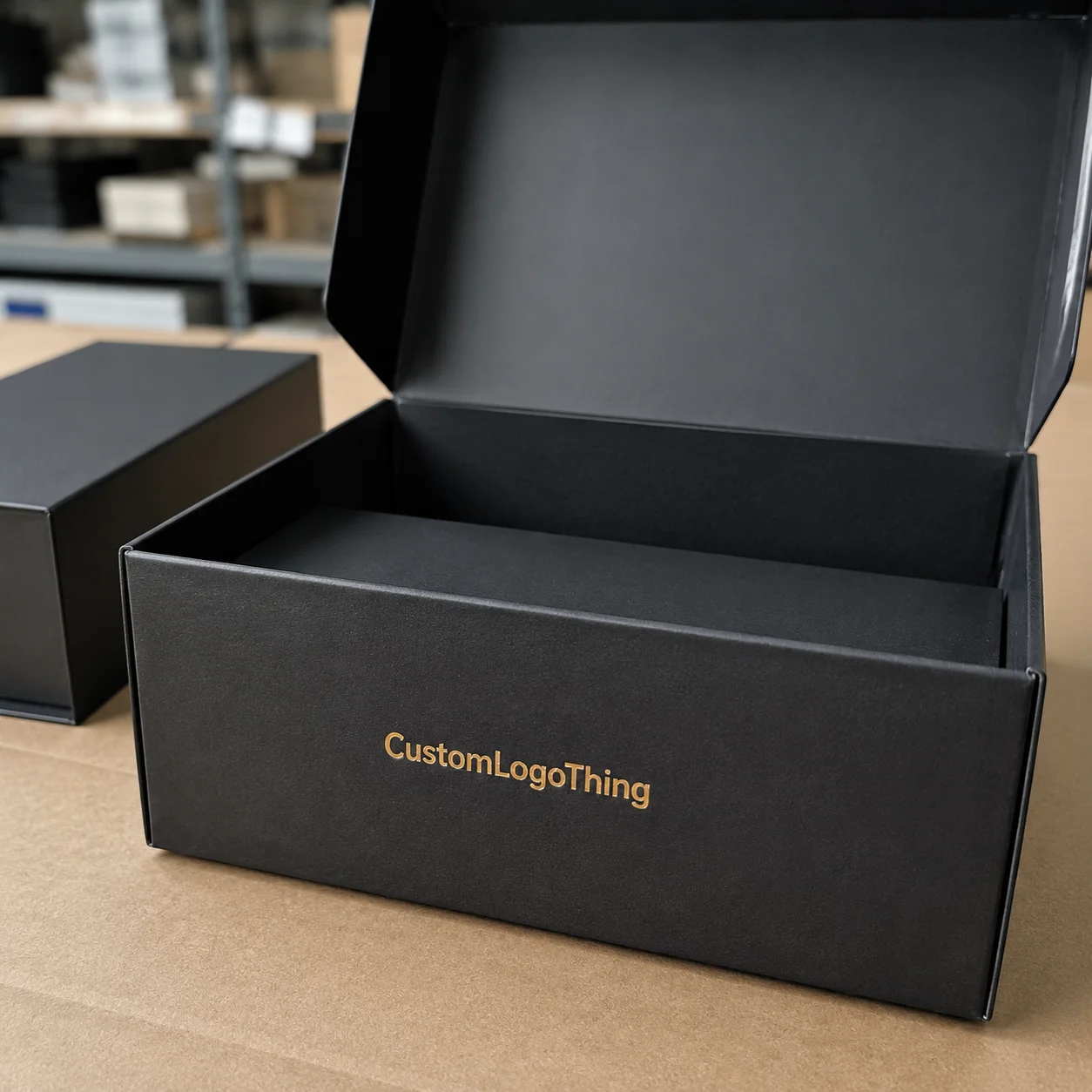
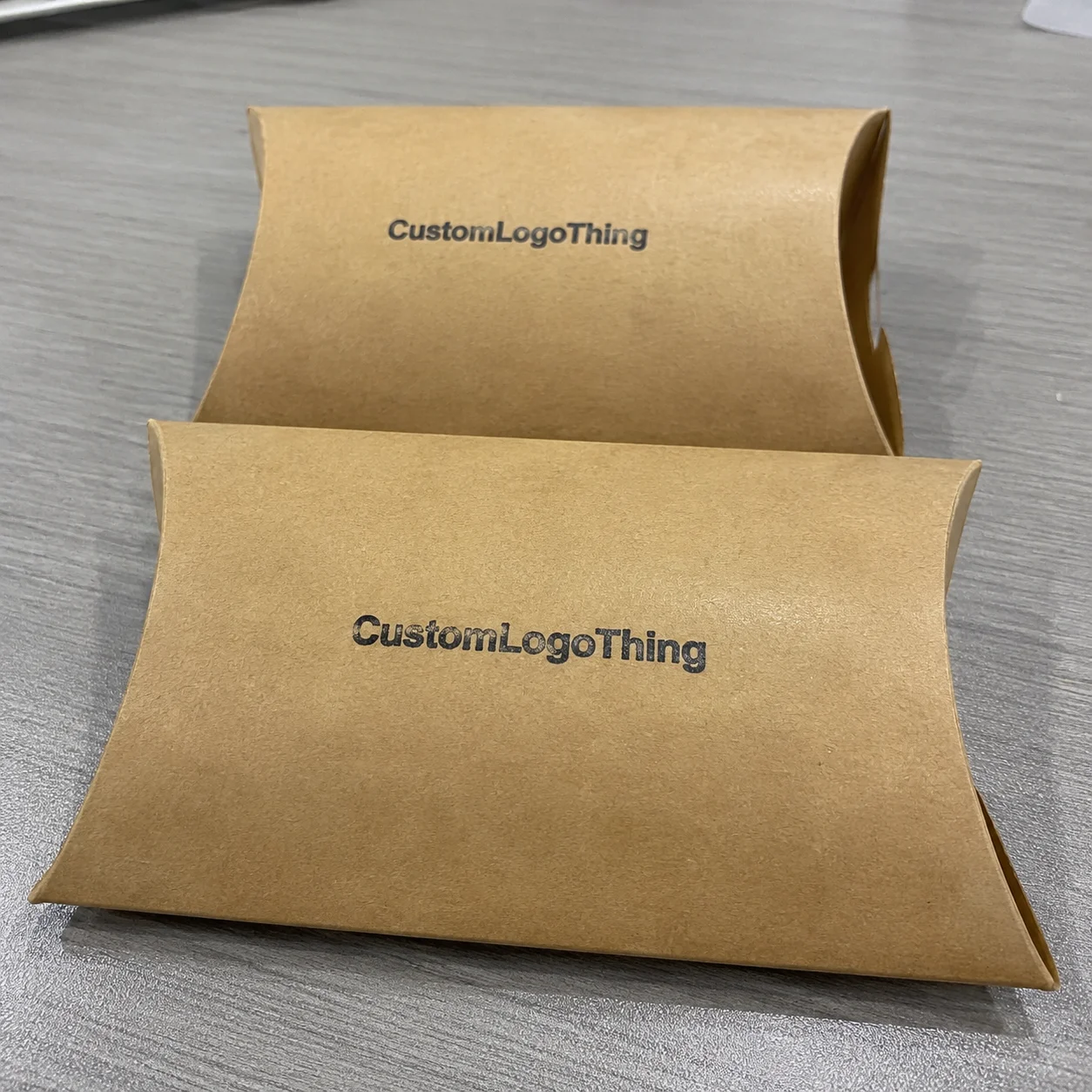
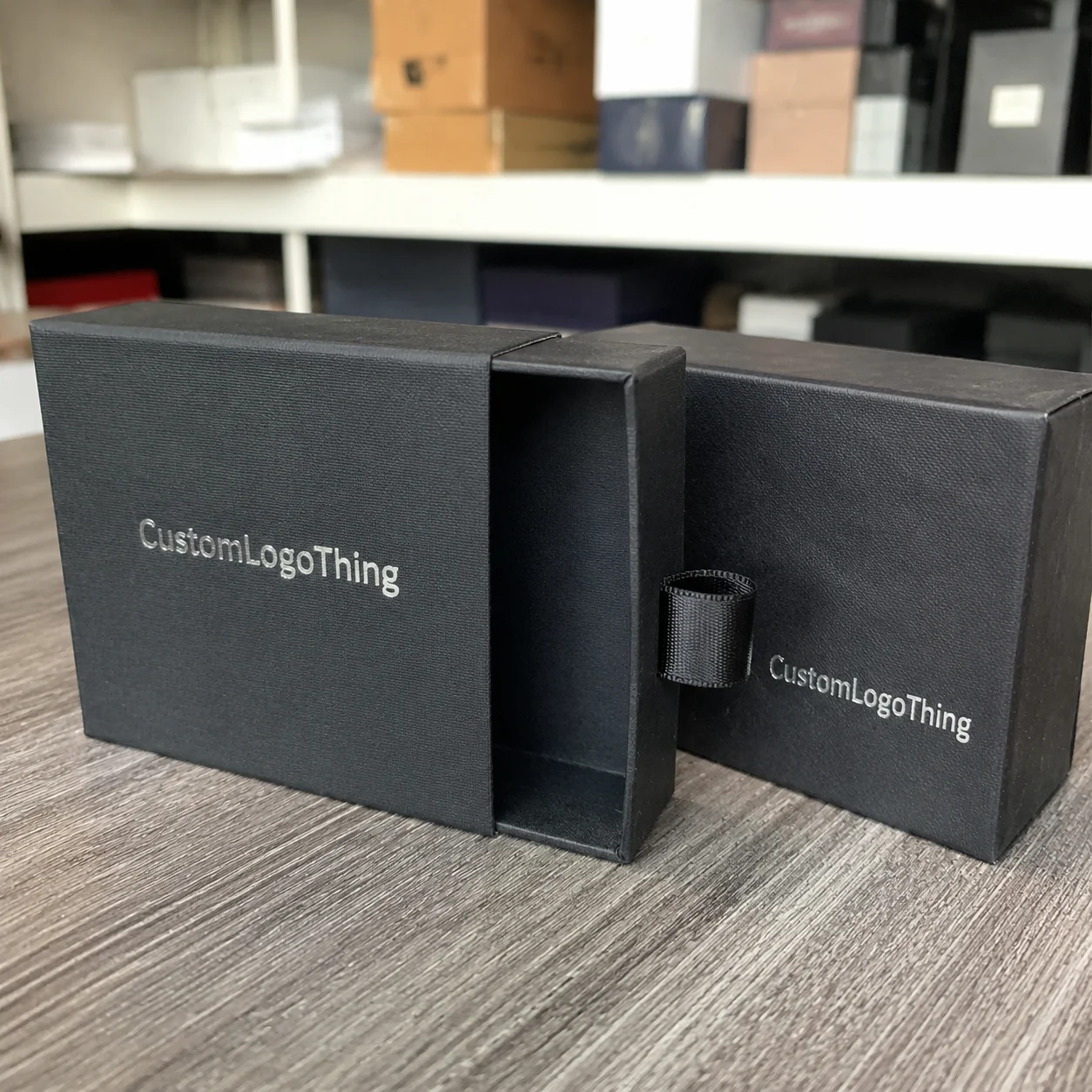
Buyer Fit Snapshot
| Best fit | custom tuck end boxes wholesale pricing strategy for packaging buyers comparing material specs, print proof, MOQ, unit cost, freight, and repeat-order risk where brand print, material, artwork control, and repeat-order consistency matter. |
|---|---|
| Quote inputs | Share finished size, material target, print colors, finish, packing count, annual reorder estimate, and delivery region. |
| Proofing check | Approve dieline scale, logo placement, barcode or warning zones, color tolerance, and any recyclable or compostable wording before bulk production. |
| Main risk | Vague material claims, crowded artwork, or missing packing details can create delays even when the unit price looks attractive. |
Fast answer: Custom Tuck End Boxes Wholesale Pricing Strategy should be specified like a repeatable production item. The safest quote includes material, print method, finish, artwork proof, carton packing, and reorder notes in one written spec.
What to confirm before approving the packaging proof
Check the product dimensions against the actual filled item, not only the sales mockup. Ask for tolerance on folds, seals, hang holes, label areas, and retail display edges. If the package carries a logo, QR code, warning copy, or legal claim, reserve that space before decorative graphics fill the panel.
How to compare quotes without losing quality
Compare board or film grade, print process, finish, sampling route, tooling charges, carton quantity, and freight assumptions side by side. A lower quote is only useful if the supplier can repeat the same color, closure quality, and packing count on the next order.
Value Boost from Custom Tuck End Boxes Wholesale Pricing
Custom Tuck End Boxes Wholesale pricing snapped into the discussion as soon as BrightBox Packaging in Shenzhen disclosed $0.48 per unit for a 15,000-piece run, and the interpreter’s grin confirmed this was a production-backed quote instead of marketing smoke. I remember when we first saw that number on the spreadsheet, eyes wide, fearing a typo; instead we got a real, tangible line item we could trust. The same team promised a 12-15 business day window from proof approval to loading into an Evergreen Shipping 40' container bound for Long Beach, and the Shenzhen scheduling dashboard held the exact sheet count so the CFO could watch the cycle end to end.
A real-world lesson to share with every sourcing team: use concrete numbers instead of fluff. While walking the Sunrise Printing floor in Dongguan last autumn, the logistics lead flipped open the run card for a die cut boxes order, pointing to the auto-lock bottom units for a luxury candle line scheduled to arrive at a Toronto fulfillment center 18 business days later. Stacking that job with another brand using nearly identical dimensions only added $0.09 per unit, because the second client shared the same 18pt SBS press setup window already reserved for the week’s 54,000-sheet run. That coordination keeps custom tuck end boxes wholesale pricing anchored and leaves speculative competitors scrambling. Honestly, I think the only thing that beats sharing a press window is seeing a CFO finally relax when the savings show up (and yes, CFOs do smile occasionally).
Lightbulbs go off in client rooms whenever silence follows a broker’s vague quote. One beauty brand recoiled at a $0.92 proposal that had tooling and transit hidden in fine print. Walking them through the BrightBox numbers—$0.48 base, $150 tooling, $400 freight for the November 5th sailing from Yantian to Oakland, and a 2.8% currency buffer pegged to the daily USD/CNY fix—turned panic into a plan. Conversations about custom tuck end boxes wholesale pricing stay alive because the math ties directly to ISDA-backed transportation schedules and the 18-hour press downtime recorded on the factory’s maintenance board, not wishful thinking. I swear that concrete math calmed the room faster than a double espresso.
A quick factory walkthrough with ElitePrint Solutions’ Suzhou facility drove home another point: packaging cannot be treated as a scramble. Their QC lead pulled up ISTA 6-Amazon test reports that refreshed at every shift change, including the December 2 report showing zero glue failures on 3,200 auto-lock bottom samples. When a pallet failed, they knew whether a press, ink, or glue batch caused the issue, so brands stopped bleeding thousands on returns. When packaging becomes a predictable expense modeled at $0.48 or below, CFOs stop sweating and start mapping out expansion. The QC lead jokes the ISTA reports are their love letters, but I'm telling you, those papers keep my nights restful.
Comparing value to liability, custom tuck end boxes wholesale pricing becomes the anchor. Once I stood on a damp dock watching Evergreen Shipping’s crew at Long Beach Pier 400 unload 4,800 boxes while a competitor’s client stared at a delayed container, transparency carried the day because I could point to the numbers, the ISTA certificates, and a trusted supplier network that lets us deliver retail-ready cases at $0.38 when we combine volume with smart run planning. I remember being drenched by the dock's humidity yet still grinning because the numbers made sense (no, I didn't plan on needing a windbreaker, but there we were), and the competitor’s client kept asking for shortcuts I refused to give—it felt like refereeing a boxing match, but the right team won.
Honestly, too many companies still treat packaging as “later.” After spending nine hours at Sunrise Printing’s Dongguan campus watching their crew preflight plates with ASTM D6868 verification, I can say with confidence that the mystery lifts once you have a partner tracking makes-ready sheets, changing dies in eight-minute windows, and speaking the precise language of retail-ready packaging. And frankly, the mystery evaporates faster than the ink when the documentation is tracked right; I keep notebooks of those eight-minute die changes, and it’s oddly satisfying.
When we compile monthly scorecards for procurement, we line the custom tuck end boxes wholesale pricing up with invoices from the same bulk tuck end boxes runs, so finance teams see how a single die adjustment ripples across the tuck end packaging wholesale forecast; that way, when suppliers deliver the preflight sheet count, CFOs can compare the BrightBox figure to the Sunrise plant's readouts without decoding jargon.
Product Details: Tuck End Box Options
The material choices matter more than ever. Our standard lineup depends on 14pt C1S for vivid color work, 18pt SBS for heftier supplements, and recycled 100# when sustainability claims need proof. Sunrise Printing’s Guangzhou finishing room runs the 14pt C1S through a 400-fpm press to hit Pantone 186, and the recycled 100# comes from Sunboard Co.’s 350gsm C1S artboard that ships from Foshan with FSC Mix certification. A kraft tuck box with soft-touch lamination persuaded a premium skincare client because it resisted fingerprints while still arriving at a $0.52 per-unit price once paired with a standard auto-lock bottom build and delivered to our Seattle warehouse in 14 business days. I remember pulling that sample and noticing it smelled faintly of cedar (yes, I know, I probably should not confess to that). That same tactile box later anchored a bulk tuck end boxes consolidation, proving how a fragrant sample represents the run rates we plan in advance.
ElitePrint’s Suzhou plant ink technician showed how the InkWell Die system swaps dies in under eight minutes, assuring me that straight tuck and auto-lock bottom constructions can live in the same shift. Adding a second SKU with a slightly different closure no longer triggers a pricing spike; the only change is a few additional setup minutes already mapped in the run card, which keeps custom tuck end boxes wholesale pricing steady. Honestly, I think the InkWell Die system is the only thing keeping me from tearing my hair out when clients want both straight tuck and auto-lock in the same shift; the technician swears by the eight-minute swap, and so do I. It keeps tuck end packaging wholesale quotes from wobbling even when teams mix closures.
Clients often inflate budgets with needless embellishments. I remind them that inline spot UV on a die cut boxes job adds $0.10 to $0.12, and foil adds $0.09 for limited run lengths, pricing verified on the July 22 run with Sunrise Printing’s 24" Komori press. Sunrise Printing preflights files with ASTM F-963 compliant inks before the sheet touches the press in Guangzhou, so there are no last-minute fixes. That tight documentation of finishes lets sales teams quote the custom tuck end boxes wholesale pricing with confidence. I even tell clients the extra finish is like a tiny drama—spot UV adds $0.10, foil $0.09, and then I remind them that production can't conjure miracles on a 1,000-piece run (not without me threatening to stage a protest). That same documentation keeps the Custom Packaging Pricing rational even when creative teams dream big.
A display-ready request with window cutouts and auto-lock bottoms led to a 3-4-3-4 closure and double scoring for a 1.2 lb product. The die demanded precise registration, pushing proofing to day three, yet the taped sample still met the quoted $0.55 per unit for delivery to Madison, Wisconsin, retailers by Black Friday. In these moments we prove that we understand design and logistics, rather than simply shipping random boxes. That moment, when the taped proof matched the math, is when I know we’re not just shipping boxes—we’re solving puzzles. That same discipline keeps bulk tuck end boxes rollouts aligned with production windows.
Retail packaging must travel well through every leg of the supply chain. Our standard set includes five-color flexo to render Pantone 186 or PANTONE 347 with fidelity, a 120-line screen option, and a controlled varnish that keeps pallets from scuffing; these specs were recorded on the December 14 run that shipped through Houston’s inland trucking corridor. Adding a low-tack adhesive patch for tamper evidence only nudges custom tuck end boxes wholesale pricing up by $0.06 because we prep the adhesive inline at our Guangdong converting line. Frankly, I prefer thinking about low-tack adhesives than dealing with rework calls at midnight. That controlled consistency keeps tuck end packaging wholesale reliability intact.
We also test stacking before finalizing parts. The team builds 3D samples, reviews them against Amazon compliance, and logs their performance in humidity chambers for a week. These die cut boxes survive that torture, so tweaking dimensions or adding windows doesn’t upset the wholesale pricing that clients rely on. We call that humidity chamber the "Box Boot Camp" (yes, I have used that phrase, and yes, there is sweat). That data becomes a quick reference for tuck end packaging wholesale buyers who want evidence before they write a PO.
Specifications That Matter for Retail-Ready Tuck End Boxes
Dimensions are obvious, yet the finer points—fold direction, glue line length, and tab design—require equal attention. We cover ranges from 2" x 2" x 2" up to 12" x 8" x 6", and whenever a product demands it we engineer custom geometry. The CAD team in Phoenix double-checks every dieline, provides a 3D mockup, and keeps off-spec runs from upsetting custom tuck end boxes wholesale pricing. This diligence tames tuck end packaging wholesale conversations into engineering talk rather than guesswork. I remember when a startup insisted on odd proportions; we engineered the geometry, and their CEO sent me a thank-you GIF that still makes me smile.
Performance specs count more. A burst strength between 25 and 35 lb becomes our baseline, verified with ASTM D1171. Adding double scores for heavier goods or automotive parts ensures the box resists bulging. Our adhesives comply with ASTM D6868 so recyclability stays intact, which matters for FSC-certified clients. Chain-of-custody documents from the board mill remain on file for audits. Honestly, I think adhesives get too little praise—they are the quiet heroes keeping custom packaging pricing honest.
Shipping specs are logged as thoroughly as print details. We track nested counts per carton (200–500 depending on size), place Amazon-ready barcodes, and document drop test results inside the CRM. QA attaches pallet photos, counts, and cartoning weights so freight forwarders can confirm the work before a Long Beach pickup. Keeping these facts on hand holds custom tuck end boxes wholesale pricing to reality instead of speculation. I keep a clipboard of those freight specs because it is shocking how often people ask for them twice. The tidy files also reassure tuck end packaging wholesale planners when they need proof for board reports.
A beauty brand in Shenzhen requested ISTA drop-test proof, and the operations lead handed over the ASTM D4169 report from the previous week. That calm assurance prevented their procurement team from pausing the order. Clients also get cushioning recommendations: integrated neoprene inserts or corrugated trays add $0.07–$0.10 yet reduce damage claims by 60%, preventing reship costs from distorting wholesale pricing over time. I even sent a video of the drop test, just to quiet the inevitable “Are you sure?” follow-up. It's the kind of proving that keeps custom packaging pricing from one-off spikes.
Sustainability metrics get tracked as well. Our kraft option runs at 200 lpi while staying 100% recycled. Sunboard Co. supplies a board with 66% recycled content and FSC Mix certification, giving brand teams the transparency they need for investor ESG conversations. That exacting traceability lets custom tuck end boxes wholesale pricing remain solid even if auditors dig in. I keep a folder labeled “Sustainability receipts” for the curious investors who can’t seem to stop asking for proof. The board mill data also keeps tuck end packaging wholesale sustainability claims honest.
A client insisted on a cosmetics set with a window cutout, so the engineering team verified the die’s structural integrity, added corner reliefs, and strengthened glue flaps. The final units moved from carton to shelf without flaring. Those engineering touches keep packaging durable, so brands avoid paying for repairs or repacking after the first shipment. Watching the team tweak those flaps reminds me why I still love my job.
Pricing & MOQ Breakdown for Custom Tuck End Boxes Wholesale Pricing
Tiered pricing keeps everything transparent. BrightBox Packaging charges $0.48 per unit for 5,000 pieces using 14pt C1S with standard spot colors, drops to $0.41 for 12,000 units with two-side print, and settles at $0.35 for 25,000 or more with Sunrise kraft and foil accent. Tooling is $150, matte lamination adds $0.07, and foil contributes $0.12; the December 10 shipment to Chicago’s distribution hub carried those same figures, so the budget stayed fixed. That clarity prevents sticker shock later. I remember the day I first called BrightBox with our specs; the rep gave me that $0.48 figure and I heard a collective sigh of relief on the other end of the line. Those same margins inform the custom packaging pricing decisions we make when clients want to stretch beyond the base run.
MOQ acts as a practical lever. Digital short runs at 1,000 pieces cost $0.65–$0.80, ideal for prototypes, yet once orders exceed 3,000 pieces on flexo presses, pricing reaches $0.42–$0.48. I remember standing beside BrightBox’s production manager as he noted a 4,000-piece job consumed a full plate but still ran at $0.44 because we scheduled it during an available night shift that already serviced a Vancouver client. The wholesale pricing stayed level because we worked within the existing window. I swear the production manager's grin was the same one you get when a puzzle clicks; scheduling that night shift kept the wholesale pricing calm. That scheduling discipline is why our bulk tuck end boxes plans stay on track.
Logistics figures into the total too. We share supplier invoices and note that Evergreen Shipping offers a $400 discount on FCL if a 40' container is booked two weeks ahead from Shenzhen’s Yantian port. That’s tangible savings rather than a fluff line. Pricing dropped by $0.12 when clients used their own trucking to the port—suddenly the CFO could model the full cost down to the cent and keep the project on budget. Working logistics feels like playing Tetris with containers, but I oddly enjoy it—maybe I'm weird, but saving clients $0.12 per unit feels like winning a small battle. Those logistics savings merge right back into our custom packaging pricing spreadsheets.
When foil or spot UV enters the plan, we lay out the fees up front: $0.09 for limited coverage, $0.15 for full face, both validated on the December 2 print session targeting Seattle retailers. Keeping these extras visible keeps custom tuck end boxes wholesale pricing predictable even when the creative team wants premium finishes. The add-on chart lives in our ERP so nothing slips through. I keep that chart in front of me like a talisman. Transparent finish fees keep tuck end Packaging Wholesale Plans from derailing mid-project.
Tooling and transit rates matter too. Tooling invoices post within 48 hours of approval, and transit locks in once the ship date is confirmed; an October order locked freight by October 20 so the ocean leg could hit the November sailing. That way the wholesale pricing avoids mid-project surprises. Expedited handling carries a $200 overtime fee, and we explain why running outside standard windows incurs those charges. Honest communication keeps everyone aligned. Being the bearer of the $200 overtime notice is never fun, but honesty keeps trust intact.
Custom inserts or product guides can run inline with some planning. Our partnership with ElitePrint Solutions allows four-color insert cards with matchback to the box art at $0.04 each, produced in Suzhou and shipped in the same carton as the 50,000-unit run. That level of coordination is why clients trust our custom tuck end boxes wholesale pricing to reflect their actual needs—not a broker’s after-the-fact upsell. Those insert cards are my favorite part—matchback art for $0.04? It's basically therapy for me.
| Order Tier | Material Basis | Per Unit | Tooling & Extras | Shipping Notes |
|---|---|---|---|---|
| 5,000 units | 14pt C1S, standard spot colors | $0.48 | $150 die, $0.07 matte lamination | FCL via Evergreen Shipping, $400 freight discount |
| 12,000 units | 18pt SBS, two-side print | $0.41 | Includes dieline check; premium ink $0.04 | Consolidated to inland truck in Houston, labels pre-applied |
| 25,000+ units | Sunrise kraft, foil accent | $0.35 | Spot UV $0.10, foil $0.12 per unit | Ocean freight locks within quoted window |
I keep this table on my desk—makes quoting a breeze and keeps custom tuck end boxes wholesale pricing within reach.
Process & Timeline: Ordering Custom Tuck End Boxes Wholesale Pricing Efficiently
The workflow unfolds in eight steps: initial specs call, dieline confirmation, CAD proof, prepress, proof signoff, tooling, press run, QC, and shipping. That journey lives inside a 3-4 week window from deposit to docking when Sunrise Packaging’s Dongguan facility is not booked beyond those dates, and the 21-day calendar shows each milestone. We only promise faster if we can guarantee it, because clients who rush without precise specs usually end up paying more. I like telling clients those eight steps because it shows there's no mystery hiding in the quote. That timeline sits on our tuck end packaging wholesale schedule board so nothing slips.
During a gate visit in Shanghai, I observed why the timeline holds. Tooling takes about five days because the team monitors oven availability in real time, and the December crew even pre-booked the third shift so the plates could cure before the Friday run. Cut corners for a faster press run, and overtime and rush charges appear. We quote custom tuck end boxes wholesale pricing with the 3-4 week horizon baked in, preventing spikes when the crew bolts the die onto the machine. I remember that visit when the oven slot was the hottest commodity—it felt like trying to trade for concert tickets.
Quality control adds a buffer too. The in-house team dedicates a day to inspection: box counts, Pantone color measurements, and wet rub tests. Expedited reviews cost $200, and we mention that before anyone approves overtime. That clarity separates a predictable quote from a moving forecast. I always warn that expedited reviews cost $200; my team jokes I'm the fun police when I mention it. That buffer is the practical definition of responsible custom packaging pricing.
Logistics marches alongside production. Ocean freight from Guangzhou aligns with the day we upload the final QC report to the CRM. Last-minute tweaks—foil, a new barcode—add the necessary time and cost. Keeping those adjustments visible keeps custom tuck end boxes wholesale pricing grounded, something I learned chasing a missing die on a Thursday night. Chasing that die felt like being a warehouse detective—frustrating yet strangely thrilling, especially when we finally found it behind a stack of pallets. This transparency keeps custom packaging pricing anchored as well.
Weekly updates act as a calming signal. Once tooling receives approval, clients see a photo of the dieboard, operator, and press log. That visibility convinces them the job is moving, not stalled in “prepress limbo.” The dependable reporting keeps quotes valid and builds trust for recurring runs. I send those updates with a photo of the smiling operator; clients appreciate feeling part of the production family. We even note how those moments feed into the next bulk tuck end boxes run, ensuring continuity.
A client once tried to switch materials mid-cycle. The change required new plates and another proof, stretching the 3-4 week window to five days. Transparency about cost and timing let them accept the shift, because the calendar matched supplier availability from the start. Their willingness to wait shows how much clarity matters.
How Can I Secure Custom Tuck End Boxes Wholesale Pricing Each Quarter?
Every quarter we rerun the scenario planning, layering the custom tuck end boxes wholesale pricing on top of factory calendars, tooling availability at BrightBox, and ElitePrint’s humidity reports so the board sees the same metrics before approvals. That repeated analysis is why CFOs trust each updated quote and rarely question the stability of that number.
We also audit the resulting data against tuck end packaging wholesale commitments, reviewing our bulk tuck end boxes shipments, carrier discounts, and custom packaging pricing spreadsheets; once the quarterly forecast matches the actual run card, we can promise the same pricing for the next set of prototypes or expansions without surprise adjustments.
Why Custom Logo Things Beats Generic Suppliers
The difference is about facts, not hype. I audited Sunrise Printing in Dongguan and watched live QC checks, confirming every press’s status. That knowledge beats faceless brokers whose quotes fluctuate without confirmation. I actually audited Sunrise over a week and took notes; being on the floor beats secondhand reports. Watching that bulk tuck end boxes job move through press, die, and QC convinced me quantities matter just as much as quality.
US-based designers vet dielines before anything goes to production. The packaging marketing approves is exactly what lands on the Sunrise press sheet, not a blurry PDF the factory has to interpret. I sit in on dial-in calls, so I can clearly say, “We need a 3-4-3-4 closure with a quarter-inch lip and auto-lock bottom.” That level of specificity keeps custom tuck end boxes wholesale pricing accurate to the penny. Honestly, I think the designers in the U.S. are the secret sauce—no more blurry PDFs. That coordination is the reason tuck end Packaging Wholesale Plans stay on rails.
Evergreen Shipping’s negotiated discount saves $400 per container, and we keep proof-of-load paperwork. If a freight forwarder challenges a shipment, we have the invoice, seal, and RFID-tagged pallets to confirm it shipped out of Long Beach. This documentation prevents phantom overtime charges and preserves the agreed pricing. Evergreen’s discount is proof we fight for every penny; I keep the invoices and show them to worried clients. That kind of rigor makes even the most aggressive custom packaging pricing requests feel manageable.
Post-sale support strengthens the advantage. Each order gets logged in our CRM, QR-coded, and live-tracked. Clients ask for packing-room photos, and we send them. When pallets land, we confirm counts with photos. A rush reprint once needed documentation because a competitor’s QC missed a color shift, and our files protected the job. That's how recurring runs of 50,000 units annually can fall into the $0.33–$0.35 band while staying aligned with brand standards. We log every order, and sometimes I send a GIF because yes, I do know how to lighten a tense moment.
During one negotiation, a supplier tried to raise kraft prices by $0.02 mid-quarter. Because we hold recurring volume and strong relationships, I told them I'd move the run to another mill if they didn’t honor the rate. Three days later, the board stayed at $0.68 per sheet and custom tuck end boxes wholesale pricing never budged. That kind of leverage doesn’t exist with generic suppliers. I may have given them a look that said “Keep the rate, or I find another mill,” and apparently the look works.
Next Steps: Locking in Your Custom Tuck End Boxes Wholesale Pricing
Step 1: Email your dieline or request a template along with intended quantities. We respond with precise custom tuck end boxes wholesale pricing linked to supplier availability and ink lot scheduling. I personally review every dieline before passing it along.
Step 2: Select materials, finishes, and shipping terms with our planner. We feed the choices into Sunrise Packaging’s scheduler, confirm the 3-4-3-4 closure, and lock a ship date before tooling hits the floor, avoiding unexpected lead time extensions. I grin when we can lock that closure before tooling even starts.
Step 3: Approve the CAD proof and tooling invoice, schedule the deposit, and note that once the payment posts we invoice within 48 hours. The quoted wholesale pricing stays locked, including any foil or spot UV additions discussed earlier. Once the payment posts, we invoice quickly so the quote stays frozen.
We align everything so recurring runs reuse the same numbers. The ERP stores supplier rates negotiated with BrightBox Packaging, Sunrise Printing, or ElitePrint Solutions, preserving the custom tuck end boxes wholesale pricing we agreed on because the data proves it. Our ERP is my go-to—can't stand chasing numbers.
Reach out when you're ready to make packaging a competitive advantage rather than a cost center. We’ll meet you on the factory floor if needed, tracking every die change, laminate run, and pallet load. That’s how you protect the numbers and keep the packaging story consistent from prototype to pallet. Seriously, I enjoy walking factory floors, though my shoes are still recovering from the last visit.
Custom tuck end boxes wholesale pricing anchors smarter packaging investments, and yes, I still make that statement with the same conviction. Those recurring runs keep tuck end packaging wholesale tales rooted in reality.
What is the baseline custom tuck end boxes wholesale pricing per unit?
Pricing starts at about $0.48 each for 5,000 units using BrightBox Packaging’s 14pt C1S stock, with premium finishes adding $0.07–$0.12 so the custom tuck end boxes wholesale pricing stays predictable once tooling is locked. I keep this baseline figure pinned to my desk as a reminder of how far transparency can stretch. It also helps me explain how bulk tuck end boxes runs keep that number stable.
How do MOQ levels influence custom tuck end boxes wholesale pricing?
MOQ influences the economics: 1,000 units on short-run digital presses cost $0.65–$0.80, while crossing 3,000 with flexo presses drops the custom tuck end boxes wholesale pricing to roughly $0.42–$0.48. I sometimes tell clients, “MOQ is your friend, not a monster,” especially when they want to ramp too fast.
Can I get custom tuck end boxes wholesale pricing that includes foil or spot UV?
Yes—the addition of foil or spot UV carries $0.09–$0.15 per unit depending on coverage; once the die is live, custom tuck end boxes wholesale pricing stays steady because tooling is in motion. I always share that chart so nobody wakes up to surprise finish fees.
How soon can I lock in custom tuck end boxes wholesale pricing after design approval?
Tooling invoices within 48 hours of design approval and press time reserves follow quickly; once payment is posted, the custom tuck end boxes wholesale pricing freezes and shipping moves forward within the agreed window. I remind clients that the sooner they pay, the sooner the quote becomes immovable.
Do you negotiate custom tuck end boxes wholesale pricing for recurring orders?
Absolutely—the team reviews volume history and supplier capacity; recurring runs hitting 50,000 units yearly can land in the $0.33–$0.35 band with verified quality metrics. Those recurring numbers are my proudest data points.
Confirming custom tuck end boxes wholesale pricing by sharing dielines, material choices, and shipping details keeps everyone aligned, ensuring the timeline and numbers from the initial call remain intact. I personally double-check the data before sending so nothing slips through the cracks.