Buyer Fit Snapshot
| Best fit | Custom Vacuum Pouches Wholesale for Reliable Shipping projects where brand print, material claims, artwork control, MOQ, and repeat-order consistency need to be specified before quoting. |
|---|---|
| Quote inputs | Share finished size, material target, print colors, finish, packing count, annual reorder estimate, ship-to region, and any compliance wording. |
| Proofing check | Approve dieline scale, logo placement, barcode or warning zones, color tolerance, closure strength, and carton packing before bulk production. |
| Main risk | Vague material claims, crowded artwork, missing packing details, or unclear freight terms can make a low unit price expensive after revisions. |
Fast answer: Custom Vacuum Pouches Wholesale for Reliable Shipping should be specified like a repeatable production item. The safest quote records material, print method, finish, artwork proof, packing count, and reorder notes in one written spec.
Production checks before approval
Compare the actual filled-product size with the drawing, then confirm tolerance on folds, seals, hang holes, label areas, and retail display edges. Reserve space for logos, QR codes, warning copy, and material claims before decorative graphics fill the panel.
Quote comparison points
Review material grade, print process, finish, sampling route, tooling charges, carton quantity, and freight assumptions side by side. A quote is only useful when the supplier can repeat the same color, closure quality, and packing count on the next order.
Custom vacuum pouches Wholesale for Reliable shipping is not just another packaging purchase; it is a decision that can protect margin, reduce damage, and keep the warehouse moving without constant interruptions. A pouch failure rarely stops at the bag itself. One puncture can lead to repacking, a delayed shipment, a customer complaint, and a claim review that consumes far more time than the original package ever cost. In a lot of programs, custom vacuum pouches wholesale costs less than the first return it prevents.
Shipping managers, procurement teams, and product owners keep asking the same practical question: can custom vacuum pouches wholesale cut waste, hold product shape, and still fit the lane, carton, and margin target? The answer depends on the material structure, the seal design, and how the pouch works with the rest of the package. If your program also includes Wholesale Programs or a broader mix of Custom Packaging Products, the pouch specification should fit the full system instead of treating the SKU as an isolated item.
Strong packaging decisions are operational decisions. Tight packs reduce dimensional waste, improve pallet density, and lower the chance that loads shift during parcel handling or mixed freight movement. They also make warehouse flow easier to predict. A pouch that keeps its form can reduce rework, cut labor spent on repacking, and make picks simpler to verify. That matters for food, retail packaging, and industrial components alike.
For brands balancing branded packaging, product packaging, and package branding, the pouch has to do more than look clean. It should survive handling, support scan labels, and reach the customer in the form factor they were promised. That point becomes even more obvious when Custom Printed Boxes are paired with vacuum pouches, because one weak layer can undermine the rest of the shipment. The sections that follow break down the specs, pricing logic, and lead times that shape a smart order.
Why Custom Vacuum Pouches Wholesale Cuts Shipping Waste
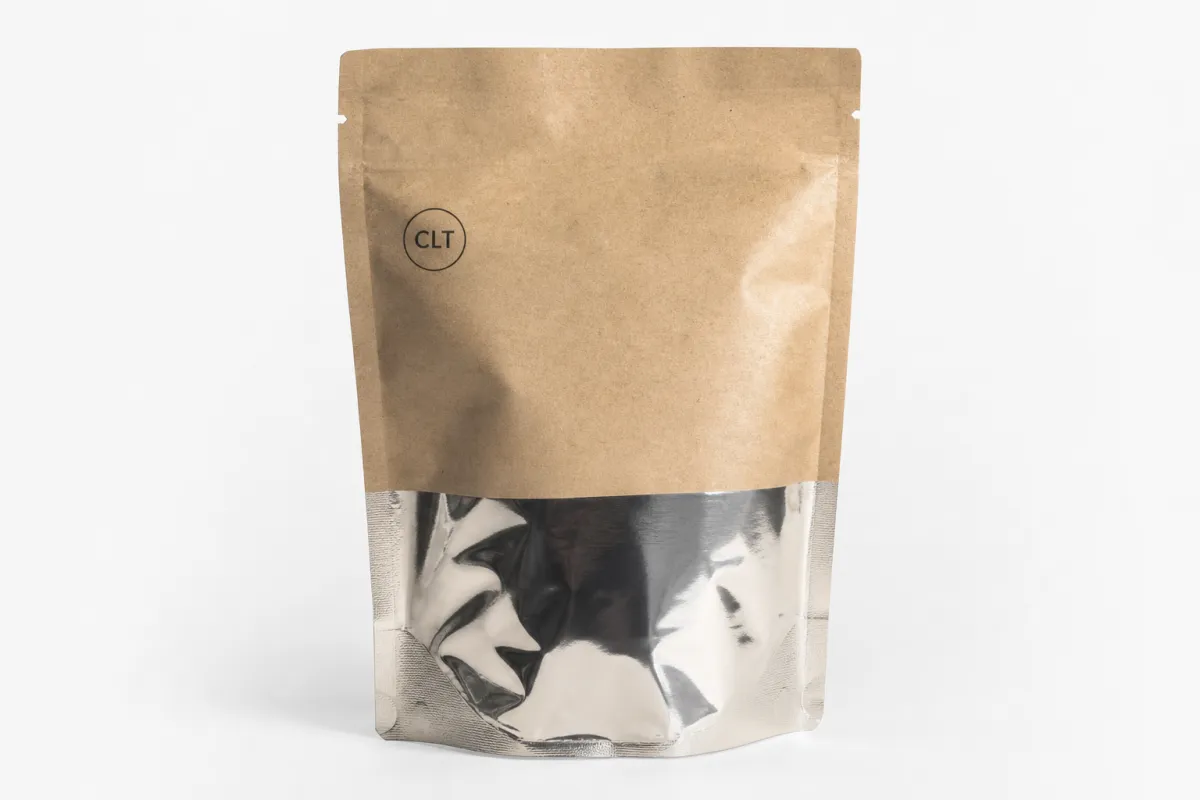
Custom vacuum pouches wholesale cuts shipping waste because air is expensive to move. Parcel networks, LTL pallets, and fulfillment centers charge for volume as much as weight, so a loose pack wastes space from the carton level all the way to the truck. A compact vacuum-sealed pouch gives the load a cleaner profile, which lets a shipper fit more units in a case, more cases in a master carton, and more cartons on a pallet.
From a packaging buyer’s standpoint, the savings show up in the details. Fewer cushions. Less fill material. Fewer crushed corners. Fewer labor minutes spent on repacks. If a pouch can hold shape without bulging, the warehouse gets a cleaner workflow and the quality team sees fewer arguments about whether damage happened before or after shipment. That is why custom vacuum pouches wholesale often performs better than a generic film order that depends on luck to survive the line.
The waste reduction is not only physical. It is operational too. A cleaner pack can lower the chance of carton crush, which lowers return handling, which reduces write-offs, which protects margin. In shipping programs where claims are common, one prevented failure can outweigh a small per-unit premium on custom vacuum pouches wholesale. Buyers often miss that tradeoff when unit price gets more attention than landed cost.
"A pouch that saves five cents but creates one repack is not cheap."
That line sounds simple because it is. Experienced logistics teams compare failure rates instead of staring at catalog prices. They compare pallet stability instead of only judging appearance. They compare the cost of a quality incident against the cost of a stronger film, a better seal, or a slightly larger MOQ. Once custom vacuum pouches wholesale is viewed that way, the buying criteria get much clearer.
The channel matters as well. In retail packaging, presentation carries weight. In shipping, consistency carries even more. A compact pouch keeps product from sliding inside a carton, which helps prevent load drift on trucks and sorting belts. For some SKUs, that means fewer internal dividers and less void fill. For others, it means a smaller carton altogether. Those are measurable shipping gains, not cosmetic wins.
Buyers comparing custom vacuum pouches wholesale programs get better results when they stop comparing a printed pouch against a plain one and start comparing a stable, spec-driven pack against the total cost of a pack that fails under vibration, compression, or temperature change. Rough lanes raise the bar. Fragile products raise it again. The point of custom vacuum pouches wholesale is not to add complexity. It is to remove avoidable loss.
I have seen small packaging changes save real money simply because the product stopped moving inside the carton. A two-cent bump in film cost can look annoying on a quote sheet, but if it prevents the kind of damage that creates a warehouse reset or a rejected delivery, the math changes fast. That is kinda the whole point of a shipping-focused spec.
Custom Vacuum Pouches Wholesale Material and Barrier Options
Custom vacuum pouches wholesale usually starts with one of three material directions: nylon/PE, high-clarity barrier structures, or heavier-gauge builds for tougher shipping conditions. Nylon/PE stays common because nylon adds puncture resistance while PE supports heat sealing. That pairing works well for many food, retail, and industrial uses where the pouch needs both strength and clear presentation.
Barrier needs should follow the product, not the artwork. Dry goods may only need basic moisture protection. Frozen items may need better cold-performance seals and stronger resistance to cracking. Regulated products or scent-sensitive goods often call for tighter oxygen or aroma control. In custom vacuum pouches wholesale, the film choice should match the exposure the product will actually face, not the most expensive option on the sheet.
Surface finish matters too. High-clarity films can show the product well, which helps in retail packaging and premium presentation. Matte finishes reduce glare and can make printed panels stand out when a brand wants more controlled package branding. If warehouse scanning and external labeling are part of the process, a plain pouch with labels may be the better choice, especially when SKUs change often or launch volume is uncertain.
Seal performance is where many programs succeed or fail. Flat seals usually create a clean profile. Embossed textures can help evacuation on certain vacuum machines. Seal strength should be evaluated against compression, vibration, and cold-chain handling. A pouch that looks perfect on a bench test can still fail after a truck ride if the seal margin is too narrow or the film structure is too thin. For that reason, custom vacuum pouches wholesale should always be tested against the end lane.
For validation and testing, packaging teams often look to standards and methods that reflect real transport stress. ISTA test profiles are useful for parcel and distribution simulation, and ASTM seal-strength methods such as ASTM F88 help quantify whether a seal is doing its job. If your packaging program includes shipping validation or sustainability documentation, the resources at ISTA and FSC are worth reviewing.
| Material / Build | Best Fit | Typical Thickness | Relative Cost | Shipping Note |
|---|---|---|---|---|
| Nylon / PE | General food, retail, and mixed shipping loads | 3 mil to 6 mil | $ | Good balance of puncture resistance and seal reliability |
| High-clarity barrier film | Premium presentation and display-driven product packaging | 3.5 mil to 7 mil | $$ | Better product visibility, often chosen for branded packaging |
| Heavy-gauge barrier structure | Fragile, sharp, cold-chain, or compression-sensitive items | 6 mil to 10 mil | $$$ | Higher puncture resistance and better tolerance for stacked cartons |
| Plain pouch with label panel | Fast SKU changes and warehouse-centric operations | 3 mil to 6 mil | $ | Lower print complexity, easier to update for multiple runs |
That table is a useful starting point, but custom vacuum pouches wholesale is rarely a one-spec conversation. The right structure depends on product weight, shape, sharp edges, and the kind of handling the pouch will face. A uniform item in a controlled warehouse needs a different spec than a product bouncing through parcel networks or sitting in cold storage. The harder the lane, the more the film choice matters.
Material decisions should follow the lane. If your shipment is long-haul, high-vibration, or exposed to moisture swings, custom vacuum pouches wholesale should prioritize barrier and puncture resistance before print complexity. If the product is display-sensitive, clarity and surface finish may matter more. The goal is not to buy the thickest film on paper. The goal is to buy the right one for the real route.
There is one trust point I always like to make plain: no film structure fixes a bad handling process. If pallets are overstacked, if cartons are underfilled, or if the fill line is inconsistent, even a strong pouch can get blamed for problems it did not create. Honest specs make the packaging work; honest operations keep it working.
Sizing, Gauge, and Seal Specs That Affect Performance
Custom vacuum pouches wholesale works best when the dimensions are built around the product, not copied from a previous purchase order. Width, length, and seal allowance should leave enough room for loading without creating slack that can shift in transit. A pouch that is too large lets the product move. A pouch that is too tight can stress the seal or slow the fill line. Neither choice helps the shipping team.
Gauge, or film thickness, is one of the easiest choices to misunderstand. A lighter gauge may save money upfront, but a thicker film can pay for itself when cartons are stacked, dropped, or stored in cold conditions. In custom vacuum pouches wholesale, thickness is not an abstract specification. It is a real buffer against compression, abrasion, and the small handling mistakes that happen every day in distribution centers.
Vacuum level matters as well. A highly evacuated pouch that still traps irregular air pockets can become a weak point once the load is compressed. The product shape should guide the target vacuum, because a sharp edge, rigid corner, or uneven item can create stress in one section of the pouch. If the fill is inconsistent, even excellent film cannot fully protect the pack. That is why custom vacuum pouches wholesale should be tested with the exact product shape whenever possible.
Small features can change handling speed in a big way. Hang holes may matter for display or storage. Tear notches help the end user. Bottom gussets can improve shelf stance for some retail packaging uses, but they can also change how the pouch sits in a carton. These are not decorative details. They affect warehouse flow, carton efficiency, and the way the bag presents after shipping.
- Width and length: match the actual product plus the minimum seal margin.
- Gauge: choose a thickness that reflects stacking, cold storage, and puncture risk.
- Seal style: confirm flat, embossed, or reinforced seals based on the vacuum process.
- Barrier level: define moisture, oxygen, and aroma protection before quoting.
- Finish and print: decide whether the pack needs custom printing or simple label space.
- Storage conditions: note ambient, chilled, frozen, or mixed-temperature handling.
That checklist is where many custom vacuum pouches wholesale orders become more efficient. Procurement can quote a real spec instead of a vague description. Operations can verify that the pouch fits the line. Quality can confirm that the pouch survives the lane. When those teams work from the same document, comparisons become cleaner and rework risk drops.
One practical warning: a pouch that looks compact on the quote sheet may perform poorly if the product expands after sealing or if the vacuum machine pulls unevenly. This is especially true for irregular items or packages that combine product packaging with retail packaging elements. In those cases, sample testing matters more than assumptions. The more sensitive the product, the more valuable a prototype run becomes.
Custom vacuum pouches wholesale should be sized around real usage, not an ideal sketch. If the product is heavy, sharp, soft, or moisture-sensitive, the spec needs to reflect that reality. Small changes in width or gauge can affect seal reliability, the final pack shape, and the number of damaged units that make it out the door.
Custom Vacuum Pouches Wholesale Pricing, MOQ, and Quote Drivers
Custom vacuum pouches wholesale pricing is driven by more than the sticker price on the bag. Material structure, pouch size, print complexity, thickness, and order quantity usually matter more than any single line on a quote. A plain pouch with a simple label panel can price very differently from a multi-color custom printed pouch with a high-barrier build. Buyers who compare only unit cost often miss the real expense until freight or rework shows up.
Minimum order quantity, or MOQ, matters because setup costs have to be spread across the run. Smaller trial quantities can help with testing, but they usually carry higher unit pricing. Larger wholesale quantities lower the unit cost and often improve the overall economics of custom vacuum pouches wholesale. The right choice depends on launch risk, product stability, and how confident the team is in the spec.
One detail that gets overlooked often is setup and tooling. Plate charges, cylinder charges, proofing, sampling, and special packaging requests can all shift the final number. Shipping method changes landed cost too. A low per-unit price that moves slowly or arrives in multiple cartons can end up costing more than a cleaner, more direct option.
| Order Profile | Typical Unit Range | What Drives the Price | Best Use Case |
|---|---|---|---|
| Trial run, plain pouch | $0.22-$0.38 | Small MOQ, sample setup, limited material choices | Testing fit, seal, and handling before scaling |
| Wholesale run, one-color print | $0.16-$0.30 | Moderate volume, basic branding, standard thickness | Balanced shipping and presentation program |
| High-volume printed run | $0.12-$0.24 | Large volume, fixed specs, amortized setup cost | Repeat SKUs with stable demand |
| Heavy-gauge barrier pouch | $0.24-$0.45 | Thicker film, stronger barrier, tougher handling | Fragile or compression-sensitive shipments |
Those ranges are directional, not a promise. A pouch at 5,000 pieces with minimal print may land near the lower end, while a complex custom vacuum pouches wholesale run with multiple colors, specialty film, or a narrow gauge target can move higher quickly. The more useful question is not “what is the cheapest quote?” It is “what is the landed cost for the exact spec I need?”
Ask for tiered pricing. Ask for the same dimensions across each volume break. Ask whether freight is included. Ask whether samples are credited back on production. Those questions reduce surprises. They also make comparisons easier across vendors. In custom vacuum pouches wholesale, apples-to-apples quotes carry more value than a flashy low number that falls apart once hidden fees appear.
There is one more pricing issue worth calling out: damage risk has a cost. A slightly stronger pouch can reduce claims, returns, and late deliveries. That value does not show up in the unit quote, but it absolutely shows up in monthly operating results. Buyers who treat custom vacuum pouches wholesale as a total-cost decision usually make better purchasing calls than buyers who focus only on the lowest possible bag price.
If you are also buying related formats such as custom printed boxes or broader branded packaging programs, it helps to bundle the specification review. A supplier can often spot conflicts between outer carton dimensions and pouch dimensions before production starts. That kind of cross-check is small work, but it prevents expensive mistakes later.
Custom vacuum pouches wholesale becomes easier to buy once the company agrees on three things: exact specs, target volume, and acceptable freight timing. Without those three, the quote keeps moving. With them, pricing becomes much easier to predict.
Process and Timeline: From Artwork Approval to Delivery
The custom vacuum pouches wholesale order flow is usually straightforward, but small gaps can stretch the schedule. It starts with the inquiry, then moves into spec review, quoting, proofing, sample approval, production, packing, and freight booking. Each step is manageable. Delays usually come from an incomplete step or from a buyer changing a dimension after the quote has already been approved.
Artwork is a common bottleneck. If the file is missing bleed, the print count is unclear, or the branding elements are not finalized, proofing slows down. The same thing happens when the barrier requirement or seal style is vague. A supplier cannot finalize a production plan if the spec is still moving. Custom vacuum pouches wholesale runs stay on schedule when the buyer treats the spec sheet like a production document, not a brainstorming page.
Timelines also depend on production method and material availability. A standard run with confirmed artwork and stock film can move faster than a specialty order with custom structures or a tight print finish. If the order is tied to a launch date or replenishment date, build in buffer time. A few extra days can be the difference between a controlled rollout and emergency expediting.
Rush orders are possible in some cases, but they depend on press capacity, film inventory, and shipping destination. Expedited freight can shorten transit time, but it does not solve missing approvals or unclear specifications. That is why custom vacuum pouches wholesale programs work best when operations and procurement set the timing early, then protect that plan from last-minute changes.
For buyers who want a simple planning rule, here it is: the faster the lane, the more exact the documentation should be. If the product is fragile, moisture-sensitive, or traveling in cold conditions, a test sample is worth the time. If the product is standard and demand is predictable, a quicker proof cycle may be enough. Either way, production should not begin until the format, print, and seal expectations are locked.
Common timing ranges are often 12-15 business days after proof approval for a standard custom vacuum pouches wholesale run, with longer schedules for specialty films or complex print structures. Freight can add several more days depending on destination and service level. That is why a launch date should never be planned around production alone. The transit window matters just as much.
One good habit is to keep a simple approval trail. Record the approved dimensions, gauge, print count, and ship-to location in one place. That makes reorders much faster. It also reduces the chance that a future custom vacuum pouches wholesale order gets quoted against the wrong file or an old specification. Small recordkeeping discipline often saves more money than a round of price negotiation.
For logistics teams, this section comes down to one point: timelines are manageable when the details are stable. If you know what the product is, how it ships, and when it must arrive, custom vacuum pouches wholesale becomes a scheduling task rather than a scramble.
What to Expect from a Shipping-Focused Vacuum Pouch Supplier
Shipping-focused packaging should be judged by performance, not promises. The point of custom vacuum pouches wholesale is to get a pouch that fits real handling conditions, not a generic option that looks fine in a catalog. A good supplier should be able to talk about film consistency, seal integrity, print alignment, and repeatable dimensions in plain language, because those are the checks that matter once the boxes move.
What buyers need most is predictability. Predictable lead times. Predictable dimensions. Predictable response when the spec changes. That matters even more for programs that mix product packaging with retail packaging or bundle pouches with custom printed boxes. If each piece behaves differently, the whole shipment becomes harder to manage. Consistency is what keeps the order stable from production through delivery.
Quality control should be measurable. Ask how seal strength is checked. Ask how print alignment is verified. Ask what tolerance is used for pouch size. Ask whether samples match production film or only approximate it. Those questions do not slow a serious supplier down; they clarify expectations. In custom vacuum pouches wholesale, the supplier’s process matters almost as much as the material choice.
Support after the quote matters too. A strong packaging partner should help clarify specs, explain tradeoffs, and guide sample testing when the product is fragile or irregular. That kind of support matters when the order is tied to a distribution calendar. If the supplier can help compare plain versus printed, thick versus thin, or high-clarity versus high-barrier, the buying decision gets easier and the risk drops.
"The best pouch is the one that survives the lane and still makes the warehouse easier to run."
That is why custom vacuum pouches wholesale should be evaluated as part of the broader packaging design, not as a standalone item. If the bag supports pallet density, lowers damage, and speeds up fulfillment, it is doing real work. If it only looks premium but creates friction in the warehouse, the program is not finished yet. Buyers who want reliable shipping should judge the pouch the same way they judge any production asset: by what it saves, what it protects, and how often it repeats correctly.
There is also a sourcing advantage here. A supplier that handles custom vacuum pouches wholesale regularly will usually understand MOQ, barrier rating, and freight windows without a long explanation. That saves time. It also reduces the chance of miscommunication when the order needs to align with other packaging components or a replenishment schedule.
If your procurement team wants fewer surprises, ask for the spec in writing, request a sample, and compare the sample against the real shipping lane. That three-step check often exposes weaknesses before they become expensive. It is a simple process, and it is one of the best ways to keep custom vacuum pouches wholesale tied to actual operations instead of assumptions.
How to Place Your Custom Vacuum Pouches Wholesale Order
The fastest way to place a clean custom vacuum pouches wholesale order is to start with the product itself. Measure it. Weigh it. Note the target barrier level. Define the shipping environment. State the annual volume. Then decide whether the pouch needs print or whether a label panel is enough. That is the base information a supplier needs to quote accurately.
Procurement and operations should agree on the same spec sheet before quotes go out. If one team is quoting a 4 mil pouch and another is thinking about 6 mil, the comparison is useless. The same problem appears when print requirements differ. A clean internal checklist prevents that mismatch and keeps custom vacuum pouches wholesale requests moving in the right direction.
If the product is fragile, irregular, sharp, or moisture-sensitive, request samples or a prototype run. Test the samples in real shipping conditions, not only on a desk. Put them through the same carton, the same pallet pattern, and the same route they will actually travel. That is the only way to know whether the bag is strong enough for the lane. Custom vacuum pouches wholesale should earn trust in practice, not just on paper.
For larger programs, rollout in phases if needed. Approve the spec. Test the sample. Release the production order. Then schedule replenishment once the results are confirmed. That approach is slower than a blind bulk buy, but it is usually safer. It also gives the team room to refine the spec if the first sample reveals a fit problem or an unnecessary cost driver.
When the order is ready, compare quotes on the same basis: dimensions, thickness, material structure, print count, freight, and lead time. If one quote is much lower, find out why. It may be a lower barrier film, a thinner gauge, or a different production method. If the answer is unclear, the quote is not truly comparable. That is a common trap in custom vacuum pouches wholesale buying.
Use the quote stage to confirm how the supplier handles reorders, proof updates, and shipping paperwork. Those details can make a repeat order much smoother. They are also where good communication saves time. For buyers who manage multiple SKUs, that matters as much as the pouch itself.
One final buying rule: do not approve the order until the timeline, budget, and shipping assumptions all match. If any of those three are off, the program will create friction later. Custom vacuum pouches wholesale should reduce pressure on the operation, not move the pressure from the warehouse to the procurement desk.
If you are ready to move, use the checklist, compare the options, and place the custom vacuum pouches wholesale order only after the spec has been validated against the real shipment. That is the difference between a purchase and a packaging program that actually performs.
What MOQ should I expect for custom vacuum pouches wholesale?
MOQ usually depends on film structure, pouch size, and whether the order includes print. Smaller runs are often available for sampling or pilot launches, but unit pricing is typically higher. For custom vacuum pouches wholesale, ask for tiered pricing so you can compare trial volume against full production volume without guessing at the economics.
How do I get an accurate custom vacuum pouches wholesale quote?
Send exact dimensions, desired thickness, material preference, print details, and the intended application. Include shipping destination and annual or per-order volume so freight and unit pricing reflect the real landed cost. The best custom vacuum pouches wholesale quotes come from the same spec format across vendors, because that makes the comparison clean.
Which material is best for shipping-sensitive products?
Choose barrier and puncture resistance based on the product, not just the display finish. Nylon/PE structures are common when strength and seal reliability matter more than ultra-low cost. For cold-chain or moisture-sensitive shipments, confirm the barrier rating before you commit to custom vacuum pouches wholesale, because the wrong film can turn a good price into a costly failure.
How long does production usually take for custom vacuum pouches wholesale?
Timeline depends on proof approval, material availability, and order size. Artwork changes and vague specs are the most common reasons schedules slip. In many cases, standard custom vacuum pouches wholesale runs move in about 12-15 business days after proof approval, but freight and special structures can add more time.
Can I order samples before placing a wholesale purchase?
Yes, and sampling is smart when product shape, seal strength, or barrier needs are not fully confirmed. Test samples in the real shipping lane, not just in the warehouse. Use the sample run to verify fit, seal integrity, carton efficiency, and handling before you commit to a larger custom vacuum pouches wholesale order.
Custom vacuum pouches wholesale works best when the decision is driven by the shipment, the product, and the total cost of failure. If the spec is right, the quote is comparable, and the timeline is realistic, the program becomes much easier to manage. Start with exact dimensions, film structure, and lane testing, then lock the approval trail before production begins; that is the practical step that keeps the packaging performing after the first shipment leaves the dock.

