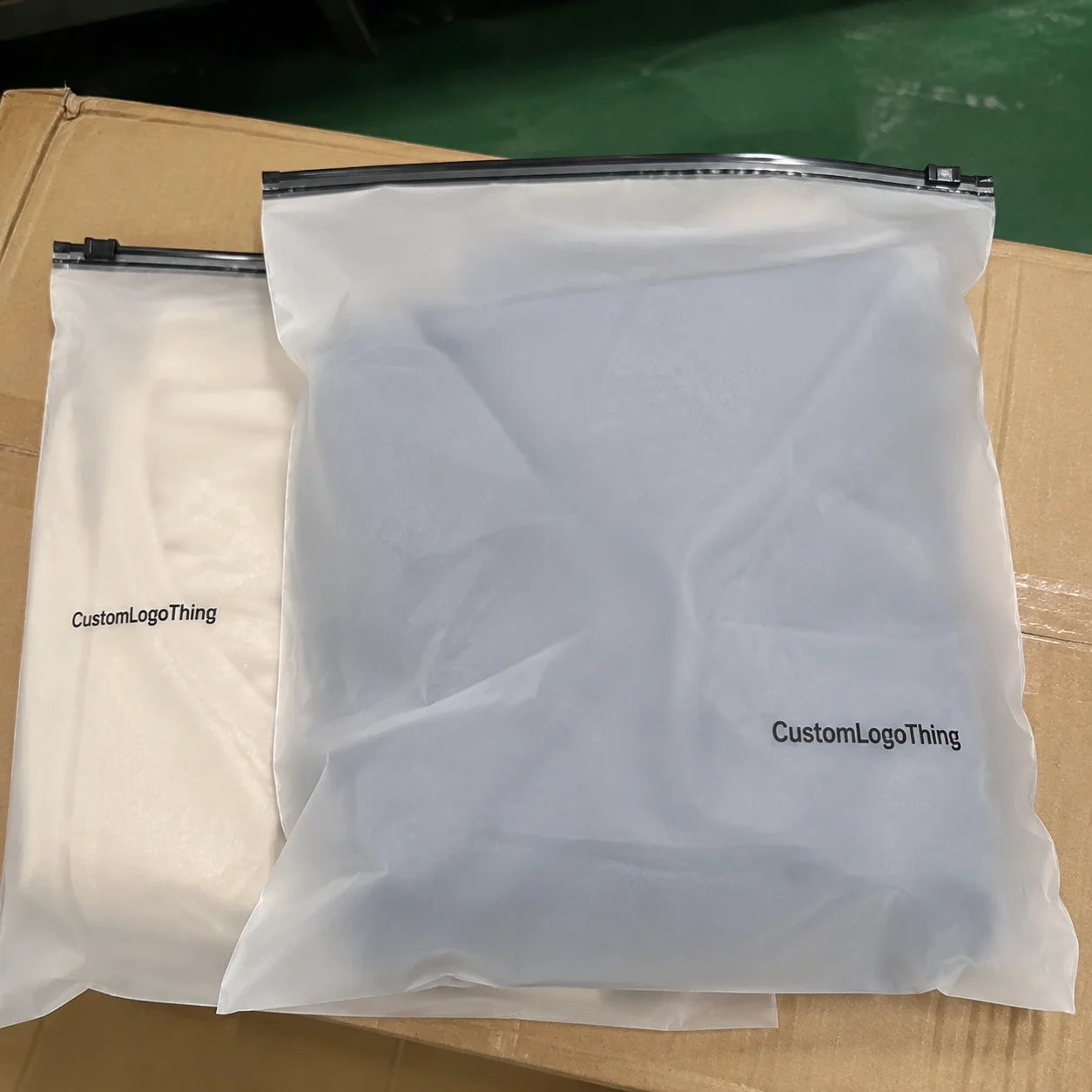
Buyer Fit Snapshot
| Best fit | Custom Vacuum-sealed Food Bags Wholesale projects where brand print, material claims, artwork control, MOQ, and repeat-order consistency need to be specified before quoting. |
|---|---|
| Quote inputs | Share finished size, material target, print colors, finish, packing count, annual reorder estimate, ship-to region, and any compliance wording. |
| Proofing check | Approve dieline scale, logo placement, barcode or warning zones, color tolerance, closure strength, and carton packing before bulk production. |
| Main risk | Vague material claims, crowded artwork, missing packing details, or unclear freight terms can make a low unit price expensive after revisions. |
Fast answer: Custom Vacuum-sealed Food Bags Wholesale: Film, Print, MOQ, and Carton Packing should be specified like a repeatable production item. The safest quote records material, print method, finish, artwork proof, packing count, and reorder notes in one written spec.
Production checks before approval
Compare the actual filled-product size with the drawing, then confirm tolerance on folds, seals, hang holes, label areas, and retail display edges. Reserve space for logos, QR codes, warning copy, and material claims before decorative graphics fill the panel.
Quote comparison points
Review material grade, print process, finish, sampling route, tooling charges, carton quantity, and freight assumptions side by side. A quote is only useful when the supplier can repeat the same color, closure quality, and packing count on the next order.
On a packaging line, the biggest waste I usually see is not the vacuum sealer itself; it is the bag spec that never matched the product in the first place. A weak seal on a 90-micron pouch, a bag that is 15 mm too short for a porterhouse cut, or a film structure that cannot handle freezer burn will cost more than the machine ever did, and that is exactly why custom vacuum-sealed food bags wholesale keeps showing up in serious buying decisions. I remember standing beside a line in Shenzhen where perfectly decent product was getting rejected because the pouch looked fine in a sample box but failed once oil, moisture, and cold-chain handling hit real production. That kind of failure is annoying in the moment, and expensive for months afterward, especially when a 20-foot reefer container is already booked and a retail launch in Los Angeles is tied to a fixed ship date.
For buyers comparing custom vacuum-sealed food bags wholesale options, the business case is straightforward: better fit, better shelf protection, lower unit cost at volume, and much cleaner branding across retail packaging and foodservice channels. If you sell smoked salmon in 500 g portions, coffee beans in 1 kg formats, or marinated proteins for restaurant supply, the right bag size and film structure reduce oxygen exposure, slow oxidation, and preserve flavor, aroma, texture, and color in a way generic stock bags often cannot. I have seen a cheese customer in Wisconsin cut spoilage complaints by changing from a thin stock pouch to a tailored high-barrier structure with tighter seals and improved print registration, and the numbers showed the difference within the first 8 weeks. Honestly, that was one of those moments where the margin report made the argument before the sales deck even finished loading.
Honestly, a lot of buyers underestimate how much package branding matters even for vacuum applications. A clear, well-printed pouch still has to do the hard work of barrier protection, but it also has to look polished enough to carry a premium shelf presence, especially if the same line supports branded packaging, custom printed boxes, and mixed product packaging programs. When your warehouse team in Guangzhou opens cartons and every pouch is the same width, same seal location, and same artwork alignment, the whole operation feels more controlled. And yes, the staff notice. They may not say “excellent package architecture,” but they absolutely notice when they stop fighting the pouches every shift, particularly during a 2,000-carton run that has to clear the dock before 5:00 p.m.
“The right vacuum bag is not just a film spec. It is a production decision, a shelf-life decision, and a customer-return decision all rolled into one.” — what I tell clients after seeing too many avoidable failures on the floor
Why Custom Vacuum-Sealed Food Bags Wholesale Pays Off
Custom vacuum-sealed food bags wholesale gives you control where it matters most: fit, barrier, seal strength, print quality, and compliance. On one frozen seafood project I reviewed in Qingdao, the client had been buying a generic pouch that was technically “food safe,” but the seal width varied enough that some cartons failed drop tests after export handling. We moved them to a custom size with a wider seal band and a film spec built for puncture resistance, and the return rate dropped sharply within the first two production cycles. I still remember the relief on the plant manager’s face; he looked like someone had just taken a backpack full of bricks off his shoulders, and the freight forwarder in Rotterdam later confirmed there were no crushed-corner claims on the first ocean shipment.
The economics make sense once you get past the sticker price. Custom vacuum-sealed food bags wholesale orders usually deliver lower unit cost at volume, and that cost advantage becomes more meaningful when the right format reduces leaks, contamination, and shrinkage. In a cold room, a bag that is 1 or 2 mil too thin can split around bone-in product edges, especially after pallet compression or repeated handling. A bag that is properly spec’d for the product avoids that kind of waste, and waste is where profit quietly disappears. I have watched otherwise careful teams lose money because they were trying to save a fraction of a cent per pouch and then paying for spoiled inventory later. That math is never as clever as people think it is, particularly when a $12,000 pallet of frozen lamb is waiting for a replacement shipment from Dongguan.
Vacuum packaging extends shelf life by reducing oxygen exposure, which slows oxidation and helps protect color, flavor, and aroma. That matters for meat, cheese, coffee, dried fruit, nuts, jerky, frozen items, and even prepared foods that travel through longer distribution routes. I have stood beside chamber vacuum sealers in a meat plant in Nanjing where the operator could tell, just by feel, whether a pouch was right for the line; the wrong film would wrinkle badly, trap air, or pull away from the seal bar before the cycle finished. He called one bad roll “the greased eel,” which made everyone laugh, but he was not wrong, especially when the line was running at 18 cycles per minute and every misfeed had to be cleared by hand.
Where customization matters most is in the details buyers often leave until the last minute. Pouch dimensions, barrier level, seal strength, print finish, thickness, and food-contact compliance all affect performance in real production conditions, not just in a sample photo. If you are buying custom vacuum-sealed food bags wholesale, it pays to define artwork, bag size, material structure, and order quantity early, because wholesale pricing is much more predictable when the supplier is not guessing at three different sizes and two possible print layouts. I have had more than one quote go sideways simply because somebody said “medium bag” and expected the factory to read minds, which is not how a plant in Suzhou or any other city is set up to work.
I also like the operational upside. A consistent bag spec makes inventory planning simpler, carton counts easier, and packing staff faster because they are not checking every second bag for fit. For some clients, that consistency is the hidden win that makes custom vacuum-sealed food bags wholesale better than chasing bargain stock pouches from different suppliers every quarter. Fewer surprises, fewer complaints, fewer awkward phone calls at 6:40 p.m. when someone discovers the new shipment is 12 mm short and the Tuesday outbound truck to Chicago is already staged at the loading dock.
Product Details That Matter in Vacuum-Sealed Food Bags
The most common constructions in custom vacuum-sealed food bags wholesale are PA/PE, PET/PE, EVOH barrier structures, and high-clarity multi-layer films. PA, or nylon, brings puncture resistance and toughness; PE, or polyethylene, gives you sealability and flexibility; PET adds stiffness and print support; and EVOH helps deliver stronger oxygen barrier performance. I have seen buyers overspecify barrier when they really needed puncture resistance, and underspecify puncture resistance when they were packing ribs, sharp-edged frozen fish, or bone-in chicken parts. Both mistakes cost money, and both are painfully predictable once you have watched a few thousand cartons move through a cold chain from Vietnam to a warehouse in New Jersey.
Embossed vacuum bags and smooth vacuum pouches are not interchangeable, and that is where a lot of first-time buyers get tripped up. Embossed bags are usually chosen for external vacuum sealers because the textured surface helps air evacuation, while smooth pouches are commonly used in chamber vacuum sealers where the machine controls the air removal differently. Flat pouches work well for clean, compact product shapes, and gusseted formats can improve fill volume or display appeal for certain retail packaging applications. The machine type has to guide the bag selection, not the other way around. I have had more than one buyer insist a chamber line could run embossed bags “because they looked cooler,” which is the kind of technical argument that makes a packaging engineer in Portland sigh into a coffee cup at 7:15 in the morning.
For food types, the use cases are broad but the requirements are not identical. Fresh proteins need strong seals and puncture resistance, smoked meats benefit from clear visibility and aroma retention, ready-to-eat meals may need grease resistance, frozen produce needs crack resistance at low temperatures, and dry goods like coffee or nuts often need a stronger oxygen barrier to preserve freshness. Export shipments add another layer because the packaging has to survive longer transit times, humid port handling, and rougher carton movement. That is why custom vacuum-sealed food bags wholesale is rarely a one-size-fits-all purchase. If the destination is a port with brutal humidity and impatient freight handlers in Ho Chi Minh City or Durban, I want the film to behave like it has a spine and a thicker seal band than the sample room originally suggested.
Print options Matter More Than most people assume. Flexographic printing is common for larger runs because it balances cost and speed, gravure can deliver excellent quality for large-volume programs, and surface or reverse printing each has its own strengths depending on whether you want gloss, scratch resistance, or a cleaner presentation. I have sat through more than one supplier negotiation where the client only cared about “full color,” but the actual question was whether the ingredient panel had to stay readable after ice buildup or carton scuffing. That is a package design issue, not just an artwork issue. If the barcode smears or the legal text disappears under warehouse abrasion, the whole beautifully printed pouch becomes a very expensive annoyance, even if the job originated on a clean line in Foshan with a 6-color press.
Compatibility with sealing equipment should be confirmed before the order is placed. Chamber sealers, external sealers, and semi-automatic lines each place different demands on film gauge, seal width, and surface behavior. For custom vacuum-sealed food bags wholesale, you also want to think about freezer performance, heat tolerance, moisture barrier, and whether the product will be stored flat, stacked, or hung. A pouch that behaves beautifully in a demo can still fail after three days in a minus-18°C warehouse if the film is too brittle or the seal pattern is too narrow. I have seen that failure happen at the worst possible moment, which is right after everyone says, “Well, the sample looked fine,” usually in a meeting room in Melbourne or Dallas with the production calendar already printed for the quarter.
- PA/PE: solid balance of toughness and sealability for general food use
- PET/PE: good stiffness and print support for premium branding
- EVOH barrier films: better oxygen control for aroma-sensitive products
- Embossed bags: ideal for many external vacuum sealers
- Smooth pouches: commonly used in chamber systems
Specifications to Confirm Before You Order
If you are serious about custom vacuum-sealed food bags wholesale, lock the dimensions first: bag width, length, seal width, thickness in microns or mils, layer structure, and whether the bag is smooth or embossed. A 240 mm by 350 mm pouch with an 8 mm seal band behaves very differently from a 220 mm by 320 mm pouch with a 5 mm seal band, even if the material looks similar on a sample board. Those numbers matter because vacuum packaging is a mechanical process, not a decorative one. I know that sounds obvious, but I have had to repeat it so often that it now lives rent-free in my head, usually right next to the memory of a bakery client in Shanghai that rejected a whole lot because the gusset depth was 4 mm off.
Barrier performance should be understood in plain terms. Oxygen transmission rate, or OTR, tells you how much oxygen can pass through the film over time, and lower numbers usually mean stronger protection for aroma-sensitive or oxidation-prone foods. Moisture resistance matters for frozen and dehydrated products, while grease resistance matters for marinated proteins and ready meals. In a supplier review I did for a coffee roaster in Vancouver, we compared two film structures with different barrier levels, and the higher-barrier option cost a little more per unit but protected aroma far better over a 90-day distribution window. The roaster later told me the difference was obvious the minute the bags were opened; that kind of feedback is hard to argue with, especially when the roast profile was intended for retail shelves in British Columbia.
Food safety and compliance cannot be treated as afterthoughts. Buyers often need documentation showing food-contact approval, migration limits, or export-related material declarations, and that paperwork may be reviewed by auditors, distributors, or customs teams depending on the market. If you are ordering custom vacuum-sealed food bags wholesale for a branded food launch, ask for the material declaration early, because chasing compliance documents after artwork approval is one of the most common timeline killers I have seen on the factory floor. Nothing drains momentum quite like discovering that the right file is sitting in somebody’s inbox three time zones away, especially if the launch is already tied to a July 1 shelf date in Toronto.
There are also functional details that prevent production headaches. Easy-open notches help staff and consumers tear the pouch cleanly. Rounded corners can reduce snagging in cartons and on loading docks. Better tear resistance matters when pouches are packed cold and handled with gloves. Seal integrity under cold-chain conditions is non-negotiable if the bags are going through blast freezing, refrigerated distribution, or long storage in warehouse racks. The wrong notch placement or a too-tight gusset can create a weak point that only appears after the product has already been shipped. That is the sort of problem that makes a perfectly normal Tuesday turn into a very long Thursday, especially in a distribution hub like Atlanta or Singapore where every delay ripples outward fast.
Artwork planning deserves just as much attention as the film structure. I always tell clients to confirm bleed, safe area, color expectations, barcode placement, and whether the design must leave room for labels or nutrition panels. If the same line also includes Custom Packaging Products for related items, or a retail bundle with custom printed boxes, you want the graphics to feel coordinated across the whole range. That kind of consistency strengthens package branding without forcing every SKU into the same layout. It also stops the “why does this pouch look like it came from a different company?” conversation, which is never a fun one to have with marketing, particularly when the carton spec and pouch spec were approved in two separate cities.
For buyers comparing custom vacuum-sealed food bags wholesale suppliers, here is the short version: the supplier should ask for product weight, shape, seal equipment, storage temperature, shelf-life target, and artwork files before quoting. If they do not, the quote may look cheaper on paper but become more expensive once revisions, reprints, or field failures start showing up. A cheap quote that ignores the actual process is not cheap; it is merely delayed suffering, and I have seen enough of that in factories from Dongguan to Monterrey to know the pattern by heart.
Pricing, MOQ, and What Drives Wholesale Cost
Pricing for custom vacuum-sealed food bags wholesale is shaped by bag size, film thickness, material choice, print method, number of colors, and total order volume. Bigger bags use more resin, heavier films cost more to convert, and complex graphics increase setup and press time. I have seen a 3-color run come in several cents per unit cheaper than a 6-color run on the same pouch size simply because the plate count and registration time were lower. That difference becomes very visible once you move from a test order to a full wholesale program, especially if the same SKUs are rolling month after month from a factory in Wenzhou with a consistent slit width and a predictable conversion schedule.
MOQ is another factor buyers should understand early. Custom printed vacuum bags usually require higher minimums than plain stock items because tooling, plate setup, and press changeover costs must be recovered. Unprinted or stock-color custom sizes often carry lower minimums, and that can be a smart entry point for a pilot program. For custom vacuum-sealed food bags wholesale, I usually advise clients not to overreact to MOQ alone; instead, compare what you actually need per month, what inventory you can store, and how often artwork changes. A slightly larger MOQ can be perfectly sensible if it prevents emergency reorders later. I would rather see a buyer commit to a practical run size than scramble for a rushed top-up shipment with inflated freight and a lot of regret attached, especially when the factory in Ningbo quoted a very reasonable 12,000-piece starting point for a basic structure.
There are ways to save money without hurting performance. Simplifying print colors can reduce plate and setup costs. Standardizing sizes across multiple SKUs can cut waste in both production and warehousing. Choosing the correct barrier level instead of over-specifying can lower material Cost Without Sacrificing shelf life. Ordering in larger runs also tends to improve unit economics. A frozen meat customer I worked with saved more by changing from three pouch sizes to two than by switching suppliers, because the smaller SKU set reduced scrap and made packing more efficient. The line crew thanked us too, which is not exactly a scientific metric, but I count it as evidence, especially after we saw the line in Monterrey gain back almost 20 minutes per shift.
Common cost expectations differ by order type. Plain unprinted custom sizes are usually faster and less expensive, while fully printed branded bags take more setup but deliver stronger shelf impact and better retail packaging presence. If you are building out a broader product packaging program, it may be worth pairing the bags with Wholesale Programs that support repeat purchasing and more stable forecasting. The key is to compare the landed cost, not just the factory unit price. Freight, import duties if applicable, sampling charges, and pre-press proofing can all move the real number in a meaningful way, and a quote from a factory in Xiamen can look very different once the carton count and ocean freight are added line by line.
Honestly, the best pricing conversations I have had were the ones where the buyer showed a clear annual volume, a real dieline, and a realistic shelf-life target. Those quotes are faster, tighter, and easier to compare. If you are requesting custom vacuum-sealed food bags wholesale pricing, come prepared with exact dimensions and a rough forecast; that alone can shave days off the back-and-forth. It also makes everyone sound like they know what they are doing, which is a nice bonus when the procurement team in Chicago needs a written comparison before Friday at 3:00 p.m.
“I would rather quote one well-defined pouch than three vague possibilities. A clean spec saves everyone time, and it usually saves money too.” — a comment I still use in supplier meetings
Production Process and Timeline From Artwork to Delivery
The usual process for custom vacuum-sealed food bags wholesale starts with inquiry, then specification review, quotation, artwork check, proofing, sample approval, production, quality inspection, packing, and shipping. That sequence sounds simple, but I have seen plenty of delays happen because the buyer sent artwork without a dieline, or the supplier received a seal specification without the equipment type. One client once lost ten days because the barcodes were placed too close to the seal area, which forced a file correction after proof approval. I still remember the buyer asking whether the printer could “just move it a little,” as if production files were adjustable with a shrug, and the plant in Yiwu had already reserved press time for the next day.
What slows timelines down in real factories is usually not the machine speed; it is the information gap. Incomplete dielines, missing Pantone references, unclear compliance needs, and late artwork revisions all add time. For printed custom vacuum-sealed food bags wholesale orders, plate making and press setup also need to be scheduled, and that means the file has to be stable before production begins. If the product is going to be sold alongside branded packaging programs or custom printed boxes, align the design system early so there are fewer revisions across the whole line. I have watched more than one launch wobble simply because the pouch artwork, label artwork, and carton artwork were all “almost done” at the same time, and the deadline was already sitting two weeks away on a wall calendar in Houston.
Sample and digital proof timelines are generally faster than fully printed production jobs, while printed runs require more time for plate preparation, curing, and final inspection. A simple non-printed sample can move quickly, especially when the material is in stock. A multicolor branded pouch with a high-barrier structure, special finish, and export documentation takes longer because the supplier has to verify not only how it looks, but how it performs. For custom vacuum-sealed food bags wholesale, I would rather see a buyer allow enough time for a proper proof cycle than rush a job that ends up failing seal tests. Rushing packaging is like trying to fix a leaky boat with a faster paddle; charming idea, terrible outcome, even if the factory is only 90 minutes from the port in Shenzhen.
Quality control on packaging lines should include seal checks, thickness verification, print registration review, and random carton inspections before dispatch. In plants I have visited, a good QC team will also test a few bags against the intended sealing equipment, because a pouch that looks perfect in a carton can still behave badly on the actual line. If the bags will be stored in cold-chain conditions, that testing becomes even more important. Packaging failure in a warehouse is expensive; packaging failure in the market is worse. And if it fails after export, the complaint trail gets longer, colder, and much more irritating, particularly when the shipment has already crossed through Busan or Long Beach.
For planning inventory, timing matters just as much as technical specs. Seasonal demand, promotions, and new product launches all change how much safety stock you need. If your team is preparing a spring seafood promotion, start the custom vacuum-sealed food bags wholesale process early enough to cover artwork approvals, proofing, and freight. A good rule is to build in extra time for the first order, then tighten the schedule once the repeat run is established and the spec is locked. The first order is where you pay for every unknown; the second order is where you get to enjoy the system you built, often with a repeat lead time of 12 to 15 business days from proof approval for standard sizes and materials.
From a factory-floor perspective, a clean timeline is one where each step has a gate: approved artwork, approved sample, approved materials, then production. That structure keeps mistakes from traveling downstream. I have watched more than one line run smoothly simply because the pre-production checklist was complete. That is the kind of discipline that makes wholesale work. It is not glamorous, but neither is reworking 80,000 bags because somebody approved the wrong seal width, which is exactly the kind of headache you avoid when the plant in Foshan has a locked sample standard and a signed proof file.
Why Work With a Custom Packaging Manufacturer
Working with a factory-direct partner gives you tighter control over materials, print consistency, and lead times, and that matters a lot in custom vacuum-sealed food bags wholesale. A reseller can be helpful for simple sourcing, but a manufacturer can tell you whether the film structure should lean toward shelf life, freezer performance, or premium merchandising. That distinction matters if your product is a deli item with a 21-day chilled life versus a frozen export item that will sit in transit for several weeks. I have had conversations where that one difference changed the entire material recommendation, and the buyer was glad we caught it before anyone ordered the wrong film, especially when the destination market was in the Gulf region and summer temperatures were already climbing past 40°C.
I have spent enough time around converting lines to know that hands-on production knowledge changes the quality of the advice. A manufacturer that understands vacuum chamber cycles, seal bar temperatures, film memory, and carton packing behavior can spot problems before they become returns. One of my clearest memories is from a plant in Dongguan where the operator showed me tiny seal wrinkles that only appeared when the room temperature rose by 6 degrees and the film softened. That kind of insight does not come from a catalog; it comes from real production experience. It also comes from someone who has had to explain, politely, why the “perfect sample” did not survive the actual factory floor, especially after the line had already run 30,000 pieces.
Responsive technical support is a major advantage too. Buyers need material guidance, artwork checks, compliance documentation, and production updates during the run. When you are ordering custom vacuum-sealed food bags wholesale, a slow reply on a seal question can delay the whole line. The right manufacturer also helps you avoid spec creep, which is when a buyer keeps adding features that sound good but do not improve the actual outcome. Sometimes the best answer is a simpler structure with better barrier and a cleaner print layout. I know that sounds less exciting than a glossy brochure, but glossy brochures do not keep coffee aromatic or chicken from leaking, and a factory in Suzhou will tell you the same after testing the film on the actual machine.
Direct manufacturing also reduces miscommunication and improves repeat order consistency. If the first run is a 100,000-piece order, you want the second run to match it closely in thickness, print shade, and seal behavior. That is easier when the same team that recommended the material is also controlling the converting process. It is one reason many buyers prefer factory-direct sourcing for custom vacuum-sealed food bags wholesale instead of juggling multiple intermediaries. Fewer handoffs usually means fewer mysteries, and I am a fan of anything that lowers the mystery count, especially when the bags are being packed for shipments to Europe and North America at the same time.
If you are building a broader packaging program, direct manufacturing can also tie your bags into other lines like retail packaging inserts, shelf-ready cartons, and related product packaging components. That continuity helps with package branding and makes the supply chain easier to manage. For buyers who need a reliable procurement path, a structured partner program matters more than a flashy sales pitch. Flashy sales pitches are easy; consistent cartons arriving on time are the hard part, and a manufacturer in Shenzhen or Ningbo is usually much better positioned to manage both the film and the box together.
What should you ask before ordering custom vacuum-sealed food bags wholesale?
Before you place a custom vacuum-sealed food bags wholesale order, ask about bag dimensions, film structure, seal compatibility, compliance documents, print method, and minimum order quantity. You should also confirm whether the bags will be used on a chamber sealer or an external vacuum sealer, because that choice changes the material recommendation. If the supplier cannot explain how the pouch will perform under cold-chain handling, freezer storage, or export transit, that is a sign to ask more questions before moving forward. The best answers are the ones that connect the technical spec to your actual food product, not the ones that just repeat a catalog line.
How to Place an Order and Get a Quote That Fits
The fastest way to get an accurate quote for custom vacuum-sealed food bags wholesale is to gather the basics before you ask: bag dimensions, product type, desired barrier level, print artwork, and estimated annual or monthly volume. If the bag will pack 450 g of sliced beef or 1 kg of roasted coffee, say that upfront. If the product is frozen, chilled, oily, or export-bound, say that too. Those details affect the film recommendation, the sealing spec, and even the carton configuration. The clearer the brief, the less time everyone spends playing packaging detective, whether the order is going to a Toronto warehouse or a distribution center in Kansas City.
Always request samples or material swatches when comparing smooth versus embossed films or when evaluating clarity, thickness, and seal behavior. A print proof tells you how the artwork looks, but a sample tells you how the pouch behaves. In one supplier comparison, a buyer liked the appearance of a highly glossy film until we tested it on the actual chamber sealer and found the surface too slippery for the operator’s existing feed routine. That kind of mismatch is exactly why custom vacuum-sealed food bags wholesale should be evaluated with both design and function in mind. A beautiful pouch that behaves like a bar of soap is not a victory, even if the sample arrived in a neatly labeled carton from a factory in Xiamen.
I also recommend asking for two quote options whenever possible. One can be the standard structure that meets the requirement cleanly, and the other can be a higher-barrier upgrade for comparison. That side-by-side view helps you weigh cost against performance instead of guessing. If the supplier can also support Custom Packaging Products across other SKUs, it becomes easier to keep the overall package branding aligned. In my experience, suppliers who can think across the whole line usually ask better questions from the start, which is especially useful when one buyer needs pouches, cartons, and inserts all under the same schedule.
Be sure to confirm the intended sealing equipment, storage conditions, and shipping destination before production starts. Smooth pouches may suit chamber systems, while embossed bags often match external sealers better. Freezer storage, refrigerated display, and ambient shelf storage all put different demands on the film. And if the goods are going overseas, freight route and transit time matter. For custom vacuum-sealed food bags wholesale, those compatibility checks are not optional if you want fewer surprises later. Skipping them is how perfectly good products end up with perfectly bad packaging, and that usually means someone in operations is stuck fixing a problem that was avoidable on day one.
Here is a practical purchase checklist I use with buyers:
- Confirm bag size in millimeters or inches.
- Choose the film structure and barrier level.
- Decide on smooth, embossed, flat, or gusseted format.
- Prepare artwork with bleed, safe area, and barcode placement.
- Check food-contact compliance and any export documents.
- Set MOQ expectations and target volume.
- Agree on timeline, freight terms, and sample approval steps.
That checklist sounds simple, but it cuts revision cycles fast. Once those details are set, custom vacuum-sealed food bags wholesale becomes a practical sourcing decision rather than a guessing game. And that is exactly how it should be, especially when the factory is quoting a standard lead time of 12 to 15 business days from proof approval for a repeat run with no special finishing.
Material and standards references worth checking
For buyers who want to sanity-check specifications, I often point them to the basics from the industry itself. The Packaging Machinery Manufacturers Institute is useful for understanding machinery context, while the ISTA testing framework is helpful when you want to think beyond the bag and consider transit performance. If your packaging story includes paper components or sourcing claims, the FSC site is a good reference for certified fiber standards. For transport and waste handling questions, the EPA also has clear guidance that some procurement teams review during sustainability planning, particularly when they are balancing resin use with packaging compliance in the United States and Canada.
Those resources do not choose the film for you, of course. But they do help anchor the conversation in real standards rather than sales language, and that is useful when you are comparing custom vacuum-sealed food bags wholesale proposals from different suppliers. I like having a few hard references on hand because it keeps everyone honest, including me, and it gives procurement teams in Atlanta, London, or Sydney a common language for technical review.
Custom Vacuum-Sealed Food Bags Wholesale: decision table
| Decision area | Best fit | What to verify | Risk if skipped |
|---|---|---|---|
| Film or paper thickness | Apparel, accessories, lightweight goods, and subscription boxes | Micron/GSM, seal strength, opacity, and puncture resistance | Thin material wrinkles, tears, or makes the brand feel low value |
| Closure and format | Self-seal mailers, gusset bags, zipper pouches, or drawstring bags | Opening size, resealability, hanging hole, and packing sequence | Wrong format creates returns, repacking, or poor display |
| Print area | Logo visibility and required compliance copy | Ink holdout, color contrast, barcode space, and proof approval | Artwork looks fine flat but disappears once the bag is filled |
Frequently Asked Questions
What are the best materials for custom vacuum-sealed food bags wholesale?
PA/PE and PET/PE structures are common because they balance puncture resistance, seal strength, and food safety. High-barrier films with EVOH are better when oxygen sensitivity or aroma retention is important. The right choice depends on whether the product is fresh, frozen, dry, or exported over long transit times. For custom vacuum-sealed food bags wholesale, I always start with the product behavior, then match the film to that reality. That approach saves a lot of second-guessing later, especially when the line is packing from a facility in Qingdao or Haining and the goods are headed to multiple markets.
What MOQ should I expect for custom vacuum-sealed food bags wholesale?
MOQ is usually higher for printed bags because of setup, plate, and press costs. Unprinted or stock-color custom sizes often have lower minimums than fully branded runs. Exact MOQ depends on bag size, film structure, and print complexity. If you are planning custom vacuum-sealed food bags wholesale for a new launch, ask for at least one plain option and one printed option so you can compare volume thresholds. That way you are comparing real choices instead of guessing from a spreadsheet and hoping for the best. On many standard jobs, a factory may start around 5,000 pieces per size for a basic spec, while premium printed programs often begin higher.
Can custom vacuum-sealed food bags wholesale work with chamber vacuum sealers?
Yes, but the bag type must match the machine and sealing method. Smooth pouches are typically used in chamber systems, while embossed bags are often used in external vacuum sealers. Confirm the sealing equipment before production so the film and seal design are compatible. That step is especially important in custom vacuum-sealed food bags wholesale orders where the same supplier may be quoting multiple formats. Mismatching the bag and the machine is a very expensive way to learn a basic lesson, and it usually shows up first as wrinkling or incomplete air evacuation on the line in Shanghai, Dallas, or Manchester.
How do I compare pricing for custom vacuum-sealed food bags wholesale?
Compare total landed cost, not just the unit price. Check material structure, thickness, print method, order quantity, freight, and sampling charges. A slightly higher unit price can still be better if the bag reduces spoilage or improves shelf presentation. That is often the real value of custom vacuum-sealed food bags wholesale, especially for branded food products that sit on retail shelves or travel through long distribution channels. I would rather pay a little more for a pouch that performs than save pennies and replace a pallet of damaged product later, and that is even more true when the landed freight rate adds another 8 to 15 cents per unit.
How long does it take to produce custom vacuum-sealed food bags wholesale?
Timeline depends on artwork approval, proofing, material availability, and whether printing plates are needed. Sample approval and plain custom bags are usually faster than fully printed orders. Providing complete specs and print files at the start helps shorten the production schedule. For custom vacuum-sealed food bags wholesale, the cleanest timelines usually come from buyers who are ready with dimensions, artwork, and sealing requirements before the quote even lands. That preparation saves a lot of back-and-forth, and a surprising amount of sanity. For standard repeat runs, production is typically 12 to 15 business days from proof approval, while first orders can run longer if artwork or compliance documents need revision.
Choosing custom vacuum-sealed food bags wholesale is really about controlling risk: product protection, shelf life, branding, and line efficiency all depend on the bag being matched properly to the food and the equipment. I have seen the right pouch structure rescue a rollout that was losing money to leaks, and I have seen the wrong one create returns within weeks. If you want a stable, repeatable result, start with the specs, confirm the compliance documents, and work with a supplier who understands how bags behave on a real production floor in places like Shenzhen, Foshan, or Ningbo. That is the practical path to better food packaging, stronger retail packaging, and a more reliable wholesale program.