If you are comparing custom wash care Labels Low MOQ options for a new clothing line, the first thing to understand is simple: a small run still has to behave like a retail product. A 100-piece order can look polished on launch day, then feel cheap if the care text fades, the label curls, or the stitching makes the neckline scratchy after a few washes.
That is why wash labels matter beyond basic compliance. They shape brand perception, cut down on avoidable customer service questions, and help garments leave the bag with the same finish buyers expect from larger labels. For startups, capsule collections, and private label programs, low-MOQ care labels can be the difference between testing a concept and carrying dead stock you never wanted in the first place.
And no, low minimums do not automatically mean weaker materials or watered-down artwork. If the substrate, print method, and finishing are chosen well, a small run can still deliver sharp care symbols, durable text, and a clean hand feel that fits the garment. That is the practical side of apparel packaging: the details have to work even when the quantity is modest.
Why Small-Batch Wash Labels Still Need Retail-Ready Details
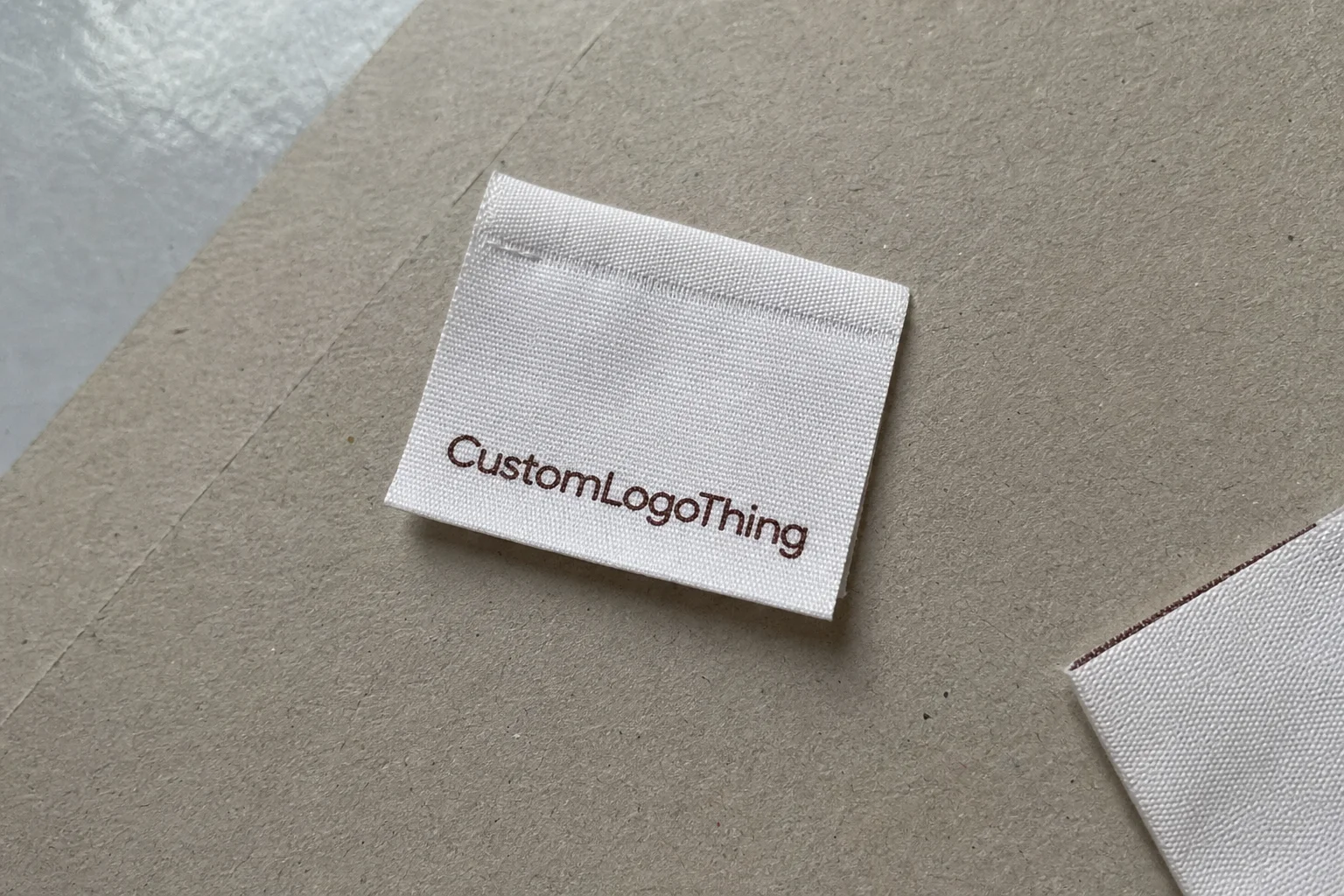
From a packaging buyer’s point of view, the garment does not care whether you ordered 100 pieces or 10,000. If the wash instructions smear, the thread peeks through, or the label feels rough against the skin, the customer notices immediately. In apparel, a care label is part of the product experience, not an afterthought.
Wash care labels serve three jobs at once. First, they support compliance, because fiber content, country of origin, and care guidance often need to be presented clearly. Second, they reinforce brand trust, because clean typography and correct symbols signal attention to detail. Third, they reduce friction after the sale, since fewer buyers need to email support asking whether the piece can be machine washed or tumble dried.
For startup brands and pop-up launches, that matters even more. You may be testing a new silhouette, a seasonal drop, or a private label style with uncertain demand. Ordering Custom Wash Care Labels low MOQ lets you keep inventory tight while still presenting a finished product. It also gives you room to adjust label content or placement after the first run if the garment construction needs a tweak.
“A low minimum is only valuable if the label still looks and reads like a proper retail component. Otherwise you save inventory but lose credibility.”
That is where many first-time buyers misread the market. They assume small quantity equals simplified specs, when in practice the better approach is to keep the design sharp and choose a material and print method that can handle small text, repeated laundering, and abrasion inside a garment.
Material and Print Options for Durable Care Labels
There are a few common material paths for care labels, and the right one depends on the garment, the brand position, and how the label will be attached. Polyester satin is widely used because it has a smooth face, takes print well, and works cleanly in necklines and side seams. Woven labels give a more premium, textured look, while cotton labels can suit natural or heritage-inspired branding, though they are not always the best choice for very small text.
Heat-transfer labels are different again. They are applied directly to the garment, which can be ideal for tagless comfort on sportswear, underwear, and soft basics. The tradeoff is that they need the right fabric compatibility and controlled application conditions. If the garment stretches heavily or sees aggressive laundering, you want to confirm the transfer system is built for that use.
Print method matters just as much as substrate. Thermal transfer is often selected for small text and care symbols because it creates crisp detail. Flexographic printing can be efficient for repeat runs and certain artwork structures, while woven construction is best when the brand wants the design built into the label itself rather than printed on top. For very small care information, sharp contrast and clean line weight matter more than decorative effects.
| Label option | Best use | Typical strengths | Watch-outs |
|---|---|---|---|
| Polyester satin | Everyday apparel, private label basics | Smooth feel, good print clarity, broad garment compatibility | Can feel light if finishing is poor |
| Woven label | Premium branding and visible neck labels | Strong brand presentation, durable appearance | Very small text may be harder to read |
| Cotton label | Natural, heritage, or eco-positioned lines | Soft texture, brand story fit | Not always ideal for dense care copy |
| Heat-transfer | Tagless comfort apparel | No sewn-in label bulk, clean interior feel | Requires fabric and wash testing |
Edge finish and fold style also affect performance. Cut edges that fray, stiff coatings that crack, or folds that do not sit flat can turn a simple label into a comfort issue. For most clothing brands, a clean center fold, end fold, or loop fold works well depending on placement. Matte finishes usually improve readability on dark garments, while a light gloss can help on light-colored substrates if the contrast stays strong enough. The goal is always the same: clear information, decent comfort, and a label that stays legible after repeated washing.
For brands building out broader Custom Labels & Tags, it is smart to align the wash label spec with the rest of the brand packaging system, so the clothing presentation feels deliberate from the carton to the garment interior.
Size, Content, and Compliance Specifications Buyers Should Confirm
Before you request pricing, confirm the actual information the label needs to carry. Most apparel lines include fiber content, care instructions or symbols, country of origin, size, and the brand name. Some products also need RN details, multilingual instructions, or additional warnings depending on the market and product type. If you sell into more than one region, the wording and order of information may need adjustment.
Regional rules can vary, so this is where a packaging buyer should slow down and check the basics. A label that works for one market may not be acceptable in another if the language, symbol usage, or origin statement is off. For brands shipping across borders, it is worth reviewing standards and guidance from sources like the ISTA for shipment testing context and the EPA if you are also evaluating materials, recycling claims, or environmental language tied to packaging and product communication.
Size matters more than many buyers expect. A care label may only need to be 20 mm x 40 mm for a simple garment, while a more detailed piece could run 25 mm x 60 mm or larger. The issue is not just the footprint; it is line spacing, font weight, and how the content survives trimming and folding. If text is too light or too tight, it can become unreadable after sewing or after a few wash cycles. That is especially true on small orders where people are tempted to cram too much into a tiny area.
Artwork prep that prevents expensive revisions
Use vector artwork whenever possible. PDF, AI, or EPS files are usually preferred because they keep the care symbols sharp and the line weights consistent. If you have brand colors, provide PMS references rather than vague color descriptions. For labels that rely on black text only, keep the layout clean and avoid unnecessary decorative elements that reduce legibility. Symbols should stay consistent across SKUs, because tiny variations become obvious once a production run is underway.
Also check seam allowance and placement before approving the final size. A side-seam label needs to sit differently than a neck label, and a waistband label is not the same as a soft tag that sits against the back panel. If the garment construction is already set, the label should fit the construction, not the other way around. That small detail prevents puckering, twisted folds, and awkward interior bulk.
For many buyers, the fastest path is to build the label content around one standard template, then adapt the garment-specific details for each style. That keeps the unit cost controlled and makes future reruns easier to manage.
Cost, Pricing, and MOQ Factors That Change Your Quote
Pricing for custom wash care labels low MOQ depends on a few concrete variables. Material choice, print complexity, color count, size, fold type, finishing method, and shipping method all affect the final quote. If you need woven construction, multiple ink colors, custom folds, or special finishing, expect the cost to rise. If the label is a straightforward printed satin care tag with one or two colors, pricing is usually easier to keep under control.
Low-MOQ pricing works differently from large-scale production. Setup costs are spread over fewer units, so the per-piece price is naturally higher than a bulk reprint. That is normal. The upside is flexibility: you are not locking cash into a huge inventory before you know whether the style will sell. Once artwork is approved and the construction is locked, future runs often become more efficient because the setup time and prepress work are already done.
In practical terms, a small run might price around $0.18-$0.35 per label for a simple printed care label at a higher quantity, while a lower quantity, special fold, or premium substrate can push that into the $0.35-$0.80 range or more. Exact numbers depend on size and finish, so treat those as working ranges rather than promises. Shipping, rush service, and sampling can add to the total as well.
If you want a better quote, there are a few easy ways to reduce cost without sacrificing the look of the garment:
- Choose a standard label size instead of a custom odd size.
- Keep artwork to one or two colors where possible.
- Consolidate styles so multiple SKUs share the same base label.
- Use the same fold and finish across a collection.
- Send complete specs and print-ready files the first time.
One more thing many buyers miss: MOQ is often tied to the production method, not just the number you want to order. A woven label may have one minimum, while a printed satin label or heat-transfer label may have another. So if one construction seems too expensive, ask whether another format can deliver the same function at a better unit cost. That kind of comparison is common across Custom Packaging Products, whether you are ordering apparel labels, hangtags, or custom printed boxes to support the same product launch.
Process, Timeline, and Production Steps for Small Orders
The usual workflow is straightforward, but each step matters. It starts with a quote request, then artwork review, then proof approval. If sampling is needed, that comes before production. After that, the labels are printed or woven, finished, inspected, packed, and shipped. On a clean file with clear specs, the process moves much faster than on an order that needs back-and-forth revisions.
Delays usually come from three places. First, the artwork is low resolution or the file type is not ready for print. Second, the care content is incomplete, which means the supplier has to wait for final text or legal language. Third, approval drags on, and the production slot gets pushed. Small orders can lose as much time to slow decision-making as to actual manufacturing.
Turnaround depends on label type and factory schedule, but a reasonable expectation for a small printed label run is often 12-15 business days after proof approval, with woven or more customized formats taking longer. If sampling is included, add time for that. If you need custom colors, special folds, or a tagless heat-transfer finish, plan for a longer window. There is no honest way around that.
Low-MOQ orders can move faster when the buyer brings print-ready files and confirms dimensions early. That said, if you are still deciding between a sew-in label and a heat-transfer option, it can be worth requesting a sample first. A sample adds time, but it reduces risk, especially if the garment is expensive or the release date is fixed.
From a retail packaging standpoint, this is the same logic brands use for product packaging and package branding. Get the structure right, confirm the content, then move into production with less guesswork.
Quality Control Checks That Protect Your Garments and Brand
Quality control on wash care labels is practical, not glamorous, but it protects the final garment more than most people realize. The first check is print clarity. Can you read the smallest line without strain? Are the care symbols crisp, or do they blur into the background? Next is trim consistency. Are the labels cut to the same size, with edges that stay clean and do not fray or curl?
Fold accuracy matters too. A center fold that is off by a few millimeters can change how the label sits in a neckline. A waistband label that is misfolded can twist the seam and create irritation. Color alignment should also be checked against approved artwork, especially when brand colors need to match the rest of the branded packaging system. Even though a care label is small, it still belongs to the same visual family as the rest of the product presentation.
Wash testing is worth doing, especially for labels that will be laundered repeatedly. You want to know whether the ink holds, whether the substrate softens, and whether the print remains legible after abrasion and heat exposure. If the garment is high-performance or expected to endure frequent washing, material selection should reflect that. For some products, a sewn-in label is fine. For others, a heat-transfer format may avoid bulk and improve comfort, provided the transfer system is suitable for the fabric.
Sample sign-off should always cover spelling, symbol accuracy, and legal content. A single wrong fiber percentage or a missing origin statement can turn a good production run into a problem. That is not dramatic; it is just how apparel compliance works. When there are multiple SKUs, keep a simple version control system so each style, size run, and label revision is traceable.
For buyers managing apparel alongside hangtags, cartons, and FAQ resources for ordering, it helps to treat the label as part of the same overall packaging design plan rather than as a separate last-minute detail.
Next Steps to Order the Right Low-MOQ Label Run
If you want the order to go smoothly, gather the essentials before you ask for pricing: garment type, label dimensions, care content, artwork files, quantity by SKU, and preferred placement. That gives the supplier enough information to recommend the right material and print method instead of guessing.
Confirm whether the label will be sewn into a neckline, side seam, waistband, or another location. Then decide whether you need a printed satin label, woven label, cotton label, or heat-transfer format. Each one has a different hand feel and production profile, and the best choice depends on the garment, not on habit.
Ask for a proof. If the order is important, ask for a sample as well. It adds a little time, but it can prevent a lot of waste. Once the proof is approved, lock the timeline and keep the content stable so the production team does not have to stop and restart the job.
- Choose the label material.
- Finalize the care copy and symbols.
- Confirm size, fold, and placement.
- Approve the proof or sample.
- Lock the production timeline.
That is the cleanest path for custom wash care labels low MOQ. Finalize the garment construction first, then order the labels once the care instructions are set. If you do that, you get a better fit, a cleaner presentation, and fewer surprises in production.
What is the minimum order for custom wash care labels low MOQ?
Minimums vary by label construction, print method, and finishing requirements. Low-MOQ options are usually available for small test runs, capsule collections, and startup apparel lines. The best quote comes from sharing your exact size, quantity, and artwork details so the supplier can match the method to your run.
Which material is best for wash care labels that need to last?
Polyester and satin are common when you need a smooth feel and strong print durability. Woven labels can work well for premium presentation, while heat-transfer options suit tagless comfort. The right choice depends on garment type, wash frequency, and where the label will be sewn.
Can I include symbols, fiber content, and country of origin on one label?
Yes, many brands combine care symbols, fabric content, size, and origin on a single label. Layout must stay readable, and the final size should allow enough room for compliance text. Artwork should be reviewed before production to avoid spacing or legibility issues.
How long does production usually take for a small label order?
Turnaround depends on the label type, quantity, and proof approval speed. Orders move faster when artwork is print-ready and care details are finalized upfront. Custom colors, special folds, or sampling can add time to the schedule.
How can I lower the unit cost on a low MOQ order?
Use a standard size, keep artwork simple, and reduce unnecessary color changes. Consolidating styles or ordering multiple SKUs together can improve pricing efficiency. Provide complete specs at the quote stage so revisions do not slow the order.


