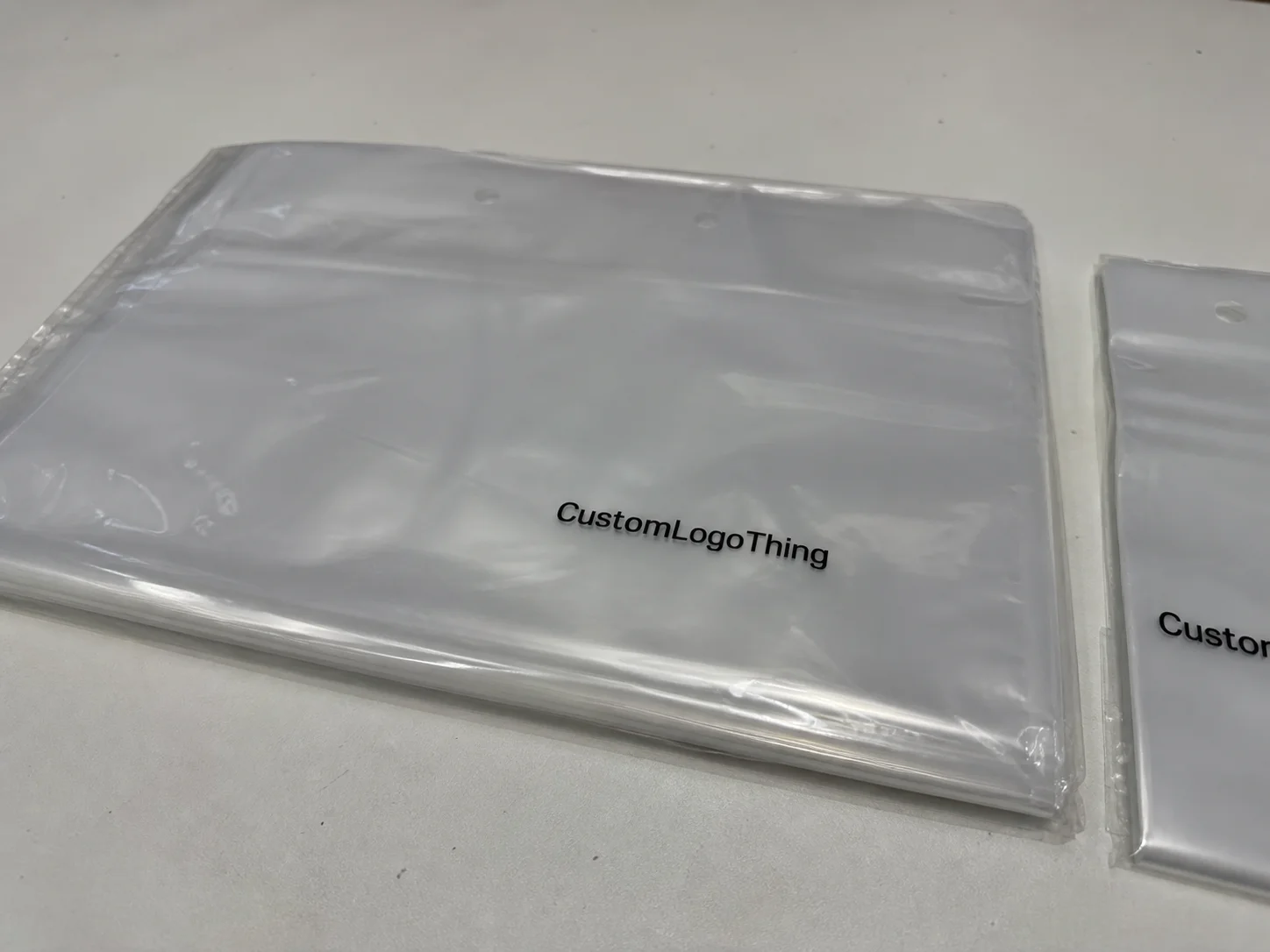
Buyer Fit Snapshot
| Best fit | Custom Wine Label Printing Wholesale for Brands projects where brand print, material claims, artwork control, MOQ, and repeat-order consistency need to be specified before quoting. |
|---|---|
| Quote inputs | Share finished size, material target, print colors, finish, packing count, annual reorder estimate, ship-to region, and any compliance wording. |
| Proofing check | Approve dieline scale, logo placement, barcode or warning zones, color tolerance, closure strength, and carton packing before bulk production. |
| Main risk | Vague material claims, crowded artwork, missing packing details, or unclear freight terms can make a low unit price expensive after revisions. |
Fast answer: Custom Wine Label Printing Wholesale for Brands should be specified like a repeatable production item. The safest quote records material, print method, finish, artwork proof, packing count, and reorder notes in one written spec.
Production checks before approval
Compare the actual filled-product size with the drawing, then confirm tolerance on folds, seals, hang holes, label areas, and retail display edges. Reserve space for logos, QR codes, warning copy, and material claims before decorative graphics fill the panel.
Quote comparison points
Review material grade, print process, finish, sampling route, tooling charges, carton quantity, and freight assumptions side by side. A quote is only useful when the supplier can repeat the same color, closure quality, and packing count on the next order.
Custom Wine Label Printing Wholesale is one of those packaging jobs where a small mistake becomes very visible, very quickly. I’ve stood on bottling lines in Napa, Sonoma, and even a cooperative facility outside Modesto where a label looked perfect on the proof sheet, then started lifting at the corners once it hit a chilled case line at 38°F. Nine times out of ten, the weak point was not the artwork at all; it was the adhesive selection, the face stock, or the way the label was built for the bottle environment. If you are comparing custom wine label printing wholesale suppliers for a winery, distributor, restaurant group, or private-label program, the details Matter More Than the sales pitch, especially when the run is 5,000 pieces or more.
In my experience, buyers often focus first on design, then ask about price, and only later discover that a $0.03 difference in material or liner choice can prevent scuffing, condensation lift, and ink abrasion during shipping. That is why custom wine label printing wholesale should be judged as a production decision, not just a graphic one. I’ve seen excellent brands lose shelf presence because a matte label smeared in cold storage, while a simpler construction with the right adhesive stayed flat through pallet wrapping, warehouse stacking, and retail handling. Honestly, that kind of thing makes me grind my teeth a little, because it is so avoidable when the spec is chosen properly, especially when the difference between $0.12 and $0.15 per unit is the cost of better performance.
For Custom Logo Things, the practical side of custom wine label printing wholesale is where the value lives: repeatable output, stable color, bottle-compatible sizing, and a construction that fits real-world conditions, not just a mockup. That is the difference between pretty packaging and dependable product packaging that supports brand packaging, package branding, and the kind of retail presentation That Holds Up from tasting room to shelf, whether the labels are printed on a 350gsm C1S artboard or a moisture-resistant synthetic film in our partner facilities in Dongguan and Shenzhen.
Why Wholesale Wine Labels Make a Bigger Impact Than Most Brands Expect
On a production floor, label problems usually announce themselves in the same way: a corner curls after application, a scuff line appears where the bottle rubbed against another case, or condensation causes the adhesive edge to fail just as the customer lifts the bottle. I watched this happen during a run for a small winery in Healdsburg that had chosen a beautiful textured stock without testing it against their cold-storage conditions, and the first complaint came from a distributor who stored cases at 38°F in a warehouse near Sacramento. That kind of issue is exactly why custom wine label printing wholesale is as much about construction as aesthetics, and why the trial run should happen before 20,000 bottles are filled.
Wholesale buying also changes the economics in a way that brand owners sometimes underestimate. Once the die is set, the setup cost is spread across the run, so a 5,000-piece order can bring the unit price down meaningfully versus several small reprints. That consistency matters for wineries, private-label sellers, and restaurants ordering seasonal bottles because it keeps label tone, registration, and trim stable across each batch. custom wine label printing wholesale is especially valuable when your packaging has to match across multiple SKUs, because no one wants one vintage to look slightly “off” beside the next. I remember one buyer waving two supposedly identical labels under fluorescent lights in a tasting room in Paso Robles and saying, “Why does one look like it had a rough night?” Fair question. The answer was a color shift caused by a rushed reprint on the wrong stock.
Good labels influence more than appearance. They shape how a customer reads your brand before the cork is even pulled. In a tasting room, a label that feels substantial and prints cleanly communicates care. In retail packaging, a label with the wrong finish can disappear under glare, while a well-chosen matte or soft-touch surface gives the bottle a more deliberate look. I’ve seen buyers improve their shelf performance simply by switching to custom wine label printing wholesale with a better paper face, a 1.5 mm tighter trim tolerance, and a cleaner edge cut on the label master.
Common failure points are easy to list, but fixing them requires real production knowledge:
- Curling from poor adhesive match or excessive coating tension
- Scuffing from unprotected inks on high-friction cartons
- Condensation lift on chilled bottles without moisture-friendly adhesive
- Ink abrasion during pallet handling or warehouse contact
- Edge lifting when the bottle has a tight curve or uneven glass finish
When those issues are prevented in advance, custom wine label printing wholesale does more than save rework. It protects the perception of the wine itself, and that matters whether the bottle is going into a Michelin-level wine list in San Francisco or a chain retailer’s private-label shelf in Phoenix.
One supplier negotiation I still remember involved a restaurant group in Chicago that wanted a very low sticker price for a house wine label, but they were also demanding a premium foil detail and a textured stock. I laid the numbers out plainly: either they accepted a simpler build at $0.16 per unit for 10,000 pieces, or they kept the luxury finish and moved closer to $0.29 per unit. They chose the latter, because the label had to support their branded packaging story. Honest conversations like that are the backbone of custom wine label printing wholesale.
Custom Wine Label Printing Wholesale: Product Options and Use Cases
custom wine label printing wholesale covers much more than one front label on one bottle shape. Most wine programs need a set of coordinated components, and each one carries a different production requirement. Front labels usually do the heavy visual lifting, but back labels provide compliance text, lot codes, or tasting notes, while neck labels and seals add detail and perceived value. For sparkling bottles, foil neck seals are often part of the package, and full-wrap bottle labels can create a strong shelf block when a brand wants a more expansive canvas. In larger programs, front and back labels are often produced in matching batches of 10,000 to 50,000 pieces so the color stays aligned from case to case.
The right format depends on bottle type, shelf environment, and how much of the bottle you want the label to occupy. A Bordeaux-style bottle with a generous front panel gives you more room for typography and illustration than a narrow Burgundy bottle with a rounded shoulder. I’ve seen custom wine label printing wholesale projects succeed because the design team respected the bottle geometry before choosing a layout. That sounds basic, but a lot of brands skip that step and pay for it later in rejected proofs or awkward wraparound seams, especially when the glass is sourced from different suppliers in Italy and Mexico across the same vintage.
Material selection is where the practical decisions really start. Textured paper stock gives a classic winery look, especially for heritage brands and limited releases. Gloss paper creates sharper contrast and can feel brighter under retail lighting. Matte paper reduces glare, which helps on shelves with strong overhead lights. For chilled storage, BOPP and other waterproof films hold up better than standard paper because they resist moisture and abrasion. In custom wine label printing wholesale, the most elegant label is not the one with the most decoration; it is the one that behaves properly under the bottle’s real conditions, whether that means a cellar in Sonoma County or a refrigerated display in Miami.
Finish options change the story fast. Foil stamping adds metallic detail and works well for crest marks, vintage badges, or upscale reserve lines. Embossing gives tactile depth, which I’ve watched customers respond to almost immediately when they handle a sample at the counter. Spot UV can highlight a logo or illustration with a clean, glossy contrast against matte stock. Varnish and lamination both improve durability, and soft-touch coatings create a velvety feel that some premium wine brands use to signal restraint rather than flash. These finishes are all useful in custom wine label printing wholesale, but each one must be matched to the substrate, or you end up with an attractive label that fails too easily after 72 hours in a cold room.
Here’s how I usually separate use cases in the field:
- Boutique wineries often want textured paper, foil accents, and shorter runs with carefully managed color.
- Large-scale bottling teams need consistency, fast application, and labels that work with automated equipment.
- Private label programs prioritize repeatability, SKU control, and pricing that makes room for margin.
- Gift sets benefit from decorative seals, neck labels, and stronger visual contrast.
- Seasonal releases often call for faster digital printing or a hybrid run plan.
Still wine, sparkling wine, and refrigerated products each create a different stress profile. Sparkling bottles can require different adhesion and label flexibility because pressure and handling are more demanding. Chilled bottles need condensation-resistant construction. Bottles that move through cold chain distribution need better resistance to moisture and surface change. That is why custom wine label printing wholesale should be discussed alongside fill temperature, storage temperature, and application timing, not just art direction, especially if the bottling line is running in Fresno in August or in Portland during a damp winter week.
For brands that also manage Custom Labels & Tags, Wholesale Programs, and broader Custom Packaging Products, wine labels often become part of a larger packaging design system. That can include custom printed boxes for gift packs, shippers, or presentation sleeves, all tied together by one visual language. In a strong retail packaging setup, the label should not fight the box; it should support the same story across the entire unboxing sequence.
Specifications That Matter: Materials, Adhesives, and Print Quality
If a buyer asks me where to start with custom wine label printing wholesale, I usually say: start with the bottle, the environment, and the application method. The bottle diameter matters because label curvature changes how much face stock can sit flat. The application surface matters because some glass finishes are smoother than others. If you are labeling a bottle with a narrow shoulder or a highly curved profile, the die line and label panel size need to be checked carefully before production. I’ve seen labels fail simply because the bottle photo looked “standard” but the actual curve radius was far tighter than expected, like a 74 mm Burgundy neck that needed a more flexible wrap than the artwork implied.
Adhesive choice is the part most people underestimate. For dry storage, standard pressure-sensitive adhesives often work well enough. For refrigerated or moisture-prone conditions, a stronger adhesive with wet-surface tolerance usually performs better. There are also constructions designed for cold-chain handling, where condensation is expected and the label must stay flat through the entire handling window. In custom wine label printing wholesale, the adhesive is not a background detail; it is the foundation, and it is often the difference between a $0.11 label and a $0.18 label that survives the cooler door test.
Here are the technical specs I ask for before I quote a job:
- Label size in millimeters or inches
- Bottle diameter and panel curvature
- Application surface: glass, coated glass, or specialty bottle finish
- Storage condition: room temperature, chilled, refrigerated, or cellar-aged
- Print method: digital printing or offset printing based on volume and artwork
- Finish requirement: foil, embossing, varnish, lamination, spot UV, or soft-touch
- Artwork format: vector logo, dieline, bleed, and resolution details
Color accuracy deserves its own conversation. CMYK printing can produce excellent results, but certain deep reds, metallic effects, and brand blues may benefit from Pantone spot color matching. On textured stocks, ink behaves differently than it does on a coated sheet, so the same Pantone reference can look slightly warmer or softer once it lands on paper. That is normal, but only if everyone expects it. In custom wine label printing wholesale, I tell clients to approve on the actual stock whenever possible because a digital proof on a monitor never tells the whole truth, especially if the final production run is coming from a press line in Dongguan with a humidity change from morning to afternoon.
Metallics also change the look in ways some buyers do not anticipate. Gold foil on a matte stock can appear restrained and elegant, while the same foil on a gloss background may feel louder and more reflective. Soft-touch coatings can mute contrast a bit, which is one reason they are often paired with bold typography or a centered emblem. A label with heavy texture may not reproduce fine serif type as crisply as a smooth coated material. These are not defects; they are material realities, and they matter in custom wine label printing wholesale, particularly when the type is set below 7 pt and the art contains thin linework.
File setup matters too, and I have spent enough time in prepress to know that a clean file saves more money than a polished apology. Send vector logos when you can. Include bleed, usually 1.5 to 3 mm depending on the construction. Make sure any images are high enough resolution for the final print size, ideally 300 dpi at actual scale for raster elements. Confirm the dieline, especially if the label has a complex cut or a wrap seam. A good proofing workflow should show placement, trim, and any finishing layers before the run starts. This is one of the simplest ways to reduce waste in custom wine label printing wholesale, and it is why we ask for editable AI, PDF, or EPS artwork before a quote is locked.
For buyers comparing technical partners, our Manufacturing Capabilities page is a useful starting point because it shows how these production choices connect to real output. I also like to remind clients that packaging standards matter beyond the label itself. Organizations such as ISTA help define performance testing for shipping, while FSC is important for buyers who want responsibly sourced paper stocks. Those standards do not replace good label engineering, but they help frame smarter decisions for custom wine label printing wholesale, especially when the paper is sourced from mills in North America or coated by converters in Jiangsu Province.
Pricing, MOQ, and What Actually Changes the Cost
The price of custom wine label printing wholesale is driven by a few main levers, and quantity is only one of them. Yes, larger runs usually lower the unit cost because setup, calibration, and waste are spread across more pieces. But material choice, print complexity, adhesive type, and finishing steps can swing the number far more than some buyers expect. A 10,000-piece order on plain matte paper may land near $0.09 to $0.15 per unit depending on size and setup, while a similar run with foil stamping, embossing, and soft-touch lamination may move significantly higher, sometimes into the $0.24 to $0.32 range for premium constructions.
I once quoted two nearly identical wine labels for a distributor in Denver, and one came in at $0.14 per unit while the other was $0.27 per unit. The difference was not markup. It was the material, the die complexity, and a multi-step finish stack that required more press time and more QC. That kind of honesty matters in custom wine label printing wholesale because buyers deserve to understand what they are paying for before production starts. Otherwise everyone ends up doing the “why is this so expensive?” shuffle, which I have seen happen more times than I care to admit, usually when foil and embossing are added after the first quote is already approved.
Here are the biggest cost drivers I see every week:
- Material choice: textured paper is usually less expensive than waterproof synthetic film
- Special finishes: foil, embossing, spot UV, and soft-touch add setup and press time
- Adhesive type: cold-chain or moisture-resistant adhesives often cost more
- Shape complexity: custom die-cuts usually cost more than simple rectangles
- Color count: more inks, spot colors, or metallic effects can raise the price
- Run length: very small runs have higher unit economics than larger wholesale orders
MOQ varies by construction. Standard pressure-sensitive labels often allow lower minimums because they are easier to set up and produce with digital printing. Custom die-cut labels with foil, embossing, or specialty stocks usually need a higher MOQ because the setup work is more involved. In custom wine label printing wholesale, the lowest quantity is not always the best deal if the specs are too light for the actual use environment, and a 2,500-piece order on a premium film may cost more per unit than a 10,000-piece order on a proven paper stock.
Reorders are where a locked-in spec really pays off. Once the size, stock, adhesive, and finish are approved, repeat runs usually move faster and cost less to manage. That is especially useful for wineries with steady vintage programs or private-label buyers who need the same label every quarter. I have seen brands save money by standardizing a 3.5 x 4.5 inch front label and a 3 x 2 inch back label across multiple SKUs, even when the wine changed. It sounds simple, but in custom wine label printing wholesale, standardization is often the cleanest route to better margins.
If you are comparing vendors, ask for quotes that break out the construction, not just the total. A good supplier should explain whether the quote assumes digital printing or offset printing, whether tooling is included, and whether finish costs are baked into the unit price. Also ask about freight, cartonization, and whether the labels are shipped in rolls or sheets. That level of detail keeps the budget honest and makes custom wine label printing wholesale easier to manage across future orders, especially if shipping is going from Guangdong to California or from Texas to New York.
From Artwork Approval to Delivery: The Wholesale Production Timeline
The best custom wine label printing wholesale jobs follow a clear sequence, and every step has a purpose. First comes the inquiry, where the buyer shares bottle dimensions, quantity, finish goals, and storage conditions. Then comes the quote, which should reflect real materials and not an average estimate. After that, the dieline is selected or created, artwork is prepared, proofs are reviewed, production begins, finishing is applied, and the finished labels are packed and shipped. It sounds straightforward, but each stage can influence the next, and even a 24-hour delay in proof approval can shift a bottling date at a facility in Oakville or Lodi.
For standard pressure-sensitive label jobs, I usually expect 10 to 15 business days from proof approval to ship date, depending on the run size and current production schedule. If the order includes foil stamping, embossing, or specialty coatings, the timeline can stretch to 15 to 20 business days or more. That is not a delay; it is the reality of additional press steps. In custom wine label printing wholesale, rushing special effects is how defects get introduced, and no one wants a reserve line held up because the embossing plates were not fully dialed in.
The biggest delays are usually preventable. Low-resolution art forces prepress to stop and ask for replacements. Late proof changes push the job back into queue. Unclear notes about bottle size or label placement cause unnecessary revisions. I’ve had one project stall for four days because a brand manager sent a beautiful logo, but the file was flattened and unusable for print. Once the editable vector file arrived, the run moved quickly. That is why clean inputs matter so much in custom wine label printing wholesale, and why a complete spec sheet can save an entire week.
Sampling is worth the time. Digital proofs are useful for layout and content, while material samples help a buyer feel the paper, see the finish, and judge how the label will behave on the bottle. If a client is deciding between a textured stock and a smooth matte, I recommend both samples be placed on an actual bottle with the intended cap or cork setup. A label can look quite different when it wraps around glass instead of sitting flat on a screen, especially under warm tasting-room lights in Santa Rosa or cooler warehouse LEDs in Atlanta.
Shipping also deserves thought. Labels may ship flat, on rolls, or in cartons depending on the application method and production setup. Domestic buyers often want predictable freight timing, while international buyers need clarity on packing density, customs documentation, and transit protection. Packaging should be tight enough to prevent edge damage but not so compressed that the label rolls or warps. Good planning in custom wine label printing wholesale reduces damage before the product ever reaches the bottling line, and keeps the carton count efficient when the order is leaving a port in Yantian or Long Beach.
For businesses that want to tie labels into a broader set of Wholesale Programs, it often helps to coordinate label timing with other packaging items. If you are ordering custom printed boxes, bottle neckers, or event kits at the same time, one production calendar can simplify your launch. That kind of coordination is part of real package branding, not just a pretty label on one SKU, and it can cut down on split shipments by a full week.
Why Choose Us for Custom Wine Label Printing Wholesale
I like working with buyers who want straight answers, because that is how packaging actually gets done. At Custom Logo Things, custom wine label printing wholesale is handled by people who understand how labels behave on bottling lines, in cold storage, and on retail shelves. We are not just moving artwork from inbox to press; we are checking how the material, adhesive, and finish will perform once the bottle enters the real world, whether the shipment is going to a tasting room in Napa, a restaurant group in Dallas, or a private-label bottler in New Jersey.
That matters when a client is balancing small-batch boutique appeal with wholesale consistency. I have seen tiny wineries need 500 labels for a tasting room launch and large distributors need 50,000 labels for a private-label line, and the core requirements were the same: dependable color, clean die-cutting, accurate registration, and a label that stays put. Our production approach is built for repeatability, which is why custom wine label printing wholesale works so well for both short-run and higher-volume needs. On a standard run, we can typically move from proof approval to completion in 12 to 15 business days, and larger finish-heavy jobs are scheduled with that range in mind.
We also pay close attention to material sourcing and QC. Labels are checked for trim accuracy, adhesive performance, and print consistency before shipping. That kind of inspection sounds routine, but it prevents the sort of waste that eats margin and leads to rush reprints. Honestly, I think too many buyers tolerate “good enough” because they have never had a production partner explain the difference between a decent proof and a press-ready construction. In custom wine label printing wholesale, that explanation can save a lot of money, especially when the label face stock is a 350gsm C1S artboard or a textured paper chosen for a reserve-tier bottle.
Another advantage is practical guidance. If a buyer says the bottle will be stored in a chilled display or handled in a damp cellar, we recommend a label build that reflects those conditions. If a brand wants a premium reserve feel, we can point toward textured stock, foil accents, and a soft-touch finish without overbuilding the label unnecessarily. If the project needs speed, we can steer toward digital printing. If volume and consistency dominate the decision, offset printing may be the better route. This kind of material-specific advice is what turns custom wine label printing wholesale into a reliable service rather than a guessing game.
We also know packaging is rarely isolated. A wine label often sits beside a custom packaging program that includes cartons, mailers, tasting kits, or shelf-ready displays. When the label and the box are designed together, the result is stronger retail packaging and a more cohesive product story. If your project extends beyond labels, our Custom Labels & Tags page and Manufacturing Capabilities overview can help you map the right path, whether the work is being coordinated out of Shanghai, Shenzhen, or a domestic fulfillment center in Los Angeles.
One client meeting sticks with me because the brand owner brought three competitor labels, each with different finishes, and asked which one would survive a warehouse-to-table journey. We tested the samples by storing them in a cold room and then wiping them after a condensation cycle. The winner was not the most decorative one; it was the one with the right adhesive and a clean varnish system. That is the kind of real-world testing mindset we bring to custom wine label printing wholesale, and it is the reason the final label often outperforms the mockup by a wide margin.
Next Steps to Order the Right Wine Labels at Wholesale
If you are ready to request custom wine label printing wholesale, gather a few pieces of information before you send the inquiry. You will get a more accurate quote, faster proofing, and fewer revisions if you share the bottle dimensions, label size, quantity, preferred material, finish goals, and storage conditions right away. A photo of the bottle is helpful too, especially if the shape is unusual or the shoulder curve is tight. When possible, include the exact fill line and the case pack, because those details can affect application and shipping planning.
For first-time buyers, I strongly recommend asking for a sample pack. Paper, synthetic film, matte, gloss, and textured stocks can feel dramatically different in hand, and that tactile difference matters in wine branding. If you are comparing a soft-touch label to a standard matte label, the sample will usually make the decision easier within seconds. That is a small step, but it can improve the outcome of custom wine label printing wholesale by a wide margin, particularly when the choice comes down to a $0.02 material difference that changes how the bottle reads on shelf.
For repeat customers, the best move is to lock the approved spec and reorder from that record. Keeping the same size, adhesive, and finish removes unnecessary variable cost and shortens the approval cycle. If you are launching a seasonal SKU, note the differences clearly so the production team can revise only what changes. Clear version control is one of the simplest ways to keep custom wine label printing wholesale efficient, and it helps prevent costly mistakes when a vintage change is paired with a new back-label compliance block.
Here is the order path I recommend:
- Request pricing with bottle specs, quantity, and finish goals.
- Confirm construction including stock, adhesive, and print method.
- Review the proof for size, bleed, artwork, and registration.
- Approve production only after the label matches the actual bottle use case.
- Schedule shipping so the labels arrive before the bottling window.
If your brand also needs broader packaging support, it can make sense to review our Custom Packaging Products and align the label with the rest of the launch. That coordination often improves branded packaging consistency, especially when labels, cartons, and inserts are all telling the same story from the first pallet to the final shelf display.
The main thing I want buyers to remember is simple: custom wine label printing wholesale is not just about printing a pretty front panel. It is about choosing the right materials, the right adhesive, and the right production method so the label performs in the exact environment your wine will face. If you can share the bottle, the volume, the finish target, and the storage conditions, we can help you get the job done correctly the first time.
And honestly, that is what the best wholesale packaging work has always been about in the plants I’ve worked in: fewer surprises, cleaner runs, and labels that still look good after the pallet has moved through a warehouse, a cooler, and a retail floor. That is the standard behind custom wine label printing wholesale, and it is the standard we aim to meet every time.
Ready to move forward? Send your specs, artwork, and bottle photo, and we’ll help you price custom wine label printing wholesale with the right materials, the right finish, and the right timeline for your program.
Custom Wine Label Printing Wholesale for Brands: decision table
| Decision area | Best fit | What to verify | Risk if skipped |
|---|---|---|---|
| Substrate | Labels, stickers, ribbons, inserts, tags, and tissue paper | Paper/film type, adhesive, GSM, roll direction, and finish | The print looks right but fails during application or handling |
| Artwork control | Brand color, barcode, QR code, and small text clarity | Vector file, Pantone target, safe area, and proof route | Small details blur or shift across a full production run |
| Use environment | Retail display, shipping, food-safe handling, or gift presentation | Moisture, rubbing, heat, and surface compatibility | A pretty sample fails in the real use case |
Frequently Asked Questions
What is the minimum order for custom wine label printing wholesale?
The MOQ depends on the label construction, but standard pressure-sensitive labels usually have a lower minimum than complex specialty finishes. Die-cut shapes, foil, embossing, and specialty stocks often raise the MOQ because of setup requirements. The best way to confirm is to share your bottle size, quantity, and finish needs so the quote reflects the actual production method for custom wine label printing wholesale. In many runs, 1,000 pieces is workable for simpler jobs, while premium builds may start closer to 3,000 or 5,000 pieces.
What material is best for custom wine label printing wholesale on chilled bottles?
For chilled or refrigerated bottles, waterproof synthetic films or moisture-resistant stocks usually perform better than standard paper. A strong pressure-sensitive adhesive is important so the label stays flat and does not lift at the edges. If the label will face condensation, ask for a construction tested for cold-chain or wet-surface handling in custom wine label printing wholesale. In practice, a 60-micron BOPP film with a cold-resistant adhesive often outperforms standard paper when the bottle surface drops below 40°F.
How long does wholesale wine label production usually take?
Timeline depends on artwork readiness, proof approval, label complexity, and order size. Simple runs often move faster than labels with foil, embossing, or multiple finishing steps. The quickest path is to submit final artwork, confirm specs early, and approve proofs without revisions for custom wine label printing wholesale. For many standard jobs, production is typically 12-15 business days from proof approval, while more decorative labels may take 15-20 business days or longer.
Can I order custom wine label printing wholesale with my own artwork?
Yes, most wholesale orders are produced from customer-supplied artwork. You should provide editable vector files when possible, plus bleed and dieline setup for accurate production. If needed, the production team can usually help check layout, sizing, and print-readiness before printing your custom wine label printing wholesale order. Files exported as AI, EPS, or print-ready PDF are easiest to proof and usually reduce revision time by 1 to 2 business days.
What affects the price of custom wine label printing wholesale the most?
Material choice, quantity, adhesive type, shape complexity, and specialty finishing have the biggest impact on cost. Plain paper labels are typically more affordable than waterproof films or multi-process decorative labels. Higher quantities usually reduce unit cost, so it helps to estimate future reorders before finalizing specs for custom wine label printing wholesale. For example, a 5,000-piece run may price around $0.15 per unit on a simple construction, while a 10,000-piece premium foil label can move much higher depending on the finishing stack and the press setup.