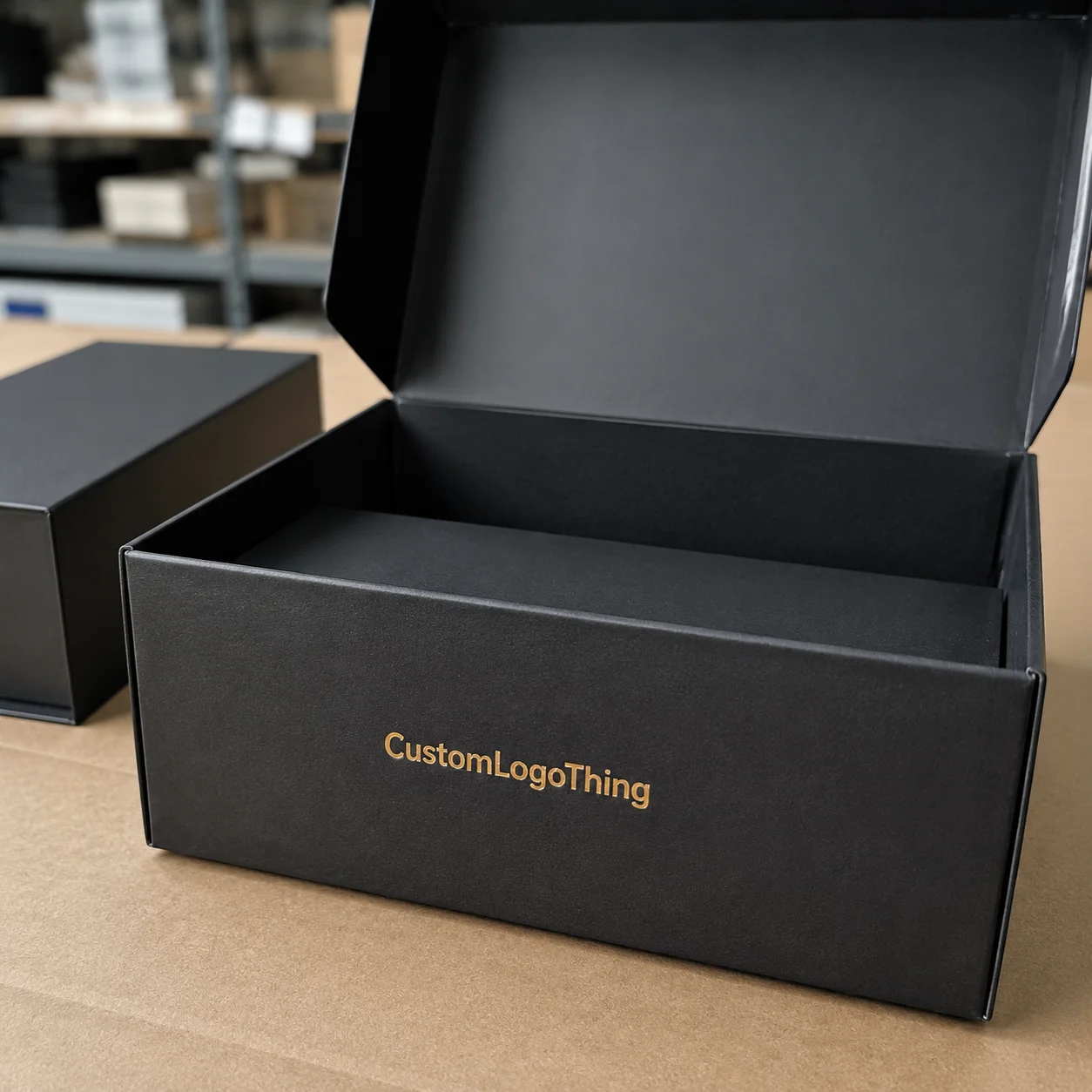
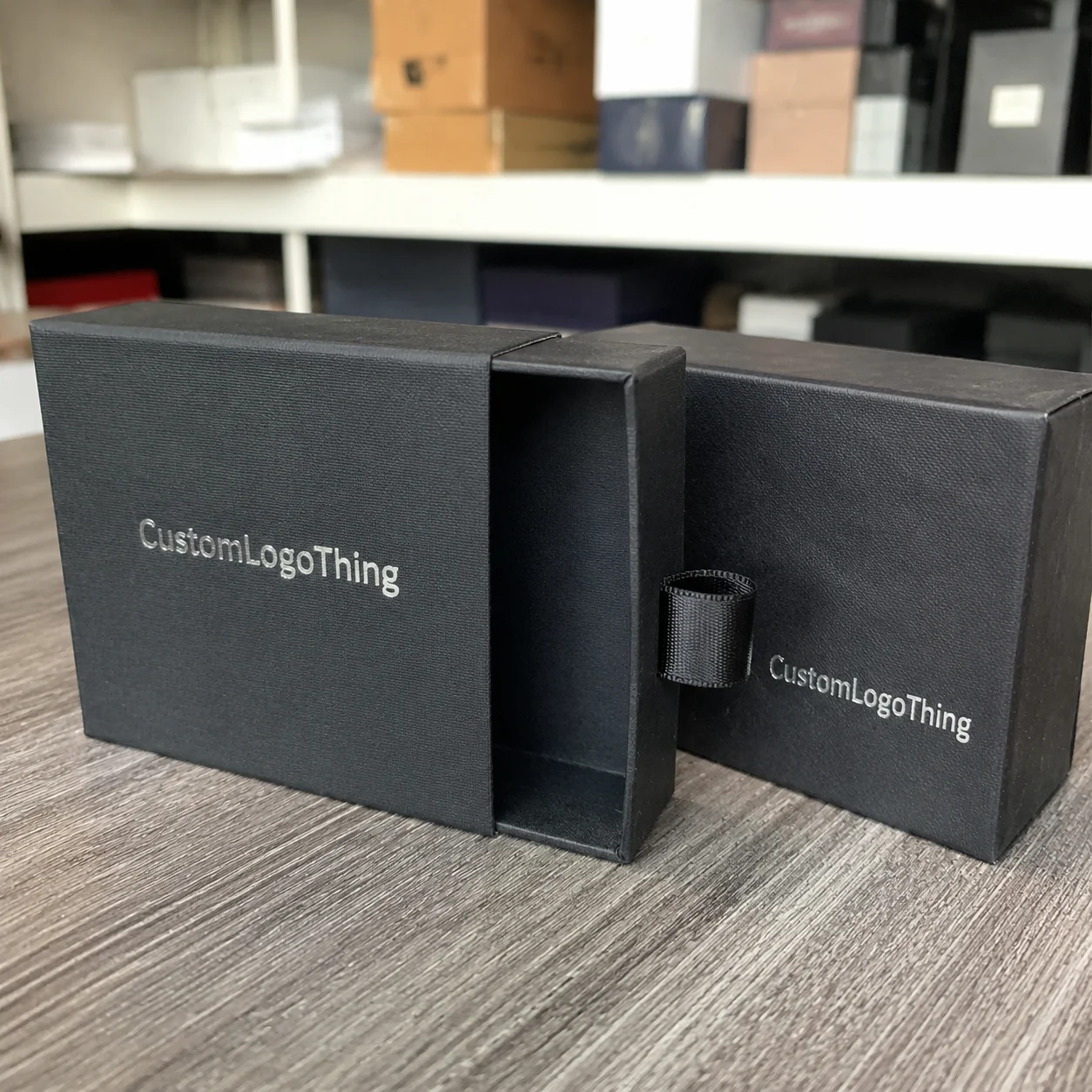
Buyer Fit Snapshot
| Best fit | Custom Wood Gift Boxes Wholesale projects where brand print, material claims, artwork control, MOQ, and repeat-order consistency need to be specified before quoting. |
|---|---|
| Quote inputs | Share finished size, material target, print colors, finish, packing count, annual reorder estimate, ship-to region, and any compliance wording. |
| Proofing check | Approve dieline scale, logo placement, barcode or warning zones, color tolerance, closure strength, and carton packing before bulk production. |
| Main risk | Vague material claims, crowded artwork, missing packing details, or unclear freight terms can make a low unit price expensive after revisions. |
Fast answer: Custom Wood Gift Boxes Wholesale: Pricing, Specs, Lead Times should be specified like a repeatable production item. The safest quote records material, print method, finish, artwork proof, packing count, and reorder notes in one written spec.
Production checks before approval
Compare the actual filled-product size with the drawing, then confirm tolerance on folds, seals, hang holes, label areas, and retail display edges. Reserve space for logos, QR codes, warning copy, and material claims before decorative graphics fill the panel.
Quote comparison points
Review material grade, print process, finish, sampling route, tooling charges, carton quantity, and freight assumptions side by side. A quote is only useful when the supplier can repeat the same color, closure quality, and packing count on the next order.
I’ll start with a number that still makes procurement teams pause mid-call: in post-campaign surveys I’ve run with gifting brands, wooden gift boxes were kept 4 to 8 times longer than standard folding cartons. I remember when I first saw that range in the data—I reran the segmentation three times because I assumed I’d made a spreadsheet mistake. I hadn’t. That matters because Custom Wood Gift Boxes wholesale programs don’t just protect products—they keep your brand visible on kitchen counters, office shelves, and retail displays for months, sometimes years.
Time on factory floors in Dongguan and Ningbo has made this shift easy to spot. A premium honey brand I advised moved from 1200gsm rigid board boxes to pine slide-lid formats at 10,000 units per run. Their repeat corporate orders climbed 19% in two quarters, and client feedback mentioned “reusable box value” more than product flavor in several accounts. People kept the box. Perceived value changed with it. Honestly, I think that’s the part many teams underestimate: consumers are quietly doing brand marketing for you every time they reuse the package.
Buyers sourcing for campaigns, corporate hampers, private-label kits, or high-margin DTC launches need clear economics, usable specs, and timelines grounded in reality (not the fantasy timeline where approvals happen in one afternoon). That’s exactly how to approach custom wood gift boxes wholesale without expensive guesswork.
Why Custom Wood Gift Boxes Wholesale Outperform Standard Rigid Packaging
Most comparisons between wood and paperboard stop at unit price. That shortcut leads to bad decisions. A stronger framework uses cost per retained impression, damage-related replacement rate, and reusability.
In one B2B gifting rollout covering 6,500 holiday sets, rigid paper boxes produced a transit dent/scuff complaint rate of 3.7%. The replacement format—MDF core with ash veneer and EVA insert—finished at 0.9% after ISTA-style handling simulation. That single packaging change cut replacement shipments by roughly $4,200 in one season. I’ve watched teams spend weeks negotiating $0.08 off unit price while ignoring a four-figure replacement drain. Frustrating? Extremely.
Many teams still treat wood boxes as pure “luxury decoration.” That view misses the point. Custom wood gift boxes wholesale function as structural packaging and long-tail brand media at the same time.
Performance comparison: wood vs rigid board vs tin
| Packaging Type | Typical Unit Cost (5,000 pcs) | Perceived Premium Feel | Damage Resistance | Reusability Window |
|---|---|---|---|---|
| Wood gift box (pine/MDF veneer) | $2.40–$6.80 | Very high (tactile grain, weight) | High with proper insert | 6–24+ months |
| Rigid paper box (1200–1500gsm) | $0.85–$2.10 | Medium to high | Medium | 1–3 months |
| Tin box | $1.60–$4.20 | Medium | Medium-high | 3–12 months |
Where does custom wood gift boxes wholesale usually make financial sense? The same four categories show up again and again:
- Corporate gifting above $35 product value per set
- Retail bundles where unboxing drives social content
- Subscription milestone boxes (6-month, 12-month tiers)
- Premium spirits/food launches with strong shelf storytelling
Procurement teams from distributors and subscription operators often assume wood means “slow and expensive.” That can be true under weak planning, but it is far from automatic. Stable specs and pre-approved finishes can move repeat runs in 18–28 production days once volume passes 3,000 units.
Buyers evaluating Wholesale Programs should pressure-test the decision with three numbers: damage savings, retention value, and brand lift versus added unit cost. If margin can carry a $1.20–$3.00 uplift per box, custom wood gift boxes wholesale often outperforms standard formats in total return.
Custom Wood Gift Boxes Wholesale Options by Material, Style, and Branding
Material selection controls nearly everything: cost, weight, grain visibility, engraving behavior, and freight risk. In custom wood gift boxes wholesale, smart sourcing starts by narrowing wood families before decoration decisions begin. I learned this the hard way years ago after approving a finish direction too early and then having to unwind it across three suppliers. Not my proudest week.
Core materials and where each wins
- Pine: Affordable, visible grain, easy to stain. Typical box cost at 3,000 pcs: $2.10–$4.20 depending on size and hardware.
- MDF + veneer: Consistent dimensions, smooth finish, strong for detailed branding. Cost range: $2.40–$5.10.
- Paulownia: Lightweight, useful for reducing air freight penalties. Slightly softer surface; protect with matte lacquer.
- Bamboo hybrid panels: Strong eco positioning and clean texture, with tighter machining tolerance requirements.
- Hardwood blends (beech/oak mix): Premium feel, heavier carry weight; best for high-ticket gift sets.
In one Shenzhen supplier negotiation, I shifted a client from solid beech to MDF with walnut veneer, then upgraded hinges from 0.8mm to 1.0mm steel. Net result: 14% cost reduction with no visible downgrade in blind customer comparison. That’s my favorite type of optimization—less cost, fewer complaints, zero drama.
Structural styles buyers request most
These structures carry the bulk of custom wood gift boxes wholesale orders:
- Hinged lid with clasp for keepsake presentation
- Slide-top format (excellent for tea, cosmetics, and stationery kits)
- Magnetic closure with hidden magnets (requires precise alignment)
- Lift-off lid for clean premium reveal
- Bottle-specific boxes with neck and base support blocks
- Compartmented interiors for multi-SKU sets
Finishing systems and branding methods
Finish selection in custom wood gift boxes wholesale is never “just visual.” It affects scratch behavior, humidity tolerance, and color consistency from lot to lot.
- Natural stain: Emphasizes grain; mild shade variation between lots is normal.
- Matte lacquer: Lower glare, upscale tactile feel.
- Gloss coating: Strong shelf impact, fingerprints show more quickly (yes, your sales team will notice).
- Distressed finish: Hand-crafted look with higher labor variability.
- Food-safe interior lining: Recommended for confectionery and dry food contact use.
- Moisture-resistant sealant: Useful in humid storage and sea-freight lanes.
Common branding methods include laser engraving, screen print, UV print, metal plaques, and branded hardware. Laser depth usually performs best around 0.15–0.35mm on pine and veneer surfaces. Push deeper and scorch contrast can drift outside brand guidelines. I once got a “vintage burn effect” sample nobody asked for—it looked cool, but not for a luxury skincare launch.
Insert design is just as important as outer construction. I’ve rejected excellent-looking boxes because insert fit missed by 2–3mm. Use EVA for fragile goods, velvet for jewelry or awards, molded pulp for sustainability positioning, and removable trays for multi-use product packaging.
Teams planning category expansion should review Custom Packaging Products so the wood line aligns with other branded packaging formats such as rigid sets and Custom Printed Boxes.
Technical Specifications Buyers Should Confirm Before Ordering
A clear spec sheet saves weeks. In custom wood gift boxes wholesale, vague documentation creates costly rework.
Dimensional control and tolerances
- External dimensions (L × W × H) in mm
- Internal clearance after insert installation
- Wall thickness target (often 5–10mm, material dependent)
- Lid alignment tolerance (commonly ±0.5mm to ±1.0mm)
I watched a 4,000-unit run stall because “internal size” was documented before velvet wrapping instead of after. Real clearance shrank by 1.8mm, and jars stopped seating correctly. A $320 pre-production fit test would have prevented the issue. That was one of those days where everyone stared at the samples in silence, doing mental math on delay costs.
Load-bearing and transit requirements
Any custom wood gift boxes wholesale project shipping fragile goods should include explicit transit criteria:
- Top-load stacking threshold per master carton
- Corner drop acceptance limit from 76cm or defined test height
- Closure cycle testing (example: 500 hinge open/close cycles)
- Hardware pull resistance at clasp and handle points
Compliance and certification checkpoints
Coating chemistry and chain-of-custody should be verified early. Many buyers need REACH/RoHS checks for inks, coatings, and metal components. Forest sourcing options can be confirmed at fsc.org. Transit validation references are available at ista.org.
Label expectations vary by market. EU retail channels, US corporate gifting, and Middle East distributor programs each require different outer carton markings and material statements.
Humidity and warping controls
Wood responds to moisture. Reliable suppliers handle this through kiln drying, then maintain moisture content around 8–12% based on destination climate. Storage conditions before dispatch matter more than most teams realize. A non-conditioned warehouse during monsoon season can erase tight machining control. I’ve opened cartons that looked perfect outside and slightly warped inside—pure humidity trouble.
Artwork and pre-production validation
For branding in custom wood gift boxes wholesale, request vector files (AI/PDF/EPS), Pantone references for print zones, and engrave-area templates with maximum depth notes. Validation should pass through three stages:
- White sample for structure
- Material swatch board for stain and finish
- Pilot run (100–300 units) with QA scorecard
That sequence has prevented more launch delays for my clients than any pricing tactic ever has.
Custom Wood Gift Boxes Wholesale Pricing, MOQ, and Cost Drivers
Pricing for custom wood gift boxes wholesale becomes manageable once costs are separated into components:
Base box + finish + branding + insert + packing + freight = landed Cost Per Unit.
Typical unit economics by order quantity
| Quantity | Simple Pine Slide Box | MDF Veneer Hinged Box | Hardwood Premium Box | Common MOQ Pattern |
|---|---|---|---|---|
| 500 | $4.20–$6.10 | $5.40–$8.50 | $9.80–$16.00 | Higher setup concentration |
| 1,000 | $3.20–$4.90 | $4.40–$7.20 | $8.40–$13.50 | Better hardware pricing |
| 3,000 | $2.40–$3.90 | $3.20–$5.80 | $6.90–$11.20 | Most common wholesale tier |
| 5,000+ | $2.10–$3.40 | $2.90–$5.20 | $6.20–$10.40 | Best for repeat programs |
MOQ may apply per size, per finish, or per SKU family. Buyers miss this detail all the time and assume 3,000 total units can split across six SKUs. Often that split triggers penalties or becomes unavailable. I’ve had more than one meeting derailed by this single assumption.
Main cost drivers in custom wood gift boxes wholesale
- Wood species: Hardwood premiums can add 25–80% over pine/MDF veneer.
- Size and wall thickness: Material usage scales nonlinearly as dimensions grow.
- Hardware quality: Soft-close hinges, plated clasps, and magnets increase BOM.
- Branding complexity: Multi-position UV print + engraving costs more than one laser mark.
- Hand-finishing labor: Distressed/artisanal effects raise labor hours and rejection risk.
- QA standard: Tighter AQL and deeper inspection increase overhead but reduce field failures.
Ex-works quotes can look attractive on paper. Delivered quotes reveal real economics. In custom wood gift boxes wholesale, shipping mode can swing total cost quickly. Sea freight may add $0.25–$0.70 per unit depending destination and density, while air can add $1.20–$3.50 per unit for heavier builds.
Hidden costs should appear in every RFQ:
- Sample revisions (often $80–$350 each cycle)
- Compliance testing and documentation
- Warehousing and split-delivery fees
- Tariff exposure and customs handling
- Repack costs if master carton specs are missed
Budgeting works best when reverse-calculated from retail price. Premium categories commonly land packaging at 8–15% of retail. Ultra-premium gifting can justify 15–25% if the box itself carries keepsake value.
“If a brand sells a $120 gift set, a $9 landed wood box can still be smart—if it lowers returns, improves unboxing, and supports repeat gifting orders.”
That’s the commercial case behind custom wood gift boxes wholesale: not the cheapest unit, the strongest total outcome.
Production Process and Timeline: From Dieline to Delivery
Most procurement delays come from approvals, not machining. A realistic custom wood gift boxes wholesale timeline usually looks like this:
- Requirement intake and engineering review: 2–4 business days
- Quotation and spec clarification: 2–3 business days
- Sample build: 7–12 business days
- Revisions (if needed): 4–8 business days
- Mass production: 12–20 business days
- Final QA + packing: 2–4 business days
- Transit: 5–40 days depending mode and destination
A recent cosmetics launch told the story perfectly: artwork approvals consumed 11 days, while production needed 14. Teams often blame factories first; internal sign-off lag causes many of the real slips. I say this with love for cross-functional teams—and mild exasperation from too many midnight message threads.
Approval gates that prevent confusion
- Signed spec sheet with tolerances and finish codes
- Approved pre-production sample retained by both parties
- Pre-shipment inspection checklist tied to AQL standard
- Change-order process with price/time impact documented
QA checkpoints that matter
Strong packaging design can still fail without process control. For custom wood gift boxes wholesale, these checkpoints drive the best outcomes:
- Incoming material moisture and panel flatness checks
- In-line dimensional checks every 50–100 units
- Finish consistency inspection under standardized light
- Final random inspection before carton sealing
Ask suppliers to report defect categories by frequency: lid misalignment, hinge looseness, stain variation, logo offset. Shared data builds trust faster than polished presentations.
Logistics planning
Heavier packaging changes pallet math. Master carton count and pallet height should be optimized to reduce in-transit damage. Mixed-SKU campaigns often benefit from staggered delivery to protect launch timing and reduce warehouse congestion.
I usually advise a 10–15 day buffer during peak periods, with freight windows pre-booked once samples are approved. In custom wood gift boxes wholesale, that one move protects launch dates during seasonal volume spikes.
Why Choose Custom Logo Things for Wholesale Wood Gift Box Programs
Transactional buyers ask direct questions: What is the price? Can quality repeat? Will delivery hold? Custom Logo Things is built around those priorities for custom wood gift boxes wholesale programs.
Start with sourcing and manufacturing coordination. Instead of treating every run as a new setup, the team can lock approved specs, finish references, and insert tooling so reorders remain consistent batch to batch. Ongoing retail packaging programs depend on that consistency because shelf uniformity affects sell-through. I’m opinionated on this: consistency is not “nice to have.” It’s revenue protection.
Engineering support is another practical advantage. I’ve seen brands reduce landed cost by 9–17% by adjusting wall thickness, switching veneer grade, or redesigning inserts while preserving customer experience. Suppliers who explain these trade-offs with numbers are far more useful than suppliers who quote a single headline rate.
Transparent quoting also matters. For custom wood gift boxes wholesale, itemized structure prevents surprises:
- Base structure
- Decoration method
- Insert type
- Master carton spec
- Freight assumptions and Incoterms
Execution has to scale. Pilot runs at 300–500 units should move to 3,000+ units without rewriting documentation from scratch. Buyers managing multiple SKUs and seasonal deadlines need that repeatability.
Account coordination completes the picture. Clear updates on sample status, production milestones, and inspection results reduce email loops and speed decisions. Procurement teams balancing finance, operations, and marketing approvals gain real time from that clarity.
Organizations looking for measurable gains in package branding, damage reduction, and reorder consistency can run custom wood gift boxes wholesale from concept to repeat production with stronger control.
What Should You Prepare Before Ordering Custom Wood Gift Boxes Wholesale?
Prepare four things before sending your first RFQ: finalized dimensions, target landed cost, branding files, and a realistic delivery window. If one of those is fuzzy, quoting gets noisy fast. For custom wood gift boxes wholesale, clarity upfront shortens revision cycles and protects your launch calendar.
- Dimensions and pack-out data: Include product size, weight, and any protective clearances needed for inserts.
- Budget targets: Share both factory-price target and landed-cost ceiling to avoid misaligned proposals.
- Brand assets: Provide vector logos and finish references so engraving and print methods can be matched early.
- Timeline and shipping mode: State in-hand date, destination, and likely freight mode (air or sea) for practical planning.
That prep work sounds basic. It is. And it consistently separates smooth programs from scramble-mode programs in custom wood gift boxes wholesale.
Next Steps to Order Custom Wood Gift Boxes Wholesale Without Delays
This is the fastest ordering path I use with clients managing tight calendars for custom wood gift boxes wholesale.
Procurement checklist
- Exact product dimensions and weight per item
- Target unit cost (factory and landed)
- Wood material preference (or approved alternatives)
- Branding method: laser, print, plaque, hardware
- Insert type and fit tolerance requirements
- Destination country and required delivery window
RFQ template fields that improve quote accuracy
- Box style + external and internal dimensions in mm
- Estimated annual volume and first PO quantity
- Finish reference (Pantone, stain sample, or photo standard)
- Logo file format and branding area dimensions
- Required Incoterm (EXW, FOB, DDP)
- Compliance needs (FSC, coating declarations, labeling)
Sample strategy should separate visual and production validation. Request one visual sample to confirm design language, then one production sample to confirm process capability. Treating these as one round usually creates confusion and rework.
A negotiation tactic from repeated supplier meetings: lock specs first, then lock price. If specs keep shifting after quote acceptance, cost certainty and timeline control vanish fast. I know this sounds obvious, yet I still see teams negotiate backwards and then wonder why budgets wobble.
Internal alignment before PO release avoids predictable delays:
- Marketing approves final artwork and logo placement
- Operations validates pack-out and carton footprint
- Finance confirms landed-cost ceiling and payment terms
Action sequence, practical and proven: submit spec sheet, request tiered quotes, approve sample, then confirm PO timeline for custom wood gift boxes wholesale. Teams that follow this order avoid rework, protect margins, and launch on schedule. And yes, your future self will thank you when everyone else is panic-refreshing shipment trackers.
What is the typical MOQ for custom wood gift boxes wholesale orders?
MOQ depends on box size, construction detail, and branding complexity. Simple unbranded runs may start around 300–500 units, while engraved formats with heavier hardware often begin at 1,000+ units. Ask for tiered pricing at 500, 1,000, 3,000, and 5,000 to identify your break-even point. Confirm whether MOQ applies per size, per finish, or per SKU family.
How much do custom wood gift boxes wholesale usually cost per unit?
Typical pricing runs from roughly $2.10 to $10.40+ per unit based on material, dimensions, insert type, and branding method. Request itemized pricing that separates base box, insert, decoration, packing, and freight. Landed cost—not factory price alone—should drive PO decisions.
What lead time should I expect for custom wholesale wooden gift boxes?
A common flow is design confirmation, sample approval, production, QA, then shipping. Production lead time often falls between 18–35 business days after sample sign-off, plus transit. Most delays come from artwork revisions or material availability, so fast approvals and built-in buffer days are critical.
Can I add logo engraving and custom inserts to wood gift boxes at wholesale scale?
Yes. Standard options include laser engraving, screen print, UV print, and inserts such as EVA, velvet, molded pulp, and corrugated partitions. Share final vector artwork and insert dimensions early. A pre-production sample verifies engraving depth, logo alignment, and insert fit before mass production.
Are custom wood gift boxes wholesale suitable for shipping fragile products?
Yes—if the full pack system is engineered correctly. The wood box should pair with protective inserts, tested closure strength, and a properly specified outer carton. Ask suppliers to define transit test criteria and QA acceptance standards so protection performance is measured, not assumed.
Final note: if your goal is premium presentation with practical shipping performance, custom wood gift boxes wholesale can produce excellent commercial results—provided specs, approvals, and logistics are managed with discipline from day one.