Dad hats for ecommerce stores: what buyers should know
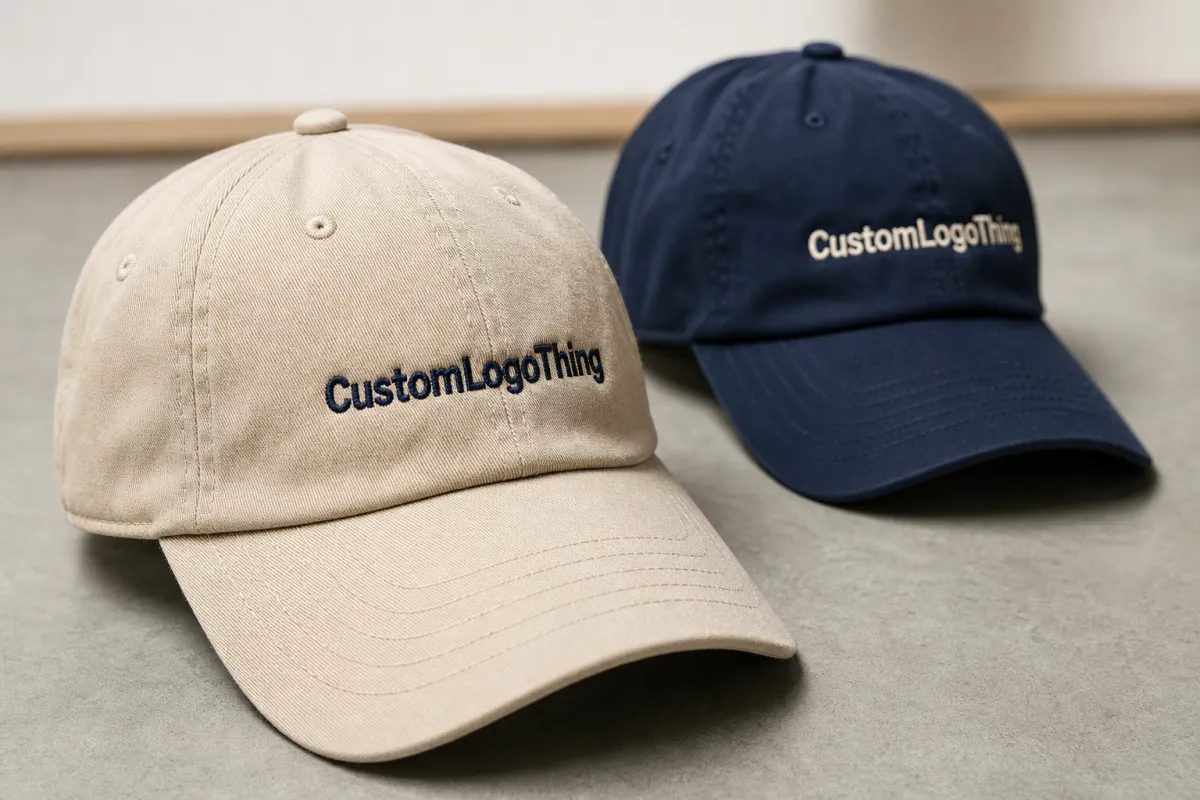
Dad hats for ecommerce stores work because they are easy to understand at a glance. Why does that matter so much? Because shoppers usually decide in seconds whether a cap feels wearable enough to add to cart. The shape is relaxed, the crown sits lower, and the overall look feels familiar instead of overly styled. A soft front panel and a curved bill do a lot of the selling before the logo even registers.
It sells fast.
Most buyers are looking at a low-profile, six-panel cap with a pre-curved brim and an adjustable closure. Strapbacks, slide buckles, and metal clasps all fall into the category, but they do not perform the same way. Fabric straps usually feel more casual and broken-in, while metal hardware gives the back a cleaner finish and can help the cap read a little more premium. Slide buckles sit between the two and are often a safe default for general ecommerce lines.
The category also gives brands room to stay restrained. A small front mark, a woven patch, or a clean wordmark often looks stronger on a dad hat than a crowded graphic does. That flexibility is one reason the style keeps showing up in launch plans, especially for brands that want to test the market without committing to a complicated assortment right away.
There is another practical reason sellers keep returning to this silhouette: the product is forgiving in photos. A low crown tends to sit naturally on more head shapes, and that makes product images feel less staged. If the cap looks easy to wear on the model, the buyer is less likely to worry that it will feel odd once it arrives.
How the construction affects fit, feel, and conversion
Construction details change the shopping experience more than many first-time buyers expect. Crown height affects the profile from the front. Panel count changes how the cap holds its shape. Brim curvature changes whether the hat reads casual, sporty, or a little more polished. A six-panel dad hat with a soft front panel is usually the most universal choice, but small differences in depth and stiffness can decide whether the cap feels effortless or awkward.
Fabric choice matters just as much. Cotton twill remains the standard because it is predictable in production, takes embroidery cleanly, and usually keeps its shape well during shipping and wear. Brushed cotton feels softer out of the box. Pigment-dyed fabric gives a slightly faded, broken-in look. Washed cotton goes further and can create a vintage finish that helps casual brands look lived-in rather than newly manufactured.
Those finishes are useful, but they come with tradeoffs. A softer wash can vary a little from batch to batch. Pigment dye can produce shade shifts that are small but visible when reordering. That is not a defect by itself, yet it is the kind of thing that needs to be checked against the original sample instead of against a digital mockup. Fabric that looks rich on screen can look flatter in person, while a sample that feels a little quiet can photograph better once the embroidery is added.
From a conversion standpoint, the best hat is usually the one that balances structure and comfort. A firmer front panel helps a logo read clearly in product photos, especially if the lettering is small. A softer crown, though, often improves wearability and lowers the chance that a customer thinks the cap looks too stiff when it arrives. For dad hats for ecommerce stores, that balance is often the difference between a product that gets admired and one that gets worn.
When reviewing samples, look at the hat from three angles: straight on, three-quarter view, and on-head. Straight-on shows logo scale. Three-quarter shows how the crown and bill work together. On-head tells you whether the fit feels natural or forced. Flat lay photos rarely reveal the problems that show up later in returns.
Cost, pricing, and MOQ planning
Pricing a custom cap starts with the full build, not the logo alone. Fabric, panel construction, closure type, decoration method, stitch count, labels, packaging, and any special finishing all shape the final number. A simple cotton twill dad hat with flat embroidery can be very affordable at scale, while a washed cap with a woven patch, inner label, hangtag, and retail-ready packaging moves into a different cost band quickly.
For ecommerce buyers, MOQs matter because they control risk. A lower minimum lets you test colorways, logo size, and customer response before tying up too much inventory. The tradeoff is predictable: smaller quantities usually carry a higher unit cost because setup work, digitizing, and prep are spread across fewer hats. A run of 100 to 300 pieces can make sense for a first release, while 500 to 1,000 pieces often improves landed cost enough to support better margin. At 2,000 units or more, the per-piece price usually falls again, but only if the style is worth carrying that much inventory.
Buyers often compare only the base cap price and miss the real number. Landed cost should include decoration, freight, customs handling if applicable, cartons, and any prep labor needed for fulfillment. If the product will be packed one by one for ecommerce, polybags, size stickers, hangtags, and carton strength all affect the total. Those details are not cosmetic; they change damage rates, warehouse time, and the condition the customer sees when the package is opened.
Typical pricing ranges vary by material and decoration, but a useful planning range for a standard custom dad hat is often somewhere around $3.50 to $7.50 per unit at moderate quantities before freight, with simpler runs landing lower and more detailed builds moving higher. Sample costs can range from a modest setup fee to a full sample charge, especially if a new patch die, label, or thread match is required. It is better to budget a little extra for sampling than to underfund the stage that exposes problems.
| Option | Typical use | Added cost at 500 pcs | Strengths | Watch-outs |
|---|---|---|---|---|
| Flat embroidery | Clean logo caps, simple wordmarks | $0.80-$1.50 | Sharp in photos, familiar, low risk | Fine detail can fill in on small text |
| Woven patch | Textured premium look | $1.10-$2.20 | Good for detail, strong brand presence | Patch size must suit the front panel |
| Leather or PU patch | Outdoor, heritage, workwear cues | $1.25-$2.50 | Distinct texture, fast visual impact | Can read too heavy for minimalist brands |
| Embroidered patch | Sporty or layered branding | $1.35-$2.75 | Premium feel, good depth | More labor and longer production time |
The table is not a quote sheet, but it helps buyers ask better questions. Two suppliers can both say “custom dad hat” and still be including very different things. One may price only the cap body and front decoration. Another may include a back closure upgrade, an interior label, and packing labor. Comparing those quotes without a side-by-side scope is how margins disappear before the product even lands.
Production process, lead time, and turnaround
A clean production schedule starts with specification, not artwork. First define the cap body, color, closure, and logo placement. Then review the stitch count, patch construction if one is used, and any label or packaging details. After that comes sampling, approval, bulk production, quality checks, packing, and shipment. If one step is rushed, the delay usually shows up later as rework.
Lead time depends on complexity. A straightforward embroidery order usually moves faster than patch work, special washing, color matching across several SKUs, or a cap that needs custom inner labeling and retail-ready packing. A simple run may finish in a few weeks of production, while a more detailed order can stretch to five or six weeks before freight. Transit adds its own clock. Domestic shipping can be quick, while international moves can take longer if the shipment needs customs clearance or extra consolidation before it reaches the warehouse.
Is the fastest option always the best one? Not usually. Speed helps when you are trying to hit a launch date, but an aggressive timeline can hide issues that would be obvious in a more careful sample review. That is why experienced buyers build a small cushion into the schedule and use it for approvals, corrections, and the unexpected delays that tend to appear just when a project feels finished.
Production updates should be specific. Ask for sample photos, color confirmations, and trim checks before bulk work is locked in. Ask again if the first answer is vague. A good supplier will tell you where the order stands and what could still move the delivery date. That kind of clarity is worth more than a promise that sounds fast but leaves room for surprises.
Key factors that determine which style sells best
Style choice should follow the customer, not the supplier’s favorite template. A streetwear brand may want deeper crowns, sharper embroidery, and bolder graphics. A lifestyle label might do better with washed fabric, smaller marks, and a quieter back closure. Workwear and outdoor brands often lean toward sturdier materials and earthier colors because those details reinforce the rest of the product line.
Color is powerful, but it can also be a trap. Black, navy, and khaki are safe because they work across many wardrobes and photograph reliably. Muted greens, washed grays, and faded brown tones can add character, yet they can also narrow the audience if they drift too far from the core brand palette. If the cap is meant to be an everyday staple, the shade should feel versatile first and distinctive second.
Decoration placement changes perception in subtle ways. Centered front embroidery looks classic. A small left-front mark can feel more fashion-driven. Side or back branding can add personality without overwhelming the front panel. The right choice depends on the role the cap is supposed to play in the catalog. Should it be the hero item, or the easy add-on?
Fit testing matters too. A cap that looks right on a product page can still disappoint if the opening is too tight, the crown too shallow, or the buckle difficult to adjust. That is why a good launch plan includes a real wear test, not just a visual check. People remember how a hat feels after a long day, and returns often start there.
Common mistakes that cut margins or raise returns
One common mistake is approving art too early. A logo can look balanced in a digital mockup and still fail once it is translated into stitches or a patch. Small type can close up, thin lines can disappear, and oversized marks can make the front panel feel crowded. Always compare the physical sample to the original intent, not to the rendering that made the design look good in a browser.
Another mistake is buying on price alone. A cheaper quote can hide weaker fabric, inconsistent stitching, or a closure that fails after a few uses. It can also leave out packaging labor, labeling, or inspection time. The result is a unit cost that looks strong on paper but performs poorly once the order is packed and shipped.
Sampling shortcuts cause trouble, too. One approved photo is not enough when you are ordering multiple colorways or using special finishing. Ask for the cap in hand, under natural light if possible, and on a real head if you can. Does the color still feel right? Does the crown sit the way the brand promised? Those are the questions that prevent avoidable returns.
Finally, many buyers underestimate replenishment. The first order might move quickly, but the reorder will expose every missed detail in the spec. If the thread code, patch size, and packaging standard were not documented clearly, the next batch may drift from the first. That drift is expensive because it creates confusion at the exact moment the product should be scaling.
Expert next steps for sampling, launch, and reorders
Start with one clear sample brief. Define the body, closure, fabric, decoration, and packaging before requesting a quote. Include the target order size and the intended selling channel so the supplier can recommend the right build. The more exact the brief, the less time you spend fixing preventable mistakes later.
Then compare samples side by side. Put them on a model, photograph them from multiple angles, and note how each one behaves in motion. One may have the better logo placement. Another may feel better on the head. The best choice is not always the most polished sample; it is the one that matches the brand promise and the customer’s day-to-day use.
When the launch is live, keep a close eye on feedback. Returns, reviews, and customer photos will tell you more than a spec sheet ever could. If buyers keep mentioning fit, adjust the crown depth or closure style next time. If they praise the look but mention stiffness, soften the construction on the next run. Small changes can lift conversion without forcing a full redesign.
Reorders should be treated like a new decision, not a copy-paste exercise. Reconfirm materials, thread colors, patch sizes, and packaging before production begins. That habit protects consistency and keeps the product line feeling stable as the brand grows.
FAQ
What is a dad hat? It is usually a low-profile, unstructured or lightly structured cap with a curved brim and an adjustable back closure. The look is casual, familiar, and easy to wear across a wide range of outfits.
Are dad hats good for ecommerce? Yes, because they are simple to explain, easy to photograph, and flexible enough for clean branding or small-batch testing. They also tend to work well as an entry product or a repeat-order staple.
What decoration works best? Flat embroidery is the safest starting point for many brands, while woven or embroidered patches can add more texture and perceived value. The right choice depends on the logo, the audience, and the price point.
How should I judge quality? Check the stitch consistency, panel symmetry, closure quality, color accuracy, and the way the cap sits on a real head. A good sample should look solid, feel comfortable, and match the brand’s intended level of polish.

