dad hats for subscription brands work for a simple reason: they are easy to ship, hard to size wrong, and still feel like a real perk when the box lands. A cap does not need exchange handling or a sizing chart. It adds visible value without the freight pain of a hoodie or the fragility of a glass insert. In practice, a starter run for a subscription insert is often 300-1,000 units, with simple decorated versions at 500 MOQ frequently quoted around $2.50-4.00 per unit before freight, labeling, and kitting.
Why dad hats for subscription brands feel like a premium insert
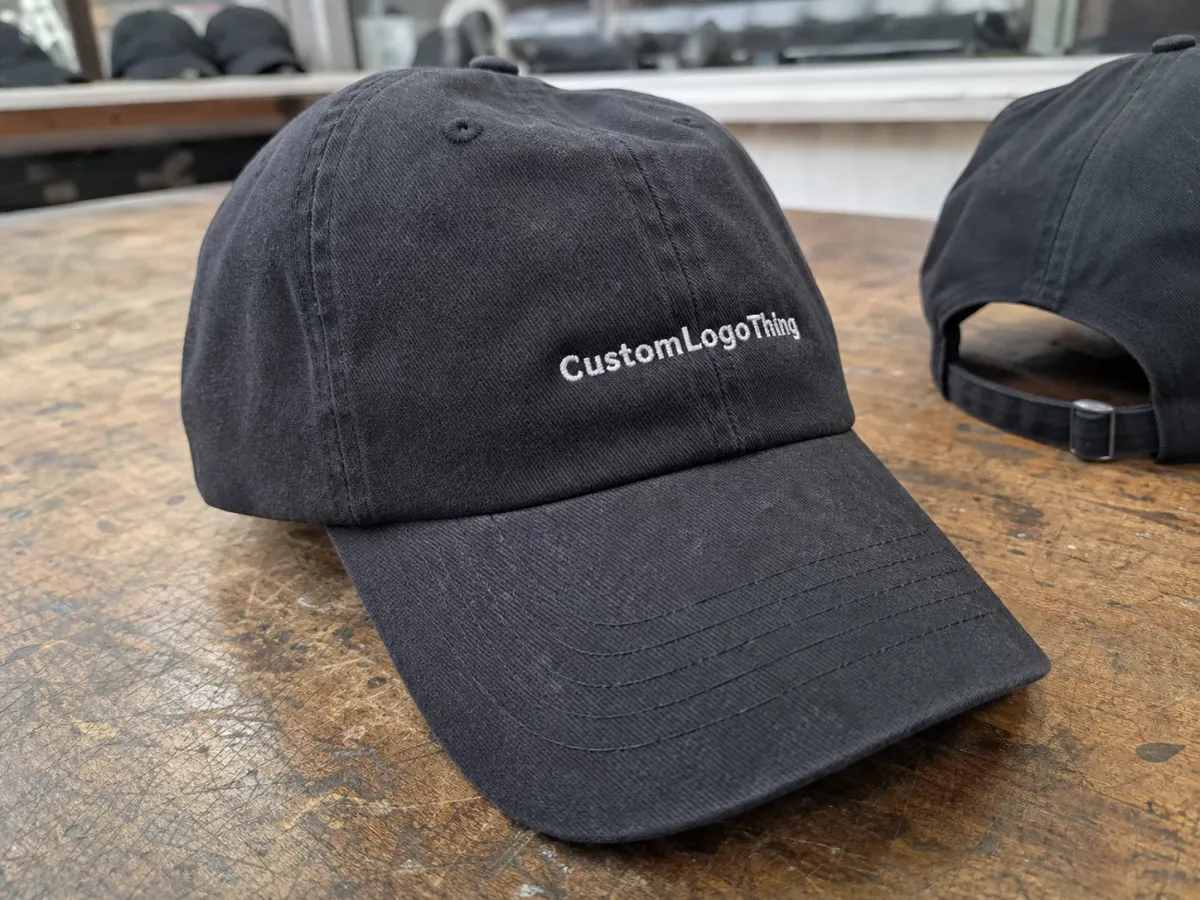
There is a practical reason dad hats for subscription brands keep turning up in retention boxes, loyalty gifts, and seasonal drops: they are forgiving. The low-profile crown, curved brim, and adjustable back closure make the fit simple for almost everyone. That sounds basic, but basic is useful. A merch item that is easy to size, easy to pack, and easy to reorder causes fewer problems than something more ambitious that keeps creating exceptions.
The bigger win shows up after the shipment goes out. Most subscribers will toss a paper insert or forget a sticker, but a hat usually stays in rotation. School runs, yard work, errands, travel, warehouse shifts, weekend markets - a practical cap gets repeated use in places where the brand would not normally have a presence. That kind of exposure is hard to buy anywhere else, and it is part of why a good hat often outperforms flashier gifts.
There is also a positioning benefit. A dad hat sits in the middle of the market, which is exactly where many subscription brands want to be. It feels casual without looking cheap, and it only reads as promotional when the decoration or structure is off. If the embroidery is clean and the cap holds its shape, the piece feels deliberate. That matters because most subscription teams are not chasing collectibles for their own sake. They want something people keep without turning the ops team into a fire drill.
How a hat program fits into a subscription box workflow
A cap can play a few different roles inside a subscription program. It might be a welcome gift for new members, a milestone reward after a certain number of renewals, a seasonal insert tied to a campaign, or a win-back offer for lapsed subscribers. Each use case changes the quantity plan, the timing, and the risk. A welcome-box hat needs broad appeal. A loyalty gift can lean more premium. A campaign piece can be louder, as long as it still ships cleanly.
Fulfillment stays simple only when the box layout is solved early. The cap has to fit the carton without crushing the crown, stealing space from the hero product, or forcing a mailer change that was never in the budget. If the box already includes a sample, printed card, foil pouch, or fragile item, those pieces should be planned together instead of added one at a time. The hat is rarely the only issue. The real problem is how it behaves alongside everything else.
One-size adjustable styles reduce exchange risk, but fit still needs a real check. A crown can sit too shallow and look awkwardly high. A sweatband can feel stiff against the forehead. A metal slider can pinch if the strap is stitched too tightly. Small things decide whether the cap stays in rotation or ends up in a drawer after one wear. That is why a sample should be worn by actual people, not just held up in a meeting.
Replenishment planning matters just as much as the first order. A subscription calendar can absorb only so much delay before kitting starts slipping. Keep a buffer for sample fallout, freight hiccups, and last-minute allocation changes. Once the cap becomes the bottleneck, the merch idea starts dictating the operations schedule, which usually means the plan was upside down to begin with.
Materials and build specs that change the result
Spec decisions affect the final impression more than most teams expect. A basic six-panel cotton twill dad hat is still the safest starting point, but that description hides a lot of variation. Fabric weight, crown depth, brim stiffness, closure type, and interior finishing all change comfort, durability, and cost. If a supplier cannot explain those differences clearly, the quote is probably leaning on assumptions.
For subscription use, the usual body fabrics are brushed cotton twill, garment-washed cotton, and washed chino cotton. Brushed twill in the 240-280 gsm range tends to hold structure better and photograph cleanly. Garment-washed cotton gives a softer hand and a more relaxed look, which fits lifestyle and wellness brands well. Chino cotton usually lands in the middle. If sustainability is part of the brief, ask for GOTS-certified organic cotton twill or GRS-certified recycled polyester components where they make sense, and request OEKO-TEX Standard 100 documentation for chemical safety on fabric, thread, and sweatband materials.
Construction details are worth spelling out line by line. A six-panel unstructured crown, pre-curved brim, matching topstitch with 6-8 rows on the visor, sewn eyelets, and a self-fabric strap with a metal tri-glide or antique brass buckle are standard premium cues. Inside, a cotton or poly-cotton sweatband should feel soft against the forehead, and light buckram or no buckram usually works better for the relaxed dad-hat profile than heavy reinforcement. If the sample uses fused interfacing, ask where it sits so the front panel does not feel overly stiff.
Decoration changes the physical feel of the cap too. Flat embroidery is clean and light. It is usually produced on cap frames with 6-head or 12-head computerized embroidery machines, and front logos often stay in the 6,000-10,000 stitch range so the panel does not turn board-stiff. Puff embroidery raises the thread off the fabric, but it adds cost and can make the front panel feel firmer. Woven patches are a good middle ground when the artwork needs more detail. Leatherette or genuine leather patches push the piece toward a stronger premium signal, though they are not the best fit for every brand category. Heat-transfer graphics are usually the least durable option and make more sense for short-run event merch than for a subscription insert meant to stay in use.
Quality-control checks should focus on the parts that are easy to miss in photos. Look at panel symmetry, logo centering, stitch density, brim curve consistency, strap alignment, and whether the inside seam tape is neat enough to sit comfortably against the skin. Ask for a pull test on the strap hardware, a visual check for thread breaks and skipped stitches, and a color check against Pantone references under standard light. It is also worth checking odor, because certain finishes and dyes can leave a factory smell that lingers in sealed cartons. That is a small detail, and it is the kind customers notice fast.
Cost, pricing, MOQ, and quote factors to compare
Unit cost is driven less by the word custom than by the details behind it. Decoration method, panel count, fabric quality, stitch density, patch construction, inside labeling, and bagging all move the number. A plain embroidered cap can land in the low single digits at volume, while a more finished version with patchwork, specialty fabric, and custom packaging can climb quickly. The real comparison is not just sticker price. It is how much of the quote is tied to the product itself versus the finishing work that makes it usable in a subscription box.
MOQ is where a lot of teams overcommit. A supplier may offer a 300-unit or 500-unit minimum for stock body styles, while a fully custom cut-and-sew build can push the requirement much higher. If the brand is testing demand, start with the smallest volume that still gives a real production sample and enough inventory for the fulfillment window. Overshooting the first order is expensive because hat inventory does not move as quickly as digital merch mockups make it look.
Shipping and kitting often get underestimated. Hats take volume, not just weight. A carton of caps can become a freight problem long before it becomes a production problem. Ask for dimensional weight, carton counts, and the per-box packing method before approving the order. If the hats will be kitted with other items, confirm whether the supplier is packing polybags, tissue, or nested inserts. Those choices affect labor, carton size, and damage rates.
When comparing quotes, ask for the boring stuff in writing: sample fee, mold or setup fee, embroidery digitizing, patch tooling, labeling, carton marks, and replacement policy for defects. A quote that looks cheaper on paper can turn expensive after those items appear. The cleanest way to compare vendors is to normalize the quote to the same fabric weight, same decoration type, same packaging, and same delivery destination. Anything else is a guessing game.
Production timeline, approvals, and turnaround checkpoints
A realistic timeline usually starts with artwork approval and sample development, then moves through corrections, bulk production, inspection, and freight booking. For a simple embroidered cap, sample development may take one to two weeks, bulk production another two to four weeks, and freight varies by route and season. Custom materials, special closures, or patch work can stretch that schedule. If a supplier promises a fast turnaround without showing where the time goes, that is a warning sign.
Approvals should happen at the right moments, not just at the end. A pre-production sample is the best place to catch logo sizing, brim curve, crown depth, and color mismatch. Photographs are useful, but a physical sample is better because the hand feel and structure matter just as much as the art. Once bulk production starts, changes become slower and more expensive, so it pays to be a little annoying early.
Late-stage surprises usually come from the same places: thread color drift, patch placement errors, unapproved substitutions, and carton labeling mistakes. Build in a hard sign-off step before production runs. If the program launches across multiple subscription SKUs, lock the order matrix early so one good-looking sample does not create a pile of mismatched inventory. That kind of mismatch is the sort of problem that sounds small right up until the warehouse has to fix it.
Design choices that change perceived value and repeat wear
The strongest hats usually do less, not more. A single clean logo, a disciplined color palette, and a material that looks good after a few months of wear can carry more value than a cap covered in references. Subscription audiences tend to notice restraint when it is done well. They also notice when a design tries too hard.
Color choice matters because it changes how often the hat gets worn. Black, navy, charcoal, stone, and faded olive are easy to integrate into everyday clothes. Bright colors can work for launches or special campaigns, but they are less forgiving in regular use. If the brand wants the hat to travel beyond the initial unboxing moment, the safest move is usually a neutral base with a small, well-placed accent.
Artwork scale should match the cap shape. A logo that is too large can flatten the front panel and make the hat feel loud in a bad way. A logo that is too small disappears from a normal distance. The sweet spot is usually a mark that reads clearly at a glance, then rewards a second look with clean stitching or a smart patch finish. That balance is what makes the piece feel worth keeping.
Packaging can lift the perceived value, but only when it stays simple. A belly band, a short printed card, or a well-sized polybag with a size note is usually enough. Fancy packaging that adds friction can work against the whole point of a practical cap. For subscription programs, convenience is part of the premium.
Step-by-step sourcing guide for a capped merch drop
Start with the use case, not the artwork. Decide whether the hat is a welcome gift, loyalty reward, seasonal insert, or retail-style merch item. That choice determines the volume, the expected wear life, and how much packaging effort is worth paying for. Once the role is clear, the product decisions get easier.
Next, lock the spec sheet. Choose the crown style, brim curve, fabric, closure, interior finish, and decoration method before requesting quotes. Suppliers can only compare apples to apples if the spec is fixed. If possible, request one or two samples from different vendors and wear them for a full day. What feels fine in a photo sometimes feels wrong on the head.
Then compare production terms, not just unit price. Look at sample timing, bulk lead time, freight method, defect handling, and replacement policy. Ask how the supplier handles artwork revisions and whether digitizing is included. A lower quote is not useful if the process turns into a chain of small charges and delays.
Finally, plan the launch around fulfillment reality. Confirm carton dimensions, packing method, and the exact ship date before announcing the drop or tying the cap to a renewal offer. The more the merch launch depends on a clean operational handoff, the less room there is for vague promises. That is usually where the whole project either stays tidy or becomes expensive.
Common mistakes that inflate cost or reduce retention
One common mistake is buying a hat that looks good in a render but wears badly in real life. Too much structure, stiff materials, or awkward crown depth can make an otherwise nice-looking piece sit unused. Another is over-decorating the front panel until the cap becomes a billboard. The more it feels like an ad, the less likely people are to keep reaching for it.
Teams also run into trouble when they skip the sample phase or approve a sample from a desk instead of on an actual head. The difference sounds minor until the warehouse opens the boxes. Fit, balance, and feel are hard to judge from a screen. A cap can be technically correct and still feel off.
Supply chain mistakes are just as common. Some brands lock in a design before checking whether the closure, patch, or thread color is actually available in the needed window. Others underestimate freight and end up paying more to move the boxes than they expected to spend on the hats themselves. A clean first order is usually the result of patient specification work, not luck.
Finally, some programs treat the cap as a one-off gift instead of a repeatable asset. If the hat lands well, it can be refreshed in new colorways or reserved for certain lifecycle moments. If it fails, the lesson is still useful. Either way, the point is to build something that earns its place in the box.
Expert next steps for launching the first order
Before placing a first order, narrow the decision to three things: who is wearing the hat, where it ships, and how long it needs to stay in circulation. That will tell you whether a simple embroidered dad hat is enough or whether the project needs patch work, premium fabric, or a stronger packaging setup. Once those answers are clear, the rest of the spec tends to fall into place.
Ask for a physical sample, not just a mockup, and test it in normal conditions. Wear it for a full day. Put it in a box with the other subscription items. Check what gets crushed, what shifts, and what feels annoying. Those are the details that shape whether the hat becomes a favorite or just another thing in the carton.
When the sample is approved, place the order with enough buffer for freight and a second production check. If the drop is tied to a renewal push or seasonal campaign, give the warehouse a little extra room. Tight timelines make every small issue louder, and merch work always has at least one small issue.
FAQs
What makes dad hats for subscription brands different from standard promo caps?
They usually aim for better wearability and less obvious branding. The point is to make something people actually keep on their head instead of tossing in a drawer.
Are embroidered hats better than patch hats?
Not always. Embroidery feels cleaner and lighter, while patches can handle more detail and create a stronger premium signal. The right choice depends on the artwork and the look the brand wants.
What is a realistic first-order MOQ?
For many supplier setups, 300-1,000 units is a workable starting range. Fully custom builds may require more, while stock-body runs can sometimes go lower.
How long does production usually take?
Simple programs can move in a few weeks after sample approval, but custom materials, decoration changes, and freight can push that longer. It is safer to plan with cushion than to count on a fast turn every time.
What should be checked on the sample?
Fit, crown depth, brim shape, stitch quality, logo placement, and how the inside feels on the forehead. If any of those are off, the bulk run will probably feel off too.