What a dad hats sample approval checklist catches before bulk production
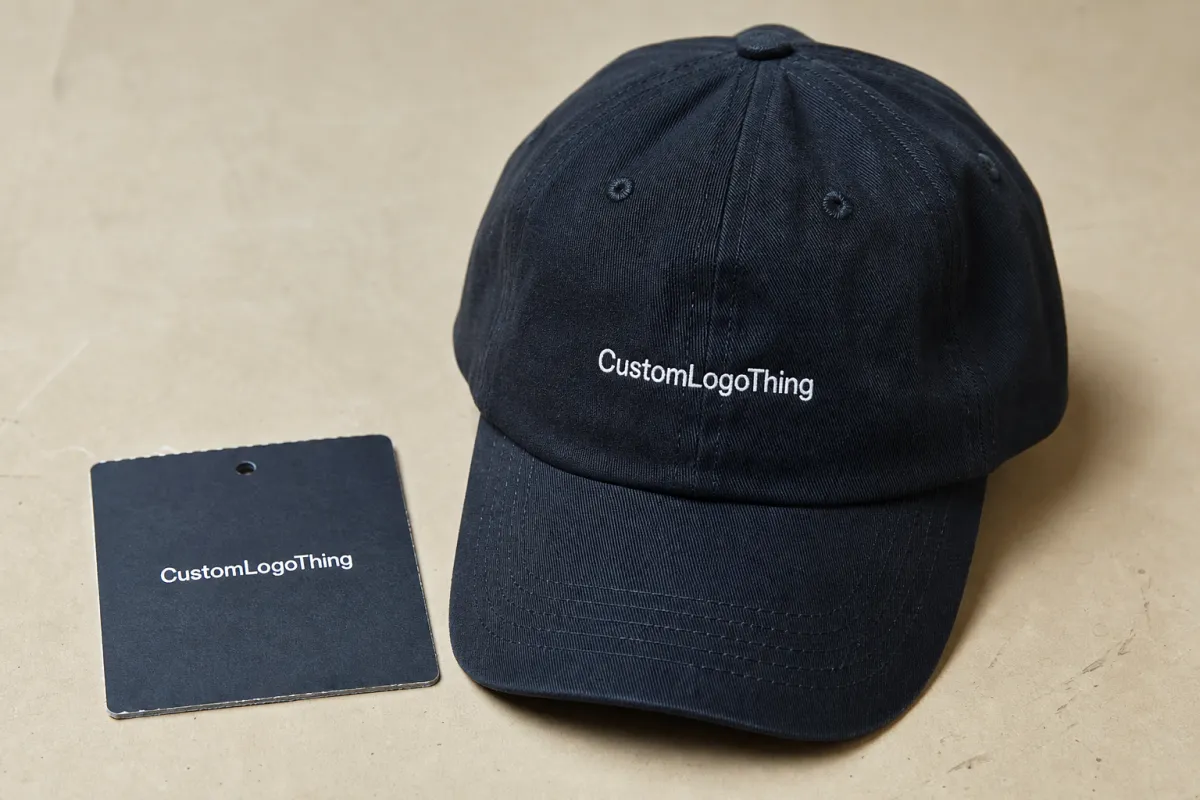
A hat sample can look fine in photos and still fail in hand. The crown may sit too tall, the brim may curve too sharply, or the closure may feel flimsy enough to hurt the product. That is the practical value of a dad hats Sample Approval Checklist: it exposes problems before they become a full production mistake.
Dad hats are especially unforgiving because the style is simple. There is less structure to hide uneven stitching, and the soft front panel makes symmetry issues easy to see. A small shift in embroidery placement can look minor on paper but obvious once the cap is worn.
A useful checklist should cover fit, build quality, decoration, packaging, and any compliance requirements tied to the order. It helps buyers separate cosmetic preferences from critical defects. That distinction matters because one is negotiable and the other can stop a bad run.
- Fit: crown depth, opening width, and closure range.
- Construction: panel symmetry, seam finish, sweatband comfort, and brim shape.
- Decoration: placement, edge quality, thread tension, and logo clarity.
- Packaging: polybag, hangtag, carton marks, and barcode placement.
- Compliance: labeling, material claims, and pack-out requirements.
The cost of a bad approval usually shows up later in returns, markdowns, or inventory that photographs well but wears badly. That gap between “looks approved” and “should have been rejected” is where margin disappears.
How the approval process and timeline usually work
The process usually starts with a tech pack, reference image, or physical sample. The supplier makes the first version, the buyer reviews it, revisions are requested if needed, and final sign-off happens once the sample matches the agreed standard. Simple on paper, slower when artwork is unclear or feedback keeps changing.
For a basic custom dad hat, sample development often takes 5 to 10 business days. Add custom patches, washed fabric, specialty dyeing, or a less common closure, and 10 to 15 business days is more realistic. Bulk production normally takes another 15 to 30 business days after approval, depending on order size, trim availability, and how locked the spec is.
Delays usually come from the same places: missing Pantone references, embroidery files that are not ready, or feedback that keeps moving. If the buyer approves the crown and then asks for a different brim curve, that is not a minor edit. It is a new sample.
- Submit the spec: artwork, measurements, closure type, fabric choice, and reference photos.
- Review the first sample: check shape, comfort, logo placement, and finish in daylight or under 5000K lighting.
- Request only necessary changes: keep notes specific and avoid rewriting the brief.
- Approve or reject: if fit, brand accuracy, or resale quality is off, do not approve just to save time.
A hat can have accurate branding and still be the wrong product. If the silhouette is off, the logo cannot fix it.
For shipping and pack-out checks, standards from groups like ISTA are useful because they push teams to think beyond the sample itself. A cap that survives inspection on a desk may still arrive crushed if the carton spec is weak.
Cost, pricing, MOQ, and quote details buyers should verify
Sample pricing is only one line in the budget. Buyers also pay for the sample itself, decoration setup, shipping, revision work, and sometimes a pre-production fee if the item uses custom tooling. A basic sample may run $35 to $90. With a patch, custom wash, or specialty hardware, $80 to $160 is not unusual.
MOQ changes unit pricing more than many first-time buyers expect. A run of 50 to 100 pieces usually carries a higher per-unit cost because setup is spread across fewer hats. At 300 to 500 pieces, the unit price often drops. For more customized builds, a common range is about $2.25 to $6.50 per hat, depending on fabric, closure, decoration, and packaging.
Quotes can be misleading when they are too short. Thread-color changes, woven labels, patch backing upgrades, branded tissue, and special packing instructions often appear late if the quote is vague. Buyers should confirm what is included in the sample and what only applies in bulk. If the vendor says “included” but never writes it down, treat that as a draft, not a commitment.
| Quote item | Typical range | What to verify | Common trap |
|---|---|---|---|
| Sample fee | $35-$90 | Which construction and decoration steps are included | Base sample is cheap, but every adjustment costs extra |
| Setup / digitizing | $25-$75 | Embroidery file, patch mold, or print setup ownership | Charged again on reorder |
| Revision sample | $20-$60 | How many revisions are included before bulk | Buyer assumes unlimited changes |
| Bulk unit price | $2.25-$6.50 | MOQ, decoration method, and pack-out details | Quote excludes packaging or label labor |
| Shipping / pack-out | Varies by lane | Carton count, destination, and chargeable weight | Freight arrives as an unpleasant surprise |
Spending a little more on the sample stage is usually cheaper than correcting a full run. One extra revision can save hundreds of hats from being close enough to sell, but not good enough to keep.
If the hats use FSC-certified paper inserts or hangtags, verify the claim against the actual source. The wording should match documentation, not just a line in the quote. FSC is useful because it gives buyers a real reference point instead of a green-sounding claim with no proof behind it.
Key build details that decide whether the sample passes
The shape does most of the work on a dad hat. Crown height, panel structure, brim curve, and closure choice change the silhouette immediately. A true dad hat should sit low and relaxed, not stiff and boxy. If the crown climbs too high, the cap starts reading like a different style entirely.
Fit should be checked on a head, not only on a table. Measure the opening, then wear it for a few minutes. Does the front panel collapse in a flattering way, or does it buckle? Does the brim curve naturally, or does it fight the face? Those small questions have real commercial consequences.
Closure hardware deserves more attention than it usually gets. A strapback with a metal buckle feels more retail-ready than a thin plastic closure, but it adds cost and sometimes weight. Snap adjusters are quick and inexpensive, though they often feel less premium. A fabric strap with a tidy tuck is often the most balanced option for casual headwear.
- Crown shape: low profile, often around 3.5 to 4.25 inches in front height.
- Brim curve: even arc with no sharp kink near the edge.
- Panel symmetry: left and right sides should match closely.
- Embroidery: clean edges, no thread haze, and no puckering around dense areas.
- Material: cotton twill, pigment-dyed cotton, or washed canvas should feel even rather than blotchy.
Decoration is where soft panels reveal weak execution fastest. Dense embroidery can pull the front panel out of shape. A patch can sit flat and still look awkward if the border is too wide or the placement is off by a few millimeters. Check the sample from arm’s length and up close. Both views catch different problems.
Color consistency also needs scrutiny. Washed black, pigment-dyed olive, and vintage navy all have some natural variation. That is expected. What is not acceptable is one panel reading charcoal and the next leaning green. That is a material issue, not a style choice.
Production steps for reviewing each sample line by line
Use the same review order every time. A repeatable process catches more mistakes than a room full of opinions. Start with unpacking, then move to measurement, decoration, closure, inside construction, and packaging. When the sequence stays fixed, defects are easier to compare across styles and vendors.
- Unpack carefully: check whether the sample arrived crushed, creased, or contaminated in transit.
- Measure key specs: crown height, brim length, opening width, and patch or embroidery placement.
- Inspect the logo: confirm scale, thread density, distortion, and color against the approved art.
- Test the closure: buckle, strap, or snap should adjust smoothly and sit flat at the back.
- Bend the brim: it should hold a clean curve without wrinkling or separating at the edge.
- Check inside construction: sweatband, seam finish, label attachment, and exposed thread tails.
- Review packaging: polybag size, hangtag, barcode, and carton marks should match the order file.
A simple pass/fail grid keeps the review honest. It stops “looks pretty good” from becoming the final decision. Every critical spec should be marked clearly, with notes attached. If the brim is 8 mm wider than agreed, write that down. If the logo sits 4 mm high, write that down too.
Photos help, but measurements matter more. Use the same lighting for every image if possible, and capture the defect from more than one angle. Clear wording shortens revision time because it gives the factory something measurable to fix.
Packaging and labeling should be checked before approval is signed. A wrong barcode, weak polybag, or missing carton mark can turn a clean sample into a messy shipment. If the order needs special pack-out rules, put them in the approval file. Otherwise the factory will usually follow the easiest available interpretation.
Approve only after every critical spec matches the agreed sample standard. Preference can be negotiated; fit, brand accuracy, and retail presentation should not be.
Common mistakes that create expensive rework
The biggest mistake is approving from images instead of the physical sample. Screens hide fit issues, color drift, and subtle crown problems. A polished render can make almost any cap look acceptable. Fabric, stitching, and hardware are less generous.
Another common error is confusing a sales sample with a production sample. Those are not the same promise. Sales samples are often cleaned up to win the order. Production samples should reflect what the bulk run will actually look and feel like.
- Too many reviewers: one person likes the curve, another wants a deeper crown, and the revision becomes a moving target.
- No wear test: the logo is right, but the hat sits awkwardly and customers notice.
- No final reference: the approved sample is never photographed or archived, so the reorder starts from memory.
- Ignoring hardware quality: a weak buckle or rough snap can ruin the feel of the cap.
- Skipping the inside: raw seams and loose threads do not always show in photos, but they show in returns.
Soft-front construction also gets underestimated. If the crown collapses too much, the hat reads tired. If it stays too stiff, it stops feeling like a dad hat. That balance is subtle, and it affects how the product wears, not just how it photographs.
The fix is simple: use one decision-maker, keep notes tight, and store the final approved sample where the team can actually find it later. A file folder named “final final approved v7” is not a system.
Expert next steps after approval so the order stays clean
Once the sample is approved, build a final approval pack. Include photos from multiple angles, measurements, color references, packaging details, and a dated note that names exactly what was approved. That pack becomes the reference for bulk production and later reorders.
Assign one decision-maker for the next round. Not a committee. One person. Multiple reviewers can still give input, but one person should own the final call so production does not stall while everyone tries to be helpful.
Lock the must-match specs first. Crown height, brim curve, closure type, logo placement, and fabric quality should be fixed. Minor variation can be tolerated in non-critical details such as hangtag layout or carton artwork. If the vendor changes fabric, hardware, or decoration method later, require a new sample review.
If the order includes packaging changes or sustainability claims, keep the documentation honest. A paper hangtag may contain recycled content, but that does not automatically make it certified. If the claim matters to the buyer, ask for proof up front and match it to the spec sheet.
Use the same dad hats Sample Approval Checklist on every new style and every reorder. It keeps the buyer focused on fit, finish, pricing, and timeline before small mistakes become expensive inventory.
What should be on a dad hats sample approval checklist?
Fit specs, crown shape, brim curve, closure type, logo placement, stitch quality, color, and packaging should all be listed. The strongest checklists also mark each item as critical pass/fail or minor preference so the team does not waste time arguing over details that do not affect resale quality.
How many sample rounds are normal for custom dad hats?
One to two rounds is common when the artwork and construction are straightforward. If the sample keeps changing after that, the problem is usually an unclear spec rather than bad luck. More rounds can work, but they cost time and often mean someone skipped a decision early.
What usually causes a dad hat sample to fail approval?
Bad fit, crooked embroidery, the wrong brim curve, off-color fabric, and weak hardware are the usual offenders. Photos can hide all of those. A physical review catches the issues that customers feel before they can explain them.
Should I approve a sample if the logo is right but the fit is off?
No. If the hat wears badly, customers notice the fit before they notice the logo. Fix the crown, brim, or closure first. Decoration cannot rescue a poor silhouette, and approving it anyway just locks the problem into bulk production.
How does the checklist help with turnaround and reorders?
It cuts back-and-forth by giving the factory clear pass/fail criteria the first time. It also creates a reference file for reorders, so the next production run matches the approved sample instead of drifting. That is the point of a strong dad hats Sample Approval Checklist: fewer surprises, fewer revisions, and fewer expensive regrets.

