If you are comparing a Damask Woven Labels Factory supplier, you are not just buying a tag. You are buying a small, technical piece of branding that has to survive abrasion, washing, folding, and close inspection from a customer who may never consciously notice it unless it looks wrong.
That tiny strip of fabric does a lot of work. It has to read clearly at a small size, feel acceptable against skin, fit the garment construction, and still make the product look finished rather than improvised. In practice, the label often outlasts the shopper’s first impression of the hangtag, the packaging, and sometimes even the garment trend cycle.
Buyers who understand labels tend to make better sourcing decisions because the differences are not cosmetic in the casual sense. Thread count, weave density, fold type, edge finish, and material choice can change perceived quality fast. The wrong combination can make a premium garment look basic; the right one can lift a mid-priced product without changing the cut or fabric at all.
Why damask woven labels look premium even at tiny sizes
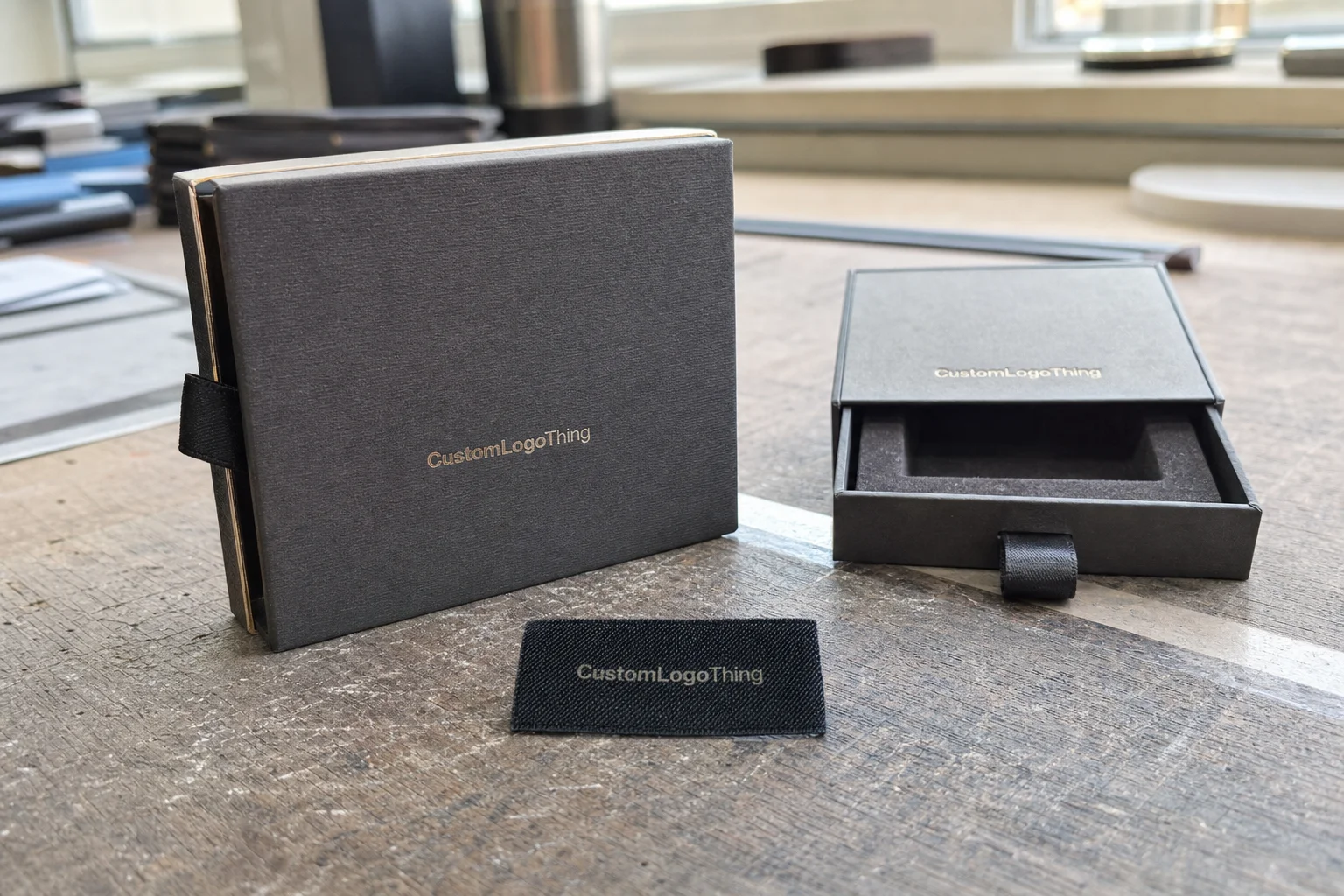
Damask woven labels are valued because they can hold a surprising amount of detail in a small footprint. The weave is tight, the yarns are fine, and the surface usually looks cleaner than a coarser woven label. That matters when the label is only 20 mm wide or when the logo includes narrow strokes that still need to read after repeated laundering.
For brands, the label is doing quiet work every day. It sits on the neck, side seam, waistband, or accessory edge and keeps reinforcing the brand long after the hangtag disappears. Fashion apparel, activewear, children’s clothing, and accessories such as bags or hats all benefit from a label that feels soft but still looks deliberate.
It also helps to separate damask from other common label types. Taffeta woven labels are usually more economical and can feel a little crisper or less refined. Satin labels have a smoother, glossier hand feel, which works well for lingerie or premium inner-neck applications, although very fine detail can sometimes look less crisp than on damask. Printed labels can handle care information and certain graphics well, but the image sits on top of the material, so abrasion and repeated washing can change the appearance over time.
Damask is not just a decoration choice. It is a product specification decision involving yarn type, weave density, color separation, fold style, and application method. A better label can improve brand recognition and reduce complaints about scratchiness, fading, or a logo that turns muddy after a few wash cycles.
“The label is often the first physical proof of brand discipline. If it looks careless, the customer assumes the rest of the garment was treated the same way.”
How the weaving process turns artwork into label fabric
The production process is more technical than many first-time buyers expect. A reliable damask woven labels factory supplier usually starts with artwork review, then maps the design into a weaving format the loom can reproduce cleanly. After that comes color separation, loom programming, a sample or strike-off, approval, and bulk production.
The important distinction is that the design is not printed after the fact. Thread colors are interlaced during weaving, so the image becomes part of the fabric structure. That is one reason woven labels usually wear better than ink-based alternatives. Once the design is locked into the weave, it tends to hold up well against rubbing, folding, and laundering.
There are limits, and buyers run into them more often than they expect. Looms can reproduce detail beautifully, but they still have boundaries. Thin serif fonts, tiny QR codes, hairline icons, and gradients need careful review. If the artwork is too intricate, the supplier may need to simplify it, thicken certain strokes, or reduce micro-text so the final label stays legible.
Finishing is just as important as weaving. Depending on the application, the factory may cut the labels, heat seal the edges to reduce fraying, laser cut for cleaner contours, or prepare them as centerfold, endfold, or straight cut pieces. Each choice changes how the label sits on the garment and how easy it is for the sewing team to attach it.
A serious factory will usually provide a proof or strike-off before full production. That sample should show size, weave clarity, edge quality, and color balance. If a supplier skips this step on a custom run, that is a warning sign unless the order is extremely simple and already standardized.
Key quality factors that affect cost, feel, and readability
Three things usually determine whether a woven label feels premium or merely functional: weave density, label size, and finishing. Higher density can capture more detail and sharper edges in the logo, but it also increases production complexity and can raise the unit price. If the design includes fine lettering or a complex emblem, that extra density may be worth the cost.
Size matters just as much. A 15 mm by 40 mm label cannot carry the same amount of information as a 25 mm by 60 mm label, even if the artwork looks beautiful on a screen. Buyers often try to fit too much into a tiny area: brand name, logo, website, care symbols, country-of-origin text, and a tagline. In weaving, that usually means reduced legibility.
Color count affects both cost and approval speed. More thread colors mean more setup complexity, more chances for mismatch, and more time spent confirming the artwork. A simple two-color woven label may be straightforward, while a six-color label with multiple shades needs closer scrutiny during sampling.
Backing and application should match the garment. Sew-in labels remain the standard for many apparel categories because they are durable and easy to place in production. Heat-applied options can work where sewing access is limited, but they need to be checked against fabric type, wash expectations, and heat tolerance. For performance garments, stretch and friction also matter so the label does not become a comfort complaint.
Hand feel is easy to underestimate. The same artwork can feel very different depending on yarn selection, weave density, and edge treatment. One version may feel soft and flexible; another can feel stiffer because of stabilization or heavier construction. If the label sits at the neck or against infant skin, that difference matters a lot.
Compliance should not be ignored either. Care labels, brand ID labels, and infant-safe applications may require different construction choices, and wash durability expectations should be set early. Brands selling into regulated markets often ask for testing or documentation aligned with applicable standards. For broader distribution and handling context, organizations such as ISTA provide useful references for how goods are evaluated in transit, even though the label itself is a textile component rather than shipping packaging.
| Option | Typical feel | Detail level | Common use case | Relative cost |
|---|---|---|---|---|
| Damask woven label | Soft, refined, flexible | High | Fashion, activewear, accessories | Medium |
| Taffeta woven label | Crisper, lighter hand | Medium | Basic apparel, volume programs | Lower |
| Satin label | Smoother, glossier | Medium to high | Inner neck, lingerie, premium garments | Medium to higher |
| Printed label | Very soft, flat | Depends on print method | Care info, low-profile branding | Often lower to medium |
Cost, MOQ, and quote details buyers should compare
Price is rarely just price with labels. The main cost drivers are size, quantity, weave density, number of colors, folding or cutting style, packaging, and whether the supplier includes sampling in the quote. A clean two-color label in a standard size may be reasonable, while a detailed, soft-hand damask label with custom folding can move the number quickly.
MOQ matters. Many factories price lower per unit as quantity rises because the setup work gets spread across more labels. Smaller runs carry a heavier setup burden, especially if the artwork needs revisions or the loom needs a more detailed program. That does not make a small run bad; it just changes the economics.
Compare quotes only after the spec is normalized. If one supplier quotes a 20 mm straight-cut label and another quotes a 25 mm centerfold label with heat-cut edges, the prices are not truly comparable. Same artwork does not mean the same product if the weave density, finish, and fold are different.
Ask whether the quote includes artwork help, strike-offs, packaging into rolls or pieces, shipping, and customs duties. Some suppliers separate all of that. Others build certain services into the unit price. If you do not ask, a good-looking unit price can turn into a very average landed cost once freight and fees appear.
Reorder pricing deserves attention too. If the style will repeat across seasons, ask for price breaks at realistic quantities such as 5,000, 10,000, or 25,000 pieces. Also confirm how many revision rounds are included if the artwork changes, and whether color matching beyond the standard thread library carries an extra charge.
For Brands That Buy labels alongside other trim items, keeping everything under one spec format helps. It makes it easier to compare options across Custom Labels & Tags and avoid the “cheap quote, expensive surprise” problem that shows up when details are scattered across emails.
As a rough market reference, simple woven labels often sit in the low cents per piece at volume, while denser damask constructions, custom folds, or short runs can push pricing noticeably higher. Sampling may be free, charged, or later deducted from the bulk order depending on the factory. That is normal. What matters is knowing which line item is driving the number.
Process and timeline: from artwork to approved bulk labels
A solid order process usually looks like this: send specs, receive factory feedback, confirm artwork, approve the sample, lock the quantity, and move into bulk production. That sequence sounds obvious, but it saves time because the supplier is not guessing what you want after production has started.
Timing depends on how clean the files are and how busy the factory is. A simple woven label sample might come back in a few business days, while a more complex design can take longer if the supplier needs to adjust line thickness or text size. After approval, bulk production often takes roughly 12 to 15 business days, though larger or more detailed runs can take longer. Shipping time is separate, and the route matters just as much as the production clock.
Artwork quality has a direct effect on speed. A vector file with clear colors, exact dimensions, and legible text usually moves faster than a low-resolution image with vague instructions. If the logo file needs cleanup, the approval cycle stretches. If the buyer keeps changing the fold or size after sampling starts, the timeline stretches again.
That is why launch planning should include a buffer. Too many brands assume the order starts the moment they send an inquiry. It does not. The supplier needs time for review, sampling, approval, weaving, cutting, packing, and transit. If the product launch depends on the labels arriving with no margin, one late revision can throw off the schedule.
Communication cadence matters more than many buyers realize. Ask how often the factory updates status during sampling and mass production, and confirm who owns the artwork approval step. It also helps when the supplier documents the final approved spec in one place, because that makes future reorders much safer.
Common mistakes when ordering from a woven label supplier
The first mistake is cramming too much into a tiny label. Buyers often try to fit a long brand name, a tagline, a country statement, and a full care block into a very small space, then wonder why the woven result looks crowded. If the eye has to work too hard, the label stops doing its job.
A second mistake is sending artwork that is hard to convert into thread mapping. Thin lines, tiny type, and subtle gradients are common trouble spots. A good damask woven labels factory supplier should point out those issues before sampling, but the buyer still needs to provide artwork that can realistically be woven.
Third, the cheapest quote is not always the smartest buy. Some lower quotes leave out better finishing, sample support, or proper fold preparation. Others may use a lower-density structure that looks acceptable in a photo but feels rougher in hand or loses clarity after wear. Comparing only the headline unit price is one of the fastest ways to buy the wrong label.
Skipping the sample stage is another expensive habit. The strike-off shows whether the fold sits right, whether the text reads cleanly, and whether the contrast works on the actual garment color. Without that check, you may discover the problem after thousands of labels are already produced.
Finally, ignore wash performance at your own risk. Labels that sit against skin, rub at seams, or move through repeated laundering need a construction that holds up. If the garment is for children or sensitive-skin use, softness and edge finish become even more important. In the broader sustainability conversation, some buyers also want suppliers aligned with responsible sourcing practices, and organizations such as the FSC are useful references when packaging components or paper-based inserts are part of the overall program.
Expert tips for a smoother factory order and stronger brand result
Keep the design simple enough for weaving, then use spacing and contrast to make the brand name stand out. In many cases, a cleaner label looks more expensive than a crowded one, even if both cost the same to produce.
Give the supplier exact measurements, placement notes, and garment type. A neck label for a knit tee is not the same as a side label for outerwear or a soft hand tag for accessories. If the factory knows the use case, it can suggest the best structure, folding style, and finish before sampling begins.
Ask for a sample early when launching a new line. That is especially true if the label includes fine text, small logos, or an unusual fold. You want to discover problems when there is still time to correct them, not after cartons are already on the water or in transit.
For bigger or time-sensitive orders, request production photos or a pre-shipment check. That extra step is useful when the label must match a brand standard across multiple products. It is a simple way to catch color drift, trim issues, or packaging mistakes before they become warehouse problems.
Build a reusable spec sheet once the style is approved. Include size, artwork version, color codes, fold type, edge finish, application method, and packing format. That document makes reorders faster and keeps consistency stronger across seasons, factories, and product categories.
Price pressure is real, but the cheapest label is rarely the best value if it creates sewing delays or customer complaints. A dependable damask woven labels factory supplier becomes more valuable over time because every future reorder is easier when the first order was documented properly.
FAQs
What should I ask a damask woven labels factory supplier before ordering?
Ask about weave density, available label sizes, fold options, sample timing, MOQ, and what is included in the quote. Confirm whether they can match your artwork detail level and whether revisions or shipping costs are extra. If the answer is vague, keep asking until the spec is clear.
Are damask woven labels better than printed labels for clothing brands?
Damask woven labels usually offer a more premium look and better long-term wear because the design is woven into the fabric. Printed labels can work for some uses, but woven labels generally hold up better through repeated washing and abrasion, especially on garments that see regular use.
How do I know if my logo is too detailed for a woven label?
If the logo includes tiny text, thin lines, or subtle gradients, it may need simplification for weaving clarity. A good supplier should review the artwork and suggest adjustments before sampling so the final label stays legible. If you can only read it clearly when zoomed in on-screen, it probably needs work.
What affects the price of woven labels the most?
Quantity, size, color count, weave density, fold style, and finishing method usually have the biggest effect on price. Sampling, packaging, and shipping can also change the total landed cost, so compare full quotes carefully rather than judging by unit price alone.
How long does it usually take to get custom woven labels made?
Timing depends on artwork readiness, sampling, approval speed, factory capacity, and shipping method. A simple order can move faster, while complex designs or multiple revisions usually extend the timeline. As a planning rule, add buffer time before your launch so the label does not become the schedule bottleneck.
Choosing a damask woven labels factory supplier with clear communication, disciplined sampling, and realistic pricing makes the rest easier. The right label does more than identify the brand. It helps the garment feel finished, credible, and ready for the customer who will wear it, wash it, and judge it for a long time.


