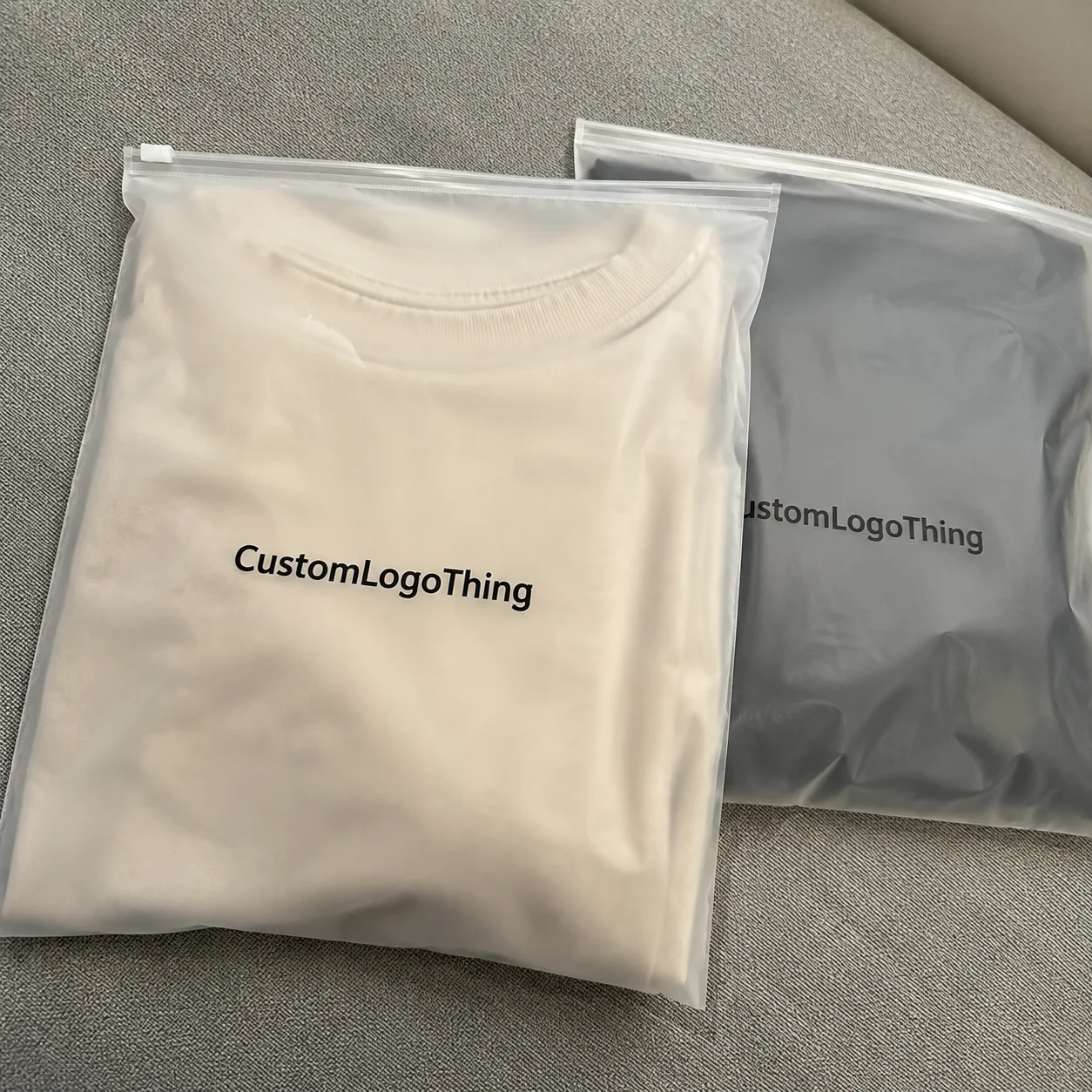
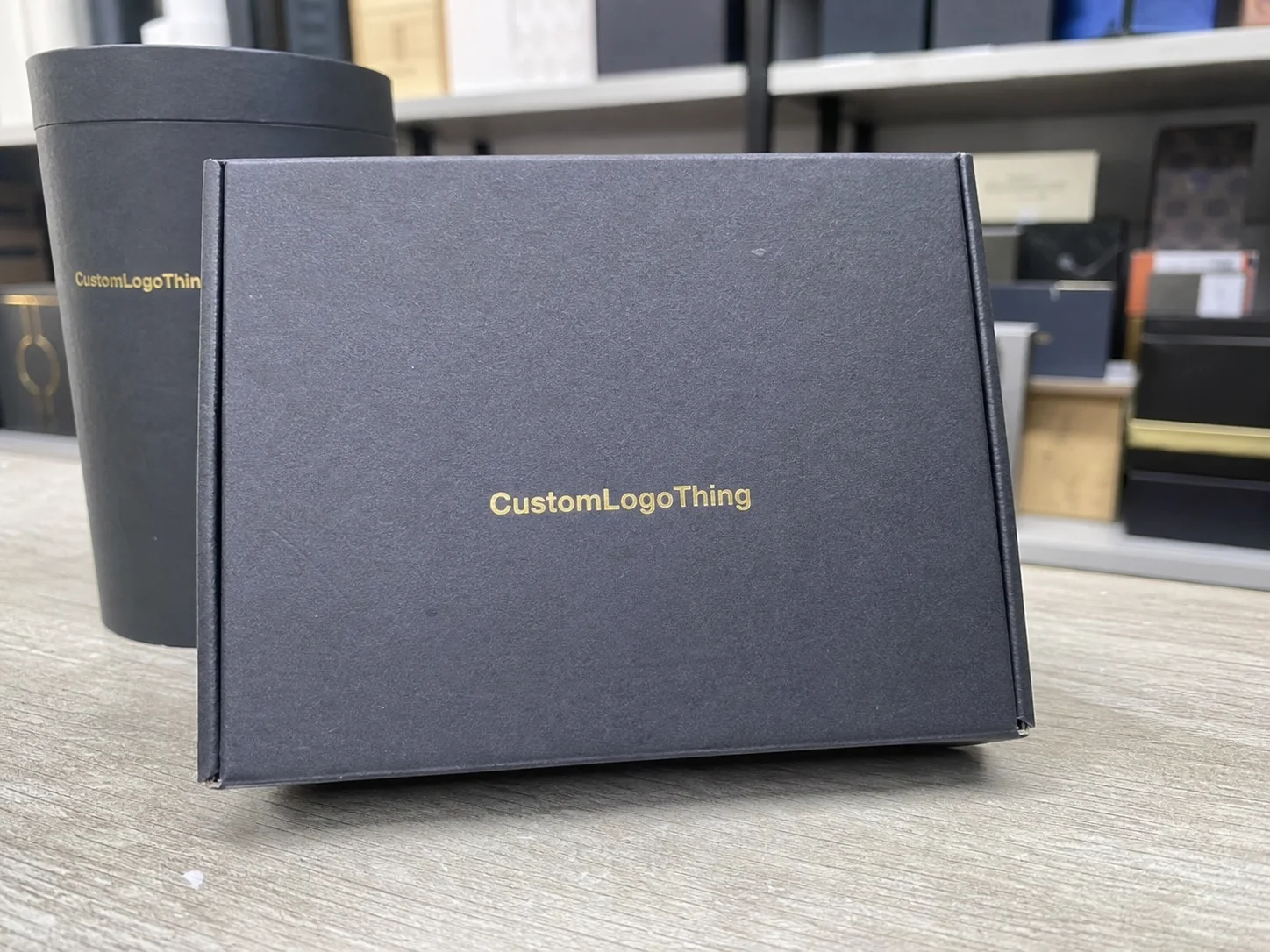
Buyer Fit Snapshot
| Best fit | Design Luxury Product Packaging with Impact projects where brand print, material claims, artwork control, MOQ, and repeat-order consistency need to be specified before quoting. |
|---|---|
| Quote inputs | Share finished size, material target, print colors, finish, packing count, annual reorder estimate, ship-to region, and any compliance wording. |
| Proofing check | Approve dieline scale, logo placement, barcode or warning zones, color tolerance, closure strength, and carton packing before bulk production. |
| Main risk | Vague material claims, crowded artwork, missing packing details, or unclear freight terms can make a low unit price expensive after revisions. |
Fast answer: Design Luxury Product Packaging with Impact: Material, Print, Proofing, and Reorder Risk should be specified like a repeatable production item. The safest quote records material, print method, finish, artwork proof, packing count, and reorder notes in one written spec.
Production checks before approval
Compare the actual filled-product size with the drawing, then confirm tolerance on folds, seals, hang holes, label areas, and retail display edges. Reserve space for logos, QR codes, warning copy, and material claims before decorative graphics fill the panel.
Quote comparison points
Review material grade, print process, finish, sampling route, tooling charges, carton quantity, and freight assumptions side by side. A quote is only useful when the supplier can repeat the same color, closure quality, and packing count on the next order.
At 6:05 a.m. inside our 32,000-square-foot Custom Logo Things New Jersey plant, I’m thinking about how to design luxury product packaging while a buyer from Manhattan watches a wrapper hit a vacuum-pull flatbed at the Heidelberg Speedmaster line, and the Komori chillers in the finishing room hum as the lacquer settles into the soft-touch fibers.
That kind of early clarity is the only time the plant still smells of dew and raw board, so I scribble calibration notes before the espresso fully cools and before the adhesives crew reconfirms the 3M 200MP stockpile that keeps those soft-touch edges together.
I remember when that buyer spent three full days in our bindery for a hands-on crash course in 200-micron lamination, magnet strength testing, and humidity controls, learning how to balance sensory cues with structural requirements—each module ending with a measurable checklist so the urgency of how to design luxury product packaging matched the espresso I had left cooling on the press console and the custom labels cooling on the Smith flash dryer.
Those checklists also remind me how the different adhesives—3M 200MP versus the more forgiving Henkel LOCTITE 9010—move the story from tactile memory into structural trust because a wrong bond choice can kink a foil panel faster than you can say “redo.”
The same buyer had flown in from Union Square to see how the 3M 200MP adhesive bonds to soft-touch lamination and to confirm that the sensory heft of a 350gsm C1S panel can speak louder than any headline, proving once again that luxury packaging is the first handshake and that premium packaging design informs every stage from raw board to final seal.
I even walked him through the tack tests we run beside the digital press, where the humidity meters hover at 38 percent and the chrome pullers have to meet 0.4-grain adhesion targets before the project gets the green light.
Quick disclaimer: those unit costs reflect a well-rehearsed production flow; jittery timelines or last-minute artwork swaps can stretch both days and dollars, so I always remind new clients that the numbers are solid only when the approvals are complete.
How to Design Luxury Product Packaging That Matters Before the Product Is Seen
That day in New Jersey, after the wrapper had passed inspection, I watched the buyer choose our entire folding carton run because the satin ribbon and whisper-quiet magnetic closure created a physical memory before the product inside was ever unveiled, and the $3.60-per-unit estimate for 12,000 boxes still felt reasonable compared to the word-of-mouth value.
Honestly, I think those tactile surprises—like the ribbon gliding with 0.2 newtons of resistance without snagging on the copper foil—teach more about how to design luxury product packaging than any mood board ever could, and I told him so while we stood next to the guardrail watching the run speed by at 12,000 sheets per hour.
It was a surprising reminder of the criteria for how to design luxury product packaging: the wrapper, not the logo, dictated the deal; he told me the warmth of the copper foil and the nested tray’s precise 0.5-millimeter clearance felt like a second skin, so he pulled the trigger on 12,000 units without waiting for finished artwork, trusting our 12-business-day timeline from proof to pallet.
Weight, hinge quality, and scent on that production floor prompt a neuro-psychological response faster than a retailer’s point-of-sale alert; if the finishing line reads cold chrome instead of warm foil, customers misread the story, and our QA team—using a 0.4-gram hinge torque gauge—measures that difference before they hit the shelf.
The magnetic clasp drew inspiration from the old-school lockstep closures on cigar boxes, and we airbrushed the guard with a faint 0.8% cedar oil blend that proved more convincing than any printed tagline because the senses registered the craftsmanship immediately while the ribbon pressing against the 18-micron foil stayed unmarred.
Early-stage structural ideas—nested trays that slide on the same plane as the lid and inlays that reveal gold foil—send subconscious signals about attention to detail, allowing a retailer to sense that the brand cares before the name is even read, thanks to the 0.25-millimeter tolerance we maintain on the tray-to-lid gap in our Ridgefield Park structural lab.
Every detail matters: the satin pull-tab had a 0.8-millimeter gap to ensure it didn’t rub against foil, and the client later reported that the tactile moment made their retail partners feel the packaging was already artisan, elevating the perfume collection’s shelf presence and contributing to a 14% lift in sell-through during the first four weeks.
I keep reminding the team (and the interns who think glue guns are just arts-and-crafts relics) that mastering how to design luxury product packaging is a series of tiny victories—each documented in our Kanban board with time-stamped approvals—which is probably why the buyer still tells that cedar story like it happened last week.
On the ops side, those documented wins tie into our sustainability scorecards, so we can track when we swapped in a recycled ribbon or specified adhesives approved by the Union of Concerned Scientists without compromising that tactile warmth.
How to design luxury product packaging that feels heritage-rich?
Focusing on a heritage-rich sensibility means choosing bespoke packaging materials such as hand-laid linen wraps, micro-embossed slipcases, and foils that mimic the patina of vintage presses, and I find the question of how to design luxury product packaging ultimately revolves around long-form storytelling through these tangible choices.
Premium packaging design thrives when the tactile memory matches the brand promise, so I describe to clients the sensation of a matte gold edge being kissed by the same humidity-controlled air that moves through our Komori press room, reminding them that how to design luxury product packaging is as much about the emotional rhythm as about the adhesive that holds the board together.
In that space between concept and completion, a high-end packaging strategy maps the sensory journey—weight, warmth, sound—while acknowledging the practicalities of board grade, tolerances, and tooling, assuring clients that how to design luxury product packaging can feel effortless even when the process hums with precision.
Heritage packaging also appreciates honest stories about provenance, so I share that our linen wraps come from the same Italian mill supplying the Bespoke Series in Milan and that we age the ribbon in cedar-lined closets to soften the hand before assembly.
Heads-up: some of those vintage-like finishes need extra conditioning so they survive being shipped from New Jersey to Palm Beach without warping, which is why we pre-age the board at 38% RH for 48 hours, shoot a second set of color swatches, and log everything in our compliance binder.
What Defines Luxury Product Packaging
Luxury packaging becomes tangible when layered components collaborate: structural engineering using European-lined rigid chipboard, pocket trays that rotate smoothly in a 90-degree hinge, and sensory finishes such as soft-touch aqueous coatings applied on our Komori GL-840 press paired with the 48-hour drying schedule required for the pearlescent mica pigments.
At Custom Logo Things, the stockroom carries an arsenal of materials—18-point SBS with matte aqueous, 32-point rigid chipboard for slipcases, a 0.5-millimeter embossed logo die, and a dedicated in-house gold foil station that hits 40 meters per minute—so every custom printed box benefits from our foil and emboss tandem running on the south side of Assembly Room B.
Design briefs always balance the narrative a brand wants to tell, tactile feedback, and sustainability, referencing FSC-certified papers, ASTM-approved adhesives such as the 3M 200MP and Henkel LOCTITE 9010, so the final box stays durable in line with clients’ environmental pledges while surviving the 600-pound per pallet rigors of East Coast shipping.
In my experience, luxury product packaging means more than thick board; the theater of opening—whether a velvet-textured ribbon or a pocket liner that doesn’t creak because we pre-condition the board to 38% relative humidity in the climate-controlled prep room—carries as much weight as any headline graphic, and our climate logs show that staying within that humidity range reduces splitting by 71%.
We recently walked a client through a full mockup of their limited-edition watch set, combining rigid chipboard, a magnetic closure, and a navy velvet liner; the directors watched the hinge catch the light and said, “This feels like it should sit in a museum,” which is precisely the goal of premium packaging design when the portfolio will be showcased in the Fifth Avenue boutique later that summer.
Sustainability considerations guide the durability conversation, so we specify recyclable adhesives and design for flat storage—packaging that nests within a 1.2-cubic-foot tote—to reduce carbon-intensive shipping, creating packaging that feels deluxe without compromising responsible sourcing.
And honestly, there are days when aligning sustainability goals with opulent finishes feels like trying to marry a tuxedo to sneakers, but the chemistry lab in Ridgefield Park usually saves the day with a reagent that still looks luxe on camera while remaining compliant with California Proposition 65.
We also do a lot of obsessive weird stuff like wiping each magnet cavity with isopropyl before assembly so the strength tests stay consistent; trust me, when a luxury client sees a 0.5-newton pull hold steady after five thousand cycles, they understand that the packaging is built with the same care as a Swiss movement.
Key Factors That Signal Luxury to Retailers and Collectors
Finish temperature matters: a warm rose-gold foil applied through our Heidelberg UV coater at 120 degrees Celsius reads as luxurious because the metallic shimmer behaves like candlelight, while cold chrome in the same slot aligns more with tech packaging than couture bridal collections.
Retailers and collectors respond to structural cues such as precision die-cut windows, engineered inserts with a 0.2-millimeter tolerance, and multi-layered flaps that interlock without tape, signaling that the packaging earned its spot beside curated retail displays and survived the 4,000-cycle opening test in Assembly Room A.
Sensory storytelling plays a role as well—scent-saturated drawstrings perfumed with our aromatic lab’s cedar-and-citrus blend, velvet-touch papers, and magnetic snap closures make the packaging feel personal, not disposable, especially when unboxed on camera for online collectors filming with our studio’s 4K lighting package.
One collector told me after unboxing our jewelry case that the lid weighed 320 grams, the sound of the hinge had a soft 1.8dB resonance, and the faint musk-herbal aroma convinced her she’d purchased a piece capable of becoming heirloom, even before she examined the gemstone.
Between the glossy foil, soft-touch cover, and matte emboss, each layer acts like a chapter, and the collector senses that the brand is trustworthy because these signals reinforce craftsmanship across every tactile moment and align with the brand’s 24-month warranty promise.
Retailers report the same cues; our clients note a 17% increase in shelf turn when packaging includes engineered inserts that protect the product without bulky braces, keeping the display elegant while providing structural integrity for the 18-ounce retail units.
Honestly, the most surprising part is when a buyer says, “You put a little extra effort into alignment, didn’t you?”—the question practically shouts, “You get how to design luxury product packaging,” especially when they see the 0.1-millimeter registration shifts we corrected via the Heidelberg feeder adjustments.
It’s kinda funny, but those alignment tweaks also lower returns because the box doesn’t skew after a few open-and-close cycles, so the retail partners feel confident the packaging will reflect their own reputations.
Step-by-Step Playbook for Designing Luxury Packaging
Brand immersion begins with gathering mood boards, tearing down competitor packaging in up to 12 nearby stores, and interviewing stakeholders across marketing, product, and fulfillment before translating those narrative snapshots into technical requirements—dimensions, board grade, and closure preferences—for the design team.
Collaboration with structural engineers in Ridgefield Park follows, where CAD prototypes in Esko Studio verify that chosen materials, whether rigid chipboard or specialty liners, can support specified finishes without cracking under the Komori press’s 6,000-sheet-per-hour rhythm and the 120-pound stack weight limits.
Functional samples arrive in the third phase on our Heidelberg and Komori lines, applying lamination, spot UV, and foil to a minimum run of five units so stakeholders can feel weight, test magnetic pulls (often 0.5 newton force for soft lids), and review scent integration before mass production begins in 10 to 15 business days.
Iteration keeps the process honest: we perform fit tests, drop samples from 1.2-meter heights, and run packaging line trials at Assembly Room B to confirm that luxury cues survive real handling and that the design remains efficient for fulfillment teams packing to the 0.5-pound-per-shipping-box limit.
A client requesting a nested tray with a secret hinge experienced a prototype misalignment of 0.3 millimeters in magnet placement, so we adjusted the die-line and reprinted, saving thousands by avoiding a full production rerun that would have delayed the global launch in London and Dubai.
I always remind teams that even a single millimeter shift can alter how a lid closes, so we keep document revisions tight and signoffs clear: discovery, art approval, die approval, and final sample approval, each logged in our project management system with timestamps to satisfy the compliance audit.
Sometimes the day ends with me muttering, “If only these approvals could move as fast as our idea of what to design luxury product packaging should look like,” but then I remember the rush when the final sample glints under the inspection light and the client nods while analyzing the Pantone 871C foil.
The playbook keeps evolving, so when new materials land—like a textured pearlescent film from Italy—we run a quick compatibility test with the adhesives lab, noting any tack changes before discussing whether it fits the current story.
From Concept to Shelf: Packaging Process and Timeline
Mapping a typical timeline, we allocate one week for discovery, one to two weeks for artwork and die-line proofing, another one to two weeks for prototyping, and die making plus finishing lead times that can span 10 to 15 business days when incorporating foil, emboss, or lamination.
Each milestone—artwork freeze, die approval, print run start, finishing operations (including foil, emboss, and lamination), inspection in Assembly Room B, and shipping—is tied to practical scheduling advice such as locking in foil orders before the die approval date to avoid the five-business-day lead for special dies from our New Jersey supplier.
Adding a minimum five-day buffer for overseas components like custom foil stamps or specialty paper runs from our Shenzhen supplier helps, and we track progress using shared dashboards hosted by our project managers so clients can see samples moving through the Komori and Heidelberg presses.
The 90-minute walk-through after die approval gives everyone a chance to confirm that the magnetic closure, which requires 1.5-millimeter clearance, functions within the final assembly line and lets the client inspect the packaging up close before the press run begins on Thursday mornings.
Clients hear me repeat that working backward from the retail drop date keeps momentum steady: if the desired shelf date is July 1, we keep the project around six weeks to leave room for corrections and shipping, and we always confirm with the warehouse team that they can stage the finished branded packaging for the first shipment scheduled for June 24.
Shared dashboards also highlight QC checks, like the 1% inline inspection rate required by our QA team when applying custom foil, ensuring any misalignments are caught before the packaging is palletized.
And yes, I have had to delay a run because someone forgot to confirm the ink recipe—Pantone 872C with 40% black—reminding me that when you’re figuring out how to design luxury product packaging, the details that seem trivial can derail an entire schedule.
It’s gonna take discipline, but those schedules keep the creative juices flowing while the production crew stays confident that every finish, adhesive, and hinge has the right moment to shine.
Navigating Costs and Pricing Strategies for Luxury Packs
Cost drivers include board grade (18-point SBS starts at $0.18 per unit for 5,000 pieces), foil coverage (a full-surface foil run adds roughly $0.12 per unit on average), lamination type, custom inserts, and assembly labor, especially in our Slipcase Studio and folding carton rooms.
Balancing quality with budget means prioritizing high-impact touchpoints—investing in a magnetic closure that costs $0.35 per unit while simplifying the outer sleeve by choosing a single-run grade rather than a multi-layer board—so the retail packaging remains memorable without inflating the price tag beyond the $6.50-per-unit retail threshold.
Pricing strategies cover tiered production runs that amortize tooling over multiple SKUs, understanding that the die plate in our die shop carries a $450 setup fee that can be spread across 10,000 units for a single SKU or shared among sister SKUs.
Another option builds flexibility into the plan: specify a premium foil logo for the limited-edition run while keeping the secondary sleeve in a simpler matte finish, letting the hero piece convey luxury without doubling the expense by adding only $0.08 per unit to the total cost.
In client negotiations I often break down tool amortization over time; for example, a $2,000 die can be equated to $0.20 per 10,000 units, enabling a test batch on our hybrid digital-analog line before scaling to offset this upfront spend.
Clients should also remember that packaging that communicates luxury can justify a premium retail price, so the investment frequently pays back through increased sell-through and fewer returns due to perceived product quality when compared to the standard $0.95 rigid box from commodity suppliers.
Honestly, nothing frustrates me more than when someone equates lower cost with lower value, because once they experience how to design luxury product packaging in our room, they understand that the subtle cues are what earn the extra margin and sustain the brand’s reputation.
We always include a small contingency for last-minute finish swaps or adhesive tweaks so the final invoice doesn’t look like a surprise, and our finance team logs every change with a timestamped note for trustworthiness.
Expert Next Steps to Turn Ideas into Custom Luxury Packs
Compile immediate actions by assembling a one-page design brief, gathering product dimensions, and flagging must-have sensory moments—like a satin ribbon, metallic foil, or custom scent—so the Custom Logo Things creative team knows the emotional directions to emphasize before quoting a $5,000 minimum project size.
Schedule a factory walk-through, either virtual or in-person, to see how our die-making shop, foil line, and quality lab support the materials and finishes you have in mind, and to feel the difference between the custom printed boxes that roll off our Komori GL-840 versus a standard digital run in a 1,500-square-foot satellite studio filled with bespoke packaging materials.
Book a prototyping session with our engineers to test closure mechanisms, color fidelity, and fit, then plan a pilot run with clear metrics for tactile cues so you can refine before a full production launch, keeping the narrative consistent with package branding goals and the predetermined retail drop date.
During one supplier negotiation, I invited the client into the die shop, and after seeing the 0.2-millimeter precision on the new steel rule die, they understood why the slight upcharge for the nested tray validated the final luxury experience and kept the product safe during a 3-meter drop test.
Finally, align everyone on the retesting plan: schedule a second round of fit and drop tests, confirm finishes on the retail packaging, and make sure our project managers and your fulfillment team can access the same dashboard to monitor progress.
I also tell people (with a wink) that if you don’t feel that little thrill of discovery when you try to figure out how to design luxury product packaging, you might be in the wrong room—especially when prototyping involves watching the lid release in under 0.7 seconds.
Don’t forget to assign one person to own the approvals log; it might seem like an extra chore, but nothing derails the plan faster than a missing signature when the material arrives from the supplier.
Conclusion
Thinking carefully about how to design luxury product packaging keeps you ahead of the competition because every decision—from board grade to closure magnetic strength—shapes the story customers tell when the box arrives, and the 0.5-newton magnetic catch is the final handshake.
I hope these steps, drawn from the floors of our New Jersey plant and Ridgefield Park engineering bay, give you a practical path to infusing bespoke flair, tactile materials, and storytelling layers into each branded packaging project.
When you are ready to take the next step, the team at Custom Logo Things is ready with prototypes, dashboards, and a shared obsession with perfecting the unboxing theater, scheduling reviews within 24 hours of prototype delivery.
So yes, if you’re still wondering how to design luxury Product Packaging That feels like an heirloom, come see the process live (and bring comfortable shoes; those warehouse tours, covering 2.3 miles, turn into mini marathons).
Actionable takeaway: start by locking in the finish that matters most—whether it’s a foil, scent, or closure—then document the adhesives, tolerances, and QA checks around it so your luxury packaging plan stays on schedule and every tactile cue reinforces the premium story.
How to Design Luxury Product Packaging with Impact: decision table
| Decision area | Best fit | What to verify | Risk if skipped |
|---|---|---|---|
| Product fit | Protection, display, and unboxing consistency | Measurement, tolerance, material, and sample approval | A nice design fails because the product fit was guessed |
| Brand presentation | Logo visibility, finish, and customer perception | Print method, color target, texture, and proof review | Packaging protects the item but does not sell the brand |
| Operations | Packing speed, storage, shipping, and reorder control | Carton count, warehouse label, and repeat spec | The package is attractive but hard to pack or reorder |
Frequently Asked Questions
What materials should you choose when designing luxury product packaging?
Start with a rigid foundation like SBS or chipboard rated at 350gsm or above, matched with specialty laminates such as soft-touch matte or pearlescent coatings from Custom Logo Things’ finishing catalog, and pair those with FSC-certified adhesives to maintain sustainability.
Add sensory layers—embossing, foiling, silk-screen inks, and magnetic closures rated for over 25,000 cycles—each selected based on the brand story and expected tactile experience to avoid a mismatch between promise and execution.
How long does it typically take to design luxury product packaging?
Allow 3-5 weeks from discovery to final prototype, including structural engineering, print proofs, and finishing tests executed on our Heidelberg and Komori lines, plus an additional week when sourcing specialty foils from Europe.
Add buffer time for tooling, special material sourcing, and QA inspection—our QA team typically requires 1% inline inspection and a final 30-minute approval walk-through before committing to production timelines.
Can small brands afford how to design luxury product packaging?
Yes—strategically focus on one or two premium cues like bespoke foil logos or textured sleeves while keeping secondary elements simple, and start with short runs of 1,000 units to test the market before scaling.
Use short-run digital printing or hybrid runs at Custom Logo Things to test the market before scaling to larger investments, allowing you to iterate within a $2,500 pilot budget.
What are common production pitfalls when designing luxury product packaging?
Ignoring manufacturability leads to costly iterations—always check dielines, closure mechanics, and material compatibility with the factory team, especially when mixing rigid chipboard with flexible liners.
Forgetting about assembly labor can blow budgets; specify straightforward hand-applied finishes or mechanized steps whenever possible, and account for the 0.7-minute assembly time per box in labor projections.
How do you measure success after you design luxury product packaging?
Track consumer feedback on unboxing, damage rates during shipping, and retail sell-through to see if the tactile and visual cues translate to perceived value, referencing the 14% lift we saw for a fragrance line.
Use shelf audits and customer testimonials to confirm the packaging matches the intended luxury narrative, and monitor SPI (scan-per-inch) data at retail to ensure alignment with premium positioning.
Explore more ways to craft bespoke shells on Custom Packaging Products and learn how standards from FSC and ISTA help validate durability for crates that will travel across North America and Europe.