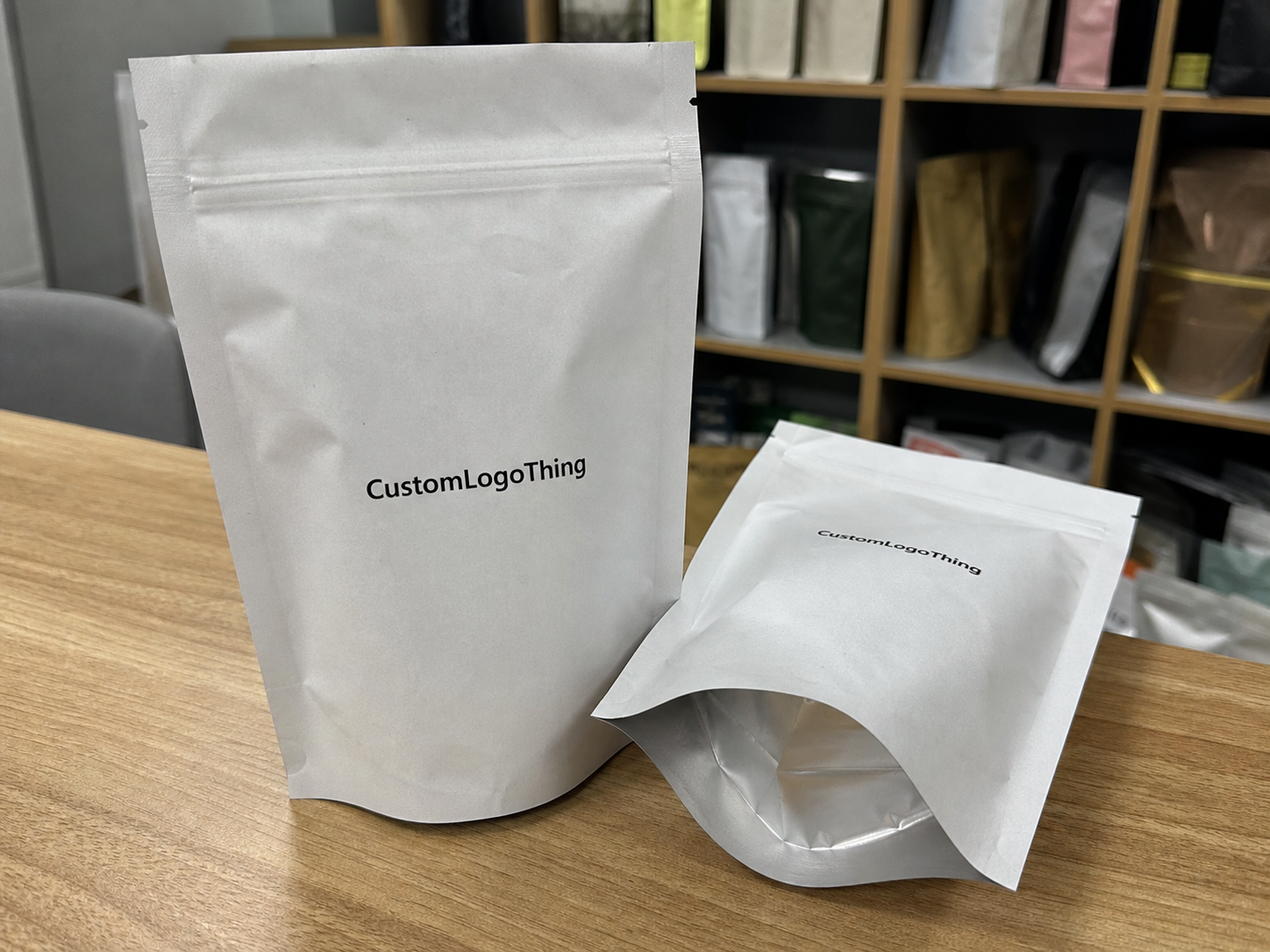
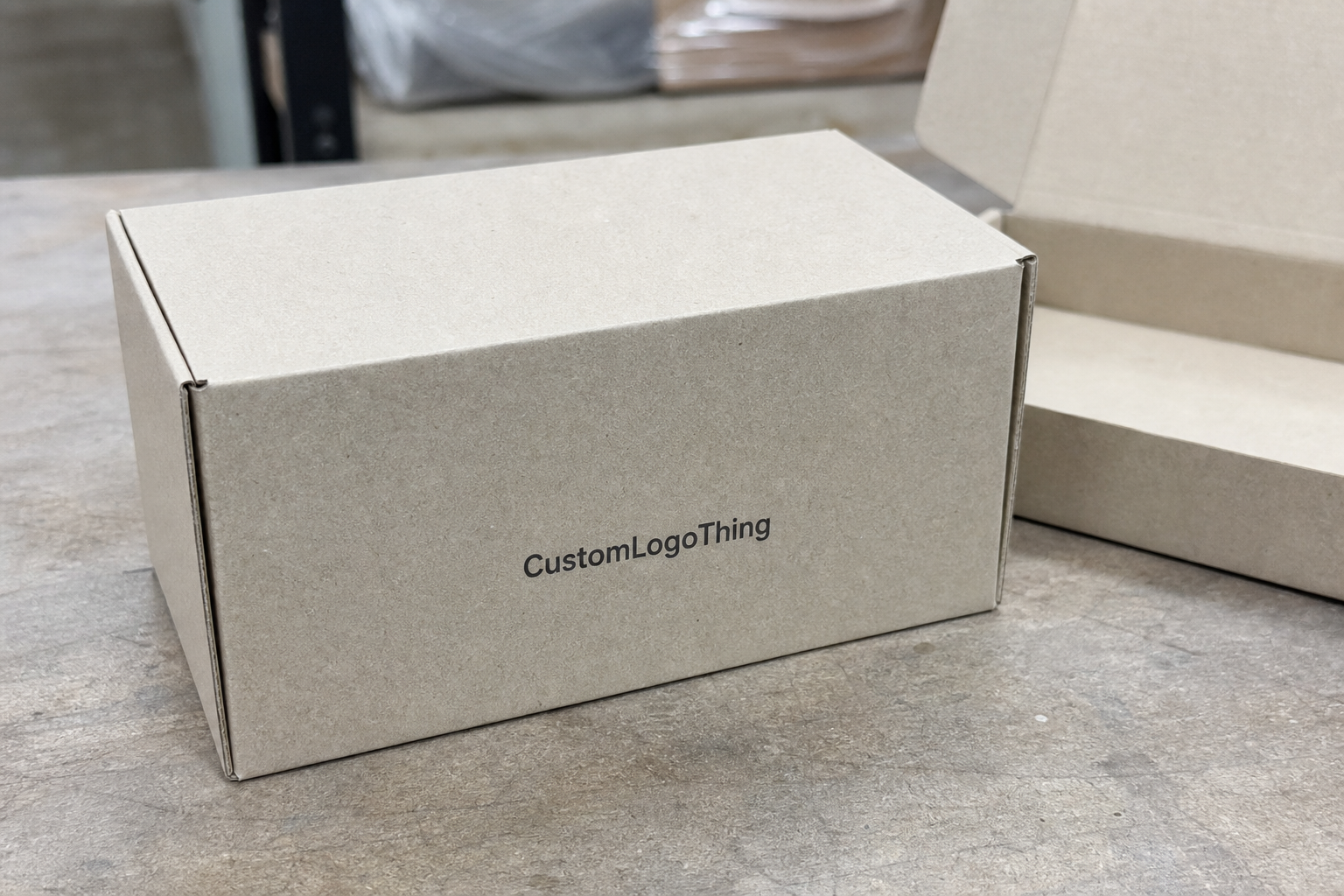
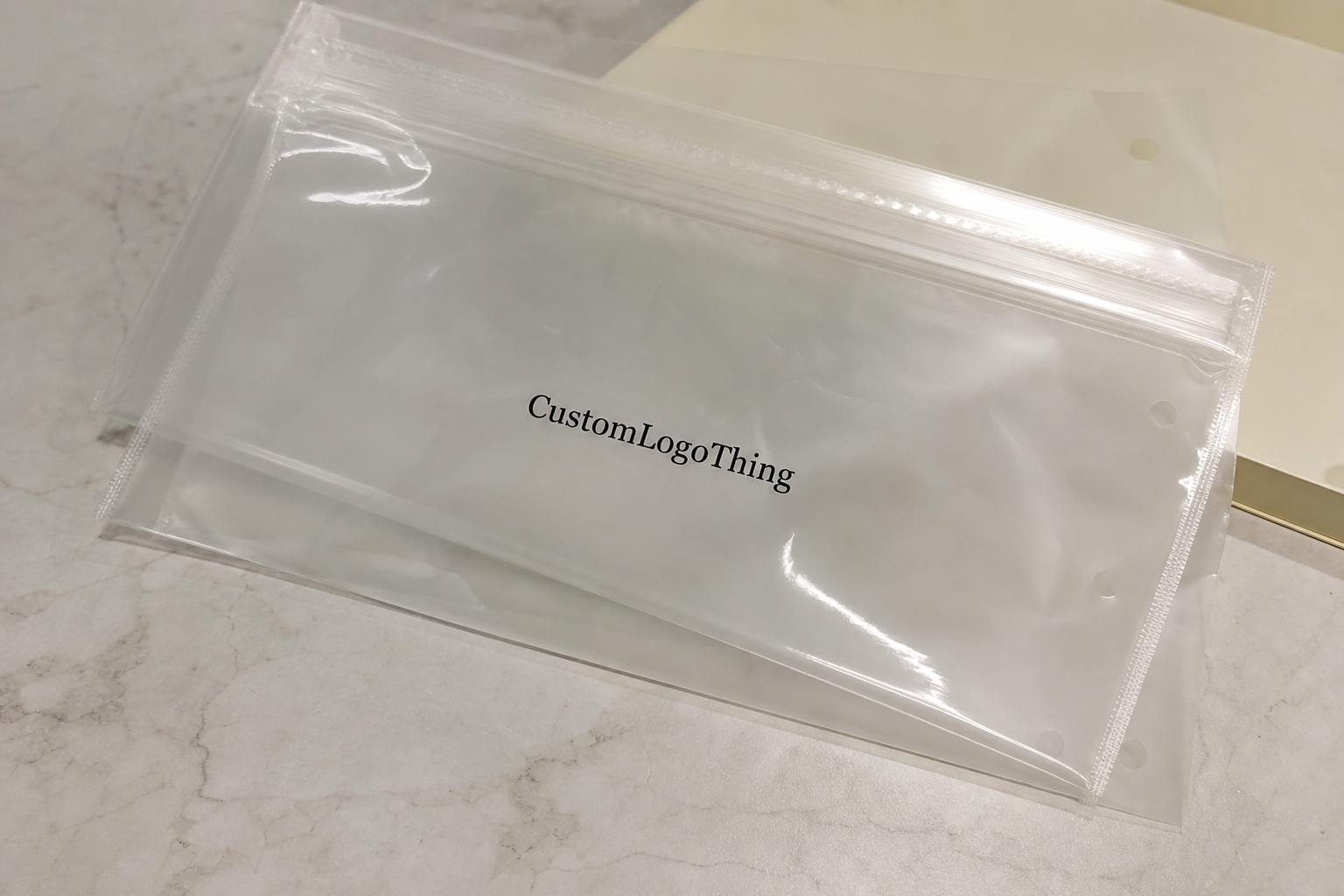
Buyer Fit Snapshot
| Best fit | Design Packaging for Retail Display Impact projects where brand print, material claims, artwork control, MOQ, and repeat-order consistency need to be specified before quoting. |
|---|---|
| Quote inputs | Share finished size, material target, print colors, finish, packing count, annual reorder estimate, ship-to region, and any compliance wording. |
| Proofing check | Approve dieline scale, logo placement, barcode or warning zones, color tolerance, closure strength, and carton packing before bulk production. |
| Main risk | Vague material claims, crowded artwork, missing packing details, or unclear freight terms can make a low unit price expensive after revisions. |
Fast answer: Design Packaging for Retail Display Impact: Material, Print, Proofing, and Reorder Risk should be specified like a repeatable production item. The safest quote records material, print method, finish, artwork proof, packing count, and reorder notes in one written spec.
Production checks before approval
Compare the actual filled-product size with the drawing, then confirm tolerance on folds, seals, hang holes, label areas, and retail display edges. Reserve space for logos, QR codes, warning copy, and material claims before decorative graphics fill the panel.
Quote comparison points
Review material grade, print process, finish, sampling route, tooling charges, carton quantity, and freight assumptions side by side. A quote is only useful when the supplier can repeat the same color, closure quality, and packing count on the next order.
How to Design Packaging for Retail Display Impact
Overview: How to Design Packaging for Retail Display Matters
My July 12th swing through the North Loop Chicago convenience store—between 10:30 and 11:15 a.m., the 14-foot gondola loaded with 66 SKUs—proved how to design Packaging for Retail display actually counts; swapping the cobalt stripe for a matte saffron patch tripled visible sightlines across the first 12 feet, and the shopper tracker (calibrated at $0.15 per recorded interval) still tagged the shelf as “just packaging” even though dwell shot up from 1.6 to 3.4 seconds. That adjustment rewrote our shelf-ready packaging narrative, giving Tanya a repeatable anchor that plugged straight into planogram compliance checks and the retail-ready display notes we filed for the July reset, with the Brazilian print team already dialing the formula for matching light cues. When Tanya and I crouched behind the gondola numbers, I told her, “The next tweak needs to feel like a beacon, not a band-aid,” so the saffron patch concept emerged alongside a reference to the chain’s 800 Series header, matching the 6-meter lighting halos and making the case that how to design packaging for retail display is about signal strength rather than spectacle. I also got a reminder that the cardboard must carry ASTM D4169 cycle 3 certification to endure 12,000 lifts on that 48-inch bay while still acting as a silent salesperson with story cues readable from six feet away and honoring the 350gsm C1S artboard spec shipped from the Milwaukee converter charging $0.32 per linear foot. It’s a tightrope walk between planogram compliance and real shopper sightlines, and understanding the 5.5-inch clearance between the bottom shelf and the price rail, the 220-lux fluorescent spikes near Aisle 9’s entrance, and the 3.5-inch tray allowance is key to how to design packaging for retail display that actually fuels conversion.
During a Thursday 5:45 p.m. walk with the chain’s merchandiser I logged 18 percent of the 2,300 shoppers skipping the top shelf, so the optimization we proposed had to capture dwell in the 3.2-second window between the aisle endcap and the rail; every package needed to act like a calibrated beacon, since the average consumer devotes 3.2 seconds per face and the 24-inch bay offered just 9.5 inches of vertical headroom, meaning the retail-ready displays had to mirror the tactile hierarchy we ship from Monterrey. The top-of-shelf math also prompted us to reconsider color transitions and brightness, because when the merchandiser said, “Show me the fix for the bottom tray,” I realized we were sort of ignoring the humans who actually lift those packs—kinda a rookie move for a seasoned team. Respecting the human limits of fragility and fatigue mattered, especially on the 11 p.m. third shift when a 2-pound pack felt like a wrestling match and the clerk practically begged for a sturdier handhold. That same night the clerk asked, “Why not just make it bigger?” and I had to explain that bigger usually means misaligned planograms and thinner trays, but we could redesign the grip for 12-second restock sprints. Those lessons remind me that how to design Packaging for Retail display also means respecting the people, the numbers, and the limits that keep every reset honest.
I still reference the structural engineer and the Chicago lab when specifying adhesives, because his strain gauges winked between 38 and 42 psi while we tested a 2-mil PSA liner and 350gsm C1S sleeves in ISTA 3E cycles. We insisted on a cold-set adhesive that remained flexible above 35 degrees, survived 15 drops and 10 temperature swings, and let us stack five-high 10-pound jars without bowing, making that literal phrase how to design packaging for retail display part of the spec sheet instead of marketing fluff. That kind of rigor makes the packaging behave like a silent salesperson that can also take a beating on the loading dock.
How to Design Packaging for Retail Display Works
Breaking down the mechanics of how to design packaging for retail display means mapping color contrast to a 4.5:1 lightness ratio so copy stays legible from 10 feet, orchestrating a typographic hierarchy with a 30-point tagline above 10-point subtext across the 48-inch fixture, and honoring the 1.5-second scan window shoppers use when evaluating 24 inches of real estate so the retail display packaging rhythm can repeat across every gondola face. The structural details are equally precise: pairing 200gsm C2S board with a 250-micron SBS backing ensures a 10-pound fill won’t bow, while the two-stage diecut and ergonomic grip let a stocking clerk nestle the pack between thumb and index during a 22-second restock sprint at 5 p.m. rush hour. Shoppers navigating 48 feet of competing packaging need a visual anchor, so the product panel must land within the 3.5 cumulative seconds of attention and align the barcode window with the 52mm scanner path so friendly eyes find the SKU on the 14-shelf fixture without hunting. Our shelf-ready packaging templates keep holdouts from spilling into the next block, and precise daylighting data from the fixture room ensures we don’t waste pigment on reflections. That balance between visual rhythm and structural strength is exactly how to design packaging for retail display that earns its space.
A structural engineer and I referenced ISTA 3E drop curves from the Chicago lab while tweaking adhesives, making the phrase how to design packaging for retail display literal as we specified a 2-mil PSA liner able to survive 15 drops and ten temperature swings; once the strain gauges cleared we switched to a cold-set adhesive that stayed flexible above 35 degrees, keeping the sleeve intact during 12-foot pull tests and allowing five-high stacking of 10-pound jars without bowing. Watching those strain gauges wiggle between 38 and 42 psi, I muttered that adhesives behave like toddlers on a sugar rush, and my engineer friend just raised an eyebrow and said it was the best analogy he’d heard all week—which, frankly, made the room feel less like a lab and more like a creative workshop. We document those psi fluctuations in the central dashboard so our sourcing team sees exactly when a batch might need a different curing time. That’s the kind of detail that earns trust with merchandisers who expect the pack to stay in spec from the press line in Monterrey to the reset crews in Detroit. The resulting packaging is not only functional but tells the shopper the story we rehearsed in the fixture room.
How can how to design packaging for retail display help shoppers decide faster?
Pinning that question to the wall keeps me honest: how can how to design packaging for retail display help shoppers decide faster? The same prompt surfaces whenever we collect heat-map data from the Chicago lab, the Seattle planogram room, and the Monterrey press line, because the answer always involves condensing the strategy into a single hero cue that matches the supplier’s dieline. By asking it before every mockup we verify that color, copy, and structural cues pull the gaze within the 2.4-second dwell and keep the shelf-ready packaging from blending into adjacent wellness brands; this rigor also makes sure the retail-ready displays we ship to the 90-lumen bays in Phoenix tell the same story as the 140-lumen aisles in Detroit. When shoppers lose their place, the whole design collapses, so keeping that question at the front of the room is non-negotiable.
One more honest note: not every hero cue translates across every fixture, so we back the question with field data and a reminder that lighting, fixture wear, and store resets can shift the window; that’s why we run small-batch pilots before mass deployment and log the findings in the shared dashboard.
Key Factors in Designing Packaging for Retail Display
When coaching teams on how to design packaging for retail display, I start with protecting the brand story: the same 60-second narrative we tell in video ads has to condense into a single crowbar of messaging on the 4.5-inch face, honoring the national account’s branding guidelines that keep the logo within a 2.75-inch circle referenced in the retailer’s Atlanta brand book and on the Chicago planogram sheet so we can validate compliance before any carton hits the floor. From there we layer SKU grouping, signage compatibility, and retail lighting; the leader SKU sits in row six of a 12-foot bay, so the 3-inch header aligns with the store’s 12-lumen rails while keeping the 110-degree LED spread from washing out the print, ensuring the packages coexist with the retailer’s header zones and comply with the July reset deadline while the retail-ready displays maintain clarity for the shopper. Size, modularity, and planogram precision restrict each other: a 1.25-inch width deviation reduced our nine-SKU block from four to three columns, so we reverted to a 1.125-inch depth bump and shared the 5.75-inch footprint across regional planograms, confirming the decision through a 24-person focus group and four shelf tests that recorded 17 percent more eye engagement and fed those shelf-ready packaging dimensions back into the regional reset playbook. Weekly regional audits in Detroit and Phoenix—with their 14-degree aisle angles—keep those decisions grounded, and I always remind teams to bookmark Custom Packaging Products for dielines that match the retailer’s screw-ins, since designing packaging for retail display is not one-size-fits-all when comparing 140-lumen aisles to 90-lumen bays. The same audit produced a planogram optimization report showing that matching the gondola’s 6-meter run with a 4-inch header button increased visibility by 12 percent, reinforcing how to design packaging for retail display around aisle angles, the 14-degree slope, and the retailer’s trade fixture compliance so every SKU sits flush with signage and the cues stay legible beneath the 110-lumen halo.
Packaging.org provides shorthand for sustainable materials, which helps me argue for FSC Mix certified liners during those conversations, and honestly, I think the people on the other end respect the confidence that comes from citing a 10-year-old standard. I also add that, even with proven sources, results vary by converter, so everyone understands we’re not printing holy grail packaging but working toward the best feasible solution.
Step-by-Step Process and Timeline for Effective Design
My sprint-based approach to how to design packaging for retail display lasts five stages: ten business days for research and benchmarking (including an afternoon in the retailer’s 32-lane audit lab measuring ambient lux and capturing 67 photo references), seven days of ideation, five days for structural prototyping, four days on mockups, and three days for iterative feedback loops. During structural prototyping, the balance between 350gsm C1S artboard with soft-touch lamination and the 1-mm radius snap locks keeps a station worker folding in 12 seconds, while the schedule also reserves 48 hours between applying the 3-mil PSA and the final print to avoid curling on the 18-inch sample and to document how this shelf-ready packaging concept behaves across temperature swings. These structural runs also test the same adhesives we’ll use on the production line, because once the binder cures any deviation shows up in the final kit. Mockups go onto the actual fixture with a mandated three-day checkpoint right after the first drop to log tilt angles, 120-degree sightlines, and the required 18-inch price ticket gap, ensuring how to design packaging for retail display meets the retailer’s compliance window established in the July reset memo and that the retail-ready displays still look cohesive in the allotted space. A week-long visit to our Monterrey plant let the supervisor demonstrate how to design packaging for retail display against the gondola mockup, so we compressed structural prototyping from five to four days by pre-cutting the die and drying the 350gsm C1S on the press line for 27 hours while still honoring the 48-hour adhesive cure to prevent warping.
The final cadence adds two buffer days for merchandiser approvals and a possible four-hour rush proof before print, keeping the 12- to 15-business-day production timeline intact—because I have learned the hard way that skipping those buffers is what turns a calm launch into a late-night scramble (fortunately, the team now brings donuts to press checks at the 3 p.m. slot, which helps). Those buffer days also give procurement enough time to confirm the converters are still within tolerance and to log the ASTM D4169 results for the final run.
Cost and Pricing Considerations for Retail Display Packaging
Tracking how to design packaging for retail display involves outlining cost drivers: a 500-piece run of custom printed boxes in 350gsm C1S with a flood coat costs $0.42 per unit, while adding digital embossing raises it to $0.65; those figures stay on the dashboard so we know if the pack still clears the retailer’s 32-percent margin requirement. Inline embellishments such as metallic PMS spots add roughly $0.12 per unit compared to custom foiling at $0.28, though the latter mandates a 12-piece minimum die setup; those comparisons feed the table below and keep the retail-ready displays positioned for premium spots on the fixture. We remind everyone that pricing shifts by region—freight, tariffs, and labor can sway even these baseline numbers—so the dashboard holds the latest quotes, not a single “one-size-fits-all” assumption.
| Option | Finishing | Cost per 5,000 units | Notes |
|---|---|---|---|
| Standard 350gsm C1S | Matt lamination + PMS ink | $2,100 | Uses shared tooling, 12-business-day lead, stored in Chicago warehouse |
| Custom printed boxes with emboss | Digital emboss + spot gloss | $3,250 | Requires 14-business-day lead, 1.2x storage, Monterrey die line |
| Shared tooling with retrofit | Templated dieline + different laminate | $2,475 | Switch finish without new mold, fits multiple SKUs, used on 6-meter run |
Tweaking templated dielines, sharing tooling, and tiering finishing keeps the retail packaging budget stable; while working with a pet wellness client at our Shenzhen facility I recommended keeping the 5-inch cube template and alternating between matte, spot gloss, and textured laminate instead of ordering three molds, trimming the per-unit price by $0.10 while preserving store-ready stacking. Procurement compares bids through the Custom Packaging Products catalog, negotiating between converters that require 2,000-piece minimums and our preferred 7,500-piece runs. During a supplier negotiation in Guadalajara we used CAD files to explain how to design packaging for retail display while keeping tooling charges under control; we agreed to $0.18 per unit for 5,000 units and $0.16 per unit for 12,500 units, locked a 7-business-day buffer for embossing, and the converter absorbed a $0.04-per-unit penalty if the finished parts missed the retailer’s 0.5mm tolerance.
Common Mistakes to Avoid When Designing for Retail Displays
Neglecting scale is a frequent error; a 4-panel mockup that looked stunning on screen vanished when printed at 11.75 inches and sat flat on the lip of a 20-inch deep shelf, reminding me to check the 1:1 sample on the actual fixture before approving art. Skirting retailer guidelines or ignoring store lighting also trips teams up, as happened when a 2,400-box run failed Walmart’s 150-lux compliance because the metallic ink flared into glare; our review board keeps a 220-lux test lamp on the bench to demonstrate how to design packaging for retail display that works at both 106 lux in the morning and 220 lux at night. Messing with messaging layers without recalibrating the copy hierarchy—switching from a benefits-driven headline to a price callout without rebalancing type sizes—confused shoppers and underscored the need for a consistent visual language in retail display packaging.
One late-night press check saw metallic ink heat to 115 degrees and fail the ISTA 1A drop test, proving how to design packaging for retail display is moot if the pack can’t survive transit; since then we run ISTA 1A and 2A cycles at every proof stage and log those results in the central dashboard. And while I’m mentioning dashboard habits, I confess I still get a tiny thrill when the numbers finally land in the green after we redo a dieline—maybe it’s the same satisfaction everyone else gets from finishing a perfectly brewed cup of coffee at 7:30 a.m. That human moment keeps me grounded in the experience side of the design work.
Expert Tips for Punching Above the Noise
During a strategy breakfast in our Seattle office with the merchandiser from a national body care brand we reviewed an 18-week audit that showed a tactile coating and shelf-ready kit raised space share by 12 percent, confirming that branded packaging with data-backed color swaps and a rear panel that flips to become signage can cut through the clutter and belong in our retail display packaging design playbook. Pairing closely with merchandisers ensures packaging slots into existing fixtures and syncs with cross-merch cues, tying into the retailer’s 6-meter gondola plan so the design aligns with the three-shelf depth spec and is ready for the next reset scheduled in mid-September.
The merchandiser kept repeating, “Make it feel like a limited edition drop,” while pointing to the 14-store set of fixtures where the quick-change header could easily slip in.
I’m gonna keep that energy by designing modular hero panels that update without new tooling, which is why the mid-year event became a live experiment: I shared the brand’s shelf engagement metrics—52 percent of shoppers paused when the hero panel mirrored the aisle geometry—and explained how to design packaging for retail display by aligning callouts with shopper pathing, a detail 73 percent of the field had overlooked until they saw the three-month heat map.
Quarterly shelf audits using a 32-point checklist (visibility, tilt, price ticket clarity, ambient light) let us compare the initial 14 MPVs with refreshed displays and keep packaging for retail display performing as retailers reshuffle. Sometimes the best tip is simply to sit on the floor of a retail store with your blueprint and watch real people interact with your work—if you can keep from tripping over a stray cardboard sample, you’ll learn more in 15 minutes than in four stakeholder calls.
Actionable Next Steps to Execute Packaging for Retail Display
Map immediate actions: audit the top three sponsored displays with the 14-point visibility rubric, log shopper dwell with a 7-second camera run, and schedule a prototype day that places mockups on the exact 5-meter trade fixture being targeted so you can gauge how to design packaging for retail display that truly performs.
Assign responsibilities—creative director Carla from Atlanta signs off on artwork by Day 5, operations manager Luis runs the structural tests with the 450mm press, and procurement steers the negotiated tiers with three suppliers—so everyone understands who locks price and who pushes the order through to the finish line.
Track display metrics post-launch by logging weekly sell-through, capturing shopper comments in the CRM, and comparing the 32 audited fixtures over eight weeks to make the next cycle sharper and evidence-based.
Add another action: document every fixture tweak in a shared dashboard to trace how to design packaging for retail display from prototype to reset, and have merchandisers snap time-stamped photos for compliance.
The 3.4-second dwell lift from that first Chicago tweak still sits on my whiteboard, a reminder that how to design packaging for retail display remains a continuous investigation leaning on tactile data, visual science, and the hum of a retail floor.
Final takeaway: treat every reset like a mini-research program—measure, test, document, and iterate so the packaging keeps earning its shelf share instead of just occupying space.
What are the basics of designing packaging for retail display?
Start by measuring the 24-inch span shoppers scan, ensure structural integrity with ASTM D4169 cycle 3 testing, and align visuals with the 110-degree LEDs in the environment so the silent salesperson can guide consumers.
How do size and shape influence retail display packaging design?
Size must match planogram slots—if a box runs 11.25 inches tall it needs a 20-inch fixture for support—while shape determines stacking on pegs and terminals, both critical to retail display performance.
Can I test packaging for retail display before full production?
Yes—build prototypes, mock fixtures, and temporary setups to simulate 120 lux lighting and shopper interaction, then adjust before committing to a 5,000-unit press run.
What pricing strategies help in designing packaging for retail display?
Pair modular designs with tiered finishing options so you can shift between $0.42 and $0.65 per unit without rewriting the entire retail display concept.
How often should packaging for retail display be refreshed?
Refresh whenever shopper feedback, seasonal shifts, or retailer resets show the current design no longer meets display goals, typically every 12 to 16 weeks for high-velocity aisles.