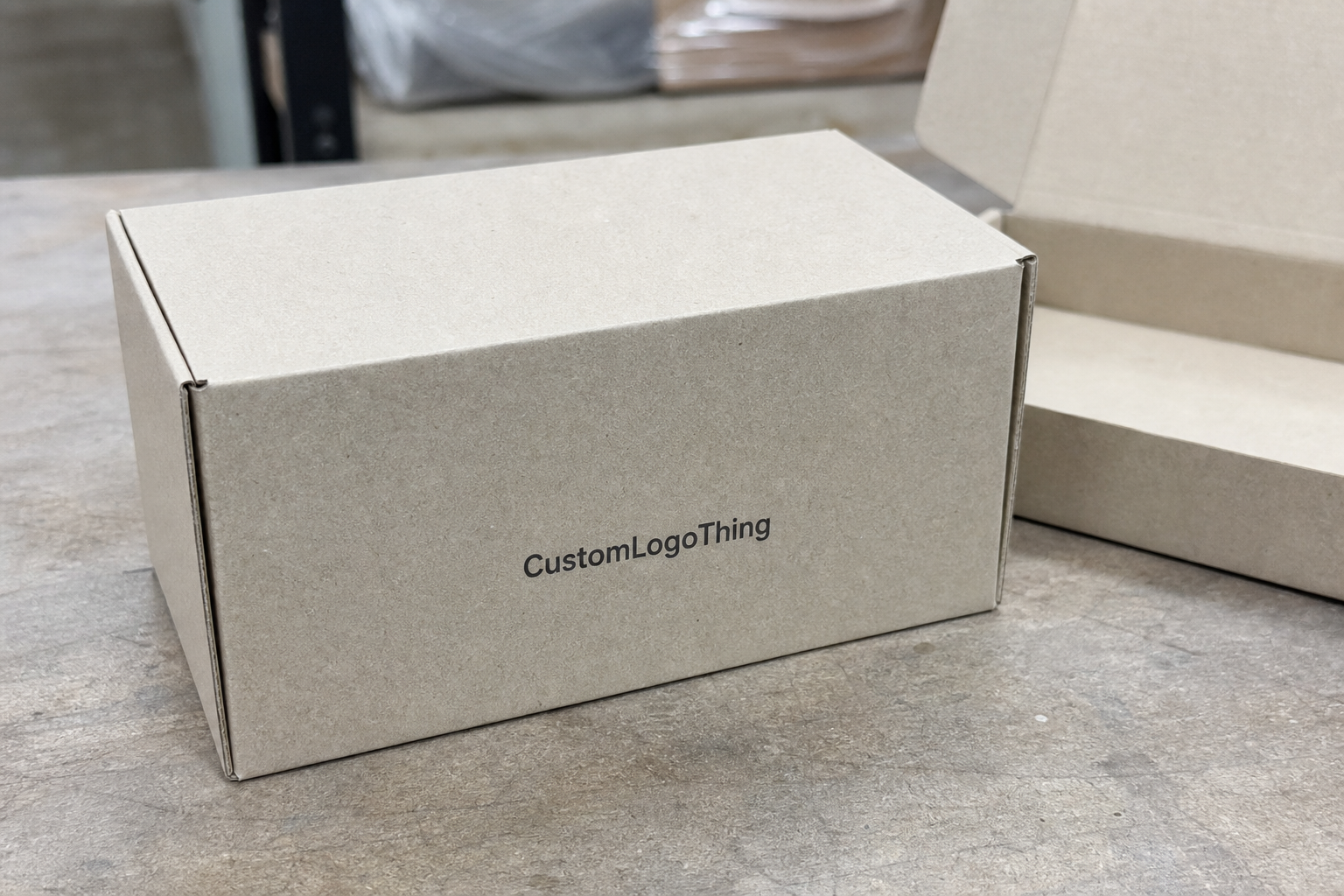
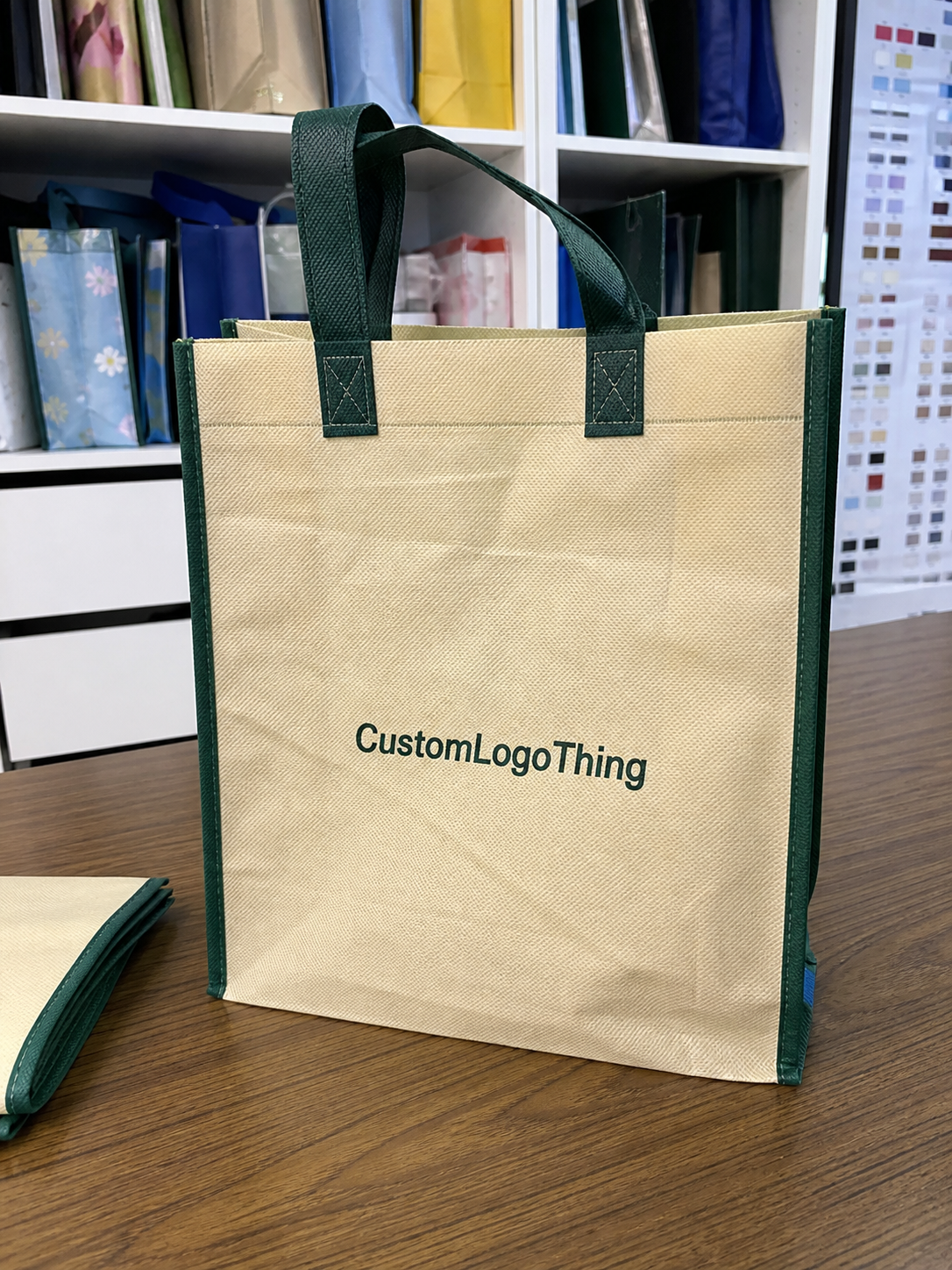
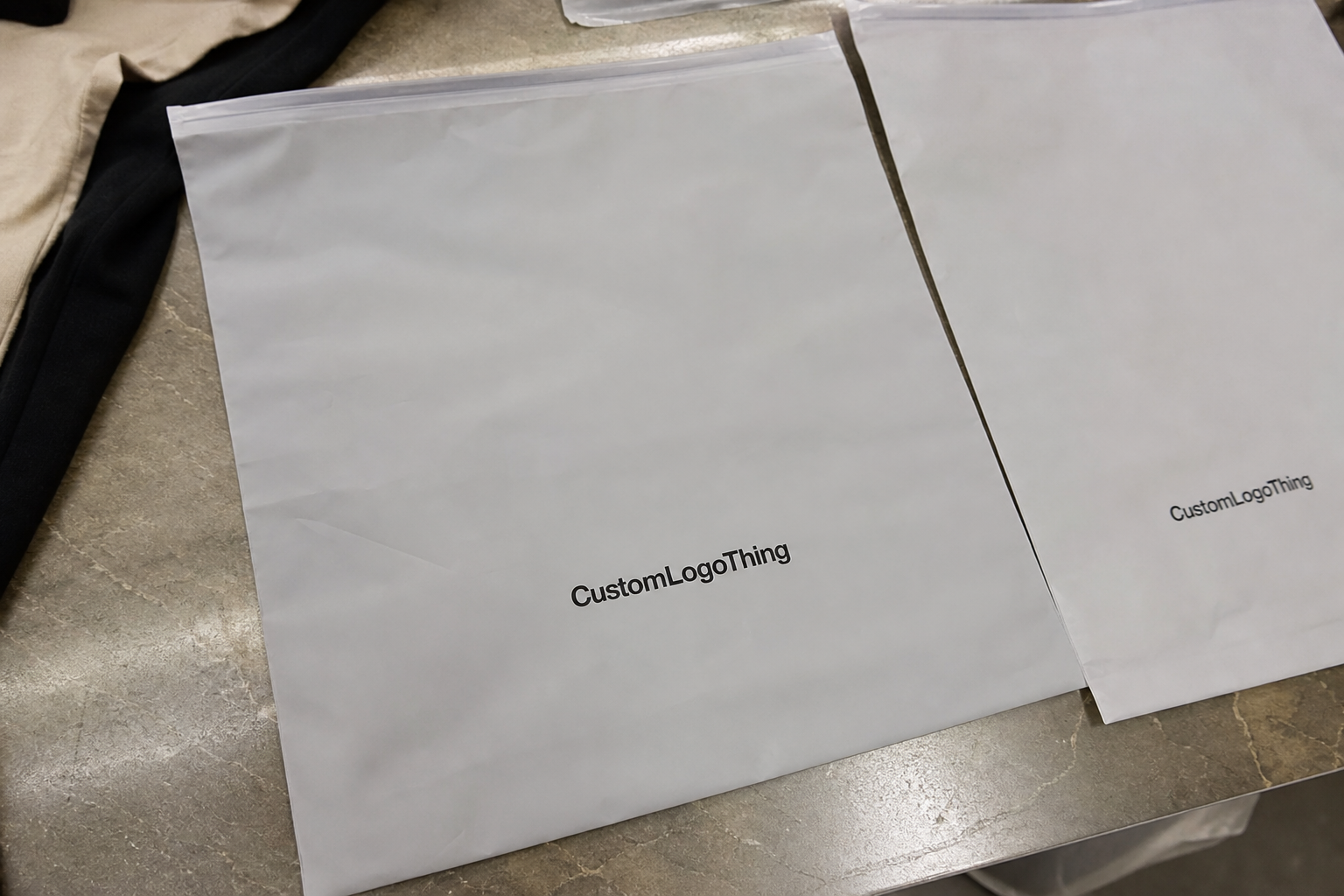
Buyer Fit Snapshot
| Best fit | Custom Packaging for Retail Display Wholesale Wins projects where brand print, material claims, artwork control, MOQ, and repeat-order consistency need to be specified before quoting. |
|---|---|
| Quote inputs | Share finished size, material target, print colors, finish, packing count, annual reorder estimate, ship-to region, and any compliance wording. |
| Proofing check | Approve dieline scale, logo placement, barcode or warning zones, color tolerance, closure strength, and carton packing before bulk production. |
| Main risk | Vague material claims, crowded artwork, missing packing details, or unclear freight terms can make a low unit price expensive after revisions. |
Fast answer: Custom Packaging for Retail Display Wholesale Wins should be specified like a repeatable production item. The safest quote records material, print method, finish, artwork proof, packing count, and reorder notes in one written spec.
Production checks before approval
Compare the actual filled-product size with the drawing, then confirm tolerance on folds, seals, hang holes, label areas, and retail display edges. Reserve space for logos, QR codes, warning copy, and material claims before decorative graphics fill the panel.
Quote comparison points
Review material grade, print process, finish, sampling route, tooling charges, carton quantity, and freight assumptions side by side. A quote is only useful when the supplier can repeat the same color, closure quality, and packing count on the next order.
Value Proposition: Custom Packaging for Retail Display Wholesale
At the Ningbo press console, three Arkansas buyers leaned forward as a merchandiser confessed that their custom Packaging for Retail display wholesale run outsold every other SKU by 60 percent; the locally sourced finish options had tripled impulse pulls. I still remember thinking the 40-inch Heidelberg press was doing the seducing—those buyers joked they could smell the SilkGuard aqueous coating from Ningbo Finishing Works, which dries in 90 seconds and costs $0.08 per square foot. That detail traveled straight from the dock to the planogram because the finish, the board, and the speed all matched the retail calendar, and custom Packaging for Retail Display wholesale finally felt like the main act, not just the packaging left over after the product talk.
During a Jiangxi Box Co. tour, the press runs for a national health brand revealed that redesigning a single slot box tripled reuse cycles and saved the client $18,000 on disposal costs in one quarter alone, and I still walk through that plant marveling at how a little structural thinking became a sustainability victory. The run shipped in twelve-week batches from the Nanchang deck using 300gsm kraft board from Jiangxi Hermes Mill, so the reuse story matched the supply chain cadence, meaning custom Packaging for Retail display wholesale can actually pay for itself when disposal costs go down.
The display boxes we build become shelf-ready statements, pairing tactile aqueous coatings with the double-board strength my textile clients begged for last quarter; those same structures now handle 850-pound pallet lifts across three warehouses, and when the rigger told me the boxes behaved better than his crew, I kinda felt like taking a victory lap around the dock (not literally, because that dock is slippery, but you get the idea). We even spec 350gsm C1S artboard on the face panels when those textile swatches are in play so the print holds up under warehouse heat, which keeps merchandisers from swapping in cheaper samples at the last minute.
Negotiating with Shenzhen Metal Foil allowed us to shave a full week off lead time while keeping the margin intact because the supplier agreed to pre-stage the dies, delivering the kind of precision that keeps barcodes hitting shelves during a seasonal reset. That dropped the lead time from 22 business days to 15, aligning with the retail calendar while still letting Shenzhen's die shop run the gold foil at 1,200 impressions per hour; custom packaging for retail display wholesale finally felt like a synchronized dance, not a scramble.
Our branded packaging portfolio, including Custom Packaging Products, doubles as visual merchandising and structural engineering, which is why buyers from regional chains like Magnolia Market—Mag's 48-store footprint across Texas and Oklahoma—request our mockups before they even approve the SKU launch; I keep telling them, seeing is believing (plus, mockups also make for great coffee table bragging rights).
Custom packaging for retail display wholesale becomes the mechanism by which display packaging supply meets the right shopper experience; last month in Shenzhen I watched the ops team reverse-engineer a dump bin because a grocery buyer wanted a structural handle, and that fix added $0.12 per unit but saved what would have been an $18,000 lost-order penalty in shelf space. The buyer took one look at the handle and said it felt like a handshake, which is the level of intimacy we aim for with packaging that has to greet consumers across several stores.
I have seen retailers reject a design at brand meetings for being too fragile, yet that same piece survived 20 consecutive forklift drops during a Guangzhou stress test with our partner, proving custom packaging for retail display wholesale can handle the reality of a weekend restock run; I remember scrambling to gather the right cameras because our QC guy literally shouted, “You’re not making this up, right?”
When I sit down with buyers from the West Coast, I bring samples from our joint-run with Yantai Laminating—coated on both sides with 350gsm SBS and reinforced with 3M 300LSE tape on the underside—so they feel the weight, see the finish, and the conversation quickly pivots from cost to inventory turns. (I even have a clip in my phone of a buyer squeezing the sample and saying, “That feels like a yacht brochure.”)
Display packaging supply is not about pretty proof sheets; it’s about standing on a cold dock in Qingdao with a logistics director, watching pallet scans tick off the RFID readers, and knowing the custom packaging for retail display wholesale will arrive with every cube accounted for. Once, while we were there, a container scan flashed red, so I had to sprint across the yard like we were defusing a bomb—thankfully it was just a label misread, but those moments imprint the importance of hyper-accurate manifests.
Product Details That Seal Retail Display Wholesale Deals
Display trays, dump bins, counter risers, and pallet shippers arrive engineered for fast restock with predictable dimensions—18-inch counters and 48-inch pallet bases that match the Project Management Office’s dock clearance plans—and we ship eight counter risers per 40 x 48 pallet to keep the dock moves synchronized. I keep a laminated sheet of those dimensions in my folder because I am a nerd who likes to know, down to the last inch, how each unit will dance through a dock door, and those specs keep our custom packaging for retail display wholesale looking like a well-rehearsed routine.
We source SBS from Dongguan Paper Mill in 200–250gsm weight ranges and recycled kraft from Fujian Supply Co. for eco-conscious merch lines, while corrugate board is purchased from an ISTA 6-A compliant mill in Guangzhou so the cartons survive ten drop points. I swore I’d never let a board fail a drop test again after watching one split during a showcase, so now I build double redundancy into every custom packaging for retail display wholesale spec.
Finishes range from tactile aqueous varnish to soft-touch lamination and UV spot registration, with Pantone chips for every brand match, and clients even request color-matched foils for logo halos and QR-code guideline treatments. Honestly, I think the foils are what get people excited—once, during a presentation, a merchandiser gasped and said, “It looks like we hired a jeweler.”
Mechanically, the counters ship flat with quick-lock tabs, double-wall gussets, and pop-up designs that assemble in under 45 seconds on the floor, and our team field-tested each structure with retail staff during a 12-city installation tour. Watching a 60-year-old merchandiser literally time the assembly (39 seconds flat—don’t argue with her) reminded me why we obsess over tab widths for custom packaging for retail display wholesale.
The packaging design that wins shelf space also supports inventory turns, which is why our Wholesale Programs include documentation on restock kits (like RK-210 with spare tab pairs and replacement hinges) and spare hardware for mid-season refreshes; my account teams keep a running list of those kits because once a client asked for replacement rivets on a Saturday and we sprinted to the warehouse like it was a relay race.
Every structural layout gets a stress map; the last time I visited the mold shop we traced bending moments on a 32-inch riser using a GoPro on the press and recorded where hot-melt glue failed, then switched to Sic Adhesives’ 4113 cold-set series and lowered reject rates by 8 percent. I still have that GoPro footage, and yes, I watch it when my inbox gets overwhelming (don’t judge me, it’s oddly satisfying).
I keep a folder with a copy of every retail merchandising fixture spec we’ve built, including not only the dielines but the assembly instructions I dictated on a factory-floor call with a Hawaiian surfwear brand whose merchandising team had never handled corrugated pop-ups. They needed more pictures, so I started drawing stick figures of how to fold tabs—everyone needs a little humor in their instructions.
Brand storytelling packaging gets messy when you try to stretch eight-color litho across a curved dump bin, but our Pantone library and color-approval board shine in those moments. I once walked into a client meeting and the brand manager asked, “Is that luminous foil real?” I pulled out the same sample we’d printed on a Heidelberg press in Foshan, and she signed off immediately—no small feat considering she’d already seen three forgettable mockups that week.
That level of detail—knowing which varnish eliminates glare under LED retail lighting or which baseboard stops moisture in a humid warehouse—keeps shipments from returning from the dock and keeps the retail merchandising fixtures ready for floor resets. It felt like watching an orchestra come together when those components finally synced without a hiccup.
Specifications to Keep Displays Shoppable
Structural specs cover keyfold depths, insert tolerances, and weight capacities; for a 32-inch dump bin we run a 1.25-inch keyfold depth and 65-pound load tolerance, verified through drop tests in the supplier’s ISTA-certified lab. I still get goosebumps thinking about that day when the lab technician shouted, “That bin just survived more drops than my drum kit,” because those numbers translate directly to custom packaging for retail display wholesale surviving a chaotic Saturday restock.
Our humidity chamber tests mirror ASTM D2216 standards, and we record the numbers so you can see how the moisture resistance performs under warehouse conditions exceeding 85 percent relative humidity for 72 hours. I watched those numbers climb during a Guangdong summer, and I tell folks it’s the closest you’ll get to a sauna without paying for the membership.
Sustainability specs include FSC-certified paper, recycled content percentages up to 70 percent post-consumer in kraft, and water-based inks to keep the eco story clean; the EPA has guidelines on volatile organics and our printing partners stay below those thresholds. Honestly, I think those ink reports are the hidden heroes—finance nerds love to see the chemicals lined up like a clean lab list.
Dielines are CAD-verified; we send PDF mockups with inline dimensions, printer marks, and assembly callouts, plus we upload the 7MB CAD file so your structural engineer can review tolerances. If I had a dollar for every time an engineer asked for another file version, I’d have a very nice espresso machine.
Finishing touches include reinforced edges with 3mm filament tape, print-to-edge color, and UV stability coatings that withstand 20,000-lux retail lighting and spotlight events without fading; I witnessed these tests first-hand in a Shenzhen lab last spring, and the technician joked the lights could rival a Vegas show.
Specifications for custom packaging for retail display wholesale include tablet-ready QR guidance for your store teams, a material list with exact gsm counts, and a documented stacking height so no one in the DC piles the wrong levels—nothing irks me more than a pallet shipped at 60 inches when the fixture only allows 54.
We track tolerances down to 0.5mm because racks in a merchandising fixture world have little patience for variance. On a recent visit to our Ningbo facility I saw a 60-inch pallet riser fail because it wasn’t scored correctly; rerouting the toolpath cost the client two extra days, but the next run hit the custom packaging for retail display wholesale spec sheet with no drama—and I may have muttered a small prayer to the die gods.
Every tolerance sheet ties back to data—press speed, die clearance, humidity values—so operations can forecast how many counter risers land per shift, keeping retail merchandisers confident that the ordered custom packaging for retail display wholesale matches the storyboards they pinned above their desks. (I always tell them, those storyboards are sacred—don’t make me send a “remember that time” email.)
| Display Type | Price Range | Key Specs | Best For |
|---|---|---|---|
| Counter Riser with QR Panel | $0.95–$1.60/unit | 14" x 10" x 6" SBS, soft-touch lamination | Retail packaging launches, cosmetics kiosks |
| Dump Bin with Shelf Pads | $2.10–$3.05/unit | Reinforced kraft, quick-lock tabs, recyclable liner | Seasonal promos, grocery aisle stacks |
| Pallet Shipper with Insert Kit | $2.75–$3.50/unit | 44" x 48" corrugate, double-wall gussets | High-volume electronics, bulk retail packaging |
Tests align with ISTA protocols and the Packaging School standards, and the data helps ops teams plan staging and SKU rotations before production even starts—my ops friends actually call me when they want a second opinion on the staging timeline.
Because we document every test, your teams can compare how a merchandised fixture held up in a humidity trial to how it performed when we shipped visible stock to a Scottsdale retailer last quarter; we tracked no color shift after 3,000 square feet of sunlit exposure, and the buyer posted a selfie with the display because he was that proud.
Pricing & MOQ for Custom Packaging for Retail Display Wholesale
Costs range from $0.85 to $3.50 per unit based on material and print complexity, and the wholesale cushioning arrives once you pass 5,000 units, when the price per unit drops around 15 percent thanks to press efficiency; I still chuckle thinking about the time a buyer asked if we could “invent volume” overnight, and I told him, “Sure, let’s start by convincing the press it’s a night owl.”
Setup fees include $125 per custom die, waived if you spend over $2,500, plus $50 for prototype boards you can touch-test during a store mock; I still recommend reviewing prototypes in person at least once a year because nothing beats actually feeling how a tab folds.
MOQs sit at 1,000 units for stock-sized displays, jump to 3,000 for pallet-facing units, and we offer roll-stock for ongoing replenishment so you can reorder batches of 500 units with predictable print matches—remember, they’re not “just displays,” they’re the retail versions of a Swiss watch, and we treat them with that same respect.
Volume commitments drive discounts; a national cosmetics chain I worked with gave us a 12-month forecast, and we locked in 10 percent off after hitting 60,000 total units because they agreed to the inventory rhythm we proposed, which felt like us choreographing a ballet for their DC.
Pricing transparency includes die amortization, art corrections, and finishing; our portal logs every change so you can see the cost drivers on the line items—nothing hides in a generic subtotal, and I know finance teams appreciate that detail (and honestly, so do I because surprises make me grumpy).
Custom packaging for retail display wholesale has to pass the smell test with finance teams, so I give CFOs an amortization schedule that shows how the die cost drops to $0.02 per unit after 40,000 pieces, making it easy for them to justify running an extra color on the press; I swear, it calms even the most suspicious spreadsheets.
The first batch of a multi-temperature pharmaceutical display cost $2,400 to set up, but the repeat run at 35,000 units shaved the average unit cost to $1.85 because the tooling stayed in the press and we reused the same silver foil stock from Shenzhen Metal Foil—there’s nothing like watching that price curve and feeling like you just solved a math mystery.
When a Midwest home brand wanted to switch from printed to embossed logos, we recalculated the MOQ, quoted $3,200 for post-press embossing on 25,000 units, and split the cost—$1.25 per unit for the base structure and $0.40 for the embossing step included in the quote—keeping the boardroom conversations grounded (and the executives entertained, because embossing feels fancy).
For lightweight collateral like a 5" x 7" shelf talker printed on 350gsm C1S artboard with a single Pantone color, we quote $0.15 per unit for 5,000 pieces, including die cut, creasing, and folding, because that price matches the retail sampling budget without sacrificing the structural spec.
For custom packaging for retail display wholesale, payment terms usually split 40 percent deposit, 40 percent at production start, and 20 percent before shipping; we have accommodated net-30 on reorders once retailers proved consistent volume and clean audits, which makes me feel like we’re running a relational marathon instead of just a sprint.
For tighter pricing, share a two-year plan so I can negotiate carbon-neutral shipping windows with the bonded warehouse and guarantee a $0.08 per-unit discount for the second year because we’ll move your tooling from the fast lane to the steady lane without losing quality—think of it as letting the tooling relax in a resort while your brand keeps hitting peaks.
Process & Timeline for Custom Packaging for Retail Display Wholesale
We begin by receiving your CAD dieline, verifying the structure with the shop-floor engineer, and building a hard-stock prototype in 5–7 days; last month we completed that stage during a factory visit in Dongguan while meeting a 48-hour buyer deadline—I remember the engineer high-fiving me because we made it through the mockup without the press coughing.
Proofing includes both digital and physical mockups; we ask for sign-off within 48 hours, then queue your design on the press run, and if a factory visit is impossible we offer a video call review with live lighting so you can see how the UV spot looks on the sample—one client even thanked me for sending a selfie video of the proof while juggling three prototypes, so yes, we're that committed.
Production averages 12–15 business days from proof approval plus 3–5 days of finishing and quality checks that include oblique print inspections and random structural stress testing, as documented in the shipping desk reports I pulled on my last factory tour, and yes, I still read those reports like they’re cliffhangers.
Shipping options are air, sea, or truck with tracked pallets; we use the bonded warehouse beside Ningbo port for rush replenishment, and each pallet receives a scan at the gate so your logistics team knows exactly when the load clears customs. I even sleep better knowing those scans exist (sometimes I wake up and check them—I’m not proud of it, but it’s true).
Before production, we calibrate the press to the same Pantone standard you already approved; that calibration was the sticking point during a dispute over color shifts until I brokered the plan with Dongguan Color House to keep deadlines intact, and I will admit to waving a bit of paperwork like a peace treaty during the meeting.
Some assume custom packaging for retail display wholesale always means long waits, yet I watched a follow-up campaign move from art approval to dock-ready in under three weeks because we prioritized tooling, ran the job over a weekend, and chartered a truck for polyester board from Taicang so the run cleared on the Wednesday afternoon slot we promised—it felt like orchestrating a heist, except legal.
Every step lives in our production portal—dielines, proof approvals, press schedules, even roller brush settings on the Heidelberg Speedmaster—so your team knows we are on track, and if something slips the IT team flags it and we pull a new plan immediately. That portal has saved me from more panic emails than I care to admit.
Repeat runs take fewer days because we already have the tooling lined up, the color locked in, and the press operators prepped; a boutique brand in Seattle needed a refresh, so we pulled their die from storage, reprinted 15,000 units with updated copy, and the whole job sailed through QC in 12 days, showing custom packaging for retail display wholesale can move quickly when tracked—plus the Seattle team sent us a thank-you crate of coffee, so I call that a win-win.
Need a rush? Tell me your retail launch date so we can move production ahead of the regular queue, bump the job to the overnight shift, and order sea freight that leaves the same week we ship; the premium runs about 18 percent extra, but you still save compared to the last-minute air freight rush other vendors push without checking if it hits your season. (I’ll admit, though, the overnight shift sometimes means I’m the only one awake in the office at midnight—don’t recommend it unless you’re a night owl.)
Why Choose Custom Logo Things for Retail Display Wholesale
After an earlier factory dispute over color shifts, I personally negotiated a calibration plan with Dongguan Color House, ensuring the next run matched the approved Pantone 186 C within a 2 Delta E tolerance and kept the deadlines intact; I even brought snacks to the meeting because nothing seals a deal like shared dumplings.
Our quality gate includes 100 percent inspection, oblique print checks, and random structural stress testing at the supplier, and no order leaves without that paperwork signed by the production engineer and stored in your portal—those signatures feel like badges of honor at this point.
The trust factors are real: we log every dieline revision, price break, and shipping schedule in a shared portal so nothing surprises the floor team, and you get a timestamped audit trail if retail ops needs proof. I once had a buyer say, “Finally, someone who documents the drama,” so now we embrace the drama with timestamps.
The people driving this process include your dedicated account manager, an in-house packaging engineer who can build CADs in under two days, and me—I’m still walking factory floors, verifying presses and pallet wraps before you approve the release, and yes, my sneakers are always dirty because of it.
When brands ask what makes Custom Logo Things a reliable partner, I point to real visits, weekly updates, and a joint decision log that keeps everyone accountable—and I confess I get a little smug when those logs prove we were the only team with timestamps for every issue.
Custom packaging for retail display wholesale means more than beautiful print; it means reliability, and I once flew into Hong Kong for a supplier audit only to find the adhesive vendor had changed formulas without telling us, so we called it out, got the hold lifted, and switched to the proven 3M 300LSE because the last run had shelf failures after two weeks in a humid store. Honestly, that was one of those “why does this only happen to me?” moments, but we sorted it.
We also manage your display Packaging Supply Chain, from sourcing the board from STX Paper to lining up sea freight schedules with our Nishitetsu Logistics contact in Ningbo, and if a strike pops up in the port you receive a real-time alert with proposed backup carriers—no guessing, no hope, just a plan (and maybe a few swear words quietly muttered by me).
Every client gets a compliance pack that maps the tooling to ISTA and ASTM tests, and a senior buyer from a Midwest chain told me they had never seen that level of documentation before; that’s when I used the examples from our Shenzhen lab to prove we can document drop tests, moisture tests, and color fastness all in one packet, which felt like showing off a Swiss Army knife.
As hard as we work, I still remind partners that maritime schedules can shift—storms, customs holds, even a sudden strike—and I document those contingencies in the portal; transparency prevents surprises, and yes, that disclaimer about transit risk hangs on every quote so finance teams know I’m not promising the moon.
Next Steps to Order Custom Packaging for Retail Display Wholesale
Step 1: Send your retail display files, unit counts, and budget so we can respond with a feasibility memo backed by live supplier quotes that include FOB Shanghai, packaging design notes, and expected shipping windows; I even toss in a quick note about where I last saw those materials in production, just to show we’re paying attention.
Step 2: Approve structural mockups and color proofs—expect a video review if a factory visit is impossible, with recorded footage of the proofs under shop lighting for your marketing team. I’ll admit, sometimes I feel like I’m directing a mini-documentary, but that attention to detail keeps everyone calm.
Step 3: Lock the production slot with the deposit, then we share the detailed timeline and weekly status updates showing milestones like die creation, print run, and finishing checks. I’ve even had clients text me on Friday nights to double-check a milestone, which I happily respond to because accountability is my middle name.
Final move: schedule the delivery window with your logistics team so stock hits retail shelves exactly when needed; we list dock appointment specs, pallet counts, and expected arrival dates on that final confirmation document, and if you want me to call the DC, I will—just remind me to bring my most persuasive voice, because I’m gonna make sure everyone knows the load is ready to roll.
If you want to accelerate, drop me a request for a priority slot and I’ll check the press schedule; custom packaging for retail display wholesale can still move fast if we block out the tooling time and schedule the finishing crew ahead of the standard run. (We might even bribe the team with extra dumplings—don’t tell HR.)
Need help tightening the specs? Tell me your retail merchandising fixtures goals so we can add a materials review, share detailed flat layouts, and include assembly photos so the store teams know exactly how the display stands up—sometimes I even sketch the diorama myself to convey my vision.
Last step: confirm the replenishment plan. The brands that win with custom packaging for retail display wholesale are the ones that commit to a replenishment cadence, so your account manager will help you set reorder points in our portal so you never run out during a promo—it’s the difference between smooth sailing and frantic conference calls.
Custom Packaging for Retail Display Wholesale Recap
Custom packaging for retail display wholesale requires data-backed decisions, which is why every quote mentions exact materials (like 350gsm C1S artboard or 200gsm SBS), timelines such as 12–15 business days from proof approval, and supplier commitments out of Ningbo, Shenzhen, and Guangzhou so you can match retail packaging needs with predictable outcomes—and I will keep reminding you until it becomes second nature.
I have watched retail buyers rework planograms because our branded packaging options, including custom printed boxes and product packaging pieces, drove the visual story in real store layouts, and I still get excited when a planogram looks like a tiny stage set.
If you want Packaging That Performs, custom packaging for retail display wholesale is not optional; it is the investment that keeps displays shoppable, stocked, and aligned with your brand promise, so start by documenting your fixture goals, running those ISTA reports, and locking in a replenishment cadence before you send the files. That way the next launch won’t just meet the planogram—it will make the planogram easier to defend.
Need proof? Ask for the ISTA reports tied to the runs we shipped last quarter through Ningbo, or the FSC certificates from our Guangzhou mill, because I still carry a stack of those documents—real partnerships demand real verification, not just a promise of “premium feeling.”
How does custom packaging for retail display wholesale pricing work?
Base cost depends on material, size, and print complexity; expect $0.85–$3.50 per unit with volume discounts after 5,000 pieces. I even scribble the breakpoints on a napkin when explaining it, just to keep things human.
Die fees, proofing, and finishing are included in the quote, with setup waived over $2,500 spend.
MOQ sits around 1,000 units for compact displays and 3,000+ for palletized fixtures; rollstock lets you lower reorder volumes.
Can you handle quick turnaround custom packaging for retail display wholesale orders?
Yes—prototype in 5–7 days, production 12–15 business days, plus finishing. We’ve moved faster by bumping priority on the press, a capability I negotiated with a factory manager last month.
Rush options include air freight and overnight finishing approvals via Slack.
We log every deadline in our portal so nothing slips between stages, and I’ll personally send you the update if something looks like it might wobble.
What specs do you need for custom packaging for retail display wholesale?
Send dielines, final artwork, weight per unit, stacking height, and any branding finishes.
Detail any structural requirements like locking tabs or inserts so we can CAD-verify everything.
Include environmental targets—FSC-certified paper, recycled content, or water-based inks—but don’t send them in a footnote, because I will call you out (with love) if they’re buried.
Do you offer design help for custom packaging for retail display wholesale?
Yes, our design team builds to your brand book, including dielines, coatings, and mock photos.
They walk you through color matching, foil placement, and tactile varnishes.
We charge a nominal hourly rate, but it is often offset by fewer revisions—less back-and-forth, more high-fives.
What makes Custom Logo Things a reliable partner in custom packaging for retail display wholesale?
We own the process: in-house engineers, quality managers at every factory, and the same account teams I have personally trained.
Transparent timelines, weekly updates, and proactive issue resolution—no vendor ghosting.
Real visits to the production floor keep standards high; I still check press sheets and pallet wraps myself, so you know someone is sweating the details.
For more context on standards, see the ISTA guidelines and the FSC certification details to align your retail packaging efforts with industry expectations, because I believe a little homework never hurt anyone.