Buyer Fit Snapshot
| Best fit | Design Product Packaging Yourself projects where brand print, material claims, artwork control, MOQ, and repeat-order consistency need to be specified before quoting. |
|---|---|
| Quote inputs | Share finished size, material target, print colors, finish, packing count, annual reorder estimate, ship-to region, and any compliance wording. |
| Proofing check | Approve dieline scale, logo placement, barcode or warning zones, color tolerance, closure strength, and carton packing before bulk production. |
| Main risk | Vague material claims, crowded artwork, missing packing details, or unclear freight terms can make a low unit price expensive after revisions. |
Fast answer: Design Product Packaging Yourself: Quote Scope should be specified like a repeatable production item. The safest quote records material, print method, finish, artwork proof, packing count, and reorder notes in one written spec.
Production checks before approval
Compare the actual filled-product size with the drawing, then confirm tolerance on folds, seals, hang holes, label areas, and retail display edges. Reserve space for logos, QR codes, warning copy, and material claims before decorative graphics fill the panel.
Quote comparison points
Review material grade, print process, finish, sampling route, tooling charges, carton quantity, and freight assumptions side by side. A quote is only useful when the supplier can repeat the same color, closure quality, and packing count on the next order.
Why DIY Packaging Beats Waiting for Designers
I once walked into a Guangzhou pressroom where three weeks and three agencies were still chasing the same design brief—while my team sketched a workable dieline on a coffee-stained napkin in 20 minutes; that visit taught me exactly how to Design Product Packaging yourself without the usual waiting game. In that same workshop, a 6-color Heidelberg Speedmaster was running 8,000 sheets per hour, and the operator cared more about score depth, grain direction, and glue flap clearance than any mood board ever could. I remember when a supplier in Shenzhen tried to sell me on a “narrative arc” for a Protein Bar Wrapper, which sounded fancy until I realized we just needed a flap that wouldn't tear.
Mrs. Lee, the plant owner, joked that their negotiator’s job was to “measure rectangles” because the crew cared more about tolerances than story, which proved how to Design Product Packaging yourself is the only way a founder can control look, feel, and cost from a laptop rather than translating through agencies charging $180 an hour for meetings. In Guangzhou, her line was quoting $2.50-4.00 per unit at 500 MOQ for a folding carton with 4-color print and matte lamination, versus $1.10-1.60 per unit at 5,000 MOQ if we accepted simpler finishing. Honestly, I think some of those meetings were just excuses for consultants to practice their PowerPoint choreography.
Ask structural questions about that tuck flap tolerance or whether the sleeve survives a Vancouver order and a six-inch drop, and you get the conversations that move packaging from pretty to functional; mastering how to design product packaging yourself means you start that conversation before it hits the factory. (The last time I didn’t, the factory called me at midnight to ask if “tab scored left” meant “tab scored left or right,” and I still haven’t forgiven that calendar alarm.)
Call me biased, but after managing six bespoke launches and negotiating with Avery Dennison reps on foiling agreements, I think smart founders should stop outsourcing that thinking; controlling your bespoke branded packaging lets you tweak perforations, odor-safe coatings, and protective inserts on the fly. For apparel and soft goods, I’ve seen factories in Dhaka and Ho Chi Minh City use automatic folder-gluers, Bobst die-cutters, and inline hot-stamp machines to keep unit costs steady while meeting WRAP, BSCI, and OEKO-TEX Standard 100 requirements on adjacent materials. The only thing missing was a medal for patience—those vendors treated our questions like pop quizzes and enjoyed the drama.
When I explain how to design product packaging yourself, I’m not preaching theory—I’m pointing at the margin where $0.42 of every unit cost came from wasted design revisions that a single dieline checklist in Illustrator would have solved. On recycled paperboard jobs, that $0.42 often came from reproof charges, extra make-ready sheets, and a second plate set that could have been avoided with tighter prepress control. I still bring that checklist with me on factory visits, waving it around like it’s a crowd-control baton because apparently “precision” wasn’t obvious to everyone.
How Designing Product Packaging Yourself Actually Works
The workflow is brand story, structure, print-ready artwork, proof, and production, but the tricky part is making sure every phase leans into how to design product packaging yourself; that’s why I toured the Custom Logo Things line last fall to see how designers arrive with clean dielines and confident specs. In Guangzhou, a structural team was testing 350gsm SBS cartons on a Kasemake folder-gluer while checking scuff resistance, crease memory, and insert fit before anyone signed off. I remember standing beside a press operator who asked if our dieline had been “blessed,” so I started saying “approved” like it calmed the machine (true story and still works).
At the Shenzhen facility, a lead designer from Montreal showed up with an InDesign layout, yet the real work began with Illustrator files and dimensional callouts; it proves the process is manageable when you know how to design product packaging yourself and don’t expect the printer to guess your tab-to-base gap. We measured a 0.125-inch bleed, 0.25-inch safe zone, and a 1.5mm score allowance because offset and flexo teams both hate ambiguity. Honestly, I think some designers just want to keep their jobs exciting by leaving misaligned tabs for the press room to discover.
I still draw every fold, tab, and tuck in Illustrator while Photoshop or Affinity surfaces handle mockups for retail photography, and Google Sheets keeps ink counts, varnish layers, and finishing instructions organized; mastering how to design product packaging yourself includes understanding that Photoshop cannot replace a dieline. For premium jobs, we’ll specify FSC-certified 24pt C1S, soy-based inks, aqueous coating, and hot foil on a KURZ-compatible stamping unit, then proof the result on a GMG color-managed RIP before production. (Also, whoever invented playing “Tetris” with dielines during a 30-unit run should not be trusted with other design decisions.)
Wishful thinking fails fast when the factory receives RGB files; that same plant returned a stack of dielines because the bleed wasn’t 0.125 inch, and I had to remind the client that grasping how to design product packaging yourself means covering structural expectations first. In Ho Chi Minh City, one converter rejected a whole round of files because the spot varnish plate was set up as process black, and the correction took two extra proof cycles plus a hard stop on the digital press. I swear, the printing team started sending me emoji replies after the fifth version of tidy PDFs landed on their desk.
Every checkpoint—art proof, dieline, sample—feeds the next step, so I still pitch the Custom Logo Things structural team before the pressroom; they confirm the dieline matches the press bed, the glue flap hits the right sensor, and the piece functions at speed, which keeps clients’ packaging retail-ready. When we need sustainable claims, I ask for GRS recycled content documentation and OEKO-TEX Standard 100 for any textile wraps or inserted pouches, while box programs can carry GOTS if the fiber and chain-of-custody are fully certified. We even celebrate with dumplings when the first sample behaves, because nothing says “pro-level” like food bribery and shared spreadsheets.
Process & Timeline for DIY Packaging
Discovery takes two days of pulling SKU dimensions, brand pillars, and desired unboxing emotions into one brief, which is how to design product packaging yourself with a focused start instead of endless agency drafts. For a typical carton or mailer, I ask for length, width, height, weight, fill material, and shipping test target—then I sanity-check whether the carton should pass a 24-inch drop test or stack for 6 months in a humid warehouse. I remember the first discovery call where everyone screamed PMS numbers into the void—now I have a color coder who collects swatches like trading cards.
Mockups take about three days when you sketch dielines in Illustrator, layer brand fonts, and note PMS 186 red for the logo plus Pantone 872 for foil; mastering how to design product packaging yourself here stops stakeholders from redlining every folder redesign and gets you into the next phase faster. If the job includes soft goods, we’ll add stitch allowance, heat-transfer placement, and seam margin details for WRAP- or BSCI-audited factories in Dhaka or Istanbul. (It also prevents me from whispering “please, just approve the mockup” after hour seven.)
Revisions need at least a day after reviewing the PDF proof—don’t rush this, especially when specifying structural adhesives like solvent-free glue from Henkel—and then order samples that take five days to arrive from the Custom Logo Things facility via air freight. For carton prototypes, a digital cut sample can be turned on a flatbed cutter like a Zünd or Kongsberg, then couriered in 3-5 business days; if we’re waiting on a full printed mockup with foil, I budget 7-10 business days instead. I’ve learned to schedule a “revision pep talk” for the team so we can gripe about the last printer sending us a file with random crop marks before diving back in.
Production runs another ten business days assuming the factory isn’t switching presses; working directly with suppliers such as Custom Logo Things or Avery Dennison cuts time because you’re not asking an agency rep to relay revisions from a spreadsheet less accurate than your dieline. In Guangzhou, a standard folding carton order at 1,000-3,000 units often ships in 12-15 business days after approval, while a specialty job with embossing or foil can land at 18-22 business days depending on plate making and curing. Throw in a buffer for holidays, because nothing ruins a timeline like discovering a major vendor closes for an entire week right when you need a new sample.
Buffer time matters: add three days for holidays and two more if you need in-line finishing like embossing. My milestone checklist includes art proof approval, structural sample review, color sample verification, production sign-off, and packaging QA before kitting; each date is tracked in Monday.com so everyone knows where how to design product packaging yourself sits on the calendar. If the material is recycled kraft or GRS-certified board, I also add a moisture check and a carton compression test because humidity ruins otherwise perfect timelines. Honestly, I think Monday.com should hand out medals for people who can keep those timelines under control.
Key Factors That Keep Your DIY Packaging Pro-Level
Material selection decides whether the shelf looks luxurious or flimsy, so I always compare 14pt SBS to 24pt C1S—14pt suits light retail packaging, but durable products require 24pt plus soft-touch lamination, especially with complex artwork; paying attention to these specs is a cornerstone of how to design product packaging yourself. For premium apparel sleeves, I’ll often specify 350gsm art paper over grayboard, or 1.5mm rigid chipboard wrapped in uncoated stock if the brand wants a more tactile feel. I once swore off budget stock after a product sent to a boutique store looked like it had gone through a cheapo vending machine.
Don’t just throw CMYK inks onto a dieline; match PMS chips in your art file, include bleed, and layer varnish and foil so the press operator doesn’t guess; understanding how to design product packaging yourself means controlling varnish placement on that matte black insert before some operator adds a gloss flood that ruins your tactile story. In Ho Chi Minh City, I watched a line use a 4-color Komori press with UV coating to hold registration within 0.1mm, while Istanbul suppliers often pushed hot foil and blind emboss on premium gift boxes. I learned this after the factory “helpfully” flooded everything with gloss on a day I really needed matte—and yes, I did shout into the void for five minutes.
I rejected a glossy laminate on a rugged camping kit after seeing how the finishing line at Custom Logo Things reflected light and killed the rugged matte look we promised REI buyers; that’s why how to design product packaging yourself includes matching finishes to your product narrative instead of chasing whatever feels shiny. If the box carries a sustainability claim, I’ll ask for FSC paperboard, GRS recycled content, and, for printed textiles, OEKO-TEX Standard 100 or GOTS documentation before I sign the PO. The supplier probably thought I was overly dramatic, but they agreed when the buyers agreed.
Structure matters: putting a 0.25-inch tuck flap on a product that needs an inset shrink-wrapped tray is a rookie mistake, so I always confirm the closure works with the molded insert before final art approval; most good plants in Guangzhou, Dhaka, Ho Chi Minh City, and Istanbul will gladly run a fit test on a sample set before you commit to full tooling. On high-volume runs, a locking auto-bottom, crash-lock tray, or two-piece rigid setup may cost more upfront, but it saves seconds on packing speed and reduces returns from crushed corners. I learned the hard way that a pretty box that opens too easily is just an expensive invitation for damage.
Cost Breakdown & Pricing Tips
For a practical benchmark, a custom folding carton in Guangzhou might land at $2.50-4.00 per unit at 500 MOQ, then drop to $0.85-1.20 at 5,000 MOQ depending on board grade, print complexity, and finishing. If you move the same concept to a Dhaka packaging supplier with simpler one-color print and no foil, I’ve seen quotes around $1.40-2.20 per unit at 1,000 MOQ, especially for apparel and lightweight retail kits. That spread is why knowing how to design product packaging yourself can save you more than another round of agency feedback ever will.
Real pricing always depends on material and process: 24pt SBS, aqueous coating, and a single die line will stay near the low end, while embossing, soft-touch lamination, magnetic closures, and foil stamping push costs up fast. A rigid set-up box with wrapped chipboard in Istanbul can run $3.80-7.50 per unit at 500 MOQ, while a GRS-certified mailer from Ho Chi Minh City may sit at $1.10-1.90 if you keep the graphics simple and skip specialty finishing. I’ve seen buyers panic over a $0.18 foil surcharge, then happily accept a $2.00 avoidable rush fee because nobody checked the calendar.
Sampling is another line item: digital prototypes often cost $60-150 each, while a fully printed press proof can reach $180-350 depending on size and finish. If you need a Pantone match for a luxury brand, budget another 1-2 days for color proofing and a possible rerun if the proof shifts by more than Delta E 2.0. In my book, learning how to design product packaging yourself is partly learning how not to pay for the same mistake twice.
Machines matter too: a Zünd or Kongsberg cutter can turn around one-off samples quickly, while a Bobst die-cutter or Heidelberg press is what pushes bulk production into the 18-22 business day range when plates, make-ready, and drying time are included. For textile packaging or soft accessories, WRAP- and BSCI-audited factories in Dhaka often rely on needle detection, automatic folding tables, and heat-seal stations to keep labor efficient and compliance clean. The hidden cost is usually not the print run—it’s the rework, the freight upgrade, and the revision you should have killed in Illustrator.
Common Mistakes DIY Designers Make
The biggest mistake is designing the outside before confirming the structure; I’ve watched founders approve a gorgeous sleeve only to discover the insert needs 4mm more depth, which meant starting over. Another common miss is forgetting board caliper, so a “simple” mailer arrives too tight for the product and the tuck flap buckles after the first close. That’s not a design strategy—it’s a return label in waiting.
People also ignore material compatibility: a kraft board with heavy ink coverage can absorb too much oil or moisture, while uncoated stock can scuff if it’s not protected by varnish or lamination. If you’re using recycled stock, ask for GRS documentation and make sure the printer knows whether the project can tolerate color drift, because recycled fiber often prints a shade warmer than virgin SBS. I’ve seen otherwise sharp artwork become a muddy brown because someone thought “natural paper look” meant “no proofing needed.”
Another trap is under-specifying compliance. If your product touches skin, textiles, or inner wrap materials, ask for OEKO-TEX Standard 100 or GOTS where relevant; if your supply chain needs social compliance, check WRAP or BSCI audit status before production. In practice, this means more than a logo on a brochure—it means the mill, converter, and decorator can actually produce the paperwork. The number of times I’ve had to ask for a certificate after the truck was already booked is frankly embarrassing.
And then there’s the classic “too much finishing” mistake: foil, emboss, soft-touch, spot UV, and window patching all at once. A better approach is one strong finish and one structural detail, like a foil logo plus a precision die-cut thumb notch. Otherwise, the box stops looking premium and starts looking like it’s trying to win an argument with itself.
Expert Tips from My Factory Floor
Start with the end-use, not the aesthetic. If a box must survive export to Vancouver, Dubai, or Berlin, I spec the board, adhesive, and closure around transit conditions first, then build the artwork around that structure. That approach sounds boring until you realize the alternative is paying for crushed corners and customer complaints.
Keep one source of truth for dimensions and revisions. I use a locked master sheet with SKU, board grade, finish, MOQ, quote, and approval date, because “Version Final 7” is how teams accidentally print the wrong barcode. If a supplier in Guangzhou, Dhaka, Ho Chi Minh City, or Istanbul gives you a quote, compare it against the same spec line by line: material, printing method, finishing, packing method, and lead time.
Ask factories what machine park they actually run. A plant with Heidelberg offset presses, Komori six-color units, Bobst die-cutters, and automatic folder-gluers usually handles tighter tolerances than one subcontracting every step. For apparel packaging, a WRAP-certified or BSCI-audited facility can be a good sign, but I still ask for recent QA photos, trim waste targets, and a sample of the actual board or fabric wrap before I greenlight anything.
And don’t skip the boring tests: crush strength, drop tests, rub tests, and color checks under D65 lighting. A packaging job that passes one quick photo shoot and fails in a warehouse is not “close enough.” It’s just unfinished.
Next Steps to Get Your DIY Packaging Out the Door
First, gather your product dimensions, weight, shipment method, target retail price, and brand assets in one folder. Then build a clean dieline in Illustrator, export a PDF/X-1a proof, and send it to two or three factories for apples-to-apples quoting. If you can, include one Guangzhou supplier, one Ho Chi Minh City converter, one Dhaka apparel packager, and one Istanbul premium box maker so you can compare cost, finish, and lead time side by side.
Second, request samples before you commit to production. A plain cut sample can usually come back in 3-5 business days, while a full printed proof with foil, embossing, or special coating may take 7-10 business days. If the sample needs correction, add another 2-4 business days rather than pretending the next run will magically fix the geometry.
Third, lock the compliance and finishing requirements in writing. If you need GOTS, OEKO-TEX Standard 100, WRAP, BSCI, or GRS, ask for the certificate number and scope before deposit; if you need food-safe or skin-contact materials, add that too. The fastest way to derail a launch is to assume the factory knows what your buyer requires.
Finally, plan your production calendar realistically. For a straightforward carton, 12-15 business days after approval is common; for premium work with foil, embossing, or rigid construction, 18-22 business days is more realistic. That’s the difference between a smooth launch and a warehouse manager asking why your “urgent” box is still just a concept.
Comparison table for design product packaging yourself like a pro
| Option | Best use case | Confirm before ordering | Buyer risk |
|---|---|---|---|
| Paper-based packaging | Retail, gifting, cosmetics, ecommerce, and lightweight products | Board grade, coating, print method, sample approval, and carton packing | Weak structure or finish mismatch can damage the unboxing experience |
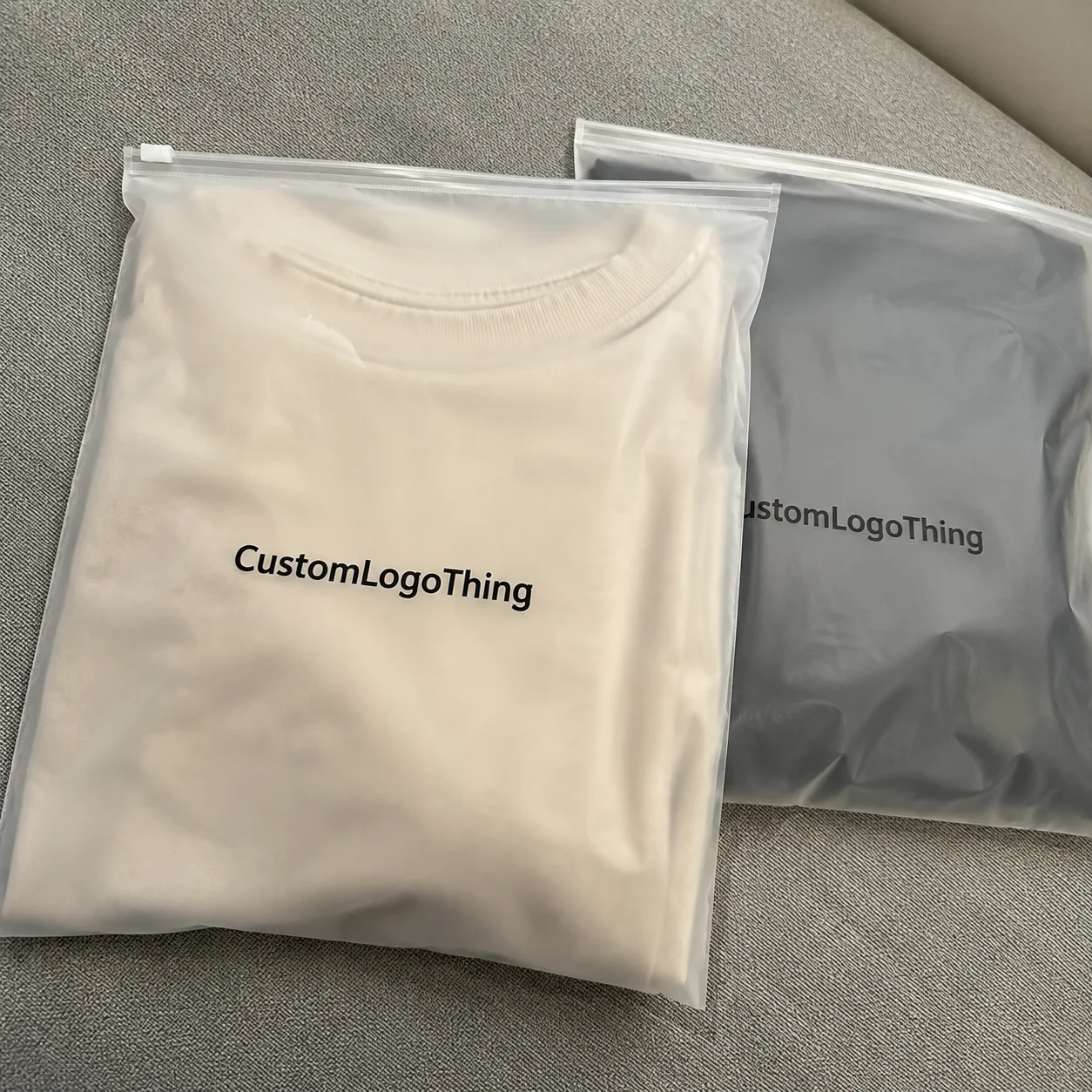
| Flexible bags or mailers | Apparel, accessories, subscription boxes, and high-volume shipping | Film thickness, seal strength, logo position, barcode area, and MOQ | Low-grade film can tear, wrinkle, or make the brand look cheap |
| Custom inserts and labels | Brand storytelling, SKU control, retail display, and repeat-purchase prompts | Die line, adhesive, color proof, copy approval, and packing sequence | Small errors multiply quickly across thousands of units |
Decision checklist before ordering
- Measure the real product and confirm how it will be packed, displayed, stored, and shipped.
- Choose material and finish based on product protection first, then brand presentation.
- Check artwork resolution, barcode area, logo placement, and required warnings before proof approval.
- Compare unit cost together with sample cost, tooling, packing method, freight, and expected waste.
- Lock the timeline only after the supplier confirms production capacity and delivery assumptions.
FAQs
What’s the best starting file for DIY packaging?
Start with a dieline in Illustrator, then build artwork on separate layers for cut, fold, bleed, and print. Export a press-ready PDF and keep a mockup version for presentation.
How much should I budget for small runs?
For many folding carton projects, expect $2.50-4.00 per unit at 500 MOQ, with lower pricing as volume increases. Rigid boxes, foil, and specialty finishes push costs higher.
How long does production usually take?
Simple packaging can move in 12-15 business days after approval, while more complex jobs often take 18-22 business days. Add sampling and freight time on top of that.
Which certifications matter most?
For materials and supply chains, GOTS, OEKO-TEX Standard 100, WRAP, BSCI, and GRS are the names I see most often on credible factory paperwork. The right one depends on whether you’re buying paperboard, textiles, or recycled-content packaging.
Do I need a factory in a specific country?
No, but Guangzhou is strong for cartons and finishing, Dhaka for apparel-related packaging, Ho Chi Minh City for flexible and paper packaging, and Istanbul for premium rigid boxes and fast-turn export work. The best choice depends on your material, MOQ, and finish requirements.