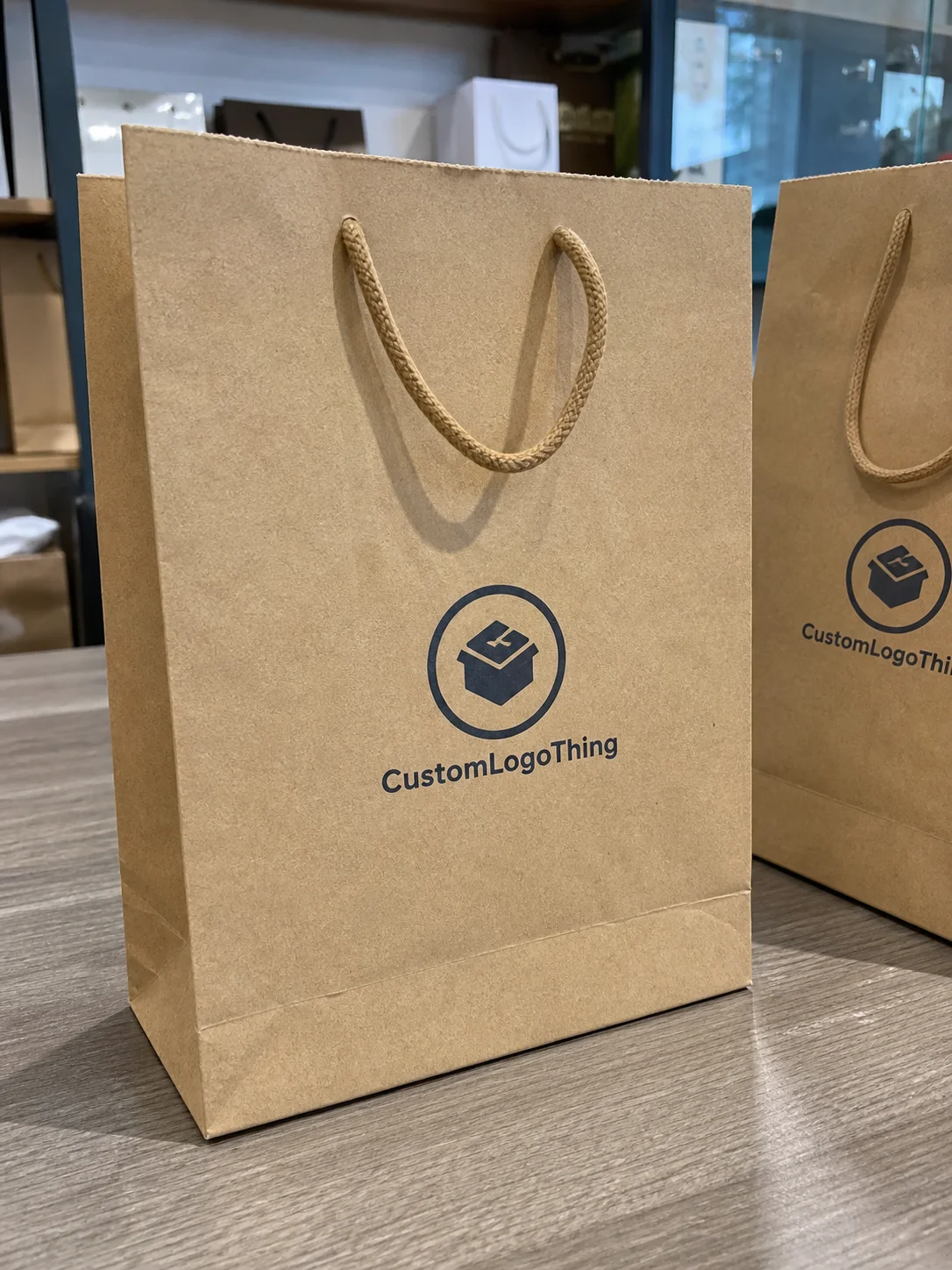
Designer Printed Tote Bags can look polished in a mockup and still fall flat in hand if the fabric weight, stitch quality, or print method is wrong for the job. The difference between a bag that feels retail-ready and one that feels disposable usually comes down to decisions made before artwork approval: material, construction, finishing, and the way the tote will actually be used.
What Designer Printed Tote Bags Actually Are
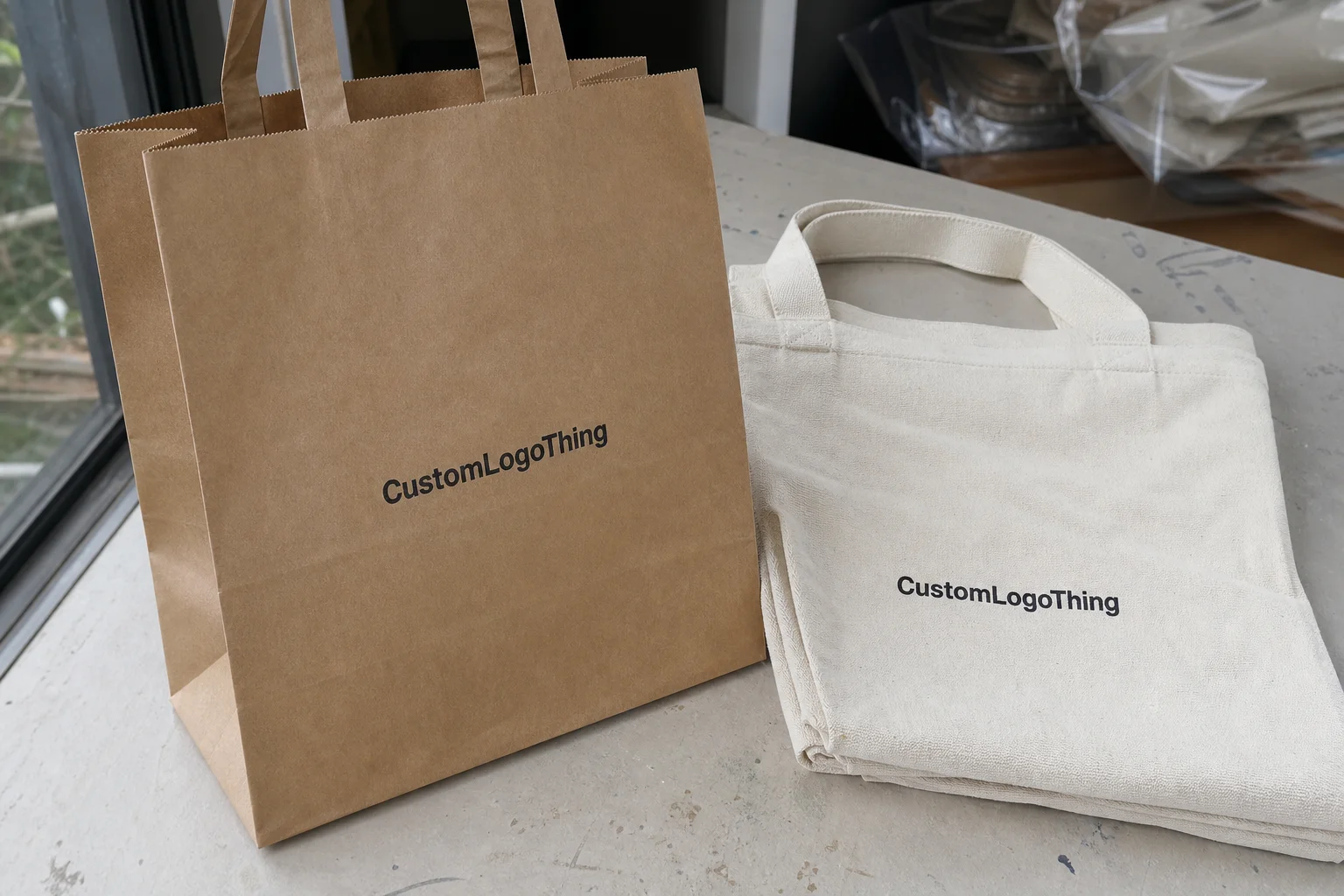
Designer Printed Tote Bags sit between a basic promotional bag and a true retail accessory. They have a practical job, but they also carry a brand’s visual identity, so the standard is higher than for a giveaway at a trade booth. The bag has to hold weight, keep its shape, and still look intentional after repeated use.
For buyers, the phrase usually means better fabric, cleaner printing, and more controlled finishing. That can mean heavier cotton, tighter seams, reinforced handles, a lined interior, or a closure that makes the tote feel finished rather than temporary. The artwork may be simple. The execution should not be.
The quickest way to judge whether the bag is working is to imagine it outside the event that created it. If someone would still carry it a month later, the tote is doing its job as both packaging and merchandise. If it starts to feel flimsy the moment it is loaded, the print has not been given a strong enough base.
Buyer rule: a tote only reads premium when the hand feel, seam strength, and print behavior support the artwork. Fixing one and ignoring the other two rarely gets a better result.
Compared with generic cotton totes, designer printed tote bags usually sit higher on the quality ladder. Compared with luxury retail packaging, they are more repeatable and more practical, which is why they show up in fashion drops, museum shops, product launches, corporate gifting, and premium event kits. The decision framework stays the same: material, print method, construction, quantity, and turnaround.
- Material sets the first tactile impression.
- Print method affects sharpness, color depth, and durability.
- Construction changes load-bearing performance and perceived value.
- Quantity shifts the unit cost quickly.
- Turnaround determines how much room there is for sampling and revision.
How the Printing Process Works
The production path usually starts with artwork prep, then proofing, then sampling if needed, followed by printing, curing or drying, sewing or finishing, inspection, and packing. On paper that sounds orderly. In practice, the process only stays clean when the file is ready and the buyer responds quickly to proofs.
Different decoration methods produce very different results. Screen printing still does the best job for bold logos and limited spot colors because it gives opaque, durable coverage on many tote surfaces. Digital printing is stronger when the artwork includes gradients, photographic detail, or broad color variation. Heat transfer can suit smaller runs and fine text, while applique or patch-style decoration adds texture for a more fashion-led finish. None of these methods is universally best.
The substrate matters as much as the press. A smooth coated tote accepts ink differently from natural canvas, and both behave differently from nonwoven polypropylene. On rougher fabrics, very fine detail can spread slightly and tiny type may lose clarity. On coated surfaces, color can look brighter, but the bag may feel less natural and less breathable.
That is the practical tradeoff buyers need to understand: color accuracy, wear resistance, and unit economics all pull on the same order. A method that looks ideal in a sample folder but pushes the bag outside budget is not a real option.
If the tote is intended for retail shelves or higher-stakes events, ask for a pre-production sample or strike-off. It takes longer, but it catches the problems that mockups hide: a logo sitting too low, a background tone dulling the artwork, or ink density that looks acceptable on a monitor and weak under store lighting.
Cost, Pricing, and MOQ Factors
Price is shaped by a small set of variables, and most buyers already know the obvious ones. Material grade matters. Bag size matters. Print colors matter. What gets missed are the details that add labor or setup time: handle length, gusset depth, lining, zipper closures, full-bleed decoration, and the number of production steps needed before packing.
MOQ behavior is straightforward once the jargon is stripped away. Lower quantities cost more per piece because setup work is spread across fewer bags. If a supplier needs to make screens, calibrate artwork, or run a separate finishing step, those fixed costs stay in the job whether the order is small or large.
For planning, it helps to think in tiers. A basic one-color event tote is very different from a retail-ready canvas bag, and both are different again from designer printed tote bags with lining, multiple print colors, and polished finishing. Freight matters too, because tote bags are bulky relative to their print value.
| Build Level | Typical Use | Indicative MOQ | Ballpark Unit Cost | Notes |
|---|---|---|---|---|
| Basic cotton, one-color screen print | Events, handouts, simple promotions | 500 to 1,000 | $1.10 to $1.90 | Best for bold logos and simple artwork |
| Midweight canvas, two-color decoration | Retail gifts, product launches | 250 to 500 | $2.20 to $4.00 | Better hand feel, more visible branding |
| Recycled blend, digital or transfer print | Sustainability-led programs, campaigns | 300 to 1,000 | $2.80 to $5.50 | Good for detailed artwork and mixed color work |
| Structured premium tote with lining or closure | Fashion, boutique retail, premium gifting | 100 to 300 | $5.50 to $11.00 | Higher perceived value, more labor steps |
Ask for pricing at several quantities, not just one. A quote at 500 pieces can look high, but the same design at 1,500 pieces may flatten enough to justify a larger order. If the supplier shows setup charges separately, you can see exactly where the economics change.
Watch for hidden costs: file cleanup, sampling, rush fees, packaging upgrades, and freight for cartons that are larger than expected. None of those are minor on a custom order. They can turn a good quote into a mediocre one quickly.
Choosing Materials, Size, and Finish
Material choice should start with use case, not trend. Cotton and canvas usually give the best balance of feel and printability. Recycled blends can support a sustainability story if the surface still accepts the artwork cleanly. Jute has a distinct natural look, though its texture can make fine print harder to control. Nonwoven polypropylene is light and cost-efficient, which suits promotions, but it rarely feels as premium as woven fabric.
Weight matters as much as fiber. Lightweight cotton can be fine for inserts or handouts, but a tote intended for books, product samples, or retail carry usually benefits from a heavier gsm. In practice, buyers often feel the difference before they can describe it. A bag that hangs limp will always read cheaper than one that has some structure.
Size should match the contents. A tote for brochures and a notebook should not be sized like a beach bag. Too small, and the contents bulge. Too large, and the bag feels wasteful, expensive to ship, and awkward in use. Common carry dimensions often sit around 13 x 15 inches, 16 x 14 inches, or larger formats near 18 x 16 inches, but the right size depends on what goes inside.
Construction details move perception more than many buyers expect. A reinforced base helps the bag stand upright. Gussets improve capacity without making the tote look sloppy. Lined interiors make the bag feel more finished. Zipper closures are useful for travel or premium retail kits. Longer handles improve shoulder carry, while shorter handles can look cleaner on compact bags.
Finish changes the way the artwork reads. Matte surfaces tend to look calmer and more premium. Glossy or coated surfaces make color pop, but they can push the bag toward a more promotional feel. Natural texture gives warmth and a softer tone, though it can reduce crispness in small text.
If the tote ships with hang tags or paper inserts, ask for FSC-certified stock from FSC. That does not solve the whole sustainability question, but it is a useful signal that supporting materials were chosen with traceability in mind.
Process and Timeline: From Artwork to Delivery
The timeline usually begins with a brief, then a quote, then artwork prep, proof approval, sampling if needed, production, quality checks, and shipping. Many buyers assume the print run is the slow part. It usually is not. The delay is more often the art approval loop, especially if logos need cleanup, colors need adjustment, or the bag size changes late.
For standard runs, a clean file and fast sign-off can keep production in the 12 to 15 business day range from proof approval, excluding transit. More customized bags, especially those with lining, closures, or multi-step finishing, often need 15 to 25 business days. Sampling can add another 3 to 7 business days, depending on the method and whether the supplier must create a new setup.
Shipping deserves its own attention. Tote bags are not fragile, but they are bulky, and carton efficiency matters. If the order is tied to a launch date, conference, or retail reset, build in time for freight and receiving. A good product that lands three days late still creates a problem.
Quality control should cover more than the printed face. Check seam consistency, handle attachment, print registration, color shift across panels, and the way the bag folds or packs. If the tote is supposed to carry heavier items, ask whether stress points have been reinforced at the handle joins and base corners. Those are the places where weak construction tends to show up first.
For transit risk, ask whether packed cartons have been checked against a recognized test method. The International Safe Transit Association publishes standards widely used for packaged goods; a supplier who understands ISTA testing is usually thinking beyond the print itself and into the actual journey.
The practical lesson is simple: timing is not just a production number. It is an agreement between file readiness, supplier capacity, and the shipping lane you choose.
Common Mistakes Buyers Make
The most common mistake is approving a mockup without checking how the design behaves on the real substrate. A color that looks sharp on a white render can disappear on natural canvas. A logo that seems centered on screen can sit too low once seams, gussets, and handles are real.
Another mistake is buying the cheapest bag and then paying for disappointment. Thin fabric can be acceptable for a single event, but it can fail fast if the tote is expected to hold books, product samples, or anything with real weight. Once the bag feels flimsy, the brand association goes with it.
Use case matters more than almost anything else. A tote for a fashion launch needs different construction from a tote for conference handouts. If load requirements are ignored, the handles, seams, or base can become the weak point. That is not a print issue. It is a design issue.
Too much artwork can work against the brief. A crowded front panel often reads less premium than a restrained layout with strong spacing. In retail settings, cleaner branding tends to age better. It also gives the bag more room to be reused outside the original campaign.
- Check bleed and safe zones on the actual bag template, not a generic flat graphic.
- Confirm logo placement against seam lines and gussets.
- Ask for file specs early so you do not rebuild artwork at the last minute.
- Request care instructions if the tote will be resold or reused often.
Expert Tips for Better Results
Use strong contrast if you want the artwork to read from a distance. Two colors that sit far apart in value usually outperform five colors that fight each other. For designer printed tote bags, visual discipline often looks more expensive than complexity.
If color accuracy matters, ask for a physical sample or strike-off. Screens and monitors are poor judges of ink on cloth. They are useful for communication, not for final approval. That matters especially with branded reds, deep blacks, and soft neutrals that can shift on textured fabric.
Match the surface to the design language. Bold graphics suit smoother cotton or coated finishes because edges stay cleaner. Minimal branding can work beautifully on natural canvas or recycled blends because the texture becomes part of the aesthetic instead of something to hide.
Think like a retail buyer, not only a marketing buyer. If the tote will be seen in public many times, comfort and durability matter as much as the first unboxing moment. Handle feel, stitch quality, and print durability all affect whether the bag keeps circulating or ends up in a drawer.
Ask for a costed option set. Two or three build specs are more useful than one fixed quote, because they show the tradeoff between a lower opening price and a better product that may perform more credibly in the market.
One practical check many teams skip: rub resistance. If the print is likely to contact other surfaces in cartons, retail bins, or commuter bags, ask how the ink or transfer holds up after folding and friction. A tote that looks sharp on day one can still disappoint if the artwork scuffs too easily.
Next Steps for Ordering the Right Tote
Start with a short spec sheet. Define the use case, approximate quantity, target unit price, and deadline before asking for quotes. A supplier can work faster with constraints than with vague enthusiasm.
- Share final artwork files, plus a backup version in case the first file needs cleanup.
- State your preferred size, material, handle length, and any closure or lining requirements.
- Ask for pricing at multiple quantities so you can compare breakpoints.
- Confirm proof approval timing, sample availability, production lead time, and freight method.
- Review design clarity, material feel, pricing fit, and delivery date before placing the order.
If the order is for retail or a high-visibility event, keep the brief tighter than you think it needs to be. Most misses come from late changes, not bad concepts. Once the size, substrate, decoration method, and finish are fixed, the project becomes much easier to manage.
Designer printed tote bags work best when the bag itself supports the brand language. The strongest versions feel calm in the hand, clear at a distance, and durable enough to stay in use after the original campaign ends.
What makes designer printed tote bags different from standard printed totes?
They usually use better materials, cleaner decoration, and more controlled finishing so the tote feels closer to a retail product than a giveaway item. The differences buyers notice first are seam strength, print clarity, handle comfort, and the way the bag holds its shape.
How do I choose the right printing method for designer printed tote bags?
Choose based on the artwork, fabric, quantity, and durability needs rather than assuming one method is always better. Simple logos often work well with screen printing, while detailed or colorful artwork may need digital printing or transfer-based decoration.
What affects the cost of designer printed tote bags the most?
Material grade, print colors, quantity, construction details, and setup fees usually drive the largest swings in price. Rush timing, sampling, and special finishing can also move the final unit cost more than many buyers expect.
How long does production usually take?
Timeline depends on artwork approval, sampling, production complexity, and shipping method. A clean file and fast sign-off can keep a standard order in the low-teens in business days after proof approval, while more customized bags usually need more time.
What should I check before placing an order?
Confirm the final size, material, print placement, color expectations, MOQ, unit price at different quantities, and delivery window. Ask for a sample or proof if brand color or perceived quality matters, because those issues are harder to fix after production.