Buyer Fit Snapshot
| Best fit | Double Wall Shipping Boxes Cost projects where brand print, material claims, artwork control, MOQ, and repeat-order consistency need to be specified before quoting. |
|---|---|
| Quote inputs | Share finished size, material target, print colors, finish, packing count, annual reorder estimate, ship-to region, and any compliance wording. |
| Proofing check | Approve dieline scale, logo placement, barcode or warning zones, color tolerance, closure strength, and carton packing before bulk production. |
| Main risk | Vague material claims, crowded artwork, missing packing details, or unclear freight terms can make a low unit price expensive after revisions. |
Fast answer: Double Wall Shipping Boxes Cost: Board, Finish, Dieline, and Unit Cost should be specified like a repeatable production item. The safest quote records material, print method, finish, artwork proof, packing count, and reorder notes in one written spec.
Production checks before approval
Compare the actual filled-product size with the drawing, then confirm tolerance on folds, seals, hang holes, label areas, and retail display edges. Reserve space for logos, QR codes, warning copy, and material claims before decorative graphics fill the panel.
Quote comparison points
Review material grade, print process, finish, sampling route, tooling charges, carton quantity, and freight assumptions side by side. A quote is only useful when the supplier can repeat the same color, closure quality, and packing count on the next order.
Double wall shipping boxes cost often looks straightforward on a quote sheet, right up until the first dented pallet, crushed corner, or split seam sends the whole packaging plan back for a second look. The box itself is rarely the expensive mistake. Lost product, repacking labor, customer credits, freight claims, and replacement orders can climb faster than most teams expect, which is why a stronger carton can end up being the calmer, cheaper choice overall.
Buyers sometimes compare double wall shipping boxes cost against single wall cartons as if the only number that matters is the unit price. That leaves out the messier part of the story. A fair comparison has to include product weight, stack pressure, transit distance, pack-out method, and how much handling the carton will take before it reaches the destination. A box that protects well can trim damage, reduce void fill, and keep the packing line moving without a lot of second-guessing.
I have seen packaging teams spend weeks chasing a cheaper carton only to pay for it later in rework and claims. That kind of savings is kinda fake, if we are being honest. A carton that bows under load or splits at the bottom seam can cost more in one bad shipment than the stronger box would have cost across the whole run.
Double Wall Shipping Boxes Cost: Why the Right Box Saves More Than It Spends
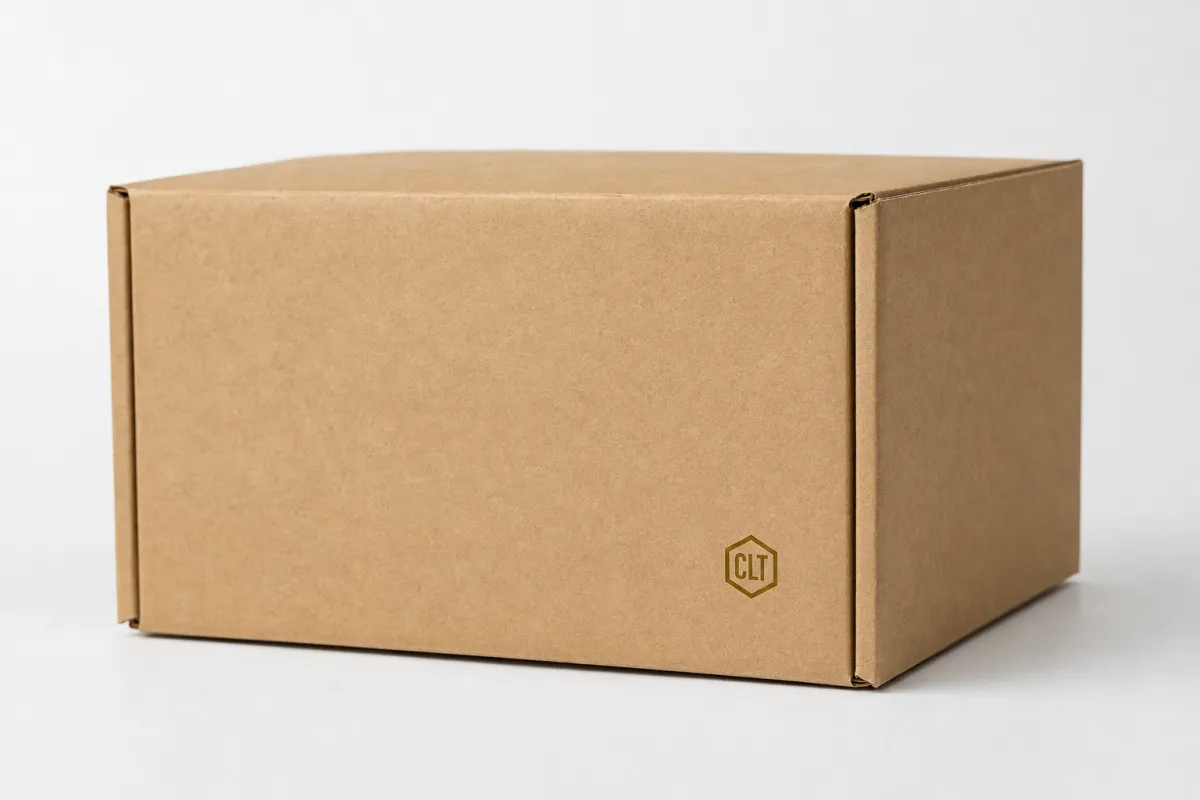
From a packaging buyer’s perspective, double wall shipping boxes cost should be judged against the job the carton has to do, not against a lighter option sitting beside it on a quote sheet. Double wall construction uses more corrugated board, more fiber, and more converting time, so the price goes up. That part is easy to see. What is harder to see is the cost of a carton that crushes under stack load, punctures on an uneven edge, or fails after the package has already been picked, packed, and shipped.
Strong cartons earn their keep through stacking strength, puncture resistance, and better behavior with dense or awkward loads. In facilities where pallets are stacked high, where shipments pass through several touch points, or where freight rides mixed carrier networks, that extra board matters. Glassware, metal parts, industrial kits, and warehouse transfers all tend to benefit from the extra structure.
The best way to think about double wall shipping boxes cost is to treat it as part of landed cost rather than as a line item in isolation. If a carton costs a little more but keeps the product intact, reduces packing materials, and lowers the odds of a claim, the total spend can still land in a better place. I have watched teams learn this the hard way, usually after one too many broken shipments.
Another detail that gets missed: a better-fitting carton can cut space inside the box, which means less filler and less movement. That matters because movement inside the carton often causes trouble before the outside board ever gives out. If you want to compare construction types and see how different formats affect protection and pricing, our Custom Packaging Products page is a useful starting point, and our Custom Shipping Boxes category shows several formats side by side.
The lowest quote can turn into the highest landed cost when the carton fails in transit or creates extra handling later in the chain.
What Drives Double Wall Shipping Boxes Cost?
Several variables shape double wall shipping boxes cost, and each one can move the final number more than buyers expect. Board grade sits near the top of the list. Heavier corrugated construction with the right flute combination uses more fiber and is built to carry more compression, resist punctures, and survive rougher handling. Carton dimensions matter right away too. Larger blanks consume more board and often reduce sheet yield, which pushes the price up.
Style changes the math as well. A regular slotted carton is usually the most efficient shape to manufacture. Full overlap styles, custom die-cut cartons, and specialty mailer formats ask for more board or more converting time. Two cartons can look nearly identical from across a warehouse aisle and still end up in very different pricing bands once blank size, flap layout, scores, and nesting are figured in. That is one reason double wall shipping boxes cost can shift even when the outside appearance seems familiar.
Print coverage plays a part too. Plain kraft is usually the baseline. One-color logo printing adds a manageable step, while fuller exterior coverage or decorative branding adds more. For ecommerce shipping where the carton also serves as part of the presentation, that extra cost may be justified. For a box that functions strictly as a transit shell, simple branding or label-based identification often keeps double wall shipping boxes cost in a healthier range without giving up the protection side of the job.
Volume is one of the biggest levers. Setup, cutting, scoring, and converting costs spread out as quantity rises, so low-volume orders often carry a higher unit price while larger runs usually settle into a more efficient range. A 500-piece order will usually look expensive on a per-box basis because the fixed work is being absorbed by fewer cartons. A 5,000-piece run often drops sharply in unit cost if the design is efficient and the minimum order quantity fits the production schedule. A clear specification sheet makes those conversations much easier before anyone quotes double wall shipping boxes cost.
Freight and dimensional weight deserve attention too. A carton that looks cheap at the plant can cost more to move if it eats up too much cube in transit. Light products packed in oversized boxes often pay for unused space in shipping charges. That is why I always ask for the actual product dimensions and the pack-out format before estimating double wall shipping boxes cost.
A carton is only one part of the packaging system. Tape, void fill, inserts, dividers, labels, and pallet wrap all affect the final shipping materials budget. A slightly stronger carton can sometimes reduce the need for other packing materials, which keeps total spend steadier and often makes the packing process simpler as well.
Double Wall Shipping Boxes Cost by Specification and Box Style
Specification is where double wall shipping boxes cost becomes real, because one carton style is not interchangeable with another. A regular slotted carton may be the everyday workhorse for general shipping, while a full overlap carton is better for edge protection and load distribution. A die-cut format may speed packing or reduce the need for void fill, yet it usually asks for more setup and more precise tooling. The design choice affects the carton itself and the labor around it.
Board construction matters just as much as outer shape. Buyers often reference burst strength or edge crush test, but those numbers need to be read alongside the actual use case. A carton can look strong on paper and still be the wrong answer if the product shifts, the pallet stacks high, or the shipment moves through multiple handling points. That is why double wall shipping boxes cost should always be judged with performance in mind, not appearance alone.
Here is a practical comparison of common options buyers ask about. These ranges are directional, not universal, because board availability, print complexity, and freight lane all play a role.
| Box style | Typical use | Cost impact | Protection notes |
|---|---|---|---|
| Regular slotted carton | General shipping, ecommerce shipping, warehouse replenishment | Lowest baseline | Efficient to make; good all-around choice when the product is already well packed |
| Full overlap carton | Heavy parts, stacked freight, sharp-edged contents | About 10% to 20% higher | Extra panel coverage improves edge and corner durability |
| Die-cut custom box | Presentation packaging, tailored inserts, odd shapes | About 15% to 35% higher | Better fit can reduce void fill and product movement |
| Partitioned shipper | Glassware, bottles, fragile multi-pack kits | Higher due to extra inserts | Partitions lower impact risk but add material and converting cost |
A plain 18 x 12 x 12 double wall RSC may fall into one pricing band, while a custom die-cut carton with a similar cube can land several steps higher because tooling, nesting, and labor are less efficient. Comparing double wall shipping boxes cost across different constructions without looking at the spec usually leads to a weak decision. The price difference might look small on paper and still create a meaningful change in the warehouse.
Inserts and dividers deserve a close look too. When a product has fragile surfaces, separated components, or liquid-filled containers, partitions can reduce breakage and improve pack stability. The tradeoff is direct: the final quote rises because the package includes more parts. Even so, if the insert prevents claims or repacking, the added double wall shipping boxes cost can be easier to justify than the losses that come with an underbuilt shipper.
Custom inside dimensions are another quiet money saver. A carton that fits the product correctly can reduce void fill, prevent shifting, and improve pallet efficiency. That matters because movement inside the box often causes failure before the exterior carton ever gives out. Buyers sometimes accept a lower-priced box with the wrong fit, then spend more on filler, tape, and rework than they would have spent on a properly sized carton. The quote looked good, but the economics did not.
Special performance features should be added only when the application truly needs them. Moisture-resistant treatments, venting, coated surfaces, or a premium finish can make sense for certain industries, but each option adds cost and makes production more complex. If the carton moves through a dry warehouse and ordinary freight lanes, those extras may not bring much value. A disciplined review of double wall shipping boxes cost helps avoid paying for features that never earn their keep.
Pricing, MOQ, and Quote Details for Double Wall Shipping Boxes
Buyers usually want a clean unit price, yet double wall shipping boxes cost is often built from several separate pieces. There is the carton itself, setup or tooling if the format is custom, sample or proof charges where applicable, and freight from the plant to the warehouse. A real landed estimate needs all of it. Without those pieces, the unit price may look attractive while the delivered total tells a different story.
MOQ matters more than many teams expect. Standard plain cartons may run at lower minimums, especially if the size is common and the board spec is already in production. Custom dimensions, branded printing, or unusual board constructions often need a higher MOQ to stay efficient. That is not a sales trick; it is how corrugated converting works. The pricing curve for double wall shipping boxes cost usually improves as volume rises because setup time is spread across more finished cartons.
To quote accurately, a good supplier should ask for the following:
- Inside dimensions, not just outside size
- Product weight and whether the box will carry a single item or a multi-pack
- Stacking requirements for pallet loads or warehouse storage
- Print needs, including one-color, two-color, or no print
- Expected annual volume and the first order quantity
- Shipping destination for freight calculation
- Target ship date and whether the order is tied to a launch or replenishment schedule
Those details matter more than most buyers realize. If the carton has to fit inserts, protect glass, or support a heavy pallet load, that has to be clear from the start. Otherwise, the quoted double wall shipping boxes cost may be based on a lighter use case than the one you actually need. That leads to re-quoting, delay, and a long thread of follow-up that could have been avoided with a fuller spec.
I tell buyers to compare the whole package, not just the lowest unit cost. A quote that is 8% higher can still be the smarter buy if it cuts damage in half, reduces void fill, or lowers packing time. That is especially true in order fulfillment settings where labor is already tight. Saving a few cents on the carton does not help much if the team spends extra seconds building out the pack or if the customer receives a crushed shipment.
Factory-direct and delivered pricing deserve separate review too. Factory-direct can look lower on paper, but freight, accessorials, and small-lot shipping can erase the advantage. A landed estimate gives the real picture. If the order is part of a wider purchasing plan, it can also help to compare other shipping materials such as Custom Poly Mailers for lighter SKUs that do not need corrugated protection. Matching the format to the product class often saves more than forcing every item into the same box family.
Good purchasing buys the right spec at the right volume for the route the product actually travels.
Production Process and Timeline: From Quote to Delivery
A clean production process helps keep double wall shipping boxes cost under control because every rework step adds time and money. The usual path starts with spec review, moves into quote approval, then into artwork or dieline confirmation if the box is printed or custom-built. After that comes material scheduling, converting, packing, and shipment. Each step sounds routine, yet small errors at the front end can create expensive delays later.
Most delays come from familiar problems. Dimensions are incomplete. An outside size gets sent instead of an inside size. Artwork arrives in the wrong format. Someone changes the load or stacking requirement after the order has already moved into production. Corrugated runs work best when the spec stays stable. If the details keep shifting, double wall shipping boxes cost can rise because of rescheduling, waste, or extra proofing.
Lead time depends on complexity, quantity, and whether the order is a standard corrugated run or a custom build that needs more setup. A straightforward plain box order often moves faster than a printed carton with multiple dieline adjustments. Standard production windows are usually measured in business days rather than hours, and most buyers should leave room for proof approval. That buffer matters when the shipment supports a launch, seasonal order fulfillment, or retail replenishment.
Sample approval is worth the extra step, especially for new sizes or heavier product lines. A prototype can catch fit issues, corner interference, print placement problems, or stacking weakness before volume starts. The sample may add a small amount to double wall shipping boxes cost, but it can save far more if it prevents a bad run. I have seen a sample reveal a dimension error that would have turned into a full pallet of unusable cartons. That is a much more expensive mistake than a short approval cycle.
If you want the timeline to stay efficient, send final specs early and keep approvals moving. Share the inside dimensions, weight, quantity, destination, and artwork in one clean packet. If a dieline or sample is needed, ask for it before the order is scheduled rather than after. That simple habit does more to stabilize double wall shipping boxes cost than most buyers expect.
For buyers who want a performance benchmark, testing and validation are worth asking about. ISTA methods are commonly used for shipping simulation, drop testing, and vibration work, and they help packaging teams compare options under real stress conditions. You can review the standards and the organization’s testing framework at ISTA. For sustainability and fiber sourcing questions, the chain-of-custody approach at FSC can also matter if your procurement team tracks certified materials.
Why Choose Us for Double Wall Shipping Boxes
Many buyers want a packaging partner that gives clear guidance on protection and spend, not a glossy pitch that skips the hard parts. Experience matters here. A supplier that understands corrugated construction can explain why one board grade is enough, why another is safer, and when a standard carton is the better fit. That kind of advice keeps double wall shipping boxes cost tied to the real need instead of drifting upward because of guesswork.
Clear communication plays a big role in that value. Buyers should be able to compare board grades, dimensions, tolerances, and style options without decoding vague sales language. If the carton needs to hold pallet weight, resist puncture, or survive carrier handling, those requirements should be stated plainly. The best quote answers the real question behind double wall shipping boxes cost: what does the carton need to do, and what is the most efficient way to build it for that job?
Quality control matters because consistency is a business issue as much as a packaging issue. If cartons vary in score quality, dimension, or board performance, the warehouse feels it in slower pack times, more tape, more filler, and more mistakes. Across a large run, those small inefficiencies add up fast. A dependable supplier helps keep the spec steady from sample through production so those hidden costs do not spread across the operation.
We also look at the packaging system as a whole. Some customers need a combination of corrugated cartons, inserts, labels, and lightweight mailers for different SKUs. A broader packaging plan might include Custom Shipping Boxes for dense products and Custom Poly Mailers for low-bulk items that do not need the same level of protection. Matching the right transit packaging to the right SKU often improves order fulfillment efficiency more than chasing a single low price on every item.
Reliable quoting and realistic lead times matter too. Buyers do not need promises that sound impressive and fail in practice. They need clear answers, stable specs, and support from the first estimate through final shipment. If a team can help you keep double wall shipping boxes cost predictable while still meeting the product’s protection needs, that is real value.
Next Steps to Lock in Your Double Wall Shipping Boxes Cost
The fastest path to an accurate quote is sending the full spec packet the first time. Include inside dimensions, product weight, pack count, stacking needs, print requirements, destination, and target quantity. That one step cuts down on back-and-forth and gets you closer to a quote that reflects the real double wall shipping boxes cost rather than a loose estimate.
It also helps to compare at least two constructions if the shipment is sensitive. A small shift in flute, board grade, or carton style can change damage rates and unit cost at the same time. A regular slotted carton may be enough for one product, while a full overlap option is worth the extra material for another. The goal is not to buy the highest spec. The goal is to buy the right spec for the route, the product value, and the warehouse handling it will see.
Decide early what matters most: lowest unit cost, shortest lead time, or maximum protection. Those goals do not always point in the same direction. A lower unit price can come with a higher MOQ. A faster turn can cost more. A stronger carton can save money on damage and repacking even if the quoted double wall shipping boxes cost is higher. Once the priority is clear, the buying decision gets easier.
If the carton is new to your line, ask for a sample, a dieline, or a spec sheet before volume production starts. That is especially wise for heavy goods, fragile products, or new ecommerce shipping programs. It is also useful for procurement teams trying to standardize shipping materials across multiple SKUs. If you need a stronger carton family to support a broader program, the safest move is to lock the specification before the first big run, because that is where costly surprises usually show up.
Send the dimensions, quantity, and destination, and build the order around the use case instead of the lowest box price alone. When the spec is clear, the board grade is appropriate, and the timeline is honest, double wall shipping boxes cost becomes much easier to manage and much easier to defend internally.
How much do double wall shipping boxes cost compared with single wall boxes?
Double wall cartons usually cost more because they use more corrugated board and are built for higher stacking and puncture resistance. The difference is easiest to justify when the shipment is heavy, fragile, or likely to be stacked in a warehouse. The real comparison should include damage reduction, repacking labor, and freight efficiency, not just the box price.
What order quantity gives the best double wall shipping boxes cost?
Higher quantities usually lower unit cost because setup and converting costs are spread across more cartons. Custom dimensions and printed cartons often need a higher MOQ than plain stock-style boxes. The best quantity is the one that balances storage space, cash flow, and shipping demand without overbuying inventory.
What information do you need to quote double wall shipping boxes cost accurately?
Provide inside dimensions, product weight, pack configuration, and whether the cartons will be palletized or shipped individually. Include print requirements, shipping destination, and target quantity so freight and converting costs can be included correctly. If the box must fit inserts, dividers, or an unusual product shape, share those details before the quote is built.
How does lead time affect double wall shipping boxes cost?
Rush schedules can raise cost because they tighten production windows and may require priority scheduling. Standard lead times usually give more flexibility for material planning and production efficiency. If timing matters, ask for the earliest realistic ship date and compare it with the cost of an expedited run.
Are custom sizes worth it when buying double wall shipping boxes?
Custom sizes are often worth it when they reduce void fill, improve product fit, or lower shipping damage. A better fit can also improve pallet efficiency and reduce the need for oversize cartons. If your product is close to a standard size, compare both options because a standard box may still be the lower-cost solution for double wall shipping boxes cost.

