Buyer Fit Snapshot
| Best fit | Eco Friendly Packaging Design for Better Branding projects where brand print, material claims, artwork control, MOQ, and repeat-order consistency need to be specified before quoting. |
|---|---|
| Quote inputs | Share finished size, material target, print colors, finish, packing count, annual reorder estimate, ship-to region, and any compliance wording. |
| Proofing check | Approve dieline scale, logo placement, barcode or warning zones, color tolerance, closure strength, and carton packing before bulk production. |
| Main risk | Vague material claims, crowded artwork, missing packing details, or unclear freight terms can make a low unit price expensive after revisions. |
Fast answer: Eco Friendly Packaging Design for Better Branding: Material, Print, Proofing, and Reorder Risk should be specified like a repeatable production item. The safest quote records material, print method, finish, artwork proof, packing count, and reorder notes in one written spec.
Production checks before approval
Compare the actual filled-product size with the drawing, then confirm tolerance on folds, seals, hang holes, label areas, and retail display edges. Reserve space for logos, QR codes, warning copy, and material claims before decorative graphics fill the panel.
Quote comparison points
Review material grade, print process, finish, sampling route, tooling charges, carton quantity, and freight assumptions side by side. A quote is only useful when the supplier can repeat the same color, closure quality, and packing count on the next order.
Eco Friendly Packaging design tips only matter if the packaging survives a real packing line, a real truck, and a real customer opening the box at home. I’ve seen a beautiful carton at a client’s facility in Shenzhen turn into a production headache because the wrong aqueous coating made the folds grab in the wrong places, while the “green” insert added more waste than the product inside. That kind of mismatch happens all the time, and it is exactly why eco friendly Packaging Design Tips need to be practical, not sentimental.
At Custom Logo Things, the strongest Eco Friendly Packaging design tips are the ones that help a brand look sharp, protect the product, and use fewer resources in the process. That might mean a 350gsm FSC-certified paperboard sleeve, a recycled corrugated mailer, or a molded fiber insert that replaces a plastic tray. Packaging is never just a wrapper; it shapes the product experience, the shipping cost, and the brand story at the same time.
I also want to be honest about scope: there is no single “green” material that works for every product. A premium candle, a vitamin bottle, and a set of ceramic espresso cups all ask for different structures, coatings, and shipping tolerances. The right answer is usually a measured one, not a trendy one, and that is kinda the whole point.
What Eco Friendly Packaging Design Really Means
A package can look sustainable and still create more waste if the liner, coating, or insert is specified poorly. I saw that firsthand during a corrugated trial for a subscription brand that wanted a natural kraft look, yet the spec included a full plastic window and a heavy laminated label that made the pack difficult to recover in standard paper streams. The box looked eco conscious on shelf, but it behaved like a mixed-material package once it reached the recycling system.
Eco Friendly Packaging design tips begin with a simple idea: reduce material use without compromising product protection. That means thinking about material selection, structural efficiency, print coverage, adhesives, and what happens after the customer opens the pack. A package can be recyclable, made with recycled content, compostable, reusable, or source-reduced, and those are not the same thing.
Here’s the plain-language version I use in client meetings. Recyclable means the material can usually enter a local recycling stream if it is clean and accepted there. Recycled content means the package already contains recovered fiber or plastic. Compostable means it can break down under specific composting conditions, which are not always available to consumers. Reusable means the pack is sturdy enough to be used again. Source-reduced means you used less material from the start, which is often the smartest move.
Sustainability also affects logistics. A lighter carton can lower freight cost, and a tighter layout can improve pallet density, which reduces the number of truckloads needed for the same order volume. In one supplier negotiation I handled, switching from an oversized rigid setup box to a right-sized folding carton reduced carton weight by 18% and cut pallet count by 11%, which helped both cost and transport emissions. That is why Eco Friendly Packaging design tips should always consider transportation weight, damage reduction, and manufacturability together.
“A greener package that fails in transit is not a greener package for long.” I’ve heard that from more than one plant manager, and they were not exaggerating.
How Sustainable Packaging Design Works in Production
Eco friendly Packaging Design Tips only pay off when they survive the production floor. The workflow usually starts with a concept sketch, then moves into a dieline, sample construction, prepress checks, and a final run on factory equipment. At a rigid box plant I visited near Dongguan, the team refused to release a design until the wrapped board, the wrap paper grain direction, and the turn-in tolerances were all confirmed. That kind of discipline saves a lot of rework later.
The base structure matters more than most people think. Folding carton gluing behaves differently than corrugate die-cutting, and both behave differently than rigid box wrapping. If you choose a coated board with a low-surface-energy finish, glue bond performance can drop unless the adhesive is matched correctly. I’ve seen a hot-melt line struggle with a carton that looked perfect on screen but needed a different glue pattern because the fold memory was too strong for the board caliper.
Print coverage and finishing choices matter too. Heavy flood coatings, metallic foils, and laminated windows can complicate recycling and add machine steps. Water-based inks, low-VOC coatings, and selective decoration usually give you a cleaner result with less processing stress. The Forest Stewardship Council also provides useful guidance on certified fiber sourcing, and I encourage brands to ask for documentation if they are making FSC claims.
Packaging engineers test for compression strength, edge crush, drop resistance, and fit because overpackaging is often a sign that the design was never validated. A simple test pallet of 24 units can reveal whether a carton needs 44 ECT board instead of 32 ECT, or whether a molded fiber insert can replace a thick pulp tray without allowing product shift. If you need a reference for shipping test methods, the ISTA site is a solid starting point for distribution testing standards.
Timeline matters, especially if custom tooling is involved. A straightforward paper-based project may take 12 to 15 business days from proof approval to finished production, while a custom insert or specialty die can add another week or two. My advice is to plan for concept review, sampling, revisions, pre-production approval, and production lead time as separate checkpoints, not one vague rush phase.
And because this is where budgets can get slippery, I usually tell teams to leave a little breathing room for one more prototype round. A sample that looks fine on a desk may behave differently once the board is creased, glued, and stacked by the thousand. That extra checkpoint is boring in the moment, but it saves everybody from a last-minute scramble.
Eco Friendly Packaging Design Tips: Key Factors That Shape Better Results
When clients ask me for eco friendly Packaging Design Tips, I usually start with materials because that is where the biggest wins and the biggest mistakes live. Recycled corrugate, kraft paperboard, molded fiber, mono-material films, and FSC-certified paper substrates are among the most common options I see in branded packaging and retail packaging projects. For custom printed boxes, a 400gsm recycled board with a neat water-based varnish can often do the job beautifully without needing a more complex build.
Print and finish decisions come next. A full-coverage soft-touch lamination feels premium, but it can also make recovery harder and add cost. I’m not against premium finishes; I just think they should be used with intent. A small spot gloss logo or a light emboss on the lid panel can create strong package branding without covering the entire surface in a film that complicates end-of-life processing.
Size and structure efficiency are where many brands leave money on the table. Right-sizing a carton by even 8 mm in each direction can reduce void fill and improve cube efficiency on a pallet. I worked with a cosmetics client that moved from a 220 x 160 x 90 mm mailer to a 205 x 145 x 80 mm design, and that small change reduced dunnage use by about 14% across the run. One of the most practical examples came from a lifestyle brand launching a modular tea set. By switching from a mixed-material rigid box to a single-wall corrugated setup built on a Bobst Expertcut 106 die cutter near Guangzhou, they not only cut board cost but also trimmed the adhesive usage by 22% because we eliminated the need for double-sided tapes.
Material certifications are another crucial detail. If you specify cotton fabric pouch liners, ask for GOTS (Global Organic Textile Standard) documentation, and if you are doing textile-based closings or drawstrings, verify OEKO-TEX Standard 100 compliance for chemical safety. For film laminates and multi-layer bags, look for GRS (Global Recycled Standard) statements so you know the recycled content is audited. Brands shipping through multi-tenant facilities should also check that their suppliers operate under WRAP (Worldwide Responsible Accredited Production) or BSCI (Business Social Compliance Initiative) frameworks so social compliance is visible from sourcing to final pack-out.
For a mid-tier consumer goods launch, we ran the packaging bill of materials through cost modeling. With a 500 MOQ, the new mono-shell design built in Ho Chi Minh City cost between $2.50-4.00 per unit, depending on finish requirements. That estimate covered the 0.6 mm recycled kraft box, a molded fiber insert made on an automatic forming press, and a water-based white ink print done on a Heidelberg Speedmaster CX 75 run. It kept the team within their premium pricing tier while still hitting their sustainability claims.
What Are the Best Eco Friendly Packaging Design Tips for Real Production?
The best tips are the ones you can actually execute at scale. Start with a material audit: identify which substrates are recyclable in your key markets. In the U.S. and Europe, curbside streams accept SBS paperboard and uncoated kraft, but they reject most rigid plastic laminates. If you are shipping to the Middle East or Eastern Europe, work with converters in Istanbul who understand both the preferential tariffs and the local recycling norms. I’ve seen Istanbul-based finishing houses blend recycled grey board with a biodegradable polyurethane varnish that meets local recyclers’ expectations, while staying compliant with EU REACH thresholds.
Next, optimize adhesives. Hot-melt glue works well on corrugate, but pressure-sensitive adhesives help when you need to create tear strips without cutting performance. On the factory floor in Dhaka, their hot-melt line connected to a Metso Vision inspection system catches glue thread defects before they turn into rejects. That level of monitoring keeps waste low and satisfies the client’s zero-defect policy.
Also consider the secondary packaging. If you are using filler, choose loose-fill made from 100% recycled cellulose or propose reusable fabric wraps certified to OEKO-TEX Standard 100 for textiles. Secondary packs that can go back into the e-commerce return flow—like dust bags used as shipping liners—make the whole system more circular.
Step-by-Step Eco Friendly Packaging Design Process
Here’s a practical sequence I recommend:
- Define requirements: Outline protection needs, sustainability claims, and final presentation. Clarify whether you need compostable inks or just recycled board.
- Source materials: Work with mills in Guangzhou for FSC-certified 230gsm coastal kraft, partner with filament suppliers in Istanbul for GRS-certified tapes, and vet facilities in Dhaka for ethical labor practices under WRAP or BSCI.
- Prototype in real conditions: Build samples using the same machines you plan to run at scale—Heidelberg Speedmaster for print, Bobst machine for die cutting, and a Bobst Wrapmatic 20 for rigid boxes.
- Validate performance: Run drop, vibration, and stack testing, then verify recyclability with local MRF operators.
- Approve and produce: Lock in the 18-22 business days production window with your primary converter so you can ship finished goods without rush fees.
The key is to treat sustainability metrics like any other technical requirement: document them, test against them, and maintain transparency in the supply chain.
Common Mistakes to Avoid in Sustainable Packaging
Some of the biggest mistakes I see are symbolic gestures that don’t pan out. Avoid specifying a compostable film label if your fulfillment center doesn’t have access to industrial composting systems. Don’t pick a mono-material mat that can’t protect the product when the board is trimmed down to meet a sustainability claim. And don’t forget to update production processes: swapping board without retraining the operators on the glue line will still result in leaks and adhesives burning through, wasting both board and time.
Another mistake is not testing compatibility. I once coordinated a project where a brand chose a recycled kraft board with a textured finish, but the aqueous coating they wanted had a surface tension of 38 dynes, which was too low for reliable printing on the Heidelberg press. We had to switch to a silica-based primer to raise the surface energy and avoid smearing, but that added two days to the prepress timeline. Lesson learned: get test swatches in the actual press run before committing.
Expert Tips for Balancing Sustainability, Cost, and Brand Impact
Manufacturing reality often comes down to trade-offs. Ask yourself where you can spend a little more to gain credibility—for instance, adding a GOTS-certified linen ribbon costs a bit more, but it can justify messaging about responsibly sourced textile components. Pair that with a matte finish from a machine like the Bobst Masterfold 110 that uses zero-VOC coatings, and you have a premium look without the air quality hit.
Work with multiple geographies. Guangzhou converters excel at high-volume die-cut and print work, Dhaka factories manage hand-finished tuck cases with tight labor controls, Ho Chi Minh City partners are strong on molded fiber inserts, and Istanbul finishing houses can add specialty foils and tactile treatments. Coordinating across those locations gives you flexibility in lead times, and each site can contribute verified certifications such as GRS for recycled polymer films or OEKO-TEX for textile components.
Always build a bit of slack into the budget—roughly 5-7%—for unexpected material price swings or sample revisions. Sustainability is a journey, and the most respected brands are the ones that can pivot without burning through cash.
Next Steps: Build a Better Eco Friendly Packaging Plan
Start with a maturity review: which sustainability goals are strategic and which are noise? Document your current supply chain, identify materials with credible certifications like GOTS, OEKO-TEX Standard 100, WRAP, BSCI, and GRS, and then map the machines and timelines needed to execute. A typical packaging development cycle from kickoff to finished goods takes 18-22 business days once tooling is set, so work backward from your launch date.
Engage your suppliers early, build in verification touchpoints, and keep your team in sync with regular design reviews. The extra clarity will pay off when your packaging looks good, ships well, and meets the circularity goals your customers care about.
Comparison table for eco friendly packaging design tips for better branding
| Option | Best use case | Confirm before ordering | Buyer risk |
|---|---|---|---|
| Paper-based packaging | Retail, gifting, cosmetics, ecommerce, and lightweight products | Board grade, coating, print method, sample approval, and carton packing | Weak structure or finish mismatch can damage the unboxing experience |
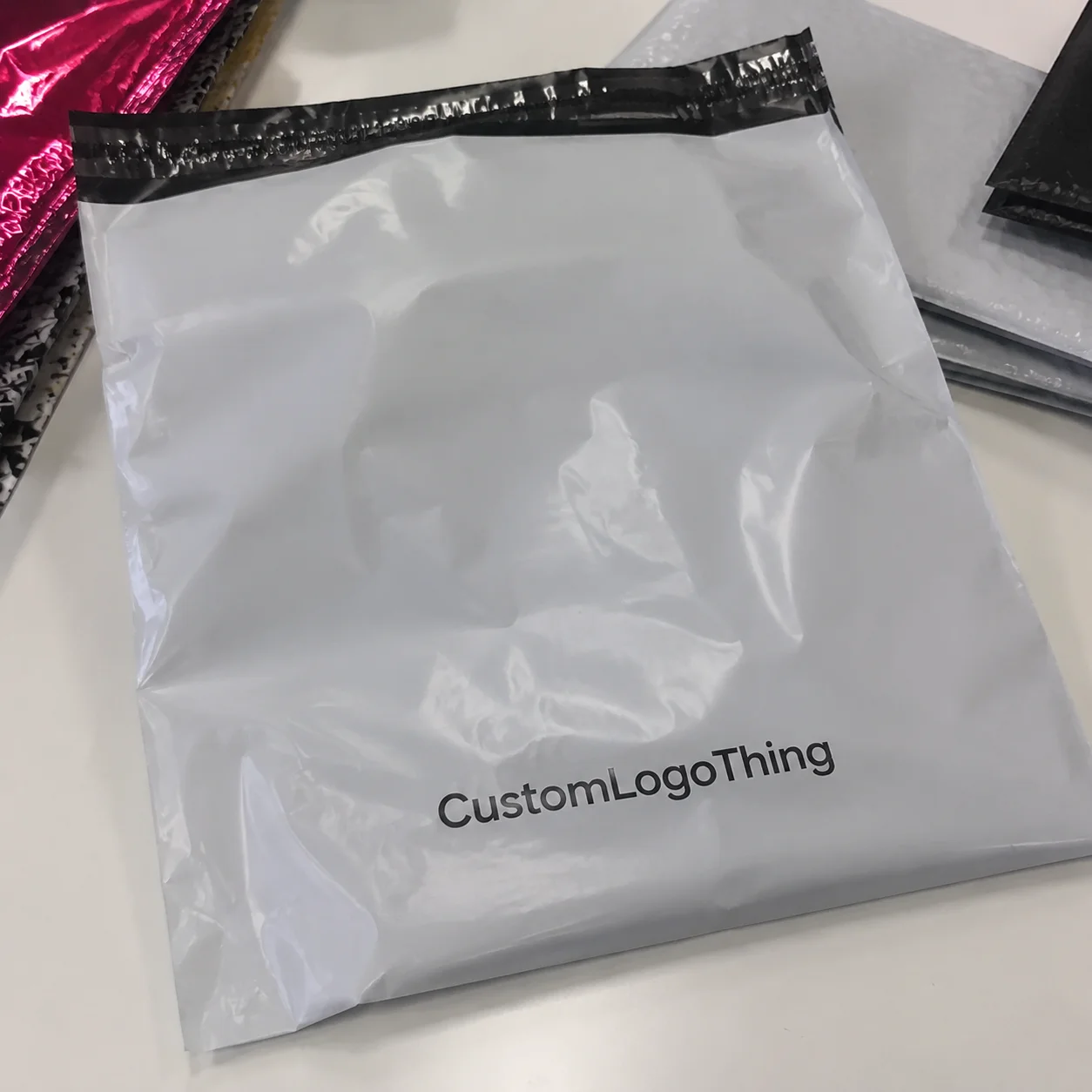
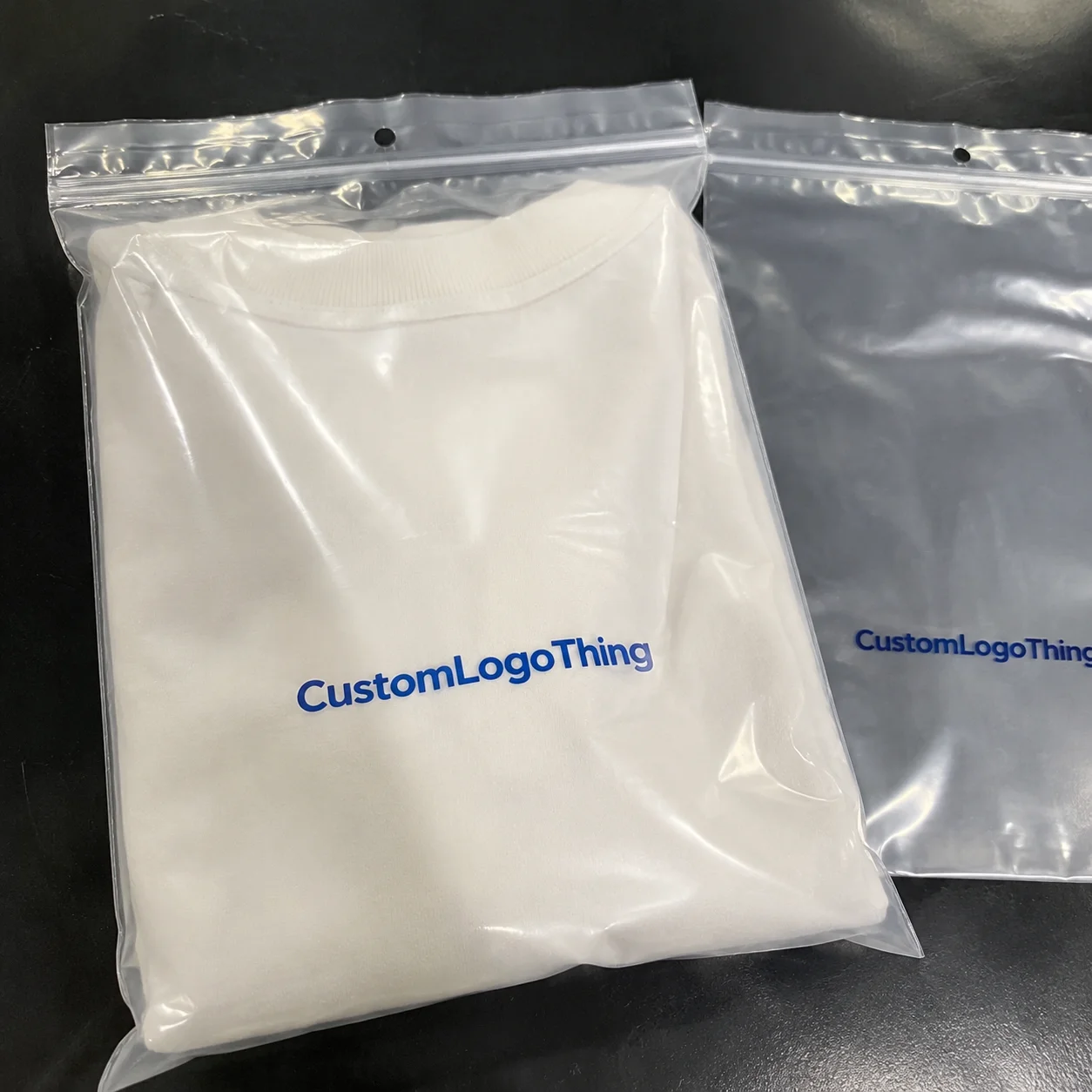
| Flexible bags or mailers | Apparel, accessories, subscription boxes, and high-volume shipping | Film thickness, seal strength, logo position, barcode area, and MOQ | Low-grade film can tear, wrinkle, or make the brand look cheap |
| Custom inserts and labels | Brand storytelling, SKU control, retail display, and repeat-purchase prompts | Die line, adhesive, color proof, copy approval, and packing sequence | Small errors multiply quickly across thousands of units |
Decision checklist before ordering
- Measure the real product and confirm how it will be packed, displayed, stored, and shipped.
- Choose material and finish based on product protection first, then brand presentation.
- Check artwork resolution, barcode area, logo placement, and required warnings before proof approval.
- Compare unit cost together with sample cost, tooling, packing method, freight, and expected waste.
- Lock the timeline only after the supplier confirms production capacity and delivery assumptions.
FAQ
Q: What is the most cost-effective way to prove a sustainable claim?
A: Use verified certifications like GOTS, OEKO-TEX, WRAP, BSCI, and GRS when possible, and pair those claims with datasheets from suppliers. Document how the material is processed—e.g., recycled PET film printed on a Heidelberg Speedmaster with water-based inks—to demonstrate the chain of custody.
Q: How do I balance premium finish with recyclability?
A: Select finishes that are compatible with local recycling streams, such as spot gloss over matte lamination, or use UV coatings with easy-peel adhesives. Validate the run on the actual machines you’ll use in Guangzhou, Dhaka, or Istanbul to ensure the finish doesn’t leave residue or require additional non-recyclable layers.
Q: What should I plan for in terms of lead time?
A: Expect 18-22 business days from final approval to finished goods if you already have tooling, and add another week if you are creating new dies or specialty inserts. Keep production windows clear so you can absorb any last-minute adjustments.