Custom Event Hats Bulk Order: Buy Smarter, Brand Better
Why Event Hats Beat One-Day Giveaways for Real Visibility
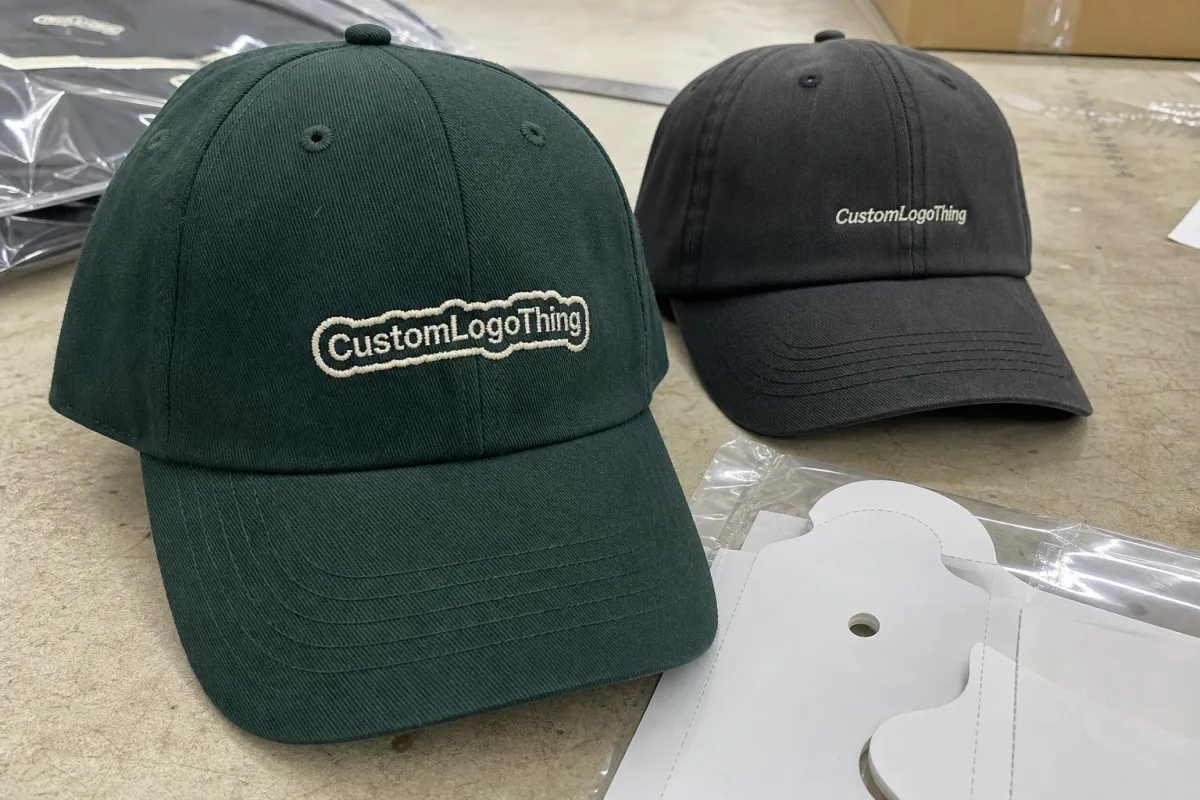
A custom event Hats Bulk Order is not a novelty buy. It is a practical branding move that can identify staff, reward guests, carry sponsor logos, and keep your mark visible after the event ends.
Most cheap giveaways disappear fast. Flyers get folded into a tote and forgotten. Table tents get tossed. A hat is different because people actually wear it. That means your logo travels through the venue, into parking lots, onto social feeds, and sometimes into regular weekend rotation.
That extra wear time changes the math. At a festival, the right cap makes staff easy to spot from across a crowd. For volunteer crews, color-coded hats simplify assignments. For sponsor activations, a clean embroidered cap feels more useful than another pen with a logo nobody asked for. For trade-show handouts, a wearable item gives booth staff a better opening line than a flyer ever will.
Bulk ordering also creates flexibility. One run can cover staff, VIP bags, contest prizes, and a small merchandise table. Another can support a multi-city campaign or a distributed team. The same product does three jobs at once: brand exposure, event identification, and souvenir value. That is why hats stay in the mix even when cheaper merch is available.
Bad merch is cheap for a minute. Then it turns into clutter. A decent hat has a real chance of being worn again, which is the point.
From a buyer's perspective, hats behave a lot like packaging. They need to look right, arrive on time, and survive handling before anyone judges the brand. Simple enough. Still, it is amazing how often people rush the artwork, ignore the proof, and then act surprised when the box shows up with a logo too small to read.
Choose the Right Hat Style for the Audience and Venue
The right style depends on the crowd, the setting, and how polished the brand needs to look. A Custom Event Hats bulk order for a corporate golf outing should not look the same as one for a beach cleanup or a music festival. Same product category. Different job.
Dad hats are the safest middle ground. They have soft, unstructured crowns, curved brims, and a casual fit that works across age ranges. Snapbacks look more structured and sponsor-friendly, especially with flat or lightly curved brims. Trucker hats breathe well because of the mesh back, which makes them useful for outdoor heat, food festivals, charity runs, and long volunteer shifts.
Five-panel hats feel more retail-driven. They fit streetwear brands, creative conferences, and events where the audience cares about the item itself. Bucket hats work well for summer activations, youth campaigns, beach events, and resort programs. Beanies fit cold-weather races, winter markets, ski events, and staff kits. Visors are narrow, but they are still useful for golf, tennis, pickleball, and outdoor hospitality teams.
| Hat Style | Best Use | Typical Decoration | Buyer Watchout |
|---|---|---|---|
| Dad hat | General giveaways, alumni events, staff kits | Embroidery or woven patch | Soft crown can make tiny art look uneven |
| Snapback | Sponsor merch, sports crowds, retail-style drops | Flat embroidery or 3D puff | Structured fit is less universal |
| Trucker hat | Outdoor events, festivals, crews in heat | Embroidered front or patch | Mesh color changes the overall look fast |
| Bucket hat | Summer activations, youth events, resort programs | Flat embroidery or woven label | Brim shape limits large front designs |
| Beanie | Cold-weather events, winter staff uniforms | Woven patch, leather patch, embroidery | Stretch can distort thin logo lines |
Structured crowns hold their shape and usually present logos more cleanly. Unstructured crowns feel softer and more relaxed, but they can wrinkle if the logo is too detailed. Color matters too. Navy, black, khaki, gray, and forest green are easy to reuse. Bright sponsor colors grab attention, but they can also sit in a closet if the shade is louder than the brand can support.
For brand consistency beyond apparel, match the hat palette to your Custom Packaging Products, booth graphics, and retail packaging. Good brand presentation does not stop at a box. It carries through the handoff.
Specs That Control Fit, Print Quality, and Wear Time
Specs decide whether the hats feel like event merch or bargain leftovers. A Custom Event Hats bulk order should be reviewed like any other branded item with production risk. The blank, the decoration method, and the proof details all affect the final result.
Start with crown height. Low-profile hats sit closer to the head and usually feel casual. Mid-profile crowns are the most flexible for bulk event orders. High-profile caps give more logo space, but they can look bulky on smaller heads. Brim shape matters too. Curved brims feel classic. Flat brims read younger and more streetwear-driven. Pre-curved brims also reduce last-minute handling for staff uniforms because nobody has to shape them by hand.
Closure type changes both fit and perceived value. Fabric straps with metal buckles look cleaner on dad hats. Plastic snaps are common on snapbacks and truckers. Hook-and-loop closures are practical, though not exactly premium. Fitted caps need size planning, which adds friction unless the audience is tightly controlled. For most events, adjustable wins. Boring? Sure. Useful? Absolutely.
Panel count affects how the logo sits. Six-panel caps are standard and familiar. Five-panel caps give a flatter front surface for patches and printed graphics. Fabric weight matters too. Cotton twill in the 200-260 gsm range feels common for casual caps, while heavier canvas can read more premium but may feel hotter outdoors. Sweatbands can be basic cotton, moisture-wicking polyester, or padded options for sports-heavy use.
Material choice is not just a style question. Cotton twill takes embroidery well and feels familiar to most buyers. Polyester blends handle moisture better and can hold shape longer. Mesh backs help airflow, but they also make the hat feel more casual. Foam fronts are useful for bold logos on truckers, although oversized graphics can make them look cheap fast if the art is lazy.
Decoration Methods That Actually Matter
Embroidery is the default for a reason. It lasts, it looks polished, and it scales cleanly from a small run to several thousand pieces. Flat embroidery works for most logos. 3D puff embroidery needs thicker shapes and fewer details. Woven patches handle small text better than direct embroidery because the design is produced separately before being applied. Leather patches create a retail look, but fine color detail is limited. Heat transfers can handle gradients and full-color art, though they tend to age less gracefully on high-friction wear zones.
Printed graphics are useful for five-panels, buckets, and promotional caps with large flat areas. Thin lines and tiny type are trouble. If the logo has legal text, gradients, or hairline strokes, simplify it. Nobody can read a slogan the size of a sesame seed. The art may look perfect on a monitor and still fall apart on a curved crown.
A proper proof should show stitch density, thread color, PMS references when color matching matters, logo placement, and decoration size. Ask for front height in inches, not vague language like "standard." A 2.25-inch mark and a 4-inch mark are not the same visual statement. On caps, an extra half-inch can change the whole balance.
For buyers managing packaging design and printed cartons at the same time, keep the brand standards aligned. Use the same approved logo file, color values, and spacing rules. The hat does not need to match the box perfectly, but it should belong to the same brand family.
Custom Event Hats Bulk Order: Pricing, MOQ, and Unit Cost
Pricing for a Custom Event Hats bulk order usually comes down to five things: blank style, decoration method, number of logo locations, color count, and packing. Anyone promising a single price without seeing the art is guessing. Sometimes it is educated guessing. Still guessing.
For simple embroidered caps, many bulk programs land around $4.50-$9.50 per unit at 250-1,000 pieces, depending on the blank and stitch count. Premium structured caps, patch hats, or retail-ready styles can run $8.00-$16.00 per unit in the same range. Very large orders, such as 5,000 pieces and up, may drop meaningfully if the blank is standard and the decoration stays simple. Rush jobs often add 15%-35% because production capacity is not an elastic fantasy.
Minimum order quantities vary. Direct embroidery may start around 48-144 pieces with some suppliers, though better pricing usually begins at 250. Woven patches often make more sense at 100-300 pieces because the patch setup spreads across the run. Leather patches may need similar thresholds. Full custom cut-and-sew hats can require 500-1,000 pieces or more, especially if fabric, closure, labels, and inner taping are all custom.
Savings usually come from fewer variables. Use a standard blank. Choose one logo location. Keep thread colors tight. Avoid split shipments unless you really need them. Group delivery by one ZIP code. If you need kitting with badges, lanyards, or cartons, ask early through Wholesale Programs so the quote includes handling instead of surprise labor later.
| Order Setup | Common MOQ | Typical Unit Range | Best Fit |
|---|---|---|---|
| Standard cap with flat embroidery | 48-144 pieces | $4.50-$9.50 | Staff hats, simple giveaways, local events |
| Trucker hat with embroidered front | 100-250 pieces | $5.25-$10.75 | Outdoor crews, festivals, sponsor teams |
| Woven patch on dad hat or snapback | 100-300 pieces | $7.00-$13.50 | Retail-style merch, detailed logos |
| Leather patch cap | 100-300 pieces | $8.00-$16.00 | Premium gifts, VIP kits, brand launches |
| Full custom cut-and-sew hat | 500-1,000+ pieces | $6.50-$14.00+ | Large campaigns, custom color builds |
Ask about setup fees, sample fees, digitizing, patch molds, carton labeling, rush charges, and split shipments before approving the quote. The cheapest first number is not always the cheapest landed cost. Funny how that works.
Production Steps and Timeline: From Art Files to Delivery
A clean custom event Hats Bulk Order moves through a predictable workflow: quote, artwork review, proofing, sample or digital mockup, production, quality control, and shipment. Skip one of those steps and you usually pay for it later in stress, rework, or overnight freight.
The quote stage should confirm style, quantity, decoration, logo locations, packing, and delivery ZIP. Artwork review checks whether the file is usable. Vector files such as AI, EPS, or a clean PDF are best. PNGs can work for mockups, but they are not ideal for embroidery digitizing or patch production.
Proofing is where buyers need to move quickly. Approve the logo file, colors, placement, quantity, and delivery address. If legal, marketing, and the event manager all need input, collect it before the proof is approved. Late changes are the fastest way to miss a deadline. Production teams are not mind readers.
Standard decorated hat orders often take 10-20 business days after proof approval, plus transit. Patch orders may need 15-25 business days if the patch is made first. Full custom hats can run 30-60 days or longer depending on fabric sourcing, sampling, and freight route. Rush orders may be possible in 5-10 business days for in-stock blanks and simple embroidery, but inventory and queue space decide that.
Shipping route matters more than most buyers expect. Ground service may take 1-5 business days in the continental U.S. Air can save time but adds cost quickly, especially on carton-heavy orders. For larger programs, compare freight, parcel, and split delivery options. If the event has multiple locations, label cartons by site and quantity before shipping.
Timelines also shift with season. Spring and fall event calendars are crowded, so blank stock can move fast. Holiday programs tend to compress production windows. If the hats need to be in hand for a specific setup day, do not build the schedule around the shipping date alone. Give yourself a buffer. The truck does not care about your launch party.
For packaging and shipping performance, standards from groups such as ISTA are useful references for transit testing and handling expectations. Hats are not glass bottles, but crushed cartons and poor labeling can still create a mess on distribution day.
Proofs, Quality Checks, and Packing That Prevent Rework
Proofs are not decoration. They are insurance. A proper proof for a custom event hats bulk order should show the front, side, and back if those areas are decorated. It should include decoration size, placement from brim or seam, thread or patch colors, and the method being used.
Do not approve a proof that only says "logo on front." That is not a proof. That is a polite shrug in PDF form. Ask for dimensions in inches or millimeters. Ask whether the logo is centered on the panel or centered visually across the crown. Those can differ, especially on five-panel caps or designs with asymmetric marks.
Quality checks should happen in layers. Blank inspection catches stains, misshapen crowns, broken closures, and color mismatches. Decoration review checks registration, loose threads, patch alignment, heat-transfer adhesion, and readable detail. Trim cleanup removes thread tails. Count verification confirms the order quantity before cartons close.
Packing affects event speed more than people expect. Individual polybags keep hats cleaner during storage and transport, but they slow down handouts unless staff pre-open them. Bulk-packed hats are faster for giveaways, though they need cleaner storage. Retail-ready tags help merch tables. Carton labels by style, color, quantity, and destination help multi-site teams avoid chaos.
There is also a difference between "looks fine on the sample" and "survives a full run." Thread tension can drift. Patch edges can lift. Heat transfers can wrinkle if pressed badly. Dye lots can shift a little between reorders. A solid supplier catches those issues before cartons seal, not after the event team has already started handing out product.
If sustainability claims matter, keep them honest. FSC-certified hangtags or paper labels can support responsible sourcing, and the FSC standard is a recognized reference. Do not imply the whole hat is sustainable unless the materials and chain of custody support that claim. Customers notice fuzzy green language.
Clean proofing and packing save labor on-site. Nobody wants six volunteers sorting flawed hats behind a booth while attendees wait. Build the job so the boxes open, the counts make sense, and the hats are ready to move.
Why Repeat Buyers Stick With a Reliable Hat Supplier
Repeat buyers do not come back because a supplier used sparkly adjectives. They come back because the last order arrived correctly. For a custom event hats bulk order, consistency matters more than sales theater.
Reorders should match the previous logo placement, thread colors, blank style, and decoration size unless the buyer asks for a change. That sounds obvious. It is not always how the market behaves. Blank availability shifts, dye lots vary, and some suppliers substitute without explaining the difference. A reliable partner flags those issues before production, not after the cartons arrive.
Good suppliers also keep files organized. They know which digitized logo worked, which thread colors matched best, and whether the last run used a mid-profile structured crown or a soft unstructured dad hat. That recordkeeping saves time on repeat campaigns and reduces the chance of tiny but annoying differences.
Communication basics matter. Fast response time, clear proofs, realistic delivery windows, and direct answers beat a flashy headline price. If a supplier says everything is easy, ask one more question. Real production has constraints. Honest constraints are better than cheerful nonsense.
For larger merchandise and package branding programs, buyers often need hats, printed boxes, mailers, inserts, or retail packaging to land together. Organized quoting and production planning keep those pieces from arriving in random order. If you are coordinating several branded items, the FAQ can help clarify artwork, timing, and order requirements before the quote stage.
Trust signals are practical: clear MOQs, written production windows, production photos when available, carton counts, and straightforward issue resolution. If something goes wrong, a serious supplier explains the fix, the cost if any, and the timing. No fog machine required.
Ordering Without Surprises
Before requesting quotes, gather the basics: logo files, target quantity, preferred hat style, event date, delivery ZIP, and any packing needs. If PMS color matching matters, include brand color values. If the hats need to coordinate with branded packaging, staff uniforms, or booth graphics, say that early.
Narrow the choice to two hat styles and one decoration method. For example, compare a dad hat with embroidery against a trucker hat with a woven patch. That keeps the quote useful. Asking for twelve versions sounds thorough, but it usually delays decisions and creates spreadsheet soup.
Ask for a price break at higher quantities. The difference between 250 and 500 pieces can be meaningful, especially after setup is spread across more units. Also ask for the confirmed production window, proof timeline, sample options, and whether the blank is in stock. If the event date is fixed, say so in the first message.
- Confirm final hat style, color, and quantity.
- Approve logo size, placement, thread colors, and PMS references.
- Check setup fees, sample fees, rush charges, and shipping costs.
- Approve carton labels, polybagging, retail tags, or bulk packing.
- Verify delivery address, contact name, phone number, and required arrival date.
Start early enough to protect delivery and avoid rush fees. For most buyers, that means 4-6 weeks before the event for decorated stock hats and earlier for custom builds. Better planning gives you more style choices, cleaner pricing, and fewer last-minute fixes. Everyone enjoys fewer of those.
FAQ
How many custom event hats do I need for a bulk order?
Start with expected headcount, then add 5%-10% extra for late additions, replacements, staff changes, and sponsor requests. Minimums vary by style and decoration method, so confirm the threshold before comparing quotes. If the event runs across multiple days or locations, split inventory by site so one team does not run short while another sits on unopened cartons.
What is the cheapest way to buy event hats in bulk?
Choose a standard blank hat, one decoration location, and a simple logo that does not require several color changes. Keep packing basic and avoid rush production unless the date is truly tight. The lowest-cost option is usually the one with the fewest setup variables, not the quote with the prettiest first number.
How long does a bulk event hat order usually take?
Standard orders often take a few weeks from proof approval to shipment, but the exact window depends on blank inventory, decoration method, factory queue, and transit. Embroidery and patch work move on different schedules, so confirm timing before checkout. If the event date is close, ask about in-stock blanks and expedited production before committing.
Can I mix hat styles or sizes in one bulk order?
Some suppliers allow mixed colors, closures, or styles, but minimums may still apply per style, color, or decoration method. Ask whether mixed cartons are available if distribution needs to be fast at the venue. If flexibility matters, get it confirmed in writing before proof approval.
What artwork do I need for custom event hats in bulk?
Send a vector file when possible, plus PMS colors if brand matching matters. Keep text large enough to read on a small front panel because fine detail disappears quickly in stitching and patches. If your logo uses gradients, thin lines, or tiny type, ask for a mockup before production starts.


