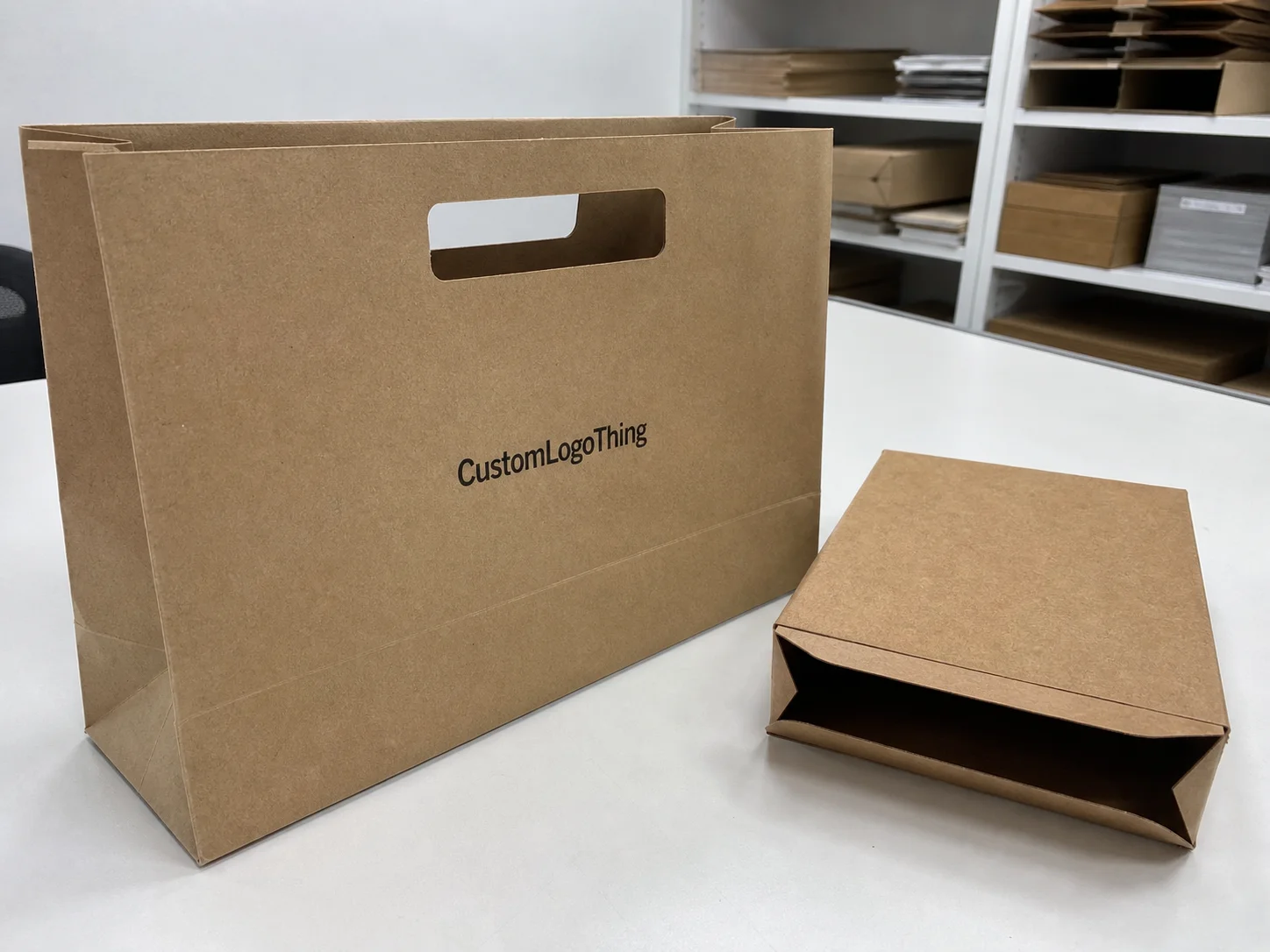
Buyer Fit Snapshot
| Best fit | Eco Friendly Packaging projects where brand print, material claims, artwork control, MOQ, and repeat-order consistency need to be specified before quoting. |
|---|---|
| Quote inputs | Share finished size, material target, print colors, finish, packing count, annual reorder estimate, ship-to region, and any compliance wording. |
| Proofing check | Approve dieline scale, logo placement, barcode or warning zones, color tolerance, closure strength, and carton packing before bulk production. |
| Main risk | Vague material claims, crowded artwork, missing packing details, or unclear freight terms can make a low unit price expensive after revisions. |
Fast answer: Eco Friendly Packaging: Material, Print, Proofing, and Reorder Risk should be specified like a repeatable production item. The safest quote records material, print method, finish, artwork proof, packing count, and reorder notes in one written spec.
Production checks before approval
Compare the actual filled-product size with the drawing, then confirm tolerance on folds, seals, hang holes, label areas, and retail display edges. Reserve space for logos, QR codes, warning copy, and material claims before decorative graphics fill the panel.
Quote comparison points
Review material grade, print process, finish, sampling route, tooling charges, carton quantity, and freight assumptions side by side. A quote is only useful when the supplier can repeat the same color, closure quality, and packing count on the next order.
Two packages can look equally green on a mockup table and perform in completely different ways once they hit a packing line, a delivery truck, and a retail shelf. That is why Eco Friendly Packaging how to choose is never just a material question; it is a product, process, and logistics question all at once. I have watched a “better” paper option fail because it softened under humidity in a warehouse in Houston, while a slightly heavier recycled-content board from a Guangzhou converter sailed through distribution with fewer damages and fewer complaints.
Project managers often ask for a single green answer, but the reality is more complex. A lot of brands get stuck because they want recycled paper, molded fiber, kraft mailers, compostable films, and reusable containers to all be equally feasible. For example, a molded pulp insert sourced from Dhaka’s fiber mills might add structure, but if the same product needs high-resolution CMYK printing on the carton, the extra die-cutting and UV LED curing in Ho Chi Minh City can push setup costs into the $2.50-4.00 per unit range at a 500 MOQ. That is the practical side of Eco Friendly Packaging how to choose, and it is the side that saves money and headaches later.
One thing I have learned after years of walking plant floors, talking with converters, and watching packaging run through actual distribution lanes is that the “greenest” choice on paper can be the least useful choice in practice. If the structure jams a line, crushes in transit, or confuses the end user, the sustainability win starts to disappear pretty fast. So the goal here is not to chase a perfect label; it is to choose a package that does its job with the least waste and the fewest surprises. Honestly, that’s the part most teams miss at first.
What Eco Friendly Packaging Really Means
In the factories I have walked through, from corrugated converting lines in the Midwest to carton plants near Shenzhen, and a flexible-pack film press in Istanbul, the word “eco-friendly” means very different things depending on who is speaking. A sales rep may mean recycled content, a brand manager may mean less plastic, and a warehouse supervisor may mean fewer damaged units and less void fill. Eco Friendly Packaging how to choose starts with getting those definitions straight before anyone approves artwork or tooling.
Here is the practical version: recyclable packaging is designed to enter a recycling stream, compostable packaging is intended to break down in the right composting environment, reusable packaging can be used multiple times, and recycled-content packaging uses recovered material such as PCR, post-consumer recycled resin, or GRS-certified reclaimed fibers. GOTS- and OEKO-TEX Standard 100-certified cotton bags indicate that the textiles are traceable to responsibly farmed cotton, while mono-material structures are designed to avoid mixed layers that complicate recovery. Those labels matter, but only if they match the product and the local disposal system.
I once sat with a beverage brand that wanted compostable sleeves for a premium retail launch. The look was beautiful, the matte finish was excellent, and the print density on the custom printed boxes was spot on. But the packaging would have landed in stores across six states, and only part of that footprint had access to commercial composting. We ended up revising the structure to a recyclable paperboard with water-based inks, compliant adhesives, and a smaller insert, which was less flashy on the spec sheet but far more practical in the field.
That is the key idea behind eco Friendly Packaging How to Choose: the right option depends on product protection, end-of-life recovery, sourcing, and manufacturing efficiency, not on one single “green” label. If a package is compostable but the buyer’s city has no composting collection, the environmental benefit is mostly theoretical. If it is recyclable but full of plastic windows, heavy laminations, and incompatible adhesives, it may look sustainable and still be difficult to process. Certifications like WRAP and BSCI can verify a factory’s social compliance while GRS assures the recycled content, but the physical design still needs to match the collection stream.
For reference, organizations like EPA recycling guidance and the FSC system are useful starting points, but local acceptance rules still vary by municipality and material recovery facility. That is why I always tell clients to compare claims against the real supply chain, not just the marketing sheet.
There is also a trust issue here, and it matters more than people think. A claim that is technically true but practically misleading can come back to bite a brand in customer service, social media, or even regulatory review. I have seen teams lose months cleaning up language because they used “eco-friendly” as a blanket phrase instead of naming the exact material and recovery path. Clear language is not just cleaner writing; it is part of responsible packaging.
How Sustainable Packaging Works in the Real World
Sustainable packaging has a full lifecycle, and each step affects the final result. Raw material sourcing comes first, then converting, printing, filling, shipping, customer use, and finally disposal, reuse, or recovery. When I visited a high-volume corrugating plant in Pennsylvania, the production manager showed me how a 3 mm change in flute profile affected board strength, pallet count, and truck utilization all at once. That is the kind of detail people miss when they only ask whether something is recyclable.

Material construction matters more than most shoppers realize. A plain kraft mailer with a simple fold and water-based ink may be easier to recover than a glossy carton with a soft-touch coating, foil stamp, and aggressive adhesive label. In product packaging, every layer counts: coatings can block moisture but reduce recyclability, laminated films can add shelf appeal but complicate separation, and certain inks can be fine in low coverage yet troublesome in heavy applications. Eco friendly Packaging How to Choose means reading the structure, not just the headline claim.
Transportation is part of the sustainability story too. A lighter package with better cube efficiency can lower freight emissions, and a right-sized carton can improve pallet patterns enough to reduce trailer space by 8% to 12% on some runs. I have seen retail packaging programs where a 15% reduction in void space cut shipping cost by nearly $0.11 per unit on a 10,000-unit order, which is a real number, not a marketing slogan. If the box is too big, you are paying to move air; if it is too weak, you are paying for damage.
Factory processes can help or hurt. Die-cutting, flexographic printing, carton folding, and corrugated converting all have their own efficiencies and waste profiles. For example, a clean die line can reduce scrap by a few percentage points, while a poor print layout may force extra trim waste on press. On one client meeting, a cosmetics brand wanted a fully coated white board for bright branding, but the board shop showed us that a smarter layout on uncoated FSC board would cut both ink coverage and finishing cost while preserving the premium look through better package branding.
That is why I always caution brands against assuming that the lightest package is automatically the greenest. If a thinner board causes toppling in warehouse stacking or leads to crushed corners in e-commerce transit, the replacement shipments and returns can erase the environmental gain very quickly. Eco friendly Packaging How to Choose is really about total impact, not just material mass.
Another practical layer is customer behavior. Some packaging looks ideal in a lab but falls apart in the hands of a hurried customer or ends up in the wrong bin because the disposal instructions are vague. If the package needs a special drop-off location or a composting facility that most buyers will never use, the whole system becomes harder to defend. The real world is messy, and packaging needs to survive that mess.
Key Factors to Compare Before You Choose
Cost is the first filter for most teams, and it should be, because no packaging program survives if it breaks the margin model. The real price is broader than the unit quote. You need to look at tooling, setup, freight, compliance audits, and the warranty your converter offers. A low-cost liner in Dhaka may seem tempting, but if it runs through a manual splicing line that slows your fill-to-pack ratio by 10%, the labor cost erodes that saving quickly.
Lead times factor in, too. When we started a reusable textile pouch run for a wellness brand, the fiber mill in Ho Chi Minh City needed an 18-22 business day window after artwork approval for substring dyeing, GOTS validation, and ultrasonic welding, followed by two days for inland trucking to the port. If you require an expedited run, that same timeframe makes a 15% rush charge unavoidable.
Logistics partners in Istanbul, for example, understand how to consolidate carton builds with adjacent apparel shipments to save on air freight, but they still insist on clear packaging specs because variable board grades can change the pallet weight and cube. Compare that against suppliers with WRAP or BSCI certification who can also provide documented COA for adhesives and inks so you are not called out during a retail audit.
Quality management, particularly on machines like the Heidelberg Speedmaster or the Mitsubishi die-cutting line, matters a lot. A converter running with preventative maintenance schedules on their folder gluer may cost slightly more up front yet deliver 99.3% first-pass yield compared to a competitor that cuts corners on routine checks. Those machines and processes keep scrap down and ensure that what leaves the factory is the package you approved.
Eco Friendly Packaging How to Choose, Step by Step
Step one is to map the product’s journey: Does it ship cross-border from Guangzhou or remain within a domestic e-commerce lane? Step two is to align protection needs with material science—do you need kraft with a water-resistant coating, or can recycled-content paperboard with internal cradles do the job? Step three is verifying that the supplier holds the certifications you need, whether that is GRS for recycled content, FSC for fiber, or OEKO-TEX Standard 100 for dyes touching textiles. Step four is to pilot the design through actual fulfillment channels with a run size that exposes issues; 500-unit trials are common for new formats before scaling to 5,000 or 10,000 units.
Remember that the “step-by-step” part must include sustainability KPIs as well. Track scrap rates on the finishing line, calculate shipping density improvements, and capture customer feedback on opening and disposal. Those metrics will tell you whether a laminated sleeve with a soft-touch finish is something shoppers love or something retailers slide into overstock bins.
Cost, Pricing, and Process Timeline: What to Expect
A realistic quote is more than a per-unit number. For example, a rigid set-up for embossed kraft folding cartons might clock in at $2.50-4.00 per unit at a 500 MOQ with a GRS-certified paperboard and a matching insert. That includes die charges, flexo plate fees, and water-based varnish. If you ask for spot UV or a second print pass, expect the price to creep up another $0.45 per unit.
Manufacturing timelines also matter. A custom-printed sleeve hitting a Guangzhou converting line has to go through pre-press (typically 2-3 days), corrugating and laminating (4-5 days), print and varnish (2 days), and final finishing before shipment. Add another 18-22 business days when you include inspections, shipping to the DC, and inland drayage—that’s the total lead time you need to communicate to retail partners.
Packaging engineers should talk to their logistics team about freight class, pallet configuration, and consolidation. A 20% reduction in void space or a switch to a reusable pallet collar can reduce cost per unit by up to $0.22 on large pallets. If your product is fragile, you may need to add internal molded fiber trays or air cushion inserts, and that addition must reconcile with the total landed cost.
Common Mistakes That Make Packaging Less Sustainable
One of the biggest missteps is relying on ambiguous terminology. “Eco-friendly” does not mean the same thing to every factory. Another mistake is stacking too many finishes on a single structure—foil, laminates, hot stamp, and plastic windows all add complexity that can block recycling at the MRF. In addition, not planning for operational constraints such as temperature-sensitive glues in hot climates (like June in Dhaka) can cause adhesives to fail on the fill line.
Packages also become less sustainable when they are not designed for the customer experience. If a recyclable mailer tears as soon as a consumer tries to open it, they’ll trash it immediately rather than separating the materials correctly. Simple features like tear strips, clear disposal icons, and secondary labels explaining “Recycle with paper” or “Compostable in industrial settings only” can make a huge difference.
Finally, ignoring the afterlife is a mistake. Brands often forget that a recyclable composition in one state might not be collected in another. Collaborate with waste management partners and test the package in your key distribution regions to confirm the claimed recovery path works.
Expert Tips and Next Steps for Making a Smart Choice
Early-stage sampling is worth the investment. Pull a handful of mock-ups from each supplier and run them through your actual fulfillment lines. Mark the defect rates from each converter, and watch how adhesives perform on the conveyor. Use those observations to score candidates.
Ask your suppliers for certifications and audits. A converter with WRAP, BSCI, or ISO documentation usually has stronger quality systems. Pair that with a sustainability toolkit—a list of approved inks, sealants, and adhesives that match your recovery needs. Include your brand’s compliance team in those conversations.
Finally, build a feedback loop with retail partners and customers. Capture return data, register complaints about damaged goods, and tally the percentage of packages ending up in landfill vs recycling. Those real-world insights will inform your next round of improvements.
Frequently Asked Questions
How do I know if a packaging material will actually be recycled?
Request a waste acceptance report and confirm with local MRFs that they accept the fiber, inks, and adhesives you plan to use. Certifications like FSC and GRS do not guarantee local processing, so pair them with on-the-ground validation.
What is a realistic lead time for a new sustainable packaging run?
Expect around 18-22 business days from artwork approval to finished goods in the warehouse for most custom runs. Complex structures, large formats, or additional certifications can extend that timeline.
Can sustainable packaging actually save money?
Yes—if you account for total impact. Calibrate protection levels, minimize void space, and choose materials with consistent availability. In my experience, a well-optimized program reduces damage rates, shipping weight, and waste, delivering ROI over several quarters.
Which certifications should I ask for?
Common ones include GOTS and OEKO-TEX Standard 100 for textiles, GRS for recycled content, and social compliance standards like WRAP and BSCI for factories. Align them with your brand’s sustainability commitments.
What materials should I avoid?
Steer clear of heavy metallized laminations, incompatible adhesives, and multilayer films that cannot be separated. Instead, opt for mono-material alternatives or structures designed for easy disassembly.