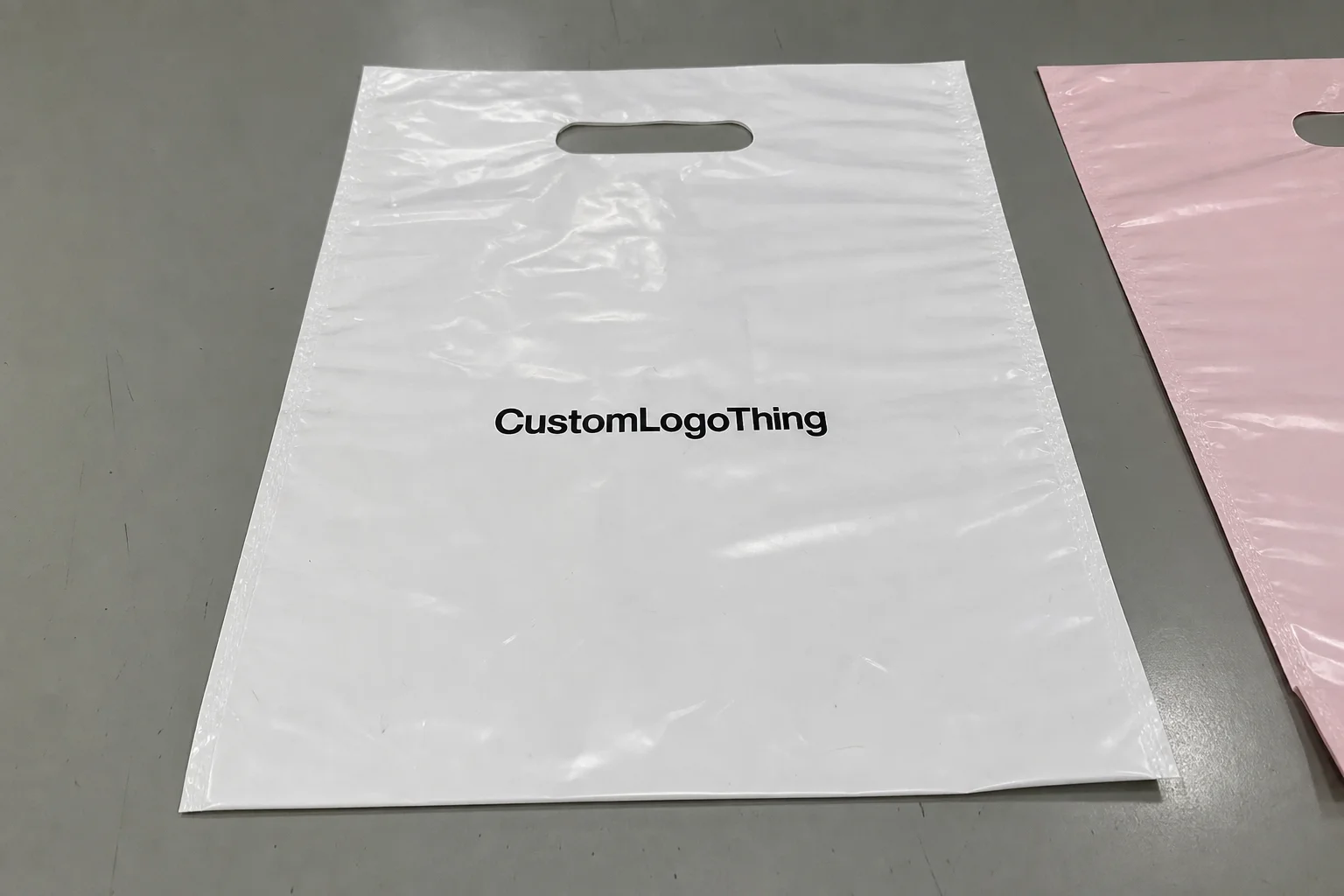
Buyer Fit Snapshot
| Best fit | Branded Padded Mailers for Sample Kits Reorder projects where brand print, material claims, artwork control, MOQ, and repeat-order consistency need to be specified before quoting. |
|---|---|
| Quote inputs | Share finished size, material target, print colors, finish, packing count, annual reorder estimate, ship-to region, and any compliance wording. |
| Proofing check | Approve dieline scale, logo placement, barcode or warning zones, color tolerance, closure strength, and carton packing before bulk production. |
| Main risk | Vague material claims, crowded artwork, missing packing details, or unclear freight terms can make a low unit price expensive after revisions. |
Fast answer: Branded Padded Mailers for Sample Kits Reorder: Film, Print, MOQ, and Carton Packing should be specified like a repeatable production item. The safest quote records material, print method, finish, Artwork Proof, Packing Count, and reorder notes in one written spec.
Production checks before approval
Compare the actual filled-product size with the drawing, then confirm tolerance on folds, seals, hang holes, label areas, and retail display edges. Reserve space for logos, QR codes, warning copy, and material claims before decorative graphics fill the panel.
Quote comparison points
Review material grade, print process, finish, sampling route, tooling charges, carton quantity, and freight assumptions side by side. A quote is only useful when the supplier can repeat the same color, closure quality, and packing count on the next order.
Branded Padded Mailers for Sample Kits reorder planning guide decisions matter more than most buyers expect. The mailer is often the first physical proof of the brand before anyone opens the sample. If the corner arrives scuffed, the seal weakens, or the print shifts from one run to the next, the whole kit feels less credible. People notice. They just do not always say it out loud.
From a packaging buyer's point of view, the job is not simply to place another order. The job is to build a repeatable spec that protects the contents, supports the brand, and holds up through production, storage, and freight. That means looking past the artwork and into the parts that actually control performance: board grade, closure method, insert weight, print tolerance, ship-test standard, and the reorder point that keeps stock from running dry. For teams shipping sales kits, beauty kits, medical device samples, textile swatches, or launch packs, those details separate a clean program from a constant scramble.
The upside is that repeat ordering gets easier once the structure is set. The first run carries the most risk. Dieline setup, sampling, approvals, and proof corrections all compete for attention at once. After that, disciplined buyers can shorten lead times, reduce waste, and keep the presentation consistent. The hard part is making sure the second, third, and tenth reorder still match the original intent. That is where a solid specification and a supplier who tracks version control start paying for themselves.
Why Reorder Planning Matters
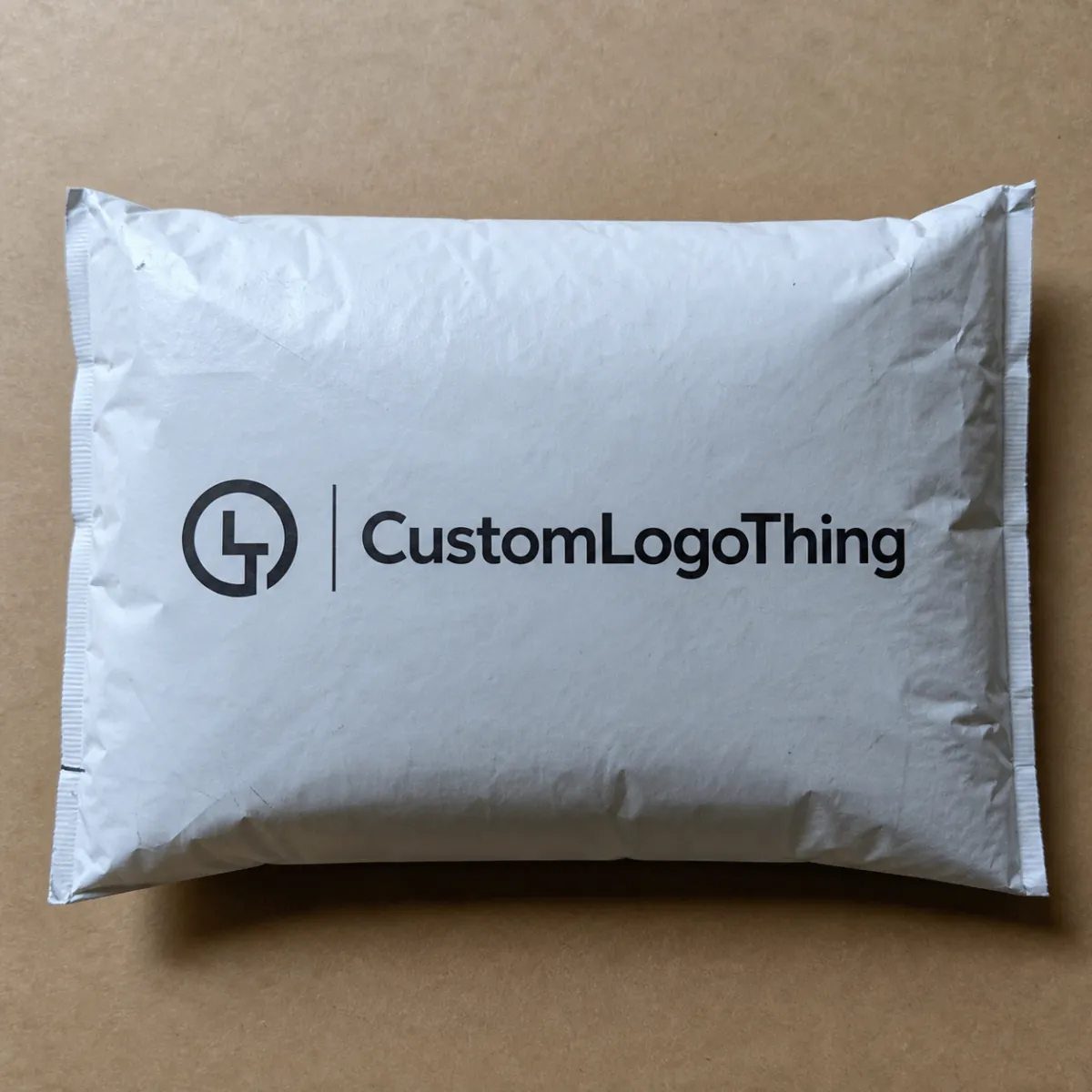
Reorder planning is not a back-office chore. It is a packaging control point. If your sample kit mailers support product launches, trade show follow-ups, subscription trial packs, or distributor outreach, every missed reorder creates a chain reaction. Sales teams stall. Marketing loses momentum. Operations pays for expedited freight. The brand often ends up accepting a rushed substitute that does not match the original presentation.
The biggest mistake buyers make is treating padded mailers like disposable commodity items. They are not. A branded mailer has three jobs at once: hold the item securely, present the brand consistently, and fit the logistics model. If one of those jobs fails, the entire kit can underperform. A mailer that is slightly too small may force extra folds in a brochure or sample insert. That can create a bulky package, raise damage risk, and push postage higher. A mailer that is too loose can let contents shift, bruising fragile items and making the kit feel less considered.
Artwork drift is another reason reorder planning matters. On a first run, teams usually focus hard on color proofing, finish selection, and structure. On a reorder, those details get rushed too easily. A different supplier contact, a revised logo file, or a paper substitution can create visible changes even if the order name looks identical. Buyers who manage repeat packaging programs well keep a master spec sheet with the exact dieline, material callout, Pantone references, coating notes, and approved photos of the accepted sample. That file becomes the anchor when the order repeats under pressure.
Volume planning changes cost too. A small reorder placed late is usually the most expensive order in the cycle because it brings rush freight, shorter run efficiency, and less room to negotiate. A planned reorder can be scheduled with other production work, which often improves pricing. In practice, a buyer who forecasts usage by month and adds a safety buffer of 10 percent to 20 percent can avoid emergency buying without filling the warehouse with excess stock.
For sample kit programs, the best reorder policy is boring in the best way: stable spec, clear approval path, and a stock review before inventory drops below the next production window. That discipline protects both the package and the margin.
Branded Padded Mailers for Sample Kits Reorder Planning Guide
The branded Padded Mailers for Sample kits reorder planning guide starts with a blunt question: what does success look like on the second run? If the answer is only "same as before," the plan is incomplete. A better answer is "same appearance, same fit, same protection, same shipping profile, and the same approval standard." That shift matters because repeat orders usually fail in small ways. A slightly different flap adhesive. A print panel that moved a few millimeters. A liner that came in lighter than expected. Each one sounds minor until a customer spots the difference or a parcel fails a transit test.
Planning for reorders means documenting the whole package system, not just the outer shell. A sample kit mailer usually works with inserts, tissue, cards, pouches, sachets, foam, or product samples. If those pieces change, the outer mailer may need to change too. A new fragrance vial may need more cushioning. A thicker brochure may need a wider gusset. A heavier product sample may push the package into a different shipping tier. The reorder plan should catch those changes before they show up in a failed shipment.
Buyers who handle branded mailers well usually think in layers. First comes brand continuity. Then comes physical protection. Then comes operations. The prettiest design is not always the best production choice, and the cheapest structure is not always the best long-term move. A matte kraft finish may communicate restraint and sustainability, but if the brand needs rich photography or exact color matching, coated paperboard or a higher-grade print surface may do the job better. A bubble-lined mailer can outperform a paper-padded version for some fragile samples, but it may work against the sustainability story or the unboxing experience you want to create.
There is also a tactical side to reorder planning. Most suppliers price repeat jobs better when the structure stays fixed. That means discipline gets rewarded. If the dieline does not change, the art stays inside the same print footprint, and the material remains consistent, the second run tends to move faster with less prepress friction. If those variables drift, the reorder turns into a partial new build, and speed gets expensive.
In practical terms, the Branded Padded Mailers for sample kits reorder planning guide should answer five questions before the next purchase order goes out: What quantity is actually being used? What is the replenishment lead time from proof approval to dock delivery? What component can no longer be substituted without approval? What shipping test or quality benchmark must the mailer still pass? How much buffer stock is needed to protect against delays in print, finishing, or freight? If those questions have clean answers, the reorder stays manageable instead of urgent.
What a Sample Kit Mailer Must Do
A sample kit mailer is more than an envelope. It is a protective shell, a presentation piece, and a logistics container. If it only does one of those jobs well, the result can still disappoint. Buyers should judge the mailer by the full journey: pick, pack, ship, open, and store. The best format depends on the contents, the audience, and the delivery method.
Protection comes first
The first test is whether the mailer protects the contents through handling and transit. For lightweight brochures or swatch cards, a basic padded mailer may be enough. For glass vials, cosmetic pots, medical components, or fragile electronic samples, the package may need a tougher liner, a more rigid board, or internal inserts that stop movement. Transit testing helps here. ISTA 3A and ASTM D4169 are common reference points for distribution simulation, and not every program needs a formal lab test, but the logic behind them is useful: compression, drop, vibration, and impact all matter. If a sample is fragile enough to crack when dropped from a low shelf, the outer package should be designed with that in mind.
Practical buyers often build a simple protection checklist. Does the package prevent corner crush? Does it keep the item centered? Does it resist tearing at the opening seam? Does it stay closed under pressure and temperature changes? Those questions matter more than decorative details when the product inside is sensitive. For paper-based mailers, a common starting point is 350gsm C1S artboard for the outer shell, paired with paper padding or a bubble liner depending on the fragility of the contents. For heavier kits, buyers may move up to 400gsm artboard or add an internal corrugated insert so the package does not cave in during transit. That is not overengineering. That is basic packaging discipline.
Presentation shapes perception
The second job is presentation. Many sample kit mailers are opened before the product itself gets touched, so the outer look frames the whole experience. Clean print registration, crisp folds, and consistent color across the run can make a small sample feel more valuable. Poor registration, fuzzy type, or a weak seal can make even a premium sample look improvised.
From a packaging buyer's point of view, presentation should be judged at a realistic distance. How does the mailer look from a shelf? From a reception desk? From a handheld sales kit? Under fluorescent office light, a dark flood coat may read differently than it does on a screen. A soft-touch lamination can make a mailer feel expensive, but it can also show scuffs if the package gets packed and unpacked often. That tradeoff should be checked before sign-off. If the kit ships inside a plain corrugated shipper and only the inner mailer is visible, a clean matte varnish may be enough. If the mailer is the hero piece, a richer print build or spot UV on key elements may be worth the extra spend.
Operations determine whether the design works
The third job is operational. A mailer can be beautiful and still fail on a packing line if it slows the process. If every pack-out needs extra tape, careful orientation, or fiddly folds, labor costs rise quickly. For repeated sample kit runs, the fastest design is usually the one that can be packed the same way every time, by different operators, with minimal training.
A good mailer program accounts for storage, staging, and pack-out speed. Can the flat mailers be stacked efficiently? Do they deform in humid conditions? Does the closure stay stable during storage? Does the packaging allow a consistent pack count per shift? Those details sound small, but anyone who has watched a line stall because of poor carton sizing knows how expensive small issues become. A design that saves ten seconds per kit on a 5,000-unit run can free up a surprising amount of labor. That is not poetry. That is math.
Put simply, a sample kit mailer has to protect, persuade, and perform. If it misses any one of those jobs, the reorder needs to be revisited instead of blindly repeated.
Specifications to Lock Before You Reorder
Most repeat-order problems trace back to incomplete specifications. A buyer says, "Use the same mailer again," but the original record does not fully define the board grade, print method, coating, insert fit, or approved color. That gap leaves room for substitution, and substitution is where consistency slips. A reliable reorder program locks the spec down to the details that actually affect performance.
Start with size and structure. The finished dimensions should be recorded, not just the nominal size. If the mailer includes gussets, flaps, or a custom pocket, those measurements need to be listed clearly. A one-millimeter change may not sound dramatic, but it can alter fit, especially when the kit includes rigid components or folded literature. If the package is designed around a specific sample insert, include the insert dimensions too. That keeps the outer mailer and inner product aligned.
Next comes material. For paper-based mailers, note the paper grade, caliper or GSM, coating, and any recycled or FSC-certified content. For many branded sample kits, 350gsm C1S artboard is a common starting point because it prints cleanly and holds a crease without feeling flimsy. If the mailer needs more stiffness, 400gsm board or a laminated structure may be better. For padded formats, record the liner type as well, whether it is bubble, paper padding, or another cushioning system. If you approved a board that resists denting during transit, write that down. If the finish is soft-touch, gloss, matte, aqueous, or film-laminated, capture that detail. Reorders drift when this information lives only in someone's memory.
Print specifications matter just as much. Buyers should define the color standard, ideally using Pantone numbers where appropriate, along with any approved process-color builds. If a logo has strict color rules, the supplier needs to know whether a small shift is acceptable or whether the match must stay inside a tight tolerance. That matters most for brands that use deep blacks, metallic accents, or full-coverage solid panels. Print coverage affects price, but it also affects consistency. Large flood areas can expose minor print variation, especially across different lots. A mailer with a 10 percent ink coverage panel is a different job from one with 80 percent coverage and full-bleed artwork. The quote should reflect that reality, not wishful thinking.
Closure and sealing should also be controlled. A self-seal adhesive is convenient, but it must remain reliable through storage and temperature changes. If the mailer uses a tuck-in flap, pressure-sensitive strip, or tape closure, the spec should describe the exact closure method. The wrong adhesive can turn into a production headache. A seal that holds in the warehouse but opens during shipping is a costly failure, and one that fails after a few weeks on shelf can be worse if inventory sits as ready stock. If the kit will be packed in a warm fulfillment room or stored in a humid warehouse, that detail belongs in the spec too.
Finally, include packaging compliance and sustainability expectations. If the mailer must support recycling claims, the structure should be checked carefully. A paper-only mailer may be easier to explain than a mixed-material format. If the brand requires FSC-certified paper or low-VOC inks, that should be documented in the reorder file. The same applies to any shipping test requirements, whether internal drop criteria or formal standards such as ISTA or ASTM. If a package has already been validated, keep the validation record with the reorder file.
A practical spec sheet usually includes these items:
- Finished dimensions and dieline reference
- Material grade, GSM or caliper, and liner type
- Print method, ink system, and approved color references
- Coating or lamination details
- Closure method and adhesive type
- Insert or kit contents that must fit inside
- Packaging and transit test standard, if applicable
- Approved reference sample or photo
- Reorder quantity, buffer stock, and target replenishment date
If that document is complete, the reorder conversation gets much faster. If it is not, every future purchase order will eat more time than it should.
Cost, Pricing, and MOQ for Reorders
Pricing for Branded Padded Mailers depends on size, construction, print coverage, finish, and quantity. Buyers sometimes expect repeat orders to be dramatically cheaper, but the savings are usually more modest than they imagine. The real value of a reorder is stability, not only a lower unit price. That said, volume matters, and the economics shift quickly as quantity rises.
For a simple branded padded mailer with limited print coverage, a typical run at 5,000 pieces may land around $0.15 to $0.24 per unit, depending on size, material, and how much of the surface is printed. If the design uses a custom size, richer print coverage, specialty finish, foil, or heavier cushioning, the cost can move into roughly $0.28 to $0.55 per unit at that volume. Smaller runs often cost more per piece because setup and waste are spread across fewer units. These are planning ranges, not quotes. The final number depends on press speed, waste allowance, cartonization, and freight terms. A buyer comparing suppliers should always normalize the quote by asking what is included: printing, tooling, setup, proofing, packaging, and delivery.
MOQ is another variable worth checking early. Some suppliers will support smaller repeat orders if the structure already exists and the artwork is unchanged. Others will require a minimum of 1,000 to 3,000 pieces for a repeat print run, and custom structures may push that higher. If the package is built around a new die or a complex insert system, the MOQ may be based more on setup economics than on material availability. Buyers should not assume the minimum is fixed. The threshold often changes with print method, substrate, and finishing complexity.
The most expensive order is usually the one placed too late. Emergency reorders often need expedited press time, special freight, or split shipments. That can add a meaningful premium, especially for heavier mailers or orders moving across long distances. A planned reorder can be merged into standard production and standard delivery windows instead. The unit price may not fall dramatically, but the total landed cost often improves once rush charges disappear. A rushed 1,500-unit order with air freight can cost more overall than a calm 5,000-unit run sent by standard pallet freight. That is the sort of lesson nobody forgets twice.
Smart buyers also look at total usage, not just per-unit cost. If a slightly more expensive mailer protects a sample that drives a high-value conversion, the added packaging cost may be easy to justify. If the kit goes to hundreds of trial recipients with a low response rate, the pricing pressure is different. The right choice depends on the role of the package in the sales funnel. A mailer used for executive samples may deserve a higher grade and tighter print control than one used for broad prospecting.
A useful way to evaluate cost is to build three scenarios:
- Lean spec - standard size, limited print, simple closure, minimal finish.
- Balanced spec - custom size, better board, controlled color, reliable protection.
- Premium spec - higher-impact print, specialty finish, tighter tolerances, stronger presentation.
That comparison shows where value is added and where money can be saved without hurting the kit. It also makes approval easier for internal teams because the tradeoff is visible instead of hidden in a quote sheet.
Process and Timeline: From Quote to Delivery
A clean reorder process saves more time than most teams expect. The key is knowing which steps actually need approval and which can be streamlined when the specification already exists. On repeat runs, the goal is not to skip quality control. The goal is to remove unnecessary ambiguity.
The process usually starts with a quote request. At this stage, the buyer should share the approved spec sheet, the target quantity, the required delivery window, the ship-to location, and any changes from the previous run. If the supplier has to chase basic details, the quote will be slower and less reliable. A strong request file should make the job easy: artwork version, dieline, material note, and reference sample photo if available.
Once the quote is accepted, the supplier typically issues a proof or preproduction sample. For repeat orders, this may be a digital proof, a press proof, or a short-run sample if the buyer wants to verify color, fit, or closure performance. The proof type matters. A digital proof may be enough for artwork placement, but it will not fully confirm coating, tactile feel, or color on the finished substrate. If the run is business-critical, a physical sample is worth the extra time.
After proof approval, production begins. A repeat order without structural changes can often move in about 12 to 15 business days from proof approval to finished goods, though timing depends on quantity, finish complexity, and current press load. If the order requires a new die, revised art, a special coating, or custom inserts, the timeline can stretch to 15 to 25 business days or more before freight. International freight, customs clearance, or seasonal congestion can add more time. Buyers planning launch kits or event kits should always build in a buffer rather than betting on the best-case schedule.
Quality control should not be an afterthought. The supplier should inspect print consistency, die-cut accuracy, glue placement, seam integrity, and overall fit. If the mailer is used in a sample kit, pack testing is especially useful. A few assembled samples should be checked with the actual contents, not only with a dummy insert. That is the only way to confirm that the kit closes properly, lays flat, and ships without bulging. For mailers that will travel through parcel networks, a quick drop check from waist height and a compression check inside a shipping carton can catch obvious failures before they become expensive ones.
Delivery planning is the final step. If inventory is going directly to a fulfillment center or kitting partner, confirm pallet height, carton count, and receiving requirements. Mislabeling a pallet or missing a dock appointment can waste days. The right plan includes not just production time but also receipt time, unpacking time, and pack-out timing. A reorder is successful only when the finished mailers are actually available where they need to be.
For buyers managing multiple launches, the smartest move is to calendar the reorder trigger before the stock gets low. A good rule is to start the next order when remaining inventory covers the next lead time plus a safety buffer. That buffer should reflect real usage, not wishful thinking. If your team regularly ships more kits before trade events or product announcements, the reorder point should move earlier to match that pattern.
Why Teams Choose Us for Repeated Sample Kit Runs
Teams that repeat sample kit programs usually care about three things: consistency, clarity, and control. They do not want to explain the same spec from scratch every time, and they do not want the second run to look different from the first. A supplier that keeps the approved details on file, tracks revisions carefully, and flags risk before production starts is worth more than one that only offers a low quote.
Consistency starts with version discipline. If the artwork changes, the supplier should know which file is current. If the print panel shifts, the dieline should be updated. If the closure or material changes, the reorder record should show exactly when and why. That level of control matters because repeated packaging programs usually involve several internal stakeholders. Marketing cares about the visual system. Operations cares about speed and carton size. Procurement cares about the purchase order. A good supplier helps keep those priorities aligned instead of letting them fight each other.
Control also means practical feedback. A buyer benefits from a supplier who can flag issues before they become expensive. If a design uses a heavy ink build on a fold area, the supplier should raise the risk of cracking or scuffing. If a padded mailer sits near the edge of a shipping weight class, that should be identified before the order is locked. If a new sample insert makes the pack-out bulky, the supplier should recommend a fit test rather than assuming the old size still works. That kind of input is not sales language. It is risk management.
Repeated sample kit runs also reward suppliers who understand the rhythm of reorder cycles. Some buyers need quarterly replenishment. Others reorder around product launches, seasonal campaigns, or account-based marketing pushes. The right support model anticipates those cycles and helps the buyer stay ahead of them. That may include holding reference samples, keeping the dieline archive organized, or confirming reprint readiness before inventory gets too low.
From a purchasing standpoint, the best long-term partnership is usually the one that reduces surprises. Fewer surprises mean fewer emergency jobs, fewer artwork corrections, and fewer quality arguments at receiving. That is hard to beat.
Next Steps to Build a Reorder Plan
The easiest way to improve reorder performance is to turn the current mailer into a controlled asset. Start by gathering the approved sample, the latest artwork files, the spec sheet, the quote history, and any notes from the last production run. If you do not have a formal spec sheet, create one now. That document should list the size, material, print details, finish, closure, insert fit, and any testing requirements. The more exact it is, the less room there is for variation later.
Next, review actual usage. Many packaging teams order based on guesswork, which works right up until demand spikes. Compare the number of kits shipped against the number of mailers consumed. Look for loss from damage, mispack, or overage. If the team routinely uses more units than expected during launches or shows, build that seasonality into the reorder calendar. A monthly average alone is not enough.
Then set a reorder trigger. That trigger should reflect lead time, approval time, and a buffer for freight or production delays. If your mailers take two weeks to produce and another week to receive, do not wait until one week of stock remains. The goal is to reorder while the team still has breathing room. A well-timed purchase order costs less than a rush order every time.
Finally, test the next run against the original standard. That means checking the color, confirming the feel, reviewing the closure, and packing a real sample inside before signing off. If anything has changed, decide whether the change is acceptable or whether the supplier needs to correct it before full production. A small deviation caught early is manageable. The same deviation in a full shipment is not.
If you want the most reliable result, build your process around the branded padded mailers for sample kits reorder planning guide principles used by disciplined packaging buyers: document the spec, protect the fit, verify the print, and reorder before stock gets thin. That is the difference between a program that keeps moving and a program that keeps reacting.
Comparison table for branded padded mailers for sample kits reorder guide
| Option | Best use case | Confirm before ordering | Buyer risk |
|---|---|---|---|
| Paper-based packaging | Retail, gifting, cosmetics, ecommerce, and lightweight products | Board grade, coating, print method, sample approval, and carton packing | Weak structure or finish mismatch can damage the unboxing experience |
| Flexible bags or mailers | Apparel, accessories, subscription boxes, and high-volume shipping | Film thickness, seal strength, logo position, barcode area, and MOQ | Low-grade film can tear, wrinkle, or make the brand look cheap |
| Custom inserts and labels | Brand storytelling, SKU control, retail display, and repeat-purchase prompts | Die line, adhesive, color proof, copy approval, and packing sequence | Small errors multiply quickly across thousands of units |
Decision checklist before ordering
- Measure the real product and confirm how it will be packed, displayed, stored, and shipped.
- Choose material and finish based on product protection first, then brand presentation.
- Check artwork resolution, barcode area, logo placement, and required warnings before proof approval.
- Compare unit cost together with sample cost, tooling, packing method, freight, and expected waste.
- Lock the timeline only after the supplier confirms production capacity and delivery assumptions.
FAQ
How far in advance should a reorder be placed?
For repeat sample kit mailers, place the reorder early enough to cover production time, transit, and a buffer for proof approval. In practice, many teams start the next run while they still have several weeks of usable stock left. If the order depends on a new die, a special finish, or inbound freight, the trigger should be even earlier. The right answer depends on your consumption rate and how much risk the launch can absorb.
What is the most common reason a reorder goes wrong?
The most common issue is incomplete documentation. The team remembers the original mailer, but the file does not fully capture the board grade, closure, print settings, or approved color reference. Once a supplier has to guess, the risk of variation rises. A second common issue is a content change. The sample kit gets heavier or thicker, but the outer mailer is not adjusted to match.
Should a sample kit mailer always be tested again before a reorder?
Yes, if the contents, freight lane, or supplier setup has changed. Even a repeat order benefits from a quick fit check with the real insert and product sample. If the structure is unchanged and the last run performed well, a full retest may not be necessary every time. Still, a visual and physical check is wise before sign-off. That small step catches fit issues, seal problems, and print drift early.
Can a cheaper mailer still be the better choice?
Sometimes. If the sample is light, the mailing volume is high, and the goal is broad distribution rather than premium presentation, a simpler structure can make sense. The key is not to sacrifice protection or brand clarity just to save pennies. A cheaper mailer that arrives damaged, opens in transit, or makes the kit look low-value costs more than it saves.
What should be stored for the next reorder?
Keep the approved artwork files, dieline, spec sheet, quote, sample photos, and any notes from production or receiving. If the mailer passed a distribution test or an internal pack-out trial, save that record too. The next reorder should not start from memory. It should start from the last approved version of the packaging.
Branded padded mailers for sample kits reorder planning guide decisions are really about repeatability. If the spec is locked, the fit is confirmed, the pricing is understood, and the reorder point is set before inventory gets tight, the package becomes far easier to manage. The practical takeaway is simple: document the approved build, watch consumption closely, and place the next order while you still have room for one more production cycle.